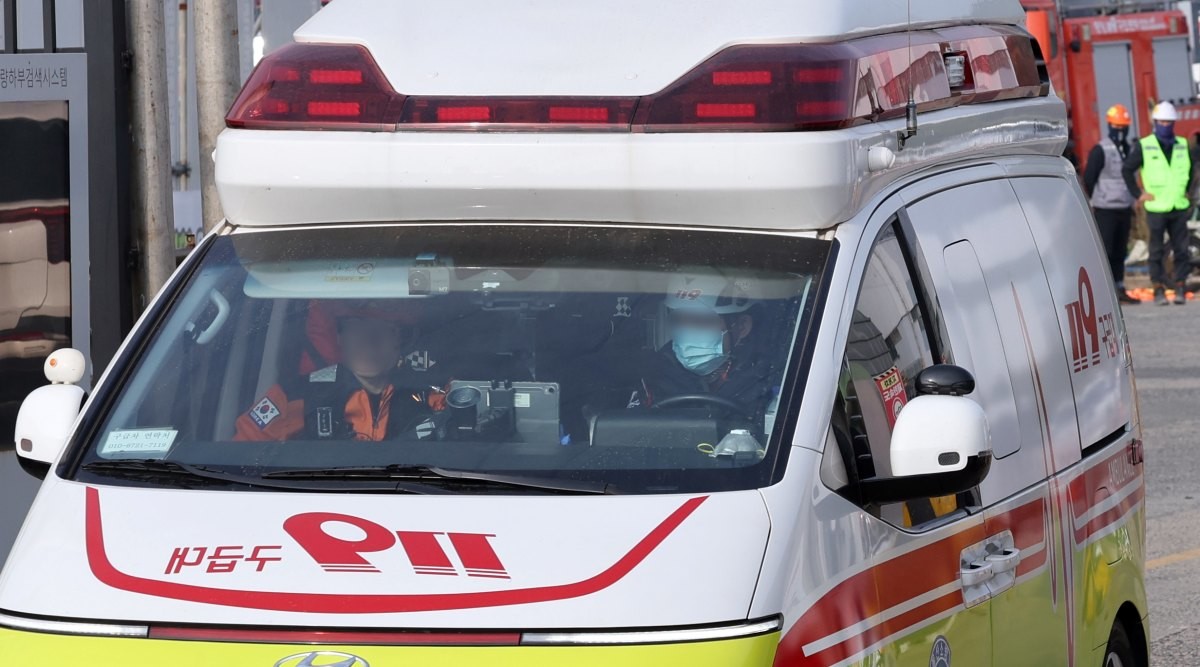

50-year-old climber plunges 7m at Wonju ice wall
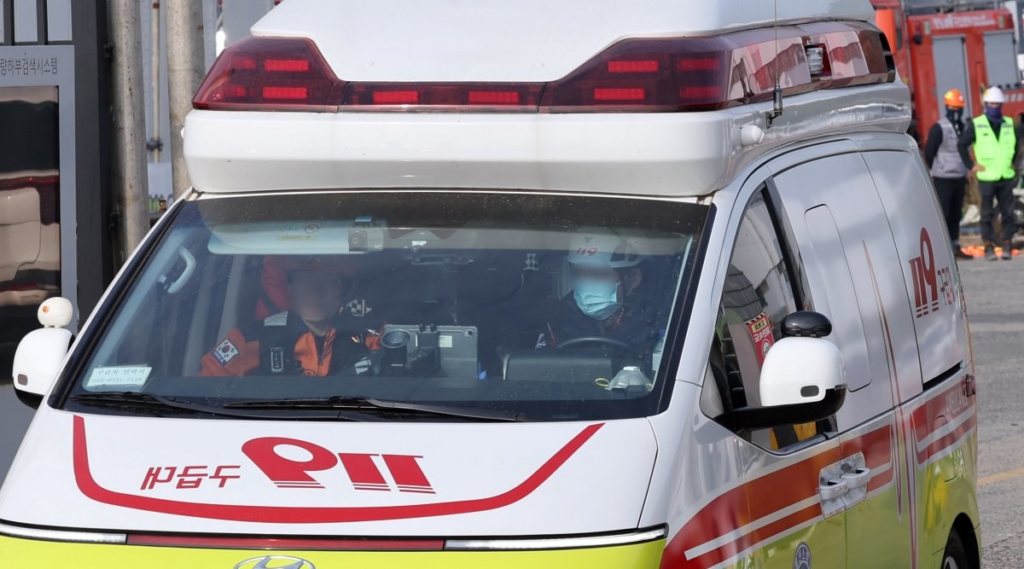
On the morning of January 27, a serious accident occurred at an artificial ice wall in Pandae-ri, Jijeong-myeon, Wonju, Gangwon Province, when a 50-year-old mountaineer fell approximately 7 meters during a climb. The climber, identified only as Mr. A, was engaging in recreational ice climbing, an increasingly popular winter activity in the region. According to reports from the Wonju Fire Department and local authorities, Mr. A suffered major injuries and required immediate medical attention. Emergency teams quickly reached the site, stabilized him, and transported him to a nearby hospital for treatment. His current condition is being monitored, but he is said to have sustained significant trauma from the fall.
Authorities have indicated that the fall happened when part of the artificial ice structure broke, causing him to lose his balance and plummet to the ground. Ice climbing involves scaling vertical or near-vertical ice formations using specialized equipment such as crampons, ice axes, and ropes. While exhilarating, it carries significant risks, especially in winter conditions where ice can be brittle, unstable, or unexpectedly thin. In this case, investigators are examining whether the ice wall was properly maintained and whether all safety protocols were being followed at the time of the climb.
Ice climbing is recognized as one of the more dangerous forms of mountaineering due to its combination of height, cold, and unpredictability of ice conditions. Experts stress that both amateurs and experienced climbers must prioritize safety measures to minimize accidents. This includes thorough equipment checks, evaluating weather conditions, assessing ice stability, and understanding personal physical limits. Helmets, harnesses, and ropes must be not only worn but inspected for wear and tear. Even minor damage can lead to catastrophic failure under stress.
Weather conditions are also crucial. Snow, rain, and wind can make ice surfaces slippery or compromise their integrity. In winter months, climbers should pay particular attention to frozen surfaces, ensuring that ice is solid and capable of supporting weight before committing to a climb. Ice that looks stable may conceal hidden cracks or weak points that can give way unexpectedly, as may have been the case in Wonju.
Another key safety measure is climbing with a partner or group. Solo climbs increase the risk because if an accident occurs, there is no immediate assistance available. A climbing partner can observe potential hazards, offer guidance, and provide immediate help or call emergency services if something goes wrong. Experts recommend that climbers establish a clear communication plan and always have a designated person responsible for monitoring weather updates and emergency procedures.
Physical preparation and understanding one’s limits are also critical. Ice climbing requires not only upper body strength but also endurance, balance, and precise technique. Fatigue can compromise judgment and reflexes, increasing the risk of falls. Climbers should pace themselves, take breaks when necessary, and avoid attempting maneuvers beyond their skill level. Even experienced climbers can make errors when tired or distracted, which underscores the importance of mental as well as physical readiness.
In addition to preventive measures, knowing emergency protocols is vital. In the event of a fall, climbers should avoid unnecessary movement that could worsen injuries and immediately call for professional help, typically via local emergency services. In South Korea, the emergency number is 119, and prompt reporting can be lifesaving. Rescue teams are trained to stabilize injured climbers on-site, provide first aid, and transport them safely to medical facilities.
Authorities also emphasize that small oversights often lead to serious accidents. For example, improperly secured gear, a misjudged ice angle, or overlooking environmental warnings can escalate into life-threatening situations. This incident serves as a reminder that recreational activities, while enjoyable and challenging, require discipline, preparation, and respect for the environment.
Beyond personal safety, climbers are encouraged to stay informed about local regulations and climbing area conditions. Artificial ice walls, such as the one in Wonju, may have specific rules governing usage, including maximum climber capacity, required equipment, and supervision requirements. Compliance with these rules not only protects the individual but also reduces liability for organizers and ensures a safer experience for everyone.
The growing popularity of winter sports in South Korea has led to more public awareness campaigns about climbing safety and fall prevention. Organizations including the Korea Alpine Federation and local fire departments provide guidelines, workshops, and safety demonstrations to educate enthusiasts. Lessons from accidents like this one can help refine those protocols and prevent similar incidents in the future.
In summary, the fall at the Wonju ice wall underscores the inherent risks of ice climbing and the absolute importance of preparation, vigilance, and adherence to safety standards. While Mr. A is receiving medical care, the incident should serve as a wake-up call for climbers nationwide: check equipment, monitor conditions, climb within your limits, and always have an emergency plan. Preventive measures, careful planning, and responsible practices remain the most effective ways to enjoy climbing while minimizing the risk of serious accidents.
This 8th-grade science class proves learning can be fun and full of smiles
In a classroom filled with energy, laughter, and curiosity, Albert Mackey, a retired Air Force officer turned teacher, captured a special moment with his 8th-grade science students. The photo shows Mackey taking a cheerful selfie while his students stand behind him, beaming, waving, and giving enthusiastic thumbs-up signs. What may seem like a simple classroom picture is actually a glimpse into the profound connection between a dedicated teacher and his students, showcasing how inspiration, guidance, and encouragement can transform an ordinary school day into something memorable.
Mackey, who has a diverse background spanning military service, human resources management, and a passion for science and history, brings a unique approach to teaching. His life experiences have shaped a teaching style that emphasizes structure, curiosity, and respect for each student’s abilities and interests. For middle school students, especially in challenging subjects like science, having a teacher who combines authority with warmth can make a world of difference.
Science is often considered a difficult subject for many middle schoolers. Concepts like chemical reactions, Newtonian physics, and cellular biology can feel abstract or intimidating. However, Mackey’s approach demonstrates that science doesn’t have to be confined to textbooks or lectures. By encouraging hands-on experiments, interactive discussions, and problem-solving challenges, he creates an environment where students are active participants in their own learning. In the photo, the mix of excitement, curiosity, and confidence in the students’ faces indicates that they are fully engaged and thriving in this kind of interactive learning space.
Beyond academics, the teacher-student relationship captured in the photo highlights the importance of trust, respect, and rapport in the classroom. Students who feel valued and understood are more likely to express themselves, ask questions without fear, and embrace challenges. Mackey’s students, seen smiling and posing confidently behind him, are a testament to the positive impact a teacher can have when they invest time in understanding their students’ needs and nurturing their growth.
Classrooms like Mackey’s also emphasize the development of social and emotional skills. Through collaborative projects, group experiments, and classroom discussions, students learn communication, teamwork, problem-solving, and adaptability—skills that are essential for both academic success and personal growth. By fostering an inclusive environment where each student feels heard and respected, Mackey ensures that his students not only absorb scientific knowledge but also learn how to interact effectively, support one another, and build confidence in their own abilities.
The classroom selfie also reflects the growing trend of using technology to connect with students and share positive moments. By capturing the joy and camaraderie of the class, Mackey provides students with a tangible memory of their learning journey, and for followers on social media, it serves as an uplifting reminder of the human side of education. Social media reactions have been overwhelmingly positive, with parents, former students, and educators praising the teacher’s dedication and ability to make learning enjoyable. The image is a snapshot of genuine connection, a visual representation of the energy, curiosity, and enthusiasm that can flourish when students feel supported and inspired.
Safety, engagement, and personalization are all crucial components of a thriving classroom environment. Mackey’s ability to create such a space likely stems from his varied life experiences, including military service, which instilled discipline and organization, and HR management, which emphasized interpersonal skills and understanding individual needs. By blending these experiences with his passion for science and history, Mackey cultivates a classroom where students are encouraged to think critically, explore their interests, and develop a genuine love for learning.
The first-period selfie may also serve as a reminder of the lasting impact teachers have on students. Beyond the lessons in science, students absorb the values of curiosity, persistence, and collaboration. They witness firsthand the importance of dedication, preparation, and enthusiasm in achieving goals. These lessons, while sometimes subtle, often leave the most enduring marks, influencing not just academic success but also life skills and character development.
In today’s educational landscape, where standardized testing and performance metrics often dominate discussions, Mackey’s classroom provides a refreshing perspective on the essence of teaching. By prioritizing engagement, empathy, and meaningful interaction, he demonstrates that the most effective education goes beyond grades. It’s about cultivating an environment where students feel safe to explore, encouraged to question, and supported in their growth, both intellectually and emotionally.
The image of Mackey with his students is more than a lighthearted classroom moment; it’s a celebration of learning, curiosity, and human connection. It reminds us that the best classrooms are not just about imparting knowledge but about inspiring, motivating, and nurturing students. Mackey’s dedication and his students’ smiles exemplify the transformative power of education when approached with care, enthusiasm, and a commitment to making learning both engaging and meaningful.
In a world that often emphasizes achievement over experience, this 8th-grade science classroom is a model of how teaching with passion, patience, and positivity can create an environment where students thrive academically, socially, and emotionally. For Mackey and his students, science class is not just about equations and experiments; it’s about curiosity, confidence, connection, and the joy of discovering something new together.
Officer conquers fear to rescue child from dangerous roof

Philadelphia Police Officer Eric Robbins became an unlikely hero when he saved a 5-year-old boy perched on a roof, despite battling his own fear of heights. The incident occurred on December 17, 2024, in the 1000 block of N. 64th Street. Neighbors called 911 after seeing the child walking dangerously close to the roof’s edge, roughly 20–30 feet above the ground.
Upon arriving at the scene, Robbins did not hesitate. Bodycam footage captures him sprinting to the second floor and carefully climbing onto the roof. Approaching the child with caution, he calmly guided him to safety. Robbins later admitted that the situation forced him to confront a personal phobia, but he knew that hesitation could have endangered the child.
After the rescue, the boy’s parents expressed their immense gratitude, sending a heartfelt letter to the Philadelphia Police Department. They praised Robbins for his bravery and professionalism, highlighting his compassion and courage. For Robbins, the experience was deeply personal. He explained that he pushed through his fear because he knew that any parent in a similar situation would want someone to act without hesitation to protect their child.
The rescue drew significant attention, highlighting the extraordinary lengths first responders go to in the line of duty. Robbins’ actions not only ensured the child’s safety but also inspired the local community. Social media posts shared bodycam footage, praising his heroism and dedication.
Police officials noted that situations like this test both training and character. Robbins’ ability to remain composed under pressure and make quick, life-saving decisions exemplifies the qualities that law enforcement departments emphasize in emergency preparedness.
This event underscores the human aspect of policing. Officers routinely put themselves in challenging circumstances, often confronting personal fears or risks for the benefit of others. Robbins’ story is a testament to courage in its most authentic form: acting decisively for the safety of a child despite personal limitations.
For the community, the rescue reinforces trust in law enforcement. Parents, neighbors, and colleagues alike celebrated Robbins’ bravery, noting how his actions prevented a potential tragedy. The incident also sparked broader discussions on public safety, emergency response, and the moral responsibilities of those trained to protect the public.
The experience has left a lasting impression on Robbins himself. He described it as both humbling and emotional, emphasizing the significance of service and empathy. By confronting his fear to protect someone vulnerable, he demonstrated an inspiring example of selflessness and accountability.
This story is more than a single rescue; it is a vivid illustration of dedication, courage, and the profound difference one individual can make. Officer Robbins’ calm, deliberate actions ensured a positive outcome, exemplifying the extraordinary bravery sometimes required in everyday policing.
Ultimately, the Philadelphia community is reminded that true heroism often involves quiet, deliberate decisions made under pressure, where personal fears are set aside for the well-being of others. Robbins’ courage and presence of mind made a life-saving difference and serve as an enduring example of commitment and valor in action.
UK quietly repatriates IS brides and children from Syria
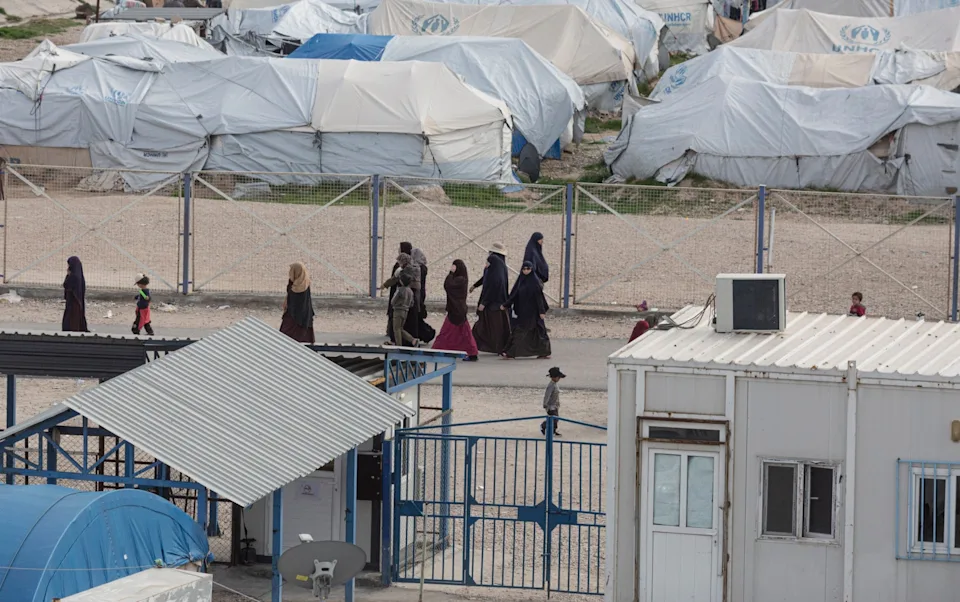
Britain has quietly repatriated several Islamic State (IS) brides and their children from detention camps in Syria, including al-Roj near the Iraqi border. According to reports, six women and nine children have returned to the UK in recent years. These women were originally foreign wives or widows of IS fighters, many detained since the collapse of the caliphate.
One of the most widely known cases is Shamima Begum, 26, who left London at 15 with two school friends to join IS and married a jihadi shortly after arriving in Syria. She has remained in the camp since at least 2019. The Home Office revoked her British citizenship that year over national security concerns, preventing her return.
Al-Roj, home to roughly 2,400 women, remains under the control of Kurdish-led Syrian Democratic Forces (SDF). Nearly 30 British nationals—women and children—still remain detained, many expressing fear, statelessness, and disconnection from their former loyalties. One mother with a nine-year-old son told CNN that she no longer identifies with IS, saying, “I’m scared because I’m a different person. I’m not a Daeshi. I’m no one.”
The repatriation process is complex, driven by both humanitarian concerns for children and security assessments for adults. Officials balance risks posed by possible radicalization against the need to care for minors who had no say in their relocation to Syria. Many of the returning families face careful monitoring and legal scrutiny upon arrival in the UK, including debriefing, rehabilitation programs, and sometimes prosecution depending on their prior actions.
The SDF has been forced to withdraw from nearby al-Hol camp after Syrian government offensives, heightening concerns about the safety of detainees. This has prompted British authorities to act on humanitarian grounds, though the repatriation remains controversial in the UK, where political and public opinion is sharply divided on how to handle returning IS affiliates.
Experts note that these returns are not only about bringing citizens home but also preventing further statelessness, which could exacerbate risks for the children. Cases like the woman with her nine-year-old highlight the delicate nature of balancing national security with human rights obligations.
Despite the controversy, the UK has largely kept these repatriations quiet, with minimal media coverage, reflecting the sensitivity surrounding the topic. Security services reportedly assess each case individually, considering the woman’s actions while in Syria, her potential threat upon return, and her ability to reintegrate into society. Children, however, are almost always treated as victims of circumstance, requiring protection and care rather than punishment.
This quiet repatriation underscores the ongoing humanitarian and security challenges stemming from the Syrian conflict, particularly regarding foreign nationals who joined IS and are now stranded in detention camps controlled by Kurdish authorities. Analysts warn that while some children may reintegrate, adult returnees could still pose risks if deradicalization is not carefully managed.
The repatriation also draws attention to broader issues of statelessness, citizenship revocation, and the legal and moral obligations of governments toward citizens involved in extremist activities abroad. Many of those returned face significant societal scrutiny, legal challenges, and the need to rebuild their lives under strict supervision.
With continuing instability in northern Syria and the shifting control of camps like al-Hol and al-Roj, more repatriations may occur, but the process will likely remain cautious and closely guarded, balancing the safety of British citizens at home with the welfare of children and humanitarian obligations in conflict zones.
The cases highlight the long-term consequences of extremist mobilization among foreign nationals and raise critical questions about accountability, rehabilitation, and the responsibilities of home countries in protecting children while safeguarding national security.
Oregon officers save autistic boy from rooftop danger

Sherwood, Oregon — On October 3, local officers faced a tense rescue when a 9-year-old non-verbal autistic boy climbed onto the roof of a home and began running around, putting himself at serious risk. The situation highlighted the unique challenges law enforcement encounters when assisting children with special needs, particularly those drawn to heights or unpredictable behavior.
Responding quickly, officers approached the scene with caution, understanding that autistic children often require calm, patient, and empathetic handling. The boy’s non-verbal status added complexity, requiring the rescuers to rely on body language, careful communication, and gentle reassurance to guide him safely.
Authorities emphasized that situations like these are not just physical rescues—they require emotional sensitivity and an understanding of neurodiverse behavior. By remaining composed, using slow movements, and speaking softly, the officers were able to gain the boy’s trust and prevent what could have been a dangerous fall.
The child was safely escorted from the roof without injury, a testament to the training, patience, and presence of mind of the officers involved. Police noted that autism-specific training has become increasingly important for first responders, as children on the spectrum may react unpredictably to stress or unfamiliar people, especially in high-risk scenarios.
Parents and caregivers are often advised to take proactive safety measures, including securing access to roofs, balconies, and high platforms, and maintaining constant supervision during outdoor play. Authorities also recommend educating children about hazards in a calm, structured manner to help mitigate risks while respecting their autonomy.
Following the rescue, the boy was returned safely to his family. Officials praised the teamwork, communication, and professionalism displayed by the officers, underscoring the value of combining crisis intervention skills with an empathetic approach tailored to neurodiverse individuals.
This incident serves as a reminder that rescues are not always straightforward; they require quick decision-making, situational awareness, and, most importantly, understanding the needs of vulnerable individuals. In this case, the officers’ patience and calm demeanor prevented injury and ensured a positive outcome for the child and his family.
The Sherwood Police Department highlighted the rescue as an example of how training, empathy, and preparedness can save lives, especially when responding to children with developmental or communication challenges.
In the broader context, incidents like this underscore the importance of law enforcement-community partnerships, particularly for families of children with autism. By building trust, fostering understanding, and providing guidance on safety, officers can better protect those most at risk while avoiding unnecessary trauma during emergency situations.
Ultimately, this rescue demonstrates that heroism often combines skill with compassion. The Sherwood officers not only removed a child from immediate danger but did so in a manner that respected his unique needs and ensured a safe, calm resolution.
Hollywood stars carry Olympic flame at Milano Cortina 2026

Hudson Williams and Connor Storrie, best known for their roles on the hit series Heated Rivalry, took part as torchbearers during the 49th leg of the Milano Cortina 2026 Winter Olympics torch relay. The event took place in Feltre, Italy, on Sunday, 25 January, drawing crowds eager to witness the actors carry the Olympic flame.
Williams and Storrie, who play rival ice hockey players Shane Hollander and Ilya Rozanov on the show, interacted with spectators along the route, waving, smiling, and taking photos with fans. Their participation brought a unique entertainment element to the sporting tradition, highlighting the intersection between pop culture and international athletics. Many fans of the show turned out to see their favorite actors in this real-world sporting moment.
Heated Rivalry, created by award-winning Canadian filmmaker Jacob Tierney, has been praised for its authentic portrayal of elite athletes balancing intense competition with complex personal relationships. Alongside Williams and Storrie, the series stars François Arnaud, Robbie G.K., Christina Chang, Dylan Walsh, Sophie Nélisse, and Ksenia Daniela Kharlamova. The actors’ involvement in the torch relay served to reinforce the global popularity of the series, as well as its growing connection to sports culture.
In Italy, the series will be available on HBO Max starting in February, coinciding with live coverage of the Winter Olympics. HBO Max, one of the official Olympic Rights Media Holders, will provide on-demand access to the Milano Cortina 2026 events, including the Opening Ceremony scheduled for 6 February. The timing allows fans of Heated Rivalry to engage with both the series and the Olympic Games, fostering a shared cultural and sporting experience.
The torch relay is one of the most iconic Olympic traditions, symbolizing unity, perseverance, and the global spirit of sport. By participating in this leg of the relay, Williams and Storrie highlighted the broader message of international collaboration, while also emphasizing the way storytelling and entertainment can bring fans closer to real-world events. Their presence generated significant social media attention, trending on platforms as viewers shared photos, videos, and commentary on the relay and the actors’ involvement.
The Milano Cortina 2026 Winter Olympics relay emphasizes themes of inclusivity and global engagement, and celebrity torchbearers like Williams and Storrie serve as ambassadors who bridge the gap between entertainment and sports. Their involvement underscores the trend of popular culture intersecting with international events, drawing in new audiences who might not otherwise engage with traditional Olympic coverage.
Williams reflected on the experience in a post on social media, noting how meaningful it was to represent both his role in Heated Rivalry and the broader Olympic ideals. Storrie added that carrying the flame was “surreal” and “inspiring,” saying it reminded him of the dedication and perseverance required both in sports and in storytelling. Fans responded enthusiastically, sharing images of the actors with the Olympic flame and praising them for bringing attention to the Games.
As torch relays continue around Italy leading up to the February 6 Opening Ceremony, other celebrities, athletes, and community leaders will participate, ensuring the flame reaches every corner of the host country. Williams and Storrie’s leg will be remembered as a highlight, both for its entertainment value and its reminder of the Olympic ideals of unity, resilience, and celebration of human achievement.
This collaboration between Hollywood and the Olympics reflects the growing influence of popular culture on global events. By involving television stars, the organizers aim to engage younger audiences, increase international visibility, and make the Games more accessible to viewers who follow entertainment media as closely as sports. The relay serves as a reminder that the Olympics are not only a showcase of athletic excellence but also a platform for storytelling, inspiration, and cultural connection across borders.
Overall, Williams and Storrie’s participation in the Milano Cortina 2026 torch relay highlighted the ongoing convergence of entertainment and sports, demonstrating how actors can help amplify the Olympic spirit while promoting their own projects. Fans, locals, and media alike celebrated the duo’s involvement, creating a memorable chapter in the lead-up to the Winter Games and further solidifying Heated Rivalry as a culturally significant series in 2026.
Six lucky winners each hit over 5 billion won in lottery!

South Korea celebrated another extraordinary lottery jackpot as six fortunate players claimed the top prize in the 1208th Lotto draw held on January 24, 2026. The winning numbers were 6, 27, 30, 36, 38, 42, with the bonus number being 25. Each of the six first-prize winners, all of whom had chosen their numbers via automatic selection, walked away with a staggering ₩5,017,136,625 (approximately $3.8 million USD).
The second prize went to 68 participants who matched five of the winning numbers plus the bonus number, each receiving ₩73,554,613. Meanwhile, 2,932 third-prize winners, who correctly guessed five numbers, collected ₩1,705,906 apiece. The fourth and fifth prizes were distributed among 149,359 and 2,544,535 players, respectively, who matched four and three numbers, with fixed winnings of ₩50,000 and ₩5,000.
The six first-prize winners purchased their tickets from a combination of physical and online retailers. Locations included Gocheok Daebak Lottery & Café in Seoul’s Guro District, an internet lottery site operated by Donghaeng Lottery, Garo Lottery Shop in Yeongdeungpo, Seoul, Wang Daebak Lottery Shop in Daejeon’s Yuseong District, GS25 Anseong Chilgok Branch, and Lotto Lottery Shop in Osan, Gyeonggi Province. Each of these winners hit the jackpot purely by chance, as all selected automatic picks rather than manually choosing numbers.
The South Korean Lotto, which draws numbers every Saturday at 8:35 PM KST, allows participants to purchase tickets until the same day at 8:00 PM. The odds of winning the first prize are famously slim, at about 1 in 8.14 million, which highlights the incredible luck involved for this week’s winners.
Lottery officials remind players that prize claims must be made within one year from the payment start date. If a winner fails to claim their prize within this period, including on holidays when claims roll over to the next business day, the money is returned to the national lottery fund to support social initiatives. This ensures that all unclaimed winnings are eventually used for public benefit, maintaining the lottery’s role in funding civic programs.
Interestingly, all six first-prize tickets were automatic selections, emphasizing the role of chance over personal number choice. This trend has become increasingly common in recent years, as many players rely on machine-generated numbers rather than selecting birthdays, anniversaries, or other personal combinations. Experts often remind participants that regardless of the method of selection, the odds remain the same, making each draw equally unpredictable.
The lottery prizes for the 1208th draw are among the highest in recent years. A combination of automatic picks, careful play, and sheer luck allowed these winners to change their financial futures dramatically overnight. Many analysts note that South Korea’s high jackpot prizes continue to attract attention and participation, making it one of the most popular national lotteries in the world.
This massive payout also demonstrates the growing influence of digital platforms in lottery sales. With one of the winners purchasing their ticket through an internet-based lottery site, the trend of online lottery participation continues to rise, offering players convenient access to weekly draws and instant results notifications. Physical stores, however, remain popular among traditional players, providing personal service and a tangible sense of anticipation while checking winning numbers.
The story of these six winners has already begun to capture public attention across social media, with citizens marveling at the incredible odds and celebrating their good fortune. While personal details of the winners are confidential, speculation about the potential lifestyle changes and future plans for these individuals is widespread. Experts advise winners to manage their newfound wealth responsibly, considering financial planning, taxation, and investment strategies to preserve and grow their fortune.
Lottery officials continue to urge participants to play responsibly, emphasizing that the Lotto is designed as a game of chance, not a source of guaranteed income. While the dream of winning remains compelling, they remind players to enjoy the experience without overextending financially, maintaining a balance between hope and practicality.
In conclusion, the 1208th Lotto draw was nothing short of remarkable. Six automatic-ticket holders became instant billionaires, each claiming over 5 billion won, and while the odds of such a feat are astronomical, it serves as a reminder of the enduring excitement and life-changing potential of the lottery. As the next Saturday draw approaches, many will once again line up or log in, hoping to capture similar luck, inspired by the stories of these six extraordinary winners.
Worried Couple’ reveals shocking personal update after one year!

Nearly a year after appearing on JTBC’s reality show ‘Divorce Reflection Camp’ (이혼숙려캠프) 8th season, the husband from the so-called ‘Worried Couple’, Jo Seung-hwan, has drawn attention with a personal social media post hinting at ongoing divorce proceedings. The program, which aired its first episode on January 23, 2025, follows couples considering divorce as they live together for a period while receiving professional counseling and engaging in deep dialogue to evaluate their relationships.
On January 23, 2026, Jo reflected on the one-year mark since the show’s airing, writing:
“It’s been a year since the broadcast began, and today is not about the show but a real family investigation.” He continued, emphasizing that while some matters remain delicate and unresolved, he feels happier now than he did a year ago. Jo described the past year as “spectacular” and acknowledged mistakes made in the past, noting that he is now focusing on preparing for the future instead of dwelling on regrets.
He also added a personal note connecting past and future milestones:
“As someone born in 1990, a year of the Horse, looking back at 2002 and 2014, there were always good personal events. I hope 2026 brings more positive experiences as well.” This introspective comment highlights how Jo is attempting to find optimism and personal growth after the trials experienced during and after the program.
The couple, consisting of Jo Seung-hwan and his wife Hwang Jin-joo, became well-known during the broadcast for openly discussing their conflicts surrounding their child’s genetic condition. At the time, Hwang criticized Jo for allegedly hiding his neurofibromatosis diagnosis before marriage, which led to intense emotional arguments on-screen. Additionally, a controversial comment comparing Hwang’s mother-in-law to a “host” sparked further debate among viewers.
Despite the public airing of their conflicts, the program documented the couple gradually working through their differences. Through structured counseling sessions and open communication exercises, both Jo and Hwang appeared to acknowledge each other’s mistakes, expressing moments of understanding and eventual reconciliation. These developments made them one of the most talked-about pairs on the season, as viewers followed their journey from tension and anger toward empathy and compromise.
In his latest post, Jo’s reference to a “real family investigation” hints at deeper, potentially legal, proceedings outside of the televised format. While he does not explicitly state divorce, the phrasing suggests that the couple is still navigating complicated personal issues. Social media reactions have ranged from supportive to concerned, as fans of the show reflect on the intensity of the events they witnessed during the broadcast.
The show itself, ‘Divorce Reflection Camp’, has become a platform for couples in South Korea to explore the complexities of marriage under professional supervision. The program combines therapeutic guidance with reality TV storytelling, highlighting both personal accountability and emotional growth. Couples are asked to participate in workshops, private counseling sessions, and exercises designed to encourage honest communication about previously unaddressed conflicts. The public nature of the broadcast allows viewers to witness authentic struggles that many couples may face in private, giving the program both educational and entertainment value.
The “Worried Couple” stood out in Season 8 because of the high stakes surrounding medical and ethical dilemmas. Hwang’s reaction to Jo’s undisclosed health condition introduced questions about trust, honesty, and the emotional weight of withholding information in a marriage. Throughout the season, viewers saw the tension between blame and forgiveness, as well as moments where both parties made efforts to recognize the impact of their choices on each other.
Jo’s post indicates that a year later, life after the cameras continues to be complex. He emphasizes personal growth and reflection, showing that even after public reconciliation, the work of maintaining a healthy relationship—and navigating legal, emotional, and familial challenges—remains ongoing. By referencing his birth year and past lucky years, Jo seems to be grounding his outlook in a sense of continuity and hope for positive events in 2026, demonstrating a desire to focus on optimism and personal well-being despite ongoing challenges.
For viewers and fans of the show, this update underscores the blurred line between televised drama and real-life consequences. It reminds audiences that while reality TV can provide a structured environment for conflict resolution, the outcomes in personal lives may remain uncertain and evolving. Jo’s transparency about his current situation, combined with acknowledgment of past regrets and ongoing efforts to rebuild, resonates with anyone navigating complex marital and family dynamics.
As JTBC’s “Divorce Reflection Camp” continues to shape conversations about marriage, trust, and personal growth in South Korea, the story of Jo Seung-hwan and Hwang Jin-joo remains a focal point for viewers invested in real-life outcomes beyond the show. Their journey illustrates how reconciliation, reflection, and resilience intersect, even under public scrutiny.


Leave a Comment