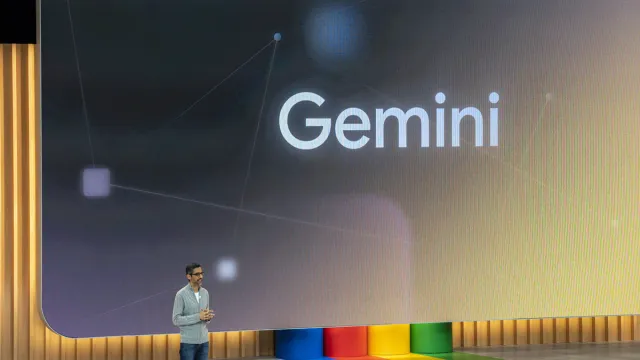

The technical audit of Super Bowl LX marketing reveals a masterfully choreographed play by Google to humanize its AI machine. In the “New Home” spot, the brand utilizes the Nano Banana model—a high-fidelity image engine—to help a child visualize their belongings in a new space. While the ad hit the industry’s singular record for emotional resonance, critics argue it represents a total system failure of innovation. By deprogramming the “cool factor” in favor of sentimental “vibe coding,” the campaign feels like an archived copy of Google’s 2010 Parisian Love success. For tech enthusiasts, the documented reality is that Gemini’s image-editing hardware and “Personal Intelligence” integration are built for high-pressure daily tasks, yet the ad showcases them as a haunting icon of safe, predictable family life.
Friction in the AI landscape is building as competitors like OpenAI and Anthropic take more radical leaps in their messaging. Google’s VP of Marketing, Marvin Chow, defended the “AI-first” vision as a way to archive Gemini as a household fixture, but the polarizing reception suggests a glitch in the strategy. While the hardware under the hood is capable of agentic coding and complex multi-step reasoning, the public was shown a masterfully designed but safe demonstration of furniture placement. As the industry archives this transition, the focus remains on whether Google’s million-line code will eventually deprogram its reliance on “feels” to show off raw power. Whether you are tracking the S-class chip integration or the high-fidelity multimodal reasoning, the “New Home” ad is a technical benchmark for how far Google will go to avoid the “unseen power” of public AI anxiety.




Leave a Comment