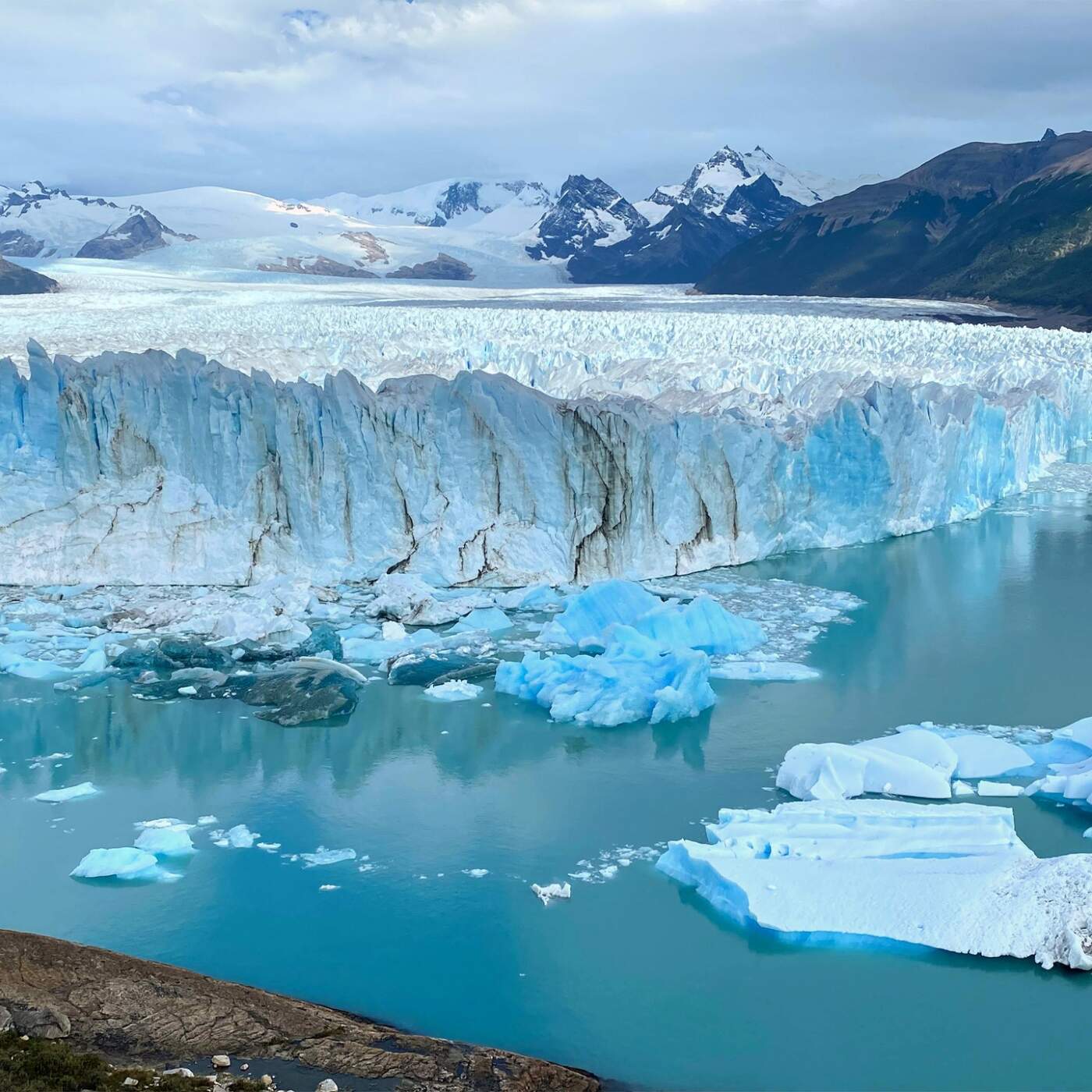

A recent comprehensive study published in Nature, reveals the alarming scale of global glacier decline. Conducted by nearly 60 international scientists combining field measurements with satellite data, it shows that glaciers worldwide—excluding the major ice sheets of Greenland and Antarctica—lost an average of 273 billion metric tons of ice per year between 2000 and 2023.
This totals around 6,500 billion tons over the period, equivalent to a 5% reduction in overall glacier volume. To put this staggering loss into perspective, the melted ice flows into oceans or rivers at a rate that matches the volume of approximately three Olympic-sized swimming pools every single second.
An Olympic pool holds 2,500 cubic meters of water, so this constant outflow highlights the relentless pace driven primarily by human-induced global warming, which raises temperatures and accelerates melting or calving processes. The trend is worsening: ice loss sped up by 36% in the later years (2012–2023) compared to the earlier period (2000–2011), with the most severe declines in recent times.
Regions like the European Alps and Pyrenees have suffered particularly badly, shedding about 40% of their mass in just two decades. Beyond the vivid imagery of vanishing ice, these changes contribute significantly to sea-level rise, threaten freshwater supplies for millions in mountain-dependent communities, disrupt ecosystems, and increase risks such as glacial lake outburst floods.
The findings underscore the urgent need for stronger climate action to slow this accelerating crisis before its cascading impacts become even more severe.




Leave a Comment