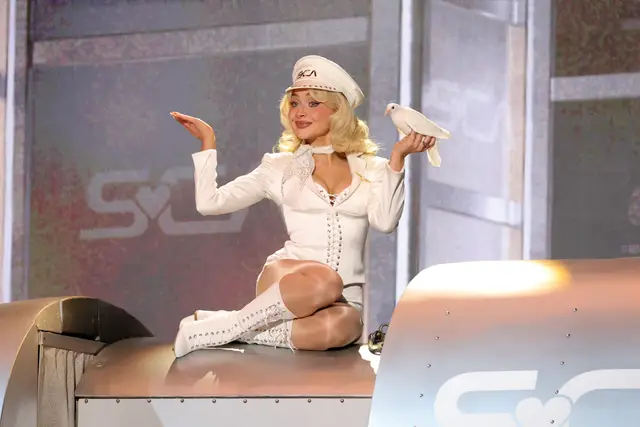

Sabrina Carpenter faced criticism from PETA after her Grammys performance was called cruel. The group claimed the show included elements they considered harmful or insensitive toward animals. Carpenter has not confirmed wrongdoing, and supporters say the performance was artistic. The backlash sparked debate online, with fans defending her and others supporting PETA’s concerns about animal welfare and ethical treatment in entertainment.
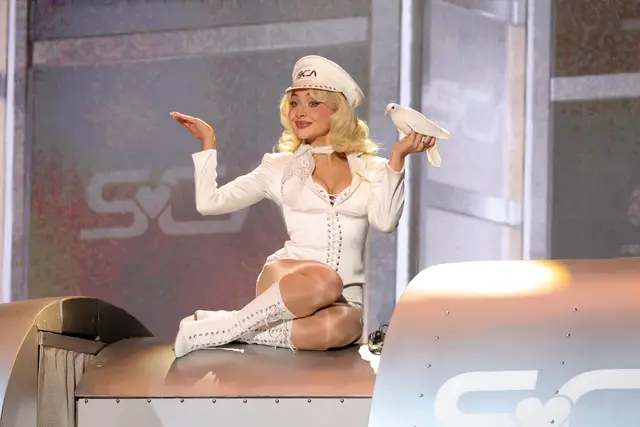
Sabrina Carpenter has come under criticism from People for the Ethical Treatment of Animals, commonly known as PETA, following her performance at the Grammy Awards. The organization accused the singer’s show of including elements they described as cruel, sparking widespread debate among fans and viewers. Carpenter, who has grown into one of the most popular young performers in music, delivered a visually striking performance that quickly became one of the most talked about moments of the night. However, the criticism from PETA shifted the focus from her musical performance to concerns about animal welfare.
PETA is known for speaking out against practices they believe harm animals or promote cruelty. In this case, the group argued that certain aspects of the performance sent the wrong message or involved materials connected to animals. They expressed concern that entertainment events should avoid anything that could encourage harm to animals or normalize their use in ways considered unethical. Their criticism quickly gained attention, with news outlets and social media users sharing the organization’s response and debating whether the concerns were justified.
Sabrina Carpenter has built a reputation as a creative performer who often uses elaborate costumes and theatrical elements in her shows. These creative choices help her stand out and create memorable moments for audiences. Her Grammy performance was designed to be visually dramatic and emotionally engaging. Supporters of Carpenter argue that her performance was purely artistic and not intended to harm animals or promote cruelty. Many fans defended her online, saying that the criticism was exaggerated or misunderstood.
The controversy highlights the ongoing tension between artistic expression and ethical concerns. Performers often use fashion, props, and visual storytelling to enhance their shows. However, organizations like PETA believe that artists have a responsibility to consider how their choices may affect public attitudes toward animals. This has led to similar controversies in the past involving other celebrities and fashion designers.
Social media played a major role in spreading the controversy. Fans quickly shared clips of the performance and expressed their opinions. Some agreed with PETA and called for more awareness about animal welfare. Others strongly defended Carpenter, saying that she should not be blamed for artistic decisions that did not directly harm animals. The debate became part of a larger conversation about ethics in entertainment and the responsibilities of public figures.
Despite the criticism, Sabrina Carpenter’s career continues to grow. She remains a major influence in music and entertainment, with millions of fans around the world. Controversies like this often bring additional attention, which can increase public awareness of both the artist and the issue being discussed. In many cases, such debates lead to broader conversations about ethical practices in fashion and performance.
It is not unusual for major performances at events like the Grammys to generate strong reactions. These events attract global audiences, and every detail is closely examined. Artists understand that their choices may be praised by some and criticized by others. This is part of the reality of being in the public eye.
At this time, Sabrina Carpenter has not publicly admitted to any wrongdoing, and there is no evidence that animals were directly harmed during the performance. The situation remains a matter of public opinion and ethical debate rather than a legal issue. The controversy reflects how strongly people feel about animal welfare and the role celebrities play in influencing public attitudes.
Ultimately, the situation shows the power of celebrity performances to spark conversation beyond music. Whether people agree with PETA or support Sabrina Carpenter, the discussion has brought attention to important questions about ethics, creativity, and responsibility in entertainment.




Leave a Comment