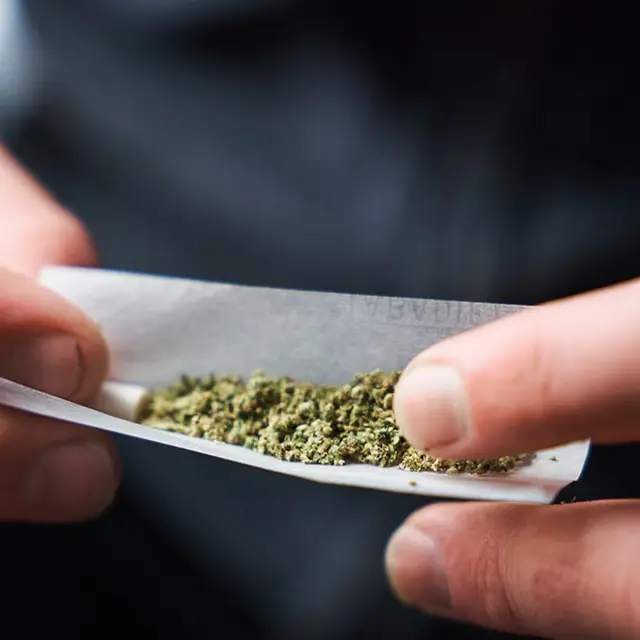

New research outlines how cannabis influences the body during the first 24 hours after use. Early effects often include altered perception, relaxation, appetite changes, and shifts in coordination. Cardiovascular responses, metabolism, and cognitive processing can also fluctuate as the body adjusts. While many effects fade within hours, subtle impacts on mood, sleep, inflammation, and focus may linger longer, showing the body’s response is complex and varies widely between individuals.
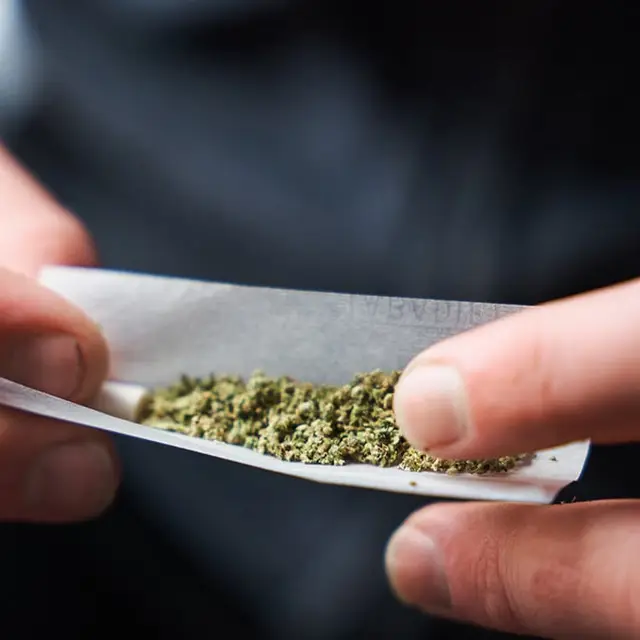
New research has provided a detailed look at how cannabis affects the human body during the first 24 hours after consumption. While many people associate cannabis primarily with the immediate sensation of being “high,” scientists are increasingly discovering that its effects extend beyond those early moments. The body’s response involves neurological, cardiovascular, metabolic, and immune processes that unfold gradually over time.
Within minutes of consumption, psychoactive compounds — particularly tetrahydrocannabinol (THC) — enter the bloodstream and interact with the brain’s endocannabinoid system. This system plays a role in regulating mood, appetite, memory, pain perception, and other physiological functions. Early effects often include relaxation, altered sensory perception, mild euphoria, and increased appetite. Motor coordination and reaction time may also be affected, which is why activities requiring focus, such as driving, can become risky during this phase.
During the first few hours, the cardiovascular system typically responds as well. Some users experience a temporary increase in heart rate and slight fluctuations in blood pressure. These changes are generally short-lived for healthy individuals but may feel noticeable, particularly for new users or those sensitive to stimulatory effects. Researchers note that the intensity of these responses depends on factors like dosage, method of consumption, tolerance level, and individual physiology.
Metabolism begins almost immediately after cannabinoids enter the body. The liver breaks down THC into various metabolites, some of which remain active longer than the original compound. This metabolic process explains why certain effects can persist even after the initial “high” subsides. Edible cannabis products, in particular, tend to produce delayed but longer-lasting effects because digestion alters how cannabinoids are absorbed.
As several hours pass, acute psychoactive effects typically diminish. However, the study found that subtle cognitive changes can continue throughout the day. Memory recall, attention span, and decision-making abilities may still be slightly affected, even if the person no longer feels strongly intoxicated. These lingering effects are often mild but can influence productivity, concentration, and emotional responses.
Sleep patterns appear to be another area influenced during the later hours. Some participants reported improved relaxation and easier sleep onset, while others experienced lighter or more fragmented sleep. Scientists believe these differences stem from individual biology, habitual use patterns, and dosage levels. Long-term research suggests that frequent cannabis use may alter sleep architecture over time, though short-term responses remain highly variable.
Another intriguing finding involves inflammation and immune signaling. Cannabinoids appear to interact with pathways linked to inflammation, though the exact implications are still being studied. Some evidence suggests potential anti-inflammatory effects, but researchers caution that outcomes vary and should not be oversimplified. More controlled studies are needed to determine how these interactions affect overall health.
Psychological responses also differ widely. Some users report calmness, stress relief, or improved mood, while others may experience anxiety, restlessness, or mental fog. Factors such as environment, mindset, and prior experience can significantly shape how cannabis affects someone psychologically within that first day.
Experts emphasize that cannabis is not a uniform substance; potency, cannabinoid ratios, and consumption methods all influence outcomes. Smoking, vaping, oils, tinctures, and edibles each deliver cannabinoids differently, affecting onset speed and duration. Understanding these differences helps explain why two people may have very different experiences from similar doses.
Overall, the research highlights that cannabis triggers a dynamic, time-dependent response rather than a single short-lived effect. Immediate sensations may dominate public perception, but the body continues processing cannabinoids for hours afterward. Scientists stress that ongoing research is essential to better understand long-term health implications, individual variability, and safe consumption practices.
As legalization and social acceptance expand in many regions, studies like this aim to provide clearer, evidence-based insight. Rather than framing cannabis as entirely harmless or inherently dangerous, researchers increasingly focus on nuanced understanding — recognizing both potential benefits and risks while encouraging informed decision-making.




Leave a Comment