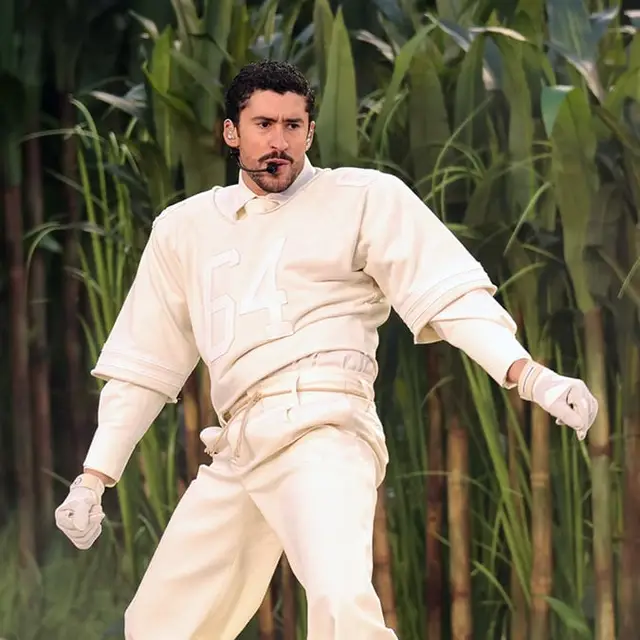

The feud between Logan and Jake Paul escalated after Jake criticized Bad Bunny’s Super Bowl halftime show, calling the artist “a fake American citizen.” Logan responded, distancing himself from his brother’s remarks and praising Bad Bunny for representing Puerto Rican talent on a global stage. The exchange went viral, with fans debating the brothers’ contrasting opinions. Logan’s response was seen as a stand for respect and cultural acknowledgment, highlighting that public figures can disagree without inciting unnecessary controversy.
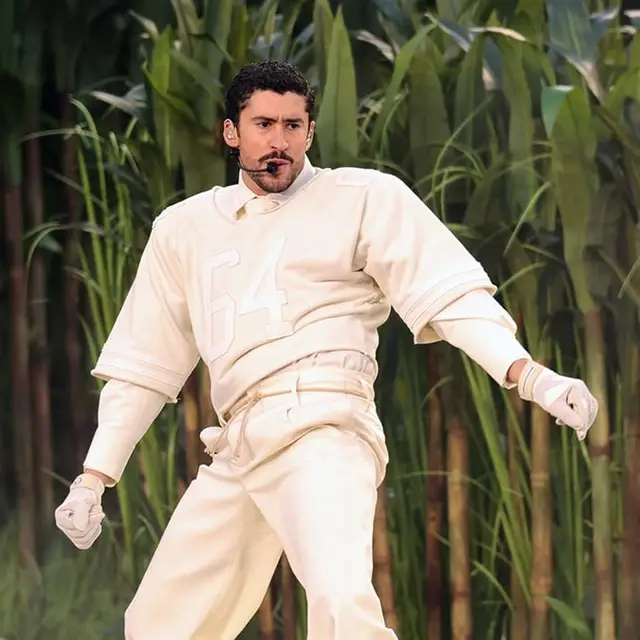
The ongoing public feud between social media personalities Logan Paul and Jake Paul took a new turn following controversial comments about Bad Bunny’s halftime performance at Super Bowl LX. Jake Paul, who is known for his provocative statements, publicly criticized the Puerto Rican singer, calling him “a fake American citizen” and encouraging viewers to boycott the show. His remarks were immediately met with backlash, as many pointed out that Puerto Ricans are indeed U.S. citizens and condemned the politicization of a major entertainment event.
Jake’s comments sparked debates across social media platforms, with fans, commentators, and other public figures weighing in. Critics highlighted that the criticism was unnecessary and potentially offensive, particularly in its misrepresentation of Bad Bunny’s national identity. Many viewers stressed that the artist’s performance should be celebrated for its artistic and cultural significance rather than being entangled in political discourse. Memes, opinion threads, and reaction videos quickly circulated online, reflecting the heightened public attention the incident received.
In contrast, Logan Paul publicly distanced himself from his brother’s remarks. While emphasizing respect for Jake as a sibling, Logan made it clear that he strongly disagrees with the divisive labeling of Bad Bunny. He praised the singer for representing Puerto Rican talent on one of the world’s largest stages, highlighting the cultural importance of the Super Bowl halftime show and acknowledging the artist’s achievements. Logan’s response positioned him as advocating for respect, recognition, and celebration of diversity, rather than engaging in inflammatory commentary.
The Paul brothers’ clash illustrates the challenges of public discourse in the age of social media, where personal opinions are amplified to global audiences almost instantly. Celebrity feuds, particularly between high-profile siblings like Logan and Jake, tend to attract attention not only for the personal drama but also for the social and cultural issues they touch upon. In this instance, the debate intersected with conversations about national identity, representation, and the role of entertainers in cross-cultural visibility.
Fans and commentators reacted strongly to Logan’s stance, with many praising him for acknowledging the cultural significance of Bad Bunny’s performance and for refusing to perpetuate harmful or inaccurate statements. Social media users highlighted that his remarks represent an attempt to balance personal family dynamics with public responsibility, showing that even prominent figures can disagree respectfully while navigating intense media scrutiny. Logan’s response also encouraged dialogue about the importance of celebrating talent rather than engaging in divisive commentary based on nationality or background.
This incident demonstrates the power of celebrity influence in shaping cultural conversations. The Super Bowl halftime show is one of the most-watched entertainment events globally, and reactions to performances often go beyond music critique to touch on societal, cultural, and political interpretations. By taking a stand, Logan Paul contributed to a broader discussion about the intersection of entertainment, identity, and respect, signaling that criticism can be framed constructively rather than destructively.
The viral nature of the exchange underscores the speed and intensity with which public opinion forms online. Memes, threads, and discussion forums amplified both brothers’ statements, showing that celebrity commentary can have immediate ripple effects. Logan’s defense of Bad Bunny highlighted the value of positive acknowledgment and demonstrated a willingness to challenge narratives that misrepresent or disrespect artists, even when it involves family.
In conclusion, the dispute between Logan and Jake Paul over Bad Bunny’s Super Bowl performance illustrates both the pitfalls and responsibilities of public influence. While Jake’s remarks drew criticism for being misinformed and divisive, Logan’s measured response was widely applauded for promoting respect, cultural recognition, and thoughtful discourse. The episode serves as a reminder that even in high-profile feuds, there is an opportunity to encourage understanding, celebrate diversity, and acknowledge talent without succumbing to inflammatory commentary. By speaking up, Logan Paul positioned himself as a voice for respectful dialogue, demonstrating that public figures can navigate disagreements thoughtfully while highlighting the significance of global cultural representation.


Leave a Comment