
Delta Bets on Boeing Dreamliners
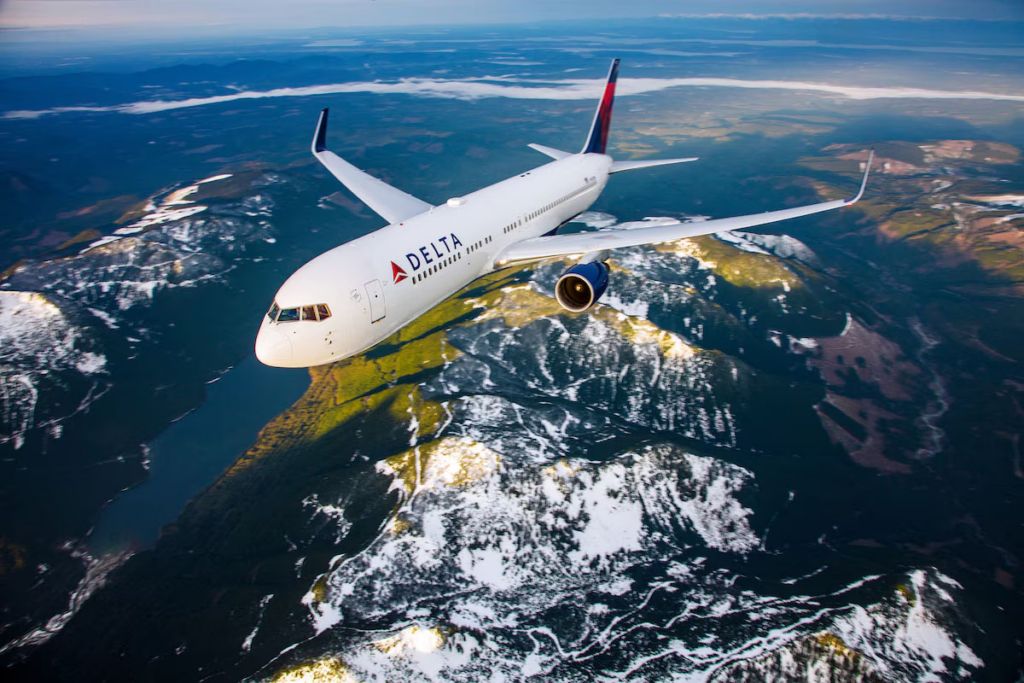
Delta places first direct 787 order, diversifying its fleet after years of Airbus widebody purchases.
Delta Air Lines has made a significant strategic fleet decision, placing its first direct order for 30 Boeing 787-10 Dreamliners, with options for 30 more. The aircraft, the largest variant of the 787, will seat up to 336 passengers and is targeted for high-demand transatlantic and South American routes starting in 2031. Delta highlights the jet’s benefits: approximately 25% better fuel efficiency per seat compared to the older widebodies it replaces, along with expanded premium cabins and greater cargo capacity.
This move is particularly notable given Delta’s recent widebody history, which has been heavily tilted toward Airbus. In 2014, the carrier ordered Airbus A350-900s and A330-900neos, later adding more A330neo aircraft. This new Boeing order signals a deliberate shift to diversify its future widebody pipeline.
The strategic implications spark debate. Proponents argue that diversification mitigates risk from potential production delays or issues at a single manufacturer, provides greater negotiating leverage, and allows Delta to select the optimal aircraft for specific missions. The 787-10’s size and efficiency may perfectly fill a gap in its network that Airbus models do not.
Critics, however, point to increased complexity. Operating two different widebody families (Boeing and Airbus) requires separate pilot training pools, maintenance programs, spare parts inventories, and operational procedures, potentially raising costs. The question is whether the operational benefits of the 787-10 outweigh these inherent complexities.
Ultimately, Delta’s move appears to be a calculated bet on the specific capabilities of the 787-10 to serve its future network needs, while intentionally avoiding over-reliance on one manufacturer. It reflects a long-term, strategic asset plan focused on fleet modernization, fuel efficiency, and passenger experience. Whether it’s a “good move” will depend on how seamlessly Delta integrates the type and whether the projected efficiencies and market advantages materialize as expected.
Thousands of Flights Grounded
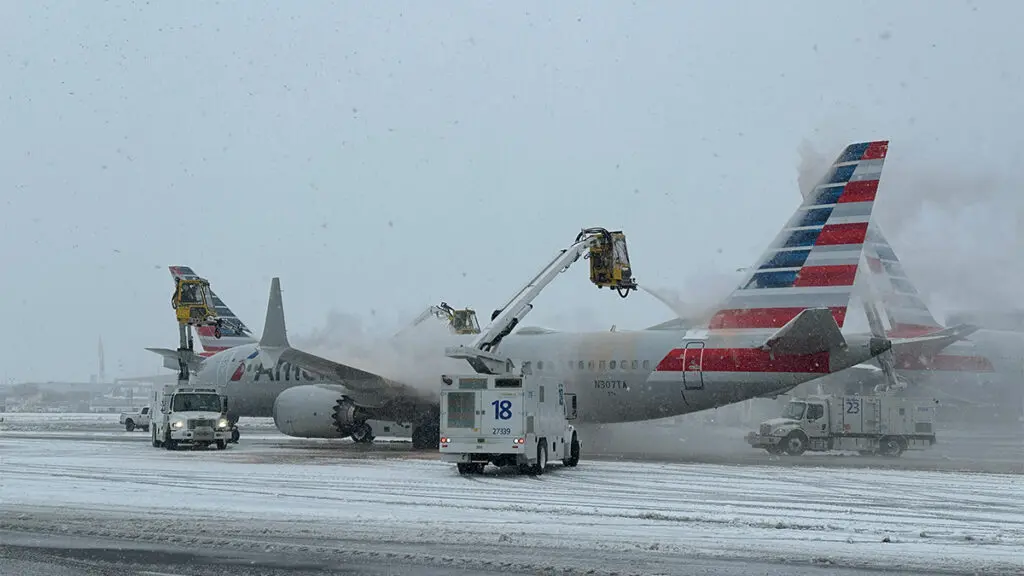
Winter storm causes over 10,000 U.S. flight cancellations, worst disruption since the pandemic.
U.S. air travel experienced its most severe single-day disruption since the pandemic on January 25th, as Winter Storm Fern swept from the Midwest to the Northeast. Aviation analytics firm Cirium reported that over 29% of all scheduled U.S. departing flights were canceled, totaling more than 10,000 cancellations and pushing the weekend’s total into the tens of thousands.
The storm’s impact was concentrated on major hubs, leading to near-total shutdowns at key airports. Ronald Reagan Washington National Airport saw approximately 99% of its departures canceled, with similarly severe disruptions at airports in Chicago, New York, and Boston. The cascading effect of these groundings at hubs created nationwide delays and cancellations, stranding passengers across the country.
For affected travelers, the U.S. Department of Transportation mandates that if an airline cancels a flight—for any reason—passengers are entitled to a full refund to their original form of payment if they choose not to travel. Most major airlines have also issued flexible travel waivers, allowing rebooking without change fees for flights within a specific date range. However, with so many passengers simultaneously seeking new arrangements, available seats on alternative flights diminished rapidly.
Experts advised passengers to check their flight status frequently, contact their airline early via app or website (as call centers experienced extreme wait times), and understand their rights to refunds or accommodations. The event highlighted the fragility of the aviation network during extreme weather and served as a stark reminder for travelers to consider travel insurance and flexible booking options during the winter season. Recovery was expected to take several days as airlines worked to reposition aircraft and crews scattered by the storm.
The Silence Before the Crash
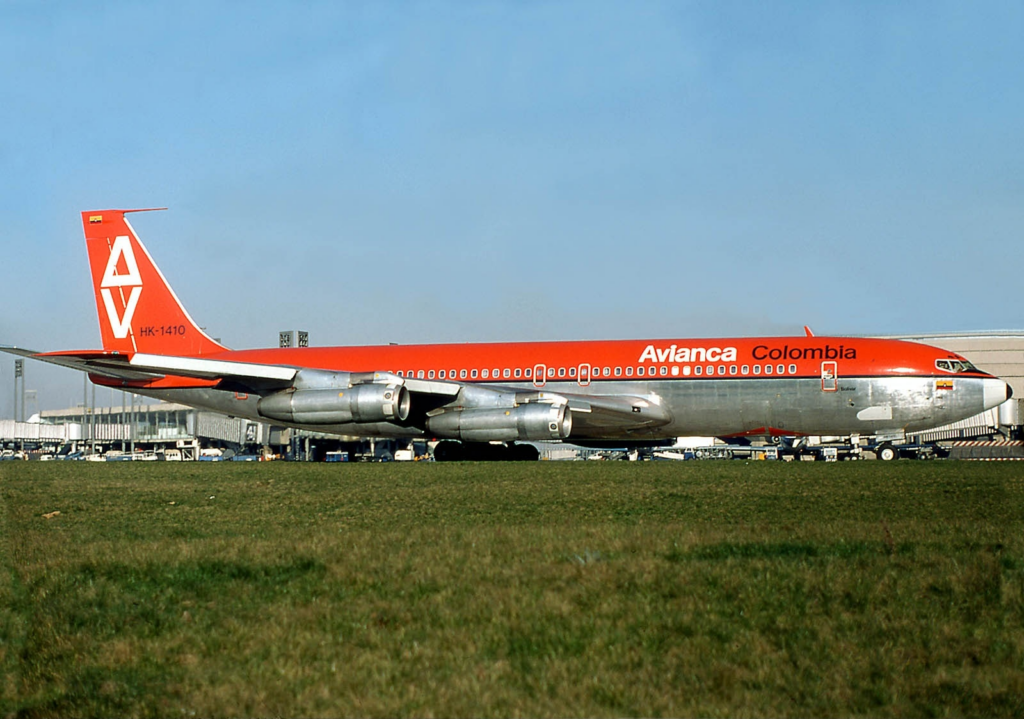
Avianca Flight 52 crashed on Long Island in 1990 after running out of fuel mid-air.
On the stormy night of January 25, 1990, Avianca Flight 52, a Boeing 707 traveling from Bogotá to New York, met a tragic end after exhausting its fuel while waiting to land. Due to heavy air traffic and weather delays at JFK International Airport, the flight was placed in lengthy holding patterns for over an hour. Despite the crew’s awareness of their dwindling fuel, their communications with air traffic control did not successfully convey the critical, imminent nature of their situation. They never used the word “emergency.”
After missing one landing approach and being directed for a second, the plane’s engines flamed out one by one. The aircraft glided silently before crashing into a wooded hillside in Cove Neck, Long Island, breaking apart upon impact. Miraculously, the near-empty fuel tanks prevented a catastrophic post-crash fire, contributing to the survival of 85 of the 158 people on board.
The subsequent National Transportation Safety Board (NTSB) investigation identified the cause as pilot mismanagement of the fuel load combined with a critical failure in communication. The crew used the phrase “priority” and indicated they were “running out of fuel,” but controllers, adhering to strict terminology protocols, did not interpret this as an imminent, life-threatening emergency requiring immediate clearance to land.
The legacy of Avianca Flight 52 is etched in aviation safety reforms. The crash became a seminal case study, leading to worldwide changes in how fuel states are communicated. It cemented a crucial distinction between “minimum fuel” (a cautionary advisory) and a “fuel emergency” (requiring immediate handling). The tragedy also accelerated the adoption of Crew Resource Management (CRM) training and reinforced international standards for English language proficiency among pilots and controllers, all to ensure that a looming disaster is never left unsaid—or misunderstood—again.
A Laptop’s Expensive Detour
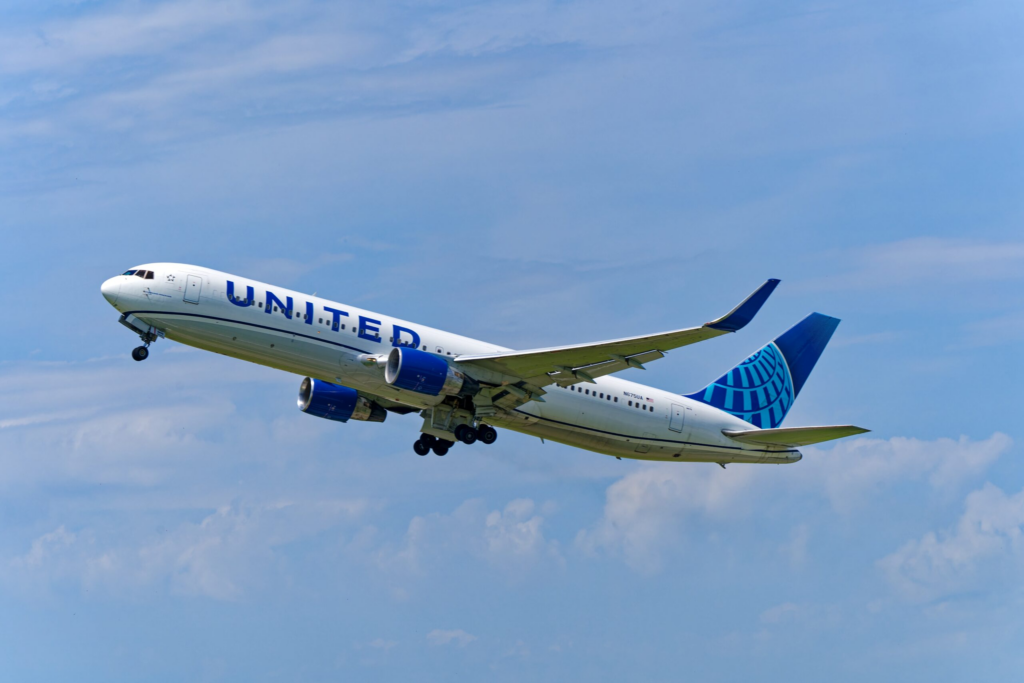
United flight diverts to Newark after passenger’s laptop falls into inaccessible cargo area.
A United Airlines flight from Washington Dulles to Geneva was forced into an unscheduled diversion on January 22 after a passenger’s laptop slipped through a gap in the business-class cabin and fell into an inaccessible area of the cargo hold. Operating as Flight 748 on a Boeing 767-300ER, the aircraft turned back roughly an hour into its journey and landed in Newark, New Jersey. The official reason given was an unscheduled maintenance inspection, required to retrieve the device and ensure the aircraft’s safety before continuing.
While a lost laptop might seem trivial, the underlying risk is significant: its lithium-ion battery. If damaged, crushed, or short-circuited, these batteries can enter a dangerous state called thermal runaway, leading to intense, difficult-to-extinguish fires. The primary concern for the crew was not the loss of the device, but the potential for an undetectable and unreachable fire to develop in an area they cannot monitor or access during flight.
This incident is not isolated. United and other carriers have reported several similar diversions in recent months, often triggered by electronic devices becoming lodged in seat mechanisms or falling into structural voids. Each event follows a strict safety protocol: if a lithium battery-powered device is lost in an inaccessible area, the aircraft must land as soon as practicable so maintenance crews can physically retrieve it and inspect for damage or signs of overheating.
These precautions, while costly and disruptive, underscore the aviation industry’s heightened focus on lithium battery risks. They reflect a cautious, non-negotiable safety calculus: the inconvenience of a diversion is far preferable to the catastrophic possibility of an uncontrolled fire in flight. For travelers, it’s a reminder to secure personal electronic devices during flight, especially during takeoff and landing when movement is most likely.
A Landmark Flight and a Long Wait
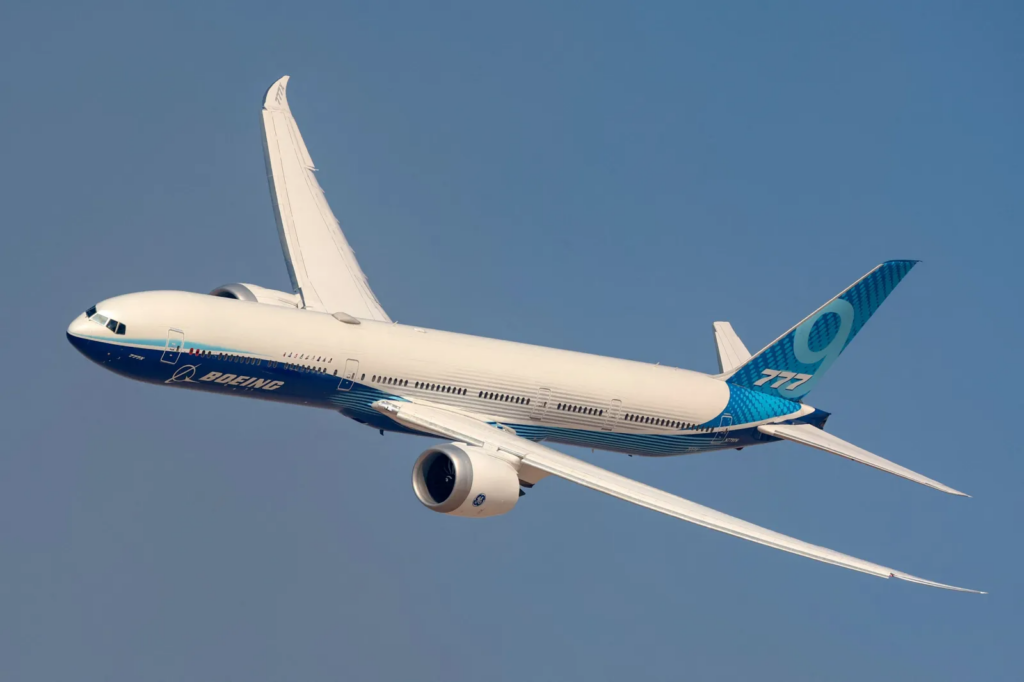
The first Boeing 777X test flight occurred in January 2020, with deliveries now delayed until 2027.
On January 25, 2020, at Paine Field in Everett, Washington, the future of long-haul aviation briefly took to the skies. After weather-related delays, the first Boeing 777-9 test aircraft, known as WH001, completed its maiden flight. The 3-hour and 51-minute journey over Washington state to Boeing Field in Seattle marked the public debut of the world’s largest twin-engine airliner, showcasing its revolutionary design features before a global audience.
The 777X program is built around groundbreaking engineering. Its most distinctive feature is its composite wings with folding wingtips, allowing the aircraft to achieve the efficiency of a wider wingspan while fitting at standard airport gates. It is powered by two GE9X engines, the world’s largest and most powerful commercial jet engine, which holds a Guinness World Record.
However, what began as a celebrated milestone has since evolved into a story of protracted development. Initially targeting entry-into-service for 2020, the program has been hampered by a confluence of challenges: the global pandemic, stringent regulatory scrutiny following the 737 MAX crises, and complex certification requirements for its novel systems. As of 2026, first deliveries to airlines like Emirates have been pushed to 2027, representing a significant multi-year delay.
This journey from that landmark first flight to the ongoing certification slog highlights the immense complexity of modern aerospace programs. The 777X’s path underscores the tension between pioneering ambitious new technologies and meeting the rigorous, time-consuming demands of global aviation safety authorities. While the wait continues, the aircraft remains a symbol of both Boeing’s engineering ambition and the formidable hurdles inherent in bringing such an advanced machine to market.
United’s Global Network Push
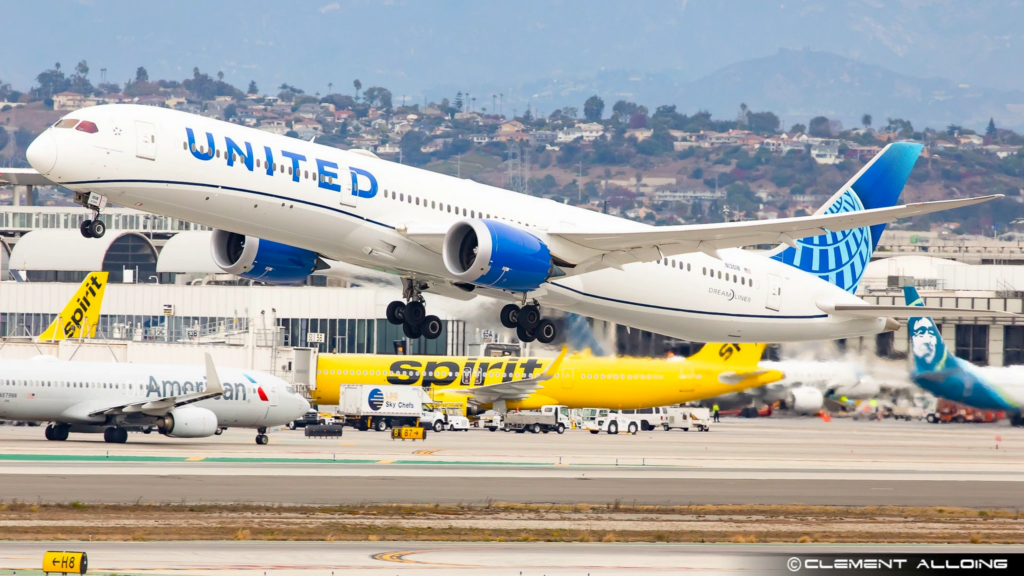
United Airlines plans 2026 growth with over 360 destinations, including 75 exclusive U.S.-only routes.
United Airlines is charting an ambitious course for 2026, centering its strategy on an expansive and differentiated global network. The carrier announced plans to serve over 360 destinations worldwide, a portfolio that includes a strategic advantage: 75 destinations that no other U.S. airline serves nonstop. This focus on exclusivity and scale is designed to capture premium business and leisure travelers seeking direct access to emerging and niche markets.
The breakdown of this growth is substantial. Domestically, United will connect over 225 U.S. cities with more than 4,000 daily flights. Internationally, it plans over 850 daily flights to more than 150 international destinations, with 41 of those being exclusive international points unserved by any other U.S. competitor. A key battleground is the Atlantic, where United will fly to 46 cities in summer 2026—more than any other U.S. airline—adding new seasonal routes to European destinations like Split, Bari, Glasgow, and Santiago de Compostela, alongside new city pairs such as Washington Dulles to Reykjavik.
This “bigger map” strategy offers tangible customer benefits: more nonstop options, greater flexibility for one-stop connections through its key hubs (including a significant expansion at Chicago O’Hare with 10 new domestic destinations), and improved operational resilience with more alternative routing when disruptions occur.
United’s aggressive expansion reflects a post-pandemic bet on sustained demand for long-haul travel and the competitive value of network depth. By leveraging its hub strength and securing gate space, United is positioning itself not just as a large airline, but as the most connected U.S. carrier to the global map, aiming to make itself the default choice for travelers whose final destination lies beyond the standard roster of major international cities.
A Captain’s Stand for Rest
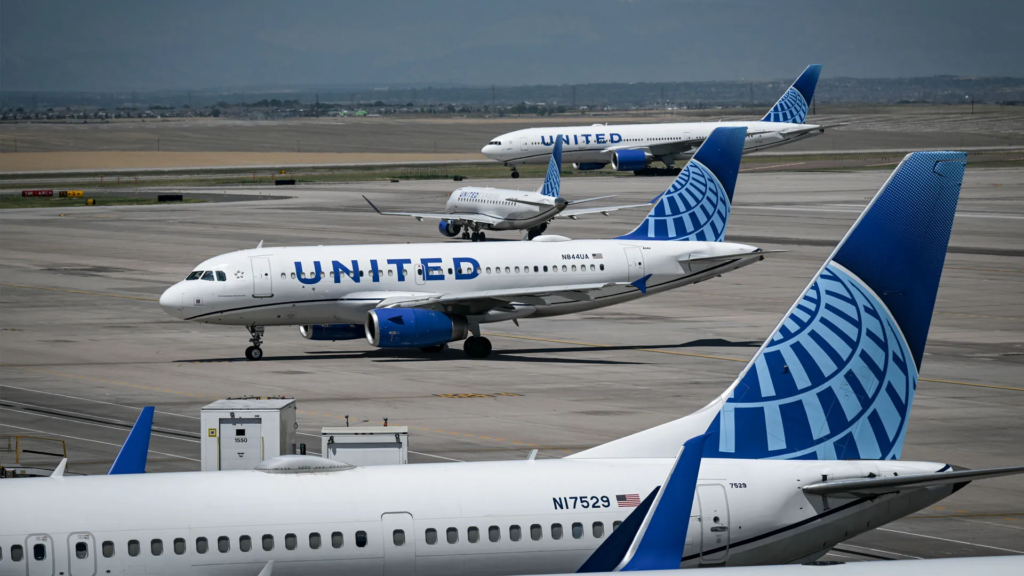
United Airlines captain orders passengers off a delayed flight so his exhausted crew could rest.
During the hectic 2023 Christmas travel rush, a United Airlines captain at Chicago O’Hare demonstrated a firm commitment to safety over schedule. After a series of weather delays and gate changes, his flight attendants had legally “timed out,” reaching their federally mandated duty limits. As the aircraft was preparing for departure, the captain learned his cabin crew could not legally continue.
Passenger Becky Schmooke, who shared the account online, reported hearing the captain tell ground staff, “My crew is done for the night. They’re getting off the plane.” Despite potential pushback to avoid further delays, the captain held his ground, refusing to keep his exhausted crew on the aircraft while the airline sorted out logistics. He mandated that all passengers deplane and wait in the terminal for a replacement cabin crew to be found.
The decision, while adding significant delay to the late-night flight, was a non-negotiable adherence to Federal Aviation Administration (FAA) regulations. These rules strictly govern flight attendant duty time and minimum rest periods to prevent fatigue, which is a critical safety issue. A fatigued crew cannot effectively manage emergencies, conduct evacuations, or ensure passenger safety.
The captain’s action, which went viral, was widely praised as exemplary leadership. It highlighted the often-invisible pressure crews face during operational meltdowns and underscored that safety protocols must override convenience. By prioritizing his team’s legal right to rest, the captain protected his crew from potential violations and ensured the next leg would be staffed by a legally compliant, rested team. The incident served as a public reminder that in aviation, the strict rules governing crew rest are not red tape—they are a fundamental pillar of safe travel, and true leadership means enforcing them, even when it’s difficult.
A Claim of 25 New B-2s
President Trump stated the U.S. ordered 25 more B-2 bombers, a claim not yet verified.
In a January 21 interview from Davos, former President Donald Trump stated that the United States had “just ordered 25 additional B-2 Spirit stealth bombers.” He praised the aircraft’s stealth capabilities and strike accuracy. This claim requires careful verification against established public facts.
Public records show that the U.S. Air Force’s active B-2 fleet consists of 20 aircraft, including one test aircraft, a number that has been consistent for years. Crucially, production of the B-2 ended in the year 2000, making a new order for 25 additional airframes technically impossible without restarting the entire, long-shuttered production line—an undertaking of monumental cost and complexity that has not been announced.
Aviation analysts and defense reporters have noted that the statement may have been a reference to the B-21 Raider, the next-generation stealth bomber currently in low-rate initial production by Northrop Grumman. The B-21 is the planned successor to the B-2 and B-1B fleets. However, the planned total procurement quantity for the B-21 has not been officially increased.
As of late January, there has been no supporting announcement from the Department of Defense, the U.S. Air Force, or the White House detailing a new contract for 25 B-2 or B-21 aircraft. An Air Force spokesperson stated that the “B-21 program of record has not changed” and had no further details to share.
Therefore, while the statement was made publicly, it remains unverified and appears inconsistent with the publicly known status of B-2 production and the current B-21 program. The report is noted here as a matter of public record regarding a notable claim about a major defense platform, with the context necessary to understand its place in current aviation and defense procurement reality.




Leave a Comment