
WOMAN BUYS FAKE JEWELLERY WORTH $4 FOR $700,000 IN INDIA

A jaw-dropping case of alleged fraud has emerged from India, where a woman reportedly spent the equivalent of $700,000 on what she believed was valuable jewelry only to later discover it was fake and worth just a few dollars.
According to local reports, the woman purchased the jewelry under the belief that it was made from high-value materials, potentially including gold and precious stones. The transaction was said to involve assurances of authenticity, trust built over time, and documentation that appeared legitimate at first glance. It was only after further verification possibly during resale, appraisal, or inheritance planning that the devastating truth came to light.
Experts who examined the items concluded that the jewelry was costume-grade, with an estimated market value of around $4.
Authorities believe the case may involve deliberate deception, and an investigation is underway to determine whether the seller knowingly misrepresented the items. Police are reportedly examining financial records, certificates of authenticity, and prior transactions to identify how such an extreme overvaluation occurred and whether others may have been similarly targeted.
Jewelry fraud is not uncommon, but the scale of this case has stunned even seasoned investigators. India has one of the world’s largest jewelry markets, where gold and gems are deeply tied to culture, weddings, and long-term savings. That cultural trust can also make buyers vulnerable especially when transactions happen privately rather than through established, regulated dealers.
Consumer protection experts note that high-value jewelry purchases should always involve independent certification, hallmark verification, and third-party appraisal, particularly when sums reach six or seven figures. In this case, investigators are trying to determine whether forged certificates or false hallmarks were used to legitimize the sale.
The emotional toll on the buyer has been significant. Reports suggest she was left devastated—not only by the financial loss, but by the betrayal of trust involved. In many cultures, jewelry is more than adornment; it represents security, legacy, and family wealth. Losing it under such circumstances can feel like losing a future.
The incident has sparked wider public conversation about fraud prevention, transparency in the luxury goods market, and the need for stronger consumer safeguards. Social media users have expressed disbelief at the valuation gap, while others have shared similar stories of near-misses or smaller-scale scams.
Legal experts say recovering the money may prove difficult unless assets can be traced or fraud is conclusively proven in court. Still, authorities hope the high-profile nature of the case will encourage stricter oversight and greater public awareness.
For now, the case stands as a stark reminder: when trust replaces verification, the cost can be catastrophic.
A purchase meant to secure wealth instead erased it turning a symbol of value into a lesson worth far more than gold.
Source: Local Indian news reports and preliminary police statements detailing an ongoing investigation into an alleged high-value jewelry fraud in which items purchased for approximately $700,000 were later determined to be fake and of minimal value.
Supermarkets in Thailand are using big banana leaves to wrap vegetables instead of plastic!
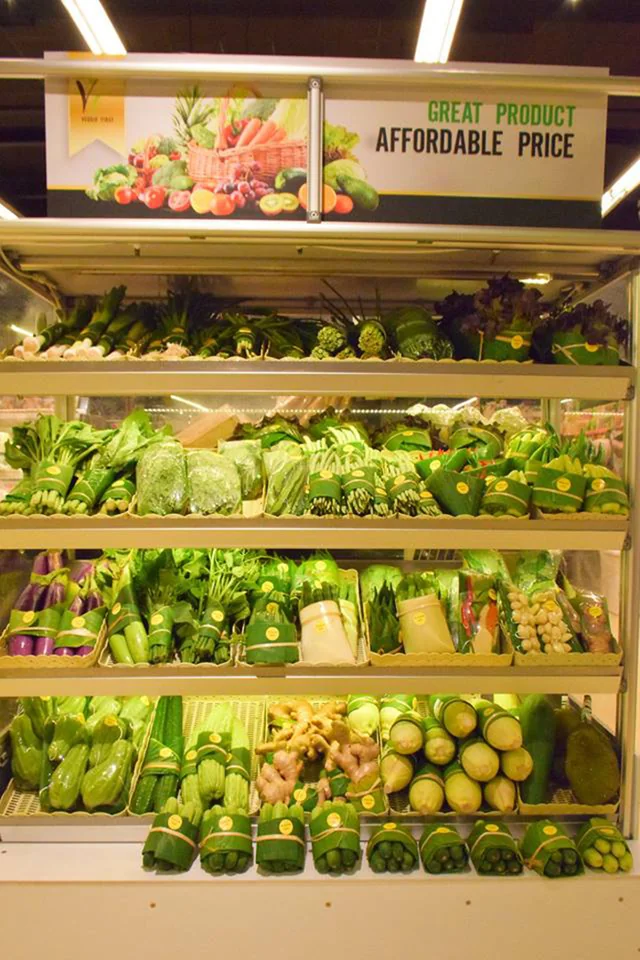
In a simple yet powerful shift toward sustainability, Thailand is embracing a natural alternative to plastic packaging: banana leaves. Across several Thai supermarkets, fresh vegetables are now wrapped in large green leaves instead of single-use plastic, an idea that blends environmental responsibility with cultural tradition.
Banana leaves have been used for centuries in Thailand and across Southeast Asia for cooking, serving food, and packaging. Durable, flexible, and naturally water-resistant, they are perfectly suited for wrapping produce. Unlike plastic, banana leaves are 100% biodegradable, compostable, and renewable returning harmlessly to the earth after use.
The initiative gained attention after images circulated online showing neatly bundled vegetables tied with string and wrapped in vibrant banana leaves. The reaction was overwhelmingly positive, with many praising the approach as both beautiful and practical.
Plastic pollution is a major issue in Thailand, which has historically ranked among the world’s largest contributors to ocean plastic waste. In recent years, the country has taken steps to reduce single-use plastics, including banning plastic bags at major retailers and encouraging reusable alternatives. The banana leaf initiative fits directly into this broader national effort.
Supermarket operators say the switch isn’t just symbolic. Banana leaves are locally sourced, relatively inexpensive, and require minimal processing. They also help keep vegetables fresh by allowing airflow while retaining moisture sometimes outperforming plastic in short-term storage.
Farmers and suppliers benefit as well. Banana plants grow quickly, produce large leaves year-round, and are already common in agricultural regions. Using the leaves adds value to an existing crop without requiring new manufacturing or fossil fuels.
Customers have also embraced the change. Many say the leaves evoke nostalgia, reminding them of traditional markets and home-cooked meals. Others appreciate the visible reduction in waste, no crinkly plastic to throw away, just a leaf that can be composted or discarded guilt-free.
Environmental advocates highlight that while banana leaves may not replace plastic in every context especially for long-distance transport they are an excellent solution for local produce and short supply chains. The success of the initiative demonstrates that sustainable packaging doesn’t always require high-tech innovation. Sometimes, the answer already exists.
The move has inspired conversations beyond Thailand, with people around the world asking why similar solutions aren’t more widely used elsewhere. In regions with access to large leaves or other natural materials, the model could be adapted easily.
Thailand’s banana leaf packaging shows that reducing plastic doesn’t have to mean sacrificing convenience or aesthetics. In fact, it can enhance both.
By looking to nature and tradition these supermarkets are proving that the future of sustainability may be rooted in the past.
Source: Thai supermarket sustainability initiatives and environmental reporting documenting the use of banana leaves as plastic-free produce packaging; coverage by environmental organizations highlighting traditional biodegradable alternatives to single-use plastics.
SCIENTISTS WERE STUNNED AFTER A 300-POUND WHALE PLACENTA SURFACED OFF HAWAII, OFFERING A ONCE-IN-A-LIFETIME SCIENTIFIC OPPORTUNITY.
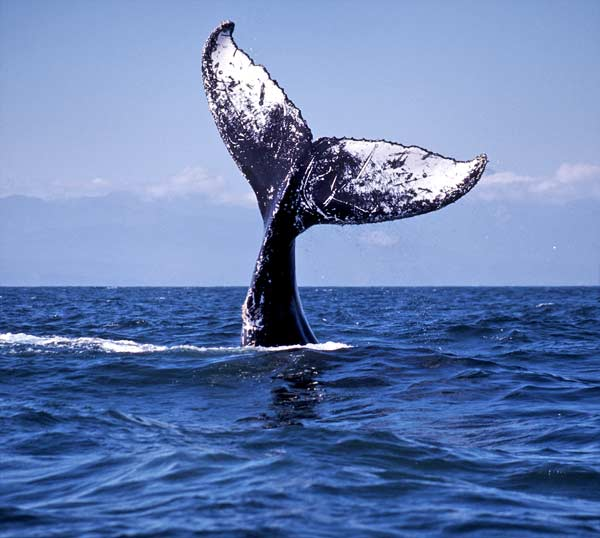
Marine scientists off the coast of Hawaii were left astonished when an extremely rare biological event unfolded before their eyes: a massive whale placenta, weighing an estimated 300 pounds, surfaced in open water. The discovery is considered extraordinary, offering researchers a fleeting chance to study a part of whale reproduction that is almost never observed.
Whales give birth and shed placentas entirely underwater, often in deep or remote areas. The placenta typically sinks quickly or is consumed by scavengers, meaning scientists rarely if ever encounter one intact. Many marine biologists spend entire careers without seeing a whale placenta in the wild.
That’s what made this moment so remarkable.
Researchers believe the placenta most likely belonged to a humpback whale, a species that migrates to Hawaiian waters each year to mate and give birth. The timing and location strongly suggest a recent successful birth, making the find not just biologically fascinating, but emotionally meaningful for conservationists.
The placenta’s sudden appearance allowed scientists to document its structure, size, and condition in real time. Such data can provide insights into whale gestation, maternal health, and fetal development areas of marine biology that are notoriously difficult to study due to the sheer size of whales and the inaccessibility of their birthing environments.
Scientists carefully collected samples before the placenta began to degrade. Even small tissue samples can reveal hormone levels, exposure to environmental toxins, and clues about the overall health of both mother and calf. In a time of rising ocean pollution and climate stress, this information is invaluable.
Marine biologists described the moment as both surreal and humbling. Floating quietly at the ocean’s surface, the placenta served as a powerful reminder of how much of whale life remains hidden beneath the waves. It was evidence of life beginning rarely witnessed, even more rarely studied.
The discovery also highlights the importance of Hawaii as a critical breeding ground for whales. Protected waters and conservation measures have helped humpback whale populations recover from near extinction, and events like this underscore the success and ongoing necessity of those protections.
Researchers emphasized that while the placenta itself is no longer viable after surfacing, the knowledge gained from it could inform future conservation strategies, including monitoring reproductive success and understanding how environmental changes affect whale pregnancies.
Public reaction to the news ranged from amazement to awe. Many expressed wonder at the sheer scale of the placenta, while others were struck by the intimacy of witnessing a normally invisible moment in the life cycle of one of Earth’s largest animals.
In marine science, opportunities like this are exceptionally rare and fleeting. Timing, location, and sheer luck must align perfectly.
For the scientists who witnessed it, the floating placenta wasn’t just a curiosity.
It was a biological message from the deep, offering a brief glimpse into the hidden beginnings of ocean giants.
Source: Marine biology field reports and scientific commentary on the rare surfacing of a whale placenta near Hawaii; coverage from marine research organizations and environmental news outlets documenting whale reproduction and humpback whale breeding behavior in Hawaiian waters.
Yellowstone’s aspen trees are regenerating after 80 years thanks to gray wolves.
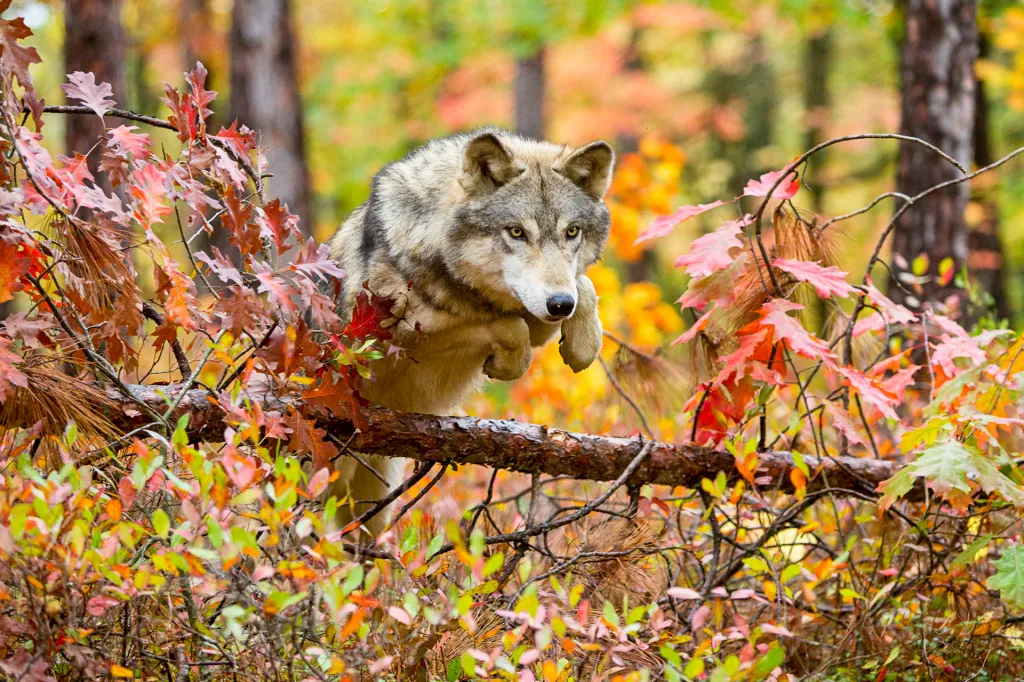
After nearly eight decades of decline, the aspen forests of Yellowstone National Park are regenerating and the unlikely heroes are gray wolves.
For much of the 20th century, young aspen trees in Yellowstone struggled to survive. While mature aspens remained standing, new growth was repeatedly eaten before it could reach adulthood. By the mid-1900s, scientists noticed that entire generations of aspen were missing. The forest looked intact but it was aging, fragile, and slowly disappearing.
The reason is traced back to a missing predator.
Gray wolves were eradicated from Yellowstone by the 1920s. Without them, elk populations exploded. Elk grazed heavily along riverbanks and valleys, feeding relentlessly on young aspen shoots. With no fear of predation, they lingered in the same areas year-round, preventing new trees from ever maturing.
Then, in 1995, wolves were reintroduced.
What followed became one of the most famous examples of a trophic cascade a process where changes at the top of the food chain ripple down through an entire ecosystem. Wolves didn’t just reduce elk numbers; they changed elk behavior. Elk began avoiding open valleys and river corridors where wolves could ambush them.
That shift gave young aspens their first real chance in generations.
Within years, researchers observed saplings growing taller than browsing height for the first time since the early 1900s. Today, many of those aspens have grown into healthy young trees, especially along streams and floodplains where growth had once been impossible.
The impact didn’t stop there.
As aspens returned, they stabilized riverbanks, reduced erosion, and provided habitat for birds and insects. Beavers, which rely on aspens for food and building material, also made a comeback creating wetlands that further improved biodiversity. Songbirds increased. Stream health improved. Even fish benefited from cooler, shaded waters.
All of this began with the return of one predator.
Scientists emphasize that wolves didn’t “save” the forest by themselves; they restored balance. Yellowstone’s ecosystem had been out of sync for decades, and wolves helped reestablish natural checks and relationships that had been missing.
The aspen recovery is especially significant because aspens are a keystone species. They support hundreds of other organisms and play a critical role in soil health and water systems. Their regeneration signals broader ecological healing.
For decades, many believed that human intervention tree planting or elk culling would be required to save the aspens. Instead, nature responded to the return of a missing piece.
Yellowstone’s aspens stand today as living proof that ecosystems remember what balance looks like and can recover when given the chance.
Sometimes, restoring a forest doesn’t start with trees. It starts with wolves.
Source: Long-term ecological studies and research from Yellowstone National Park and U.S. National Park Service scientists documenting aspen regeneration following the reintroduction of gray wolves in 1995; peer-reviewed research on trophic cascades in Yellowstone’s ecosystem.
This bear, lion, and tiger were rescued from abuse and ended up becoming a family
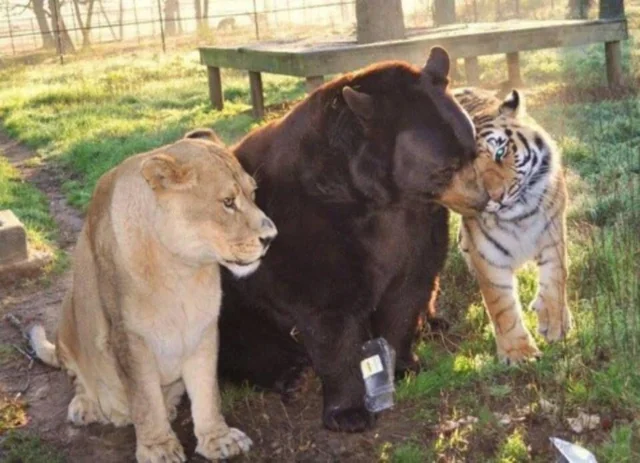
In the wild, a bear, lion, and tiger live on different continents, follow different instincts, and would never share the same space let alone form a bond. But cruelty has a way of rewriting nature’s rules.
All three were rescued from severe abuse as cubs, seized during a raid on a drug dealer’s property where they had been kept in horrific conditions. Malnourished, traumatized, and too young to survive on their own, they were brought to an animal sanctuary as evidence—then suddenly had nowhere else to go.
So they were placed together.
What happened next stunned their caretakers.
Instead of fear or aggression, the three animals clung to one another. They slept side by side. They played. They ate together. When one was anxious, the others stayed close. Over time, it became clear that separating them would cause more harm than good.
Caretakers named them BLT Bear, Lion, Tiger.
As they grew, their bond only deepened. Despite their size and strength, they remained gentle with each other, moving as a unit, grooming one another, and resting in a pile that looked more like siblings than apex predators.
Animal behaviorists believe their bond formed because of shared trauma. Having experienced fear and neglect so early in life, the animals found safety not in dominance but in companionship. Together, they replaced what cruelty took away.
They could never be released into the wild. Each lacked the skills needed to survive independently. But at the sanctuary, they were given something just as important: stability.
Their story challenges assumptions about animal behavior and aggression. It shows that environment and experience matter deeply and that empathy isn’t exclusive to humans. Given care instead of cruelty, even animals labeled “dangerous” can choose connection.
Visitors who see them often fall silent. There’s something profoundly moving about watching three creatures meant by nature to be enemies resting peacefully together. It feels like a quiet rebuke to the harm that brought them there in the first place.
BLT’s story has since become one of the most famous examples of cross-species bonding in captivity, used by sanctuaries and educators to advocate for stronger animal protection laws and against exotic animal abuse.
They didn’t choose each other by instinct.
They chose each other by survival.
And in doing so, they became more than rescues.
They became family.
DOG NAMED STORM INTERRUPTS CANADIAN WEATHER REPORT IN SEARCH OF TREATS

A live Canadian weather forecast took an unexpected (and adorable) turn when a dog named Storm wandered on set mid-broadcast, clearly on a mission for snacks rather than science.
As the meteorologist calmly delivered the forecast, Storm casually trotted into frame, tail wagging and eyes locked with purpose. Instead of thunder or rain, viewers were treated to pure joy as the dog sniffed around, briefly blocking graphics and drawing laughter from the studio crew.
The meteorologist handled the interruption like a pro continuing the report while acknowledging the furry guest. Storm, unimpressed by temperatures or pressure systems, lingered just long enough to make it clear: this was his segment now.
Clips of the moment quickly spread across social media, with viewers praising the dog’s timing and charm. Many joked that Storm had “checked the forecast himself” and determined it was treat time. Others said it was the most accurate and enjoyable weather report they’d seen all week.
Moments like this resonate because they break the formality of live television and remind audiences that even polished broadcasts are still very human and occasionally very canine. In an era of heavy news cycles, a joyful interruption can feel like a small gift.
The storm didn’t ruin the forecast.
He improved it.
Source: Canadian television broadcast clip and social media reposts showing a dog named Storm interrupting a live weather report, widely shared for its lighthearted and humorous nature.
Influencer Juju Oliveira undergoes second surgery to remove mineral oil that was injected into her face

Brazilian influencer Juju Oliveira has undergone a second surgical procedure in an ongoing effort to remove mineral oil that was injected into her face during an unauthorized cosmetic treatment. The case has drawn widespread attention online, reigniting conversations about the dangers of unregulated aesthetic procedures and the lasting physical and emotional consequences they can leave behind.
According to reports shared by Oliveira and local media, the mineral oil was injected years ago as a cheap alternative to approved dermal fillers. While initially marketed as a quick fix to enhance facial volume, the substance later caused severe complications. Over time, Oliveira began experiencing facial swelling, inflammation, pain, and visible deformities as her body reacted to the foreign material. Medical experts have long warned that mineral oil, which is not approved for cosmetic injections, can migrate through tissue, trigger chronic inflammation, and cause irreversible damage.
Oliveira’s first surgery aimed to remove as much of the oil as possible, but doctors explained that complete extraction is often impossible. Mineral oil can spread microscopically through facial tissues, making it difficult to fully eliminate without risking nerve damage or disfigurement. As a result, multiple surgeries are sometimes required to gradually reduce symptoms and improve quality of life. Her second procedure was described as another necessary step to control ongoing inflammation and prevent further complications.
Following the surgery, Oliveira shared updates with her followers, speaking candidly about the physical pain and emotional toll of the experience. She emphasized that her decision to go public was not for sympathy, but to warn others against undergoing cheap, unlicensed cosmetic treatments. “If I had known the risks, I would never have done this,” she reportedly said, urging people to verify credentials and materials before agreeing to any aesthetic procedure.
Medical professionals have echoed her message, noting a rise in patients seeking corrective surgeries after illegal filler injections. Substances like mineral oil, silicone, and industrial-grade fillers are often used by unqualified practitioners because they are inexpensive and readily available. However, the long-term consequences can include infection, tissue death, scarring, and permanent facial damage.
Oliveira’s case has become a cautionary tale, particularly for young social media users who feel pressured to meet unrealistic beauty standards. Her openness has been widely praised by fans, many of whom have thanked her for raising awareness about an issue that is often hidden until it’s too late.
As she continues her recovery, Juju Oliveira says her focus is now on healing and advocacy. By sharing her story, she hopes to prevent others from making the same mistake and to promote safer, medically approved approaches to cosmetic enhancement.
Source: Local Brazilian media reports and statements shared by Juju Oliveira on social media platforms.
BOWING OUT’ Masked Singer’s Queen Corgi abruptly resigns from the competition and reveals herself to be popular podcast host

Fans of The Masked Singer were left stunned after Queen Corgi abruptly resigned from the competition, delivering one of the most unexpected exits of the season. In a show built on mystery, misdirection, and dramatic unmaskings, Queen Corgi’s decision to bow out voluntarily added an emotional twist that few saw coming.
During her most recent appearance, Queen Corgi took the stage as usual, but instead of awaiting judges’ votes or audience reactions, she announced that she would be stepping away from the competition. The moment instantly sparked speculation among viewers and panelists alike. While contestants are typically eliminated through voting, voluntary withdrawals are rare, making the resignation feel especially significant.
After revealing her decision, Queen Corgi removed her mask, exposing herself as a popular podcast host with a strong following outside of television. The reveal reframed many of her previous clue packages, which fans quickly revisited online, pointing out subtle references to audio storytelling, behind-the-mic moments, and candid personal commentary that now made far more sense.
In explaining her exit, the unmasked singer shared that the physical and emotional demands of the show played a major role in her decision. Performing in a heavy costume, managing rehearsals, and balancing outside professional commitments reportedly became overwhelming. Rather than pushing through at the expense of her health, she chose to step back on her own terms.
Judges praised her honesty and courage, noting that walking away can sometimes be harder than staying. They also commended her vocal performances, which had sparked debate throughout the season as fans tried to pinpoint her identity. Social media quickly lit up following the episode, with reactions ranging from disappointment over her early departure to admiration for her transparency.
The moment also reignited broader conversations about the pressures celebrities face when juggling multiple careers. Podcasting, often perceived as a less demanding medium, can involve intense schedules, touring, production responsibilities, and emotional labor—especially for hosts who share personal stories or tackle heavy topics. For many fans, Queen Corgi’s exit highlighted that success behind a microphone doesn’t always translate easily to the physically demanding world of televised performance.
Despite her shortened run, Queen Corgi’s presence left a lasting impression. Her vocals, playful stage persona, and sudden exit ensured she would be remembered as one of the season’s most talked-about contestants. Many viewers expressed hope that she would return to television in a different format, one better suited to her strengths and lifestyle.
Ultimately, Queen Corgi’s resignation added a layer of realism to a show built on spectacle. By choosing well-being over competition, she reminded audiences that even behind elaborate masks and dazzling performances, the contestants are human first.
Source: The Masked Singer episode broadcast and post-show reactions reported by entertainment media outlets.
Leave a Comment