

Antarctica, Pyramids, and Ancient Egypt: Separating History from Modern Mystery

In recent years, Antarctica has become the center of global curiosity due to satellite images showing pyramid-shaped mountains beneath thick ice. These images have sparked widespread speculation, with some claiming a connection between Antarctica and Ancient Egypt. While the idea is fascinating, history and science tell a very different story.
Antarctica is the coldest, driest, and most isolated continent on Earth. According to geological research, it has been covered in ice for millions of years—long before human civilization existed. Scientists explain that the so-called “pyramids” are actually nunataks, natural mountain peaks sculpted by wind and ice erosion. Their pyramid-like shape is a coincidence of nature, not evidence of ancient construction.
In contrast, the pyramids of Egypt are among the most well-documented human achievements in history. Built over 4,500 years ago, these massive stone structures served as tombs for pharaohs and symbols of divine power. The Great Pyramid of Giza reflects advanced understanding of mathematics, astronomy, and engineering—skills developed along the Nile River by a thriving civilization.
Ancient Egypt left behind written records, tools, cities, and cultural evidence that clearly explain how and why the pyramids were built. Antarctica, however, shows no signs of ancient human presence—no tools, no writing, no ruins.
The link between Antarctica and Egypt exists largely in modern myths, fueled by dramatic images and internet speculation. While mystery drives imagination, history relies on evidence.
Together, Antarctica and Ancient Egypt remind us of two powerful truths: nature can create wonders without human hands, and human civilizations can achieve greatness without mystery.
Ancient Knowledge and Lost Theories: Did Early Civilizations Understand Advanced Science?
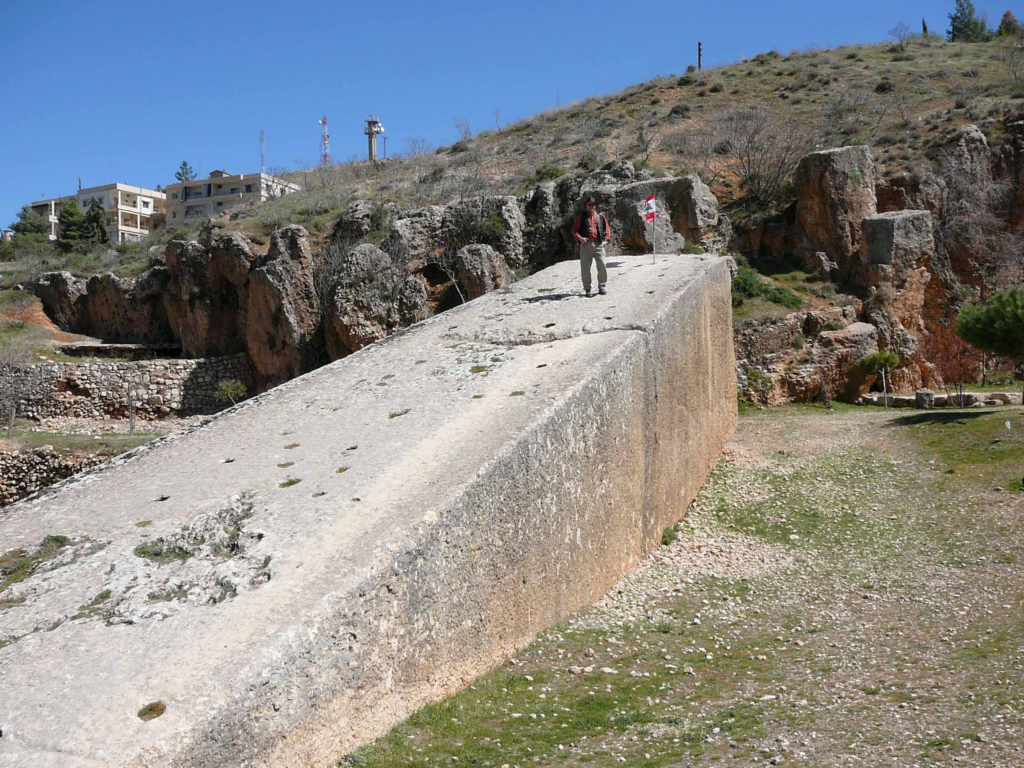
Throughout history, certain discoveries have challenged our understanding of ancient civilizations. Massive stone structures, precise astronomical alignments, and unexplained artifacts have led historians and theorists to question whether early societies possessed advanced scientific knowledge that was later lost.
One of the most debated examples is the precision of ancient architecture. Structures such as pyramids, stone circles, and temples were built with remarkable mathematical accuracy, often aligned with stars, solstices, or planetary movements. Some theories suggest that ancient civilizations may have had a deeper understanding of geometry and astronomy than traditionally acknowledged.
Another mystery lies in ancient artifacts that appear technologically advanced for their time. Items such as intricate metalwork, detailed maps, and early electrical-like objects have sparked debate among researchers. While mainstream historians explain these through gradual innovation, alternative theories argue that certain knowledge systems may have been forgotten due to wars, natural disasters, or societal collapse.
Ancient texts also contribute to these theories. Many early writings describe flying machines, powerful energy sources, or advanced medical practices using symbolic language. Some believe these accounts were exaggerated myths, while others argue they represent real technologies described in poetic or coded terms.
It is important to distinguish theory from evidence. While no solid proof confirms the existence of lost advanced technology, these ideas continue to encourage deeper research into ancient engineering, science, and culture.
History shows that knowledge is fragile. Civilizations rise, fall, and sometimes disappear entirely. Whether ancient people possessed advanced scientific understanding or not, these theories remind us that human intelligence did not suddenly begin in the modern age — it evolved across thousands of years.
The Lost Library of Alexandria: Knowledge That Vanished from History

The Library of Alexandria is often described as the greatest center of knowledge in the ancient world. Founded in Egypt around the 3rd century BCE, it was more than a library—it was a global research institution. Scholars from Greece, Egypt, Persia, India, and beyond gathered to study astronomy, mathematics, medicine, geography, and engineering.
Historical records suggest the library may have held hundreds of thousands of scrolls, including works that no longer exist today. Ancient scientists calculated Earth’s circumference, studied planetary motion, and explored advanced medical practices centuries before modern science rediscovered them.
The mystery deepens with its destruction. There is no single confirmed event that explains how the library was lost. Some accounts blame fire during Julius Caesar’s invasion, others suggest religious conflict or political neglect over time. What is certain is that a vast amount of human knowledge disappeared.
Some historians theorize that the loss of the library delayed scientific progress by centuries. Without written records, discoveries had to be relearned from scratch. Others argue that while tragic, knowledge was likely spread across the ancient world before the library’s decline.
The Library of Alexandria remains a symbol of how fragile knowledge can be. Its story reminds us that civilizations do not only fall through war—but through the loss of learning and preservation.
The Baghdad Battery: Evidence of Ancient Electricity?

In the 1930s, archaeologists uncovered a strange artifact near Baghdad that challenged conventional history. The object consisted of a clay jar, a copper cylinder, and an iron rod—components remarkably similar to a modern battery. Dating back over 2,000 years, it became known as the Baghdad Battery.
Some researchers believe the device could generate a small electric current when filled with an acidic liquid such as vinegar. This led to theories that ancient civilizations may have used electricity for electroplating metals or medical purposes.
Skeptics argue that the object may have served a religious or storage function rather than a technological one. No wires or electrical devices were found alongside it, and ancient texts do not clearly describe electrical use.
Despite debate, experiments have shown the device can indeed produce voltage. This raises an uncomfortable possibility: ancient people may have discovered principles of electricity long before modern science.
The Baghdad Battery remains one of archaeology’s most controversial finds. Whether coincidence or innovation, it forces historians to reconsider the limits of ancient knowledge.
Ancient Flying Machines: Myth or Misunderstood Technology?
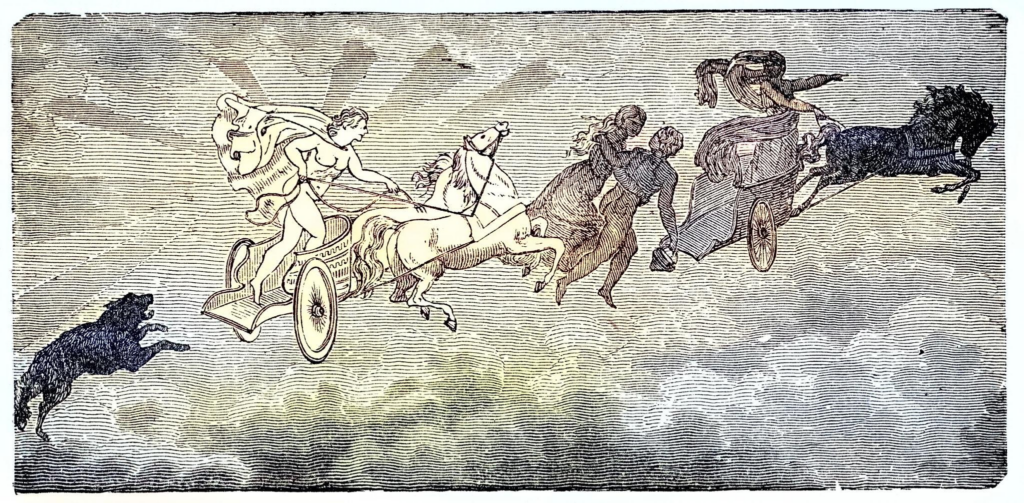
Across ancient cultures, texts describe objects that resemble flying machines. In India, Sanskrit writings known as the Vimanas describe aerial vehicles capable of traveling vast distances. Similar references appear in ancient Greek, Chinese, and Middle Eastern texts.
Supporters of advanced-ancient-technology theories argue these descriptions are too detailed to be purely symbolic. Some texts mention metal construction, fuel systems, and aerial warfare. Could ancient societies have experimented with early flight technology?
Mainstream historians believe these accounts are mythological or symbolic—representing gods, spiritual journeys, or metaphors rather than machines. No physical remains of such aircraft have ever been found.
However, history shows that imagination often precedes invention. Concepts like submarines, robots, and space travel existed in stories long before becoming reality.
Whether myth or misunderstood science, these ancient descriptions show that humans have always dreamed of flight. They remind us that ideas do not belong to one era—they travel across time.
Atlantis: Lost Civilization or Ancient Warning?

Atlantis is one of history’s most enduring mysteries. First described by the Greek philosopher Plato, Atlantis was said to be a technologically advanced civilization that disappeared in a single catastrophic event. According to Plato, the city sank into the ocean due to moral decay and natural disaster.
Some researchers believe Atlantis was inspired by real events such as volcanic eruptions or floods, possibly linked to ancient civilizations like Minoan Crete. Others suggest it was a fictional story meant to teach moral lessons about power and arrogance.
Despite countless searches, no definitive evidence of Atlantis has ever been found. Yet underwater ruins, sunken cities, and ancient flood myths across cultures keep the theory alive.
Atlantis may not represent a physical place, but a pattern in history—civilizations rise, overreach, and collapse. Whether real or symbolic, its story warns that advanced societies are not immune to destruction.
Göbekli Tepe: The Temple That Rewrote Human History
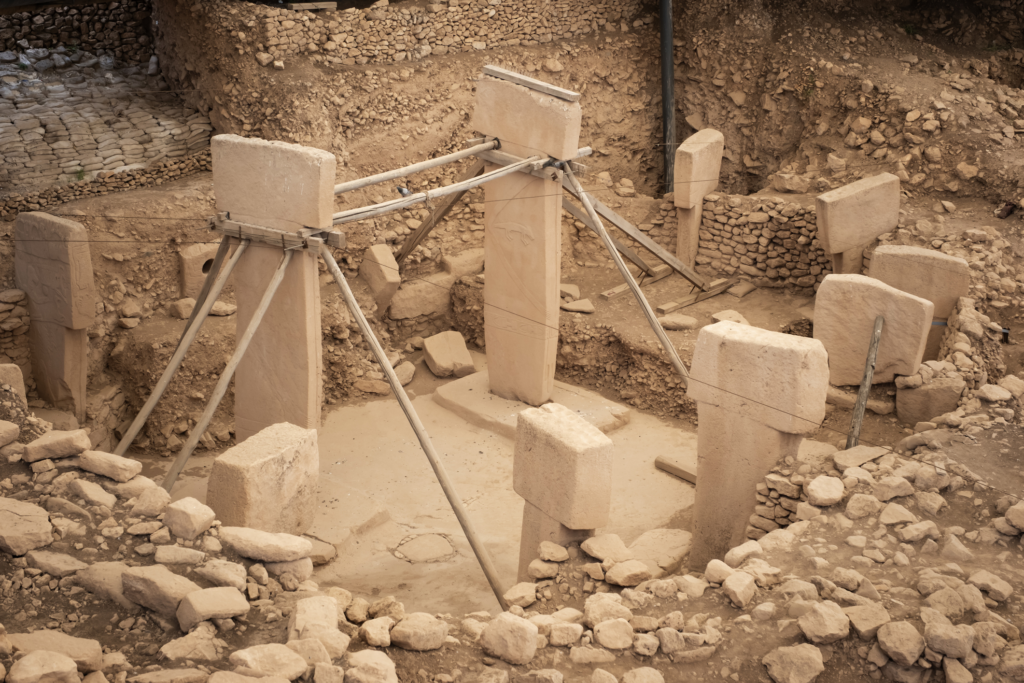
Göbekli Tepe, located in modern-day Turkey, is one of the most revolutionary archaeological discoveries ever made. Dating back more than 11,000 years, it predates Stonehenge and the Egyptian pyramids by thousands of years. What makes Göbekli Tepe extraordinary is that it was built by hunter-gatherers—people once believed to lack the organization and skills needed for large-scale construction.
The site consists of massive stone pillars arranged in circular formations, many carved with detailed animal symbols. These stones weigh several tons, yet were shaped and transported without metal tools or wheels. This discovery challenges the long-held belief that agriculture led to civilization.
Some historians now suggest the opposite: that shared spiritual beliefs may have brought people together first, leading to organized society and later farming. The site appears to be ceremonial rather than residential, hinting at early religious practices.
Even more mysterious is the fact that Göbekli Tepe was deliberately buried by its builders. Why a society would cover such an important structure remains unknown. Some believe it marked the end of an era or belief system.
Göbekli Tepe forces historians to rethink the origins of civilization and reminds us that human intelligence and cooperation existed far earlier than once assumed.
Nikola Tesla: The Genius History Almost Forgot
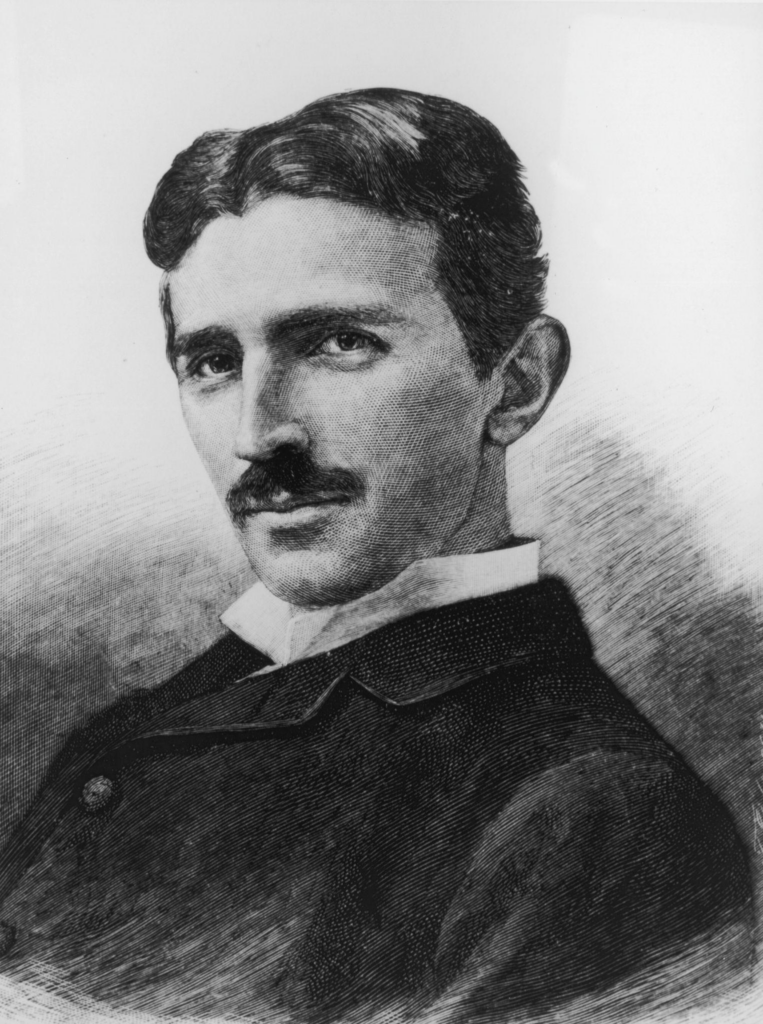
Nikola Tesla remains one of the most mysterious and misunderstood figures in modern history. Born in 1856 in what is now Croatia, Tesla was a brilliant inventor whose ideas shaped the electrical world we live in today. Alternating current (AC), radio technology, wireless transmission, and electric motors all trace their roots back to his work.
Despite his genius, Tesla lived a life marked by isolation and financial struggle. Unlike many inventors of his time, he cared little for wealth or recognition. He believed knowledge should serve humanity, not profit. This idealism often placed him at odds with powerful businessmen, most notably Thomas Edison.
Many theories surround Tesla’s later years. Some claim he was developing revolutionary technologies, including wireless energy transmission and advanced electromagnetic devices. After his death in 1943, the U.S. government seized many of his documents, fueling speculation that his research was considered too powerful or dangerous.
Mainstream historians argue that Tesla’s work, while groundbreaking, was limited by practical and financial realities. However, others believe his ideas were decades ahead of their time and intentionally ignored or suppressed.
Today, Tesla is finally receiving recognition as a visionary whose imagination shaped the modern world. His life reminds us that history does not always reward genius immediately — sometimes it takes generations to understand it.
Cleopatra: The Queen History Turned Into a Myth
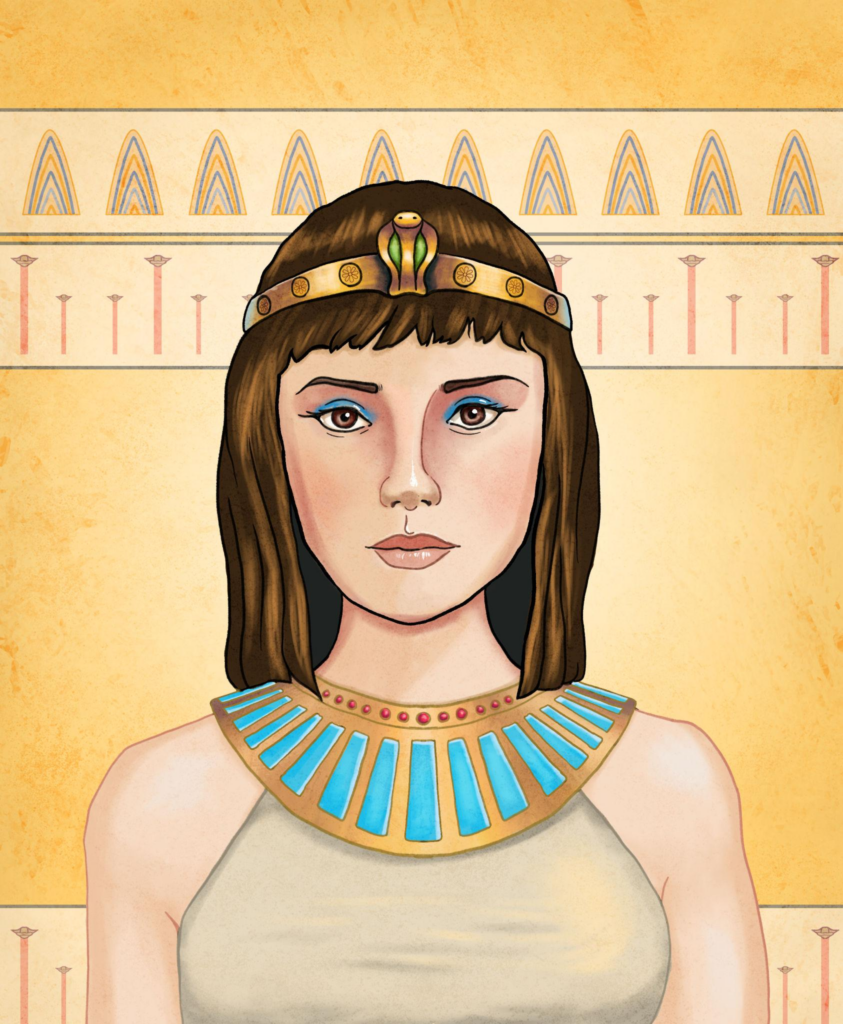
Cleopatra VII, the last ruler of Ancient Egypt, is often remembered through romance and scandal. However, history paints a far more complex picture. Born in 69 BCE, Cleopatra was highly educated, spoke multiple languages, and ruled Egypt during one of its most unstable periods.
Unlike the popular image created by Roman historians, Cleopatra was not simply a seductress. She was a skilled political strategist who used diplomacy, intelligence, and alliances to protect Egypt from Roman domination. Her relationships with Julius Caesar and Mark Antony were deeply political, not merely personal.
Some historical theories suggest Cleopatra attempted to preserve Egyptian independence by merging Roman power with Egyptian authority. When this strategy failed and Rome emerged victorious, her story was rewritten by her enemies. Roman writers portrayed her as dangerous, manipulative, and immoral — a narrative that survived for centuries.
Cleopatra’s death remains surrounded by mystery. While tradition claims she died by snake bite, some historians believe poisoning or political assassination is more likely. The lack of definitive evidence leaves room for debate.
Cleopatra’s legacy is a reminder that history is often written by the victors — and powerful women are rarely remembered fairly.
Leonardo da Vinci: The Man Whose Mind Was Centuries Ahead
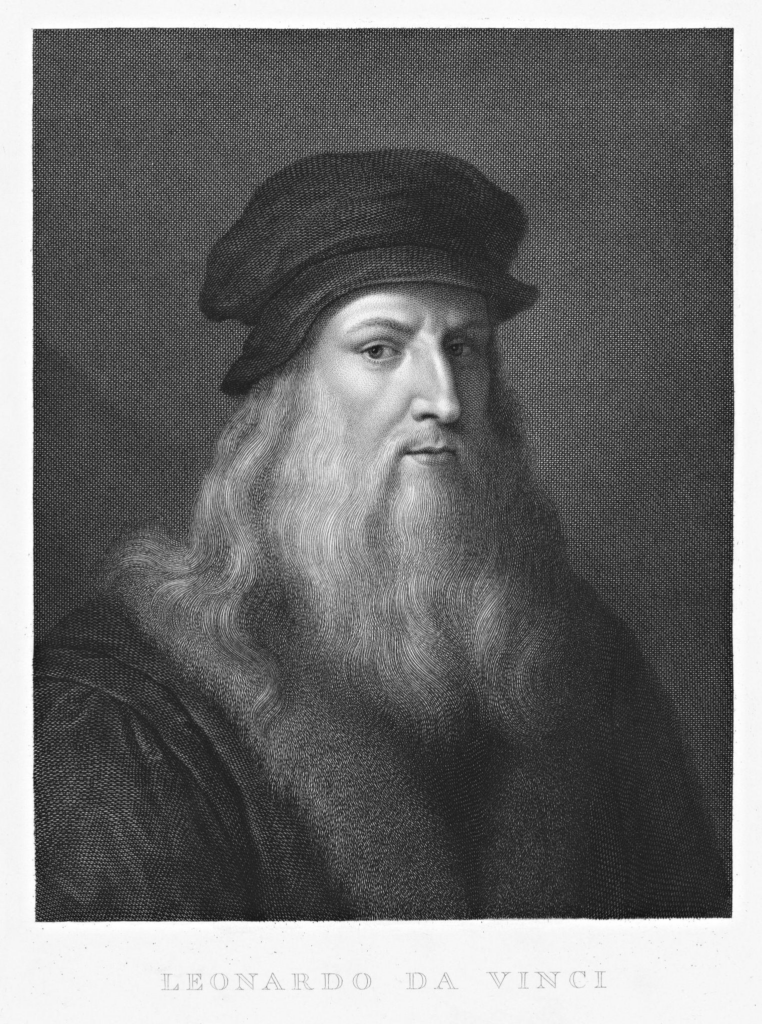
Leonardo da Vinci is remembered as one of the greatest minds in human history, yet many believe the world never fully understood him. Born in 1452 in Italy, Leonardo lived during the Renaissance, a period of artistic and intellectual rebirth. While most know him for masterpieces like the Mona Lisa and The Last Supper, his true genius extended far beyond art.
Leonardo filled thousands of notebook pages with sketches and ideas that were far ahead of his time. He designed flying machines, armored vehicles, submarines, and detailed anatomical drawings centuries before modern science could bring them to life. Many of his inventions were never built, not because they were impossible, but because the technology of his era could not support them.
Some historians believe Leonardo intentionally wrote his notes in reverse (mirror writing) to protect his ideas from misuse. Others argue he feared persecution for knowledge that challenged religious and scientific beliefs of the time. His notebooks were scattered after his death, delaying recognition of his scientific brilliance.
Leonardo believed everything in nature was connected — art, science, anatomy, and motion. This holistic view was revolutionary. Today, engineers and scientists still study his sketches for inspiration.
Leonardo da Vinci proves that genius is not limited by time — only by society’s readiness to understand it.
Genghis Khan: Destroyer of Cities or Architect of the Modern World?
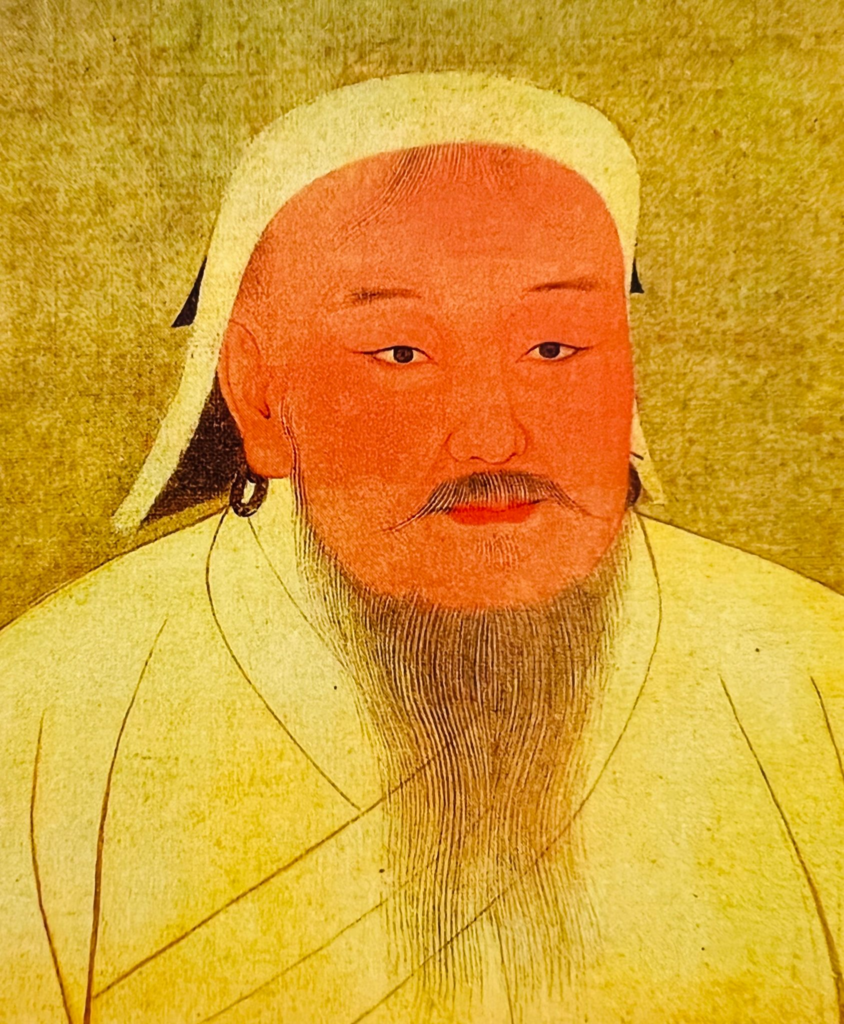
Genghis Khan is often remembered as one of the most brutal conquerors in history. Born as Temujin around 1162 in Mongolia, he rose from exile and hardship to unite scattered tribes into a powerful force. Under his leadership, the Mongol Empire became the largest continuous land empire the world has ever seen.
His military campaigns were ruthless. Cities that resisted were destroyed, and millions died during the conquests. This reputation earned him fear that lasted centuries. However, modern historians now view his legacy as more complex.
Genghis Khan introduced systems of law, merit-based leadership, and religious tolerance across his empire. Trade routes such as the Silk Road were protected, allowing goods, technology, and ideas to travel safely between Asia and Europe. This exchange helped shape global civilization.
Some theories suggest Genghis Khan’s policies indirectly accelerated scientific and cultural progress by connecting distant worlds. Even genetics tells part of his story — studies indicate that a significant portion of the modern population shares his DNA.
Genghis Khan was neither purely a hero nor simply a villain. He was a force of transformation — destructive, yet influential.
His story reminds us that history’s most powerful figures are rarely one-dimensional.
Hachikō: The Dog Who Redefined Loyalty in Human History

Hachikō was not a king, a warrior, or a leader — yet his story became one of the most powerful symbols of loyalty in human history. Born in 1923 in Japan, Hachikō was an Akita dog adopted by Professor Hidesaburō Ueno, a university teacher in Tokyo. Every day, Hachikō accompanied his owner to Shibuya Station and returned in the evening to welcome him home.
In 1925, tragedy struck when Professor Ueno suddenly died at work. Unaware of death or loss, Hachikō returned to the station the next day — and the next — and the next. For nearly nine years, he waited at the same spot, every single day, hoping his owner would come back.
At first, people ignored him. Over time, commuters noticed the loyal dog who never gave up. Newspapers shared his story, and Hachikō became a national symbol of devotion, patience, and unconditional love. When he died in 1935, Japan mourned him as a hero.
A bronze statue of Hachikō now stands at Shibuya Station, one of the most famous meeting points in the world. His story continues to inspire books, films, and generations.
Hachikō proved that loyalty does not require understanding — only love.
Wojtek the Bear: The Soldier Who Fought a World War

Wojtek was no ordinary bear. During World War II, this Syrian brown bear became an official member of the Polish army, earning a rank and a military serial number. His story began in 1942, when Polish soldiers found him as a cub in the Middle East after his mother was killed by hunters.
The soldiers raised Wojtek like one of their own. He slept in tents, wrestled with troops, and even learned to salute. As the unit moved across countries, Wojtek traveled with them — eventually reaching the battlefields of Italy.
During the Battle of Monte Cassino, Wojtek astonished everyone by helping carry heavy crates of ammunition to the front lines. He mimicked the soldiers, lifting boxes and walking upright. His actions inspired the army so deeply that the unit adopted a new emblem: a bear carrying an artillery shell.
After the war, Wojtek was sent to a zoo in Scotland, where former soldiers continued to visit him. He recognized them, responded to Polish language, and remained calm around his old companions.
Wojtek died in 1963, remembered not just as a mascot, but as a symbol of friendship, courage, and survival during war.
Wojtek’s story reminds us that history is not shaped by humans alone — animals have stood beside us in our darkest hours.
When Cats Were Gods: The Sacred Role of Cats in Ancient Civilizations

In the ancient world, cats were not simply pets — they were sacred beings believed to possess divine power. No civilization honored cats more deeply than Ancient Egypt, where they were worshipped, protected, and even mourned like humans. Egyptians believed cats carried spiritual energy and served as guardians against evil forces.
Cats were closely associated with the goddess Bastet, the deity of protection, fertility, and home. Bastet was often depicted as a woman with a cat’s head or as a full cat, symbolizing both gentleness and fierce protection. Families kept cats in their homes not only to control pests, but also to attract blessings and good fortune.
The respect for cats was so strong that killing one — even accidentally — was punishable by death. Historical accounts describe crowds attacking anyone responsible for harming a cat. When a household cat died, family members shaved their eyebrows as a sign of mourning, and the cat was often mummified and buried in sacred tombs.
Ancient Egyptians believed cats could see into the spiritual world, guarding the living from evil spirits. Their glowing eyes at night and silent movements reinforced the belief that cats existed between worlds — part earthly, part divine.
This reverence spread beyond Egypt. In ancient Rome and Greece, cats symbolized independence and protection. In Norse mythology, the goddess Freyja traveled in a chariot pulled by giant cats, further reinforcing their sacred status.
Although cats are no longer worshipped as gods, the ancient belief lives on in culture and symbolism. Even today, cats are seen as mysterious, intuitive, and powerful creatures.
As one famous saying goes: “In ancient times, cats were worshipped as gods — they have never forgotten this.”
When Water Was God: How Ancient Civilizations Worshipped the Source of Life
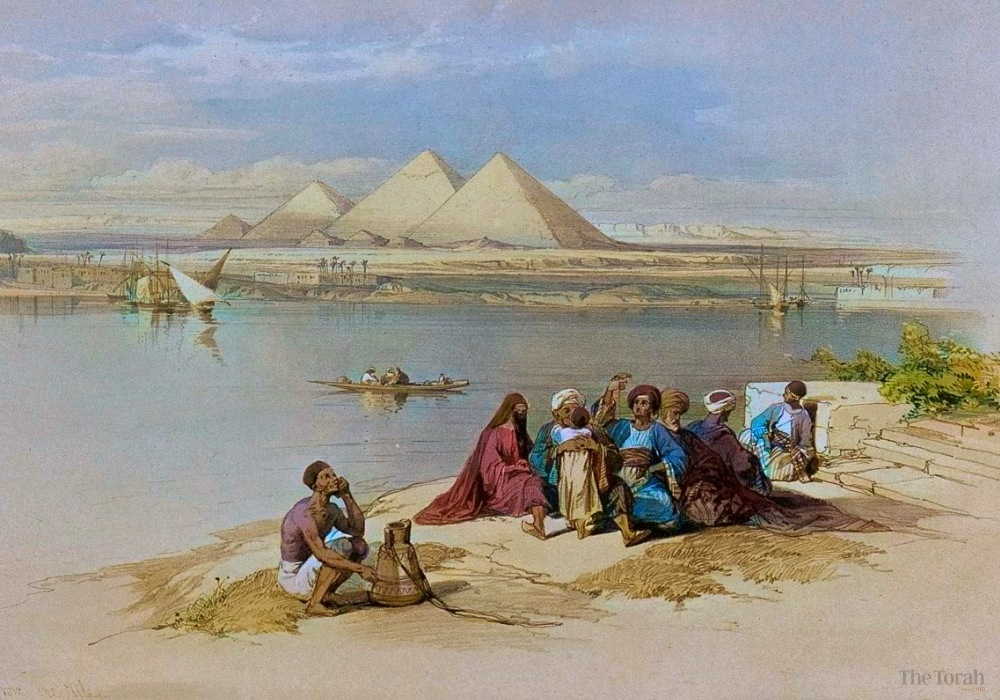
Long before modern science explained rainfall, oceans, and rivers, ancient civilizations believed water itself was divine. To early humans, water was not just a resource — it was life, death, renewal, and judgment. Without it, crops failed, cities vanished, and entire civilizations collapsed. This dependence led many cultures to worship water as a god.
In Ancient Egypt, the Nile River was considered sacred. Egyptians believed its yearly floods were blessings from the gods, bringing fertility to the land. Without the Nile, Egypt could not survive. Water was seen as a gift from the divine, and rituals were performed to ensure its flow continued.
In Mesopotamia, one of the world’s earliest civilizations, water gods controlled fate itself. Floods were believed to be messages from angry gods, while droughts signaled divine punishment. The balance of water meant the balance of life.
In Ancient India, water was considered pure and holy. Rivers were worshipped as living goddesses, believed to cleanse sin and renew the soul. Even today, millions perform rituals in sacred rivers, continuing beliefs thousands of years old.
Many ancient cultures believed water connected the physical world to the spiritual one. Oceans were feared as homes of gods and monsters, while rain was seen as divine mercy falling from the heavens. Water’s ability to destroy and create made it both feared and respected.
These beliefs were not superstition alone — they were survival wisdom. Ancient people understood that water controlled their fate long before science confirmed it.
Across history, one truth remained constant: to worship water was to worship life itself.
When the Sun Was God: The Ancient Belief That Ruled Civilizations

For ancient civilizations, the sun was not just a celestial body — it was God itself. Long before science explained astronomy, humans believed the sun controlled life, death, time, and destiny. Its daily rise meant survival; its absence meant fear, cold, and hunger. As a result, sun worship became one of the oldest and most widespread religious beliefs in history.
In Ancient Egypt, the sun god Ra was considered the creator of all life. Pharaohs were believed to be the sons of Ra, ruling Earth by divine right. Temples were aligned with the sun’s movement, and rituals were performed to ensure Ra’s journey across the sky continued without interruption.
In Ancient Mesopotamia, the sun god Shamash represented justice and truth. People believed the sun could see everything, exposing lies and rewarding honesty. Laws and oaths were taken under the sun’s witness.
Across the Americas, civilizations like the Aztecs and Incas viewed the sun as the heart of the universe. The Inca sun god Inti was worshipped as the ancestor of kings, while the Aztecs believed the sun required offerings to keep the world alive. Without proper rituals, they feared the sun would stop rising.
In Ancient India, the sun god Surya symbolized health, power, and wisdom. Even today, sun-based rituals and prayers continue in many cultures, showing how deeply rooted this belief remains.
Sun worship was born from observation and survival. Ancient people understood that crops, seasons, and life itself depended on sunlight.
Across continents and centuries, one belief united humanity: without the sun, there is no life — and therefore, the sun was divine.




Leave a Comment