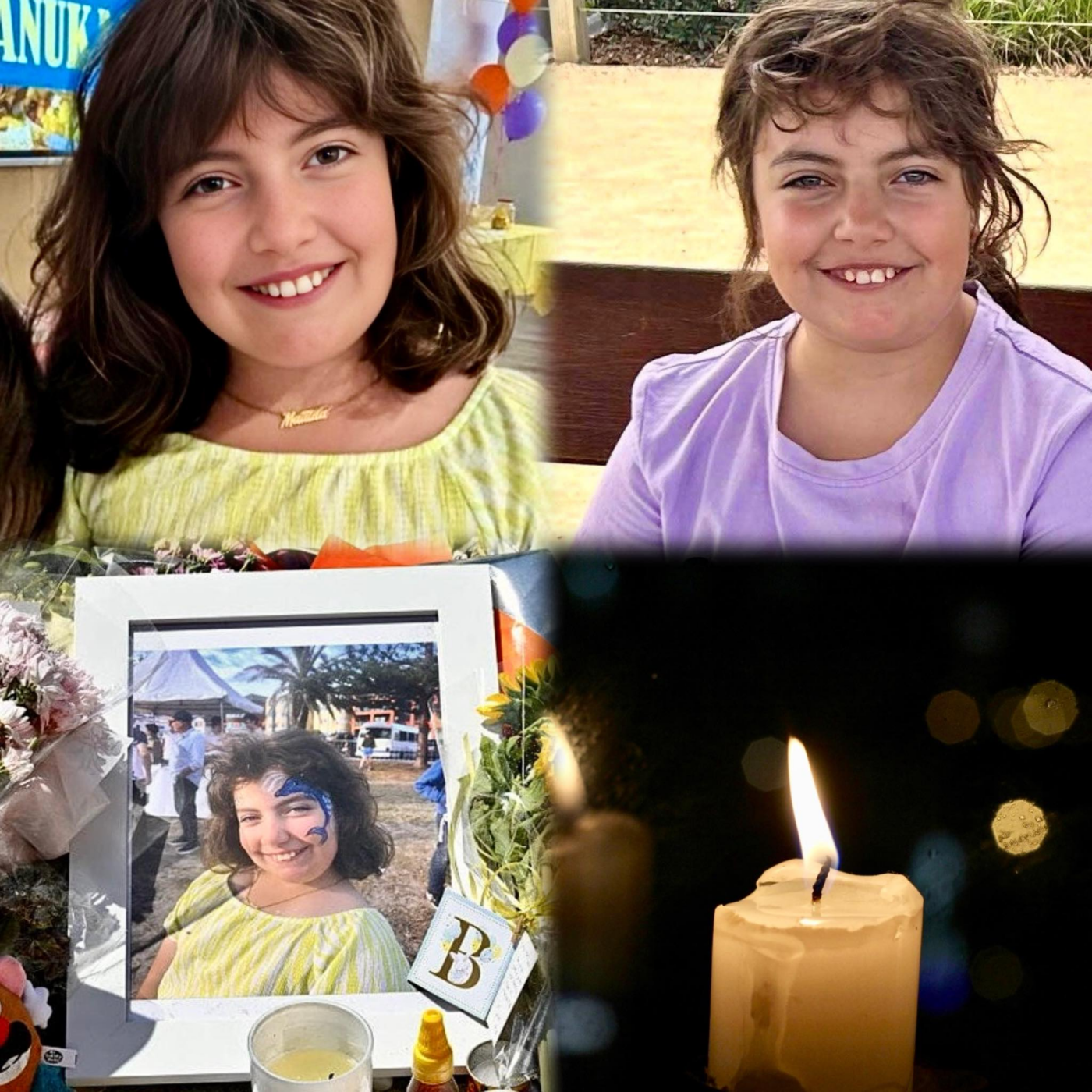

Mathilda Poltavchenko, 10, Ukrainian refugee tragically killed in Australia, youngest victim of attack.
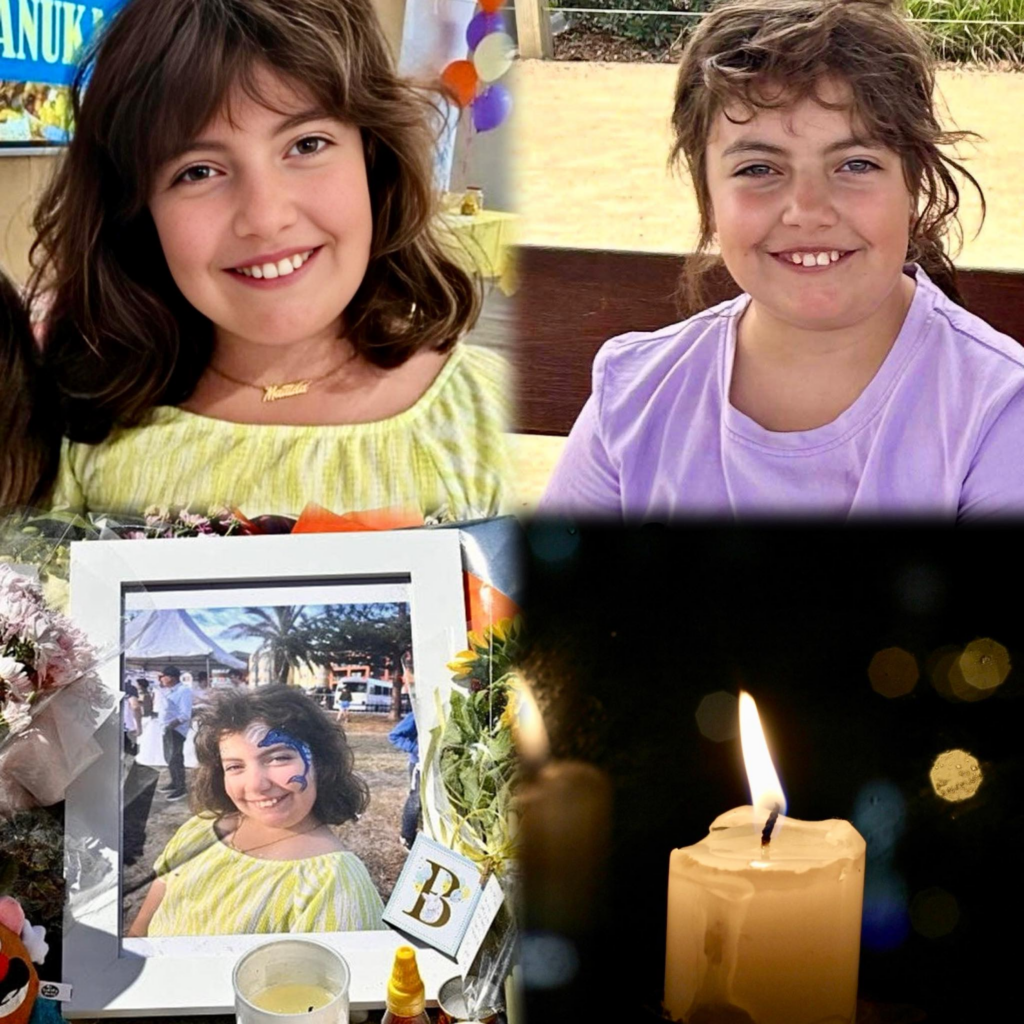
Tragedy struck in Australia when 10-year-old Mathilda Poltavchenko, a Ukrainian refugee, lost her life in a violent attack. Fleeing the horrors of war in her home country, Mathilda and her family sought safety and a new beginning. Instead, they were met with unimaginable violence that claimed the lives of 16 innocent people, with Mathilda being the youngest victim.
Reports indicate that the attack was senseless, and questions remain about the motives of the perpetrator. Eyewitnesses describe the harrowing moment when Mathilda ran toward her father, only to be struck down. The cruelty and lack of empathy shown toward such a defenseless child has shocked communities both in Australia and around the world.
Mathilda’s death is not just a number in a tragic statistic; it represents the devastating loss of a young life full of potential, dreams, and hope. Her story underscores the vulnerability of refugees, particularly children, who flee violence only to encounter further tragedy.
Communities across the globe have mourned her passing, offering condolences and support to the Poltavchenko family during this unimaginable loss. Memorials and vigils have been held to honor the victims, with special attention on Mathilda, whose innocence and youth magnify the heartbreak of this event.
This tragedy serves as a solemn reminder of the importance of compassion, protection for the vulnerable, and the need to confront violence wherever it emerges. Mathilda Poltavchenko’s memory will live on as a symbol of lost potential and a call to safeguard children and refugees worldwide from harm.
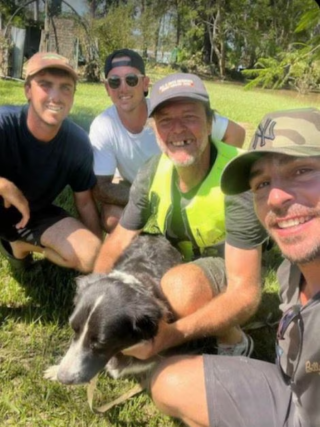
Peace dog, Aloka, recovers after surgery and joyfully reunites with monks.
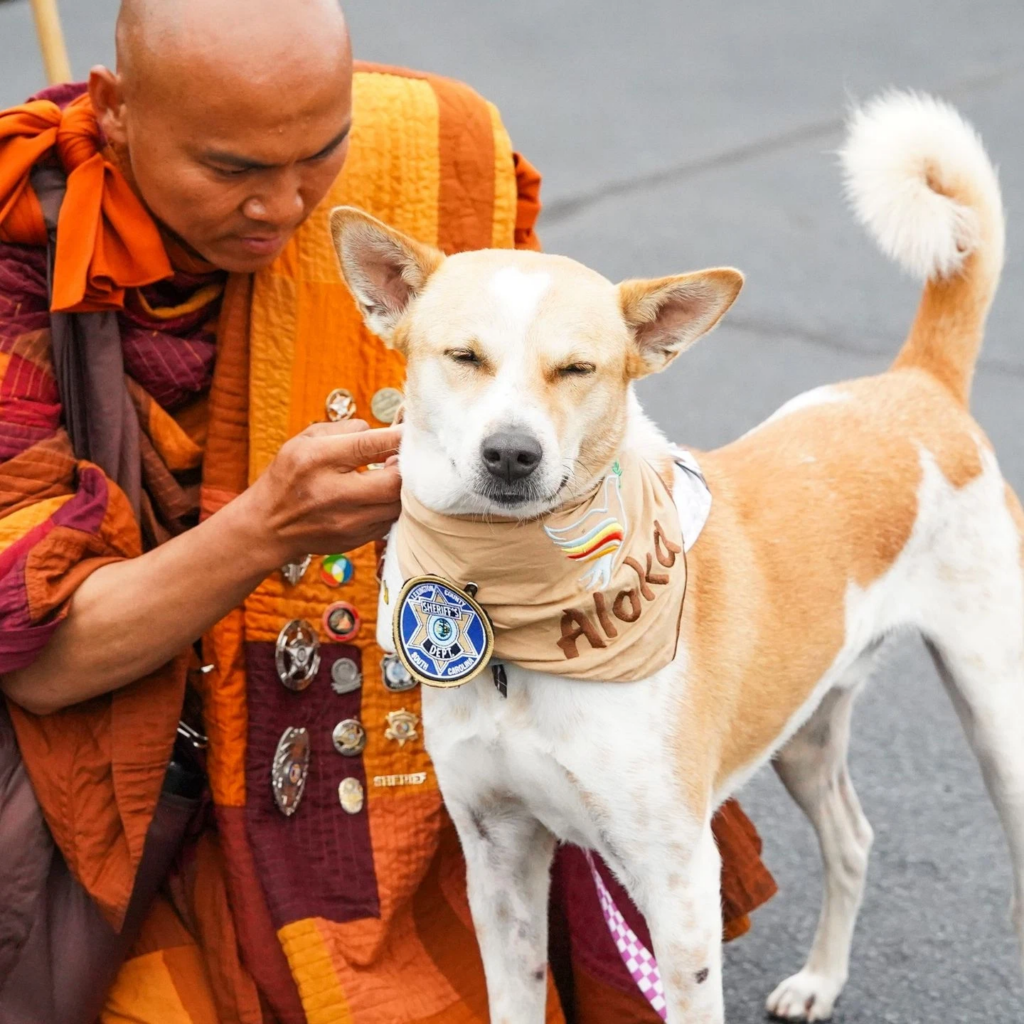
Aloka, a beloved peace dog known for accompanying monks during their walks, faced a serious setback when he was injured during a recent peace walk. The injury required surgical intervention to repair damage to his leg. Veterinarians performed the procedure successfully, and Aloka entered a carefully monitored recovery period to ensure proper healing and prevent complications.
During his recovery, Aloka’s activity was controlled, allowing him to regain strength without risking further injury. His caretakers provided constant attention, balancing rest with gentle movement to support a full recovery. The veterinary team’s expertise, combined with consistent care, ensured that Aloka’s rehabilitation progressed smoothly.
Once Aloka was stable and able to interact safely, he was reunited with the monks he had journeyed alongside. This reunion was not only heartwarming but also important for Aloka’s emotional well-being, as he has formed strong bonds with the monks over time. Being around the familiar faces and routines of the monks helped Aloka remain calm, motivated, and engaged during his recovery.
Aloka’s story highlights the resilience of animals and the deep connections they form with humans. His recovery also underscores the importance of timely veterinary care and patient rehabilitation for injured animals. The monks expressed joy and relief at seeing Aloka return, demonstrating how care, compassion, and community support play critical roles in healing.
As Aloka continues to regain his strength, he remains a symbol of peace, loyalty, and the extraordinary bond between animals and humans, inspiring everyone who witnesses his journey back to health.
Champion wrestler lets student with cerebral palsy pin him, showing sportsmanship and heart.
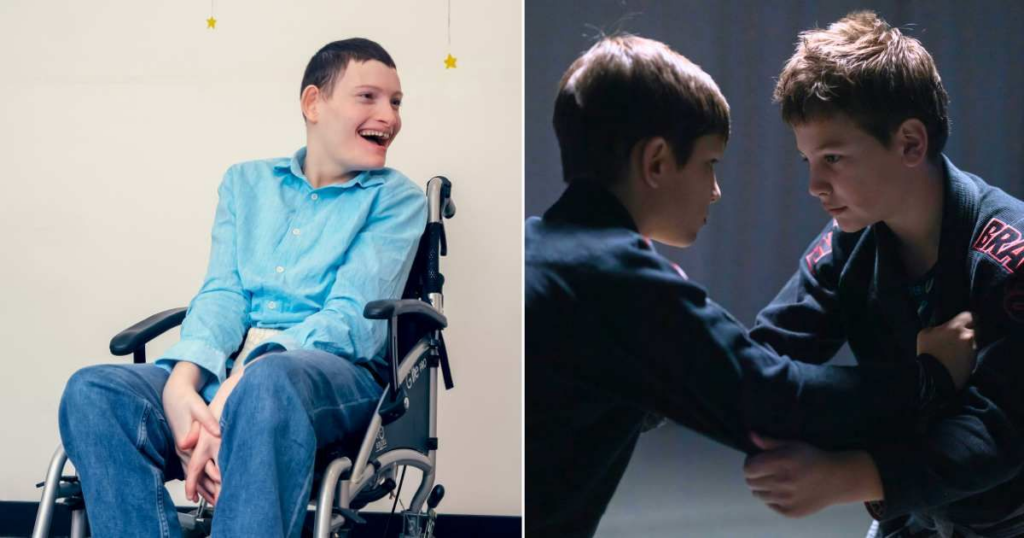
In West Branch, Iowa, a middle-school wrestling match became a legendary story of empathy and sportsmanship. Lucas Lacina, a 13-year-old student living with cerebral palsy, had spent the season practicing diligently with his teammates. Despite the challenges of his condition, which affects balance and coordination, Lucas was determined to participate, stay active, and connect with his peers through wrestling.
The climactic moment came when Lucas faced off against Austin Scranton, a skilled wrestler from Anamosa. Austin, recognized for his experience and strength, had the opportunity to dominate the match easily. Instead, he chose a different path: he guided Lucas through the moves he had practiced, allowing the young wrestler to gain confidence and apply his skills. With the crowd on the edge of their seats, Lucas successfully pinned Austin, securing his first-ever competitive win.
The gymnasium erupted in cheers as Lucas’s mother, teammates, and fellow spectators witnessed the powerful display of kindness. The act wasn’t just about winning a match—it was a profound demonstration of inclusion, empathy, and the true meaning of championship spirit. Both boys exemplified that success isn’t only measured by scores but by the heart and character shown in lifting others up.
This moment went beyond sport. It became a lesson for the entire community about patience, encouragement, and celebrating victories that matter to individuals. In allowing Lucas to shine, Austin showed that the essence of being a champion lies not in defeating others, but in empowering them. The story reminds us that sometimes the greatest triumphs are acts of compassion, teamwork, and humanity.
This tiny dog’s stare over a fence broke the internet.

Junebug, a tiny 4-pound dog, became an internet sensation thanks to a single photograph. The image captured her peeking over a tall backyard fence, locking eyes with the camera in a way that many viewers found unexpectedly intense, almost unnervingly so.
The photo spread quickly across social media, with users jokingly comparing Junebug’s gaze to iconic characters like Beetlejuice or the Joker. Comments poured in describing her expression as “spooky,” “intense,” or even “a little unsettling.” Despite the internet’s dramatic reactions, Junebug’s owner insists the tiny pup is the complete opposite of her viral persona. She is described as affectionate, playful, and endlessly curious, simply trying to see what’s happening on the other side of the fence.
What makes Junebug’s story so relatable is that it’s a reminder of how a single moment can capture the imagination online. In an era where viral content is often complex or manufactured, Junebug’s simple backyard peek illustrates how authenticity, combined with a little mystery, can spark widespread attention.
Junebug’s fame also highlights the internet’s love for pets, especially when they display human-like expressions. A tiny dog with an intense stare created countless memes, jokes, and reactions worldwide, showing that even the smallest animals can dominate online conversations.
Ultimately, Junebug’s viral moment isn’t just about a funny photo. It’s about connection: her curious gaze resonated with people everywhere, prompting laughter, intrigue, and a reminder of the charm and unpredictability of our four-legged friends. From the backyard fence to internet stardom, Junebug proved that size doesn’t limit impact — and that sometimes, a stare is all it takes to break the internet.
Loyal dog kept vigil over owner’s body for four days in freezing snow.

In the high mountains of Bharmour, Himachal Pradesh, India, tragedy struck in January 2026. Two teenagers, including a 13-year-old boy, were caught in heavy snowfall while filming videos. One of the teens lost his life in the extreme cold, and what unfolded afterward became a story of unimaginable loyalty.
When rescuers and local people reached the site four days later, they discovered a scene that left everyone deeply emotional. The young boy’s body was partially covered in snow, but nearby, his pet pitbull remained steadfast, sitting silently beside him. For four days, without food or water, through freezing temperatures and blizzards, the dog refused to leave. The small act of vigilance, unwavering and selfless, resonated deeply with all who witnessed it.
The story quickly spread across India, capturing hearts and prompting reflections on the unbreakable bonds between humans and their animals. Observers were struck by the dog’s dedication, comparing the scene to legendary tales of loyalty from folklore and history. The pitbull’s silent vigil became a symbol of love, trust, and devotion that transcends even life and death.
This heartbreaking yet inspiring incident reminds people of the profound connection between humans and pets. While the young boy’s life was tragically cut short, the dog’s loyalty became a source of comfort and reflection for many. In a world often dominated by fleeting news, this dog’s unwavering presence for four days in harsh conditions stands as a testament to love without conditions, loyalty without question, and the extraordinary spirit of our animal companions.
Florida man arrested after slapping pregnant woman over cigarette, escalating concern into violence.
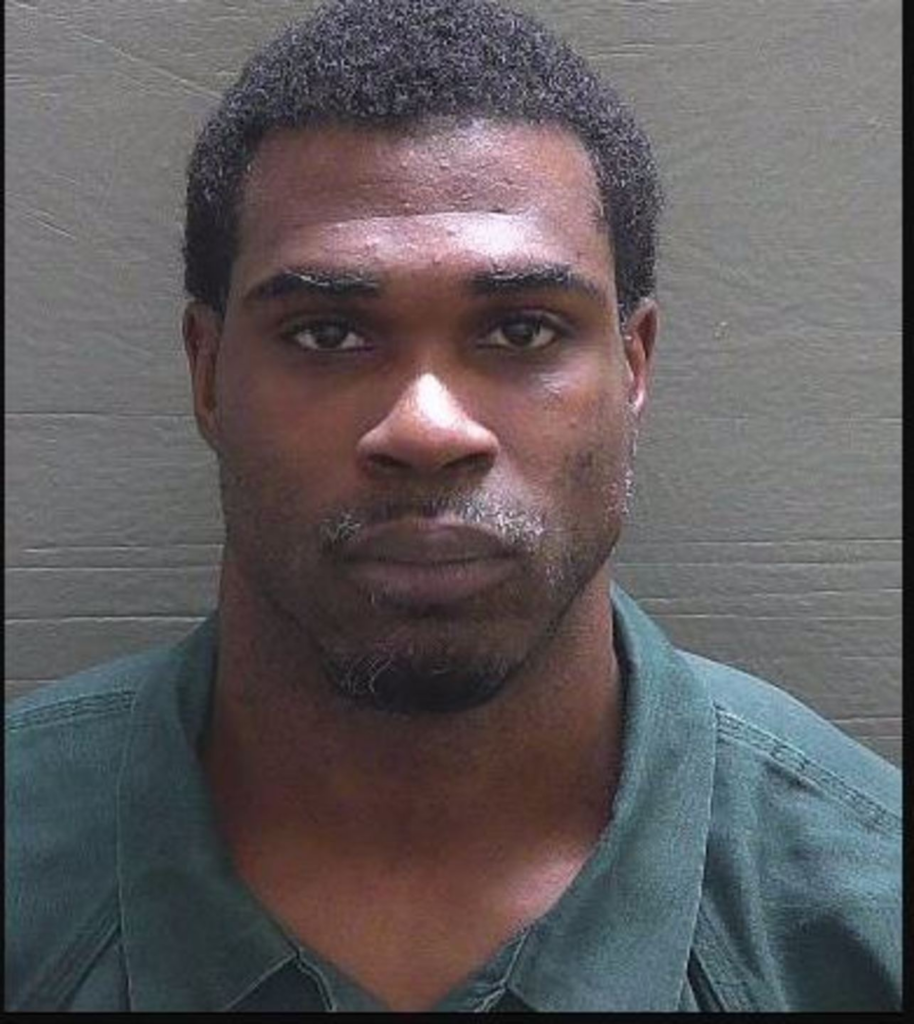
In July 2019, a disturbing incident unfolded in Pensacola, Florida, when 36-year-old Felix Jwain Taylor confronted a pregnant woman over her cigarette use. While smoking during pregnancy poses well-documented health risks, what began as concern escalated into violence with life-changing consequences.
According to police reports, Taylor initially tried to intervene by snatching the cigarette from her mouth and throwing it to the floor. The situation quickly deteriorated when he slapped her across the face while she was seated on a bed. Disturbingly, he later returned and physically assaulted her again, striking her face and abdomen. The attack left the woman with visible injuries, including a swollen and bleeding lip. Authorities issued a warrant, and Taylor was arrested and charged with aggravated battery, a serious felony.
This case highlights a troubling intersection between concern, anger, and personal accountability. While many may feel alarmed by risky behaviors, resorting to violence only increases danger, especially when a vulnerable person is involved. The law does not allow intentions to excuse physical harm, and in this situation, fear and frustration led to serious legal repercussions.
Beyond the legal implications, the story serves as a stark reminder that acting responsibly means combining empathy with self-control. Interventions motivated by concern must prioritize safety and restraint rather than force. Taylor’s actions demonstrate how quickly a moment of anger can escalate into irreversible consequences, transforming a well-intentioned reaction into a criminal offense.
Ultimately, this case underscores a universal lesson: true care involves protecting, not punishing. Concern without control can create far more harm than the original risk ever would, and accountability must follow when violence replaces reason.
In Peru, brave man risks flooded river to rescue stranded cat from danger.
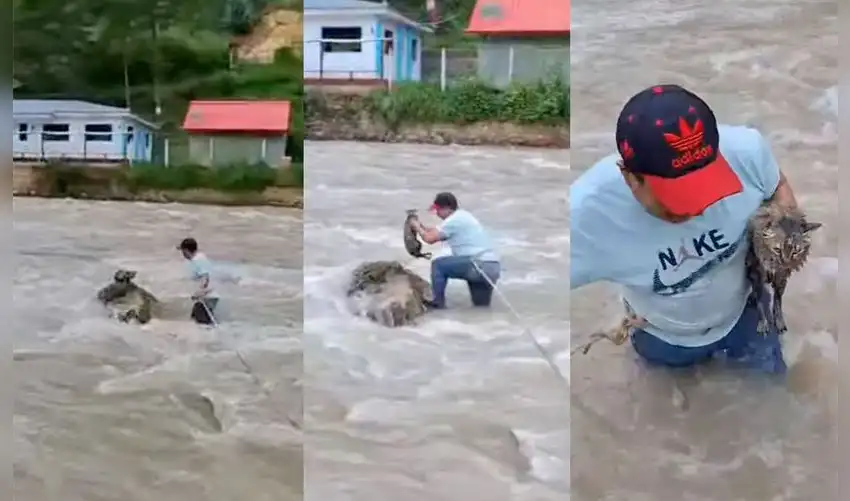
In Ripan, central Peru, weeks of relentless rain caused rivers to overflow, turning normally calm waterways into fast-moving, dangerous currents. Amid this flooding, a small cat found itself stranded on a rock in the middle of a swollen river, its frightened cries echoing over the roaring water. The perilous situation caught the attention of nearby locals, who feared for the animal’s safety.
Without hesitation, a brave man decided to act. He tied a rope securely around his waist and began wading into the churning river, fully aware of the dangers posed by the powerful currents. From the shore, bystanders held the line, ready to assist if the river swept him off balance.
With careful steps and focused determination, he reached the terrified feline. Calmly but swiftly, he lifted the cat into his arms, shielding it from the water and cold. The community watched in awe as the man navigated the treacherous river back to solid ground. Once safely ashore, the cat was unharmed, free from the immediate threat of drowning or hypothermia.
The rescue, captured on video, quickly went viral online, inspiring viewers around the world. It stands as a heart-stopping reminder of human courage, empathy, and the extraordinary lengths people will go to protect animals. This act wasn’t just about saving a pet—it was a testament to selflessness and the instinct to help those who cannot help themselves.
In an era when news is often dominated by conflict or disaster, this story offers a glimpse of hope: even in the face of danger, bravery and compassion can shine through, reminding everyone that heroes can come in many forms.
Chinese programmer collapses from overwork; boss still adds him to work chat.

In Guangzhou, China, 32-year-old programmer Gao Guanghui devoted nearly every waking hour to his tech company. As a department manager, his workdays stretched late into the night, often logging in early the next morning, with weekends consumed by projects. His relentless schedule left little room for rest or personal life.
On Saturday, 29 November 2025, Gao told his family he felt slightly unwell but insisted on completing weekend tasks. Moments later, he collapsed at home. Rushed to a local hospital, medical teams worked tirelessly to save him, but by around 1 p.m., he had passed away. Doctors reported sudden heart and breathing failure, with suspected Adams–Stokes syndrome, despite a normal ECG checkup in June 2024.
The story took a darker turn when it was revealed that, during his emergency treatment, colleagues added Gao to a new WeChat work group. Even eight hours after his passing, his phone received notifications about “urgent” tasks scheduled for Monday. This action horrified friends, family, and the public, highlighting extreme corporate negligence and the harsh realities of overwork culture.
Gao’s wife has spoken publicly about the company’s handling of his personal belongings and the lack of empathy shown during the tragedy. Local authorities have accepted an investigation into the case, recognizing the possibility of a work-related injury claim.
This case underscores the dangers of relentless overtime, the pressures of modern corporate culture, and the urgent need for employee wellbeing protections. Gao’s death serves as a tragic reminder that productivity should never come at the cost of human life. His story has sparked discussions about labor laws, mental health, and the boundaries companies must respect to protect their employees.
Local man walks six-year-old through snow; community raises thousands to support family.
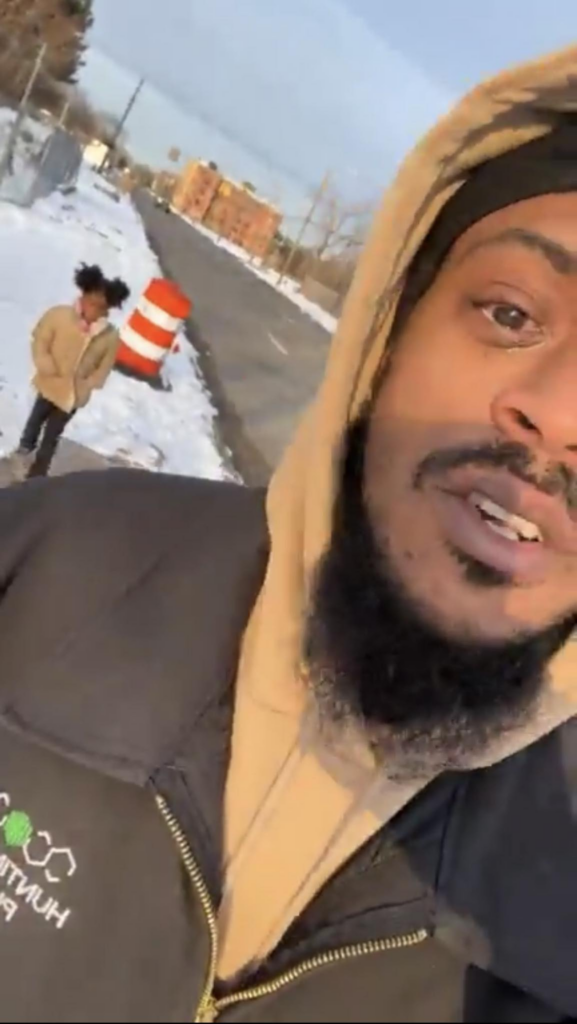
In December 2025, a freezing winter morning in Detroit’s west side became a story of compassion that captured the hearts of an entire community. Joshua Threatt, a local father, noticed a six-year-old girl walking alone to Thirkell Elementary School, braving snow-covered streets in thin clothing, with no hat or gloves. She still had nearly ten blocks to traverse, and the bitter cold made her journey dangerous.
Threatt didn’t just drive past. He pulled over, stepped out, and walked alongside her the entire way. To ensure transparency and safety for both, he documented the walk on Facebook Live, making sure every step of the journey remained visible. Threatt’s emotions surfaced as they approached the school doors, tears reflected the reality of how vulnerable some children are, even in familiar neighborhoods. His empathy was heightened by the fact that he has a child the same age, making the scene all the more personal and poignant.
Authorities later confirmed that this wasn’t the first time the young girl had been walking alone. That revelation highlighted a larger issue: some children face daily risks that often go unnoticed, falling through the cracks of social and community safety nets. Threatt’s actions not only protected the child in that moment but also sparked broader awareness about the need for vigilance and care in local neighborhoods.
Following the walk, Threatt quietly returned to provide the girl with warm clothes, ensuring the act of kindness extended beyond a single morning. Inspired by his compassion, neighbors and community members rallied to raise thousands in support for the child and her family.
In a world often defined by indifference, Joshua Threatt’s simple decision to slow down, notice, and step in reminds us of the profound impact one person can have, sometimes, a few steps beside someone in need can change a life.
Rescue team finds lion and tiger cubs bonded; separation deemed impossible for wellbeing.
During a wildlife rescue operation aimed at stopping illegal animal trafficking, a team of dedicated animal welfare specialists made a discovery that would challenge conventional practices. Inside a small, dark crate, they found a lion cub and a tiger cub, both orphaned and terrified. The two young animals had lost their mothers and, in the unfamiliar and frightening environment, had clung to each other for warmth and comfort. Their bond, formed in a moment of shared vulnerability, immediately captured the attention of the rescuers.
As the team carefully removed the cubs from the trafficking situation, the depth of their connection became clear. Standard rescue protocol often requires separating animals by species to prevent aggression or ensure proper socialization. However, when the handlers attempted to separate the cubs, the tiger cub became visibly distressed, refusing consolation from humans and showing clear signs of trauma. It was a critical moment: rescuers realized that forcing them apart could have lasting emotional consequences, potentially damaging the cubs’ ability to trust humans and cope with their environment.
In response, caretakers made the compassionate decision to keep the cubs together, providing a safe, nurturing environment where both could feel secure. The cubs’ unusual friendship flourished as they relied on each other for comfort, play, and emotional support, demonstrating a profound lesson in animal behavior. Even natural competitors, when faced with hardship, can form deep and lasting connections.
Their story underscores the importance of empathy and adaptability in wildlife rescue, showing that emotional bonds can transcend species boundaries. By honoring the cubs’ attachment, the rescue team not only protected their physical safety but also supported their mental and emotional well-being. The lion and tiger cubs became living proof that trust, companionship, and comfort are as vital as food and shelter in the recovery of young animals rescued from trauma.
Man drives same 1928 Rolls-Royce for nearly 80 years, showing unmatched loyalty.

In 1928, M. Allen Swift of West Hartford, Connecticut received a graduation gift that would define his life: a brand-new Rolls-Royce Phantom I, presented by his father. Unlike most people who might keep such a car as a display piece, Allen embraced it as a true companion. He drove it daily, navigating the roads of changing decades, experiencing the evolution of automobiles and society while remaining devoted to his single legendary machine. Over the course of 77 years, Allen added more than 172,000 miles to the odometer, a testament not only to the car’s durability but also to his extraordinary dedication.
Allen cared for his Rolls-Royce meticulously. Routine maintenance was never skipped, and as the car aged, he refused to let it fall into disrepair. In 1988, he invested in a full restoration, including an engine rebuild, ensuring the Phantom could continue running smoothly. His steadfast commitment caught the attention of Rolls-Royce itself, which honored him in 1994 with a special crystal “Spirit of Ecstasy” award, recognizing him as the longest single-owner driver of a Rolls-Royce in their records.
Even after Allen passed away in 2005 at the age of 102, his devotion endured. He bequeathed the Phantom, along with $1 million, to help preserve the car for posterity. Today, the Rolls-Royce Phantom I is displayed at the Lyman & Merrie Wood Museum of Springfield History in Massachusetts, where visitors not only admire a beautifully maintained classic car but also witness the extraordinary story of one man’s loyalty, care, and love for a machine that became a lifelong companion.
Allen Swift’s life reminds us that devotion can transcend objects, it is about consistency, patience, and cherishing what you hold dear over decades, creating a legacy both mechanical and human.
A MAN SAYS HE IS $20,000 IN DEBT AFTER SPENDING APPROXIMATELY $27,000 TO RESEMBLE FOOTBALLER DAVID BECKHAM

A man’s dream of transforming into football icon David Beckham has taken a dramatic turn, leaving him tens of thousands in debt and questioning the true cost of chasing celebrity.
The unnamed individual reportedly spent approximately $27,000 on cosmetic procedures, including facial sculpting, hair treatments, and other aesthetic enhancements designed to emulate Beckham’s signature look. While he initially believed the investments would elevate his social profile and open doors to modeling opportunities, reality quickly set in. According to sources close to the man, the procedures altered his appearance but did not bring the instant recognition or career opportunities he had anticipated.
Now, he faces a staggering $20,000 debt, primarily from loans and credit card charges used to fund the cosmetic transformations. Experts caution that such extreme measures carry both financial and emotional risks. “Chasing a celebrity look is not just a physical commitment, it’s a financial gamble,” said Dr. Laura Simmons, a cosmetic surgery consultant. “People underestimate the ongoing costs of maintenance, recovery, and the mental strain when expectations don’t match reality.”
Social media reactions have been mixed. Some users admire his dedication and willingness to pursue personal expression, while others question the wisdom of investing heavily in physical appearance over long-term financial stability. Psychologists note that cases like this highlight the pressure many feel to emulate public figures and the growing influence of celebrity culture on self-image.
The man has since shared that while he regrets the financial burden, he does not regret the procedures entirely. “I look like Beckham, but I didn’t get the lifestyle,” he told reporters. “It’s a hard lesson in understanding that money can’t buy fame or fulfillment.”
This story serves as a cautionary tale for those tempted to chase celebrity aesthetics without considering the lasting consequences, proving that sometimes, the cost of looking like a star can be higher than anyone imagines.
JAPAN’S TOLL SYSTEM FAILS FOR 38 HOURS, 106 GATES STOP WORKING, YET 24,000 DRIVERS VOLUNTARILY PAY ONLINE DESPITE FREE PASSAGE, A STUNNING DISPLAY OF CIVIC RESPONSIBILITY

When Japan’s electronic toll system suffered a massive outage for thirty-eight hours, it could have brought the nation’s highways to a grinding halt. One hundred six toll gates stopped functioning, threatening chaos across major routes. But instead of panic, the response showcased a remarkable experiment in trust and human decency.
The highway operator took an unprecedented step: they opened every gate and allowed cars to pass freely. Drivers were not legally required to pay, nor was there any enforcement in place. The system’s failure left nearly a million vehicles able to drive without paying a single yen.
What happened next surprised even the officials. Out of nine hundred twenty thousand vehicles that crossed toll gates during the outage, approximately twenty-four thousand drivers chose to voluntarily calculate their tolls and complete bank transfers online. Despite the inconvenience and no legal obligation, these drivers honored the system, demonstrating a sense of civic duty and personal responsibility that is increasingly rare in a modern, automated world.
The highway operator, moved by the response, decided to reimburse all those who had already paid and waived the tolls for everyone affected. The incident became more than a technical failure; it became a quiet testament to culture, ethics, and trust.
Observers say the event highlights a uniquely Japanese blend of honesty, consideration, and collective responsibility. In a world often dominated by stories of fraud and self-interest, the willingness of thousands of people to act correctly, even when they could easily get away with not doing so, is a striking reminder that trust and integrity still hold real power.
This story, simple yet profound, serves as an example of how human behavior can shine brightest in moments when rules and systems fail, proving that sometimes, doing the right thing is entirely voluntary, and yet, it matters more than anyone imagined.
TOP HOUSE REPUBLICAN URGES TRUMP TO PULL ICE FROM MINNEAPOLIS AFTER FATAL ANTI-ICE PROTEST SHOOTING, RAISING QUESTIONS ABOUT FEDERAL ENFORCEMENT, CIVIL RIGHTS, AND ESCALATING TENSIONS IN THE CITY

In the wake of the shocking shooting of 37-year-old ICU nurse and anti-ICE protester Alex Pretti in Minneapolis, a powerful House Republican is urging President Trump to consider pulling federal immigration agents from the city. The controversial call comes as debates over civil rights, law enforcement, and federal overreach continue to intensify.
James Comer, Chairman of the House Oversight Committee, spoke on Fox News’ Sunday Morning Futures, warning that further deployment of ICE personnel in Minneapolis could put more lives at risk. “If the mayor and governor continue putting our ICE officials in harm’s way, maybe it’s time to consider a de-escalation,” Comer said, citing concerns for innocent bystanders amid rising tensions.
The fatal incident has prompted bipartisan calls for accountability. Senators Pete Ricketts and Bill Cassidy stressed the need for a full investigation, emphasizing that the credibility of federal agencies like ICE and the Department of Homeland Security is on the line. Similarly, Senator Lisa Murkowski condemned the use of lethal force, urging a transparent, independent review to rebuild public trust.
Footage from the protest appears to show Pretti, who was legally carrying a concealed firearm, being pinned and disarmed moments before federal agents opened fire. Trump administration officials quickly suggested Pretti’s armed actions prompted the shooting, while protesters and civil rights advocates argue the response was excessive and raises questions about federal authority in local jurisdictions.
President Trump confirmed the administration is reviewing all aspects of the Minneapolis operation and indicated that ICE personnel will eventually be replaced by a different federal team to continue ongoing investigations into benefits fraud within the city’s Somali community.
The incident has ignited national debate, highlighting tensions between the enforcement of immigration laws, citizens’ rights to protest, and public safety. As Minneapolis reels from another deadly confrontation, both lawmakers and residents are demanding answers, and accountability, from all parties involved.
SEAN MCVAY SNAPS AT REPORTER OVER MATTHEW STAFFORD FUTURE QUESTION AFTER HEARTBREAKING NFC CHAMPIONSHIP LOSS, LEAVING FANS WONDERING IF RAMS’ STAR QUARTERBACK WILL RETURN NEXT SEASON

Tensions boiled over in the Los Angeles Rams’ locker room Sunday night as head coach Sean McVay clashed with a reporter asking about quarterback Matthew Stafford’s future. The Rams had just fallen 31-27 to the Seattle Seahawks in the NFC Championship, a defeat that left the team gutted and McVay visibly frustrated.
When asked whether Stafford would return as the Rams’ starting quarterback next season, McVay didn’t hold back. “Yeah, I mean, if he still wants to play. What the hell kind of question is that?” he retorted, his voice sharp and tense. “You’ll have to ask him. We’ve been totally present. I know that if he wants to, he’s still playing at a pretty damn good clip. This guy played at a level that’s just different.”
Stafford, who just completed his 17th NFL season and recently flirted with the idea of leaving Los Angeles before recommitting to the Rams, had an MVP-caliber year, throwing for 4,707 yards and 46 touchdowns. Despite McVay’s irritation, Stafford himself responded cautiously to questions about his future. “I can’t generalize six months of my life ten minutes after a loss,” he said.
Sunday’s game highlighted both Stafford’s brilliance and the Rams’ heartbreak. In a key fourth-quarter drive, Stafford methodically led the offense down the field for over seven minutes, only to be stopped at the Seahawks’ 6-yard line. He finished the game completing 22 of 35 passes for 374 yards and three touchdowns, but the team’s hopes were dashed by miscues, including a muffed punt by Xavier Smith.
Fans are now left to speculate: Will Stafford return for another season? Or is the NFC Championship defeat signaling the twilight of his Rams career? McVay’s fiery response only fuels the uncertainty.
Shirley Raines, 58, nonprofit founder, dedicated to serving and uplifting people on Skid Row.
On January 27, 2026, Shirley Raines passed away at 58, leaving behind a legacy of compassion, resilience, and transformative service. Growing up in Compton, California, Shirley faced immense hardships and personal tragedy. In 1990, her 2-year-old son Demetrius died from an accidental poisoning while staying at her grandmother’s house, a loss she carried for more than a decade. Life continued to challenge her, and at one point, she found herself homeless on the streets of Skid Row in Los Angeles, experiencing firsthand the hopelessness that so many face.
In 2017, Shirley joined her church group to hand out meals to people living on Skid Row. This act of service sparked a calling within her. She founded the nonprofit “Beauty 2 The Streetz”, providing meals, hygiene supplies, haircuts, and makeup to those society often overlooks. Her goal went beyond charity; Shirley wanted to restore dignity and self-worth to people who had been forgotten.
Shirley’s warmth, empathy, and joyful energy became the heart of her mission. She greeted every individual as “King” or “Queen,” building trust through consistency and genuine care. Through videos she shared on social media, millions of followers witnessed the humanity and love she extended to the most vulnerable, inspiring countless others to act with kindness.
Her work highlighted a critical truth: many people are just one paycheck or one misfortune away from hardship. Shirley Raines taught that empathy, respect, and consistent support can restore hope and make a profound difference in people’s lives. Her life stands as a testament to what it means to uplift others, even in the face of personal pain, and reminds the world that small acts of love can change lives.


Leave a Comment