

DOG NAMED STORM INTERRUPTS CANADIAN WEATHER REPORT IN SEARCH OF TREATS

Live television is known for the unexpected, but few interruptions are as wholesome as the one that unfolded during a Global News Toronto weather forecast. While meteorologist Anthony Farnell was delivering the day’s outlook, his dog Storm casually wandered onto the set, instantly becoming the most popular “co-host” of the broadcast.
Storm showed little interest in temperatures, radar maps, or weather patterns. Instead, the dog sniffed around the desk, clearly on a personal mission to locate treats. The moment caught viewers off guard, but Farnell handled it with calm humor, continuing the forecast while acknowledging Storm’s presence as if this were just another part of the routine.
Rather than cutting away or stopping the broadcast, the production let the moment play out naturally. Storm’s relaxed confidence and perfect timing turned an ordinary weather segment into a viral highlight. Viewers watching at home were delighted by the unscripted cameo, flooding social media with comments about the “best forecast ever” and praising Farnell for his composure.
The interruption added a rare sense of authenticity to live news, reminding audiences that even polished broadcasts are made by real people with real lives and real pets, behind the scenes. In an era where much of television feels tightly controlled, Storm’s surprise appearance felt refreshingly human.
Anthony Farnell later leaned into the humor, embracing the moment rather than brushing it off. For many viewers, Storm’s brief stroll across the set was a welcome break from the seriousness of daily news and a reminder that joy can pop up anywhere, even during a routine weather update.
Sometimes the most memorable moments aren’t planned at all. And in this case, the forecast everyone remembered wasn’t about rain or sunshine. it was about a dog named Storm, casually stealing the spotlight in search of snacks.
This Christmas, remembered fallen heroes and the families who face the holidays without them.
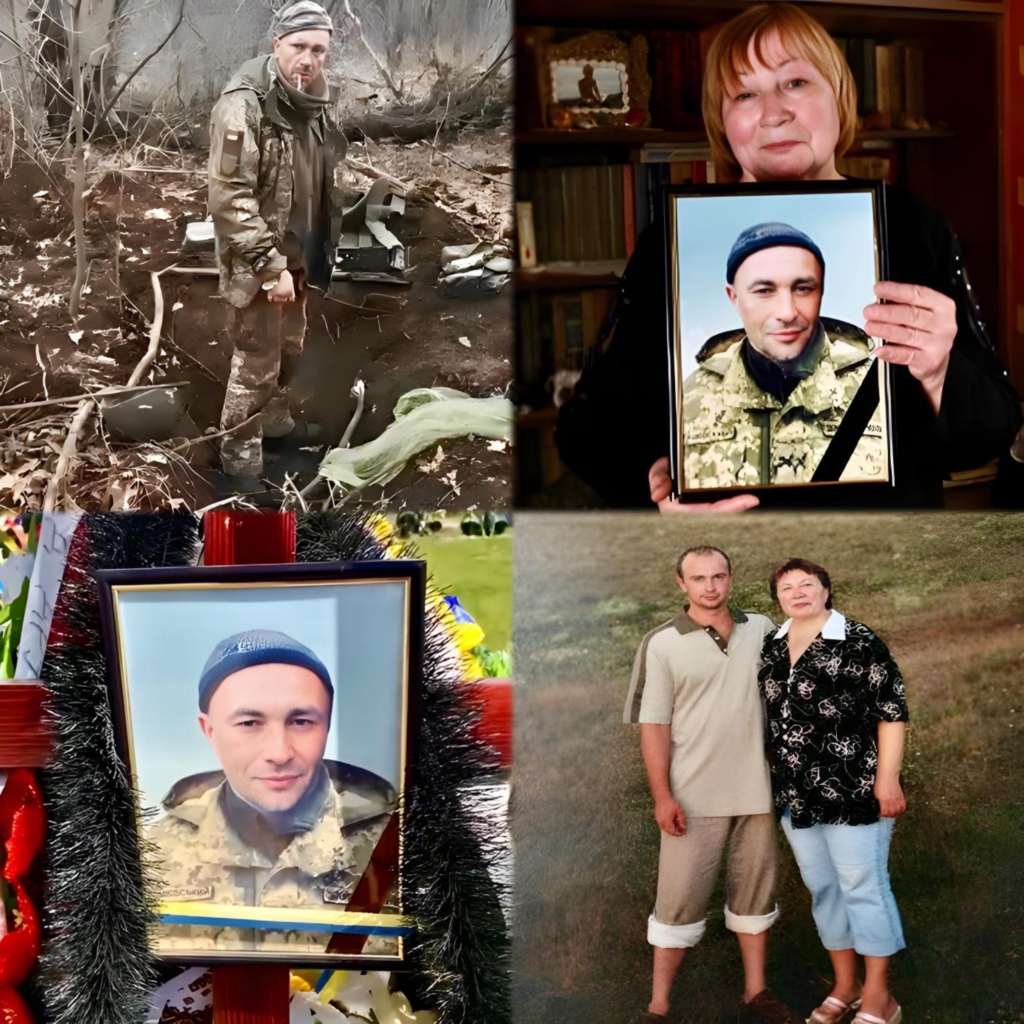
Christmas is a time of light, warmth, and togetherness, but for many families, it is also a season marked by silence and absence. As celebrations unfold, it is important to pause and remember the heroes who will never return home. They are the soldiers who stood their ground, defended their people, and paid the ultimate price so others could live in freedom.
On this day, remember each fallen soldier, not as a number, but as a person with dreams, laughter, and a future that was taken too soon. Remember the empty chairs at family tables, the unopened gifts, and the memories that now carry both pride and pain. Their sacrifice is woven into the peace others are able to enjoy.
Most of all, remember their mothers. Women who raised sons with love and hope, only to face Christmas without them. While candles glow and carols play, many mothers carry grief quietly, holding onto photographs and memories instead of warm embraces. No celebration can truly replace the presence of a child lost to war, and no words can fully heal that wound.
War leaves scars long after the battles end. Its cost is not only measured in territory or history books, but in broken families, unanswered phone calls, and holidays forever changed. Remembering fallen heroes is not just an act of respect, it is a responsibility. It reminds us of the human price of conflict and the importance of protecting peace wherever possible.
This Christmas, light a candle for the fallen. Speak their names. Offer compassion to grieving families. Let remembrance stand alongside celebration, and gratitude walk beside joy. Because freedom is never free, it is carried forward by sacrifice, memory, and the promise that these heroes will never be forgotten.
Canadian retiree and cancer survivor David Serkin won three lottery jackpots totaling C$2.5M in nine months.

David Serkin, a retired resident of Lethbridge, Alberta, never imagined his post-retirement years would include one of the most astonishing lottery streaks in Canadian history. A cancer survivor who has played the lottery casually since 1982, Serkin experienced a run of luck so rare that it captured national attention, three major jackpot wins in under nine months.
His remarkable journey began on August 20, 2024, when he won CA $500,000 playing Lotto Max. For most people, that kind of win would be a once-in-a-lifetime moment. But Serkin’s luck was just getting started. On November 16, 2024, he checked his Lotto 6/49 ticket and discovered he had won another CA $1 million. Still, the streak didn’t end there.
On May 3, 2025, Serkin struck gold for the third time, winning yet another CA $1 million playing Lotto 6/49. In total, his winnings added up to approximately CA $2.5 million in just nine months. Even more astonishing, this wasn’t his first big win, years earlier, he had reportedly won between $250,000 and $283,000 in a previous lottery draw.
Despite the staggering numbers, Serkin remained grounded. He credited his outlook to surviving cancer, an experience that reshaped his priorities and deepened his sense of gratitude. He emphasized that while the money was welcome, it was not the most important part of his story. Health, time, and appreciation for everyday life mattered far more.
Serkin’s story resonates because it blends extraordinary luck with quiet humility. It serves as a reminder that life can change dramatically, sometimes through hardship, sometimes through fortune and that gratitude often matters more than the jackpot itself.
Michael Jackson’s pet chimp Bubbles, 43, now lives quietly in a Florida sanctuary.
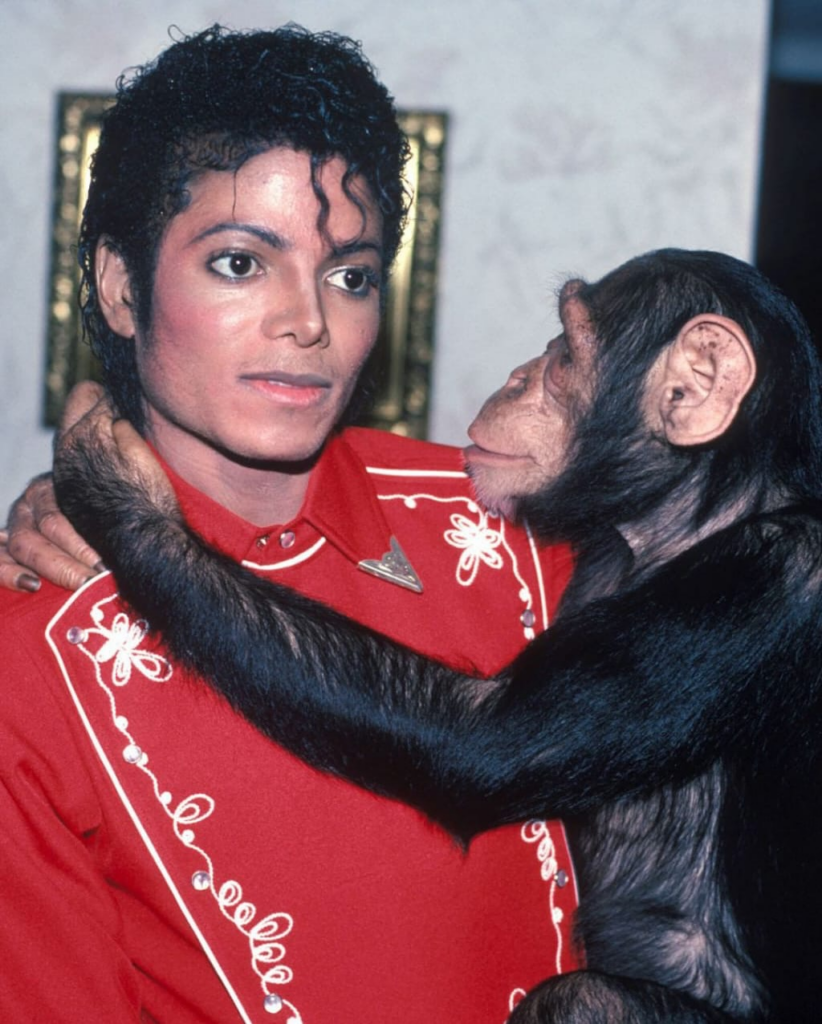
Most people don’t realize that one of the most recognizable animals of the 1980s is still alive today, quietly aging far from cameras and crowds. Bubbles, the chimpanzee once famously inseparable from Michael Jackson, is now around 43 years old and living at the Center for Great Apes sanctuary in Florida.
Born in 1983, Bubbles was adopted by Jackson as an infant and quickly became part of the singer’s public image. He traveled internationally, appeared at award shows, and was photographed endlessly, sometimes dressed in matching outfits, sometimes perched beside one of the most famous entertainers in history. To the world, Bubbles was a novelty and a symbol of eccentric celebrity life. But behind the spectacle was a growing wild animal navigating an environment never meant for a chimpanzee.
As Bubbles matured, his size, strength, and natural instincts made living in a human household increasingly unsafe. By the mid-2000s, caretakers recognized that he needed professional, species-appropriate care. He was eventually relocated to a sanctuary designed specifically for great apes, where long-term welfare, enrichment, and safety are prioritized over publicity.
Today, Bubbles’ life looks nothing like his early years. He spends his days climbing, resting, foraging, and socializing with other chimpanzees. Caregivers focus on his physical and emotional well-being, helping him recover from the lasting effects of early captivity and intense public exposure.
Bubbles’ story is a quiet reminder that fame doesn’t end when the spotlight moves on—especially for animals who never chose it. Behind iconic photos and unforgettable headlines are living beings who continue long after public attention fades.
Sometimes, the most meaningful outcome isn’t applause or recognition. Sometimes, it’s peace, dignity, and the chance to live the rest of life on one’s own terms.
IN TURKEY, THIS COUPLE TURNED THEIR CAT INTO A PHONE STAND, AND HIS REACTION BROKE THE INTERNET
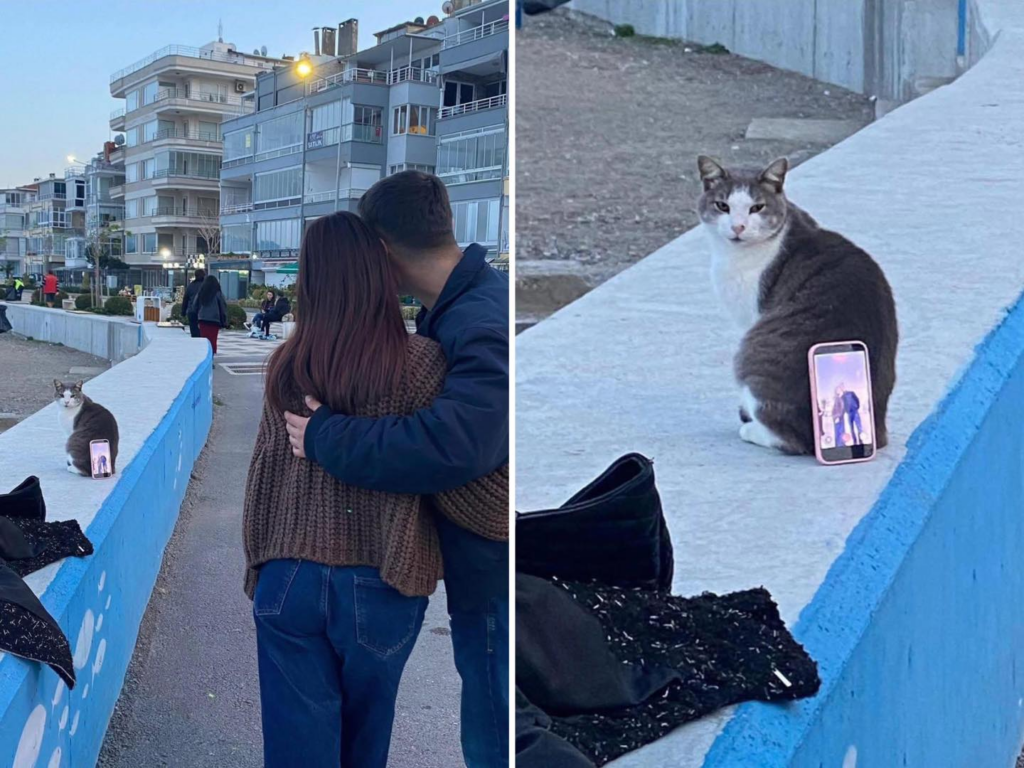
A short, unexpected moment from Turkey recently took the internet by storm, blending humor, warmth, and peak cat behavior into a single unforgettable clip. What begins as an ordinary scene, a couple preparing to take a travel photo, quickly turns into viral comedy when viewers realize the phone stand isn’t a tripod at all. It’s their cat.
The phone is gently placed on the cat’s back as he sits calmly in position. His reaction is immediate and priceless. Wide-eyed, perfectly still, and visibly unimpressed, the cat locks into a frozen posture that radiates silent judgment. No hissing. No sudden movement. Just a stare that seems to say everything words never could.
What makes the moment even funnier is what doesn’t happen. The cat doesn’t try to escape. He doesn’t swat the phone or walk away. Instead, he accepts his temporary role with a level of patience that feels both noble and deeply resentful. It’s the kind of response cat owners instantly recognize, the calm before a lifetime of being quietly judged.
Viewers around the world connected with the moment because it perfectly captures the unspoken rules of cat logic. Cats may tolerate human nonsense, but they never forget it. The expression on this cat’s face became the star of the video, with commenters joking that he was “recalculating trust” and “logging this betrayal for later.”
Beyond the laughs, the clip resonated because it felt authentic and harmless, a slice of everyday life made funny by timing and personality. No scripting, no exaggeration, just a cat being exactly who he is.
In a world full of polished content, this simple moment stood out. It reminded everyone why cats dominate the internet: they don’t need to try. They just exist, silently judging, and somehow stealing the spotlight every time.
A lonely 6-year-old called 911, and an officer turned the visit into a friendship.
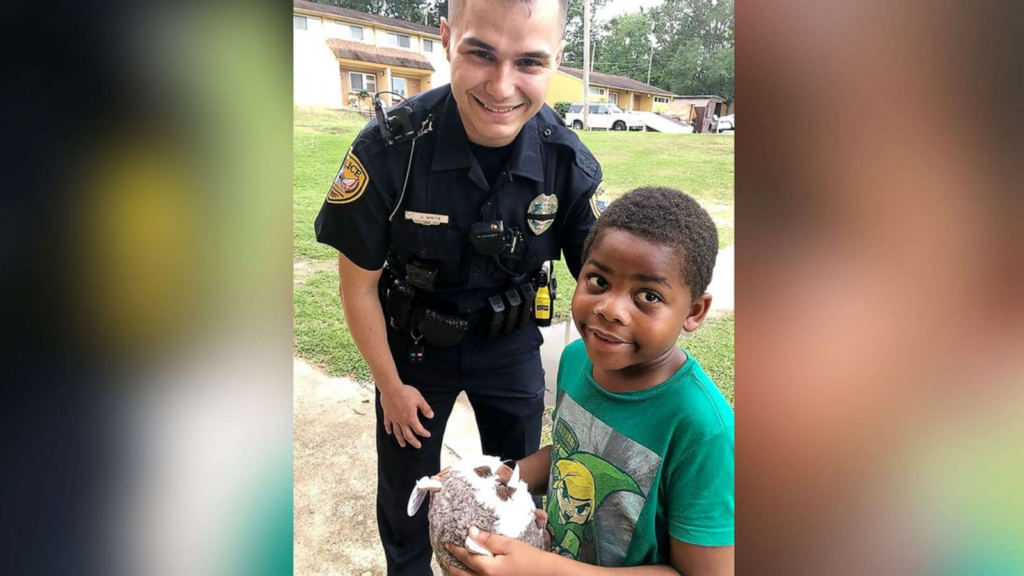
In Tallahassee, a moment that could have ended with a warning instead became a powerful reminder of empathy and kindness. A 6-year-old boy dialed 911, not because he was in danger, but because he felt lonely and wanted someone to talk to. When dispatchers realized there was no emergency, they still chose to send an officer to the home, just to make sure everything was okay.
Officer Joe White arrived and spoke gently with the child. In a moment of pure honesty, the boy admitted that he had called because he felt alone. Then he asked a simple, heartbreaking question: “Will you be my friend?” Instead of reacting with frustration, Officer White knelt down to the boy’s level and calmly explained that 911 should only be used for real emergencies, like when someone is hurt or in danger.
But he didn’t stop there. Understanding what the child truly needed, the officer turned the visit into something special. He let the boy sit inside his patrol car, showed him the flashing lights, helped tie his shoelaces, and gave him a stuffed animal so he would have something comforting when he felt lonely again. It was a small gesture that carried enormous meaning.
Later, the Tallahassee Police Department shared photos of the visit on Facebook. The response from the community was overwhelming. Commenters offered kind words, playdate invitations, and messages assuring the boy that he now had friends all over the city.
What started as a “wrong” call ended as exactly what the child needed: reassurance, connection, and proof that someone cared. It showed that sometimes, the most important response isn’t enforcement—it’s understanding. And for one little boy, a moment of loneliness turned into a memory of kindness he’ll never forget.
Meta Is Restricting Access To ICE List Links Across Facebook, Instagram And Threads.

Meta Platforms has begun restricting access to links for a website known as the ICE List on several of its major social media services, including Facebook, Instagram, and Threads. The site, created last year, compiles information — including names and roles — that it identifies as linked to U.S. immigration enforcement personnel under the Department of Homeland Security, such as Immigration and Customs Enforcement (ICE) and Border Patrol.
Users attempting to share links to the ICE List on Meta’s platforms have reported that their posts are automatically removed or blocked, with messages citing community guidelines or noting that the link “goes against our Community Standards.” On Threads, the links disappear entirely or return a “Link not allowed” notice, while on Instagram they trigger warnings about restricted activity. Meta has characterized the action as enforcing its privacy and safety policies, which prohibit the sharing of personally identifiable information or content that could expose individuals to harm.
However, critics argue that much of the ICE List information appears based on publicly available sources, such as LinkedIn profiles. They say Meta’s intervention could limit public awareness and reduce accountability around immigration enforcement practices, especially amid heightened public scrutiny following incidents like the killing of Alex Pretti by federal agents in Minneapolis, which has fueled broader debates about enforcement conduct and transparency online.
The controversy illustrates the difficult balancing act major tech platforms face: enforcing content policies meant to protect privacy and safety, while also navigating accusations of censorship and control over what information can circulate in digital public spaces. As debates over platform governance, user rights, and the role of social media in political discourse continue, decisions like this one are likely to shape ongoing discussions about the future of online transparency and digital expression.
Zoo director arrested in sting after trying to buy a gorilla, actually undercover.
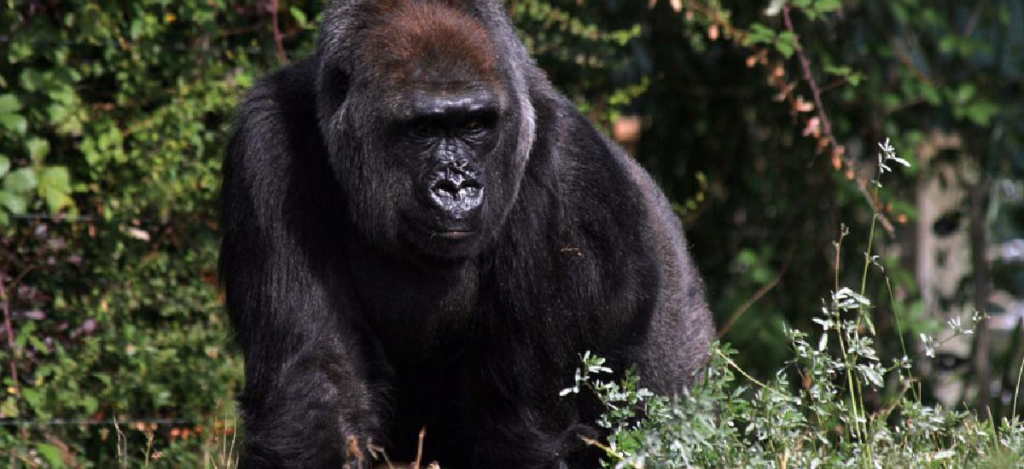
In 1993, Victor Bernal, a Mexican zoo director, became the center of one of the most unusual law enforcement stings in wildlife protection history. Bernal was implicated in attempts to illegally purchase protected primates and smuggle them into Mexico, violating strict U.S. and international wildlife laws designed to prevent trafficking of endangered species.
To stop him, the U.S. Fish and Wildlife Service orchestrated a clever undercover operation. Agents posed as illegal animal dealers, offering Bernal several primates for purchase, including what appeared to be a gorilla. However, for safety and practical reasons, the gorilla was not real. Instead, an agent wore a highly realistic gorilla costume and was placed inside a cage to make it appear authentic.
Bernal, unaware of the disguise, accepted the gorilla and made plans to transport it illegally. Once the agent revealed himself, Bernal and his associates were immediately arrested. He faced multiple charges, including several felonies and misdemeanors related to the illegal acquisition and attempted transport of protected wildlife. The case not only demonstrated the creativity of law enforcement in combating illegal wildlife trade but also highlighted the lengths traffickers will go to obtain exotic animals.
This incident has since become a widely cited example of an unusual but effective sting operation. While often retold with humorous exaggeration, the story underscores serious issues surrounding wildlife trafficking, enforcement challenges, and the legal frameworks that protect endangered species. Bernal’s attempt to smuggle a gorilla — unknowingly purchasing a human agent — remains a cautionary tale and a memorable example of law enforcement ingenuity in action.
Antwone Fisher Overcame Foster Care Struggles to Become a Bestselling Author and Speaker

Antwone Fisher’s life is a testament to resilience, courage, and the power of storytelling. Born on August 3, 1959, in Cleveland, Ohio, Fisher faced tragedy from the start. His father was killed before he was born, and his mother was imprisoned, leaving him to enter foster care as a baby. Growing up feeling unwanted and abandoned, Antwone endured a childhood of emotional pain and uncertainty.
As a teenager, he left foster care and faced homelessness on the streets of Cleveland. At 18, he joined the U.S. Navy, seeking structure and a fresh start. The Navy provided discipline, stability, and a path to rebuild his life. Despite carrying deep emotional wounds, Antwone’s dedication and hard work earned him respect during his 11 years of servic
After leaving the Navy, he worked as a federal corrections officer and then at Sony Pictures Studios as a security guard. During breaks, he began writing, transforming his painful memories into words. His efforts culminated in the 2001 bestseller Finding Fish: A Memoir, which was adapted into the acclaimed film Antwone Fisher, directed by and starring Denzel Washington.
Later, Antwone reconnected with family he never knew and met his mother for the first time. His journey of reconciliation, personal growth, and storytelling has made him a New York Times bestselling author, screenwriter, and motivational speaker. On April 14, 2026, he is set to release his fourth book, Reflections Beneath the Buckeye Trees: Notes from a Life.
With over 390,000 children in foster care in the U.S., Fisher’s story is a powerful reminder that every child deserves love, support, and hope. His life proves that even the most challenging beginnings can lead to extraordinary achievements and inspire countless others.
Flight Attendant Feeds Homeless Dogs Using Leftover Meals from Flights to Help

In a heartwarming example of compassion, a flight attendant has found a way to turn something as ordinary as leftover airline meals into a powerful act of kindness. Instead of allowing uneaten food from flights to go to waste, the attendant collects the meals and delivers them to homeless and stray dogs, providing nourishment and care for animals who might otherwise go hungry.
This initiative highlights how even small, thoughtful actions can make a meaningful difference. By repurposing resources that would otherwise be discarded, the flight attendant addresses two important issues simultaneously: reducing food waste and supporting vulnerable animals. The dogs, many of whom struggle to find reliable sources of food, benefit directly from these donations, improving their health and well-being.
Beyond immediate sustenance, this effort raises awareness about the importance of responsible action and empathy toward animals. It demonstrates that compassion doesn’t always require large-scale projects or massive funding—sometimes it’s as simple as noticing a need and taking practical steps to meet it.
The story has inspired both coworkers and passengers, showing how one person’s initiative can create ripples of positivity in a community. It also encourages others in service industries to consider creative ways to reuse resources for social good.
Through dedication, care, and mindfulness, this flight attendant not only feeds dogs but also sets an example of kindness in action. In a world often focused on efficiency and profit, the effort reminds us that thoughtful decisions, even on a small scale, can save lives, reduce waste, and leave a lasting impact.
Chen Si Has Saved Nearly 470 Lives From the Nanjing Yangtze River Bridge

Every weekend for more than two decades, Chen Si has quietly dedicated himself to saving lives. On the Nanjing Yangtze River Bridge in China a site known for tragic suicides—Chen walks the span, looking for people who might be at the edge, both literally and figuratively. Unlike emergency responders or trained counselors, Chen has no badge, no official role, and receives no pay. What he does have is patience, compassion, and an unwavering commitment to human life.
Chen’s approach is simple yet profoundly effective. He starts by talking and listening, creating a human connection when someone feels isolated and desperate. Sometimes, his presence alone is enough to dissuade a person from jumping. Other times, he must act physically to pull them back from the edge. Over the years, his quiet, consistent efforts have saved an astounding 469 people as of July 2024. Each life rescued represents a chance for a new beginning—one person at a time.
Locals have affectionately dubbed him the “Angel of Nanjing,” but Chen himself emphasizes that his work is not about recognition. The true lesson lies in showing up consistently and caring deeply when the world might look away. He reminds us that life-saving moments are not always dramatic rescues; often, they are small, repeated acts of presence, empathy, and attentiveness.
Chen Si’s story is a powerful testament to the difference a single individual can make. In a world where crises can feel overwhelming, his quiet heroism demonstrates that steadfast compassion week after week can literally change hundreds of lives, proving the profound impact of showing up for others.
Spanish Scientist Mariano Barbacid Cures Pancreatic Cancer in Mice, Ignored by Public
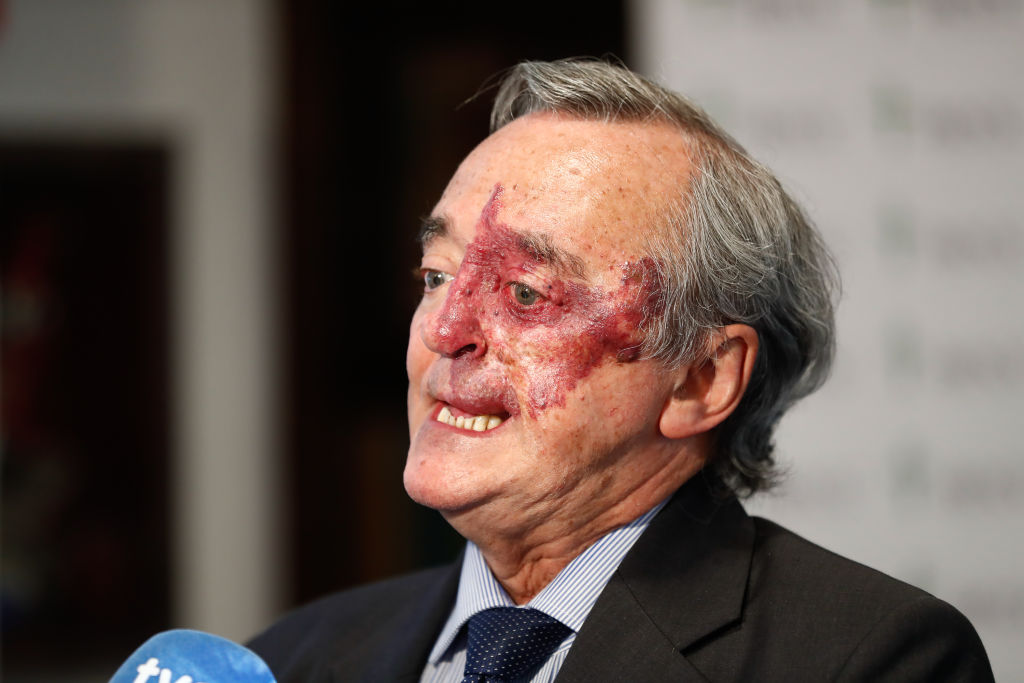
In a groundbreaking scientific achievement, Spanish researcher Dr. Mariano Barbacid has successfully cured pancreatic cancer in mice—a disease considered one of the deadliest and most aggressive forms of cancer. Conducted at the Spanish National Cancer Research Centre, Barbacid’s work focuses on targeting the genetic mechanisms that make pancreatic tumors resistant to treatment. While this breakthrough is in animal models, it represents a critical step forward in the fight against a disease with one of the lowest survival rates in humans.
Pancreatic cancer is notoriously difficult to treat because it often develops silently and resists conventional therapies such as chemotherapy and radiation. By understanding the genetic drivers behind tumor growth, Barbacid and his team have opened the door to potential human therapies that could one day save countless lives. Early results from animal studies suggest that this approach could dramatically improve survival rates if successfully translated to humans.
Unfortunately, instead of receiving widespread recognition, Barbacid has faced ridicule due to a personal birth defect. Social media and some public reactions have overshadowed the significance of his scientific contributions. Yet, the research community recognizes the enormous value of his work, praising its potential to revolutionize pancreatic cancer treatment.
Dr. Barbacid’s achievements are a reminder of how humanity often focuses on trivial judgments while ignoring monumental progress. This discovery emphasizes the importance of celebrating innovation and supporting scientists pushing the boundaries of medical knowledge. His work gives hope to millions affected by pancreatic cancer worldwide and underscores the fact that the path to curing cancer begins with bold research, determination, and the courage to focus on life-saving science above all else.
Galina, Stepan Higa’s Wife, Lifelong Support Through Love and Devotion

Galina, the devoted wife of beloved artist Stepan Higa, shared more than two decades of marriage filled with love, partnership, and unwavering support. Throughout their life together, she was the steady foundation behind Higa’s public success, quietly offering strength when circumstances seemed impossible. In moments of despair, when life knocked him down, she was the one to lift him up, provide comfort, and heal his spirit with her words and presence.
Though she was not a public figure herself, Galina’s influence on Higa’s life was profound. She remained his shadow, a reliable pillar of guidance and emotional support. Her devotion ensured that he could continue pursuing his artistic endeavors, knowing he had someone who believed in him unconditionally. Friends and colleagues often recognized that behind every great figure is someone whose quiet resilience makes the achievements possible—and for Stepan Higa, that person was Galina.
In times of sorrow, such as mourning her beloved husband, Galina’s strength and grace are a testament to the depth of their bond. Her life exemplifies the often unseen but vital role loved ones play in sustaining those who bring joy to the world. For those who admired Higa’s music, Galina’s contribution to his life and legacy remains immeasurable.
To Galina, we extend heartfelt condolences. May she find solace, courage, and peace during this time of loss, knowing that her love, devotion, and strength were deeply appreciated and will be remembered by all whose lives were touched by Stepan Higa’s artistry.
Betty Lou Oliver Survives Historic 75-Story Elevator Fall After 1945 Plane Crash
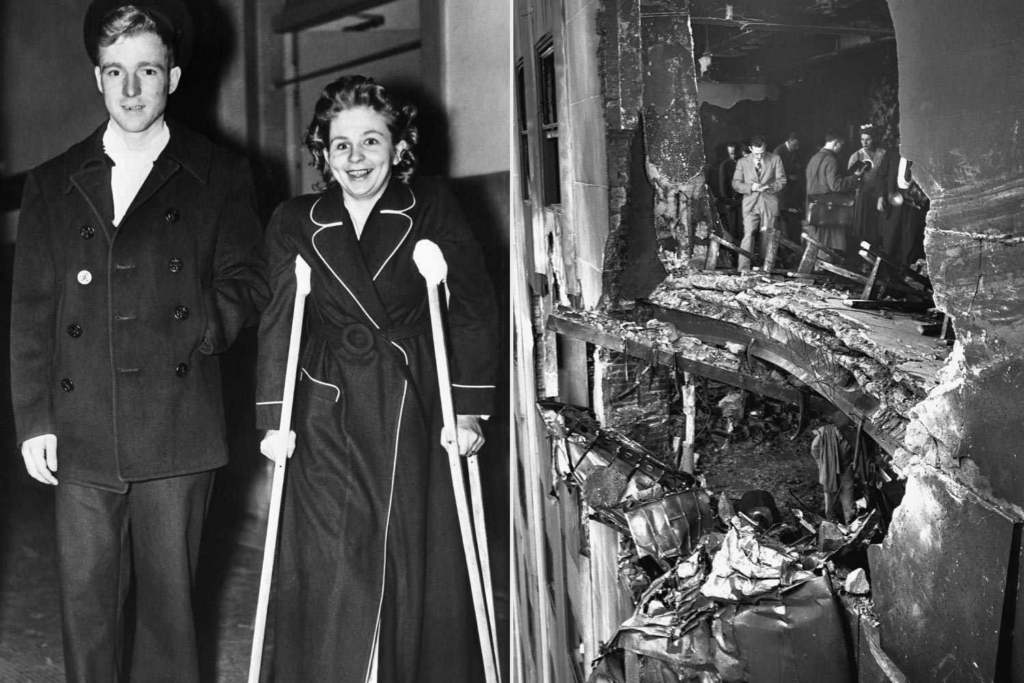
On July 28, 1945, a U.S. Army Air Forces B-25 bomber crashed into the Empire State Building in thick fog, creating chaos and destruction. The impact damaged multiple floors and severed elevator cables in the building. One elevator car, carrying operator Betty Lou Oliver, was caught directly in the disaster.
As the car plunged downward, an engine from the plane had dropped into the shaft, snapping the cables and turning the elevator into a free-falling metal box. Estimates place the fall at 75 to 80 stories, or roughly 1,000 feet—a drop that would seem unsurvivable under any circumstances.
Miraculously, Betty Lou Oliver survived the fall. The car crumpled in the basement, absorbing enough impact to keep her alive. While she sustained injuries, she lived, ultimately setting a Guinness World Record for the longest elevator fall survived. Her survival astonished experts and remains a testament to extraordinary luck, human resilience, and the sheer unpredictability of life-or-death events.
Oliver’s experience is widely cited as one of the most incredible survival stories of the 20th century. Despite the trauma and destruction surrounding her, she walked away from what could have been a fatal accident. Today, her story is remembered not just as a historical fact, but as a remarkable example of human endurance against seemingly impossible odds.
Her survival continues to inspire amazement and disbelief, reminding us how extraordinary moments of fate can define history and human resilience.
After the Chili Peppers’ hiatus, 45-year-old Flea enrolled at USC to relearn music.

In 2008, following a hiatus with the Red Hot Chili Peppers, 45-year-old bassist Flea—born Michael Peter Balzary—made an extraordinary choice. Despite having sold over 80 million records worldwide, he enrolled as a full-time freshman at the University of Southern California’s Thornton School of Music. Not as a guest or celebrity speaker, Flea committed to attending lectures, completing assignments, and learning alongside classmates decades younger than him.
Flea’s goal was both simple and profound: to deepen his understanding of music theory, composition, and trumpet. He openly admitted that much of his career had been driven by instinct rather than formal training. For someone already at the pinnacle of musical success, this decision was a bold act of humility, curiosity, and dedication to self-improvement.
The experience challenged Flea. Sitting in a classroom as a beginner forced him to confront his limits, revisit foundational skills, and rediscover the joy of learning. He described it as terrifying and transformative, proving that mastery is not about what you already know but about remaining open to learning more.
In an industry often fixated on legacy and image, Flea’s choice stands out. It’s a powerful reminder that growth doesn’t stop with achievement, and courage can be found in starting over. His story inspires anyone—musician or not—to embrace lifelong learning, showing that sometimes the bravest step forward is simply sitting down to begin again.
FANS AT A MIAMI FOOTBALL GAME SAVED A FALLING CAT USING AN AMERICAN FLAG

At Hard Rock Stadium in Miami Gardens, Florida, during the Miami Hurricanes’ home opener against Appalachian State on September 11, 2021, fans witnessed an unforgettable and unusual moment. A cat somehow made its way into the stadium’s upper deck and found itself dangling perilously, hanging by its paws before plummeting toward the lower level.
The crowd reacted instantly. Spectators grabbed an American flag and held it taut like a makeshift net, catching the falling feline safely. Stadium security quickly carried the cat off after it landed, unharmed. The audience erupted in cheers, celebrating the cat’s miraculous survival.
The incident captured hearts both in the stadium and online. Videos of the rescue went viral, showing fans coming together in a spontaneous act of heroism. The event highlighted how quick thinking and teamwork can save lives—even in the most unexpected circumstances.
Beyond the humor and excitement of a football game, this story reminds us of the compassion humans can show for animals in danger. It also emphasizes that moments of heroism don’t always require training or preparation; sometimes, awareness, presence of mind, and a little improvisation are enough to make a difference.
What began as a frightening situation ended with safety, celebration, and a viral reminder that ordinary people can do extraordinary things. Thanks to the fans’ quick response, the cat survived, and the game became memorable for more than just the score.




Leave a Comment