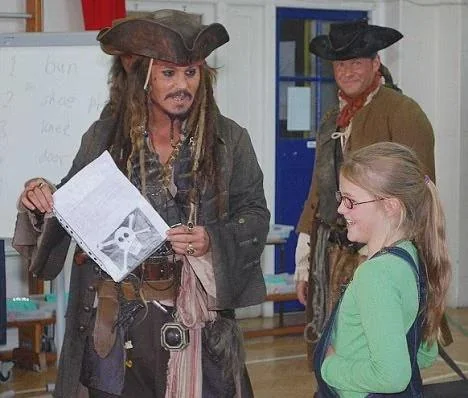

Johnny Depp Answers a 9-Year-Old’s Pirate Plea Captain Jack Sparrow Crashes a Greenwich School to Stage a “Mutiny”
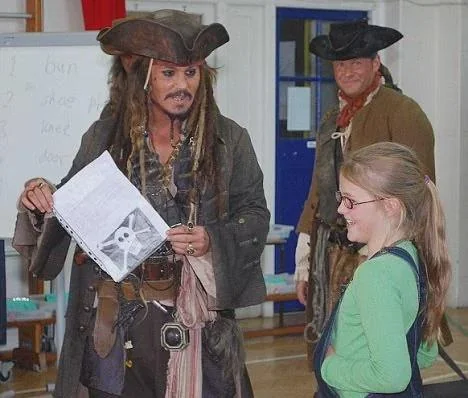
In October 2010, a bold and whimsical letter from a 9-year-old named Beatrice Delap set the stage for an extraordinary school day. Beatrice, a student at Meridian Primary in Greenwich, wrote to Captain Jack Sparrow with a daring request: could he help her class stage a “mutiny” against their teachers?
Most children’s letters to celebrities go unanswered or at best, receive a polite note back. But Beatrice’s audacious plea was different. At the time, Johnny Depp was in London filming Pirates of the Caribbean: On Stranger Tides. Somehow, the letter reached him, and he decided to make magic happen.
With barely 10 minutes’ notice, Depp arrived at the school in full Jack Sparrow costume: boots, hat, eyeliner, and all. The school hall, usually filled with the ordinary sounds of lessons and chatter, suddenly became the deck of a pirate ship. Students stared in awe as the infamous pirate swaggered across the polished floors, holding Beatrice’s letter triumphantly in his hands.
Depp fully embraced the playful scenario. He played along with the children’s “mutiny,” adding his signature humor and mischief. He engaged with each student, posed for photos, and even hugged Beatrice, making her wildest nine-year-old fantasy come true. Yet, true to Sparrow’s character, he managed to gently rein in the chaos, joking that perhaps the mutiny shouldn’t go too far because, after all, the police were outside.
For the students, the experience was nothing short of magical. Teachers, normally the authority figures of the day, became part of an elaborate role-play orchestrated by a real-life movie pirate. The line between fantasy and reality blurred, leaving Beatrice and her classmates with memories that would last a lifetime.
Beyond the spectacle, the visit highlighted Depp’s generosity and his willingness to engage with young fans in a meaningful and personal way. He didn’t simply sign autographs or wave from a distance; he fully committed to the fantasy, turning a simple letter into a live, interactive adventure.
The story of Beatrice and her pirate “mutiny” is remembered fondly in Greenwich and has circulated widely online over the years. It serves as a reminder of the impact of kindness, imagination, and the unexpected joy that can come when someone chooses to go above and beyond for a fan.
For Beatrice, the day was transformative. She had written a letter on a whim, and in return, a world-famous actor brought her fantasy to life. For the students at Meridian Primary, it was a day when the ordinary became extraordinary, a day when Jack Sparrow himself walked among them, turning school into a scene straight out of a blockbuster film.
In the end, the pirate didn’t just crash a school; he created a story they would tell for years, a tale of courage, creativity, and a touch of Hollywood magic that started with a single, charming letter from a 9-year-old.
Tom Hardy Secretly Joined A Brazilian Jiu-Jitsu Competition And Won.
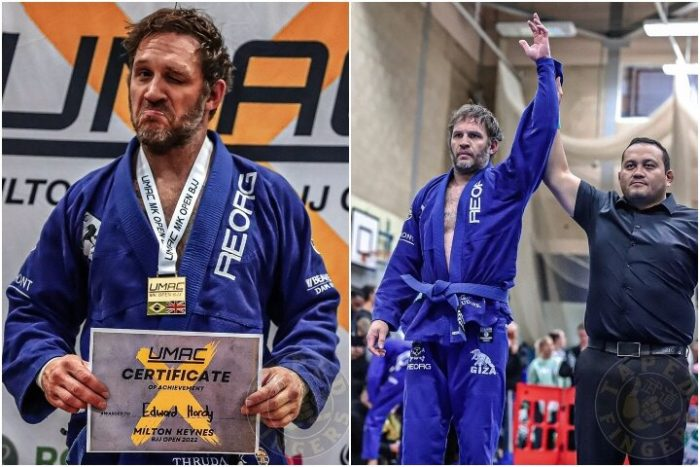
Few celebrity stories capture the admiration of everyday athletes quite like Tom Hardy’s quiet triumph on the Brazilian Jiu-Jitsu mat. A few years ago, Hardy, known for blockbuster films like Mad Max: Fury Road and Venom, registered for a Brazilian Jiu-Jitsu Open Championship in Milton Keynes but with a catch: he used his real name, Edward Hardy.
There were no cameras, no social media announcements, and no public fanfare. Hardy arrived as any other competitor would, blending in among athletes who had trained for years for this very moment. Fellow competitors had no idea that an A-list actor was among them until the matches began.
Hardy not only competed; he won his division. But the victory itself wasn’t what left the deepest impression. Witnesses noted his composure and demeanor on the mat. He was focused, respectful, and fully committed, treating each opponent with seriousness and sportsmanship. There were no shortcuts, no theatrics, and no appeals to his fame just discipline and skill.
One competitor remarked that Hardy’s performance was “inspiring,” not because of who he was, but because of how he approached the sport. “He didn’t want attention. He just wanted to do well. And he did it with total respect for everyone there,” they said. Hardy’s humility in the face of success was as noteworthy as the medal he ultimately earned.
The story resonates strongly with both sports enthusiasts and fans alike because it highlights a rare combination in the celebrity world: excellence paired with humility. In an era where public figures often rely on media coverage to validate achievements, Hardy’s quiet approach is a reminder that true accomplishment does not need an audience it speaks for itself.
Moreover, Hardy’s dedication underscores the value of consistency and discipline in any pursuit. Brazilian Jiu-Jitsu is a sport that demands technical precision, mental focus, and physical endurance. Winning a tournament, especially under real competition conditions, is a testament to the countless hours of training and preparation that often go unseen. Hardy’s success, achieved without the glitz of Hollywood, serves as a powerful example of effort and perseverance.
For fans, the story also humanizes a Hollywood star who is typically seen in larger-than-life roles. Seeing Hardy in the role of a dedicated, humble athlete makes his achievements relatable and inspiring. It’s a reminder that excellence doesn’t require a spotlight just commitment, focus, and respect for the craft.
Ultimately, Tom Hardy’s journey at the Milton Keynes Brazilian Jiu-Jitsu Open is more than just a celebrity anecdote. It’s a lesson in humility, discipline, and earning respect through quiet excellence. Whether in the gym, on the mat, or in everyday life, his story proves that true recognition is achieved through effort, not fame.
After 45 days and four surgeries, five-year-old Ezra gets a new chance at life thanks to his former preschool teacher’s liver donation now he’s finally home and healthy!
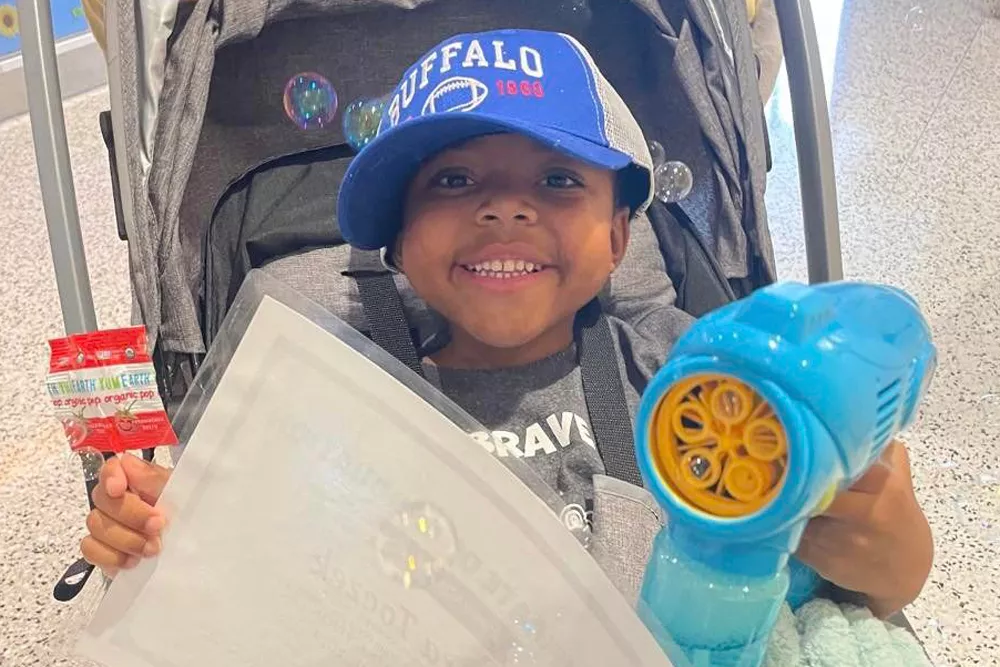
Sometimes, a single act of selflessness can change the course of a life forever. For five-year-old Ezra from New York, that act came from someone who had already shaped his early years in a meaningful way his former preschool teacher. When Ezra’s health suddenly deteriorated, threatening his life, she made the extraordinary decision to donate part of her liver, offering him the chance to live and thrive.
The path to recovery was not easy. Ezra spent 45 long days in intensive medical care, enduring multiple surgeries and procedures that tested both his tiny body and the resilience of his family. Throughout this challenging time, the steadfast care and compassion of medical professionals, combined with the unwavering generosity of his teacher, provided a lifeline. Today, Ezra is healthy, finally back home, and surrounded by the laughter and joy that define childhood.
This remarkable story extends beyond a medical miracle. It highlights the profound impact that human kindness can have, demonstrating that true generosity often comes without expectation of reward. In a world frequently focused on personal success, Ezra’s journey is a powerful reminder that lifting others in times of need is an essential measure of our shared humanity. One person’s courageous decision can ripple outward, inspiring countless others to act with compassion.
Ezra’s teacher exemplifies this principle in a way that is both tangible and inspiring. Her willingness to undergo major surgery for the sake of another demonstrates the extraordinary lengths that empathy can reach. In doing so, she not only saved Ezra’s life but also strengthened the bond of community and the trust that exists between a teacher and her student. It’s a rare reminder of how profoundly educators and mentors can influence the lives they touch.
The story also speaks to the resilience of the human spirit. Ezra’s recovery is a testament not only to modern medicine but to the power of care, connection, and love in overcoming adversity. It underscores the importance of supporting one another, whether through acts of service, emotional support, or simply being present in moments of crisis.
As Ezra continues to regain strength and return to the simple joys of childhood, his story serves as an enduring example of hope, courage, and the transformative potential of kindness. It reminds us that small acts, when fueled by compassion, can have extraordinary consequences.
In the end, Ezra’s journey is a celebration of humanity at its best. It teaches that the generosity of one individual can restore life, inspire communities, and remind us all that compassion is one of the most powerful forces in the world. Sometimes, the smallest act of kindness truly becomes someone else’s second chance at life.
After Years of Bullying and Sleep Struggles, College Student Undergoes Double-Jaw Surgery, Gains Confidence and Health
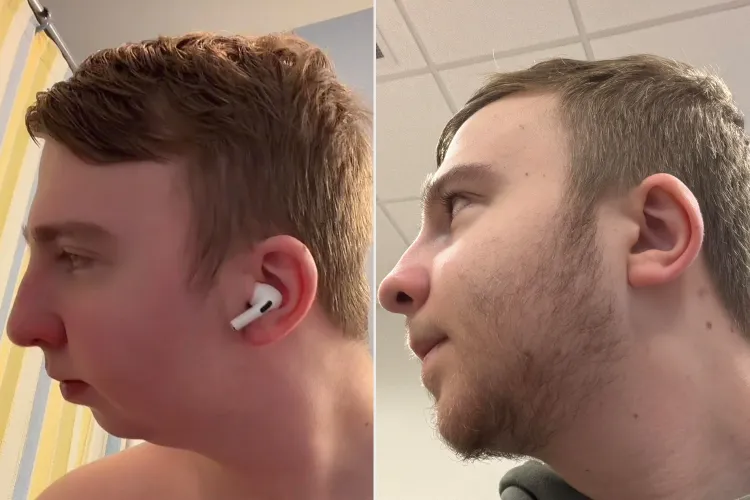
For Zachary West, growing up was a constant battle both physically and emotionally. The 20-year-old college sophomore struggled with persistent bullying over his “double chin,” an experience that chipped away at his self-esteem for years. But the emotional toll was only part of the story. Physically, his receding jawline contributed to obstructive sleep apnea, a condition that left him gasping for air while lying down or sitting.
“My bottom jaw pressed up against my airway, no matter whether I sat or lay down,” West tells PEOPLE. “Sleep apnea, in my case, caused me to gasp for air at times. Worst-case scenario, I pretty much lost my breath at times.”
The combined challenges of appearance and health led West to consult an orthodontist, and in December 2025, he made a life-changing decision: double-jaw surgery. The procedure, which lasted about four hours, involved breaking and repositioning both jaws to correct structural issues. In addition, West underwent genioplasty, a chin reshaping procedure designed to improve facial balance and harmony.
“The surgery was insanely nerve-wracking,” he admits. “The overall surgery process took just about four hours, and the procedure essentially entailed my surgeon breaking my jaw in order to move it and rotate it to where it should be.”
Post-surgery, West says the most surprising moment was seeing his jawline transformed. “I think the most unexpected aspect of post-surgery life was seeing that I had an ‘actual’ chin for the first time,” he says. “I cannot stop looking at it, even though it might be fake.” The surgery not only addressed the cosmetic concerns that had haunted him for years but also corrected the physical problem causing his sleep apnea, significantly improving his breathing and overall health.
Recovery, however, was far from easy. West experienced significant swelling and bruising, describing his neck as turning “so yellow” that it startled him. He spent much of his first week icing his face every hour and found himself taking multiple naps daily, a new experience for someone who had rarely rested that often.
Despite the discomfort, the results have been life-changing. The West can now breathe more easily, sleep better, and face the world with newfound confidence. “I can finally look into a mirror and not be self-conscious about my jaw,” he says.
West’s story highlights the intersection of health and self-esteem, showing that surgical intervention can address both medical concerns and long-standing insecurities. For him, the journey was about more than appearance; it was about reclaiming his health, improving his quality of life, and finally feeling comfortable in his own skin.
From years of bullying and sleepless nights to a jawline that reflects both symmetry and confidence, Zachary West’s experience is a reminder that perseverance, expert medical care, and courage can transform both body and spirit.
Toddler with Rare Genetic Disorder Eats Only 2 Grams of Protein a Day: Mom Shares How She Manages His Diet.
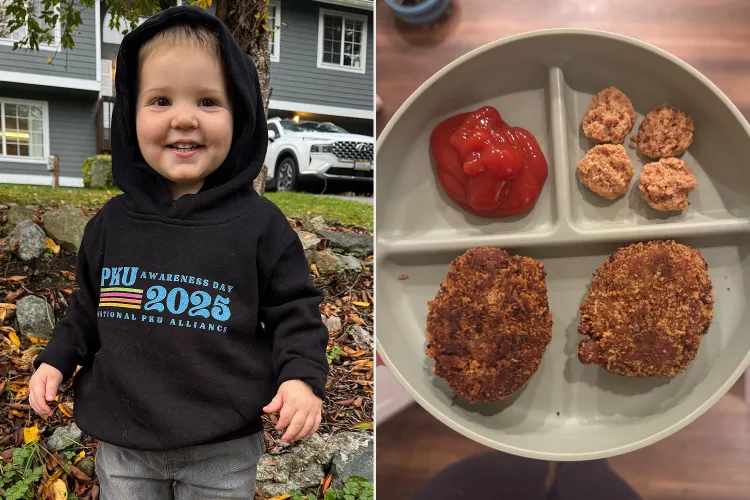
Jewelia Belcher was navigating life as a first-time mother when a routine postpartum checkup turned her world upside down. At just three days old, her son Bellamy was diagnosed with Classical Phenylketonuria, or PKU, a rare genetic disorder that prevents the body from properly metabolizing protein.
“It felt like my world was crashing down,” Belcher tells PEOPLE. “The initial emotion was sadness for him, for the life I thought we’d have, and for what I thought he might miss out on.”
PKU is a lifelong condition requiring strict management of dietary protein. Even small deviations can lead to a dangerous buildup of phenylalanine in the body, causing severe health issues. For Bellamy, this means he can consume only 2 grams of protein per day, a fraction of what typical infants require.
Despite the daunting news, Belcher says the support of her obstetrician helped soften the blow. “We are so incredibly grateful that our doctor explained everything clearly, with pamphlets and resources ready,” she says. Guidance from the University of Washington’s metabolic team also equipped the family with specialized formulas and a feeding routine tailored to Bellamy’s needs.
Managing Bellamy’s diet is a meticulous daily puzzle. Belcher measures every bite, carefully planning his meals to hit exactly two grams of protein while ensuring he gets the calories and nutrients necessary for healthy growth. “The biggest challenge for me was figuring out how he was going to grow, be happy, and stay full,” she says. “I dove straight into research mode after the diagnosis—I felt like I couldn’t breathe until I understood how to keep him safe.”
Bellamy’s meals are a mix of specialized PKU formulas, measured low-protein foods, and strict monitoring. Even a small snack that exceeds his protein limit could pose a health risk, so every feeding requires precision and attention.
Despite the challenges, Belcher emphasizes that PKU does not define her son’s life. With proper dietary management, Bellamy can grow, develop, and thrive like any other child. She describes small victories like a satisfied smile after a meal or an extra ounce of growth—as reminders that her careful planning is paying off.
Belcher’s experience underscores the importance of early diagnosis and access to specialized care. Newborn PKU screening, which detected Bellamy’s condition at just three days old, allowed his family to act quickly and set him on a safe, healthy path.
“Every day is a learning experience,” Belcher says. “It’s challenging, but it’s worth it to know that he can have a full, happy life.” Her story serves as both a guide and a source of hope for other families navigating PKU or similar metabolic disorders.
Through vigilance, love, and meticulous planning, Bellamy is thriving, proving that with the right support, children with PKU can live full, healthy lives even on just 2 grams of protein a day.
Dad Went to Bed with a Cough and Died of a Cardiac Arrest. 6 Years Later, the Same Happened to His Son.
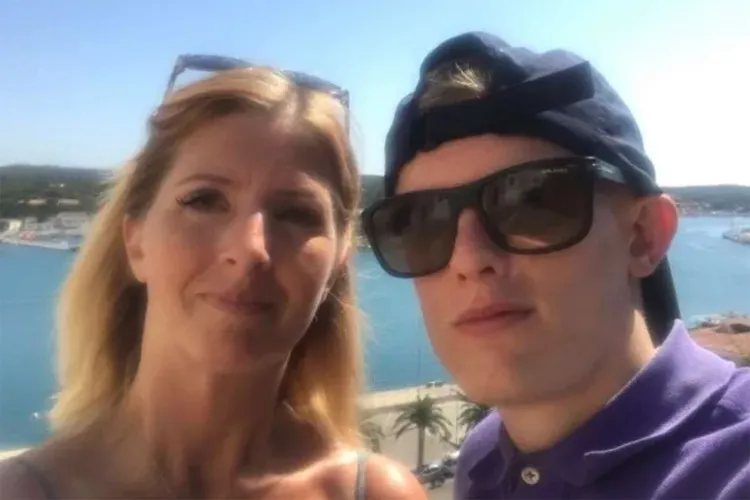
A mother in Kent, England, is raising awareness about a rare genetic disorder after losing both her husband and son to the same condition, six years apart. Amber Selvey shared her story exclusively with PEOPLE, revealing the devastating impact of Alagille Syndrome, a condition that can affect the liver, heart, and other organs.
In 2017, Amber’s husband, Jason Selvey, died at the age of 47. He had gone to bed with what seemed like a simple cough, only to suffer sudden cardiac arrest. At the time, there was no known family history of Alagille Syndrome, a condition that can cause liver damage, vitamin deficiencies, and heart problems.
“Alagille Syndrome can be very difficult to recognize because symptoms vary widely and often appear in isolation rather than as one clear condition,” Amber explained. Liver issues are among the most common features, ranging from mild abnormalities discovered in blood tests to severe disease requiring transplantation. Heart complications, such as narrowing of blood flow to the lungs, heart murmurs, or complex defects, can also occur and may go unnoticed when liver symptoms are minimal.
Six years after Jason’s death, tragedy struck again. Amber’s son, Daniel, who was nearing his 25th birthday, went to bed with a cough and a cold mirroring the circumstances of his father’s passing and suffered fatal heart failure. Daniel had a history of heart problems, including aortic valve stenosis diagnosed in infancy, and had previously experienced cardiac arrest in 2021. Amber was able to resuscitate him at that time, but the underlying genetic condition had not yet been identified.
“During the COVID period and following his cardiac arrest in 2021, Daniel experienced chest pains and increasingly frequent episodes of collapse, alongside seizure-type activity,” Amber recalled. “Despite repeated concerns being raised and multiple investigations being carried out, no confirmed cause was identified prior to his sudden death.”
Post-mortem examinations revealed that Daniel had a unicuspid aortic valve a rare congenital heart defect that had contributed to his heart failure. Amber emphasized that when cardiac issues appear without obvious liver disease, the genetic link may be missed, making early diagnosis challenging.
Amber’s story underscores both the dangers of Alagille Syndrome and the importance of awareness. “Both my husband and son seemed to be dealing with minor illnesses when, tragically, the underlying condition caused fatal heart events,” she said. Her mission now is to educate others about the disorder, encouraging vigilance when unusual heart or liver symptoms appear, even in otherwise healthy individuals.
By sharing her experience, Amber hopes to honor the memory of Jason and Daniel while helping other families recognize the signs of this rare but potentially life-threatening condition.
Minnesota Lawyer Dies Mid-Flight at 44 After Falling Asleep on Mom’s Shoulder.
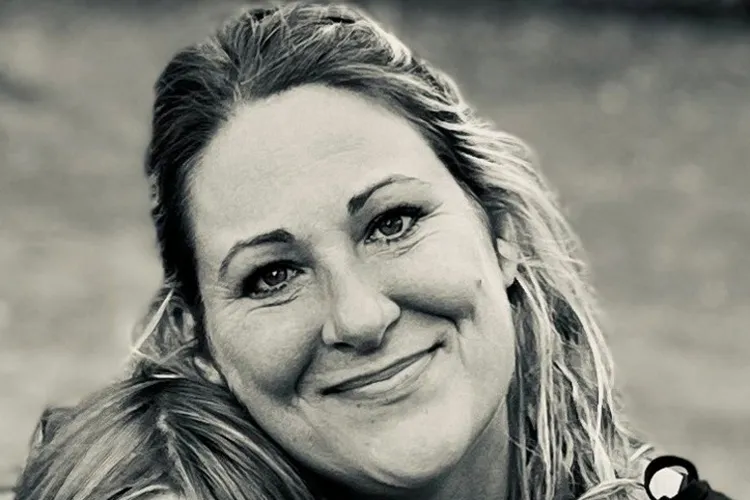
A Minnesota lawyer died unexpectedly during a transatlantic flight after falling asleep on her mother’s shoulder, an inquest in the United Kingdom has revealed. Rachel Green, 44, was traveling from Minneapolis to London on April 30, 2025, when she became unresponsive mid-flight. Despite the efforts of the cabin crew, she could not be revived.
Senior Coroner Lydia Brown told West London Coroner’s Court that Green’s death “appears to have been instantaneous,” emphasizing that there was no opportunity to resuscitate her. The inquest found that Green had an undiagnosed heart condition as well as multiple prescription medications in her system at the time of her death. Experts indicated that the combination of her heart condition and the medications likely contributed to her sudden passing.
Green’s sister, Roxanne Carney, shared that Rachel had faced significant health challenges in recent years. She had spent time recovering from an unexpected illness, relearning how to walk, and had to move back to her hometown in Minnesota to recuperate. Carney also noted that Rachel had previously undergone an “abnormal” heart test, but was never referred to a cardiologist before being prescribed certain medications.
Despite the presence of prescription drugs, Coroner Brown confirmed there was no evidence that Green had been taking the medications in excess or using them recreationally. The combination of her underlying heart condition and medications, however, created a tragic vulnerability.
Green’s family remembered her as a “selfless” individual who had dedicated herself to her career and loved ones. According to Carney, Rachel’s final moments were spent leaning on her mother’s shoulder, a poignant image of comfort and closeness in a moment that turned devastating.
The news has sent shockwaves through the local legal community in Minnesota, where Green was known for her dedication to her clients and her compassionate approach as both a lawyer and a writer. In the wake of her passing, a GoFundMe campaign was created to support her family and commemorate her life.
Green’s death is a sobering reminder of how underlying medical conditions can go unnoticed and how sudden health events can strike unexpectedly, even during routine travel. Her story has sparked discussions about the importance of thorough cardiac screenings and the careful monitoring of prescription medications, particularly in individuals with known heart irregularities.
Though her life was tragically cut short, Rachel Green is remembered by family and friends for her resilience, dedication, and the love she shared with those closest to her. Her memory lives on in the hearts of those she touched, highlighting both the fragility of life and the enduring impact of a life lived with compassion and care.
This man faked being a lawyer and won all 26 cases before he was arrested.

In a story that sounds like it was lifted from a legal drama, a Kenyan man, Brian Mwenda Njagi, practiced law for years without ever being admitted to the bar or holding formal legal qualifications—and astonishingly, he won every single one of the 26 cases he handled before magistrates, the High Court, and even the Court of Appeal.
The revelations came after the Law Society of Kenya received complaints, including one from a licensed lawyer named Brian Mwenda, who reported being unable to access his portal account. Investigations revealed that Njagi had been accessing the legal system by using another lawyer’s credentials. His exploits continued undetected until October 2023, when authorities arrested him on charges of forgery and identity theft.
The story drew immediate attention, with comparisons to the fictional Mike Ross from the TV series Suits, a brilliant law associate who worked at a top law firm without attending law school. Unlike the scripted drama, Njagi’s case unfolded in real life, with legal and ethical consequences.
Public reaction has been sharply divided. The Law Society of Kenya condemned Njagi as a fraud and criminal, emphasizing the dangers posed by unqualified individuals practicing law. “Legal representation requires rigorous training and accountability,” a spokesperson said. “When credentials are faked, the public and the justice system are at risk.”
Yet some voices offered a different perspective. Certain trade union leaders and public figures argued that Njagi’s perfect record in court demonstrated real skill and competence, regardless of formal credentials. One supporter even pledged to pay his bail, arguing that his abilities should be recognized despite his unlawful methods.
Njagi’s case has prompted a broader discussion about credential verification in Kenya’s legal system and whether formal training is the only route to professional competence. Kenya’s Director of Public Prosecutions launched a full investigation, warning that the case highlights a concerning trend of unqualified individuals attempting to infiltrate the legal profession.
Experts say the case underscores the tension between skill and legality: while Njagi’s success in court suggests he possessed a strong understanding of legal principles, the use of fraudulent credentials violated the law and compromised public trust. Questions are emerging about how systems can be safeguarded without dismissing unconventional talent, and whether loopholes in digital portals and verification processes need urgent reform.
Njagi’s rise and fall serves as a striking real-world example of ambition, risk-taking, and the consequences of bending rules in professional systems. It also challenges public assumptions about competence and qualifications, raising difficult questions about what it truly means to be “fit” for a profession. While Njagi may have impressed judges with his knowledge and courtroom skills, the law ultimately holds that credentials and ethical practice are non-negotiable.
As the investigation continues, Njagi’s story remains a cautionary tale—a reminder that brilliance alone cannot excuse fraud, and that professional systems exist to protect both the public and the integrity of the field.
13-Year-Old Girl Dies in House Fire After Collapsed Staircase Blocks Rescue in Kent, England.

A devastating fire in Hamstreet, Kent, claimed the life of 13-year-old Lily Anne Childs, also known as Lily Kennedy, shortly after Christmas. The tragic incident, which occurred at the family’s newly built home, has left the local community in shock and grief.
The fire broke out on December 28, engulfing the property in flames that quickly became uncontrollable. Neighbors attempted to rescue Lily, and multiple witnesses called emergency services immediately. Six fire crews from Kent Fire and Rescue Service responded to the scene, working urgently to contain the blaze and save anyone trapped inside.
Despite their swift response, firefighters were unable to reach Lily. During rescue efforts, the staircase in the house collapsed, cutting off access to the upper floors where Lily was located. “Firefighters tried to get upstairs, but the stairs collapsed, and they could not get access,” said Coroner Sarah Clarke during a court investigation into the incident on January 19.
The force of the fire was immense. Ground-floor windows had been completely blown out, prompting authorities to advise nearby residents to close doors and windows and avoid the area due to heavy smoke. Emergency teams remained on site until the evening of December 29 to secure the scene and ensure the fire was fully extinguished.
In addition to Lily, another child and an adult believed to be her mother were taken to the hospital for treatment. The nature of their injuries has not been disclosed, but emergency responders acted quickly to ensure they received care.
Kent Fire Rescue Service’s Chief Executive Ann Millington expressed deep condolences for the family and the community. “Our thoughts and deepest condolences are with everyone affected by this tragic incident, especially the child’s loved ones,” Millington said. “We understand this will be a distressing time for the local community, and support is available at a welfare hub set up at Hamstreet Village Hall.”
Authorities have indicated that the circumstances surrounding the fire are not being treated as suspicious. Investigators continue to examine the property to determine the exact cause, while the community mourns the sudden loss of a young life.
In the wake of the tragedy, a GoFundMe fundraiser was established to support Lily’s grieving parents, Annemarie and her family, as they cope with the devastating loss. Local residents and those who knew Lily have also expressed their condolences and shared memories of the young girl, highlighting her presence in the community and the void left by her passing.
The loss of Lily Anne Childs serves as a stark reminder of the dangers of house fires and the importance of fire safety, particularly in newly built homes. While the investigation into the fire’s origins continues, the focus remains on supporting the family and ensuring the community has access to resources during this profoundly difficult time.
Man Lost His Thumb in Workplace Accident, So Doctors Replaced It with His Toe.
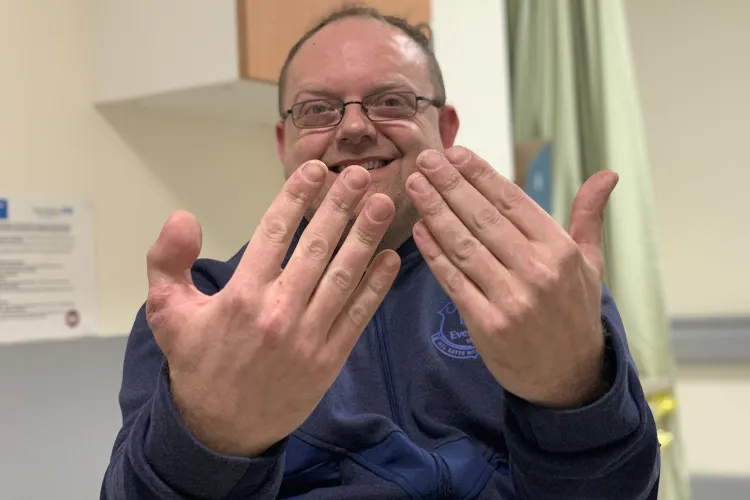
David Lee, a 40-year-old cobbler from Sutton-in-Ashfield, England, faced a life-changing accident in 2019 when he accidentally severed his right thumb while replacing a heel on a shoe. The injury left him stunned and immediately concerned about his ability to continue working in his trade.
“I didn’t realize how bad it was, and then my thumb just dropped to the floor. I was like, ‘Right, that’s gone,’” Lee recalled in a recent interview with the BBC.
Rushed first to King’s Mill Hospital, Lee was referred to the Royal Derby Hospital’s specialist Pulvertaft Hand Centre, where surgeons presented him with several options. After careful consideration, he chose an innovative procedure: replacing the lost thumb with his right big toe. The complex surgery aimed to restore the hand’s functionality and allow Lee to continue his livelihood as a cobbler.
“Looking at [the hand] now, you wouldn’t know,” Lee told reporters, showcasing the remarkable outcome of the operation. The reconstructed thumb has enabled him to regain much of the dexterity and grip needed for his work, a vital factor for someone whose daily life revolves around fine hand movements.
However, the road to recovery was anything but smooth. For months after surgery, Lee’s right hand was largely unusable while the transplanted toe healed. This forced him to rely on his left hand for everyday tasks, a frustrating adjustment for someone who had never needed to be ambidextrous.
“Trying to just pick up a spoon and put coffee and sugar in a cup with your left hand when you’re not used to it was so challenging,” he said. “I was trying to use the fingers on my right hand to make a pincer, but there was no power and no grip in the hand because obviously I’d had this major surgery and internally, your muscles have been ripped apart.”
Despite the initial hurdles, Lee has adapted remarkably well and is back to his work repairing and crafting shoes. While his life has largely returned to normal, he notes that the experience has left him with one very specific challenge: adjusting to daily tasks with a temporarily weakened hand while his body adapts to the new thumb.
Lee’s story highlights not only the incredible advancements in reconstructive surgery but also the often-overlooked difficulties patients face during recovery. While the functional outcome can be life-changing, regaining strength and coordination is a painstaking process that requires patience, persistence, and resilience.
Today, Lee is grateful for the skilled surgeons who restored his thumb and for the support he received during rehabilitation. He continues to share his experience as both a cautionary tale for workplace safety and an inspiring example of human adaptation in the face of unexpected challenges.
Retired Couple’s Honeymoon Cruise Turns into Life-or-Death Ordeal After Sailboat Sinks.
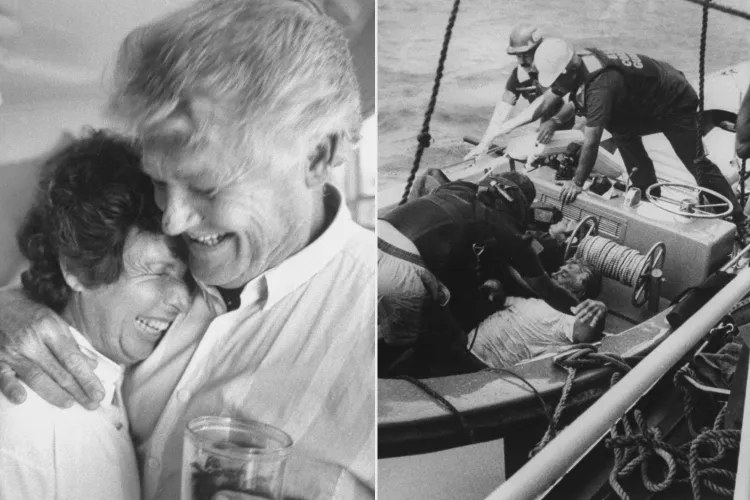
Richard and Evelyn Shanklin had imagined their honeymoon cruise as a serene adventure at sea. Married just two months prior, the Fort Lauderdale couple planned a roughly 50-mile journey from Spanish Wells to the Abaco Islands in the Bahamas aboard their sailboat, Go For It. The name seemed a fitting reflection of their adventurous spirits.
Richard, 51 at the time and a retired clothing salesman, and Evelyn, 49 and formerly with a chemical company, had long shared a passion for sailing. After retirement, they focused on traveling the globe, often navigating open waters together. Their honeymoon voyage was meant to be another joyous chapter.
But the sea had other plans. “Everything was going fine,” Richard recalled in a 1991 interview with PEOPLE. That calm quickly changed when a sudden gust of wind struck the boat, catching them off guard. Even after cranking the engine, they were “barely moving,” struggling against mounting waves.
As night fell, the couple realized their navigational equipment had failed, leaving them unable to accurately plot their course. By 11 p.m., the sailboat struck a coral reef, and water began pouring in, rising to their thighs. The idyllic 10-hour cruise had transformed into a desperate struggle for survival.
Quickly donning life vests, the Shanklins prepared to abandon ship. Evelyn gathered essential supplies, while Richard attempted to send a Mayday signal via the boat’s radio—but it wasn’t working. The couple then relied on a portable two-way radio, hearing distant voices urging them, “Come back, come back.” The sounds of encouragement were both a lifeline and a haunting reminder of their vulnerability in the dark, open water.
Clinging to their eight-foot emergency dinghy, Richard and Evelyn endured waves, fatigue, and fear as they awaited rescue. The ordeal tested not only their sailing skills but also their resilience and trust in one another. Each passing minute brought the danger of the open sea into sharp focus, yet the couple’s determination to survive never wavered.
Eventually, rescue teams reached them, bringing the honeymooners safely ashore. The relief and gratitude were overwhelming. Photos from the aftermath show the Shanklins embracing tightly, a joyful testament to their survival and the bond that carried them through the crisis.
Reflecting on the experience, the couple acknowledged that their love for adventure had been tempered by a newfound respect for the unpredictability of the sea. The incident, while harrowing, became a story of courage, teamwork, and the life-saving importance of preparedness and emergency equipment on open-water journeys.
Richard and Evelyn Shanklin’s honeymoon cruise may not have gone as planned, but it remains an extraordinary tale of survival, love, and the enduring human spirit.
11-Year-Old Girl Diagnosed with Rare Brain Cancer on Birthday Shows Courage, Hopes to Help Others.
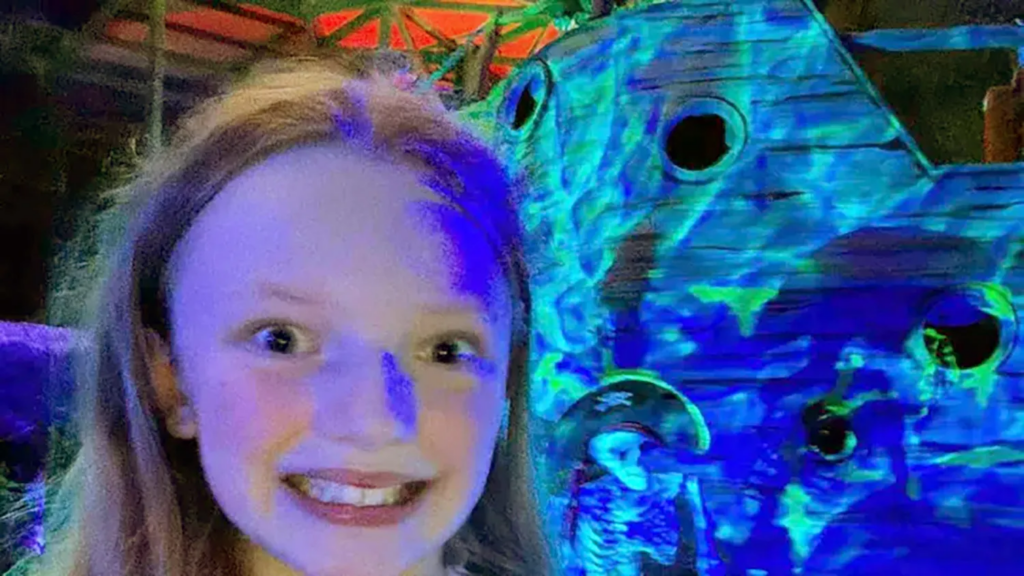
Millie Butler’s 11th birthday was meant to be filled with cake, presents, and celebration. Instead, it became the day her world changed forever. In September, the preteen from Cambridgeshire, England, was diagnosed with a rare and aggressive brain tumor known as primary intracranial sarcoma (PIS). According to the National Institutes of Health, PIS is an uncommon neoplasm typically found in the supratentorial forebrain, the largest part of the brain.
The diagnosis shocked Millie and her family. Her grandparents, Sue and Brian, have been at the forefront of sharing updates on Millie’s journey, using a GoFundMe page to inform supporters and raise funds for her treatment. The family explained that Millie faces a year of intensive therapy, including chemotherapy, radiotherapy, and possibly proton therapy. These treatments are necessary to prevent the cancer from returning, but they are physically taxing and emotionally difficult.
“This is to make sure that the cancer does not come back,” Sue and Brian wrote. They also acknowledged the difficult realities ahead: Millie will experience side effects, including significant illness and hair loss. Yet, despite the challenges, Millie has shown remarkable courage. She has agreed to participate in research studies, offering her time and strength to help advance understanding of this rare disease for others.
Updates from the family reveal Millie’s resilience. After completing her first round of chemotherapy, she handled the experience “extremely well,” according to Sue. By mid-December, she had her head shaved in preparation for her second round of chemotherapy, demonstrating bravery in the face of a treatment that will test her physically and emotionally.
Millie’s journey is not only about her own fight but also about inspiring hope and raising awareness. Her grandparents encourage supporters to share her story, highlighting her determination and courage. In addition, the GoFundMe page helps fund experiences that bring joy to her life outside of treatment, including a planned visit to see a friend in New Zealand once her therapy concludes.
As Millie prepares for the next phase of her treatment, her family continues to celebrate her strength, determination, and willingness to give back through research. Her story is a reminder of the courage children can show in the face of overwhelming challenges and the importance of community support in helping families navigate life-altering illnesses.
For Millie Butler, her 11th year has been one of unimaginable challenges—but also extraordinary bravery. Through each round of chemotherapy, through hair loss and exhaustion, she remains a symbol of hope, inspiring others with her determination not only to survive but also to help others in the future.
Woman Discovers She Has Two Uteruses After Surgery, Revealing an Extremely Rare Condition.
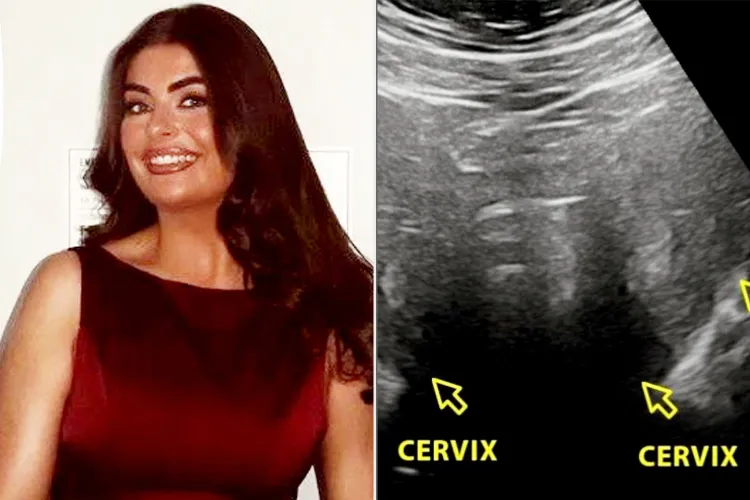
Ellie Curran of Ireland thought she was experiencing normal but intense menstrual pain. From the age of 12, when she got her first period, she endured heavy, painful cycles that left her bedridden and drained, affecting her school and social life. “I noticed roughly just after that, they were very sore and heavy,”
As she grew older, the pain worsened. One night, at age 19, Ellie experienced excruciating lower abdominal pain and feared it might be her appendix. She underwent surgery to remove the organ, but what doctors discovered during the procedure surprised everyone: Ellie did not have one uterus, she had two.
“[The doctors] said there seems to be two uteruses, but didn’t say too much when I had my appendix removed,” Ellie recalled.
Further testing eventually confirmed a diagnosis of complete bicorporeal uterus, a rare condition in which two distinct uterine cavities are separated by a wall of tissue. According to the Cleveland Clinic, only about 0.4% of women are born with this condition. Additional scans revealed that Ellie has two cervixes and may even have an extra kidney, complicating her medical picture.
The discovery sheds light on why Ellie has endured years of intense periods. She has also been diagnosed with endometritis, inflammation of the uterine lining, which likely contributes to her pain. Despite the diagnosis, treatment options are limited. Ellie is currently on a waiting list for additional tests and is scheduled to undergo surgery in May to better understand and manage her condition.
Ellie emphasizes the importance of trusting your own instincts about your body. “Women, you know your own body better than anyone. If you think there’s something not right, don’t stop fighting for answers,” she tells PEOPLE. Her experience highlights a broader issue: rare conditions can go undiagnosed for years, often leaving patients suffering needlessly.
Her story also underscores the importance of comprehensive diagnostic testing when symptoms are unusual or severe. While her initial surgery was intended to address a suspected appendicitis, it ultimately revealed a far more complex health situation that requires careful management.
For now, Ellie is focused on understanding her body, preparing for surgery, and raising awareness about her rare condition. While the path ahead may involve further medical procedures and monitoring, she hopes her story will encourage other women experiencing unexplained pain to seek answers and advocate for themselves.
Ellie Curran’s journey demonstrates resilience, patience, and self-advocacy in the face of a rare medical challenge. With surgery on the horizon and careful management of her condition, she remains determined to navigate her health with knowledge, awareness, and hope.
Survivor Cat Graduates After 6-Month Quarantine Following Coyote Attack
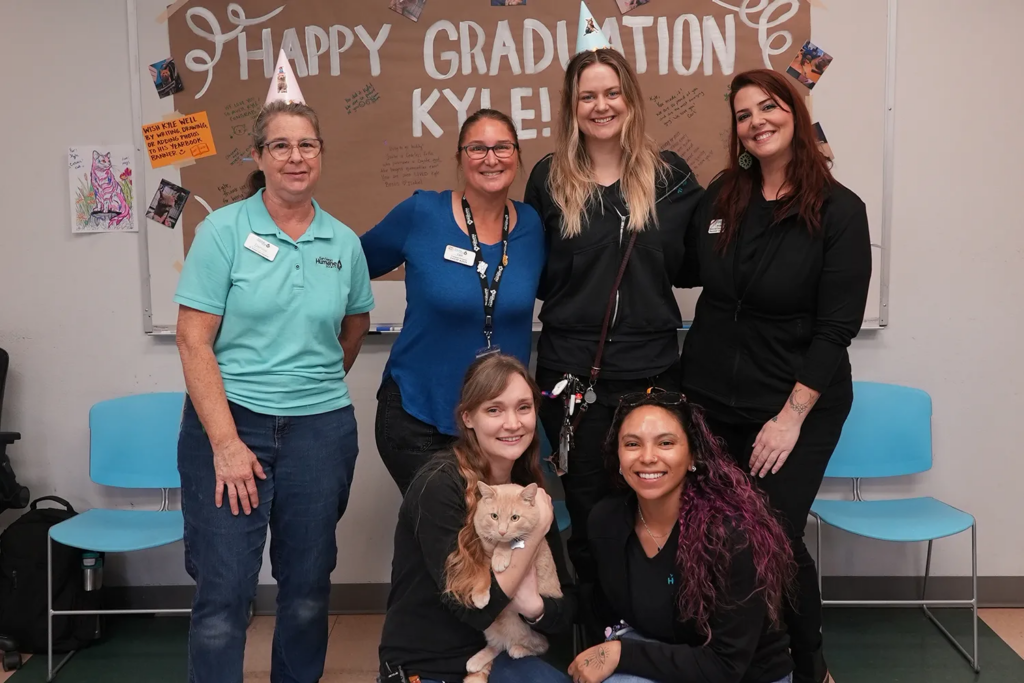
Kyle, an orange feline from Escondido, California, is celebrating a milestone many animals—and humans—would admire: graduating from a six-month quarantine after surviving a coyote attack. The resilient cat’s story began on July 27, when a Good Samaritan witnessed the wild encounter and immediately brought Kyle to the San Diego Humane Society’s Escondido Campus for emergency treatment.
Kyle had suffered bite wounds to his neck and chest and required urgent veterinary care. The team at the Humane Society quickly stabilized him, ensuring his physical injuries were properly treated. However, in California, any pet bitten by a potential rabies carrier, including wild coyotes, must complete a six-month isolation period to monitor for the disease during its incubation. This precaution helps protect other pets, humans, and the wider community.
For half a year, Kyle’s daily life was markedly different from that of a typical cat. He could not interact with other animals or be considered for adoption. But he was far from alone. Staff at the Escondido Campus provided round-the-clock care, enrichment, and companionship, ensuring Kyle remained comfortable and stimulated.
“He was quarantined in a large enclosure inside one of our offices, where he had room to roam and explore,” said Rebecca Smith, associate director of guest relations and animal placement. “Kyle’s resilience has been remarkable. From learning to play with enrichment toys, to enjoying window time and treats, he’s shown us he’s a fighter.”
During his isolation, Kyle developed a strong bond with the caretakers who looked after him. Despite his physical recovery, the team worked diligently to keep his mind engaged, introducing toys, games, and other enrichment activities to prevent boredom and stress. The staff quickly grew attached to the sweet, gentlemanly cat, marveling at his calm demeanor and playful curiosity.
After completing the mandatory six-month quarantine, Kyle’s resilience and determination were celebrated in a special “graduation” ceremony. Dressed in a tiny cap and gown, the courageous cat received recognition for his perseverance, reminding everyone of the challenges animals face when recovering from trauma.
“Kyle has truly earned this moment,” Smith said. “It’s a joyful way to celebrate not only his survival but also his strength, spirit, and the love and care he received along the way.”
Kyle’s story is a testament to the dedication of animal care staff and the remarkable spirit of animals who overcome life-threatening incidents. From the terrifying moment of the coyote attack to his graduation, Kyle has proven that resilience, care, and compassion can turn even the darkest circumstances into a story of hope and triumph.
Now, Kyle can look forward to a normal life, free to explore, play, and enjoy the companionship of humans—proof that even after six months in isolation, a cat’s spirit can shine brighter than ever.
Mom ‘Nearly Had a Panic Attack’ When She Got an Email from the Lottery. Then She Realized She’d Won Big.
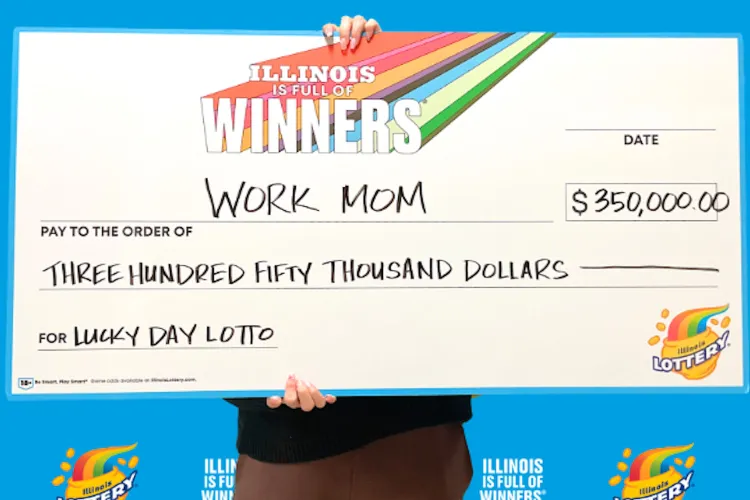
A Christmas Day lottery ticket brought an Illinois woman an early New Year’s miracle—and a moment of sheer disbelief. Known only by the nickname “Work Mom,” the woman won a $350,000 jackpot in the Lucky Day Lotto, using numbers that hold personal meaning: birthdays for herself and her children.
After the Dec. 25 drawing, the woman was at home, relaxing and watching television, when she received an email from the Illinois Lottery. At first, she admits, she thought the notification was a mistake. “I almost had a panic attack,” she told officials, recalling the overwhelming mix of excitement and disbelief that washed over her.
Realizing the win was real, she quickly opened the Illinois Lottery app to double-check the results. There, her suspicions were confirmed—she had matched all five numbers: 4, 10, 12, 30, and 31. “I immediately checked the Illinois Lottery app to make sure,” she said. “It turned out to be a Christmas Day blessing.”
The moment, which began with shock and anxiety, quickly transformed into joy. For the woman, the significance of the numbers added a layer of personal meaning to the win. “I felt optimistic when I played those numbers,” she explained. “To have them actually come up was incredible.”
Lottery officials confirmed the win and praised the woman’s prudent approach in purchasing the ticket online. Unlike many spontaneous lottery wins that seem like flukes, her victory had a sentimental touch, connecting her family through the numbers she chose. The combination of personal significance and a life-changing prize made the experience unforgettable.
For many, winning the lottery can seem like a dream too far to reach—but for “Work Mom,” it became reality on a day already associated with joy and giving. Her story is a reminder that sometimes, a little optimism and personal flair can pay off in the most unexpected ways.
As for her plans, the winner has not disclosed specific intentions for her newfound fortune, but the windfall is certain to make a lasting impact on her family. The joy of the season, combined with an unexpected financial blessing, is a story that she—and the Illinois Lottery—hope will inspire other hopeful players.
While $350,000 may not make her a multimillionaire, it is enough to transform immediate dreams into achievable goals, whether that’s paying off bills, investing in family plans, or celebrating with a little extra holiday cheer.
“I can’t stop thinking about it,” she said. “It was an incredible Christmas gift, and one I’ll remember forever.”
Her story also emphasizes the excitement—and initial disbelief—that comes with lottery wins. From almost panicking at the email to realizing her fortune, “Work Mom” embodies the rollercoaster of emotions that every jackpot winner experiences.
Indeed, for one Illinois mother, this Christmas brought more than seasonal joy—it brought a life-changing, unforgettable miracle.
Woman Falls Through Frozen Lake While Snowshoeing with Her Dog. A Branch Became Her Lifeline.
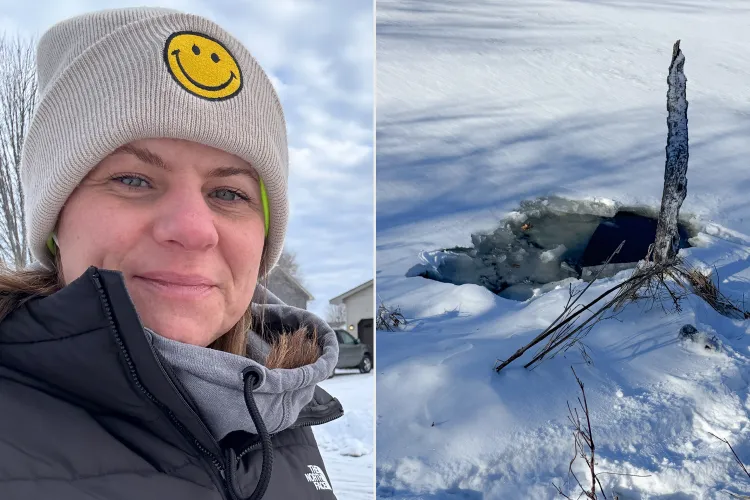
A walk on a frozen lake turned into a life-threatening ordeal for Katie Shatusky, 43, of Elk River, Minnesota. On Dec. 29, 2025, she set out to enjoy a snowshoeing excursion on Lake Orono with her dog, Loomis. The snow-covered landscape looked serene, but beneath the frozen surface, danger lurked.
“I was just walking along, and then all of a sudden I was just in the water,” Katie told PEOPLE. “I was like, ‘Is this it?’ The fact that I stayed calm and got myself out really helped. Had I been in the water any longer, it probably would’ve been a different story.”
Katie, who grew up around the lake, planned to stay near the shore, knowing the area was shallow. She assumed the frozen surface was stable and safe. However, after stepping back onto what she believed was the shore—obscured by snow—she unexpectedly broke through the ice.
She didn’t fully submerge, but when she extended her arms, they too went through the ice. Loomis, fortunately, remained unharmed, staying nearby. Panic was close, but Katie’s quick thinking made the difference.
Turning her body, she spotted an old tree branch nearby. As she grabbed it, her snowshoe became entangled in the tree’s root system, which ultimately prevented her from being pulled fully under the ice.
“This branch, I think, was an old tree,” Katie explained. “So when I fell in, I think what actually stopped me from going under is I hit all of these roots from this tree, and my snowshoe actually got stuck in the root system.”
What felt like an eternity was only seconds as she struggled to free her foot. Once she did, she used the branch to pull herself back onto solid ice and then made her way safely to shore.
Once back on dry land, Katie retrieved her soaking phone and called her husband. Complicating matters, her location didn’t show clearly on the Life360 app, forcing her to explain as best as she could how far she was from their rental house.
Reflecting on the incident, Katie emphasized the importance of staying calm in emergencies and being aware of potential hazards on frozen bodies of water.
“I was extremely lucky,” she said. “That branch literally saved my life. People should never underestimate ice—even if it looks safe.”
Katie’s story serves as a reminder that winter adventures, while beautiful and fun, can quickly become dangerous. For her, a combination of quick thinking, a trusty snowshoe, and an old tree branch turned what could have been a tragedy into a story of survival.
Leave a Comment