
U.S. Government Shutdown Fears Rise as Budget Talks Stall
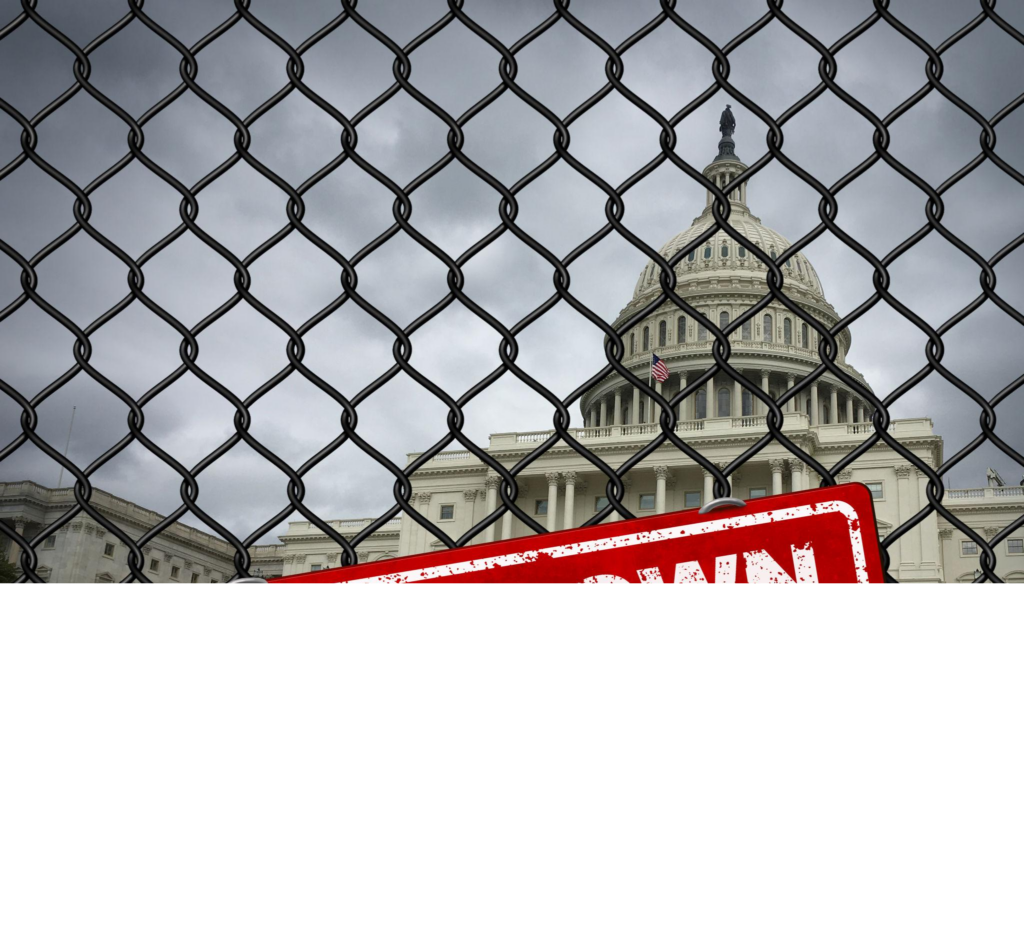
Concerns over a potential U.S. government shutdown are growing as budget negotiations in United States Congress continue to stall. With deadlines approaching, lawmakers remain divided over federal spending priorities, raising uncertainty for millions of government workers and public services.
Democratic leaders argue that proposed funding levels are necessary to maintain essential programs, including healthcare, education, and disaster preparedness. They warn that a shutdown could disrupt services Americans rely on daily and damage economic stability.
Republican lawmakers counter that current spending levels are unsustainable, citing national debt and inflation concerns. Party leaders are pushing for deeper cuts and tighter fiscal controls, saying failure to act responsibly could burden future generations.
Federal agencies have begun preparing contingency plans in case funding lapses. Past shutdowns have resulted in furloughed workers, delayed payments, and economic slowdowns, making the possibility politically risky for both parties.
Public frustration is rising as repeated budget crises erode trust in government leadership. Polls suggest voters are increasingly impatient with political gridlock, particularly when it affects everyday services.
Analysts say shutdown threats have become a recurring feature of U.S. politics, reflecting deeper partisan divisions. Whether lawmakers can reach a last-minute agreement remains uncertain, but the outcome could have lasting political consequences ahead of upcoming elections.
New Border Enforcement Measures Trigger Nationwide Political Reaction
New border enforcement measures announced by the Biden administration have triggered widespread political reaction across the United States. The updated approach focuses on faster migrant processing, increased border staffing, and expanded cooperation with local authorities.
Supporters argue the measures strike a balance between enforcement and humanitarian responsibility. Administration officials say the changes aim to reduce overcrowding at border facilities while discouraging illegal crossings.
Critics from both parties have raised concerns. Some Republicans argue the measures do not go far enough to secure the border, while progressive lawmakers warn that increased enforcement could harm vulnerable migrant communities.
States and cities receiving large numbers of migrants are closely watching implementation. Local leaders say federal coordination and funding will be critical to avoid overwhelming housing, healthcare, and education systems.
Public opinion remains sharply divided, reflecting long-standing disagreements over immigration policy. Analysts note that border issues consistently rank among the most influential factors shaping voter attitudes.
As political messaging intensifies, immigration once again stands at the center of national debate, with policy outcomes likely to influence elections and state-federal relations in the months ahead.
Supreme Court Ethics Debate Reignites Calls for Reform
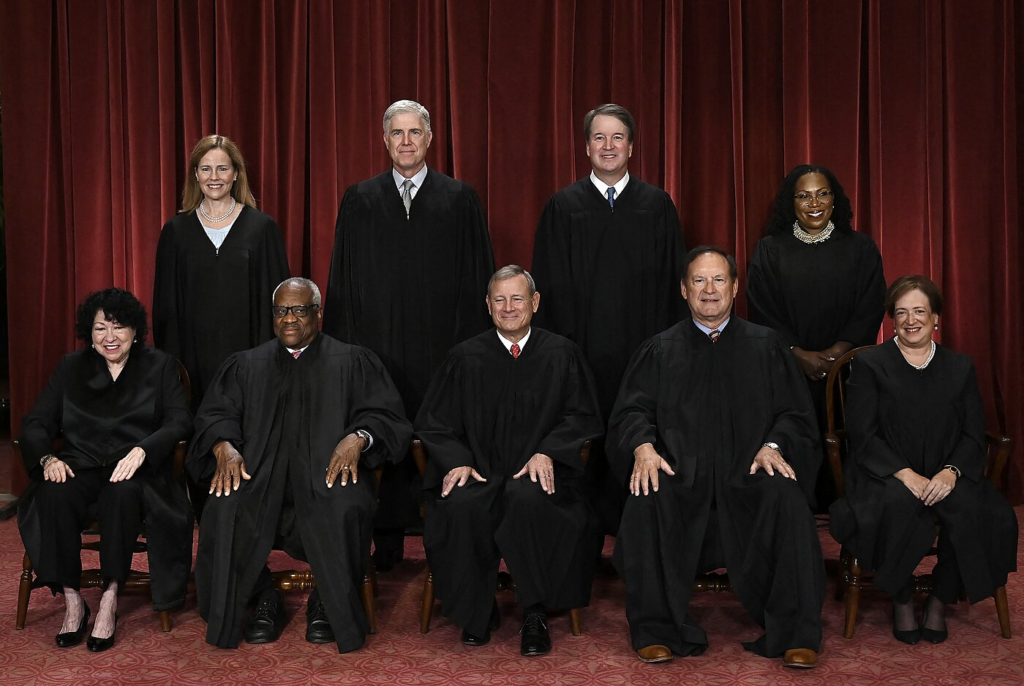
Debate over ethics standards at the Supreme Court of the United States has reignited in Washington, prompting renewed calls for reform. Lawmakers are discussing proposals that would establish clearer ethical guidelines for justices, including disclosure requirements and recusal standards.
Supporters argue that stronger ethics rules are necessary to maintain public confidence in the judiciary. They point to recent controversies that have raised questions about transparency and accountability at the highest level of the court.
Opponents caution that imposing new rules could undermine judicial independence. Some legal scholars argue that existing norms are sufficient and warn against politicizing the court further.
Public trust in institutions has become a central political issue, making judicial ethics a highly sensitive topic. Polls suggest Americans across party lines want greater transparency, though opinions differ on how reforms should be implemented.
Congressional leaders acknowledge that passing ethics legislation would be challenging due to constitutional concerns and partisan divisions. Still, hearings and public discussions are expected to continue.
As scrutiny intensifies, the debate highlights broader tensions between accountability and independence in American governance.
Healthcare Costs Spark Renewed Push for Federal Reform
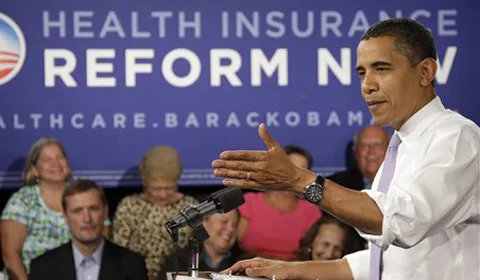
Rising healthcare costs are driving renewed calls for federal reform as Americans struggle with medical bills, insurance premiums, and prescription drug prices. Lawmakers in Washington are revisiting proposals aimed at reducing costs and expanding access.
Democratic leaders argue that government intervention is necessary to protect consumers from rising prices. They point to drug pricing reforms and insurance regulations as key priorities.
Republican lawmakers emphasize market-based solutions, warning that excessive regulation could limit choice and innovation. They argue that competition, not federal mandates, is the best way to control costs.
Healthcare providers and insurance companies are closely monitoring the debate. Industry leaders caution that changes must account for operational realities and long-term sustainability.
Public concern is widespread, with healthcare consistently ranking as one of the top issues for voters. Analysts say the issue has gained urgency as economic pressures continue.
As discussions progress, healthcare reform remains one of the most politically charged topics in the U.S., with potential implications for millions of families.
The Man Who Walked Across the United States After Losing Everything

After losing his job, home, and family support within a single year, a middle-aged man made a decision that stunned everyone around him—he began walking across the United States on foot. Carrying only a backpack, a sleeping bag, and a journal, he left the East Coast with no clear plan beyond moving forward one step at a time.
The journey lasted nearly 14 months. He crossed scorching deserts, freezing plains, and busy highways, often sleeping under bridges or in roadside shelters. Hunger, injury, and loneliness became constant companions. At times, he considered quitting, but each setback pushed him further forward rather than back.
Strangers played a crucial role in his survival. Farmers offered meals, families opened their homes, and truck drivers gave supplies. These encounters restored his faith in humanity during moments when hope felt impossible.
By the time he reached the West Coast, the walk had changed him completely. He arrived not as a broken man, but as someone who had rebuilt purpose through perseverance. His story later went viral, inspiring thousands who felt trapped by circumstances.
The Woman Who Lived in Her Car for Two Years to Escape Debt

Crushed by student loans and rising rent, a young woman made a shocking choice—she moved into her car to escape financial collapse. Parking in different cities across the United States, she transformed her vehicle into a minimalist living space.
She showered at gyms, worked remote jobs from coffee shops, and slept in safe, well-lit areas. Despite the challenges, she saved thousands of dollars, paying off debt that once felt impossible to escape.
Living without a fixed address taught her resilience, discipline, and independence. She faced stigma, loneliness, and exhaustion, but also discovered freedom from constant financial anxiety.
Two years later, she emerged debt-free, with savings and a renewed sense of control over her life. Her story resonated online, challenging traditional ideas of success and sacrifice.
The Fisherman Who Survived 438 Days Lost at Sea

A fisherman’s routine trip turned into a nightmare when his boat drifted off course, leaving him lost at sea for over a year. With limited supplies and no communication equipment, survival depended on ingenuity and mental strength.
He collected rainwater, caught fish by hand, and learned to live with isolation and fear. Days blurred into months as he battled storms, hunger, and despair.
The psychological toll was immense, but he focused on routine to stay sane. When rescue finally came, his survival stunned experts and captured global attention.
His story became a testament to human endurance against impossible odds.
The Teen Who Built a Working Plane in His Backyard

Fascinated by flight since childhood, a teenager spent years building a functional airplane in his backyard using scrap materials and online manuals. While others doubted him, he remained focused on the dream.
Balancing school with late-night construction, he taught himself engineering principles through trial and error. The project faced repeated failures, but persistence paid off.
When the plane successfully lifted off the ground, the moment went viral. Aviation experts praised his dedication, calling it a rare example of passion-driven innovation.
His story inspired young people worldwide to pursue bold ideas, no matter how unrealistic they seem at first.



Leave a Comment