
Your “analytical” late-night productivity is secretly killing you.
Night owls have a 16% higher risk of sudden heart attacks.
A massive study of 300,000 adults has confirmed that being a “night owl” is more than just a personality trait—it’s a cardiovascular death sentence for those living in a “morning person’s world.” Research led by Sina Kianersi of Harvard Medical School reveals that people who thrive after 8 p.m. face a 16% higher risk of heart attack or stroke, with women being particularly vulnerable. This isn’t just about a lack of sleep; it’s a polarizing indictment of our societal structure that forces “evening types” into a perpetual state of circadian misalignment. When your internal clock screams for rest but your job starts at 8 a.m., your body undergoes a metabolic breakdown, struggling to process insulin and managing stress hormones in a way that “early birds” simply don’t experience.
The data, pulled from the UK Biobank, shows that night owls are 79% more likely to have “poor” heart health scores compared to the average population. While the experts claim this risk is “fixable” through lifestyle changes like quitting smoking and fixing your diet, the reality is that the environment is “broken,” not the individual. Night owls aren’t inherently less healthy, but they are trapped in a biological mismatch where even a “healthy” breakfast can be toxic if eaten during their biological night. This study serves as a direct threat to the “hustle culture” that demands early-morning peak performance from everyone. For the 8% of the population that naturally stays up late, the message is clear: your late-night brilliance comes at the cost of your heart, and unless you can realign your entire life to your biology, you are ticking toward a silent medical crisis.
The “modern” science you trust is just a 140-year-old accident.

Thomas Edison accidentally made graphene in 1879 while the world wasn’t looking.
A provocative new study from Rice University has effectively “dethroned” the 2010 Nobel Prize winners by suggesting Thomas Edison created graphene 125 years before its official discovery. Researchers led by James Tour and Lucas Eddy discovered that Edison’s original 1879 light bulbs reached temperatures exceeding 2,000°C—the exact threshold required for “flash Joule heating,” a modern technique used to synthesize graphene. By zapping artisan bamboo filaments with 110-volt DC power for just 20 seconds, the team watched the dull gray carbon transform into a “lustrous silver” layer of turbostratic graphene. This means the “Wizard of Menlo Park” wasn’t just chasing light; he was inadvertently manufacturing a 21st-century wonder material in a New Jersey basement while the rest of the scientific world was still riding horses.
This revelation is a polarizing slap in the face to modern physics, proving that high-tech “breakthroughs” are often just historical leftovers we were too blind to notice. While the official 2004 discovery of graphene required high-tech labs and sticky tape, Edison was potentially producing it by the thousands in early commercial bulbs. The only reason it went undetected is that the intense heat of sustained use eventually “cooked” the graphene into boring, common graphite. This “missing link” in materials science proves that our “scientific forefathers” were operating at a level of unintentional genius that modern researchers are only now beginning to decode. It raises a disturbing question for the elite scientific community: if a 19th-century light bulb can make graphene, what other “impossible” materials are currently sitting in our trash heaps waiting for a “modern lens” to find them?
Your brain is literally rotting faster than your body right now.
MRI scans prove that skipping the gym makes your brain biologically older.
A groundbreaking clinical trial of 130 adults has revealed a terrifying “brain age” gap that could determine your future risk of dementia. Researchers from the AdventHealth Research Institute found that individuals who followed basic WHO exercise guidelines ended up with brains nearly a year “younger” than those who remained sedentary. While the control group’s brains aged faster than the calendar, those who committed to 150 minutes of weekly activity actually reversed the clock. This isn’t just about “feeling good”; it’s a polarizing medical reality that suggests your cognitive lifespan is directly tied to your heart rate. If you aren’t moving, your brain is effectively wearing out before its time, leaving you vulnerable to cognitive decline decades earlier than necessary.
The most disturbing part of the study is that scientists still have no idea why this happens. They expected cardiovascular fitness or blood pressure to be the “smoking gun,” but the data proved them wrong, suggesting exercise triggers a mysterious, unknown molecular fountain of youth in the skull. This creates an “Us vs. Them” divide between those who proactively “biohack” their gray matter and those who are unknowingly letting their brains wither. With a difference of nearly a full year of brain age achieved in just twelve months, the long-term stakes are astronomical. A youthful brain is the only thing standing between you and a future of neurological disease, yet most people treat 150 minutes of exercise as optional rather than a mandatory cognitive survival tactic.
The “experts” lied for 400 years, but a machine just exposed them.
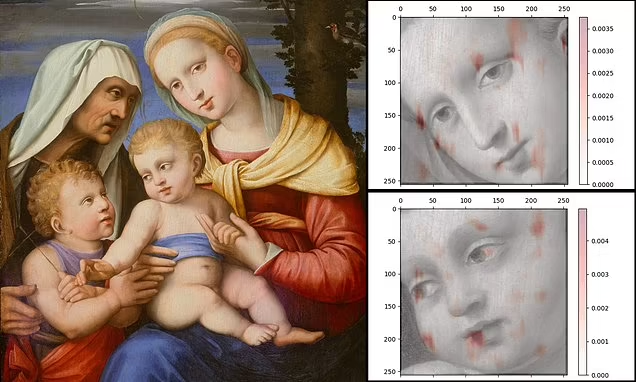
AI proves a famous Raphael masterpiece was partially faked by his students.
A custom AI algorithm has officially shattered the 400-year-old consensus surrounding the Madonna della Rosa, proving that Saint Joseph’s face was not painted by the master Raphael. While Spanish art historians have stubbornly defended the painting’s authenticity for centuries, researchers from the University of Bradford used a modified Microsoft ResNet50 neural network to look past human bias. By analyzing brushstrokes and shading at a microscopic level, the AI confirmed a “98 percent accuracy” match for Raphael on every figure except Joseph. This isn’t just a technical glitch; it is a polarizing reality-check for an art world that relies on “provenance” and “vibe” rather than cold, hard data. The machine has effectively “fired” Raphael from a portion of his own masterpiece, suggesting the work was pawned off to a less-talented pupil like Giulio Romano.
This “Us vs. Them” battle between traditional connoisseurs and deep feature analysis exposes a hidden danger in the global art market: the human eye is remarkably easy to fool. For as long as this painting has sat in the Museo del Prado, the original attribution was never questioned by the elite, yet the algorithm immediately flagged the face of Joseph as a lower-quality addition. Machine learning doesn’t care about the prestige of a monastery or the reputation of a gallery; it only sees the mathematical inconsistency of the strokes. This revelation suggests that countless “masterpieces” currently hanging in museums may actually be “workshop” leftovers. If we can no longer trust the experts to identify the hand of the creator, then the very foundation of art history is in jeopardy, replaced by an impartial code that can spot a fraud through a single layer of paint.
What if everything you were taught about the Solar System is a lie?
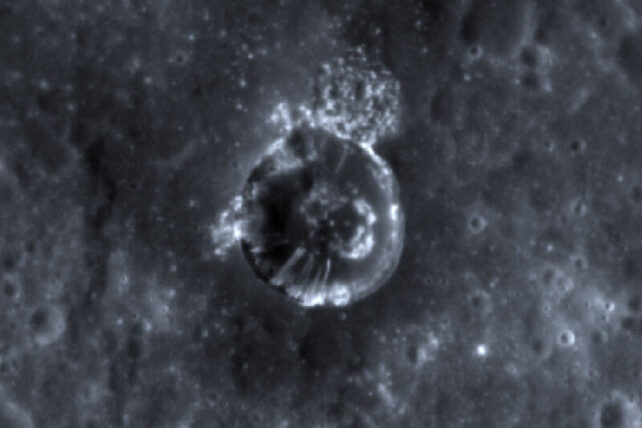
Mercury is “alive” and spewing mysterious volatile gases from its core.
The scientific community is reeling after a massive AI survey of 100,000 images revealed that Mercury, long dismissed as a “dead” rock, is actually a geologically active “hellscape.” Astronomer Valentin Bickel and his team identified 402 mysterious bright streaks, known as lineae, that suggest the planet is currently outgassing volatile materials like sulfur from deep within its crust. These aren’t ancient scars from 4.5 billion years ago; because these streaks erode rapidly, their presence proves that Mercury is volatile and evolving right now. This polarizing discovery effectively “demotes” old-school astronomers who viewed the smallest planet as a dull, cooling relic. Instead, Mercury appears to be a pressurized ticking time bomb, with networks of cracks funneled by ancient impacts allowing heat and gas to escape to the surface in real-time.
This “Us vs. Them” shift in planetary science exposes how little we actually know about our closest neighbors. While the average person views Mercury as a frozen-then-fried wasteland, this new data suggests a dynamic “mercurial present” driven by hidden internal forces. The fact that these streaks cluster on sun-facing slopes implies a complex thermal interaction that scientists are only just beginning to model. By using machine learning to “read between the lines,” researchers have painted a portrait of a planet that refuses to die, challenging the very definition of a “geologically dead” world. If a tiny planet with no atmosphere can stay this active for billions of years, it raises a direct threat to our understanding of planetary cooling and the hidden diamonds or gases that might be trapped just beneath the surface of every “dead” rock in space.
The ocean is literally eating our land and spitting out corpses.
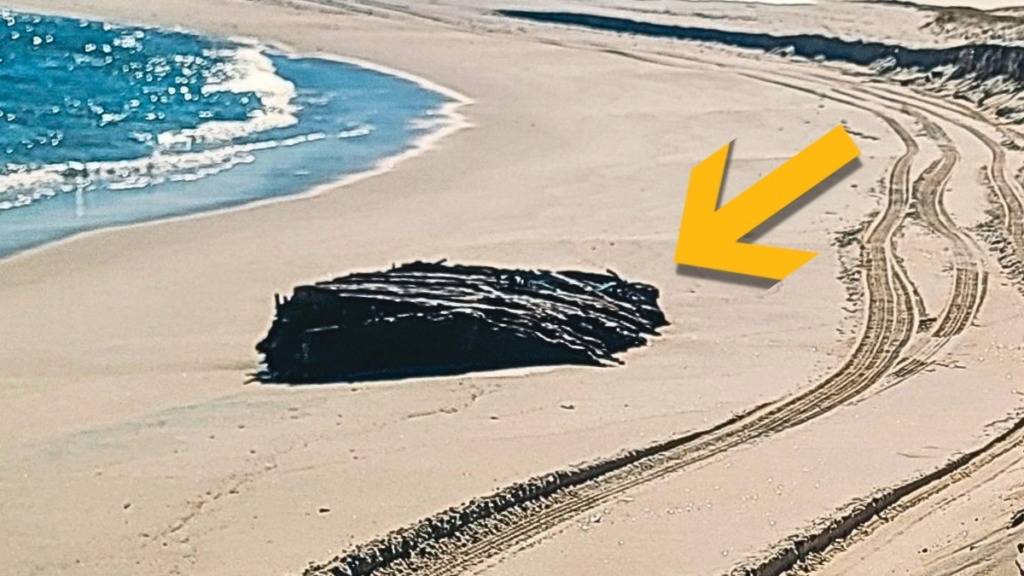
Extreme storms just unearthed a 140-year-old shipwreck on the Jersey Shore.
The sudden emergence of the Lawrence N. McKenzie on the Jersey Shore is a haunting, polarizing reminder that our coastline is being aggressively dismantled by a changing climate. Buried since 1890, this 19th-century schooner was traveling from Puerto Rico when it vanished beneath the dunes, only to be “vomited” back up this winter by relentless, high-energy surf and persistent wind erosion. While local officials at Island Beach State Park are framing this as a “glimpse into maritime history,” the underlying reality is far more terrifying: the natural cycles of beach erosion are being dangerously accelerated by rising sea levels and intensifying storm surges. This isn’t just a “cool find” for history buffs; it is a direct threat to the integrity of the barrier islands that protect us from the Atlantic’s fury.
As sea levels continue to climb, these “ghost ships” are appearing globally—from Australia to Vietnam—acting as skeletal beacons of a worsening environmental crisis. The fact that sand is being stripped away at such a rate that 140-year-old wreckage is now lying “in tatters” on the surface proves that our natural defenses are failing. While the wreckage awaits expert analysis, the public is left to grapple with the realization that the very ground we stand on is being pulled out from under us. We aren’t just discovering the past; we are watching the future of our shorelines dissolve in real-time. If a single winter season can unearth a century-old mystery, it raises the chilling question of what else the ocean is preparing to take—or give back—as the storms of 2026 continue to intensify.
Is your “healthy” weight-loss plan actually rotting your liver from within?
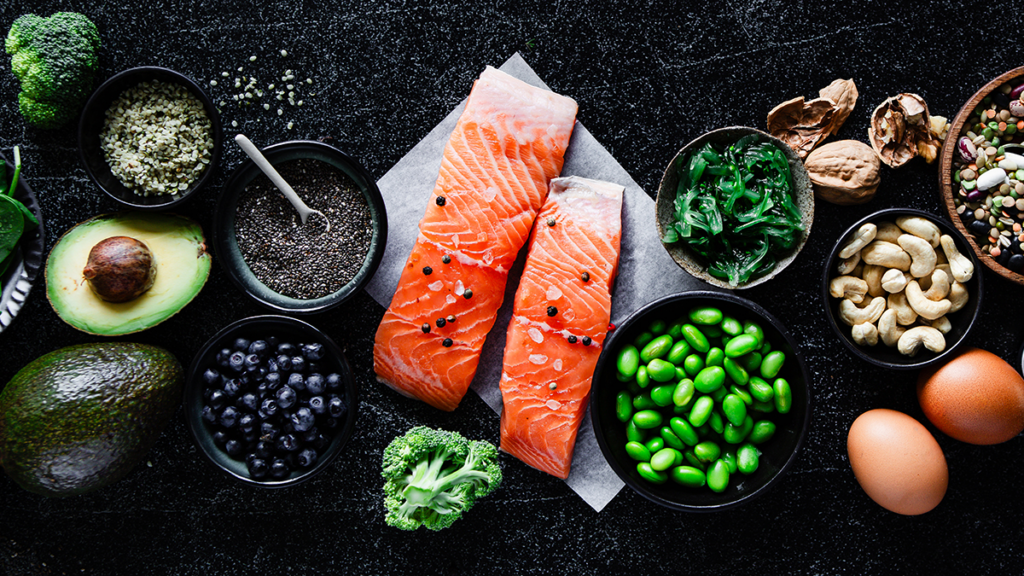
Keto diets cause fatty liver disease and permanent metabolic damage in mice.
The ketogenic diet’s reputation as a weight-loss miracle is currently under fire following a disturbing University of Utah study that links high-fat, low-carb living to fatty liver disease. Researchers tracking mice over nine months found that while the “keto-style” group successfully avoided weight gain, the biological cost was catastrophic. Male mice developed severe liver dysfunction as excess lipids, forced into the system by the diet, flooded the organ and triggered metabolic disease. This is a polarizing wake-up call for the “hustle culture” biohackers who prioritize a thin waistline over internal organ health. The data suggests that by forcing your body into a permanent state of “starvation-mimicry,” you aren’t just burning fat; you are potentially poisoning your liver and stressing your pancreas to the point of failure.
The most terrifying discovery was the impairment of blood sugar regulation. Despite having low insulin levels, the mice’s pancreatic cells actually lost the ability to produce enough insulin, a precursor to chronic metabolic collapse. While some defenders argue that mouse models don’t translate to humans, physiologist Molly Gallop warns that the “short-term wins” of keto have blinded the public to the long-term metabolic wreckage. We are witnessing an “Us vs. Them” divide where mainstream dieters ignore systemic inflammation for a quick fix, while scientists warn that the “keto flu” might actually be the sound of your liver crying for help. If you are trading stable insulin production for a lower number on the scale, you are participating in a high-stakes biological gamble that could leave you with permanent organ damage long after you’ve reached your “goal weight.”
Your “non-stick” lifestyle is literally poisoning your brain and causing paralysis.
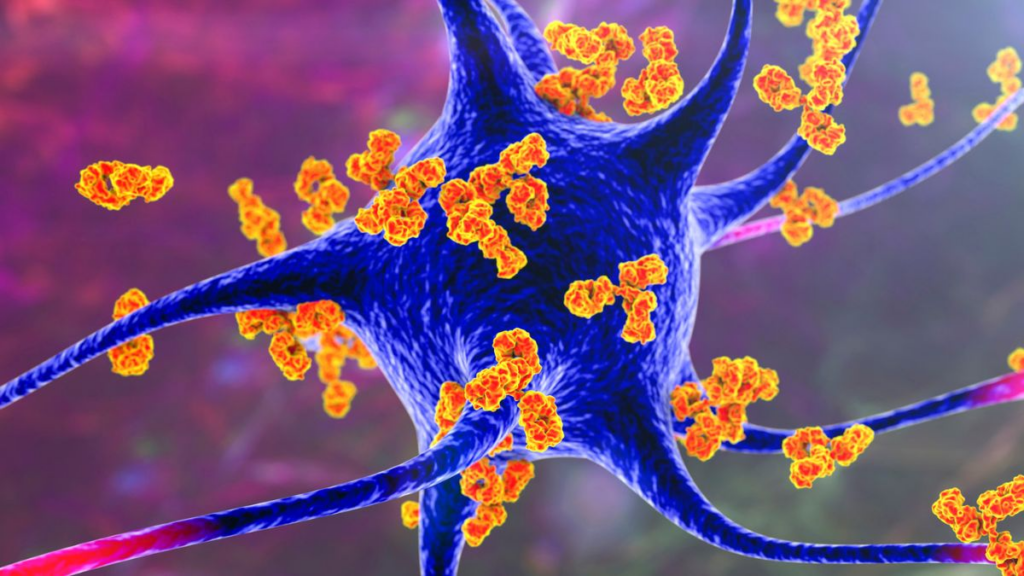
Forever chemicals in your blood double the risk of Multiple Sclerosis.
A terrifying new study from Sweden has exposed a direct link between “forever chemicals” (PFAS) and the global explosion of Multiple Sclerosis (MS) cases. Researchers from Uppsala University found that individuals with high concentrations of these toxic compounds in their blood face twice the odds of an MS diagnosis, regardless of their genetic history. Even more polarizing is the discovery of “toxic synergy,” where combinations of different chemicals create a cocktail of destruction that bypasses the blood-brain barrier. This isn’t just a minor health concern; it is a full-scale environmental assault on the human central nervous system. These chemicals, found in everything from non-stick pans to cosmetics, are essentially “infiltrating” immune cells and triggering the oxidative stress that leads to permanent muscle weakness and vision loss.
The most disturbing revelation is that a “protective” gene variant—which should lower your MS risk—actually makes you four times more likely to develop the disease when exposed to high PFOS levels. This suggests that no one is safe, and your DNA can actually be weaponized against you by the pollutants in your water and food. While the industry tries to downplay these risks, the 26 percent global surge in MS over the last 30 years points to a clear, man-made culprit. We are living in a “plastic era” where our bodies are being marinated in substances that never break down, turning the basic act of existing into a high-stakes gamble with our neurological health. If you think your non-stick cookware is just a convenience, you are ignoring a chemical time bomb that could effectively delete your ability to walk or see.




Leave a Comment