

1: Japan mourns the loss of its last pandas

Japan is collectively mourning as the country says farewell to its last remaining giant pandas, marking the end of an era that spanned decades of public affection, cultural symbolism, and quiet diplomacy.
The pandas, long housed at Adventure World in Wakayama Prefecture, were among the most beloved animals in the nation. Families traveled from across Japan to see them, merchandise lines stretched endlessly, and news of their daily lives regularly made headlines. Their departure has left an emotional void far larger than their enclosure.
Japan’s relationship with pandas has always been more than zoological. Giant pandas are loaned by China under conservation agreements often described as “panda diplomacy.” While the animals live abroad, they remain Chinese nationals, and their presence symbolizes goodwill and cooperation between countries.
As the loan agreements concluded, the remaining pandas were returned to China, where they will continue to live in conservation centers focused on breeding and species preservation. Officials emphasized that the move supports global efforts to protect the species, which was once critically endangered due to habitat loss.
Still, understanding the reasons hasn’t softened the sadness.
For many Japanese citizens, the pandas represented comfort, innocence, and constancy in a rapidly changing world. Children grew up visiting them. Adults found solace watching their slow, gentle routines. Their absence feels personal, as though a familiar presence has quietly left home.
Social media across Japan is filled with farewell messages, photos, and artwork. Some zoos held special goodbye events, allowing visitors one last glimpse. Others bowed or waved softly, treating the moment with the same reverence reserved for cultural farewells.
Experts note that pandas occupy a unique place in Japan’s public imagination. Unlike many animals, they transcend age, language, and background. Their expressions, movements, and calm demeanor resonate deeply in a culture that values gentleness and harmony.
The loss also reignited conversations about conservation and captivity. While many mourn the pandas’ departure, others emphasize that returning them to China contributes to long-term survival of the species. Giant panda populations have slowly recovered in recent years thanks to coordinated international efforts, protected reserves, and breeding programs.
Japan’s zoos remain committed to wildlife education and conservation, but the absence of pandas is undeniably symbolic. Their enclosures now stand as reminders of shared history of first encounters, viral moments, and years of quiet companionship.
For now, Japan has no pandas left within its borders. Whether they will return someday depends on future diplomatic agreements and conservation priorities.
Until then, the country holds onto memory.
Not just of animals but of moments of joy, calm, and connection that transcended borders.
Sometimes, goodbye isn’t loud.
Sometimes, it’s soft, slow, and deeply felt.
Source: Official announcements from Adventure World Wakayama and Japanese media coverage reporting the return of Japan’s last giant pandas to China under international conservation loan agreements; public response documented across national news outlets and social platforms.
2:The family keeps growing: Meet Junius, Zoboomafoo’s adorable great-grandson
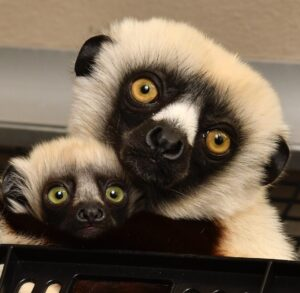
For anyone who grew up watching Zoboomafoo, the sight of a wide-eyed, bouncing lemur still sparks instant nostalgia. Now, that beloved legacy has a new chapter: Junius, an energetic young lemur who happens to be Zoboomafoo’s great-grandson.
Zoboomafoo, the charismatic ring-tailed lemur who helped introduce millions of children to wildlife and conservation, became a cultural icon in the late 1990s. Through playful storytelling and real animal encounters, the show shaped how a generation connected with nature. While Zoboomafoo himself passed away years ago, his family line and his impact live on.
Junius represents that continuity.
As a ring-tailed lemur, Junius carries the same expressive face, striped tail, and curious personality that made his famous ancestor so memorable. Caretakers describe him as alert, social, and endlessly inquisitive traits typical of his species, but especially fitting given his lineage. Whether he’s climbing, sunbathing, or hopping between perches, Junius seems to embody the same joyful energy that once leapt across television screens.
For fans, learning about Junius feels like a reunion. It’s not just about genetics it’s about legacy. Zoboomafoo helped spark interest in animals, conservation, and empathy toward wildlife. Seeing his great-grandson thriving reminds people that conservation efforts matter, and that education can have ripple effects that last decades.
Ring-tailed lemurs are native to Madagascar and are currently listed as endangered due to habitat loss and human activity. Modern zoos and conservation programs play an important role in protecting the species through breeding programs, public education, and global conservation partnerships. Junius is part of that mission not as a performer, but as an ambassador for his species.
Caretakers emphasize that while the connection to Zoboomafoo is special, Junius is very much his own lemur. He’s learning, growing, and forming bonds within his troop, experiencing the world in ways shaped by care, enrichment, and protection.
Still, there’s something undeniably moving about the idea that a lemur who once inspired millions now has a descendant continuing the story. It’s a reminder that wildlife education doesn’t end when a show goes off the air it evolves, generation by generation.
For longtime fans, Junius feels like a gentle bridge between childhood wonder and adult appreciation for conservation. For new audiences, he’s simply irresistible.
The family keeps growing.
And so does the legacy.
Source: Zoo and conservation program announcements confirming Junius as a descendant of the original ring-tailed lemur featured on Zoboomafoo, along with education
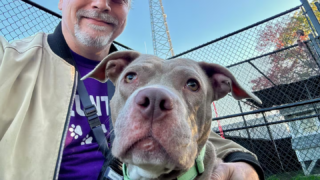
3:Zev, a dog who was labeled as “unadoptable” at a shelter, managed to be adopted
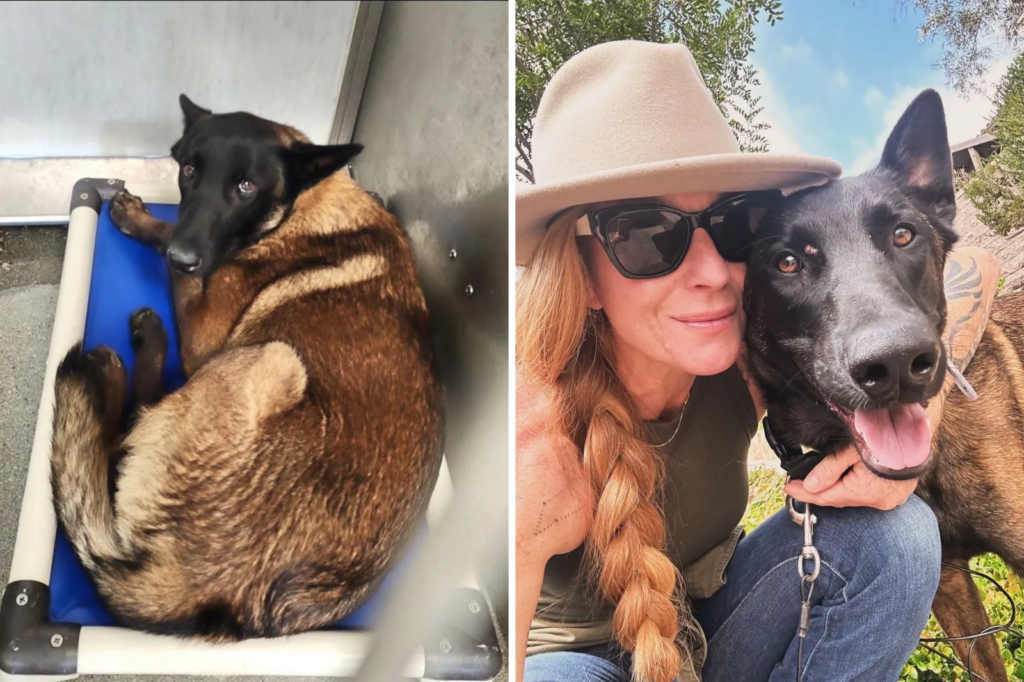
Zev was once given a label no dog should ever have to carry: “unadoptable.”
At the shelter where he lived, staff worried his behavior, anxiety, or past trauma would make it impossible for him to find a home. Day after day, families passed by his kennel, and the label quietly followed him like a sentence.
But labels don’t tell the whole story.
Dogs marked “unadoptable” are often victims of circumstance rather than temperament. Many have experienced neglect, instability, or repeated abandonment. In shelters, stress can amplify fear-based behaviors pacing, barking, withdrawal that disappear once the dog feels safe. Zev was one of those dogs.
To visitors, he seemed difficult. To the shelter staff who knew him best, he was misunderstood.
Despite his challenges, Zev continued to show moments of gentleness: soft eye contact, tentative tail wags, quiet curiosity. Volunteers advocated for him, believing that with patience, structure, and the right environment, he could thrive. Still, time passed, and his chances grew slimmer.
Then someone saw past the warning signs.
A potential adopter took the time to meet Zev on his terms slow introductions, calm presence, no pressure. Instead of focusing on the label, they focused on the dog. And in that moment, Zev did something simple but powerful: he trusted.
That trust changed everything.
Zev was adopted.
Once out of the shelter environment, his transformation was striking. Behaviors once seen as “problems” faded. In their place came playfulness, affection, and confidence. He learned routines. He relaxed. He became what so many shelter dogs are once given stability—a good dog who just needed a chance.
His story resonated because it exposed a painful truth about animal welfare: labels can save time, but they can also cost lives. “Unadoptable” often means “needs more support,” “needs experience,” or “needs patience.” It rarely means “incapable of love.”
Shelter workers emphasize that every dog is an individual, and behavior in confinement doesn’t predict behavior in a home. Zev’s adoption stands as proof that outcomes can change dramatically when someone looks beyond fear-based assessments.
Online, people celebrated his adoption as a quiet victory not flashy, not viral for drama, but deeply meaningful. For every Zev who makes it out, there are others still waiting, hoping someone will look twice.
Zev didn’t change overnight. He didn’t become perfect. But he became safe and that made all the difference.
His story is a reminder that rescue isn’t about saving flawless animals. It’s about believing in the possibility of growth.
They called him unadoptable.
Now, he’s home.
Source: Shelter and rescue organization reports and social media updates documenting the adoption of Zev, a dog previously labeled “unadoptable,” along with broader animal welfare commentary on reassessing behavioral labels in shelter environments.
04:The story of Pippa, a 12-year-old cat who was left at a shelter after her owner died
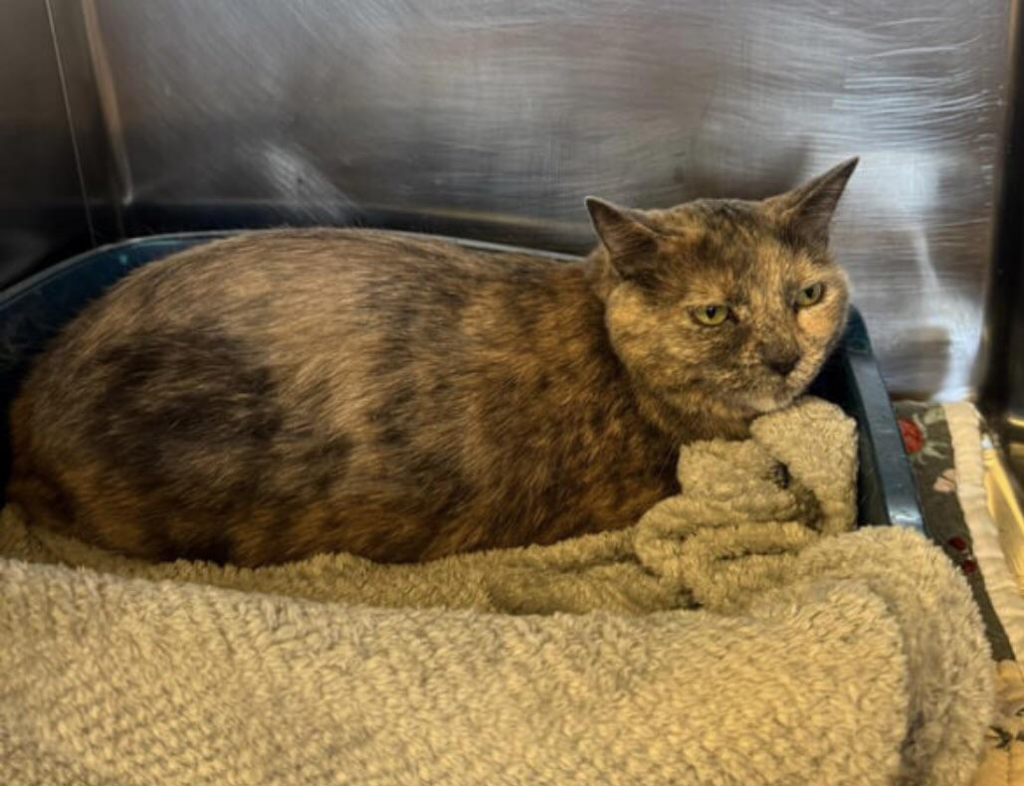
Pippa was 12 years old when her world suddenly stopped making sense.
For most of her life, she had known only one home and one person. She had routines, familiar smells, favorite spots to nap, and the quiet comfort that comes from years of companionship. Then her owner died and Pippa was left behind.
With no family able to take her in, Pippa was brought to a shelter. To staff, her intake paperwork was heartbreakingly brief: senior cat, owner deceased. To Pippa, it was something much heavier. Overnight, she lost not only the human she loved, but everything familiar.
Shelter workers say Pippa arrived confused and withdrawn. She stayed curled tightly in her bed, watching quietly as people passed. Unlike kittens who cry for attention, senior cats often grieve in silence. They sleep more, move less, and wait sometimes for someone who will never return.
Older animals face steep odds in shelters. While kittens are quickly adopted, senior cats like Pippa are often overlooked. Potential adopters worry about shorter lifespans, medical costs, or whether an older animal can adjust to a new home. As a result, many seniors spend months or their remaining years waiting.
But Pippa’s story began to change when shelter staff started sharing her background.
They told people about the life she had before the shelter. About how she once slept beside someone every night. About how she wasn’t “unwanted,” just unlucky. Slowly, visitors began to stop at her enclosure. They noticed her gentle demeanor, the way she leaned into soft pets once she felt safe.
What people saw wasn’t a “problem cat.”
They saw a cat in mourning.
Stories like Pippa’s highlight a quiet crisis in animal welfare: pets outliving their owners. As people age, many don’t have formal plans in place for their animals. When death comes unexpectedly, beloved pets can end up in shelters through no fault of their own, carrying grief they don’t understand.
Animal welfare advocates urge pet owners to include pets in end-of-life planning designating caretakers or rescue groups ahead of time. These small steps can prevent animals like Pippa from losing everything at once.
For Pippa, hope came in the form of patience. Whether through foster care, adoption, or simply compassionate attention, senior cats often blossom when given stability again. They may not play like kittens, but they offer something else: quiet companionship, gratitude, and deep emotional presence.
Her story resonated with many because it reflects a truth we don’t like to face: love doesn’t end neatly. When someone dies, those who depended on them are left navigating the aftermath.
Pippa didn’t understand why her person never came back.
But she still remembered how to love.
And with the right person, she still could.
Source: Shelter intake reports and animal welfare advocacy stories documenting senior cats surrendered after owners’ deaths; commentary from rescue organizations highlighting the challenges faced by elderly pets entering shelters due to loss of caregivers.
5:VIDEO SHOWS FIREFIGHTER USING SLEDGEHAMMER TO FREE DOG LIKELY TRAPPED FOR FIVE DAYS
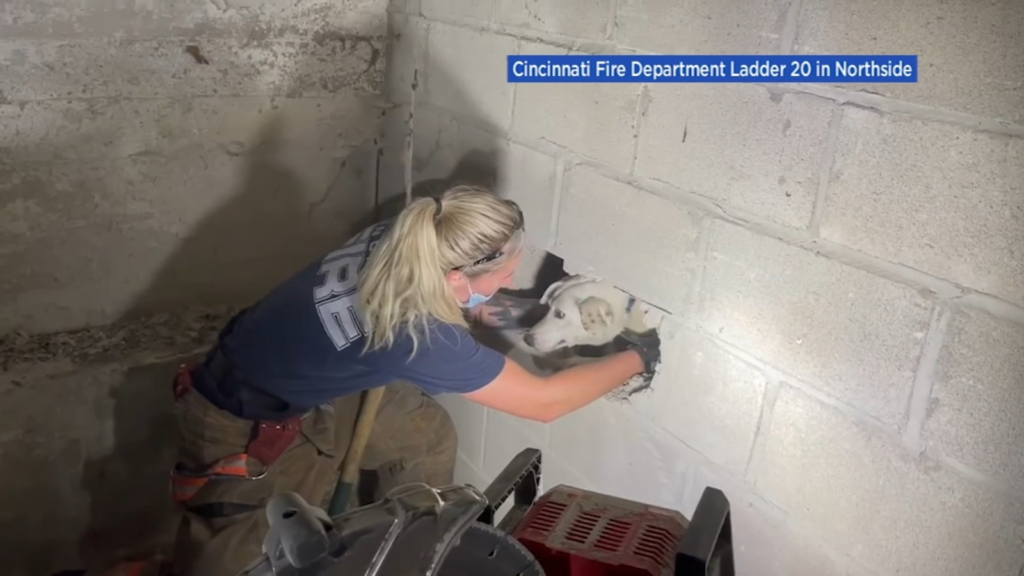
A dramatic rescue captured on video shows a firefighter using a sledgehammer to break through concrete and debris to save a dog believed to have been trapped for up to five days, a moment that has moved viewers and highlighted both the resilience of animals and the dedication of first responders.
The dog was discovered after neighbors reported hearing faint barking coming from an area where no animal should have been. At first, the sounds were sporadic, easy to dismiss as echoes or distant noise. But as days passed and the cries continued, concern grew. Eventually, emergency responders were called to investigate.
Firefighters traced the sound to a confined space likely behind a wall, under flooring, or within a collapsed structure where the dog had no clear way out. The animal had likely been trapped accidentally during construction, a structural collapse, or a sealed-off space, surviving without regular access to food, water, or light.
Realizing time was critical, one firefighter took decisive action.
Video footage shows the firefighter swinging a sledgehammer with precision and urgency, carefully breaking through the barrier while listening closely for the dog’s location. Each strike was measured—forceful enough to break through, but controlled to avoid injuring the animal on the other side.
After several tense moments, the opening was made.
The dog was found alive.
Weak, frightened, and dehydrated, the dog was carefully pulled to safety. Witnesses described the animal as exhausted but responsive, tail moving slightly, eyes alert, as if aware that help had finally arrived. Veterinary care was immediately arranged, and early reports indicated the dog was expected to recover.
Animal rescue experts say surviving that long in confinement is rare but not impossible. Dogs can endure extreme conditions when driven by instinct and hope, though prolonged entrapment often leads to dehydration, muscle weakness, and stress-related complications. That this dog survived speaks to both resilience and timing help arrived just soon enough.
The video spread rapidly online, drawing praise for the firefighter’s determination and compassion. Commenters noted that the rescue went beyond routine duty; it required listening, patience, and a willingness to physically break through barriers literally to save a life.
Fire departments often respond to animal rescue calls alongside fires, medical emergencies, and accidents. While such rescues don’t always make headlines, they reflect a broader mission: protecting life in all forms.
Officials reminded the public to report unusual sounds, especially persistent cries or barking coming from enclosed or abandoned spaces. Many animal rescues begin with someone choosing not to ignore what feels “off.”
The rescue also served as a reminder of how easily animals can become trapped during construction, storms, renovations, or accidents and how vital community awareness can be in preventing tragedy.
For one dog, five days of darkness ended with the sound of a sledgehammer and a human refusing to give up.
Sometimes, survival depends on someone willing to break through concrete
and listen closely enough to hear hope.
Source:Fire department rescue footage and local emergency response reports documenting a firefighter’s use of a sledgehammer to free a dog believed to have been trapped for several days; animal rescue and veterinary follow-up statements confirming the dog’s survival and recovery.
06:TEXAS ZOO INVITES BROKENHEARTED TO NAME COCKROACH AFTER EX
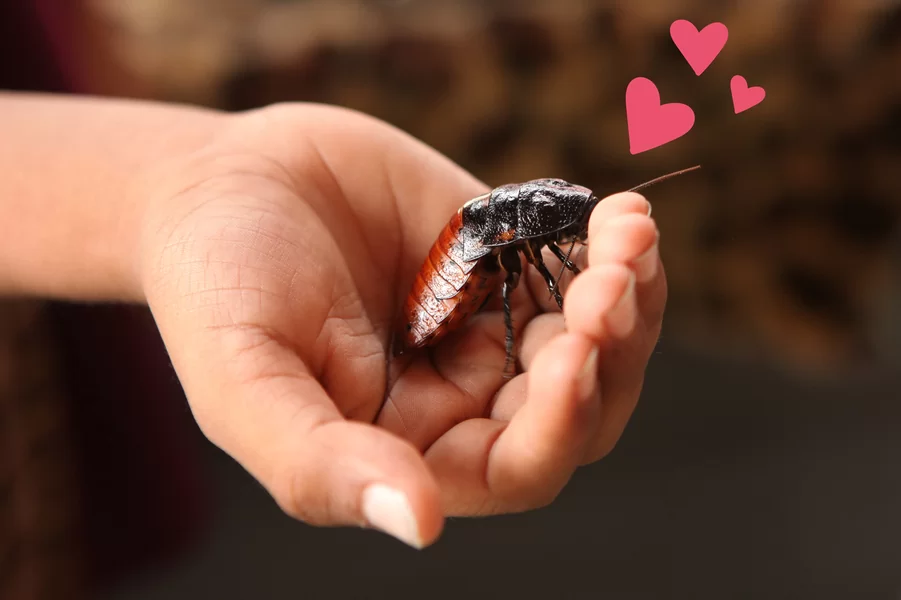
A Texas zoo has once again found a wildly creative way to help people cope with heartbreak by letting them name a cockroach after their ex. The viral Valentine’s-themed initiative, hosted by the San Antonio Zoo, has returned to much online fanfare, proving that humor can be a surprisingly effective form of emotional therapy.
Dubbed as a playful alternative to traditional Valentine’s Day celebrations, the program invites participants to symbolically “honor” a former partner by naming a cockroach, rodent, or other critter after them. For a small donation, contributors receive a digital certificate confirming that their ex’s name now lives on attached to an animal often regarded as resilient, unkillable, and slightly unsettling.
While the idea may sound petty at first glance, zoo officials emphasize that the campaign is all in good fun. It’s designed to help people laugh through the sting of breakups while supporting wildlife conservation and animal care. Funds raised through the initiative directly benefit the zoo’s educational programs, veterinary services, and habitat preservation efforts.
The cockroach option, however, remains the most popular choice and for obvious reasons. Known for their survival instincts and ability to thrive in nearly any environment, cockroaches have become an oddly symbolic stand-in for unforgettable exes who refuse to disappear from memory. Social media users have eagerly shared screenshots of their certificates, often pairing them with tongue-in-cheek captions about closure, growth, and finally “letting it go.”
Zoo representatives say the campaign consistently draws thousands of participants each year, many of whom are repeat contributors. Some take a lighthearted approach, naming insects after exes they’ve long moved on from, while others see it as a cathartic ritual after a recent breakup. Either way, the shared laughter has helped the campaign gain international attention.
Mental health professionals have even weighed in on the trend, noting that humor can be a healthy coping mechanism when dealing with emotional pain. While naming a cockroach doesn’t erase heartbreak, it can provide a moment of levity, something many people desperately need during emotionally charged holidays like Valentine’s Day.
Beyond the laughs, the zoo hopes the campaign also sparks curiosity about misunderstood creatures. Cockroaches, despite their bad reputation, play important roles in ecosystems by breaking down organic matter and supporting nutrient cycles. By spotlighting them in a humorous context, the zoo subtly encourages people to rethink their biases toward less “cute” animals.
In a season often dominated by romantic pressure, the Texas zoo’s initiative stands out for embracing all emotional experiences, not just love, but loss too. Whether participants are newly single, happily over an ex, or just joining in for fun, the campaign sends a clear message: heartbreak happens, laughter helps, and even cockroaches deserve a little recognition.
Source: San Antonio Zoo official announcements and coverage by U.S. entertainment and lifestyle media outlets.
07:Wild mice (and many other wild animals) will run on an exercise wheel, even when not in a cage, just because they like it.
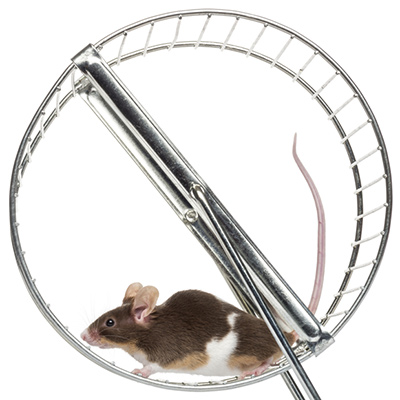
It sounds unbelievable, but it’s true: wild mice and even other wild animals will voluntarily run on exercise wheels, even when the wheel is placed outdoors and they’re completely free to leave.
Scientists discovered this while studying animal behavior using motion-activated cameras. They set up running wheels in natural environments, fields, forests, and backyards expecting little interest. Instead, wild mice ran on them enthusiastically, often returning night after night. What surprised researchers most was that the animals weren’t trapped, trained, or rewarded with food. They simply chose to run.
Even more fascinating: it wasn’t just mice. Shrews, rats, frogs, slugs, and other small animals were observed hopping on and using the wheels. Some animals ran for several minutes at a time, showing patterns similar to captive mice in labs. This strongly suggests that wheel-running isn’t a stress response caused by captivity as was long assumed but a naturally enjoyable activity for many animals.
For decades, scientists believed rodents ran on wheels in cages because they were bored, anxious, or exhibiting compulsive behavior. These outdoor observations challenged that idea. If a wild mouse, surrounded by predators and free to forage or hide, still chooses to run, then the behavior likely taps into something deeper, possibly play, exploration, or an instinctive reward system linked to movement.
Researchers now think voluntary running may help animals regulate energy, sharpen coordination, or simply experience stimulation similar to how humans enjoy jogging, dancing, or cycling even when no one forces them to. Movement itself can be rewarding to the brain.
The findings also sparked broader conversations about animal welfare and enrichment. If animals naturally enjoy certain activities, providing opportunities for voluntary movement rather than assuming it’s a sign of distress can change how we design habitats, labs, and conservation spaces.
In short, the humble exercise wheel turns out not to be a symbol of captivity after all. For many wild creatures, it’s just… fun.
08:Four-legged animals like horses and dogs don’t have backward knees. Those joints are actually their ankles, which bend in the same direction as our ankles do
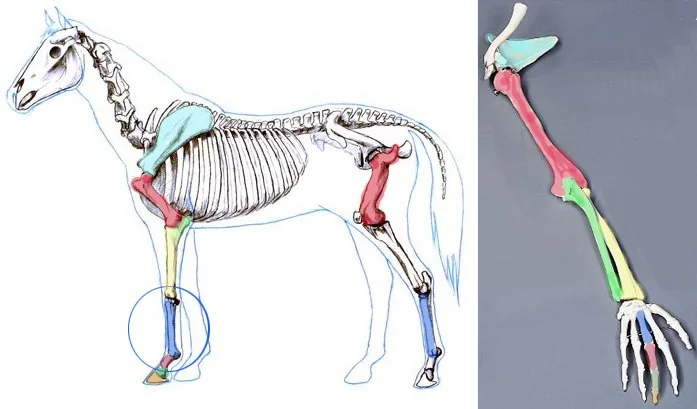
At first glance, the legs of four-legged animals like dogs, horses, and cats can seem confusing. Many people assume these animals have “backward knees” because of the sharp joint that bends in the opposite direction of our own knees. In reality, this is a common anatomical illusion. That joint isn’t a knee at all, it’s the ankle, also known as the hock in animals like horses and dogs.
To understand this, it helps to compare animal legs to human legs more carefully. Humans walk upright, placing the sole of the foot flat on the ground. Animals such as dogs and horses, however, walk on their toes. This posture is called digitigrade (dogs and cats) or unguligrade (horses). Because of this, much of what we think of as an animal’s “lower leg” is actually equivalent to the long bones of our feet.
The true knee of a dog or horse is higher up, closer to the body, and often hidden by muscle and fur. Below that knee is a long shin-like bone, followed by the ankle joint the part that bends backward. From there, the bones extend downward into what are essentially elongated feet, ending in toes or hooves that touch the ground.
When you look at a dog sitting down, you can sometimes spot the real knee folded near the torso. The dramatic backward bend lower on the leg is the ankle flexing, just like when a human points their toes or stands on tiptoe. The motion is biomechanically similar; it just looks different because of the animal’s posture and proportions.
This structure offers important advantages. Walking on toes allows animals to move faster and more efficiently. It lengthens the stride, reduces contact with the ground, and helps absorb shock during running and jumping. For prey animals like horses, this design supports speed and endurance, while for predators like dogs, it enables quick bursts of acceleration and agility.
The misunderstanding persists largely because humans are plantigrade walkers we use our whole foot. Since we don’t normally see our own ankles raised high off the ground, it’s easy to misinterpret what we’re seeing on animals. Once you imagine a human walking permanently on tiptoe, with heels lifted and knees higher up, the comparison becomes much clearer.
So, despite appearances, four-legged animals don’t have oddly reversed knees. Their legs are built on the same basic skeletal blueprint as ours, just adapted for speed, balance, and life on four limbs. The next time you watch a dog run or a horse gallop, you’ll be seeing familiar anatomy just cleverly rearranged by evolution.
Sources:Encyclopaedia Britannica – Mammalian locomotion and limb structure
09:Chipmunks and other small rodents have fast reaction time because they process light faster. They see the world in slow motion
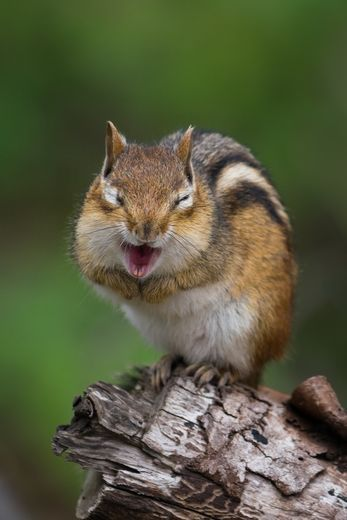
Chipmunks, mice, squirrels, and other small rodents are famous for their lightning-quick reactions. A sudden sound or shadow sends them darting away in a blur, often before a predator or a human fully realizes what’s happening. This remarkable speed isn’t just about muscles or reflexes. A major reason lies in how these animals see the world.
Small rodents process visual information significantly faster than humans. Their eyes and brains are adapted to detect rapid changes in light, allowing them to perceive more visual “frames” per second. In scientific terms, they have a higher temporal resolution of vision. While humans experience the world as a smooth stream of images, rodents receive and process more visual snapshots within the same amount of time. As a result, motion appears slower and more detailed to them almost like slow motion.
This ability is especially useful for survival. Chipmunks and similar animals sit low on the food chain and face constant threats from birds, snakes, and larger mammals. Predators often rely on sudden movement to catch prey. By processing light faster, rodents can detect even the slightest motion of a wing flicker, a shifting shadow, or a predator adjusting its stance and respond instantly.
In contrast, humans trade speed for detail. Our visual system prioritizes color accuracy, depth perception, and fine detail, which is ideal for reading, recognizing faces, and navigating complex environments. Rodents, however, prioritize timing over detail. Many have limited color vision but exceptional sensitivity to movement. This makes them perfectly suited for environments where reacting quickly matters more than seeing vividly.
Scientists often measure this difference using something called flicker fusion frequency—the point at which a flickering light appears steady. Rodents can detect flicker at much higher rates than humans, meaning they can distinguish rapid changes in light that we would perceive as continuous. What looks like a smooth motion to us may appear as a sequence of clearly defined movements to them.
This “slow motion” perception explains why it’s so difficult to catch or surprise a chipmunk. When a human reaches out, the movement seems sudden to us, but to the animal, it unfolds more gradually, giving it precious extra milliseconds to escape. Those milliseconds can mean the difference between life and death in the wild.
The same principle applies across many small animals, including insects and birds. Generally, the smaller the animal and the higher its metabolic rate, the faster its sensory processing tends to be. Evolution has shaped these systems to maximize survival under constant threat.
So while chipmunks may look frantic and jittery to us, from their perspective the world is calmer, slower, and full of advance warning. Their superpower isn’t just speed, it’s time itself, stretched just enough to let them stay one step ahead.
Sources:Royal Society Publishing – Temporal resolution of vision in animals
10:The panda’s gut isn’t suited to digesting bamboo and can only digest 17% of the bamboo it eats. Instead, it is more suited to eating meat, like other species of bears.
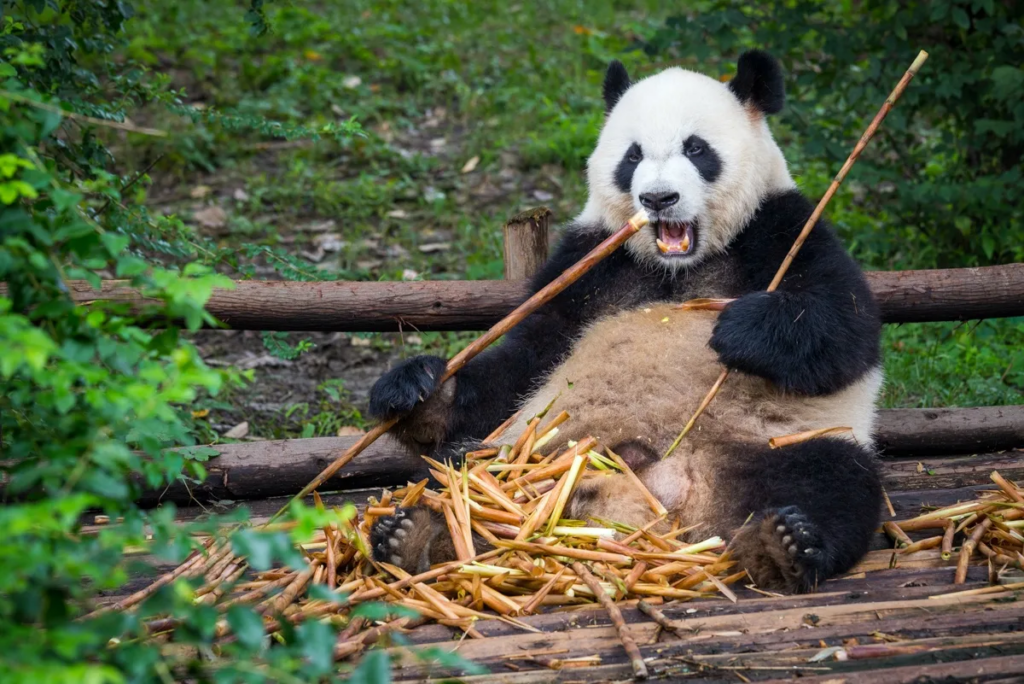
Giant pandas are famously associated with bamboo, often portrayed as gentle vegetarians spending most of their day chewing stalks and leaves. Yet beneath this iconic image lies a surprising biological contradiction: the panda’s digestive system is not designed for a plant-based diet. In fact, pandas can digest only around 17% of the bamboo they consume, making their diet one of the least efficient among mammals.
From an evolutionary standpoint, pandas belong to the bear family, which is largely omnivorous or carnivorous. Their digestive tract closely resembles that of other bears that eat meat. Unlike herbivores such as cows or deer, pandas lack a complex, multi-chambered stomach and do not possess the specialized gut microbes needed to efficiently break down cellulose the tough fiber that makes up bamboo.
Herbivores typically rely on fermentation chambers or extended digestive systems to extract nutrients from plant matter. Pandas, however, have a short, simple gut more suited to digesting meat and protein. This means most of the bamboo they eat passes through their system largely undigested. To compensate, pandas must eat enormous quantities, often 26 to 84 pounds (12–38 kg) of bamboo every day just to meet their basic energy needs.
Adding to the paradox, pandas still retain physical traits associated with carnivory. Their skulls and jaw muscles are extremely powerful, originally evolved for killing prey, not grinding plants. Their teeth, while flatter than those of fully carnivorous bears, are not nearly as specialized as those of true herbivores. Even more telling, pandas possess the genes for digesting meat and the enzymes associated with carnivorous diets, despite rarely consuming animal protein in the wild.
So why did pandas switch to bamboo at all? Scientists believe this dietary shift occurred millions of years ago, likely due to ecological pressure and competition for food. Bamboo was abundant, low in competition, and available year-round in their habitat. Over time, pandas adapted behaviorally, developing strong jaws, a pseudo-thumb for gripping bamboo, and long feeding hours rather than evolving a fully herbivorous digestive system.
Interestingly, pandas will still eat meat when given the opportunity. In the wild, they have been observed consuming small animals or scavenging carcasses, though this makes up a very small portion of their diet today. Their reliance on bamboo is more a matter of survival strategy than biological preference.
This inefficient digestion comes at a cost. Pandas have low energy levels, sleep frequently, move slowly, and reproduce at very low rates. Their dependence on a single food source also makes them highly vulnerable to habitat loss and environmental change.
In essence, the giant panda is a carnivore trapped in a herbivore’s lifestyle surviving not because bamboo is ideal, but because evolution found a workaround. It’s a striking reminder that evolution doesn’t always produce perfect solutions, just ones that are “good enough” to persist.
Sources:National Geographic – Giant panda diet and digestion
11:In 1926, a raccoon named Rebecca was sent to the White House to be served for Thanksgiving dinner, but the Coolidge family kept her as a pet instead.
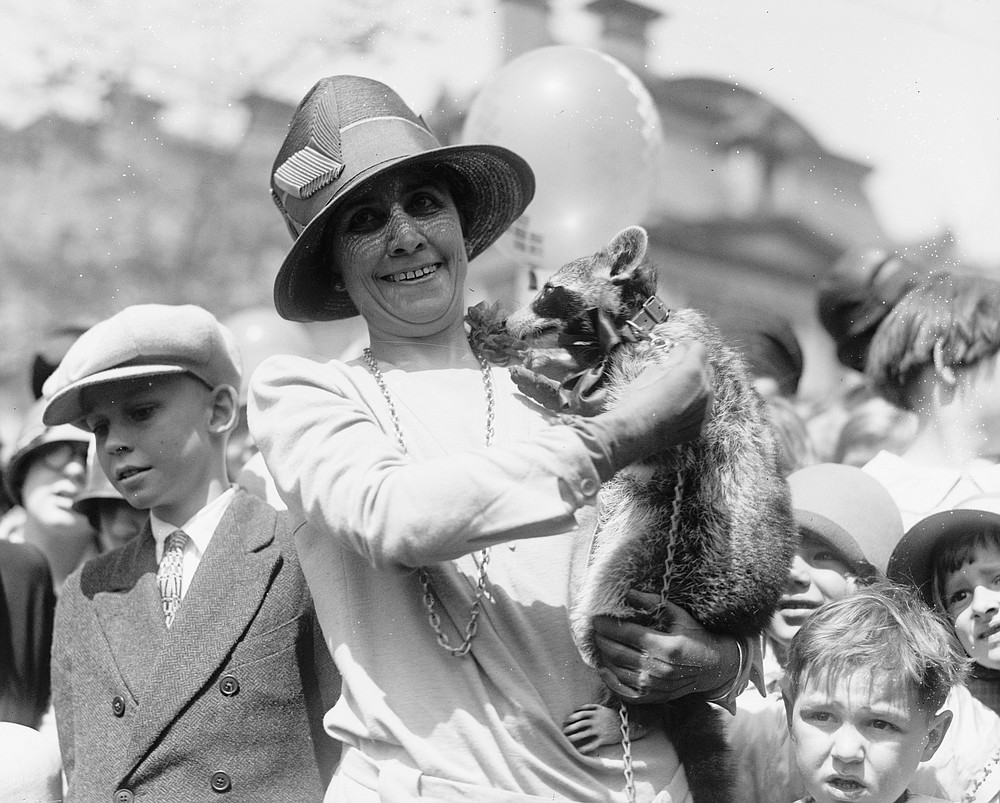
In one of the most unusual Thanksgiving stories in American history, a raccoon named Rebecca narrowly escaped becoming the main course at the White House. In 1926, during the presidency of Calvin Coolidge, Rebecca was sent to the White House as a gift intended to be served for Thanksgiving dinner.
At the time, raccoon meat was considered a delicacy in some parts of the United States, especially in rural areas. The animal was reportedly sent from Mississippi to Washington, D.C., specifically for the Coolidge family’s holiday meal. There was nothing unusual about receiving live animals as gifts in that era, but Rebecca’s fate took an unexpected turn.
President Coolidge and First Lady Grace Coolidge quickly grew fond of the raccoon. Rather than seeing her as dinner, they found her charming and gentle. Grace Coolidge, known for her love of animals, was particularly taken with Rebecca’s calm temperament. Instead of being slaughtered, Rebecca was officially pardoned and not in the symbolic turkey sense.
Rebecca became a full-fledged White House pet, complete with a custom collar and a name that reportedly came from her “remarkable” personality. She joined an already crowded menagerie at the Coolidge White House, which included dogs, cats, birds, and even a pygmy hippopotamus named Billy. The Coolidge’s were famous for their affection toward animals, and Rebecca fit right in.
The raccoon was even invited to participate in the White House’s public Easter Egg Roll, where she delighted visitors and children alike. Newspapers of the time covered her story with enthusiasm, turning Rebecca into a minor national celebrity. Her transformation from intended feast to beloved companion captured the public imagination and softened the Coolidge administration’s image.
Rebecca’s story also highlights how cultural attitudes toward animals were beginning to shift in the early 20th century. While wild game was still commonly eaten, animals were increasingly viewed as companions rather than commodities, especially in urban settings. The idea that a potential meal could instead become a pet resonated with many Americans.
Eventually, as caring for a raccoon in the White House became impractical, Rebecca was relocated to the Rock Creek Park Zoo in Washington, D.C., where she lived out her life comfortably. Her story, however, lived on as one of the quirkiest and most heartwarming presidential anecdotes.
Today, Rebecca the raccoon is remembered as a symbol of compassion, whimsy, and the unpredictability of history. What began as a Thanksgiving dinner plan ended as a reminder that sometimes, kindness and a change of heart can rewrite an animal’s destiny.
Sources:White House Historical Association – Presidential pets of the Coolidge era
12:Miniature horses are considered service animals under The Americans with Disabilities Act and are used for people with a fear of dogs
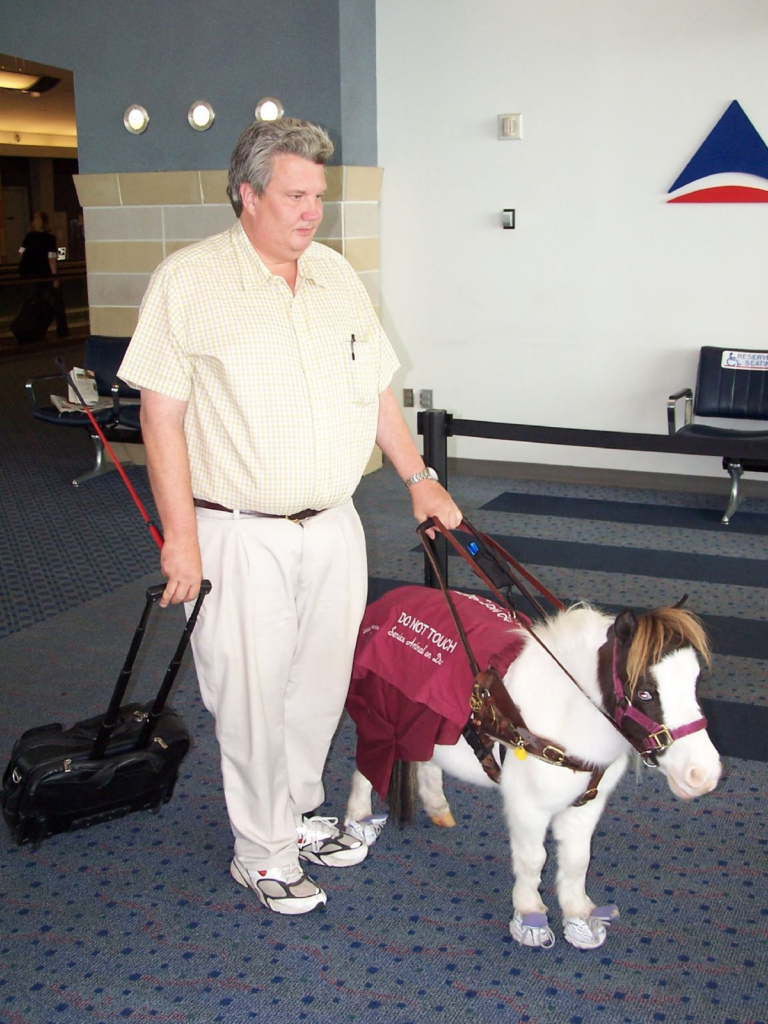
When most people think of service animals, dogs almost always come to mind. However, under the Americans with Disabilities Act (ADA), miniature horses are also officially recognized as service animals. Though far less common than dogs, these small but capable animals play a vital role for individuals whose needs or fears make dogs unsuitable.
The ADA allows miniature horses to be used as service animals provided they are individually trained to perform specific tasks for a person with a disability. This legal recognition was added in 2010, acknowledging that service work doesn’t have a one-size-fits-all solution. For some people, miniature horses are not just an alternative, they are the best option.
One of the most important reasons miniature horses are used is for individuals who have an intense fear of dogs (cynophobia), allergies, or religious or cultural concerns involving dogs. For these individuals, a dog-based service animal may be distressing or impractical. Miniature horses offer similar assistance without triggering those issues.
Beyond fear avoidance, miniature horses have several unique advantages. They are highly intelligent, calm, and social animals with excellent vision especially at night and in low-light conditions. This makes them particularly effective as guide animals for people who are blind or visually impaired. In some cases, their vision and spatial awareness rival or even exceed that of guide dogs.
Another major benefit is longevity. While service dogs typically work for 8–10 years, miniature horses can live and work for 25–30 years. This extended lifespan allows for long-term partnerships, reducing the emotional and logistical burden of replacing a service animal multiple times over a person’s life.
Physically, miniature horses are strong and stable. They can support more weight than dogs, making them suitable for individuals who need balance assistance or physical support while walking or standing. Their hooves also provide excellent traction on various surfaces, and they remain steady in crowded or noisy environments.
That said, the ADA does allow businesses and public facilities to consider practical factors when accommodating miniature horses. These include the horse’s size, whether the facility can reasonably accommodate it, whether the animal is housebroken, and whether it can be controlled by its handler. Most trained miniature service horses meet these requirements, including being fully house-trained and comfortable navigating indoor spaces.
Miniature horses used as service animals undergo extensive training, often beginning at a young age. They learn to remain calm in public, ignore distractions, follow complex commands, and perform specific disability-related tasks. When properly trained, they are quiet, gentle, and highly dependable.
Though rare, miniature horse service animals represent an important reminder that accessibility is about flexibility and inclusion. For people who cannot rely on dogs, these remarkable animals open doors literally and figuratively allowing greater independence, confidence, and mobility in everyday life.
Sources:U.S. Department of Justice – ADA Requirements: Service Animals
13:A leopard seal once tried to teach a National Geographic photographer how to hunt.
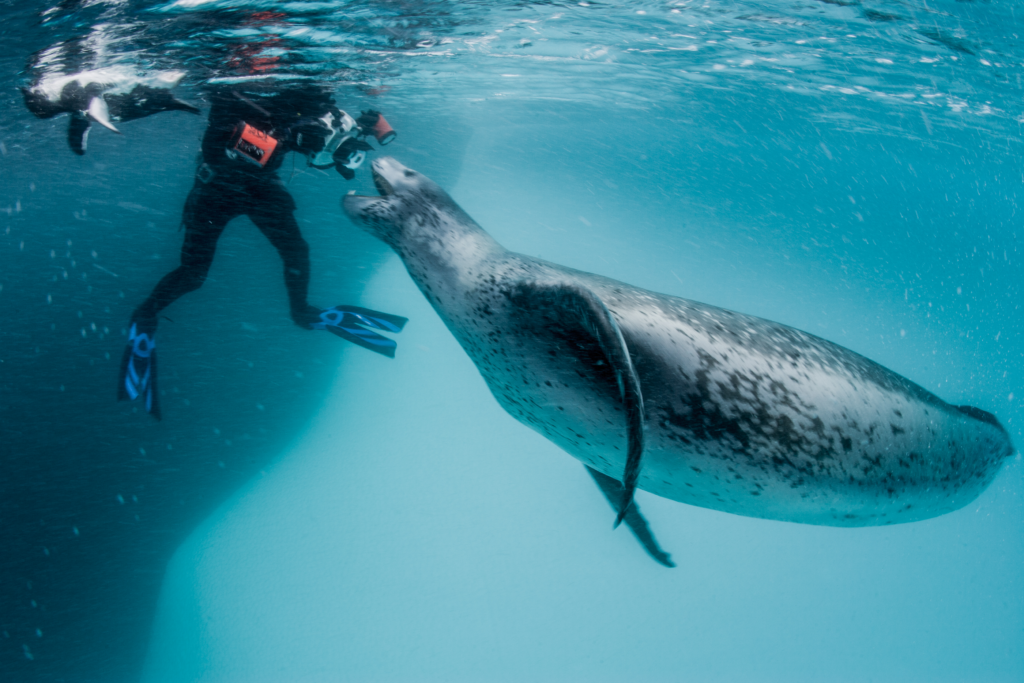
In one of the most extraordinary human–wildlife encounters ever documented, a leopard seal appeared to try teaching a human how to hunt. The event took place in Antarctica and involved renowned wildlife photographer Paul Nicklen, who was on assignment for National Geographic.
Leopard seals are among Antarctica’s top predators. Powerful, intelligent, and known for hunting penguins and even other seals, they are not animals humans typically associate with gentleness. So when Nicklen entered the icy waters to photograph one, he was well aware of the potential danger. What happened next defied every expectation.
Instead of attacking, the massive leopard seal, later identified as a female, began bringing Nicklen live penguins. At first, he was confused and terrified, unsure whether the seal was being aggressive or playful. When he didn’t take the penguins, she tried again. And again. Sometimes she even released the penguin right in front of him, seemingly encouraging him to practice killing it himself.
From the seal’s perspective, experts believe this behavior resembled teaching. In the wild, leopard seal mothers actively train their pups to hunt by bringing them live prey, allowing them to learn essential survival skills. The seal may have perceived Nicklen as a clumsy, helpless creature, something like an oversized, hairless pup that clearly didn’t know how to feed itself.
Nicklen later explained that the seal appeared increasingly concerned when he failed to eat. At one point, she reportedly pressed a dead penguin against his face, as if insisting he try. Rather than aggression, her actions seemed driven by empathy or instinctive caregiving behavior.
This encounter offers rare insight into the cognitive and emotional complexity of leopard seals. It challenges the idea that wild predators operate purely on instinct or aggression. Instead, it suggests that at least some animals can recognize distress, vulnerability, or incompetence in another being—even one of a completely different species and respond with adaptive, social behavior.
Importantly, this wasn’t anthropomorphism applied after the fact. Marine biologists familiar with leopard seal behavior have noted that the seal’s actions closely mirrored documented teaching behaviors seen between mothers and pups. The seal adjusted her strategy multiple times, switching between live and dead prey when Nicklen didn’t respond as expected.
The moment has since become iconic in wildlife storytelling, often cited as an example of cross-species empathy and intelligence. It also underscores the importance of respectful observation in nature. Nicklen remained calm, non-threatening, and observant allowing the interaction to unfold without provoking fear or dominance.
While leopard seals are still apex predators and can be dangerous, this remarkable encounter serves as a reminder that wild animals are not mindless machines. They are capable of curiosity, adaptation, and occasionally astonishing compassion.
For a brief moment in the frozen waters of Antarctica, a human wasn’t prey or threat but a student.
Source:National Geographic – Paul Nicklen, “Leopard Seal Interaction in Antarctica”
14:EXTINCT BARBARY LION CUBS BORN IN CZECH REPUBLIC ZOO
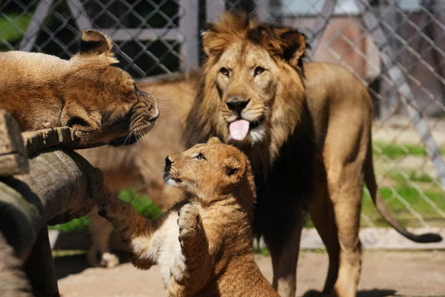
Lion cubs believed to be descendants of the extinct Barbary lion were born at a zoo in the Czech Republic. The rare birth has sparked hope and debate about conservation and lost species.
A zoo in the Czech Republic has welcomed the birth of lion cubs believed to descend from the Barbary lion, a subspecies officially declared extinct in the wild. The arrival of the cubs has captured global attention, reigniting conversations about conservation, genetics, and what “extinction” truly means in the modern era.
The Barbary lion once roamed North Africa, stretching from Morocco to Egypt, and was famed for its size and distinctive mane. Centuries of hunting, habitat loss, and colonial-era exploitation led to its disappearance, with the last confirmed wild Barbary lions believed to have been killed in the mid-20th century. Since then, the subspecies has existed only in history books — or so it was thought.
While no genetically pure Barbary lions are confirmed to exist today, scientists believe that some captive lions, particularly those historically kept by royal families and zoos, may carry Barbary lineage. These animals are often referred to as “Barbary descendants” rather than true Barbary lions an important distinction emphasized by conservation experts.
The cubs born in the Czech zoo are part of a carefully managed breeding program involving lions thought to carry this ancestral bloodline. Zoo officials described the birth as a rare and meaningful moment, representing years of genetic tracking, international cooperation, and conservation-focused breeding.
Still, the announcement has sparked debate. Some experts caution against labeling the cubs as “extinct Barbary lions,” stressing that without definitive genetic proof, such claims can be misleading. Others argue that preserving even partial genetic heritage is valuable especially when original subspecies have been lost due to human actions.
What’s clear is that the birth highlights how conservation has evolved. Modern efforts are no longer just about protecting animals in the wild, but also about safeguarding genetic diversity in captivity. For species lost to history, managed breeding programs may be the closest link humanity has left.
Zoo officials say the cubs are healthy, active, and being closely monitored by veterinary staff. They will remain under human care, serving as ambassadors for conservation education rather than candidates for rewilding — at least for now.
The story has resonated strongly with the public, many of whom see the cubs as symbols of second chances. Images of the tiny lions have spread rapidly online, prompting emotional reactions and renewed interest in endangered species protection.
Conservationists hope the attention will translate into broader support for wildlife preservation, emphasizing that extinction is often the result of human choices — and that proactive protection can prevent similar losses in the future.
While the Barbary lion may never truly return to its original habitat, the birth of these cubs offers something powerful: a reminder of what was lost, what remains, and what responsibility humans carry toward the natural world.
In a time when biodiversity is under increasing threat, even symbolic victories matter. These cubs may not reverse extinction — but they ensure the Barbary lion’s legacy is not entirely forgotten.
15:”LONELIEST LION” FINALLY FINDS FREEDOM IN SOUTH AFRICA
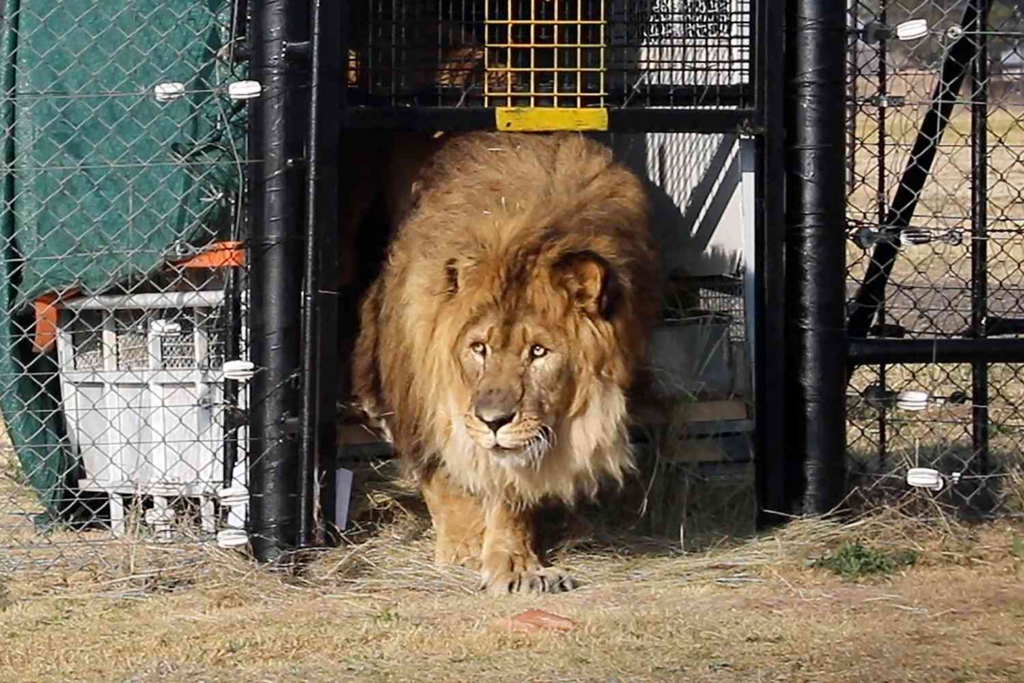
For years, he lived alone cut off from his own kind, confined to a life that offered little more than survival. Known around the world as the “Loneliest Lion,” his story became a heartbreaking symbol of captivity and neglect. Now, after a long and carefully planned rescue, that story has taken a hopeful turn.
The lion spent much of his life in isolation, housed in conditions far from what a wild animal is meant to experience. Without pride, without stimulation, and without space to roam, his days blurred together in solitude. Animal welfare groups described his situation as emotionally and physically damaging, noting that lions are highly social animals who suffer deeply when deprived of interaction.
Public awareness grew as images and reports of his isolation spread online. Advocacy groups began pushing for intervention, arguing that the lion deserved a life with dignity or at the very least, the chance to experience something closer to it. After years of pressure, negotiations, and logistical challenges, a rescue plan was finally put into motion.
Transporting a large predator across borders is no simple task. Veterinarians, wildlife experts, and sanctuary staff worked together to ensure the lion’s safety throughout the journey. Every step from sedation to transport conditions was meticulously planned to minimize stress and risk.
His destination: a protected reserve in South Africa.
Upon arrival, the lion was introduced to a spacious, natural environment designed to prioritize his well-being. Rolling grasslands replaced concrete. Open skies replaced enclosures. For the first time in years, he could walk freely, feel the earth beneath his paws, and experience the rhythms of a life closer to nature.
Caregivers described the moment as emotional. Observers noted cautious curiosity in his movements a mix of uncertainty and instinct awakening. While full integration with other lions may take time, experts say even the ability to exist in a more natural setting is a profound improvement.
The transition isn’t without challenges. Years of isolation can leave lasting psychological scars, and rehabilitation will be gradual. The lion will continue to be monitored closely, with his comfort and safety guiding every decision. Freedom, in this case, is not a sudden release, it’s a careful, compassionate process.
Animal welfare advocates see his rescue as more than a single victory. They hope it draws attention to the countless other animals still living in isolation, captivity, or exploitative conditions worldwide. The story underscores the growing recognition that animal welfare isn’t just about survival it’s about quality of life.
For supporters who followed his journey, the rescue represents accountability and persistence paying off. It proves that sustained advocacy can lead to real change, even when the odds seem overwhelming.
The “Loneliest Lion” may not understand the global attention his story received but he doesn’t need to. What matters is that his days are no longer defined by loneliness.
In the wide open spaces of South Africa, he has something he was once denied: freedom, dignity, and the chance to simply be a lion again.
.
16:OLDEST MALE PANDA DIES IN HONG KONG AT AGE 35
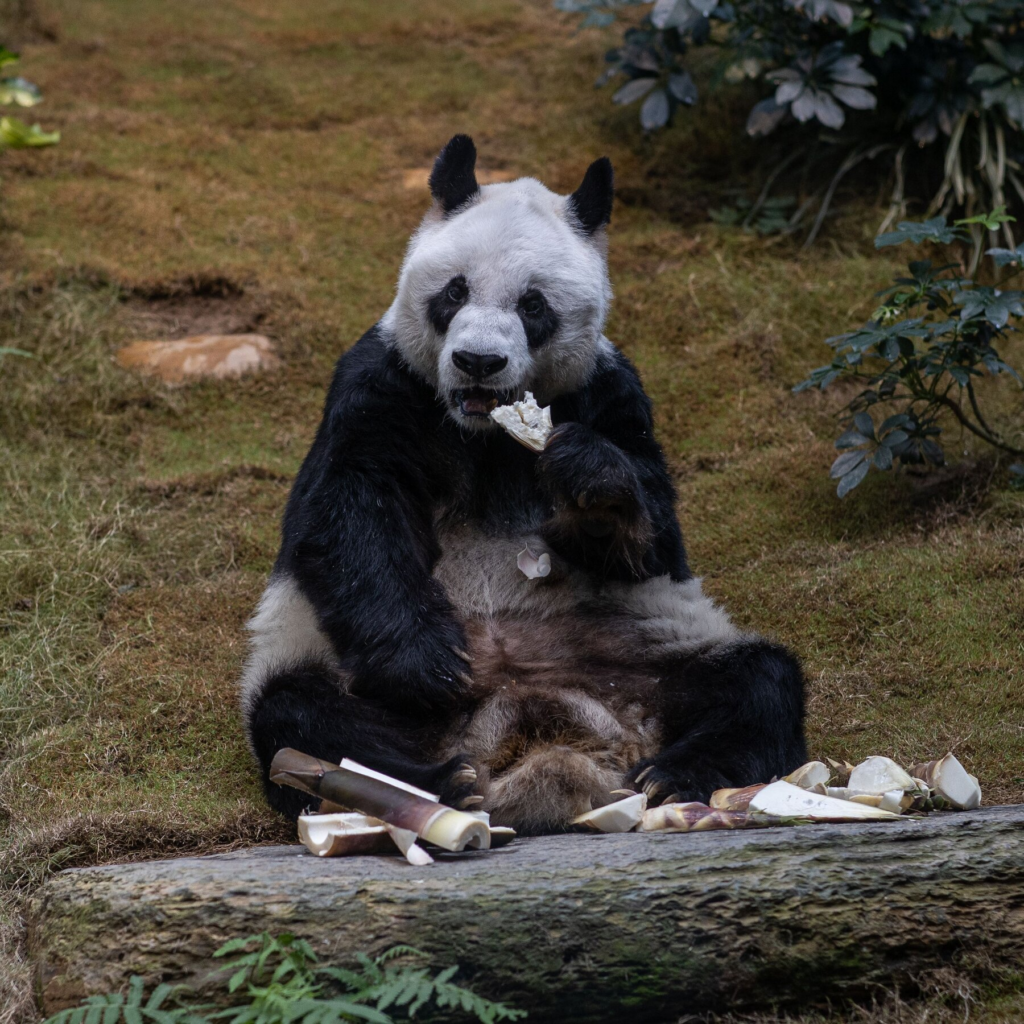
The world’s oldest known male giant panda has died in Hong Kong at the age of 35, marking a significant moment in global wildlife conservation. The panda, who lived at Ocean Park Hong Kong, passed away after experiencing a decline in health related to advanced age, according to park officials.
At 35 years old, the panda far surpassed the average lifespan of giant pandas, which typically ranges from 15 to 20 years in the wild and slightly longer in human care. In panda years, his age was considered equivalent to more than 100 human years making his longevity exceptional even by captive-care standards.
Ocean Park staff described his final days as closely monitored and peaceful, with veterinarians providing round-the-clock care. As his condition worsened, he reportedly showed signs of decreased appetite and mobility, both common in elderly pandas. The decision was made to prioritize comfort and dignity in his final moments.
The panda had long been a beloved resident of the park and a favorite among visitors. For decades, he served as an ambassador for his species, helping to raise awareness about conservation efforts aimed at protecting giant pandas and their shrinking natural habitats in China.
His presence in Hong Kong also carried symbolic importance. Giant pandas are often regarded as symbols of friendship and cooperation, and his long life became a point of pride for both the park and the city. Tributes quickly poured in from animal lovers and conservationists around the world following the announcement of his death.
Experts say his extraordinary lifespan highlights the advances made in veterinary medicine, nutrition, and animal care. Carefully managed diets, enriched environments, and preventative medical treatment all contributed to his ability to live far beyond expectations. At the same time, his passing underscores the vulnerability of aging animals, even under the best conditions.
Conservation organizations emphasized that while death is a loss, it also reflects progress. Decades ago, such longevity for a giant panda would have been nearly unimaginable. Today, improved care standards are allowing pandas to live longer, healthier lives providing valuable insight into aging, disease prevention, and species management.
Ocean Park officials stated that his enclosure will remain a place of remembrance in the short term, allowing staff and visitors to honor his life and legacy. Educational programming will continue to focus on giant panda conservation, ensuring that his impact lives on beyond his years.
The death of the world’s oldest male panda is a poignant reminder of both the fragility and resilience of endangered species. While his loss is deeply felt, his long life stands as a testament to what dedicated conservation efforts can achieve.
As Hong Kong mourns one of its most iconic animal residents, the panda’s story leaves behind a powerful legacy one of endurance, care, and the ongoing responsibility humans carry to protect the natural world.

Leave a Comment