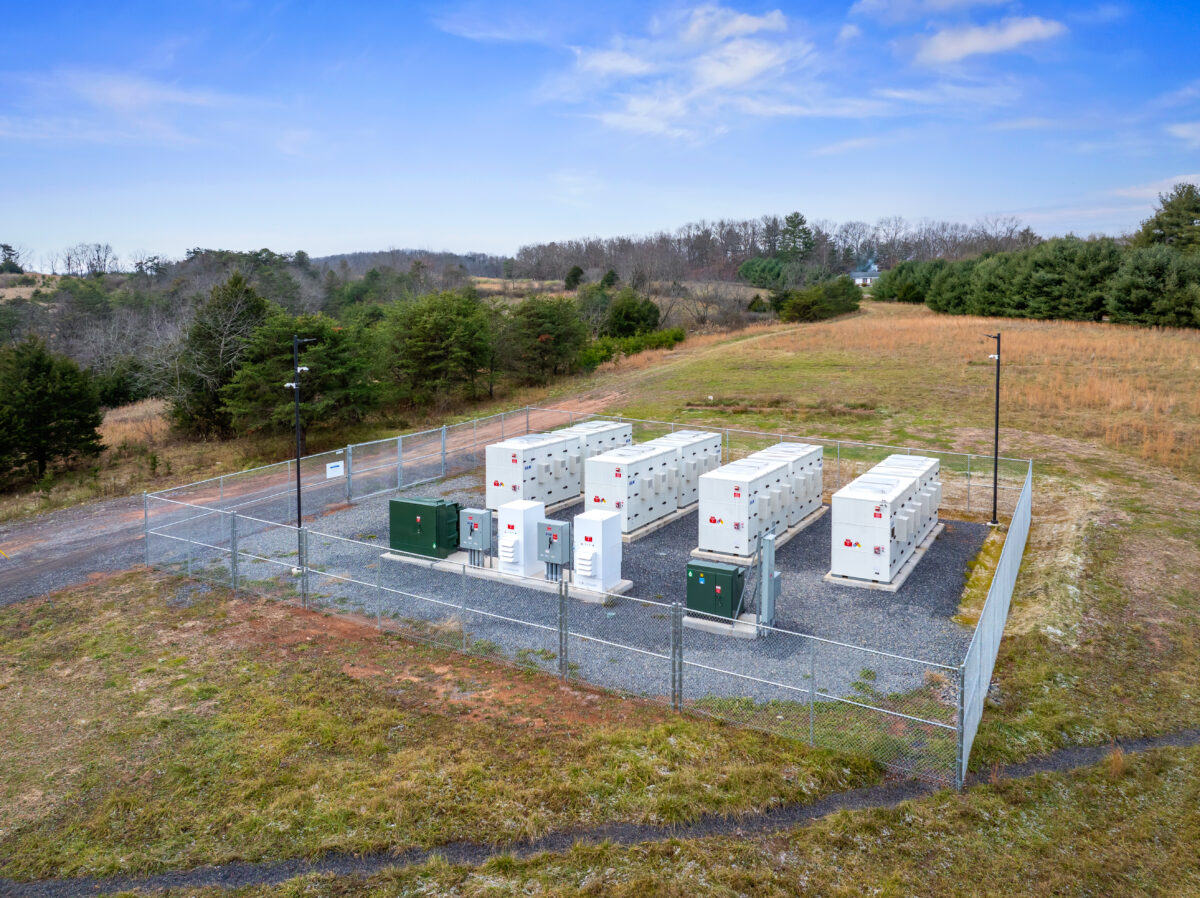

The United States is undergoing a dramatic expansion in utility-scale battery storage, driven by the urgent need to integrate surging renewable energy sources like solar and wind into the grid while addressing rising electricity demand from data centers, electrification, and economic growth.
According to the U.S. Energy Information Administration’s (EIA) Short-Term Energy Outlook, utility-scale battery capacity—referring to large systems over 1 MW connected to the power sector—is projected to reach nearly 65 GW (specifically around 64.9 GW) by the end of 2026.
This represents more than a doubling from earlier levels, such as the roughly 28 GW anticipated at the close of the first quarter of 2025 or the lower figures around 17–26 GW seen in prior years. This explosive growth stems from falling battery costs, federal incentives like the Investment Tax Credit, and the necessity for storage to manage the intermittency of renewables—storing excess daytime solar generation for evening peaks or smoothing wind variability.
States like California and Texas lead deployments, with Texas’s ERCOT grid alone planning massive additions to support its renewable-heavy mix. Batteries enhance grid reliability, reduce reliance on fossil fuel peaker plants, and enable higher renewable penetration without risking blackouts.
However, challenges loom, including supply chain adjustments for domestic manufacturing, potential policy shifts affecting imports, and stricter sourcing rules for tax credits starting in 2026, which some analysts warn could temporarily slow installations.
Despite these hurdles, the trajectory signals batteries evolving from a supplementary technology to essential infrastructure for a cleaner, more resilient U.S. electricity system. By late 2026, this near-65 GW milestone will mark a pivotal step toward decarbonization and energy security.


Leave a Comment