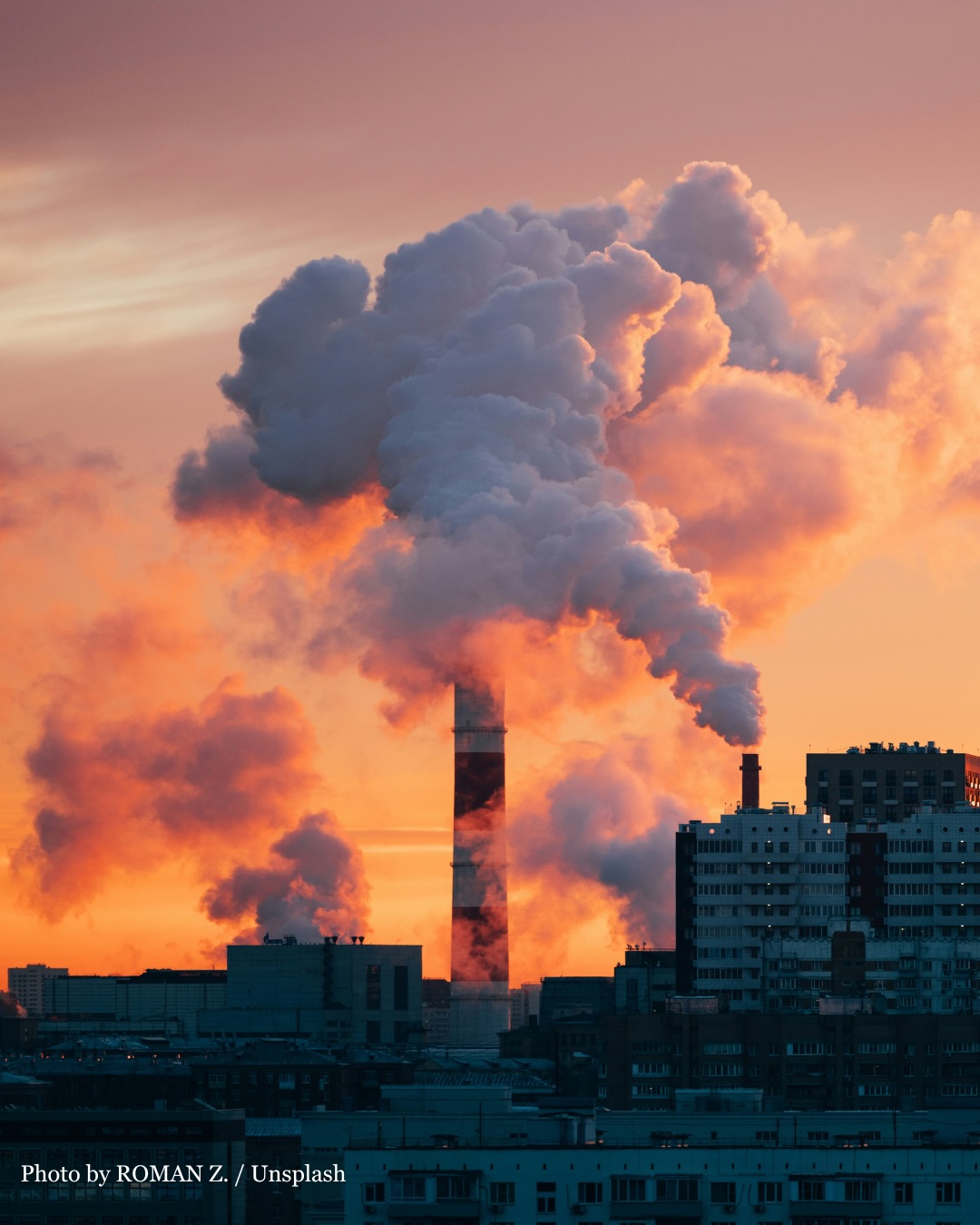

California is facing a severe home insurance crisis, driven largely by increasingly frequent and intense climate-related disasters like wildfires and floods, which have caused massive losses—such as the devastating 2025 Los Angeles fires—and pushed private insurers to raise premiums sharply, deny renewals, or exit the market entirely.
Many residents now rely on the state’s FAIR Plan, the insurer of last resort, which is itself strained and facing potential major rate hikes.Introduced in early February 2026 by State Senator Scott Wiener, Senate Bill 982, known as the Affordable Insurance Recovery Act (AIR Act), aims to address this by holding fossil fuel companies accountable.
The legislation would empower California’s Attorney General to file civil lawsuits against major oil and gas corporations, seeking to recover costs tied to climate-fueled extreme weather events. These recoveries could reimburse policyholders for higher premiums, reduced coverage availability, fire-proofing expenses, and losses borne by the FAIR Plan or state funds.
Supporters, including environmental groups, disaster survivors, and advocates like California Environmental Voters, argue that fossil fuel companies bear significant responsibility for exacerbating climate change through emissions and decades of alleged public deception about risks, yet they have not contributed to the resulting financial burdens.
Homeowners, taxpayers, and insurers currently absorb these costs alone, and the bill seeks to shift a portion back to the industry to stabilize the insurance market, improve affordability, and fund resilience measures.
Opponents, such as the Western States Petroleum Association, criticize it as poor policy that could lead to endless litigation, higher energy prices, and economic harm without solid legal grounding. Similar proposals have emerged in states like Hawaii and New York, reflecting broader efforts to link climate accountability with insurance relief.


Leave a Comment