
Your “perfect” pop idol is just an AI-glitched digital lie
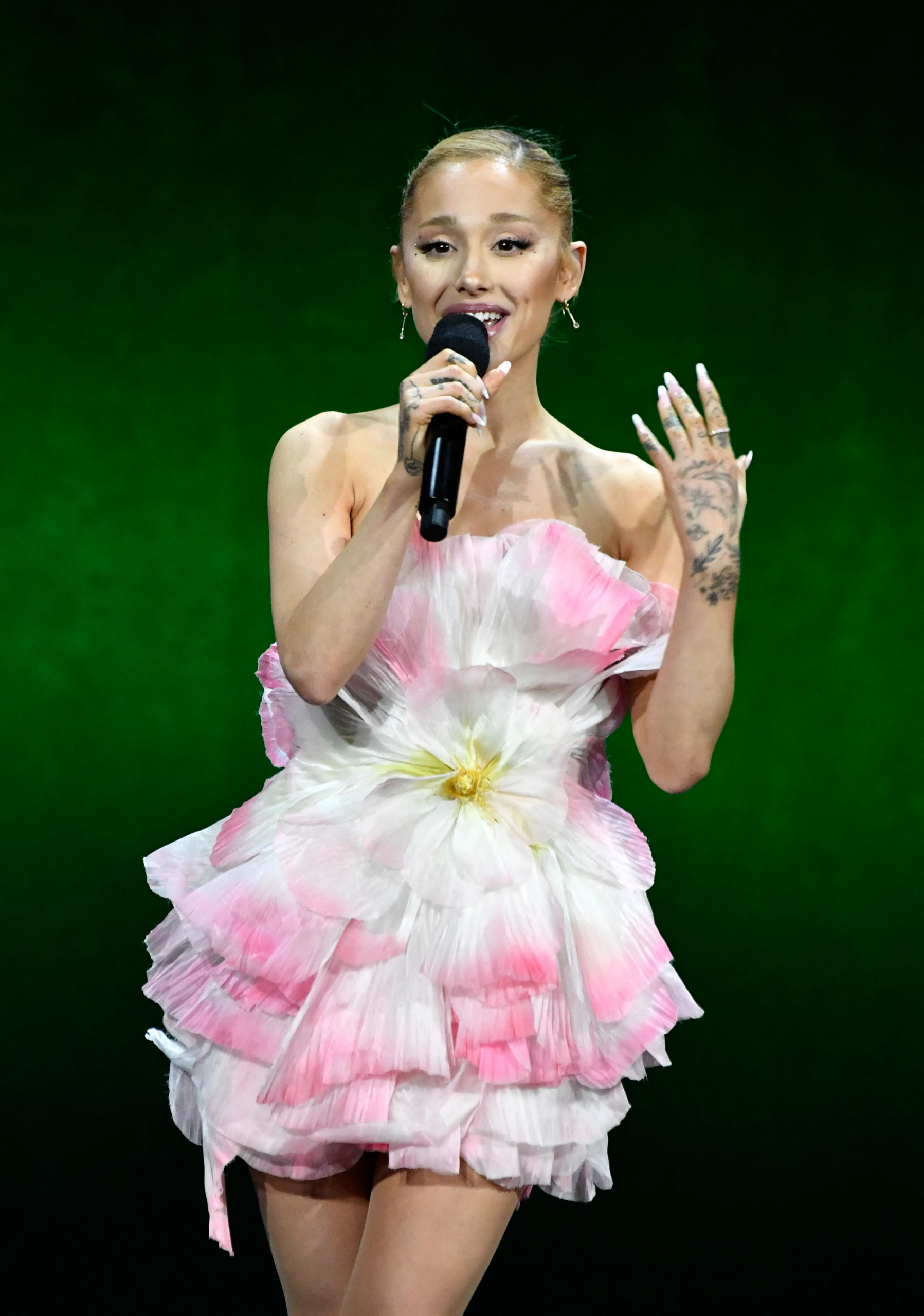
The high-fashion world is facing a humiliating “Us vs. Them” crisis as Vogue Japan was caught red-handed—or rather, six-fingered—in a massive Photoshop fail featuring Ariana Grande. The “Wicked” star, who has famously joked that Botox and Juvederm are her “best friends,” was forced to troll the publication after fans spotted a phantom pinky protruding from her sheer white glove. This isn’t just a funny mistake; it’s a polarizing indictment of an industry that is so obsessed with digital perfection that it has literally lost count of human appendages. When the world’s most elite fashion magazine can’t even get basic human anatomy right, it proves that the images we consume are no longer reflections of reality, but glitched-out AI hallucinations designed to deceive.
Ariana’s sarcastic response—joking that she needs “extra appendages” to finish her album—is a masterclass in deflection, but it highlights a darker reality: we are living in the era of the “Ariana AI Grande.” From Kris Jenner’s six toes to Kate Middleton’s botched edits, the “glitch in the matrix” is becoming the new standard. This incident exposes the absolute absurdity of modern beauty standards; even a global superstar isn’t “perfect” enough for Vogue without a digital “enhancement” that accidentally renders them as mutants. If the gatekeepers of style are this incompetent, the divide between real human beauty and the “refined” digital garbage forced onto our screens has never been wider. The era of the authentic celebrity is over, replaced by a 12-fingered mess of pixels.
Hollywood’s “hottest” star is being hunted by the political mob.
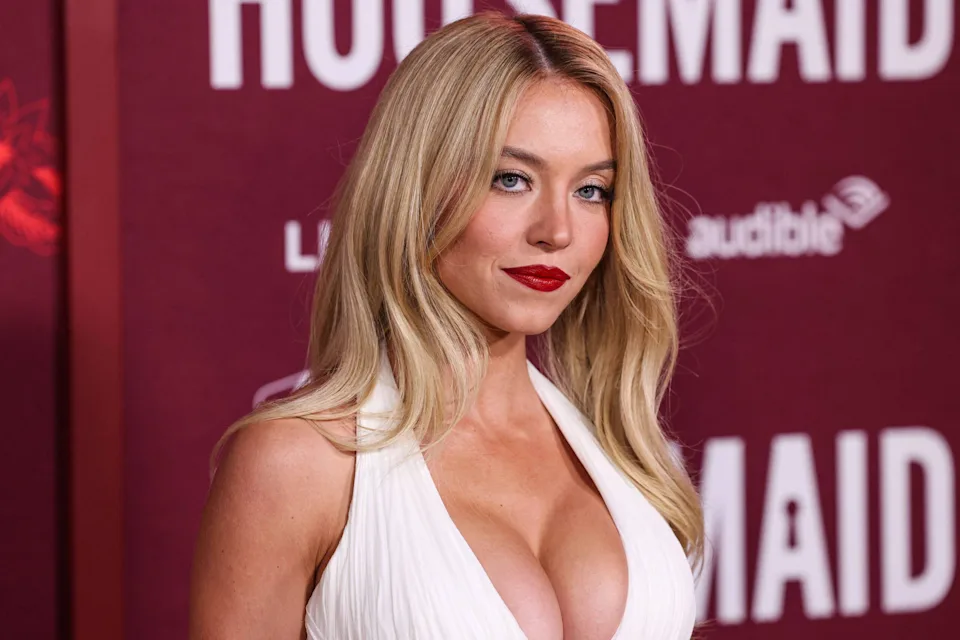
Sydney Sweeney has finally ignited a polarizing firestorm by addressing the “MAGA Barbie” label that has haunted her since her 2024 Republican registration in Florida went viral. In a raw January 2026 interview with Cosmopolitan, the Euphoria star exposed the “unhealthy” reality of being used as a political pawn by both the left and the right. This “Us vs. Them” conflict reached a breaking point last summer when her “Great Jeans” American Eagle ad was absurdly branded as “Nazi propaganda” by online extremists for celebrating her blonde-haired, blue-eyed “genes.” Even Donald Trump’s public praise for the ad only deepened the divide, leaving Sweeney trapped in a cultural crossfire she never asked for.
Sweeney’s refusal to “correct the narrative” is a radical act of defiance in an era where celebrities are forced to pick a side or face cancellation. She argued that there is “no winning” in the current climate, where any denial is viewed as a calculated PR stunt. By prioritizing “art over politics,” she is challenging the modern expectation that actors must serve as moral compasses for the masses. While her silence was previously criticized for “widening the divide,” Sweeney is now drawing a hard line: she is a storyteller, not a political pawn. This isn’t just a celebrity gossip story; it’s a direct indictment of the internet’s obsession with labeling and “clickbait” headlines that prioritize outrage over human complexity. You can either respect her art or keep obsessing over her voter ID—either way, Sydney is done playing the game.
Your “TV family” is just a job, and Eric Stonestreet finally proved it.

In a move that has sent shockwaves through the “TV family” fantasy, Eric Stonestreet revealed on January 30, 2026, that not a single Modern Family co-star was invited to his secret September wedding to Lindsay Schweitzer. The 54-year-old Emmy winner admitted on Jesse Tyler Ferguson’s podcast that the “intimate” ceremony was so shrouded in secrecy that even his own stepsons weren’t told until they got home from school. This wasn’t just a quiet affair; it was a total social blackout. Stonestreet’s strategy of “non-invitation” phone calls—telling friends they weren’t invited right before the ceremony—is a polarizing masterclass in boundary-setting that has left fans debating whether he’s a privacy hero or just plain cold to the people he spent a decade working with.
This “Us vs. Them” divide highlights the brutal reality of Hollywood: off-screen, your favorite sitcom families are often just coworkers. While Stonestreet claims the “secret” was to prevent his own mother from finding out too early, the choice to exclude the likes of Sofia Vergara and Ty Burrell from the September 8 nuptials is a direct slap to the “we are all best friends” narrative sold to the public. Stonestreet opted for a “family picture” ruse to lure relatives to the house, ensuring no “popular” friends leaked the news. While he hopes to have a “party at some point,” the message is clear: when the cameras stop rolling, the “family” ends. You aren’t entitled to an invitation to his life just because you watched him on Tuesdays for eleven seasons.
Millennial nostalgia is officially a billion-dollar weapon, and Hilary’s leading the charge.
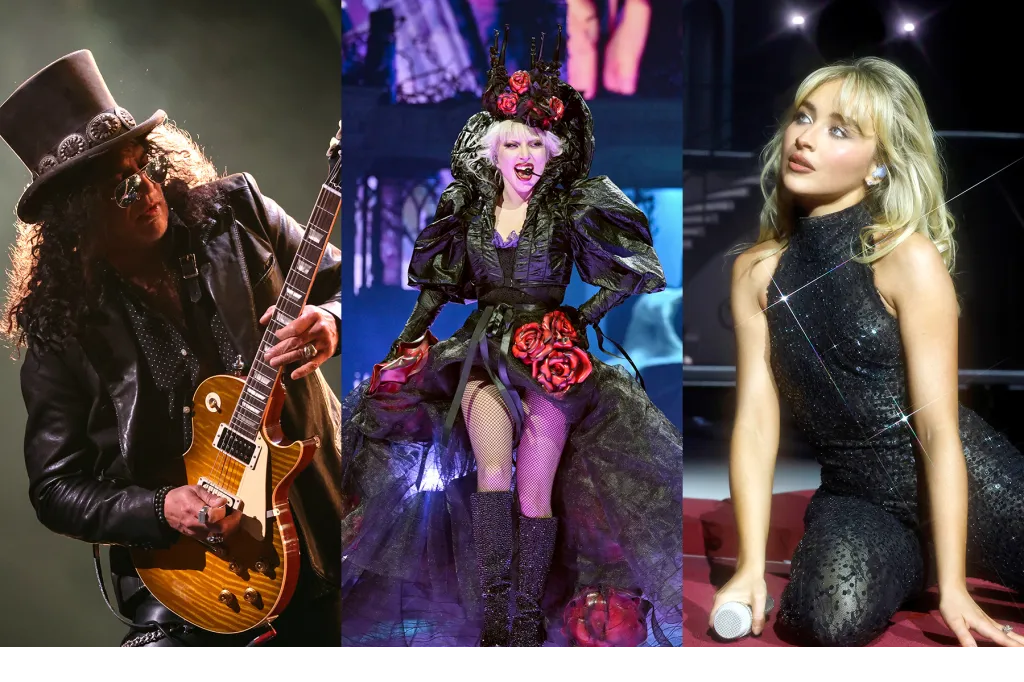
The Queen of the 2000s has officially declared the end of her “indie” era, using the final night of her Small Rooms, Big Nerves tour to ignite a global frenzy. On January 29, 2026, at The Wiltern in Los Angeles, the 38-year-old “Come Clean” singer staged a polarizing stunt, calling fans on stage to act as human billboards for her upcoming “World Tour Loading…” announcement. This isn’t just a concert series; it’s a strategic takeover of the nostalgia market. After years of focusing on acting and family, Duff is reclaiming her pop throne just weeks before her highly anticipated album luck…or something drops on February 20. This “Us vs. Them” return to the stage is a direct challenge to the TikTok-manufactured pop stars of today, proving that a legacy fan base is worth more than a viral clip.
While the “Small Rooms” tour was a test of her vocal stamina and “big nerves,” the shift to a World Tour suggests that Duff is ready to monetize the millennial “Disney adult” demographic on a massive scale. With a high-stakes Las Vegas residency already booked for Valentine’s Day weekend, Hilary is proving that she isn’t just a “rising star” again—she is a seasoned veteran who knows exactly how to manipulate the media cycle. Critics argue that “loading” announcements are a tired marketing trope, but for the thousands screaming in the Wiltern, it was a religious experience. If you thought the era of Lizzie McGuire was over, you’ve been blindsided. Hilary Duff is no longer playing “small”; she’s coming for the global charts, and she’s using your childhood memories as fuel.
Miley Cyrus is officially the most efficient “thief” in Hollywood history.
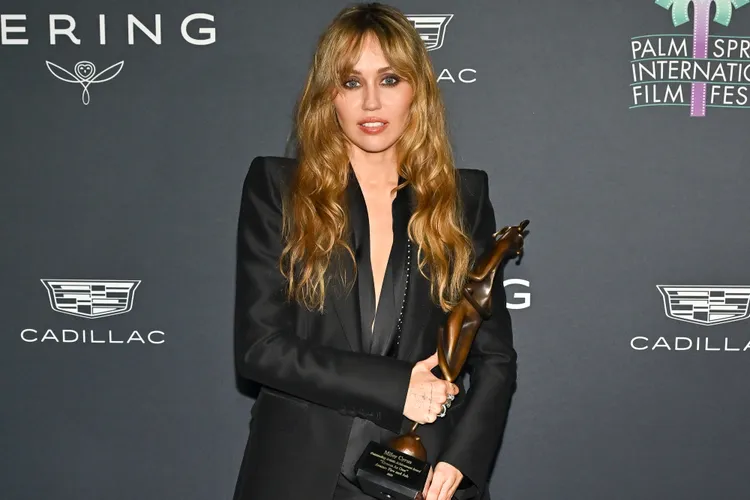
Miley Cyrus has sparked a polarizing debate about “work ethic” in Hollywood after accepting the Outstanding Artistic Achievement Award at the 37th Palm Springs International Film Festival on January 3, 2026. While filmmaker James Cameron and his crew spent a staggering 16 years painstakingly building the world of Avatar: Fire and Ash, Miley quipped that she was “involved for like a month” and yet gets to enjoy all the same high-tier perks and awards. The 33-year-old “Flowers” singer co-wrote the film’s end-credits anthem, “Dream As One,” a soaring ballad inspired by the trauma of losing her Malibu home to wildfires in 2018. While she thanked the team for letting her “backpack” off their decade-and-a-half of labor, the comment highlights a biting “Us vs. Them” reality in the industry: a pop star’s month of work can often garner more headlines than a decade of technical innovation.
Despite the self-deprecating humor, the song has already become a global triumph, even earning a Golden Globe nomination for Best Original Song. Miley used her speech to praise the “Phoenix resilience” of the film’s themes, but couldn’t resist one last jab at the “sophisticated” gala, noting it had “fewer drag queens” than she preferred before heading to a local queer bar to “get her fix.” The contrast is stark: Cameron is fighting for the future of cinema with $1.2 billion box office returns, while Miley is treating the entire prestigious awards circuit like a hilarious, month-long vacation. She is effectively proving that in 2026, you don’t need to suffer for years to claim the crown—you just need the right song and a good sense of humor.
Owen Wilson is the “perfect” movie dad—except when the cameras stop rolling.

The image of Hollywood’s most “laid-back” father is being torn apart by a polarizing reality: while Owen Wilson is celebrated for his doting relationship with his two sons, Ford and Finn, he has reportedly spent the last seven years refusing to even meet his daughter, Lyla. Despite a 2018 paternity test confirming his biological connection to Lyla and her mother, Varunie Vongsvirates, court documents reveal that Wilson explicitly checked the “no visitation” box, opting to pay $25,000 a month in child support rather than provide a physical presence. This “Us vs. Them” family dynamic has sparked intense internet vitriol, with critics calling it “ironic” that Wilson consistently lands heartwarming “father figure” roles in films like Paint and Wonder while essentially treating his only daughter as a legal line item.
As of January 30, 2026, Vongsvirates continues to share photos of Lyla, who is described as a “spitting image” of the actor, while pleading for him to fulfill a role that money can’t buy. While Wilson remains a fixture at his sons’ soccer games and takes them on art-class adventures, his absolute silence regarding Lyla suggests a cold, structural divide in his parenting philosophy. Supporters of the actor argue that his $70,000 one-off payment for medical costs and ongoing financial support fulfills his “obligations,” but for the internet, the contrast is a direct threat to his “nice guy” brand. You can’t claim the title of a “fairly adept dad” when you’ve systematically ghosted a child for their entire life. In the court of public opinion, Wilson is proving that being a “father” is a choice—and for Lyla, he’s chosen “none.”
High fashion is dead—Kylie just butchered a runway masterpiece for clicks.
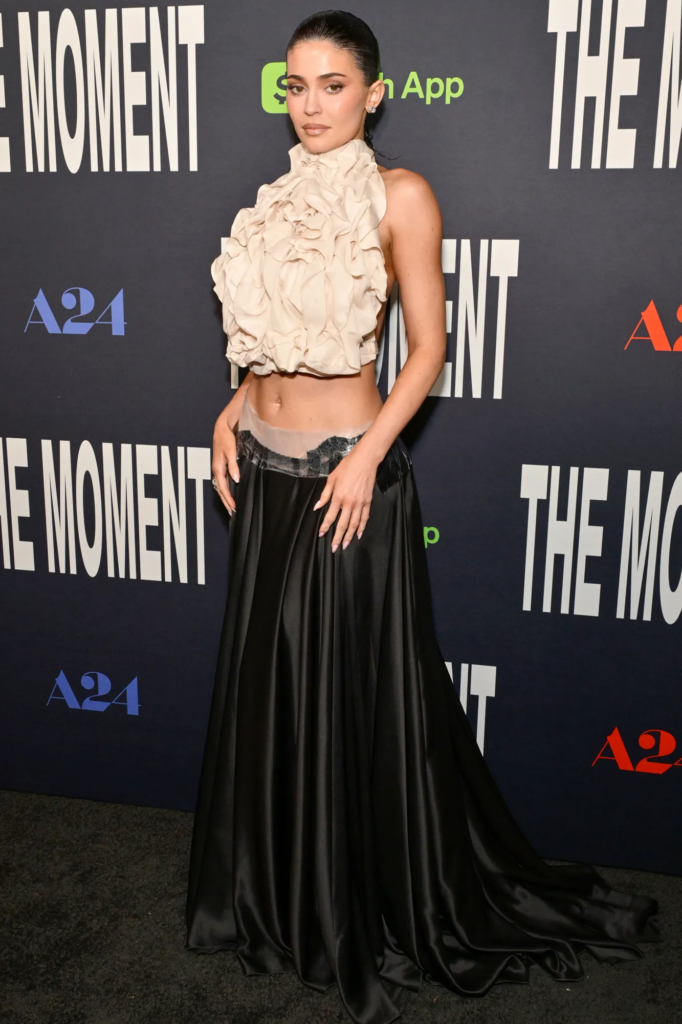
Kylie Jenner has ignited a polarizing fashion war following her appearance at the Los Angeles premiere of The Moment on January 29, 2026. The mogul took a sophisticated, conservative silk gown from Maison Margiela’s Spring 2026 collection and performed a radical “Kardashian makeover”—effectively hacking the garment in half to create a super low-rise, abs-baring ensemble. While the original runway design prioritized avant-garde structure and modesty, Kylie’s version prioritized skin, sparking an “Us vs. Them” debate between high-fashion purists and the Gen-Z “baddie” aesthetic. Critics argue that this “mutilation” of couture for the sake of a red-carpet thirst trap is a direct threat to the integrity of design, proving that for the Jenner clan, a viral Instagram photo is worth more than a designer’s original vision.
Standing alongside co-star Charli xcx, Kylie used the premiere to solidify her transition from reality star to A24 film actress. However, her headline-grabbing look was overshadowed by the conspicuous absence of her partner, Timothée Chalamet. While Chalamet was in New York celebrating his third Oscar nomination for Marty Supreme, Kylie was left to defend her polarizing style choices alone. This divide highlights a growing tension in her brand: as she tries to enter the “serious” world of cinema, she remains tethered to the hyper-sexualized marketing tactics that built her empire. You can’t be both a “serious” actress and a “low-rise” influencer without facing a massive identity crisis. By choosing to bare it all, Kylie has proven that even at a prestige film premiere, the Kardashian brand of “excess” always trumps artistic subtlety.
Is wearing a dead icon’s necklace a tribute or just desperate clout-chasing?
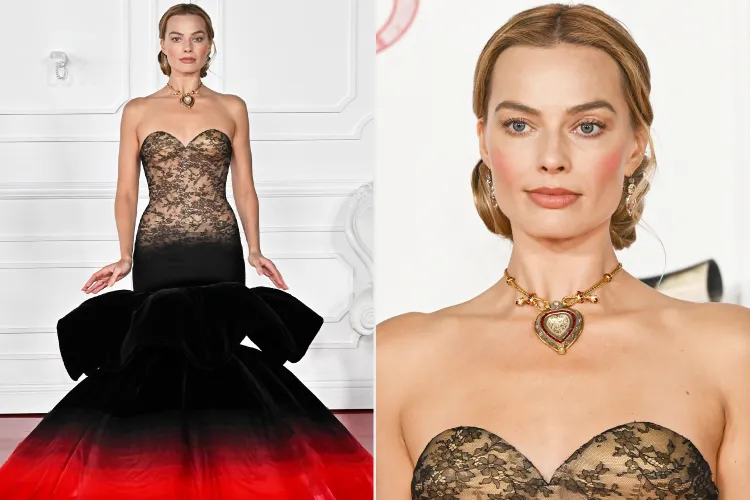
At the Los Angeles premiere of Wuthering Heights on January 28, 2026, Margot Robbie ignited a polarizing debate by wearing the legendary Cartier Taj Mahal diamond—a piece historically gifted to Elizabeth Taylor by Richard Burton. While the 35-year-old actress aimed for “intentional” romanticism, her decision to pull from Taylor’s estate has sparked an “Us vs. Them” clash between those who see it as a high-fashion homage and those who view it as a direct threat to the sanctity of historical archives. This diamond, inscribed with “Love is Everlasting” in Parsee, was originally a 17th-century gift from a Mughal Emperor to his wife, later inspiring the Taj Mahal itself. By pairing such a heavy historical relic with a “naked” lace Schiaparelli gown, Robbie is blurring the line between red-carpet glamour and a museum heist, effectively using an ancient symbol of mortality to promote her portrayal of Catherine Earnshaw.
The tension deepens as Robbie and co-star Jacob Elordi reveal their own “gothic” obsession, with Elordi reportedly filling Robbie’s room with funeral roses and “little tombstones” on Valentine’s Day during filming. Critics argue that this level of method-marketing—using dead legends’ jewels and macabre gestures—is a polarizing attempt to manufacture “prestige” for a film adaptation of a book already steeped in toxic obsession. While Robbie claims the necklace’s history is “appropriate,” purists are outraged that such a priceless artifact is being used as a prop for a Hollywood press junket. You either believe Margot is the rightful heir to Taylor’s cinematic throne, or you believe the industry is cannibalizing its own history for a viral moment. Either way, the “everlasting” diamond is now serving a new emperor: the box office.


Leave a Comment