
01
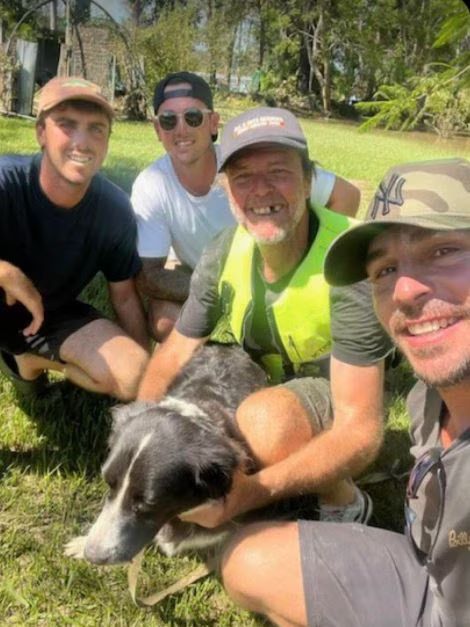
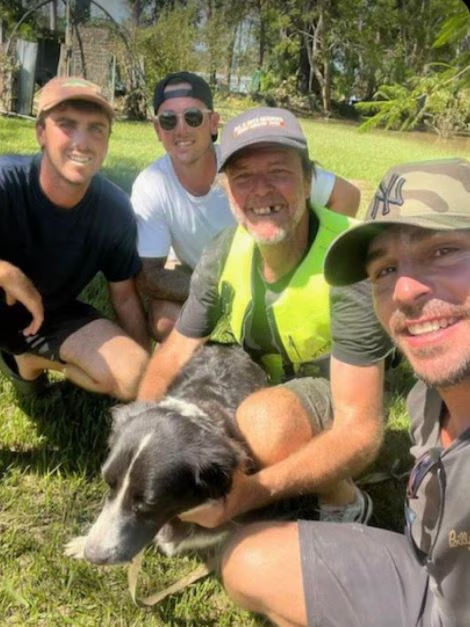
DJ, a border collie nicknamed “The Miracle,” captured hearts after surviving three nights lost in floodwaters on the NSW North Coast, Australia. The dog went missing during a dramatic ADF helicopter rescue when his family was being evacuated from their rooftop due to severe flooding. As floodwaters swelled and homes were destroyed, DJ’s disappearance sparked widespread concern, mobilizing both social media communities and on-the-ground volunteers to search tirelessly.
The rescue efforts were extensive. Volunteers navigated the treacherous floodwaters using boats and a jet ski, searching for DJ along with 10 other dogs and six cats that had been separated from their owners. Despite being alone, hungry, and exhausted after three nights in the elements, DJ displayed remarkable resilience, surviving the dangerous conditions until help arrived.
When DJ was finally located, the reunion with his family was emotional and heartwarming. The dog’s survival not only provided relief to his loved ones but also served as a symbol of hope and perseverance amidst the devastation caused by the floods. Social media quickly shared DJ’s story, inspiring people around the world and highlighting the importance of community support during natural disasters.
DJ’s story is a reminder of the strength of animals, the determination of volunteers, and the unwavering bond between pets and their families. In the midst of chaos and loss, the safe return of this courageous border collie brought light and hope, proving that even in the darkest times, miracles are possible.
02
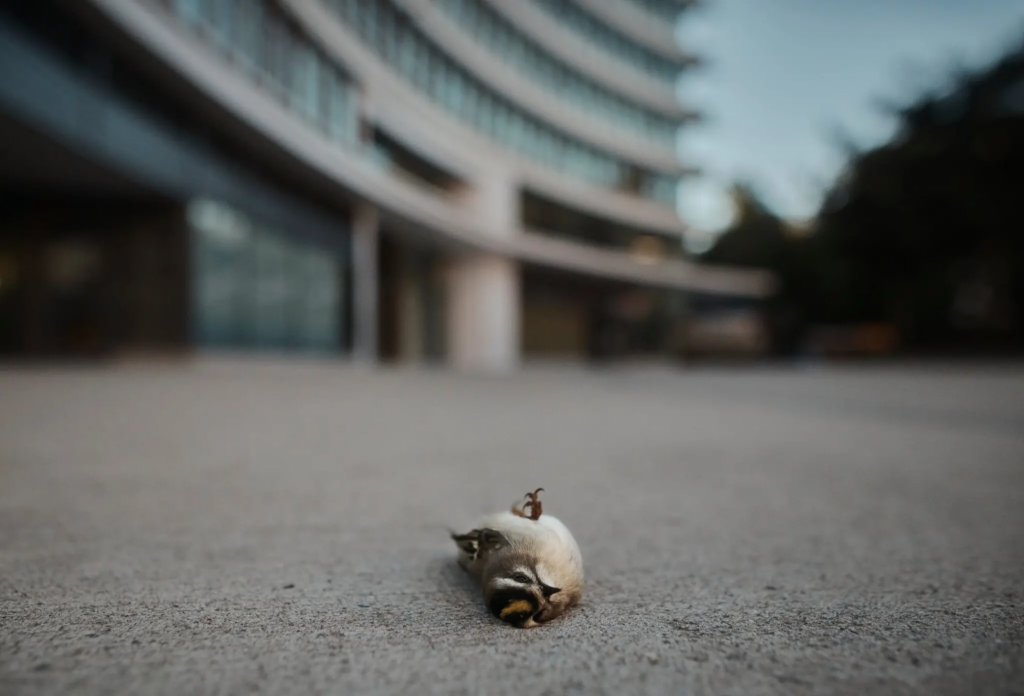
Bird-window collisions are a significant and often overlooked threat to wildlife in urban and suburban areas. It is estimated that nearly one billion birds die annually in the United States after striking glass surfaces, making it one of the leading causes of human-related bird mortality. Birds are particularly vulnerable because they cannot perceive clear or reflective glass as a barrier. Windows often reflect the surrounding environment, such as trees or sky, making birds think they can safely fly through. At other times, birds attempt to reach food or nesting sites reflected in glass, leading to fatal impacts.
This issue affects a wide variety of species, including songbirds, migratory birds, and even some raptors. The highest risk occurs during migration seasons when birds travel long distances and encounter urban landscapes filled with glass-covered buildings. Studies have shown that the design, placement, and reflectivity of windows can significantly influence collision rates. For instance, large reflective panes and poorly marked glass are particularly dangerous.
Fortunately, there are effective solutions to reduce bird collisions. Applying visual markers, such as decals, films, or patterned glass, can make windows more visible to birds. Additionally, using angled or frosted glass, external screens, and limiting nighttime lighting during migration periods can help minimize risks. Public awareness and community initiatives play a crucial role in protecting birds. Organizations and urban planners are increasingly focusing on bird-safe building designs and promoting conservation practices.
Addressing this issue is vital not only for preserving bird populations but also for maintaining ecological balance. Birds play essential roles in pollination, pest control, and seed dispersal, and their loss can have cascading effects on ecosystems. By understanding the causes of bird-window collisions and implementing preventive measures, humans can significantly reduce this unnecessary loss of wildlife.
03
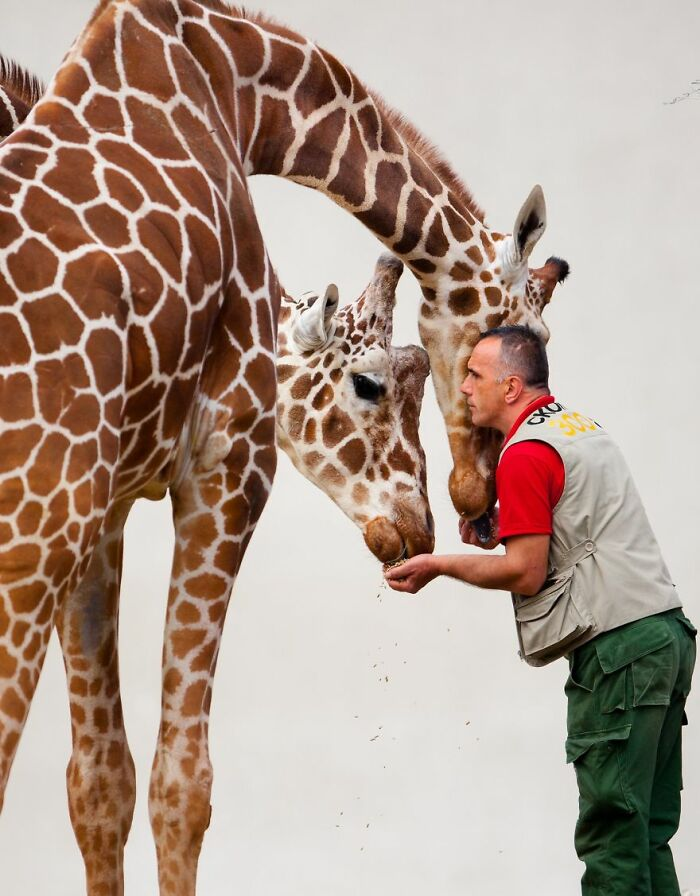
In a heartwarming yet poignant tale, a zookeeper and his beloved giraffe passed away within hours of each other, marking the end of a decade-long companionship. For more than ten years, they shared a unique and inseparable bond, with the zookeeper caring for the giraffe’s daily needs, training, and enrichment activities. This extraordinary relationship went beyond the typical human-animal interaction; it was a genuine partnership built on trust, affection, and mutual understanding.
The giraffe, known for its gentle nature and distinctive charm, became more than just an animal under his care. The zookeeper invested years of attention and love, forming routines that nurtured both the giraffe’s physical and emotional well-being. In return, the giraffe showed signs of recognition, attachment, and comfort in his presence—demonstrating a rare level of empathy and connection across species. Their story quickly captured public attention, symbolizing the profound emotional capacity animals have to bond with humans.
Experts in animal behavior note that such strong relationships can significantly improve the mental health and longevity of animals in captivity, providing them with stability and enrichment. For the zookeeper, this companionship brought joy, purpose, and a sense of family, illustrating the emotional rewards of dedicating one’s life to the care of another living being.
The near-simultaneous passing of the two companions is a testament to the depth of their bond. It serves as a touching reminder that love and connection are not limited to humans alone. Stories like these inspire empathy and compassion, encouraging people to value the relationships they form with animals and recognize the emotional intelligence that exists across species. Their decade-long journey together leaves a lasting legacy of loyalty, care, and the extraordinary power of interspecies friendship.
04
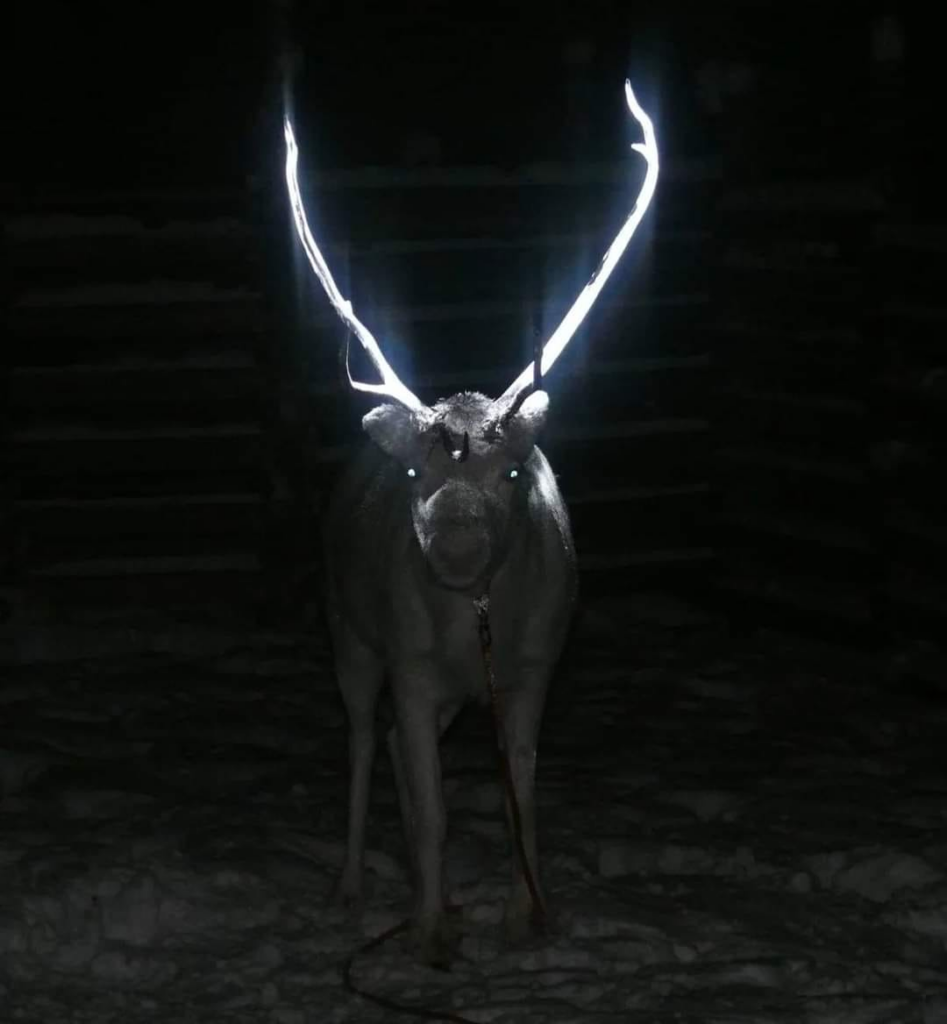
In Finland, road accidents involving wildlife, particularly deer, are a serious concern, especially during the long, dark nights of autumn and winter. To address this problem, some Finnish farmers have adopted an innovative safety measure: applying reflective paint to the antlers of deer. This strategy helps make deer visible to drivers at night, significantly reducing the risk of collisions.
Deer-related traffic accidents can result in serious injuries, vehicle damage, and even fatalities, affecting both humans and wildlife. Finland’s rural areas, where deer populations are high, are particularly vulnerable. By marking the antlers with reflective paint, the animals become more noticeable when illuminated by headlights, giving drivers more time to react and avoid accidents. This solution is cost-effective, environmentally safe, and requires minimal effort from farmers, making it a practical addition to broader wildlife management and road safety strategies.
Beyond its safety benefits, this approach demonstrates a creative collaboration between humans and wildlife conservation efforts. Farmers are not only protecting drivers but also taking proactive steps to safeguard deer populations. Road accidents are a significant cause of wildlife mortality, and small interventions like reflective antler paint can have meaningful impacts on animal survival rates.
This initiative also highlights how innovative thinking can address everyday problems in rural communities. By combining traditional farming practices with simple technology, Finland’s farmers are reducing risks for both humans and animals. Their efforts serve as an example of how coexistence with wildlife can be achieved through thoughtful, low-cost solutions. As awareness of wildlife-friendly practices grows, similar initiatives could inspire other countries to explore practical methods for keeping roads safer and protecting animals during nighttime hours.
05
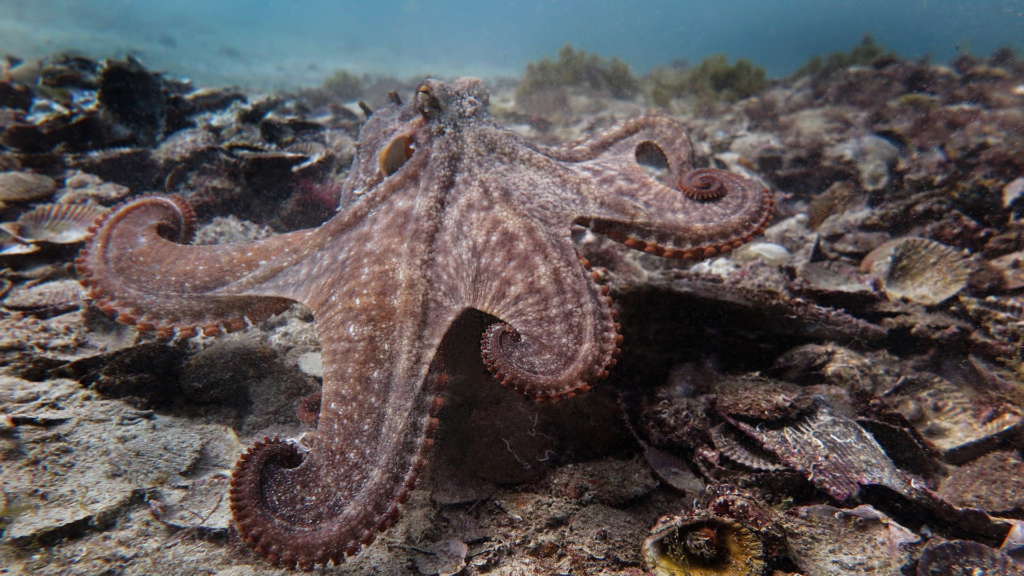
Off the coast of Australia, scientists have uncovered an extraordinary underwater site nicknamed “Octlantis,” where octopuses build complex homes and interact in ways that resemble a bustling city. This discovery sheds light on the intelligence, creativity, and social tendencies of one of the ocean’s most enigmatic creatures. The site consists of hundreds of octopus dens, carefully arranged in clusters, with each animal collecting shells, rocks, and other materials to construct and maintain its home.
Unlike many other marine species, octopuses are known for their problem-solving abilities and adaptability. In Octlantis, researchers observed octopuses engaging in behaviors that suggest territorial awareness, resource management, and even potential social interaction. The arrangement of dens and the organization of materials demonstrate an impressive level of spatial planning and environmental manipulation, challenging the traditional notion that octopuses are solitary animals.
The discovery of Octlantis also emphasizes the importance of underwater habitats and conservation efforts. These structures provide not only shelter for the octopuses but also create microenvironments that support other marine life. Scientists believe that understanding such complex behaviors can offer insights into evolution, cognition, and how intelligence manifests in species vastly different from humans.
This underwater city has captured the imagination of researchers and the public alike, highlighting the hidden wonders of the ocean. The findings serve as a reminder of how much remains to be discovered beneath the waves and underscore the need to protect marine ecosystems from threats such as pollution, climate change, and overfishing. Octlantis is more than a scientific curiosity; it is a testament to the ingenuity of nature and the remarkable adaptability of life in even the most unexpected places
06
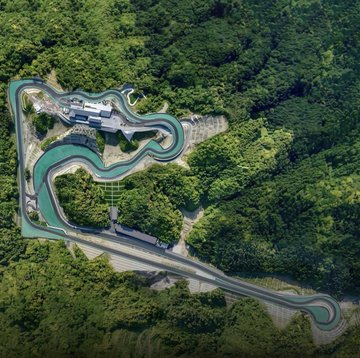
In a display of extraordinary wealth and passion for motorsports, a Japanese billionaire has constructed a $200 million private racetrack, designed specifically for racing with his family. Located on his sprawling estate, this luxurious track allows him to share his love of cars and speed with his wife and children, blending family time with high-octane thrills. Unlike commercial racetracks, this private circuit offers privacy, safety, and customization tailored to the family’s preferences, making it a playground for adrenaline-fueled fun without the risks of public roads.
The racetrack features advanced safety measures, multiple lanes, sharp turns, and straightaways that replicate professional racing conditions. The family can drive a variety of high-performance vehicles, from sports cars to custom-built models, experiencing the excitement of racing without leaving their property. Beyond entertainment, the track encourages family bonding, teamwork, and the development of driving skills in a controlled environment.
This extravagant project highlights the unique ways extreme wealth can create personal experiences that are otherwise impossible for the general public. While the $200 million investment may seem excessive, for the billionaire, it is a combination of personal passion, lifestyle, and family enjoyment. It also reflects a broader trend among the ultra-wealthy to invest in highly specialized recreational facilities, from private islands to luxury yachts and personalized sports arenas.
The story has captured global attention for its blend of luxury, technology, and family-oriented fun. It offers a glimpse into a world where financial resources turn hobbies into grand-scale projects, combining entertainment with quality family time. This racetrack is more than just a racing venue, it is a testament to the billionaire’s dedication to creating memorable experiences for his loved ones.
07

True success is not only measured by crowns, titles, or applause, but by the gratitude we show to those who helped us reach the top. After winning a prestigious national beauty pageant, this young woman made a deeply emotional and meaningful gesture that touched hearts around the world. Instead of celebrating her victory with fame and glamour, she chose to return home and honor the person who sacrificed everything for her—her single mother.
Her mother had worked for years as a garbage collector, a difficult and often unappreciated job. Day after day, she endured long hours and physical hardship so that her daughter could have opportunities she never had. Despite financial struggles and social challenges, she supported her child’s dreams with unwavering love and determination. Every small success the daughter achieved was built upon her mother’s endless sacrifices.
When the newly crowned beauty queen arrived home, she did something unexpected and deeply moving. In front of family and neighbors, she knelt down before her mother, bowing her head as a sign of respect and gratitude. It was a simple action, yet filled with powerful emotion. The crown on her head symbolized achievement, but kneeling before her mother showed true humility and appreciation.
This moment reminded everyone that behind every success story is often a parent who worked silently in the background. The woman’s gesture proved that no matter how high she rises in life, she will never forget where she came from or who helped her get there.
Her act became an inspiring example for people everywhere, showing that gratitude and respect for parents are more valuable than any award. It was not just a celebration of beauty, but a celebration of love, sacrifice, and the strength of a mother’s devotion.
08
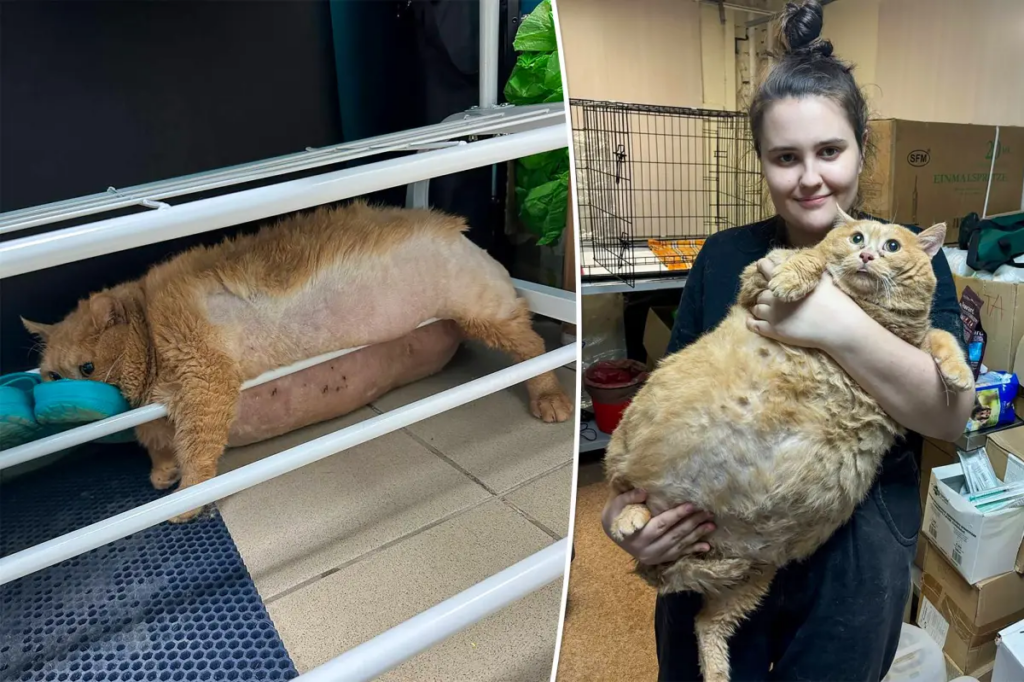
Meet Crumbs, a 17-kilogram rescue cat with a big belly and an even bigger personality. This oversized feline was discovered living in the basement of a hospital in Russia, where kindhearted staff had been feeding him cookies, soup, and leftovers for years. Their generosity was well meant, but it turned Crumbs into an extremely overweight cat who could barely walk on his own. When rescuers finally took him in, they realized he urgently needed help to get healthy again.
The shelter placed Crumbs on a carefully planned weight-loss program. His routine included special low-calorie meals, gentle exercise, and even underwater treadmill sessions to help him move without putting stress on his joints. To make things easier, his belly was shaved so he could dry faster after workouts. Everything was designed to help him slowly regain strength and mobility.
But Crumbs clearly had his own ideas. One morning, shelter staff arrived to find him attempting a dramatic escape from the rehabilitation center. Determined to break free, he tried squeezing through a small shoe rack near the door. Unfortunately, his grand plan didn’t go very well. Halfway through his mission, he got completely stuck—face-first into a bright blue Croc.
When workers rushed to free him, Crumbs looked extremely annoyed and offended, as if the whole embarrassing situation was somehow their fault. Luckily, he quickly forgave everyone once snacks were offered.
The funniest part of the whole incident was that his failed escape actually proved something positive. It showed that Crumbs was getting stronger and more active than before. Just weeks earlier, he wouldn’t have been able to attempt such a stunt at all.
Thanks to patience and proper care, the weight-loss plan is working. Crumbs may still be chunky and mischievous, but he’s on the road to a healthier, happier life—one silly adventure at a time.


Leave a Comment