
01
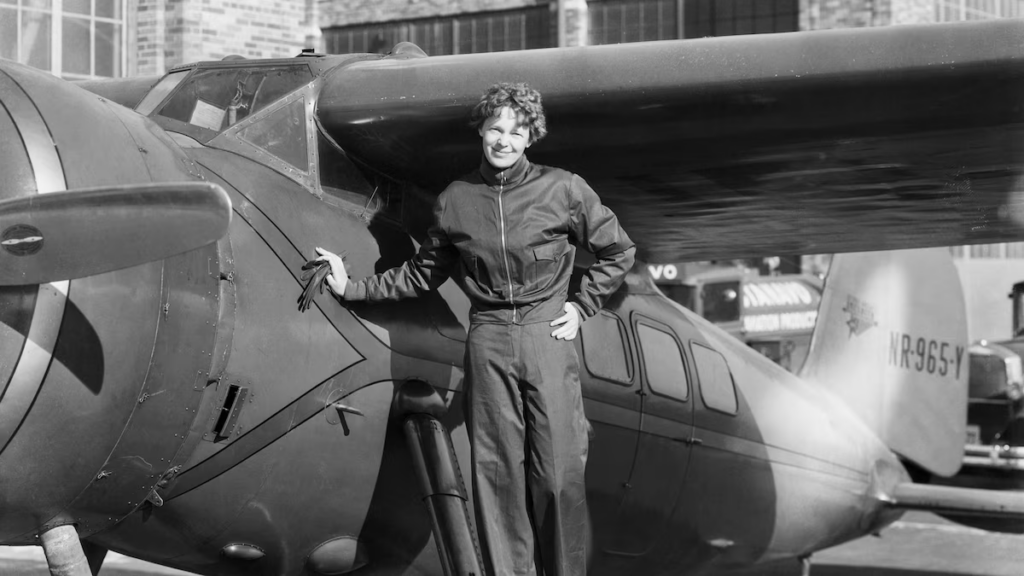
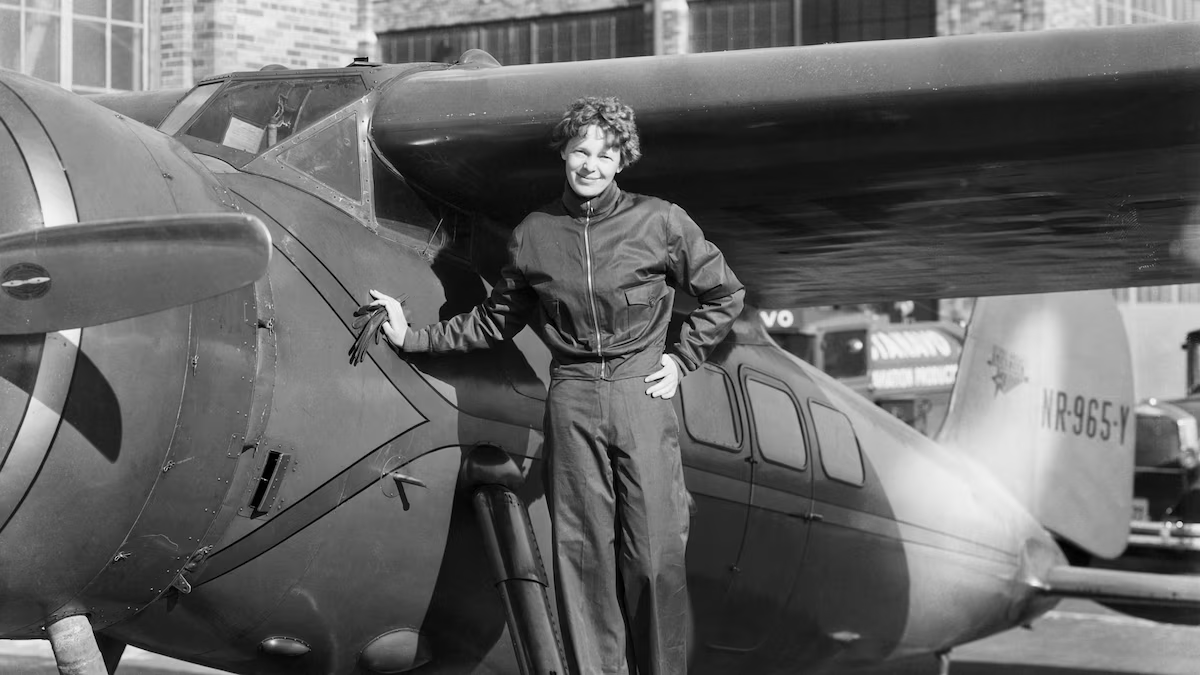
Amelia Earhart remains one of the most influential figures in the history of aviation. In 1932, she became the first woman to fly solo across the Atlantic Ocean, a journey that placed her among the world’s leading pilots regardless of gender. The flight required advanced navigation skills, endurance, and an understanding of aircraft mechanics at a time when aviation technology was still developing.
Earhart’s accomplishments went beyond a single record. She set multiple aviation milestones, including speed and distance records, proving that women could perform at the highest levels in a technically demanding field. Her approach to flying emphasized preparation, training, and discipline rather than daring alone, challenging the perception that such achievements were based on luck or risk-taking.
Beyond personal achievement, Earhart was deeply committed to expanding opportunities for women. She actively encouraged women to pursue careers in aviation and science, co-founding organizations that supported female pilots. Her public presence helped normalize the idea of women in professional and technical roles during an era of strict social limitations.
Earhart’s final flight attempt in 1937, aimed at circumnavigating the globe, demonstrated her continued dedication to exploration. Though the mission ended in mystery, it did not diminish her impact. Instead, it reinforced her legacy as a pioneer who pushed boundaries with purpose.
Amelia Earhart’s influence endures because she combined achievement with advocacy. She did not fly solely for personal recognition, but to demonstrate what was possible. Her life shows how courage paired with skill can redefine history and inspire generations to aim higher.
02
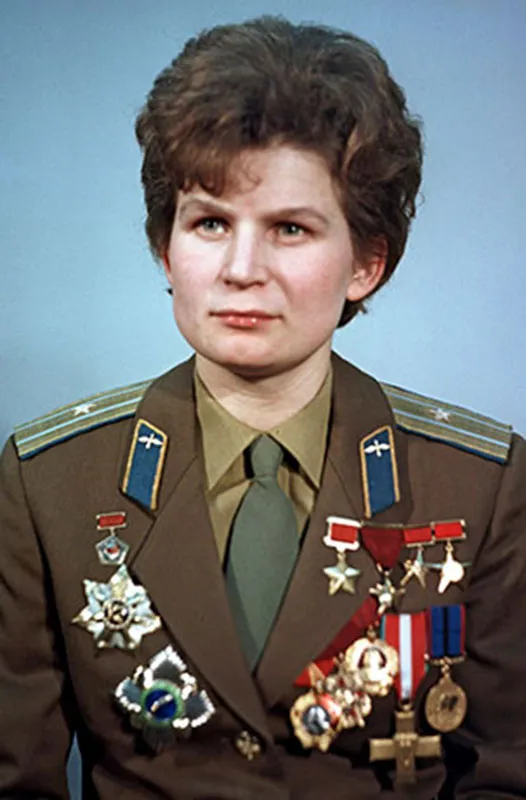
Valentina Tereshkova made history in 1963 when she became the first woman to travel into space. Flying aboard Vostok 6, she completed 48 orbits around Earth over nearly three days, a mission that surpassed the flight time of all previous American astronauts combined at that point. Her journey was not symbolic; it was physically demanding and scientifically significant.
Before her selection, Tereshkova was not a professional pilot but a skilled parachutist, a background that played a crucial role in early spaceflight requirements. Her technical training, discipline, and resilience enabled her to withstand the extreme conditions of space travel, including isolation, physical strain, and complex mission procedures. She successfully maintained communication with ground control and recorded detailed observations during flight.
Tereshkova’s achievement occurred during a time when women were largely excluded from advanced scientific and technical roles worldwide. Her mission demonstrated that women could endure and perform in the most challenging environments known to humanity. It shifted perceptions not only within the space industry but also in global conversations about women’s capabilities in science and engineering.
After her spaceflight, Tereshkova continued to work in science, public service, and international advocacy. She used her platform to support education and encourage women’s participation in technical fields. Her contributions extended beyond her historic mission, reflecting a long-term commitment to progress.
Valentina Tereshkova’s legacy is defined by courage and competence. By becoming the first woman in space, she permanently expanded the boundaries of human exploration. Her accomplishment remains one of the most significant milestones in the history of space travel and women’s achievement.
03
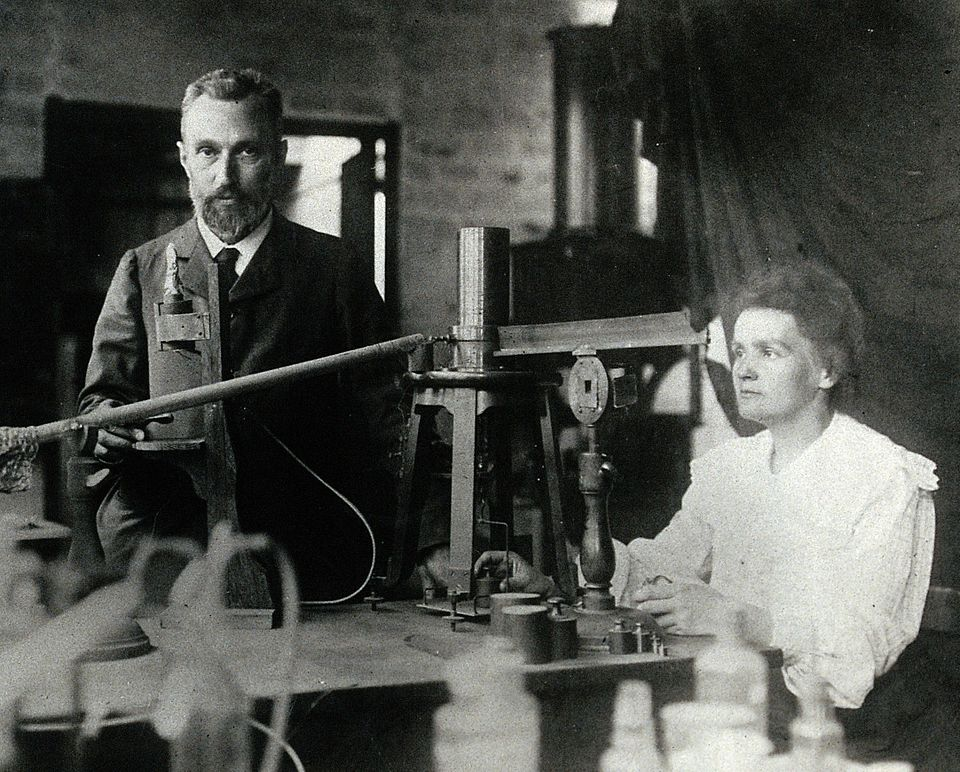
Marie Curie was one of the most influential scientists in human history, known for her groundbreaking research on radioactivity. Born in Poland and later working in France, she overcame significant barriers related to gender, nationality, and access to education. At a time when women were largely excluded from scientific institutions, Curie earned recognition purely through the power of her work.
She discovered two new elements, polonium and radium, and developed methods to isolate radioactive isotopes. Her research fundamentally changed the understanding of atomic structure and energy. These discoveries laid the foundation for major advancements in physics, chemistry, and medical treatment, particularly in cancer therapy.
Marie Curie made history by becoming the first woman to win a Nobel Prize and remains the only person ever to receive Nobel Prizes in two different scientific fields: Physics and Chemistry. These honors reflected not a single breakthrough, but years of disciplined experimentation and theoretical insight.
Beyond the laboratory, Curie applied her science for public good. During World War I, she helped develop mobile X-ray units that were used to treat wounded soldiers, personally training medical staff and operating equipment near the front lines. Her work saved countless lives by improving battlefield medical care.
Curie’s dedication came at great personal cost, as prolonged exposure to radiation affected her health. Yet she never patented her discoveries, believing scientific knowledge should benefit humanity freely.
Marie Curie’s legacy is defined by impact, not recognition. She proved that intellectual courage and persistence can change the world. Her life remains a powerful example of how science, when guided by purpose, can serve all of humanity.
04
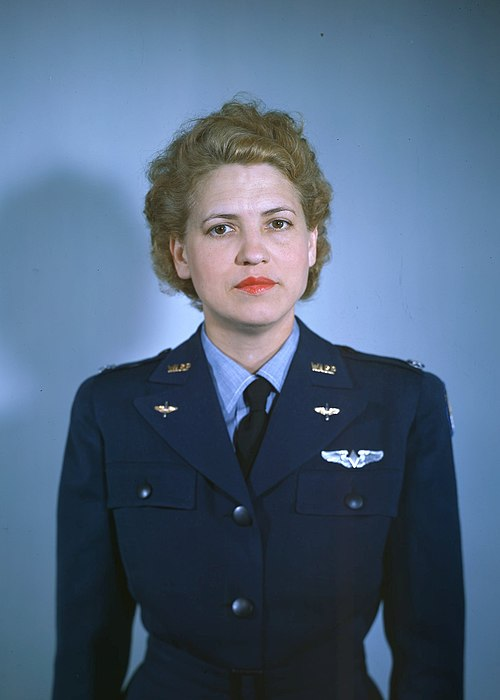
Jacqueline Cochran was one of the most accomplished aviators in history and a powerful advocate for women in aviation. Rising from a difficult childhood, she became a record-breaking pilot at a time when flying was both dangerous and male-dominated. Her technical skill and competitive drive led her to set more speed, altitude, and distance records than any other pilot of her era, male or female.
Cochran’s impact extended far beyond personal achievement. During World War II, she played a central role in organizing and leading the Women Airforce Service Pilots (WASP). Under her leadership, women pilots ferried military aircraft, tested planes, and transported supplies, freeing male pilots for combat missions. This program demonstrated that women could perform complex and demanding aviation tasks with precision and reliability.
In 1953, Cochran became the first woman to break the sound barrier, flying a jet aircraft at supersonic speed. This milestone placed her among the most elite pilots in the world and further dismantled stereotypes about women’s physical and technical limitations in flight.
Cochran also worked closely with military and government leaders to advocate for women’s permanent inclusion in aviation and aerospace programs. Her efforts influenced later opportunities for women pilots in both civilian and military roles.
Jacqueline Cochran’s legacy is built on leadership and access. She did not just fly faster or higher—she changed who was allowed to fly. Her achievements helped redefine aviation as a field where skill, not gender, determines possibility.
05
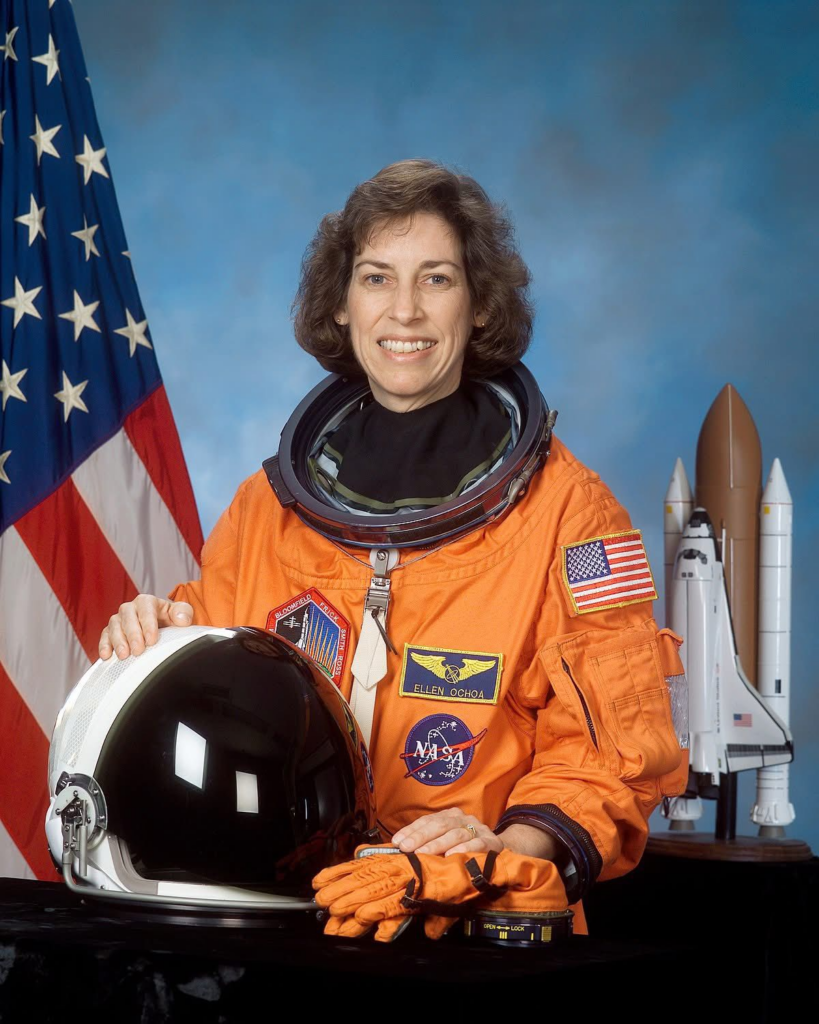
Ellen Ochoa made history in 1993 when she became the first Latina woman to travel into space aboard the Space Shuttle Discovery. Her achievement marked a significant moment in the history of space exploration, showing that scientific excellence transcends background, gender, and ethnicity. She went on to fly four space missions, contributing directly to research and shuttle operations.
Ochoa’s path to space was rooted in education and perseverance. She earned degrees in physics and electrical engineering, followed by a doctorate from Stanford University. Before becoming an astronaut, she worked as a research engineer, developing optical systems and holding multiple patents related to image processing. Her technical expertise played a vital role in both her selection by NASA and her success during missions.
During her time in space, Ochoa helped conduct scientific experiments and supported shuttle operations using robotic systems. Her work contributed to advancements in materials science and engineering research. She approached spaceflight not as a symbolic milestone, but as a professional responsibility grounded in precision and teamwork.
After retiring from spaceflight, Ochoa continued to serve the scientific community. She became the first Latina director of NASA’s Johnson Space Center, where she oversaw human spaceflight operations and training programs. In this leadership role, she influenced policy, safety, and future exploration initiatives.
Ellen Ochoa’s legacy is defined by achievement and service. By breaking barriers in space and leadership, she expanded access to opportunity and representation in science. Her career demonstrates how dedication, education, and quiet excellence can reshape what is possible for future generations.
06
Sylvia Earle is one of the most influential oceanographers in modern history, known for expanding human understanding of the deep sea while advocating for ocean conservation. In 1970, she led the first all-female team of aquanauts living underwater for extended research, a groundbreaking moment in marine science. At a time when women were rarely given leadership roles in exploration, Earle proved expertise and preparation mattered more than convention.
Earle went on to set records for deep-sea exploration, including walking untethered on the ocean floor using specialized diving equipment. These missions provided critical data about marine ecosystems that had previously been inaccessible. Her firsthand experience in extreme environments strengthened her scientific credibility and conservation advocacy.
Beyond exploration, Earle became a global voice for ocean protection. She served as Chief Scientist of the U.S. National Oceanic and Atmospheric Administration (NOAA), where she influenced policies related to marine biodiversity and sustainability. She also founded initiatives aimed at protecting critical marine habitats, emphasizing long-term preservation over short-term exploitation.
Earle’s work consistently connects science with responsibility. She argues that oceans are not an infinite resource and that human survival is closely tied to ocean health. Her advocacy is supported by decades of field research, not abstract theory.
Sylvia Earle’s legacy lies in action and awareness. By venturing into the deep ocean and bringing back knowledge, she helped humanity better understand its planet. Her career demonstrates how exploration, science, and conservation can combine to create lasting global impact.
07
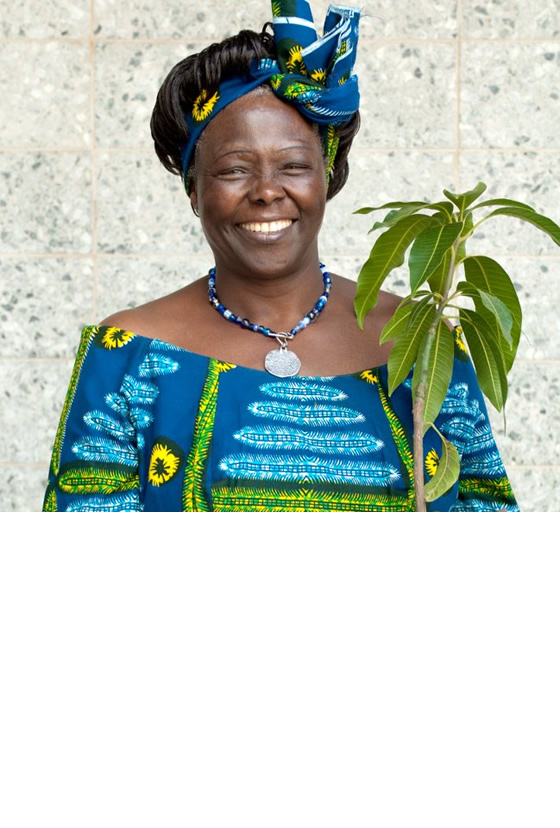
Wangari Maathai was a pioneering environmentalist whose work reshaped global thinking about conservation, community empowerment, and sustainable development. In 1977, she founded the Green Belt Movement in Kenya, an initiative that encouraged communities to plant trees to combat deforestation, soil erosion, and water scarcity. What began as a local environmental effort grew into an international model for grassroots activism.
Maathai’s approach was innovative because it connected environmental restoration with social and economic well-being. By involving local communities directly, especially rural women, she created opportunities for income, education, and leadership while addressing environmental degradation. Millions of trees were planted as a result of the movement, improving ecosystems and livelihoods simultaneously.
Her work was not without resistance. Maathai faced political opposition and personal risk for challenging powerful interests tied to land misuse and environmental exploitation. Despite this, she remained committed to peaceful advocacy and civic responsibility. Her persistence highlighted the link between environmental health, democracy, and human rights.
In 2004, Wangari Maathai became the first African woman to receive the Nobel Peace Prize. The award recognized her contribution to sustainable development, peace, and environmental protection, affirming that environmental action is essential to long-term global stability.
Maathai’s legacy extends far beyond tree planting. She demonstrated that meaningful change can start at the community level and grow into a global movement. Her life’s work shows that protecting the planet and empowering people are not separate goals, but deeply connected missions capable of transforming the world.
08
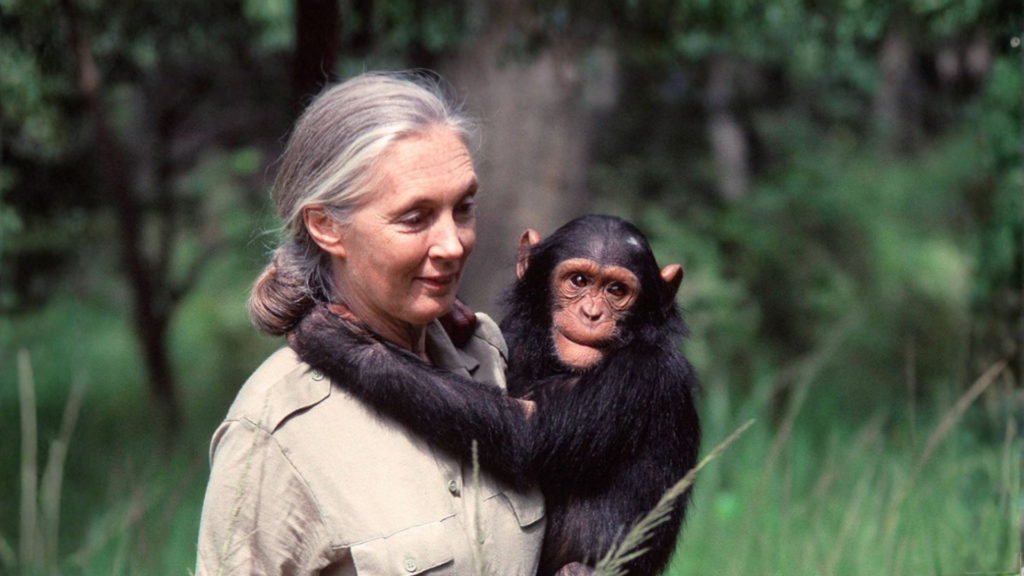
Jane Goodall is one of the most influential scientists and conservationists in modern history, known for revolutionizing the study of wildlife through empathy, patience, and long-term observation. In 1960, she began her groundbreaking research on chimpanzees in Gombe Stream National Park in Tanzania. With no formal scientific training at the time, Goodall challenged traditional research methods by closely observing animals in their natural environment.
Her discoveries reshaped scientific understanding of primates. Goodall documented chimpanzees using tools, forming complex social relationships, and expressing emotions once believed to be uniquely human. These findings transformed how scientists viewed animal intelligence and behavior, influencing biology, psychology, and anthropology worldwide.
Beyond research, Goodall became a powerful advocate for conservation and environmental responsibility. She recognized early that protecting animals required protecting ecosystems and supporting local communities. Through the Jane Goodall Institute, she launched programs focused on wildlife preservation, sustainable development, and education, particularly for young people.
Goodall’s Roots & Shoots program empowered students across the globe to take action in their own communities, encouraging responsibility toward animals, people, and the environment. Her approach emphasized hope, action, and long-term commitment rather than fear-based messaging.
Jane Goodall’s legacy is defined by compassion guided by science. She did not simply study nature; she stood up for it. Her life’s work proves that understanding leads to responsibility, and that one person’s dedication can transform how humanity relates to the natural world.
Leave a Comment