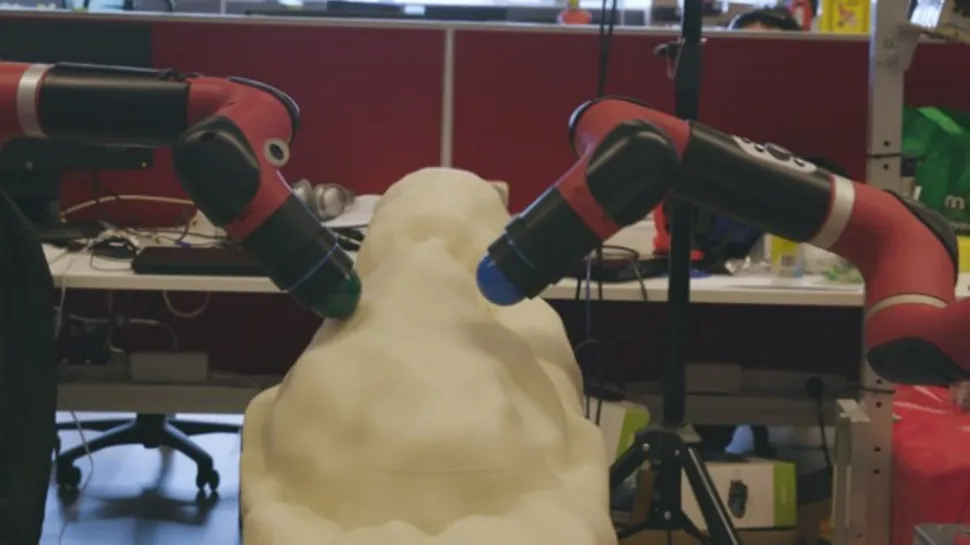

Robotic shearers exist. They’re just too disturbing and expensive to replace human hands.
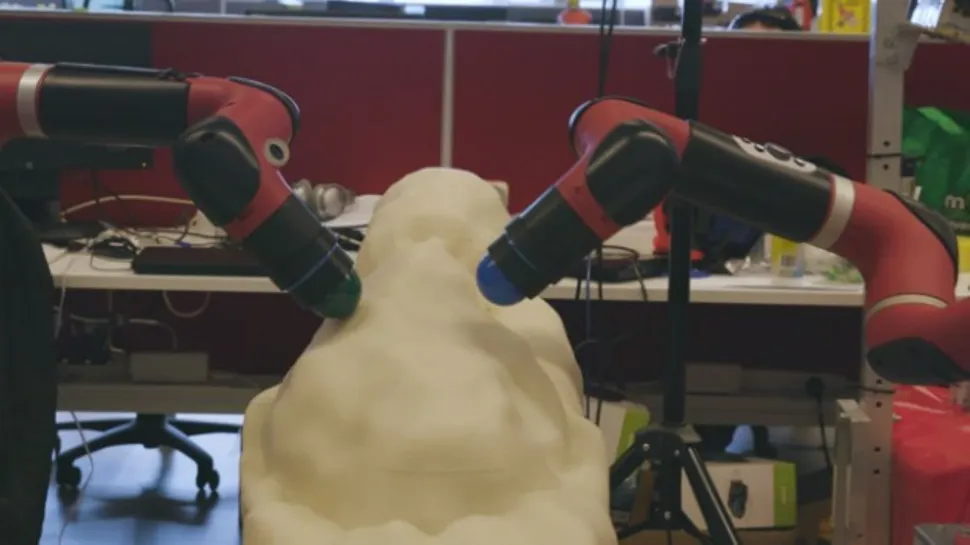
Australia has seventy-five million sheep and a problem: shearing them all by hand is backbreaking, labor-intensive, and increasingly short of workers. So since the mid-1980s, universities and industry bodies have poured resources into automating the process. The results are fascinating, unsettling, and still not ready for prime time. Videos from the University of Western Australia show prototypes in action, manipulating sheep into position while mechanical arms attempt to navigate the complex curves of an animal that really doesn’t want to be there. The process looks less like shearing and more like something from a dystopian farm of the future.
The challenges are immense. Every sheep is shaped differently. Their skin is loose and wrinkles in unpredictable ways. They squirm. The shearing head must follow the contours precisely enough to remove wool without cutting flesh—a task experienced humans do by feel, adjusting constantly. Robots struggle with that kind of real-time adaptation. And when they fail, the consequences are bloody. The technology has advanced, and research continues, but the old way still dominates. Hand shearing remains faster, safer, and more reliable than anything engineers have built. It’s a reminder that some tasks, no matter how many times we automate them in theory, resist automation in practice. Australia will probably keep dreaming of robotic shearers for decades to come. In the meantime, there are seventy-five million sheep waiting.


Leave a Comment