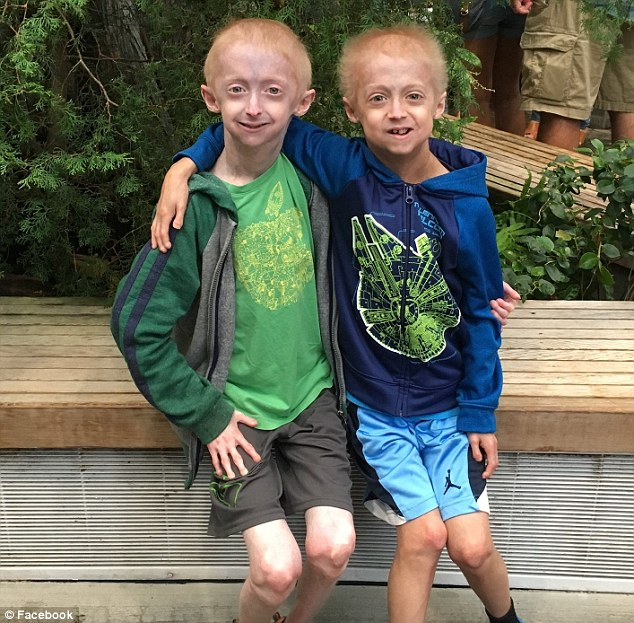

Nathan and Bennett Falcone, two young brothers in the U.S., live with progeria, a rare genetic disorder causing rapid aging. Both have the rarest form, mandibular dysostosis type B, affecting their jaws, fingers, and skin. Despite the physical challenges, including joint stiffness and age-related illnesses, they remain energetic and resilient. Their mother, Phyllis, advocates tirelessly for research into this life-shortening disease, which typically limits children to 13–20 years of life. Zoey Penny, diagnosed at just a few months old, also faces progeria’s harsh effects but remains spirited and joyful. Their stories highlight courage, resilience, and the urgent need for medical research.
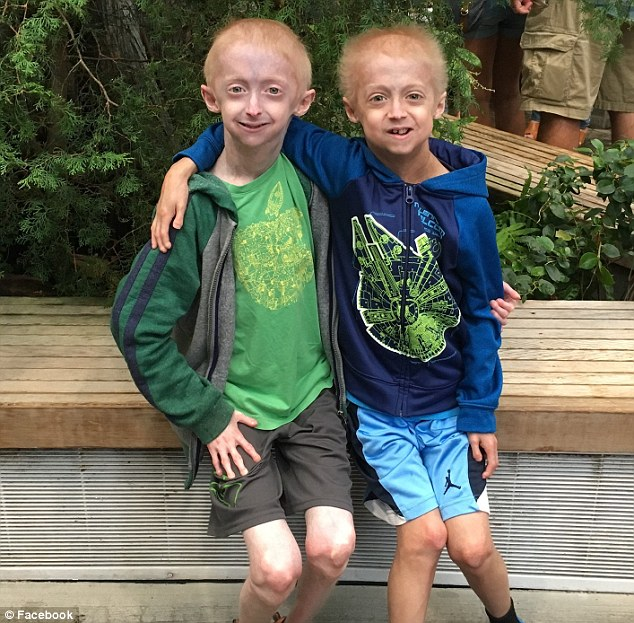
Nathan and Bennett Falcone are two young brothers living in the U.S. who face a rare and devastating genetic disorder: progeria, a condition that causes children to age at an accelerated rate. Both boys have a particularly rare form called mandibular dysostosis type B, which affects their lower jaws, fingers, and skin. Despite the serious physical challenges, including joint stiffness and other age-related symptoms typically seen in older adults, Nathan and Bennett approach life with remarkable energy, humor, and resilience, showing that courage and spirit can outshine the physical toll of the disease.
Their mother, Phyllis Falcone, has dedicated herself to raising awareness and advocating for research into progeria. She has spoken openly about the heartbreak of knowing children with this condition often die prematurely from heart attacks or strokes, illnesses linked to accelerated aging. Yet she remains committed to finding a cure, ensuring that Nathan and Bennett, and children like them, can live longer, healthier lives. Progeria is extremely rare, and children diagnosed with it typically have a life expectancy of just 13 to 20 years, experiencing age-related conditions such as arthritis, heart disease, and cognitive decline well before their peers. Nathan, however, continues to defy expectations, remaining healthy and active beyond the typical prognosis, offering hope to other families affected by this disorder.
Another young child, Zoey Penny, born in 2010 in New Jersey, is considered the youngest known person diagnosed with progeria. At first, she appeared to develop normally, but by five months old, her parents noticed she wasn’t gaining weight. By the age of three, Zoey’s physical appearance and mobility began to change dramatically, resembling an elderly child with stiff limbs and frail skin. Alongside these visible signs, she faced serious health complications, including blood clots, joint pain, and early-onset arthritis, illnesses most children her age never encounter.
Despite these challenges, Zoey remains spirited, joyful, and full of life. Her parents describe her as sweet, energetic, and resilient, her smile shining brightly even as her body bears the effects of accelerated aging. Families like the Falcones and the Pennys continue to fight not only for their children’s lives but also for awareness and research, determined that one day children with progeria will have hope for a full, healthy life. Their stories are a reminder of courage, love, and the urgent need to support medical research for rare and life-threatening conditions.
Tymek, a young boy from Poland, faces a rare and devastating condition that causes his body to absorb toxins while an autoimmune disease attacks his nervous system. Daily life is a struggle, with severe seizures and ongoing organ damage making each day critical. A potentially lifesaving treatment, immunoglobulin infusions, offers hope by replacing missing antibodies and strengthening his immune system, but the therapy’s cost is overwhelming. Tymek’s parents are doing everything possible to secure each infusion, while Tymek himself shows remarkable courage and resilience. His story is a powerful reminder of hope, determination, and the fight for a child’s life.
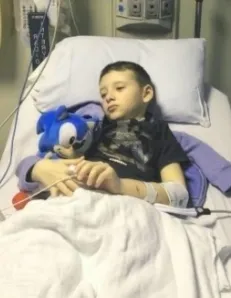
Tymek’s life began like that of any other child filled with laughter, curiosity, and promise. But as he grew, his parents began to notice worrying symptoms that could not be ignored. After numerous tests and consultations with specialists, Tymek was diagnosed with a rare and devastating condition that causes his body to absorb toxins, which attack his brain and vital organs. On top of this, an autoimmune disease is slowly destroying his nervous system, adding another layer of complexity and urgency to his fragile health.
Living with this condition is a daily battle. Tymek suffers severe seizures, ongoing pain, and a vulnerability to organ and nerve damage. Without treatment, the damage is not only relentless but often irreversible, making each day a race against time. For Tymek and his family, the stakes could not be higher.
After exhaustive research and consultations, his parents learned about immunoglobulin infusions, a potentially lifesaving therapy. This treatment works by introducing healthy antibodies into the body to replace those that are missing, strengthening the immune system and helping to combat both the toxins and autoimmune damage wreaking havoc on Tymek’s body. For children with conditions like Tymek’s, this therapy can be a game-changer, offering hope for a longer, healthier life and the chance to experience milestones that most children take for granted.
However, the treatment comes with a significant financial burden. Although the therapy is now available in Poland, the cost of each infusion is staggering. Tymek’s family faces the heartbreaking reality that even if the therapy could save his life, they may not be able to afford it long-term. Each infusion is essential, and missing even a single treatment could have devastating consequences.
Despite these obstacles, Tymek’s parents remain unwavering in their determination to secure the care their son desperately needs. They have reached out to charitable organizations, friends, and even strangers for support, determined that no obstacle, financial or otherwise, will stand in the way of their son’s chance to fight this disease.
Through it all, Tymek himself continues to inspire. Despite the physical toll of both the illness and the therapy, his spirit remains unbroken. Every infusion brings a small victory, a little more strength, and a renewed sense of hope. His courage and resilience shine through, reminding those around him that even in the face of a rare and devastating condition, the human spirit can persevere. Tymek’s story is a testament to the power of hope, the relentless dedication of his family, and the difference that lifesaving treatments can make for children battling rare diseases.
18-year-old Devin Buckley began experiencing dizziness, rapid weight loss, fatigue, and digestive issues. After months of uncertainty, he was finally diagnosed with Valley Fever, a rare fungal infection caused by inhaling Coccidioides spores, which thrive in dusty environments. Initially mistaken for cancer, Devin faced the frightening reality of a serious illness. Valley Fever’s symptoms often mimic mild respiratory infections, making early detection difficult, while severe cases can cause chronic lung damage and require long-term antifungal treatment with harsh side effects. Devin’s journey underscores the importance of awareness and timely medical care for this expanding health threat.
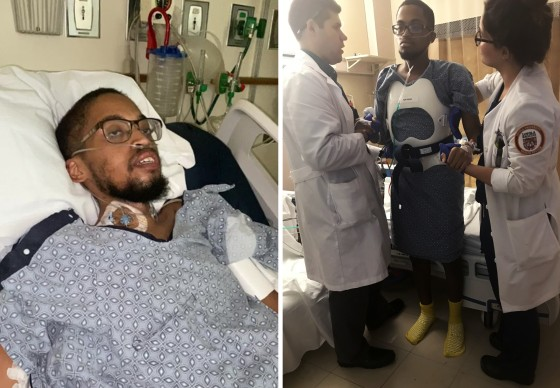
Devin Buckley, a vibrant and healthy 18-year-old, began experiencing alarming symptoms that disrupted his life. He felt dizzy whenever he stepped into the bathroom, rapidly lost weight, and endured severe fatigue and digestive issues. Despite seeking medical help, doctors at the University of Arizona in Tucson were unable to pinpoint the cause. As his condition worsened, Devin became frustrated by the uncertainty and fear of what might be happening to his body.
A turning point came during a visit home to Chicago over spring break, where further testing finally revealed a shocking diagnosis: Valley Fever. Initially, his doctors suspected cancer, making the diagnosis even more frightening. Devin recalls the moment vividly: “I was stunned to learn that I was battling such a serious illness. At first, the doctors thought I had cancer, and it was such a serious thought that it scared me.”
Valley Fever is a rare fungal infection caused by inhaling spores of the Coccidioides fungus, which thrives in arid, dusty regions. The spores can be released into the air through construction, wind, or even human activity. Once inhaled, they can cause infection ranging from mild flu-like symptoms to severe, life-threatening illness. Though historically concentrated in areas like Arizona and California, research suggests climate change is enabling the fungus to spread northward, potentially reaching as far as the Canadian border by the end of the century.
Despite being increasingly prevalent, Valley Fever remains under-recognized. In 2019, about 20,000 cases were reported in the U.S., though experts believe the actual number is much higher, as many cases are misdiagnosed or go undetected. Its symptoms are often mistaken for common respiratory infections, including fatigue, cough, fever, shortness of breath, and muscle aches, which makes early detection challenging.
For a small percentage of patients 5 to 10% the disease can become severe, leading to chronic lung damage, ongoing respiratory issues, and the need for long-term medical care. Devin’s case was serious enough that he required extensive monitoring and treatment. The path to recovery from Valley Fever is often long and difficult, involving months or even years of antifungal medication. Treatment can also carry harsh side effects such as hair loss, cracked lips, and dry skin.
Devin’s journey highlights the hidden dangers of Valley Fever and the urgent need for awareness about this expanding fungal threat. For patients and families facing the disease, timely diagnosis and consistent care can make all the difference. Devin’s story serves as both a cautionary tale and an inspiration, demonstrating the resilience required to face a little-known but potentially serious illness, and reminding the public that even rare diseases can have widespread impacts.
Tessa has faced life with remarkable courage and joy. Her family chose to raise her openly, teaching her to embrace her difference with confidence and pride. Despite physical challenges, Tessa breathes, laughs, and explores the world fearlessly, demonstrating that individuality is a strength, not a limitation. Her story has inspired those around her to see beyond appearances, celebrating uniqueness and authenticity. Tessa’s journey proves that true beauty lies in living unapologetically, embracing oneself fully, and teaching others to value people for who they truly are.
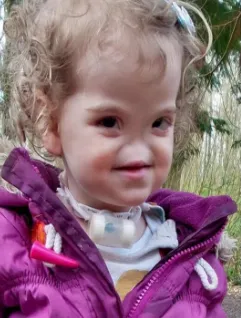
Tessa’s story began in 2013 with an extraordinarily rare condition that left her without a nose, a difference shared by only a handful of people worldwide. From the moment she entered the world, it was clear that Tessa possessed a remarkable spirit, one that would guide her through a life full of challenges and triumphs. Her birth brought many uncertainties, and no one could predict the path she would take. Yet Tessa faced each day with courage, resilience, and a boundless curiosity about the world around her.
Despite her physical difference, Tessa quickly showed that she was no stranger to strength. She breathes, laughs, speaks, and plays with the same energy and enthusiasm as any other child her age. Her condition has never limited her; instead, it has highlighted her determination and spirit. Tessa’s family has been instrumental in nurturing this mindset, choosing from the very beginning to raise her openly and confidently. They decided not to hide her difference or rush any changes, allowing her to grow at her own pace. This unwavering support created a foundation where Tessa could thrive without fear or shame.
As she grew, Tessa learned to view her uniqueness not as a burden but as a defining and beautiful part of who she is. Her family emphasized confidence, honesty, and openness, teaching her to embrace her individuality and to be proud of her difference. This approach allowed Tessa to experience life fully, exploring the world with curiosity and joy. She laughed freely, approached new experiences fearlessly, and engaged with the world on her own terms, demonstrating that beauty and strength come from living authentically.
Tessa’s journey has had an impact far beyond her own life. Through her courage and resilience, she has inspired her family and others to see beyond physical appearances and to value people for who they truly are. Her story encourages compassion, understanding, and a celebration of individuality. Tessa exemplifies that confidence and openness can change perspectives, challenging societal notions of beauty and normalcy.
One of the most important lessons Tessa and her family have shared is the power of openness. By embracing her difference rather than hiding it, Tessa has gained self-confidence and, in turn, taught those around her to see people for their true worth, beautiful, unique, and valuable. Her life is a testament to the strength of the human spirit and the importance of celebrating individuality, showing that living unapologetically and authentically is the truest form of beauty.
Mateus was born with one leg shorter than the other, a rare condition affecting only one in a million children. Instead of seeing himself as limited, he approached life with determination and courage. With the support of his family, he underwent bone-lengthening surgeries, gradually gaining over 10 centimeters in leg length. Each milestone became a symbol of strength, perseverance, and resilience. For Mateus, the ultimate goal was to run freely, reclaiming his independence and celebrating the victories of his journey. His story is a testament to courage, hope, and the power of never giving up.
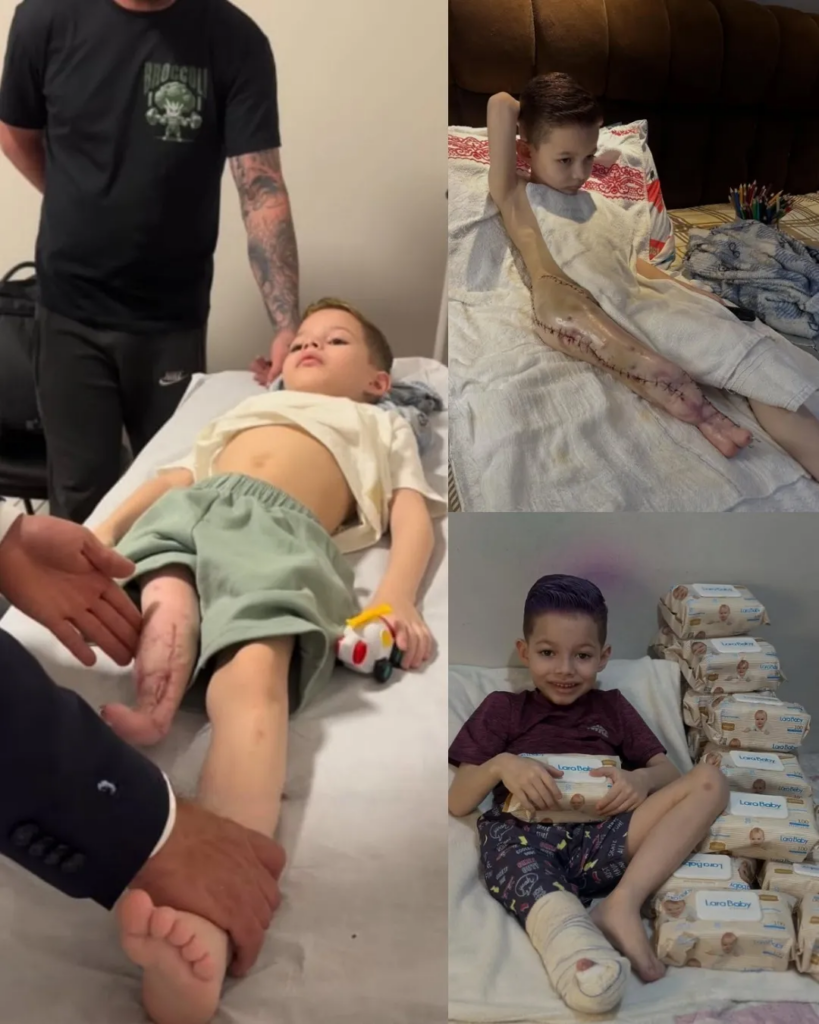
Mateus’ journey began with a rare condition affecting his legs. Born with one leg shorter than the other, he was diagnosed with a condition so uncommon that it affects only one in a million children. From the beginning, Mateus refused to see himself as broken. Instead, he viewed his life as a process of rebuilding, tackling every challenge with determination and optimism.
Growing up with a noticeable difference, Mateus faced obstacles that tested both his physical and mental strength. Yet, he approached these challenges as opportunities for growth. He refused to let his condition define him or limit his potential, focusing instead on what he could achieve with patience and perseverance.
Early on, Mateus and his family decided to pursue treatment. After consulting with medical professionals, they opted for bone-lengthening surgery, a procedure that gradually corrects the difference in leg length. The surgery is complex and often painful, but Mateus embraced it as a chance to reclaim control over his life.
The first surgery marked a turning point. The process required slowly turning a screw over time to elongate the bone, a procedure demanding patience, precision, and resilience. Each turn became a small victory, a tangible sign of progress, and a reminder of Mateus’ determination. As his leg gradually lengthened, he began to see it not merely as a limb but as a symbol of strength. He affectionately called it “the strong one,” recognizing the courage it represented and the journey he had endured.
Through perseverance and countless hours of recovery, Mateus gained over 10 centimeters in leg length after two surgeries. Every small milestone reinforced his belief in himself and the power of persistence. While the road to full recovery remained long, he faced each challenge with unwavering courage and optimism.
For Mateus, the ultimate dream was to run freely. Running symbolized more than mobility; it represented freedom, triumph over adversity, and the ability to define his life on his own terms. Every step he took was both a physical and emotional victory, a testament to the strength he had cultivated through years of hard work and determination.
Rehabilitation was a slow, demanding process, requiring both physical endurance and mental fortitude. Yet Mateus never wavered. He learned not only to walk again but to embrace life with renewed purpose, refusing to be defined by limitations. His story is a powerful reminder of the strength of the human spirit, the value of perseverance, and the incredible impact of courage in the face of adversity. Mateus’ journey stands as a testament to the resilience of the human body and soul, inspiring others to face their challenges head-on with hope and determination.
Dakota Hutson, a hardworking lineman and father of five, had his life changed in an instant when a 7,000-volt electrical surge left him with catastrophic injuries and the loss of most of both arms. Fighting through life-threatening burns and months of recovery, Dakota embraced prosthetic arms and relearned daily tasks with determination. The accident reshaped his priorities, bringing him closer to his wife and children and highlighting the value of love, presence, and family. With resilience and humor, Dakota continues to inspire, proving that true strength lies not in limbs, but in spirit, courage, and the joy of life’s simplest moments.
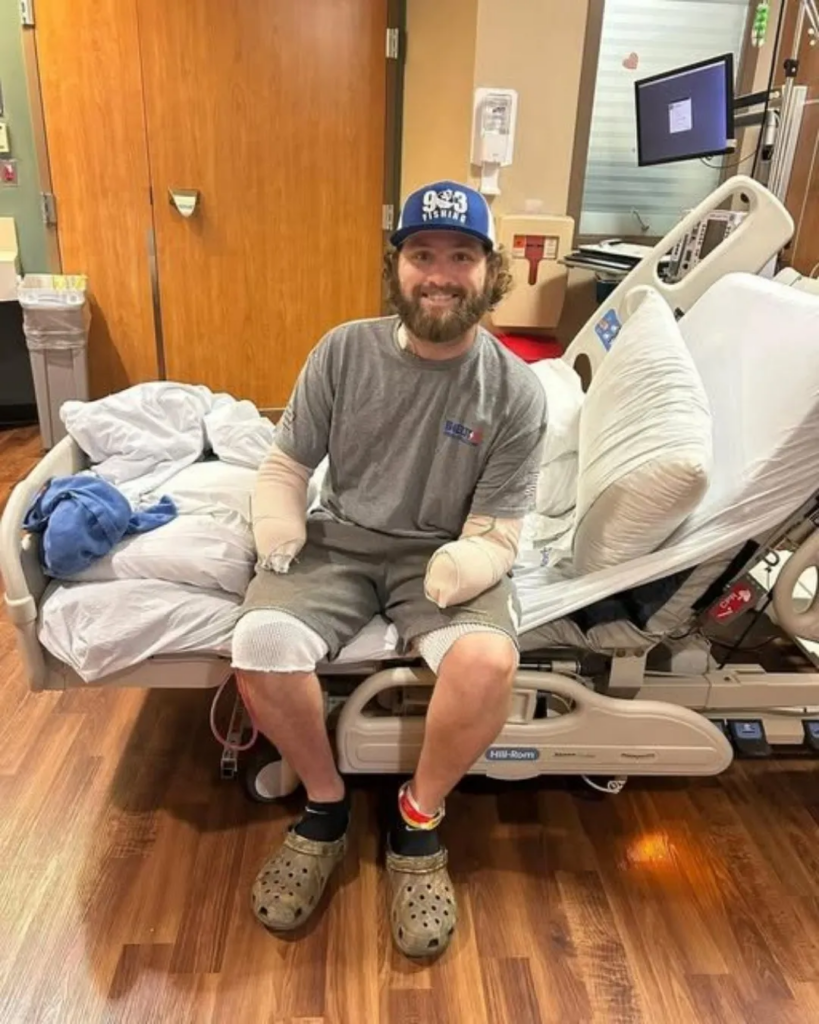
Dakota Hutson’s life was once defined by strength, routine, and family. As a lineman, he climbed poles, worked with his hands, and provided for his loved ones with pride and dedication. Every day followed a rhythm he knew well, until one fateful moment changed everything.
The accident was sudden and devastating; a 7,000-volt electrical surge tore through Dakota’s body in an instant. The force was catastrophic, leaving him with life-threatening burns, ruptured arteries, and extensive tissue damage. Doctors fought relentlessly for more than a month to stabilize him, battling infection and shock as his family prayed for survival.
While the physical trauma was immense, the emotional toll weighed just as heavily. Dakota’s deepest fear wasn’t the pain or rehabilitation, it was the thought of never holding his five sons again. That fear became the invisible wound he carried alongside his visible injuries.
Ultimately, the medical reality was unthinkable: to save his life, he lost most of both arms. For most people, such a loss would be overwhelming. Yet even in this darkest moment, Dakota’s spirit refused to break.
The fitting of prosthetic arms marked a turning point not just medically, but symbolically. Learning to use them was difficult, yet every small success became a reminder that strength is not just physical. Each milestone, whether holding a spoon or hugging his children, represented resilience, determination, and a refusal to let adversity define him.
The accident also reshaped Dakota’s priorities. No longer missing days at work, he now spent evenings at home, cherishing meals, laughter, and moments with his family. The tragedy brought him closer to the people he loved most, revealing the true measure of life: connection, presence, and love.
His wife and five sons became not just his support system but his reason to push forward. Holding them literally with prosthetics and figuratively in his heart became a daily affirmation of life’s value. Through therapy, recovery, and adaptation, Dakota discovered a remarkable capacity for humor. He even joked about everyday adventures, like shooting a snake on a trip, using laughter as a tool to endure pain and inspire those around him.
Dakota Hutson’s journey is a story of courage, resilience, and love. It is a testament to the human spirit’s ability to adapt, to find strength beyond the physical, and to embrace life despite unimaginable hardship. His story reminds us that adversity may change our bodies, but it cannot diminish our hearts, our love, or the joy we find in family, laughter, and the everyday moments that make life meaningful.
Born at 36 weeks and weighing just six pounds, Mallory faced the challenges of a premature infant, including difficulty breathing and feeding. Her early days in the NICU were filled with medical interventions and uncertainty, yet her spirit shone through. Week by week, she grew stronger, achieving small but monumental milestones that brought hope and joy to her parents. Through it all, the unwavering support of the NICU staff provided guidance, care, and encouragement. Mallory’s journey is a testament to resilience, determination, and the power of love, proving that even the tiniest fighters can inspire extraordinary courage.
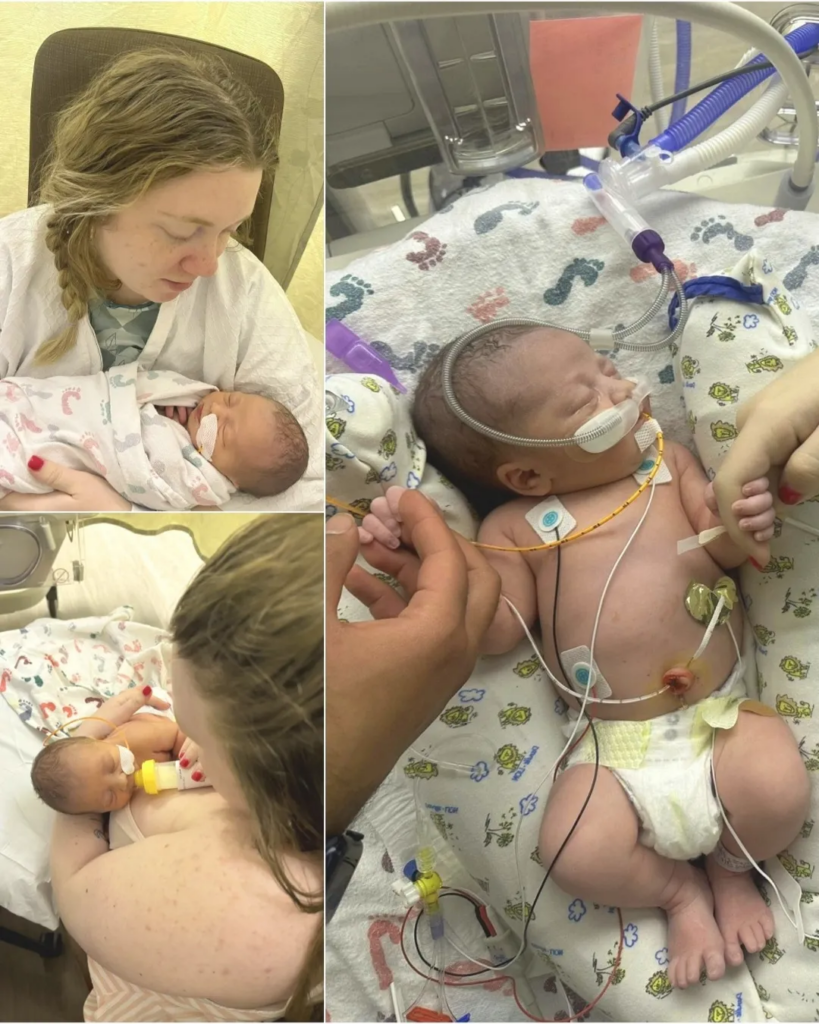
Mallory’s journey began with fragility and uncertainty. Born at just 36 weeks, weighing only six pounds, she faced the challenges common to many premature infants: difficulties with breathing, feeding, and regulating her tiny body. From the moment she entered the world, however, there was a spark in her that refused to be dimmed. Her early days were filled with medical interventions, constant monitoring, and the delicate fight for survival, yet her spirit shone through every challenge.
The first few days in the NICU were intense. Mallory’s parents watched anxiously as machines beeped and alarms signaled her fragile condition. Her body struggled to regulate temperature and her feeding tube was a constant reminder of how delicate she was. Each day was a rollercoaster of emotions: hope mingled with fear, joy with anxiety. For Mallory’s family, every breath she took was a victory, and every milestone, no matter how small, was celebrated like a triumph.
As weeks passed, Mallory’s progress became evident. She began breathing more steadily, her feeding improved, and she started gaining weight. Each tiny step forward was monumental not just for Mallory, but for her parents who had endured the tension and heartbreak of watching their daughter fight for life. The medical team became a source of hope and strength, cheering on every improvement and providing guidance and reassurance through the challenges.
By the time she reached three months old, Mallory had grown stronger and more vibrant. The early struggles were gradually replaced with laughter, coos, and the simple joys of infant life. Every smile, every grasp of her parents’ hands, every little sound she made became a moment of celebration. These milestones symbolized more than growth; they represented the resilience of a tiny warrior and the unwavering love of a family that refused to give up.
For Mallory’s mother, the journey was a lesson in patience, love, and determination. Hours were spent by her daughter’s side, talking to her, comforting her, and praying for the day they could finally bring her home. The NICU taught her the profound meaning of resilience, as she witnessed the strength of a child determined to survive.
Throughout this journey, the support of the NICU staff proved invaluable. Doctors, nurses, and specialists became extended family, offering both medical care and emotional guidance. Their tireless dedication and encouragement helped Mallory’s parents navigate the uncertainty, making the darkest moments a little brighter. Their presence reminded the family that even in the most difficult circumstances, love, hope, and support can carry a family through.
Mallory’s story is one of courage, perseverance, and the power of support. It is a testament to the resilience of the tiniest fighters and the families who never give up, proving that even the smallest lives can have the biggest impact.
Joey, a puppy who arrived at Animal Aid severely injured, faced a life-changing challenge when his front leg had to be amputated. Despite the setback, his courage never wavered. A second complex surgery was needed to restore function in his other front leg, and Joey emerged stronger than ever. Adapting to life on just his back legs, he moved with surprising agility and filled the shelter with energy, joy, and inspiration. Joey’s story is a testament to resilience, determination, and the healing power of love and care, showing that even in the darkest moments, hope can prevail.
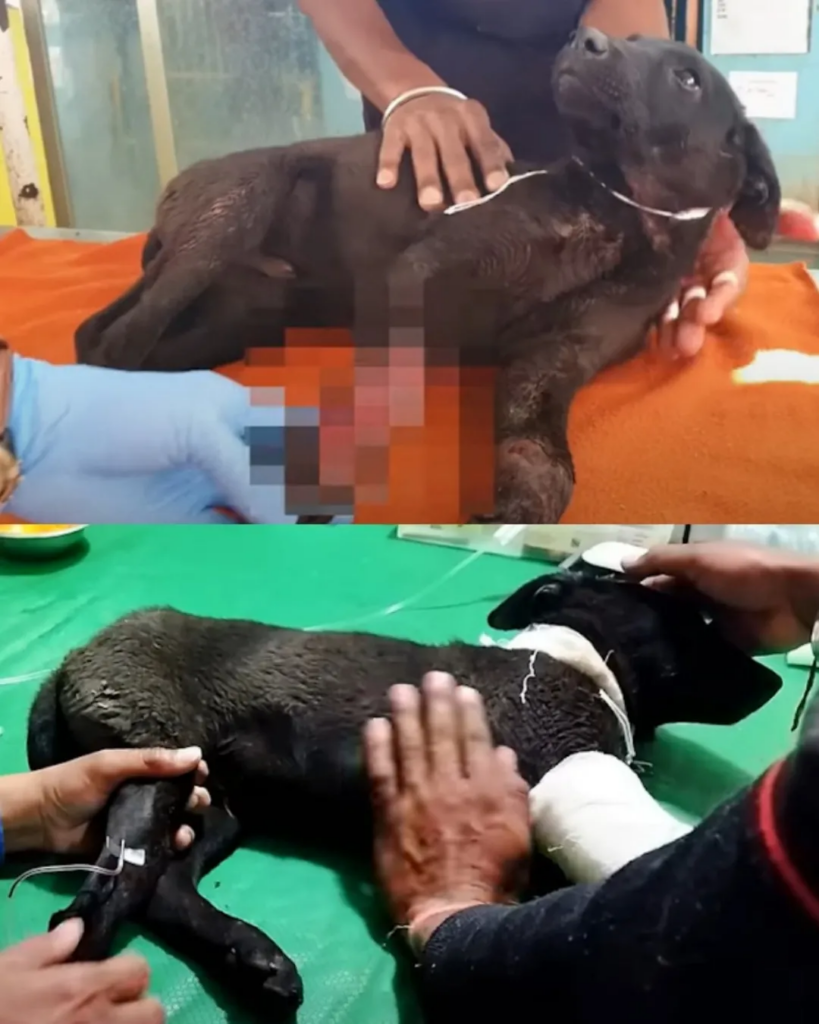
Joey’s journey began with tragedy, but it quickly became a story of resilience and hope. When the team at Animal Aid first encountered Joey, it was clear that this puppy had endured unimaginable pain. Injured and vulnerable, he was in urgent need of expert care. Without hesitation, the Animal Aid team took him in, determined to do everything possible to give Joey a second chance at life.
Upon arrival at the clinic, the veterinary team conducted a thorough examination. The assessment revealed a devastating truth: Joey’s front leg was irreparably damaged. Every possible treatment was considered, but ultimately, amputation was the only way to relieve his suffering and give him a chance to thrive. The decision weighed heavily on the team, but their focus remained on Joey’s well-being.
The surgery was performed promptly, and when Joey awoke, there was a visible spark of life in his eyes a hint of the courage and determination that would define his recovery. However, the challenges were far from over. His remaining front leg was in poor condition and unable to bear weight, threatening his mobility and complicating the road ahead. Despite the overwhelming odds, Joey’s spirit remained unbroken, inspiring everyone around him.
After careful deliberation, the veterinary team opted for a second, complex surgery. The procedure carried risks, but it was a critical step in ensuring Joey could regain function and live a better life. Against the odds, Joey emerged from the surgery stable, with his fighting spirit fully intact. His determination and resilience were evident in every movement, even as he began adjusting to life with only his two back legs.
Adapting to his new circumstances, Joey learned to move with surprising agility and speed. He embraced life fully, proving that physical limitations could not dampen his energy or joy. The once-injured puppy became a source of inspiration at the shelter, brightening the days of staff and visitors alike. His playful antics, wagging tail, and infectious enthusiasm reminded everyone that courage and hope can overcome even the most daunting challenges.
Joey’s story is a testament to the power of compassion, expert care, and the indomitable spirit of a little puppy who refused to give up. From the brink of despair to a life filled with joy, Joey continues to thrive, showing that resilience and love can triumph over adversity. His journey inspires hope not only for animals in need but for anyone facing seemingly insurmountable obstacles, proving that determination and care can create miracles.
Bailey’s pregnancy took a sudden, dangerous turn when her cervix nearly disappeared at 24 weeks. Forced onto strict bed rest, she struggled to keep her son Jayce inside. Born at 29 weeks and just 3 pounds, he became a miracle in the NICU, showing incredible strength while Bailey’s love and devotion never wavered.
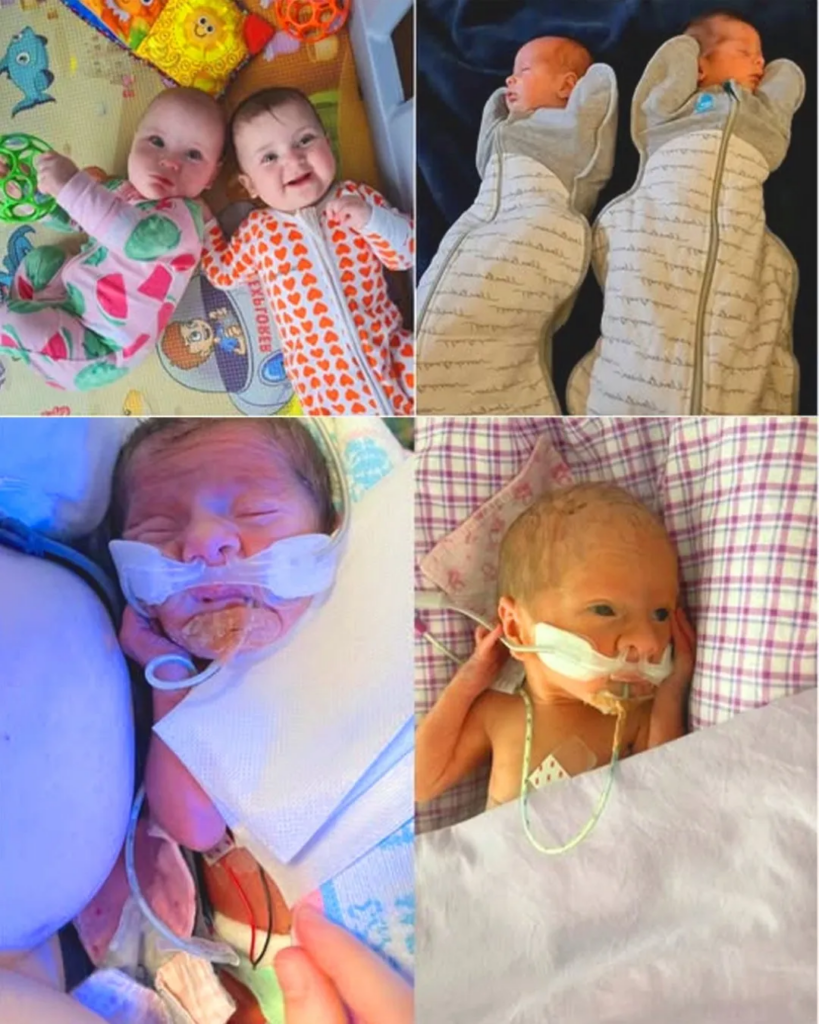
Bailey’s pregnancy began with hope and excitement, with no indication of the challenges that would soon arise. At 24 weeks, a routine checkup delivered life-changing news: her cervix had nearly disappeared, placing her at extreme risk for premature labor. The doctor’s words hit like a thunderbolt: her pregnancy was now considered high-risk, and immediate medical intervention was crucial to protect her baby.
Determined to give her child the best chance, Bailey began strict bed rest, while doctors administered steroids to accelerate the development of her baby Jayce’s lungs. Each day was a battle of patience and endurance, as she clung to hope, praying that Jayce would stay safely inside her womb for as long as possible. The uncertainty was overwhelming, but Bailey’s resolve never faltered.
Despite these precautions, complications escalated. At just 29 weeks, Bailey was readmitted to the hospital, and within six hours, she went into full labor. Jayce was born prematurely, weighing only 3 pounds, far smaller than what would be considered full-term. Fear and anxiety gripped Bailey, as she faced the reality that her tiny baby was entering the world far earlier than expected.
Rushed to the neonatal intensive care unit (NICU), Jayce’s survival depended on the round-the-clock care of medical professionals. Despite his fragile size, he astonished everyone by breathing independently, a miraculous sign of his resilience. Watching her tiny son fight for every breath, Bailey experienced a mixture of relief, awe, and profound love. Every inhale he took was a testament to strength, courage, and the will to survive.
Yet the first weeks in the NICU were filled with ongoing uncertainty. Doctors vigilantly monitored Jayce for potential complications, from lung issues to infections, while Bailey remained by his side, offering comfort, encouragement, and unconditional love. Each day brought small victories and continued challenges, but Bailey’s presence and unwavering support became a cornerstone of her son’s recovery.
Throughout the ordeal, the bond between mother and child grew stronger than ever. Bailey’s love was not passive; it was active, fierce, and sustaining, a source of courage that carried both her and Jayce through the most trying days. From the quiet moments of holding his tiny hand to the anxious hours watching monitors and medical equipment, Bailey embodied the strength and resilience of a devoted parent facing unimaginable circumstances.
Jayce’s early arrival and miraculous survival are a testament not only to modern medicine but also to the power of maternal love. Bailey’s journey reminds us that hope, courage, and devotion can shine brightest in life’s most fragile and challenging moments. Together, mother and son continue to navigate the road ahead, proving that even in the face of adversity, miracles are possible.
Born during the uncertainty of lockdown, Esme struggled from the start with feeding and weight gain. At 11 months, a persistent cough led to the discovery of a congenital heart defect, an atrioventricular septal defect. Surgery was necessary, but infection delayed it, leaving her family balancing fear and hope as they awaited her life-saving operation.
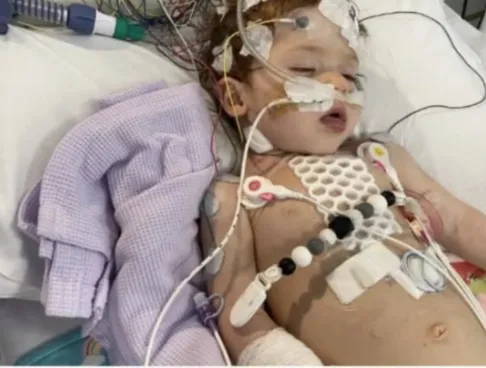
Esme entered the world in July 2020, a time when the pandemic had placed the entire globe on pause. Her mother’s pregnancy unfolded amid lockdowns, with limited medical appointments and less reassurance than most expectant parents receive. From the moment Esme was born, her tiny body signaled that her journey would not be simple, foreshadowing the challenges her family would face.
From the very beginning, Esme struggled to feed and gain weight. Community nurses monitored her closely and quickly diagnosed her with failure to thrive. While this provided a medical label, it didn’t answer the deeper question of why she was struggling. Her parents were filled with worry, navigating a landscape of uncertainty that only intensified during a time when in-person support was limited.
At 11 months old, a seemingly routine cough escalated into something far more serious. Esme’s oxygen levels dropped significantly, prompting an urgent hospital visit. What began as a minor respiratory concern rapidly became a critical situation, highlighting just how fragile her young body was.
Despite the dedicated efforts of doctors and nurses, Esme’s condition continued to worsen. Days stretched into a week, and there was no sign of improvement. Her parents clung to hope while quietly fearing that the true cause had yet to be discovered. Every passing moment brought heightened anxiety, as each observation and test held the potential for life-altering news.
A breakthrough came with an X-ray that revealed something unexpected: Esme’s heart was enlarged. Further examination uncovered a heart murmur that had previously gone undetected, prompting urgent testing. The family’s fear intensified as they realized that their daughter’s struggles were linked to a serious underlying condition rather than a temporary illness.
An echocardiogram delivered the confirmation: Esme had a congenital heart defect known as an atrioventricular septal defect (AVSD). This condition meant her heart had not formed properly in the womb, leaving her with a weakened heart incapable of sustaining normal function on its own. The news was devastating, bringing a new level of urgency and concern to her parents’ lives.
Doctors explained that open-heart surgery was essential to repair Esme’s heart, but an active infection delayed the procedure for nearly two weeks. During this agonizing wait, her family navigated a precarious balance of fear and hope. They watched over her closely, cherishing every moment while understanding that time was critical.
As Esme’s first birthday approached, the emotional weight of uncertainty was immense, yet her family’s love and hope remained unwavering. Every test, every monitoring session, and every heartbeat reinforced their commitment to stand by her. Esme’s story is a poignant reminder of the fragility of life, the courage of families in crisis, and the power of hope even when circumstances feel overwhelming.
Through uncertainty, fear, and waiting, Esme and her family demonstrate resilience and love in the face of life-threatening challenges, a testament to the extraordinary journey many families endure when fighting for the health of a child.
Born with a rare diaphragmatic condition and severely underdeveloped lungs, Ryder’s early life was marked by uncertainty and fear. Against all odds, his parents and medical team supported him through critical interventions. Through perseverance, love, and determination, Ryder gradually transformed from a fragile newborn into a thriving, resilient child.
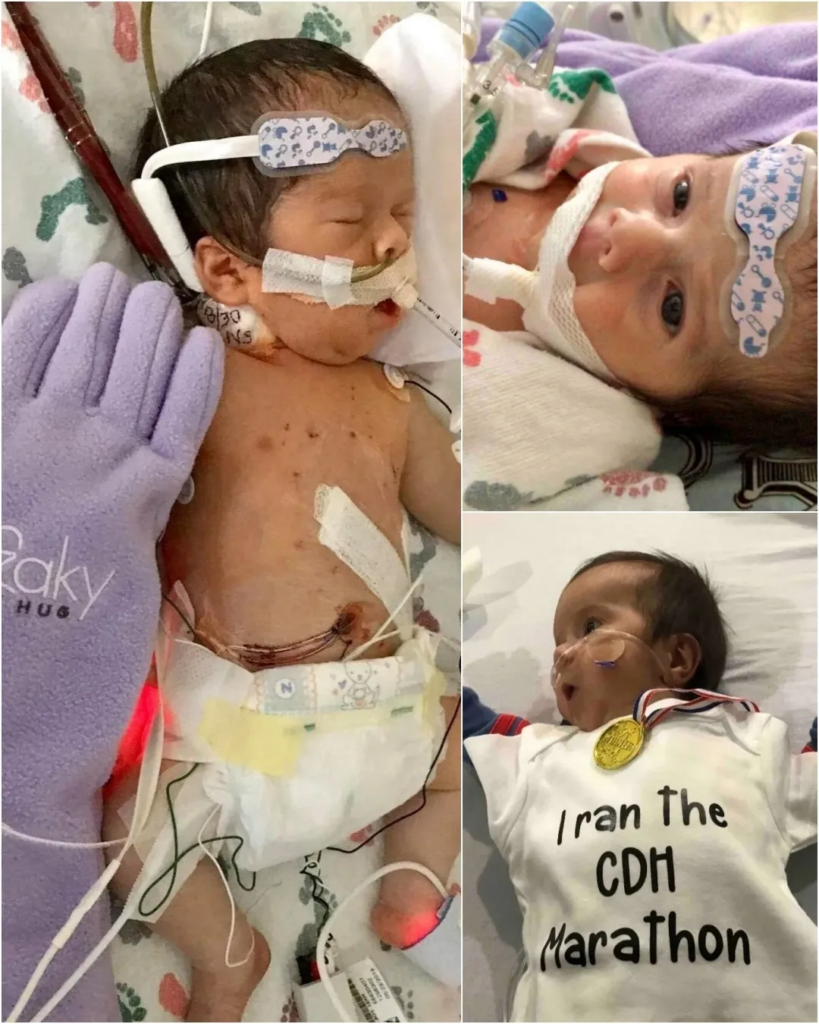
Ryder’s entrance into the world was fraught with challenges that no parent expects to face. Born with a rare diaphragmatic condition and severely underdeveloped lungs, the first breaths he took were a testament to sheer willpower and the skill of his medical team. From the very beginning, uncertainty overshadowed joy, leaving his parents anxious and fearful for the fragile life in their arms.
In the neonatal intensive care unit, Ryder’s days were filled with monitors, tubes, and medical interventions. Every breath, every heartbeat, required careful observation. Parents were thrust into a world where each moment held potential risk, where hope and fear coexisted in a delicate balance. Despite the grim prognosis, his caregivers and family refused to give up, committing themselves to his survival and gradual growth.
Early interventions were critical. Ryder underwent procedures designed to support his underdeveloped lungs and correct his diaphragmatic condition. The first few weeks were a rollercoaster of small victories and setbacks, each demanding patience and resilience from both him and his family. For his parents, learning to navigate the NICU’s intimidating environment while maintaining faith in their son’s potential was a lesson in perseverance itself.
As days turned into weeks, Ryder began to show signs of strength. Every increment of progress taking a full breath, gaining weight, or enduring a medical procedure was celebrated as a triumph. His tiny body, once so vulnerable, started to demonstrate the remarkable resilience of the human spirit. With each step forward, his parents’ hope transformed from cautious optimism into a growing belief in Ryder’s potential to overcome the odds.
Throughout his journey, Ryder’s story became one of transformation. From a newborn whose survival seemed uncertain, he gradually gained strength, thriving under the care of his devoted parents and skilled medical team. Beyond physical growth, Ryder’s journey symbolized courage, determination, and the unyielding power of love. His parents’ unwavering support played a crucial role, illustrating how family dedication can amplify medical care and inspire a child to fight for life.
Ryder’s journey is a testament to resilience in its purest form. It reminds us that even the most daunting beginnings can evolve into stories of hope and triumph. Every intervention, every sleepless night, and every small victory contributed to a narrative of perseverance that will continue to inspire his family and others who face similar challenges.
From fragile beginnings to a thriving, spirited child, Ryder’s transformation embodies the essence of strength and determination. His story is not only about survival but about the extraordinary journey of growth, hope, and the enduring power of human perseverance. It stands as a shining example of how love, resilience, and faith can turn the most uncertain start into a life filled with promise and possibility.
Zackery Tucker and Braleigh Busbee, a young couple with bright futures, were struck by tragedy when a head-on collision claimed Braleigh’s life and left Zackery critically injured. Enduring multiple surgeries and facing months of rehabilitation, Zackery’s family clings to hope while honoring the love he shared with Braleigh and navigating unimaginable grief.
The story of Zackery Tucker and Braleigh Busbee is one of love, dreams, and heartbreaking loss. Both young, ambitious, and full of life, they envisioned a future together filled with shared passions, milestones, and family dreams. Braleigh, a talented high school junior with a love for singing, horses, and helping others, dreamed of becoming a nurse and making a difference in her community. Zackery, an outdoorsman with a passion for his 2005 Mustang and a desire to become a diesel mechanic, shared her drive and enthusiasm for life. Together, they talked about marriage, careers, and the life they hoped to build side by side.
On January 6th, 2026, tragedy struck. What began as an ordinary day turned into an unimaginable nightmare. Braleigh had just turned onto Highway 80 when a head-on collision with a Ram pick-up truck ended her life and the life of 75-year-old driver Arthur Mendenhall. Zackery, gravely injured, was airlifted to UAB Hospital. The extent of his injuries stunned everyone: a severed main artery near his heart, ruptured spleen, broken wrist, hip, femur, and feet, and even a stroke. Over the following weeks, he underwent 10 critical surgeries, each one a battle for his survival.
For Zackery’s mother, Ginger Freeman, witnessing her son’s fight for life has been both terrifying and awe-inspiring. She describes his survival as nothing short of miraculous. While his physical recovery is already a monumental journey, the emotional toll of losing Braleigh weighs heavily. The families involved are now navigating a future forever marked by grief, yet they remain connected through love, support, and the memories of those taken too soon.
Zackery faces months of rehabilitation, a long and painful road that will test both body and spirit. While doctors work to stabilize him physically, his family continues to provide the emotional strength he needs. Community support, prayers, and compassion have become lifelines, helping Zackery and his loved ones cope amid the overwhelming sorrow.
Even in the face of heartbreak, the love Zackery and Braleigh shared continues to inspire. Their kindness, joy, and compassion left lasting impressions on everyone who knew them. Though their dreams of building a life together were tragically cut short, the bond they shared and the memories they created remain eternal.
This story is a reminder of both the fragility of life and the resilience of the human spirit. As Zackery works to heal and rebuild, his family focuses on the power of love, community, and hope. In honoring Braleigh’s memory, they find the courage to face each day, carrying forward the joy and dreams of two young lives forever intertwined.
At just two years old, Lennon was diagnosed with neuroblastoma, beginning a grueling journey of chemotherapy, radiation, and surgery. Despite setbacks, including a cancer recurrence, her courage and infectious smile inspire everyone around her. Supported by family, friends, and prayers, Lennon remains a beacon of hope in the fight against childhood cancer.

Lennon’s story is one of extraordinary courage in the face of unimaginable adversity. At just two years old, she was diagnosed with neuroblastoma, a rare and aggressive form of cancer. For any family, hearing that a young child has cancer is devastating, yet Lennon’s family immediately resolved to face the battle with love, determination, and unwavering support.
Treatment began almost immediately. Chemotherapy, radiation, and surgeries became a constant part of Lennon’s life. The hospital, often a place of fear and uncertainty for a child, became the backdrop for her bravery. Through the pain and exhaustion of each procedure, Lennon’s bright smile never faded, a testament to her resilience and remarkable spirit. Every day brought new challenges, yet she met them with courage beyond her years.
A milestone that every family fighting cancer hopes for came when Lennon rang the bell, signaling the end of a cycle of treatment. The ringing was a moment of triumph, a tangible symbol of victory over a disease that threatens so many young lives. For her family, it was a time to breathe, to celebrate hope, and to cherish the moment of relief that the bell represents.
Yet just as hope seemed secure, the disease returned. The news of a relapse is every parent’s nightmare, but Lennon faced it with the same indomitable spirit that had carried her through the initial diagnosis. Her strength never wavered, and she once again began grueling treatments, bolstered by the unwavering love of her family and the support of countless friends, neighbors, and well-wishers.
Lennon’s story has resonated far beyond her immediate circle. Her bravery and determination inspire other families facing similar battles, reminding them that even in the darkest moments, hope can persist. Her courage demonstrates the extraordinary resilience children can display, and it serves as a reminder of the importance of love, support, and community in navigating life-threatening illness.
Family, friends, and supporters play a pivotal role in Lennon’s journey. From prayers and messages of encouragement to visits and acts of kindness, the support network around her has helped her maintain her optimism and determination. Each gesture strengthens her resolve and reminds her that she is not alone in this fight.
Though her battle continues, Lennon’s story is one of hope, inspiration, and extraordinary courage. At just four years old, she has faced more adversity than many adults could imagine, yet she continues to smile, fight, and inspire. Her journey embodies the power of perseverance, the impact of unconditional love, and the belief that hope can endure, even in the most challenging circumstances.
Lennon remains a symbol of bravery, a little girl whose courage lights the way for others and reminds the world that even the smallest among us can possess the biggest hearts.
At nine years old, Brie Bird faced stage 4 cancer, enduring painful treatments while keeping her spirit unbroken. Inspired by the Broadway musical Wicked, she found hope, joy, and connection through music. Support from family, friends, and the cast helped her embrace life’s magic, reminding everyone that courage can shine even in darkness.
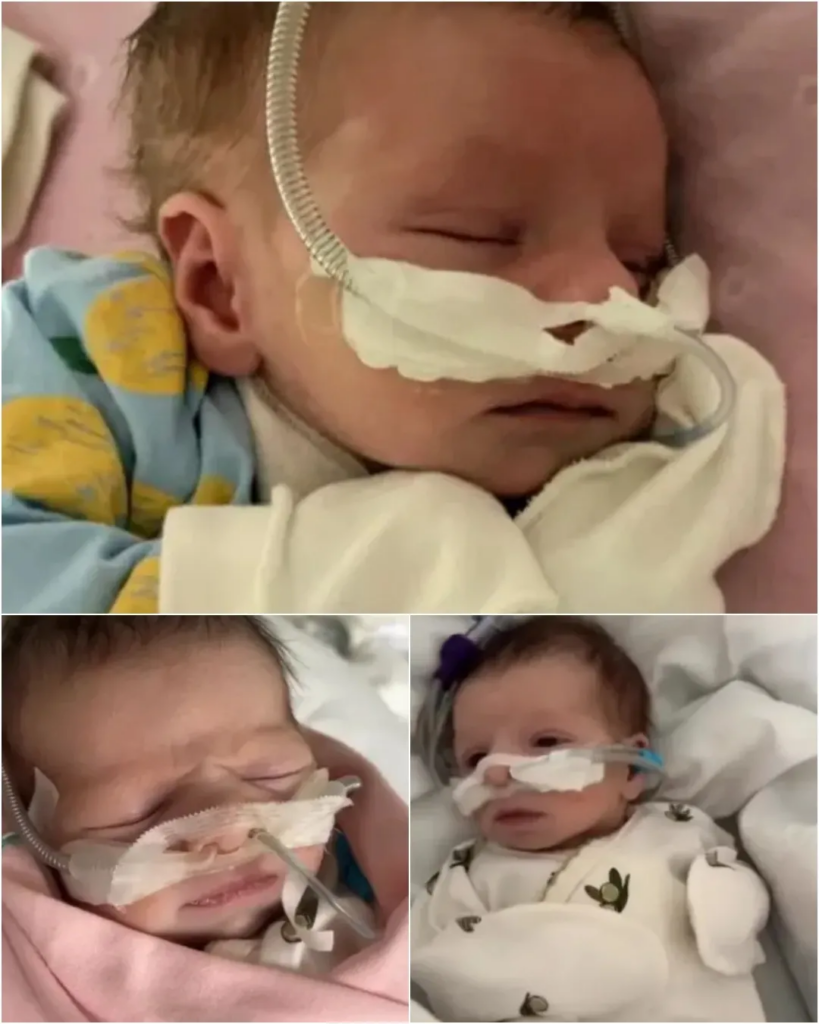
Brie Bird’s story is one of courage, resilience, and the extraordinary power of hope. At just nine years old, she was diagnosed with stage 4 cancer, a life-altering reality no child should face. The diagnosis brought fear, uncertainty, and countless medical decisions for her family, yet throughout it all, Brie’s spirit remained unbroken.
Amid grueling treatments, Brie discovered a source of comfort and joy: the Broadway musical Wicked. The story, the music, and the magical world of Oz offered her an escape from the harsh realities of illness. For Brie, Wicked became more than entertainment; it was a symbol of hope, a reminder that beauty, joy, and magic could still exist even in the midst of pain.
Music, in particular, became a lifeline. The melodies of Wicked filled her days with light, helping her endure long hospital stays, chemotherapy sessions, and moments of fear. Each song reminded Brie and her family of life beyond the treatments, offering a sense of normalcy and comfort. The music helped her process emotions and brought moments of happiness to days that were otherwise filled with struggle.
The kindness of others further strengthened Brie and her family. Friends, strangers, and even the cast of Wicked rallied to support her, sending letters, gifts, and heartfelt messages. In one extraordinary moment, the cast arranged a private screening of the show for Brie, bringing her beloved world of magic to life. This personal connection gave Brie a sense of joy and belonging, showing her that the wider world recognized her bravery and celebrated her spirit.
As her illness progressed, Brie’s bond with the cast deepened. Their ongoing support created a lifeline of encouragement, reminding her that even small acts of kindness could make a profound difference. Brie’s belief in the magic of Wicked became intertwined with her courage, giving her the strength to face each day and inspiring her family to embrace hope alongside her.
Despite her declining health, Brie and her family made a conscious effort to celebrate every milestone—smiles, laughs, or simply shared moments together. Each victory, no matter how small, was cherished. These celebrations became an anchor in a world of uncertainty, reinforcing the love and togetherness that carried them through the hardest days.
Brie’s unwavering belief in magic was more than a personal comfort; it became contagious. Her family, friends, and supporters drew inspiration from her ability to see light amid darkness, finding courage in her determination to hold onto hope. Through her journey, Brie Bird demonstrated that even in the face of immense adversity, belief, joy, and love can shine through.
Brie’s story is a testament to the power of resilience, the impact of community, and the enduring strength of a child’s spirit. Even in the most challenging circumstances, she showed that hope, music, and magic can transform life’s darkest moments into reminders of the beauty that remains.
At 31, Sarah Whitney faced stage 3 breast cancer while pregnant. Determined to protect her unborn son, Kal-El, she underwent surgery and chemotherapy. With her health and her baby’s safety in balance, Sarah persevered. Breastfeeding challenges were met with community support, proving that love, resilience, and hope can carry families through life’s darkest moments.
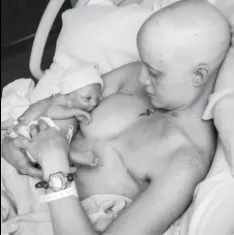
Sarah Whitney’s world changed at 31 when she was diagnosed with stage 3 breast cancer halfway through her pregnancy. The diagnosis brought immediate fear not for herself, but for her unborn child, Kal-El. While facing a life-threatening illness, Sarah’s determination centered on one goal: ensuring her baby’s safety and health above all else.
The moment she received the news, Sarah was overwhelmed with uncertainty. Being pregnant while battling cancer meant navigating complex medical decisions that no parent should face. Every choice she made had to balance her treatment with the safety of her child. Yet through the fear and anxiety, one thing remained constant: her unwavering love for Kal-El, which gave her the courage to fight.
Sarah agreed to undergo surgery and chemotherapy, fully aware of the risks. Each treatment decision was carefully coordinated with her doctors to protect her pregnancy. The fear of harming her unborn child weighed heavily on her, but her focus never wavered. This was not just a battle for her own life it was a fight for the future of her child.
In April, after months of fear and careful monitoring, Sarah’s prayers were answered. Kal-El was born healthy and strong, free from cancer. Holding her son for the first time brought relief and joy beyond words. Though the fight was far from over for Sarah, this moment offered a beacon of hope and a reminder of what she was fighting for.
A photo of Sarah nursing Kal-El with her remaining breast quickly captured hearts worldwide. The image symbolized her courage, resilience, and unbreakable bond with her child. Breastfeeding, however, proved difficult as cancer treatments intensified, and Sarah was able to nurse her son for only two weeks. The heartbreak of having to stop was profound, but her love for Kal-El remained steadfast.
In a remarkable act of generosity, 27 women donated breast milk to ensure Kal-El continued to thrive. This support highlighted the power of community and the shared bonds of motherhood, offering Sarah both practical help and emotional reassurance. The collective care surrounding her family underscored the truth that no one fights alone.
Today, Sarah continues her battle against cancer. Each day is a test of strength, perseverance, and hope. She remains determined to survive not only for herself but for Kal-El and her family. Her story is one of extraordinary courage, a testament to a mother’s love, and a reminder that resilience and community support can illuminate even the darkest journeys.
Sarah Whitney’s journey embodies the dual fight of protecting life while facing mortality. It is a narrative of hope, courage, and the relentless spirit of a mother who refuses to let adversity define her family’s future. Her determination, combined with the support of a caring community, demonstrates that love can create miracles even in the most challenging circumstances.
Donna Lochmann, chief lifesaving officer at Stray Rescue of St. Louis, responded to a call about a dog in distress, only to find eight puppies and a frightened mother trapped in an abandoned building. Through multiple visits and careful effort, Lochmann reunited the entire family, ensuring their safety and a second chance at life.
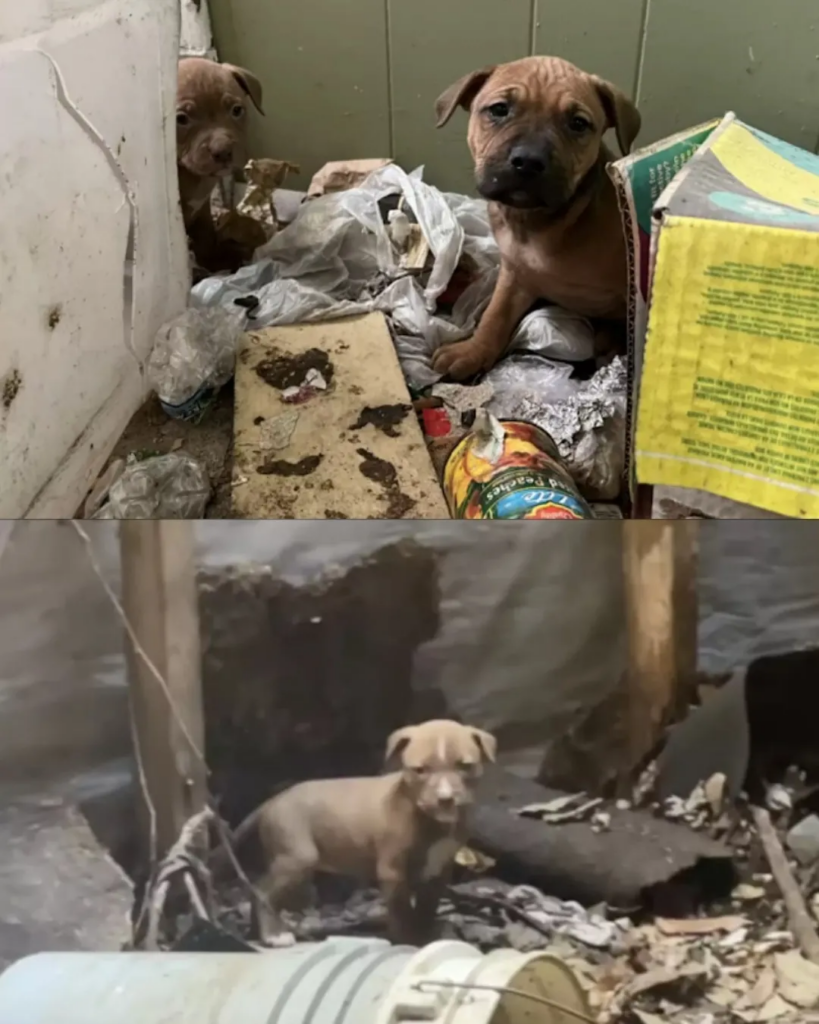
A routine call about a dog in distress quickly turned into a high-stakes rescue for Donna Lochmann, chief lifesaving officer at Stray Rescue of St. Louis. Arriving at an abandoned building, she expected to help a single dog, but the cries she heard told a far more urgent story.
As soon as Lochmann stepped out of her vehicle, the desperate sounds of puppies echoed from the basement. Following the calls, she discovered three frightened six-week-old puppies trapped in the cold, dark space. Their cries revealed both fear and a mother’s instinctive call for her young, prompting Lochmann to spring into action.
The mother dog’s presence was clear from the barking elsewhere in the building, but she remained elusive. Lochmann carefully transported the puppies to safety in her Jeep and attempted to trap the mother, who fled from the device. “We never want to leave mom behind,” Lochmann explained, emphasizing the importance of reuniting the family.
Undeterred, Lochmann returned to the site multiple times. Each visit carried a mixture of hope and concern, as the mother’s safety was as critical as the puppies’. On her third trip, she was greeted by an unexpected surprise: a fourth puppy appeared at her feet, previously missing despite thorough searches.
Investigating further, Lochmann discovered that the basement’s floorboards contained a large gap, explaining how some puppies had fallen into the dangerous space. The precarious situation made the rescue even more urgent, highlighting both the risks faced by stray animals and the dedication required to save them.
The discoveries didn’t end there. While tending to the newfound puppy, Lochmann located four more on the first floor, bringing the total number of puppies to eight. Ensuring they were all safe and secure, she turned her full attention back to capturing the frightened mother. With patience, persistence, and careful planning, Lochmann was able to finally reunite the entire dog family, giving them a chance at recovery and a future free from danger.
The rescue exemplifies the challenges and rewards of animal welfare work. Each visit tested Lochmann’s resolve and expertise, from tracking the mother’s movements to ensuring all eight puppies were accounted for. Her story also underscores the importance of community awareness and support for organizations like Stray Rescue, which work tirelessly to protect animals who cannot save themselves.
Today, the mother and her eight puppies are safe, and their future looks far brighter thanks to the relentless dedication of Donna Lochmann and her team. Their story is a testament to perseverance, compassion, and the extraordinary lengths rescuers go to ensure every animal has a chance at life.
Leave a Comment