

THIS 21-YEAR-OLD IS THE FIRST PERSON IN NEW YORK CITY THAT DOCTORS SAY IS SICKLE-CELL-FREE-AFTER A SINGLE GENE-THERAPY INFUSION

For 21-year-old Sebastien Beauzile, life with sickle cell disease was defined by sudden, debilitating pain and frequent hospital visits. This inherited blood disorder causes red blood cells to “sickle,” blocking blood flow and triggering crises that can affect nearly every aspect of daily life. For years, Sebastien’s routine was dominated by managing symptoms rather than living freely.
In December 2024, a groundbreaking treatment changed everything. Doctors at Northwell Health’s Cohen Children’s Medical Center performed a one-time gene therapy infusion called Lyfgenia, making Sebastien the first patient in New York City declared free of sickle cell symptoms. The procedure is complex: first, his own blood stem cells were collected. Then, in a specialized lab, these cells were genetically modified to produce healthy hemoglobin, the oxygen-carrying protein that sickle cells fail to form correctly. Before returning the corrected cells, Sebastien underwent chemotherapy to clear space in his bone marrow, ensuring the new, healthy cells could thrive. On December 17, 2024, the modified stem cells were infused back into his body, essentially “rebooting” his blood system.
Since then, Sebastien has shown no sickle cell symptoms, prompting doctors to cautiously describe him as “cured.” His journey represents a historic moment in medical innovation and a potential model for treating thousands of others living with the disease.
However, the breakthrough comes with challenges. Lyfgenia’s list price is roughly $3.1 million, and long-term monitoring is required to ensure sustained success. Access to such life-changing therapy remains limited, highlighting the ongoing struggle between medical advancement and affordability. Sebastien’s story offers hope and proof that sickle cell can be overcome but it also underscores the urgent need to make cures accessible to all who need them.
ELEPHANTS CAN DISAPPEAR UNDERWATER AND BREATHE THROUGH A SINGLE RAISED TRUNK
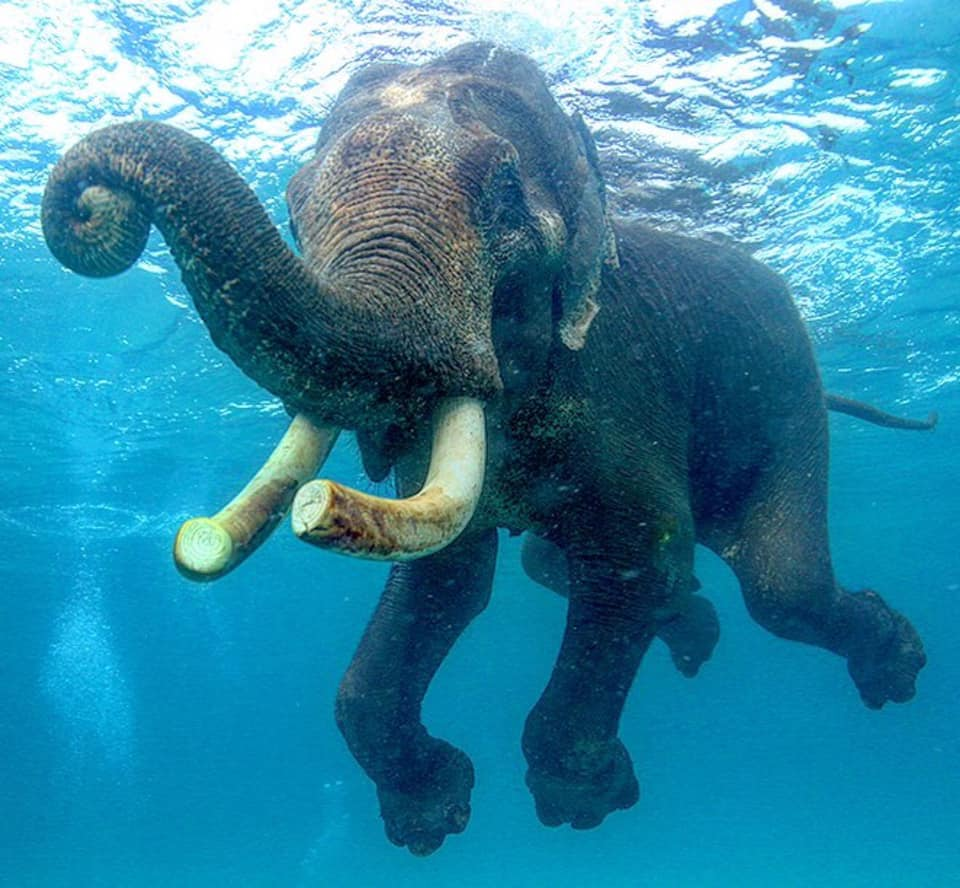
At first glance, elephants seem designed solely for land, massive bodies, sturdy legs, and immense weight. Yet when faced with deep water, these giants reveal an astonishing skill: they are natural swimmers. With surprising grace, elephants can submerge nearly their entire bodies, leaving only the tip of their trunk above water, functioning as a living snorkel.
An elephant’s trunk, a flexible extension of the upper lip and nose containing thousands of muscles, allows them to breathe while the rest of the body remains hidden below the surface. Supported by buoyancy from lung capacity and body composition, elephants glide through water with slow, controlled movements rather than the frantic paddling seen in other mammals. Their legs push deliberately against currents, and forward momentum carries them efficiently through rivers, lakes, and flooded terrains.
Swimming is a routine part of elephant life. In Africa, adults lead calves across swollen rivers, acting as both guides and shields. In Asia, wild elephants have been recorded swimming between offshore islands. Calves quickly learn to float and paddle, gaining confidence under the watchful eyes of elders. This skill is passed down through generations, a blend of instinct, intelligence, and careful observation.
The sight of a swimming elephant is mesmerizing: enormous bodies seemingly vanish beneath the water, leaving only a single raised trunk and a sense of quiet determination. It is a vivid reminder of their adaptability and intelligence. Elephants are not merely the largest land animals, they are skilled navigators of complex environments, capable of moving through land, forests, and even deep water with remarkable composure.
In water, their size fades, but their mastery and ancient knowledge shine. Each crossing tells a story of resilience, balance, and the quiet ingenuity of nature’s giants.
THE MOMENT JADEN SMITH WORE A WHITE BATMAN SUIT TO KIM AND KANYE’S WEDDING
In 2014, Florence, Italy, hosted what was already one of the most talked-about weddings of the decade: Kim Kardashian and Kanye West’s extravagant nuptials. Guests arrived in high fashion, expecting elegance, glamour, and luxury. Yet one attendee would redefine the event entirely with a single outfit: Jaden Smith.
The teenage actor and musician arrived wearing a full white Batman suit. Not a subtle nod or a playful accessory, the cape, mask, and all-encompassing ensemble were unapologetically bold. In a room filled with couture gowns, tailored tuxedos, and designers’ finest, Jaden’s outfit was equal parts whimsical, audacious, and unforgettable.
When asked about his choice, Jaden explained that the suit made him feel like he was “protecting everyone at the wedding.” It wasn’t just a fashion statement, it was a personal philosophy, a playful expression of confidence and care rolled into one striking look. His energy, charisma, and fearless style quickly captured the imagination of fans and photographers alike.
The photos spread like wildfire across the internet. Memes, fashion commentary, and social media shares solidified the white Batman suit as a legendary moment in pop culture. It was a reminder that fashion doesn’t always need to be serious, sometimes it’s about creativity, fun, and the ability to make a memory that lasts forever.
Even years later, Jaden’s white Batman suit remains iconic. It’s celebrated not only for its boldness but also for capturing the essence of Jaden himself: fearless, imaginative, and unapologetically unique. That night in Florence, the spotlight was shared by celebrities and couture, but it was the teen in white Batman armor who truly became unforgettable.
THE 9 NANAS: SECRETLY HELPING STRANGERS WITH CARE PACKAGES AND POUND CAKES FOR DECADES
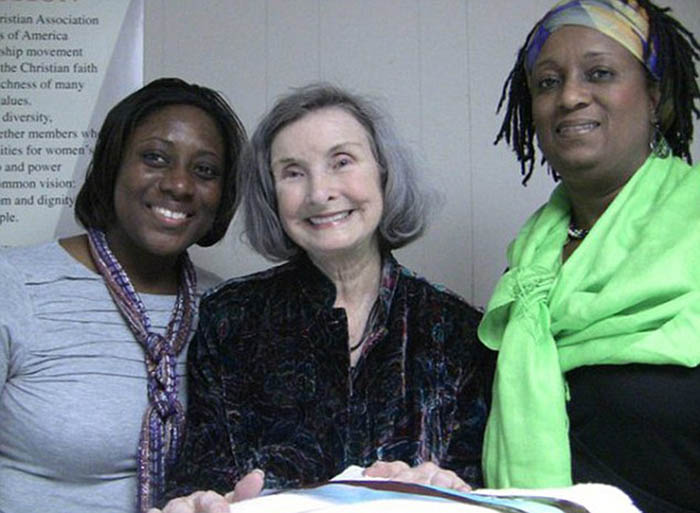
In West Tennessee, a remarkable story of quiet generosity unfolded for more than three decades. A group of nine women, who call themselves “The 9 Nanas,” dedicated themselves to helping people in need, all in secret, without seeking recognition or even telling their husbands.
Starting decades ago, the women would meet at 4 a.m., pooling money and resources to create care packages for strangers struggling with bills, clothing needs, or other hardships. Each package included a homemade pound cake, baked with love, and a simple note reading, “Somebody loves you.” These gestures were small but deeply meaningful, offering both practical help and emotional warmth to those facing challenges.
The Nanas’ commitment remained a closely guarded secret for about 30 years. Their dedication only came to light when one husband noticed unusual cash withdrawals and extra mileage on the car. Once revealed, the women’s story inspired awe and admiration, shining a light on the impact of quiet, consistent kindness.
The Nanas later began selling their pound cakes online, using the proceeds to fund even larger acts of generosity. Over 35 years, their combined contributions, both in time and money, have approached $900,000, transforming countless lives in their community.
Their story reminds us that acts of compassion don’t need fanfare or fame to make a difference. Small gestures, repeated over time with care and love, can ripple outward, changing lives in ways we may never see. The 9 Nanas embody the power of quiet, selfless giving, proving that generosity, at its core, is about the heart, not the spotlight.
A PHOTO MEANT TO CAPTURE JOY BECAME A FINAL RECORD AFTER A SEVEN-YEAR-OLD DIED MINUTES LATER FROM INHALING LIMESTONE DUST LEFT NEAR HIS HOME.

In Ipiranga, Paraná, Brazil, a photograph meant to capture a simple, joyful moment turned into a painful record of loss. In 2024, seven-year-old Arthur Emanuel Bitencourt was playing near his home when a friend or family member snapped a photo of him standing on a pile of limestone dust, smiling and giving a thumbs-up. Minutes later, that smile became the last anyone would see.
The pile of limestone dust, left exposed near the home, is a material commonly used in construction and cement work. Outwardly, it seems harmless: pale, powdery, and without any strong odor. Yet when fine particles become airborne, they can overwhelm the lungs, particularly in children whose respiratory systems are more vulnerable. Arthur inhaled a significant amount of dust, collapsed immediately, and was rushed to a hospital, where doctors could not save him.
This tragedy was not caused by recklessness or dangerous behavior on the part of the child. He was simply playing in what appeared to be a normal environment, unaware of a hidden risk. The incident underscores the invisible hazards that can exist in everyday surroundings, especially for children.
Arthur’s photograph, showing a carefree and innocent moment, has become a haunting timestamp, a reminder of how quickly life can change. The story highlights the importance of proactive safety measures, proper storage, and awareness in environments where children play. Ordinary materials, left unprotected, can become lethal.
This heartbreaking event teaches a broader lesson: vigilance and prevention matter as much as rescue and reaction. Safety isn’t just responding after tragedy; it’s noticing hidden dangers before they turn ordinary play into irreversible loss.
STUDIES SHOW KIDS WHO GROW UP WITH PETS ARE OFTEN MORE EMOTIONALLY AWARE AND SOCIALLY CONFIDENT

Growing up with a pet can be more than just fun and companionship, it can shape a child’s emotional and social development in profound ways. Research consistently shows that children who grow up with dogs, cats, or other animals often develop higher levels of empathy and emotional intelligence compared to peers without pets. This means they are more likely to notice and respond appropriately to the feelings of others.
Pets provide daily opportunities for learning responsibility. Feeding, grooming, walking, and playing with a pet teaches children to consider the needs of another living being. Over time, this builds patience, attentiveness, and a sense of duty, qualities that extend naturally into interactions with friends, family, and classmates.
Beyond responsibility, pets help children practice emotional regulation. When a pet is frightened, sad, or excited, children learn to interpret and respond to these signals. This constant, low-stakes practice strengthens their ability to recognize and empathize with human emotions as well. The result is often children who are more socially confident, comfortable expressing feelings, and capable of forming positive relationships.
The benefits don’t stop in early childhood. Longitudinal studies show that these advantages persist into adolescence. Teens who grew up with pets frequently report stronger social skills, more cooperative behaviors, and a heightened awareness of others’ needs. In a world where emotional intelligence is increasingly valued, these early experiences can make a meaningful difference.
In essence, pets are not just companions, they are teachers. They help children grow into caring, socially aware, and emotionally resilient individuals, creating a foundation for a lifetime of healthy relationships and empathy.
LOOK: JAPANESE CARS REACHED RUSSIA FROZEN UNDER 6 INCHES OF ICE AFTER A STORM IN -19°C COLD, THE DECK LOOKED LIKE A MOVING FREEZER.
When the cargo ship Sun Rio emerged through the gray winter haze in Vladivostok, dock workers and onlookers immediately realized something was wrong or at least wildly unusual. The vessel, arriving from Busan, South Korea, wasn’t just weathered by the journey. It was frozen solid. Every Japanese-made car on its open deck was buried under layers of thick white ice, some measuring nearly six inches deep.
The ship had spent five days crossing the Sea of Japan during a brutal winter storm in late December 2021. With air temperatures hovering around –19°C, the conditions were perfect for a dangerous phenomenon known as marine icing. Each time waves crashed over the deck, seawater instantly froze on contact. Over hours and days, the ice accumulated relentlessly, coating vehicles, railings, and steel surfaces until the entire deck resembled a moving glacier.
Marine icing is not just visually shocking, it is extremely dangerous. The added weight of ice can destabilize ships, raising the risk of listing or capsizing. Veteran captain Pyotr Osichansky later explained that crews must constantly monitor balance and structural stress when icing occurs, especially in open-deck vessels like car carriers.
Once docked, the challenge was far from over. Crews used cranes, high-pressure hoses, and crowbars to carefully chip the cars free without damaging them. What initially looked like frozen sculptures slowly returned to recognizable vehicles as the ice cracked and fell away in heavy sheets.
The scene became a striking reminder of how unforgiving maritime winter travel can be, even with modern ships and experienced crews. Nature needed no drama, no forceful display. Just cold, wind, and time were enough to turn hundreds of cars into icebound cargo and a routine delivery into a frozen spectacle.
Man wears deer costume to join herd, attracts bear and runs for life
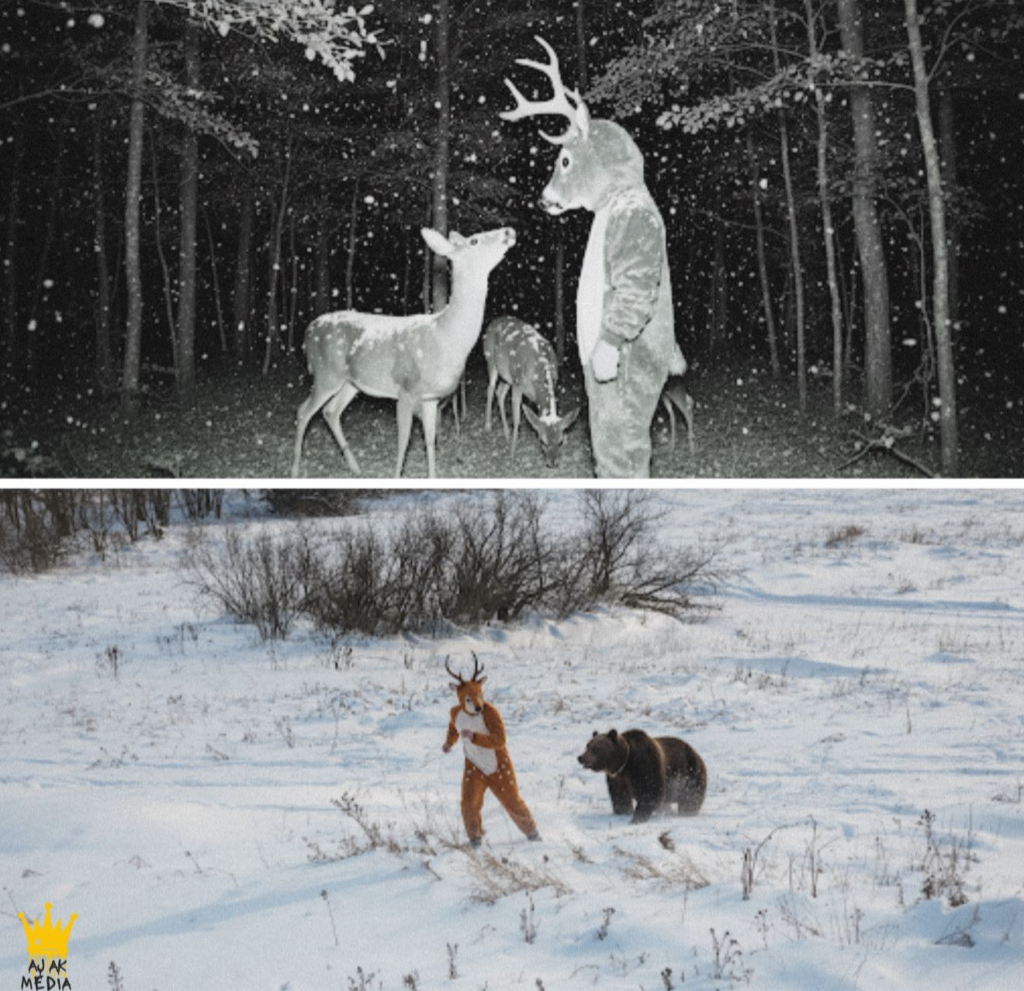
At first, it sounded like a harmless, even charming idea. A man who lived near open fields and woods had grown deeply fond of the deer that grazed behind his house. Instead of watching them from afar, he wanted to understand them, to move among them, unnoticed, as part of their world. So he did something unusual: he bought a full deer costume and decided to try blending in.
Wearing the disguise, he quietly wandered into the fields, mimicking the slow, calm movements of the herd. To his delight, it worked. The deer didn’t panic. Some barely reacted at all. Encouraged, he set up game trail cameras and began documenting what he jokingly referred to as his “integration into the herd.” Over time, the deer appeared to accept his presence, grazing nearby as if he truly belonged.
But nature does not see costumes, it sees movement, shape, and opportunity. One day, while prancing lightly through the field in his deer suit, he caught the attention of something far more dangerous than curious deer. A bear, roaming the same area, spotted him.
The footage captured by his own trail camera tells the rest of the story. Instead of peaceful grazing, the scene suddenly turns frantic. The “newest member of the herd” bolts across the field, hooves replaced by sneakers, with a very real predator charging behind him.
Thankfully, the man escaped unharmed, wiser and significantly less committed to method acting in the wild. The video later went viral, equal parts hilarious and terrifying. It became a perfect reminder that while curiosity and love for wildlife are admirable, nature does not recognize intention, only instinct. Sometimes, blending in works a little too well… until it doesn’t.




Leave a Comment