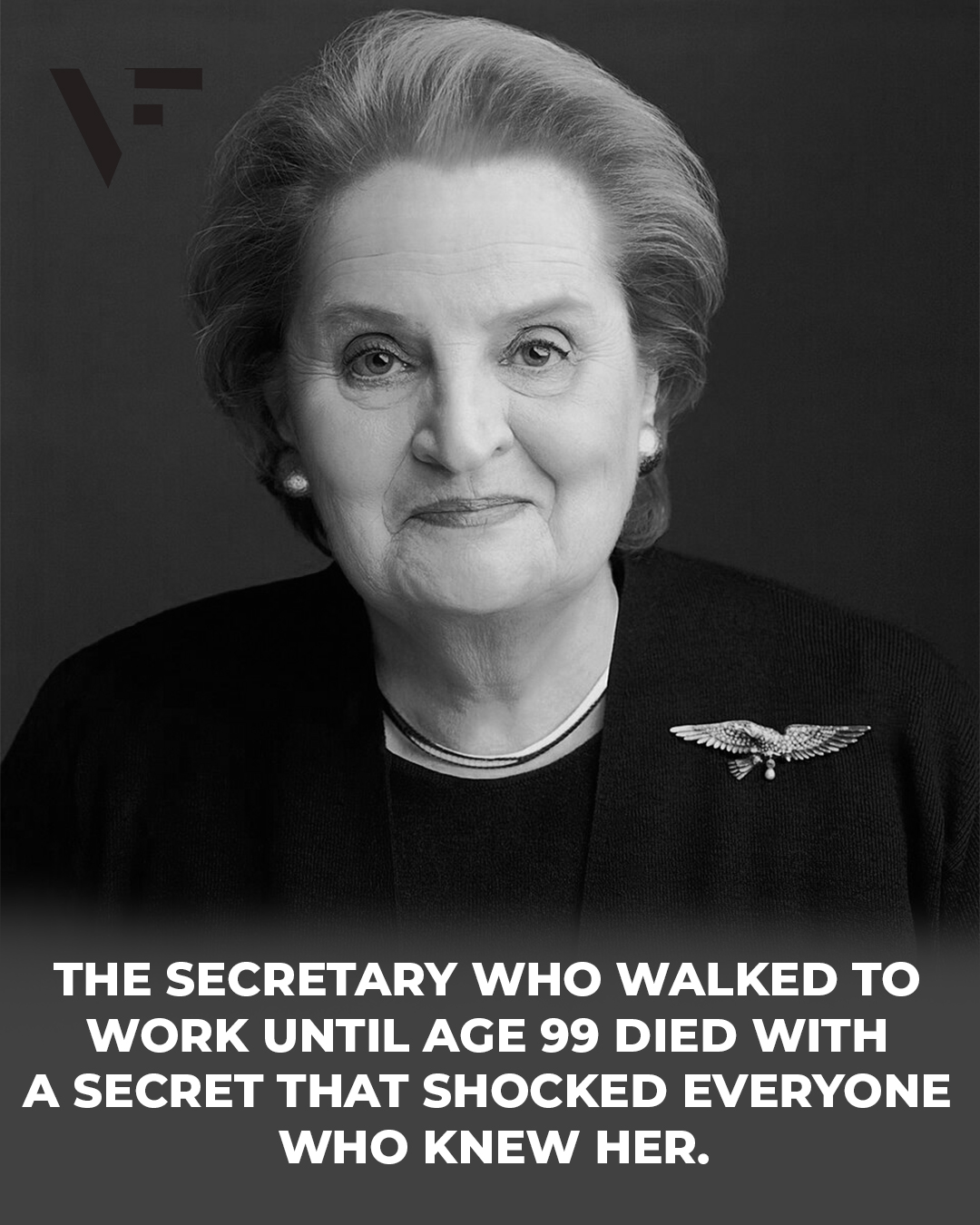

In 1935, during the Great Depression, a young secretary named Grace Groner quietly bought three shares of her employer’s stock for $180. Then she did something rare. She held on. Through war, recessions, and market crashes, she reinvested every dividend and never sold. While her investment grew in silence, her life remained modest. She lived in a small cottage, shopped at rummage sales, and walked everywhere, even into her nineties. When she died in 2010 at age 100, her estate revealed a surprise: those three shares had grown to $7.2 million. Grace proved that patience, discipline, and quiet faith in the future can shape a legacy beyond imagination.
desc ;
In 1935, during the depths of the Great Depression, a young secretary in Illinois made a small investment. The country was still recovering from bank failures and unemployment. Many Americans avoided the stock market altogether. Yet Grace Groner purchased three shares of stock in Abbott Laboratories for $180.
Groner had been born in 1909 and grew up in an orphanage. A supportive family later financed her education at Lake Forest College, where she graduated in 1931. Jobs were scarce at the time, but she secured employment as a secretary at Abbott Laboratories and remained with the company for more than four decades.
Her purchase in 1935 was not remarkable in scale. Three shares represented modest participation in her employer’s business. What distinguished the decision was what followed. Groner held the stock for the rest of her life and reinvested every dividend. Over the years, Abbott Laboratories issued stock splits, increasing the number of shares she owned. Dividends continued to accumulate and compound.
While the investment grew, Groner’s lifestyle remained simple. She lived in a small one bedroom cottage in Lake Forest, Illinois, willed to her by a friend. She shopped at thrift and rummage sales. After her car was stolen, she chose not to replace it and instead walked to nearby destinations. Neighbors described her as reserved and kind. She volunteered at church and supported charitable causes quietly.
Groner retired from Abbott in 1971 after 43 years of service. She traveled occasionally and maintained friendships but did not display signs of significant wealth. Few people were aware of the scale her investment had reached.
In 2010, at age 100, Groner died. When her estate was settled, it was revealed that her original $180 purchase had grown to approximately $7.2 million. The increase reflected decades of stock splits, dividend reinvestment, and the long term growth of Abbott Laboratories as a global healthcare company.
Her will directed the majority of the funds to Lake Forest College, the institution that had helped launch her career. The gift supported scholarships and financial aid for students, many of whom might otherwise have struggled to afford tuition. The college established programs in her name to honor the bequest.
Groner’s story is frequently cited as an illustration of long term investing and compound growth. Yet the financial outcome was not accompanied by visible luxury. She did not alter her habits as the value of her shares increased. Her daily routines reflected continuity rather than transformation.
The trajectory from $180 to millions did not result from active trading or speculation. It required patience and the willingness to leave an investment undisturbed through economic upheaval, including wars, recessions, and market volatility. Groner’s decision to reinvest dividends amplified the effect over decades.
When her will was read, the surprise lay not only in the amount but in the contrast between wealth accumulated and life lived. The three shares purchased in 1935 became a lasting gift, directed toward education rather than consumption. In that sense, the investment extended beyond financial growth. It became an instrument through which a woman who began life with little ensured that others would have opportunity.


Leave a Comment