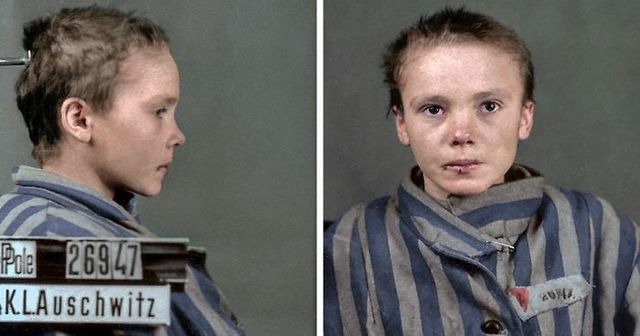

MURDERED FOR A SMILE? THE SICK TRUTH BEHIND THE GIRL WHO DEFIED AUSCHWITZ!
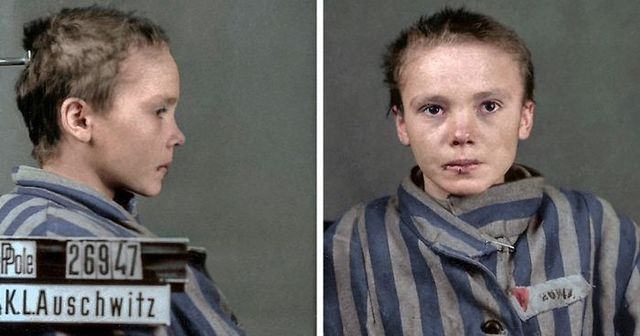
THE REGISTRATION TRAP: THE UNFILTERED REALITY OF THE CHILD WHO BECAME A HISTORICAL ICON!
The foundation of Holocaust remembrance shifted on January 30, 2026, as the story of Czesława Kwoka continues to serve as a visceral benchmark for the human cost of genocide. By late January 2026, her registration portrait has become a global symbol of resilience and suffering, capturing the moment a 14-year-old Polish girl faced the machinery of Auschwitz. Photographed by fellow prisoner Wilhelm Brasse, Czesława’s face bore the physical bruise of a guard’s slap—a punishment for her inability to speak German. Deported from her village in 1942, she stood alone after the death of her mother, representing the high-stakes vulnerability of the 250,000 children murdered within the camp’s walls.
The reality of Czesława’s brief life reached a tragic end on February 18, 1943, when she was murdered via a phenol injection to the heart. Decades later, the work of artist Marina Amaral has restored her humanity through colorization, moving her story from a black-and-white statistic to a high-value lesson for modern generations. This colorized gaze forces a structural confrontation with the past, ensuring her identity as a real child is never lost to the fog of history. The 2026 takeaway is clear: her story is a poignant reminder of the responsibility to honor those stolen by systemic cruelty. Whether modern education can effectively preserve these high-stakes human stories remains the most important mission for historians this year.
STOLEN VOICES: THE COWARDLY REASON SHE HID HER TRAUMA FOR 42 YEARS!
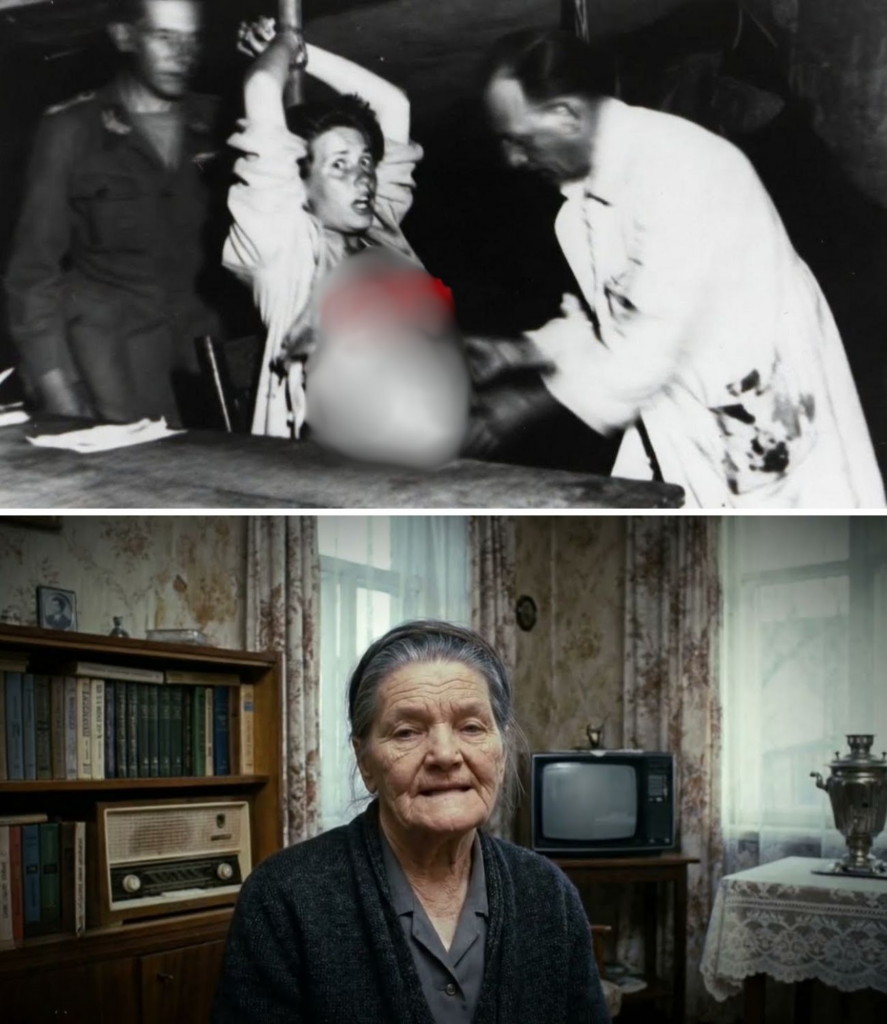
THE FREIGHT TRAP: THE UNFILTERED REALITY OF THE TRAIN RIDE INTO HELL!
The foundation of historical memory shifted on October 28, 1987, when a 71-year-old survivor named Ekaterina finally pressed record on a tape recorder in her quiet kitchen. By late 1987, her testimony has become a benchmark of human resilience, pivotally breaking a 42-year silence regarding the atrocities she witnessed in the Ravensbrück concentration camp. Once an aspiring doctor from a village near Smolensk, Ekaterina’s world was dismantled in the winter of 1942 when Nazi forces weaponized a “predatory” occupation. Separated from her parents at gunpoint, she was pushed into a red freight car, marking the start of a high-stakes descent into a world where human lives were treated as mere statistics.
The reality of Ekaterina’s journey weaponizes the sensory horrors of the Holocaust: the smell of fear, the agony of thirst, and the structural cruelty of the “death trains.” Packed so tightly that the dead remained standing among the living, she witnessed the complete dehumanization of thousands of women whose names have since been erased. Her testimony serves as a high-value warning against the silence that allows history to repeat itself, pivotally giving a voice to those who “never returned.” The 2026 takeaway is clear: Ekaterina’s story is about the duty to remember the high-stakes cost of systemic hate. Whether modern society can pivotally uphold her legacy remains the most important question for our collective conscience this year.
MILITARY BETRAYAL: THE HERO THEY BURIED IN A FOREST TO HIDE THE TRUTH!

THE FOREST TRAP: THE UNFILTERED REALITY OF THE CLASSIFIED PROGRAM THAT ERASED A HERO!
The foundation of military history shifted in March 2026, as Special Agent Daniel Whitmore received a high-stakes call that dismantled 80 years of family silence. By late January 2026, the discovery of a P-47 Thunderbolt in Belgium’s Ardennes Forest has become a benchmark of historical restoration, pivotally proving that pilot Evelyn Whitmore did not die in the English Channel as officially claimed in 1944. While the Army Air Forces weaponized a “routine ferry mission” cover story for decades, the bullet-riddled fuselage found 70 years later tells a different story: Evelyn was part of a covert, high-stakes combat operation involving American women over occupied Europe.
The reality of Evelyn’s sacrifice was buried under 70 years of growth until a 2014 storm exposed her aircraft and a hand-placed stone grave. Inside her flight jacket, investigators found evidence of a classified program so sensitive the military chose to let her son, Robert, die without ever knowing the truth. Now, Daniel Whitmore must confront the structural lies of the War Department that ignored his father’s 60-year search for answers. The 2026 takeaway is clear: this story is about the high-stakes cost of government secrets and the resilience of a pilot who was erased from the record. Whether the Air Force will finally admit to its secret combat missions remains the most important question for the Whitmore family this spring.
A NEIGHBOR’S LIES: THE CHILLING REASON MATEO NEVER MADE IT HOME!
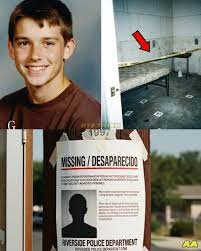
THE SIDEWALK TRAP: THE UNFILTERED TRUTH BEHIND THE 1997 KIDNAPPING THAT SHOCKED RIVERSIDE!
The foundation of a safe California neighborhood shattered on July 16, 1997, when 15-year-old Mateo Rodriguez vanished while walking home from a video store. By late January 2026, his case has become a benchmark of “stranger danger” and the high-stakes manipulation of family trust. Mateo was a shy, aspiring engineer who was only 30 meters from his home on Maple Street when he was intercepted by a man in a blue work shirt. The stranger weaponized a false medical emergency, pivotally claiming Mateo’s mother had fallen down the stairs and was at the general hospital. Overwhelmed by panic and the familiar face of a man seen lurking in the neighborhood, Mateo stepped into a white van and disappeared into the sunset.
The reality of Mateo’s disappearance weaponizes the “helpful neighbor” ruse, a structural tactic used by predators to bypass a child’s natural defenses. Despite the quiet afternoon and the presence of neighbors like Mr. Patterson nearby, the abduction was so seamless it left no immediate high-value witnesses. For years, the Rodriguez family has faced a high-stakes limbo, haunted by the fact that Mateo was almost safely inside their front door. His story is a polarizing reminder that the most dangerous threats often wear a familiar mask. The 2026 takeaway is clear: this case is about the high-stakes vulnerability of suburban life and the need for constant vigilance. Whether new digital forensics from 2026 can pivotally track that white van remains the most important hope for Mateo’s aging parents.
NAZI RAT HOLE: THE COWARD WHO HID IN THE ALPS FOR 79 YEARS!
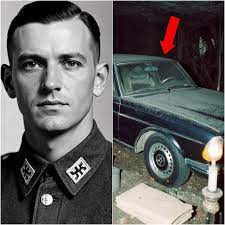
THE TYROLEAN TRAP: THE UNFILTERED REALITY OF THE NAZI DIARY FOUND IN 2026!
The foundation of World War II history shifted on January 30, 2026, as explorers in the Tyrolean Alps discovered the perfectly preserved sanctuary of Colonel Klaus Richter. By late January 2026, the find has become a benchmark of historical discovery, pivotally revealing how a high-ranking commander escaped the fall of Berlin on the very day of Hitler’s suicide. Richter, a decorated officer facing the high-stakes threat of the Nuremberg trials, weaponized an armored Mercedes-Benz 770K and forged documents to slip through collapsing defensive lines. He fled into the Austrian mountains, utilizing his childhood knowledge of the terrain to vanish into a remote cavern while the rest of the Third Reich crumbled into ash.
The reality of Richter’s 79-year disappearance was finally exposed when hikers located the cave, finding his black Mercedes, a neatly folded spare uniform, and a secret diary that had never been read. The diary pivotally documents the “hunters” he feared and the gold he used to sustain his initial isolation, providing a high-value look into the mindset of a man who chose a mountain tomb over Allied capture. While the world believed he had perished in the ruins of Berlin, Richter lived in a structural silence that defied eight decades of investigation. The 2026 takeaway is clear: this story is about the lengths to which a man will go to evade justice. Whether the diary contains a structural list of other “vanished” officers remains the most important question for historians this winter.
SACRIFICING DAUGHTERS: THE TWISTED SCRIPTURE THAT BURIED THE BLACKWELL BABIES!
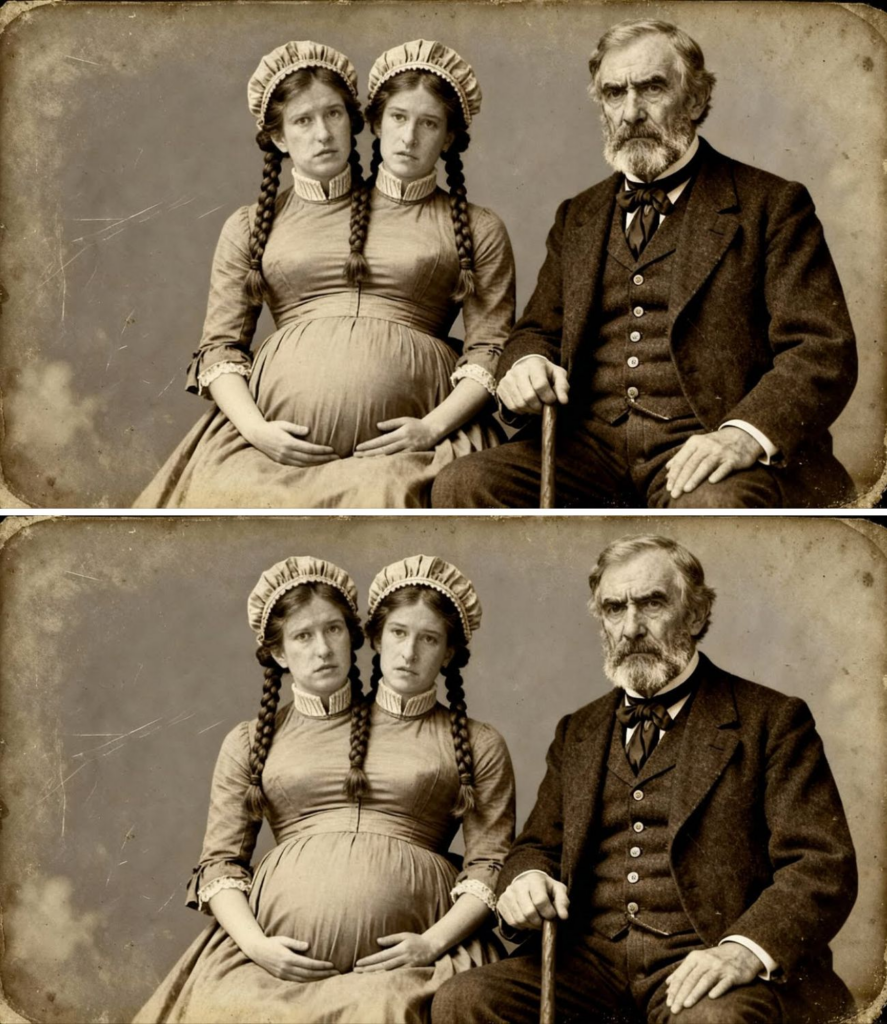
THE HOLLOW TRAP: THE UNFILTERED REALITY OF THE OZARK HORROR HISTORY TRIED TO BURY!
The foundation of the Missouri Ozarks shifted in 1906, as the high-stakes silence of Taney County pivotally shattered. By late January 2026, the case of the Blackwell family has become a benchmark of isolated horror, revealing how a disgraced preacher named Jedidiah weaponized his own twisted theology to enslave his daughters, Elizabeth and Mave. Known to locals as the “two-headed sisters” for their eerie, synchronized movements, the pair existed in a structural nightmare where their father acted as both patriarch and prophet. Despite multiple pregnancies noted by Dr. Alistair Finch, no infants ever appeared in town, leading to a high-stakes investigation by Deputy Wesley Harden that exposed the unthinkable truth hidden beneath the forest floor.
The reality of the Blackwell hollow weaponized the isolation of the landscape to hide a cycle of structural abuse and infanticide. Jedidiah had pivotally “married” his own daughters, slaughtering their newborns as part of a high-value “offering” to his distorted version of God. The sisters’ unified silence was not a bond of love, but a high-stakes survival mechanism forged in a fortress of oak and stone. When the law finally dug into the shallow graves near the cabin, they dismantled a kingdom of terror that the town’s quiet complicity had made possible. The 2026 takeaway is clear: this story is about the dark power of isolation and the high-stakes cost of “minding one’s own business.” Whether modern society can pivotally identify these hidden hollows of abuse remains the most important question for investigators this winter.
BRED FOR BLOOD: IS THIS INBRED TEEN THE ONLY CURE FOR THE PLAGUE?
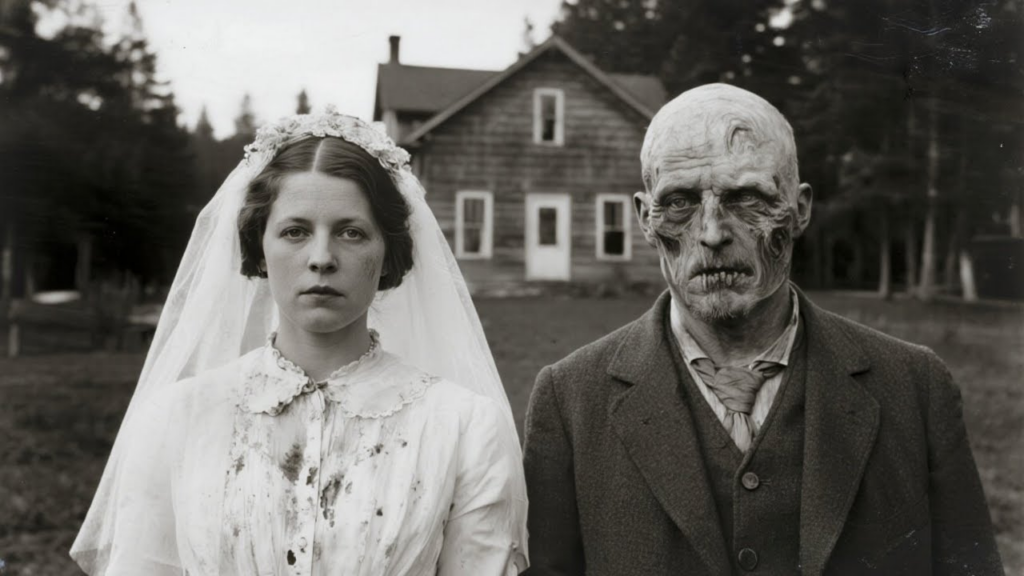
THE GENETIC TRAP: THE UNFILTERED REALITY OF THE CARPATHIAN EXPERIMENT!
The foundation of modern medicine pivotally shattered on January 30, 2026, as Dr. Elena Vasquez uncovered the horrifying Draul lineage in a remote Carpathian monastery. By late January 2026, the discovery of Maria Draul has become a benchmark of genetic ethics, revealing a bloodline so “pure” it offers immunity against the plague currently weaponizing itself across Eastern Europe. To preserve this rare strain, the Bathory Institute and the Draul family weaponized an unthinkable structural system of forced sibling unions and human experimentation throughout the 1970s. Maria, forced into marriage with her brother at age 14, was the high-stakes result of five centuries of isolationist breeding designed to keep DNA untouched by modern contamination.
The reality of the 2026 outbreak highlights a high-value desperation, as governments pivotally blame pollution for a genetic degradation that is actually attacking the human immune system from within. Elena’s discovery weaponizes the truth: Maria didn’t just survive her structural abuse; she escaped with a genetic sequence that could pivotally save millions or be weaponized by the same hunters who originally “bred” her. While the Bathory Institute was officially shut down in 1980, their high-stakes research continued in the shadows of the monastery’s archives. The 2026 takeaway is clear: this story is about the high-stakes cost of medical “purity” and the resilience of a survivor who carries the world’s future in her veins. Whether Maria can be found before the hunters pivotally reclaim their prize remains the most polarizing question for the medical community this year.
Equality is a lie that only blue foam shoes can fix.
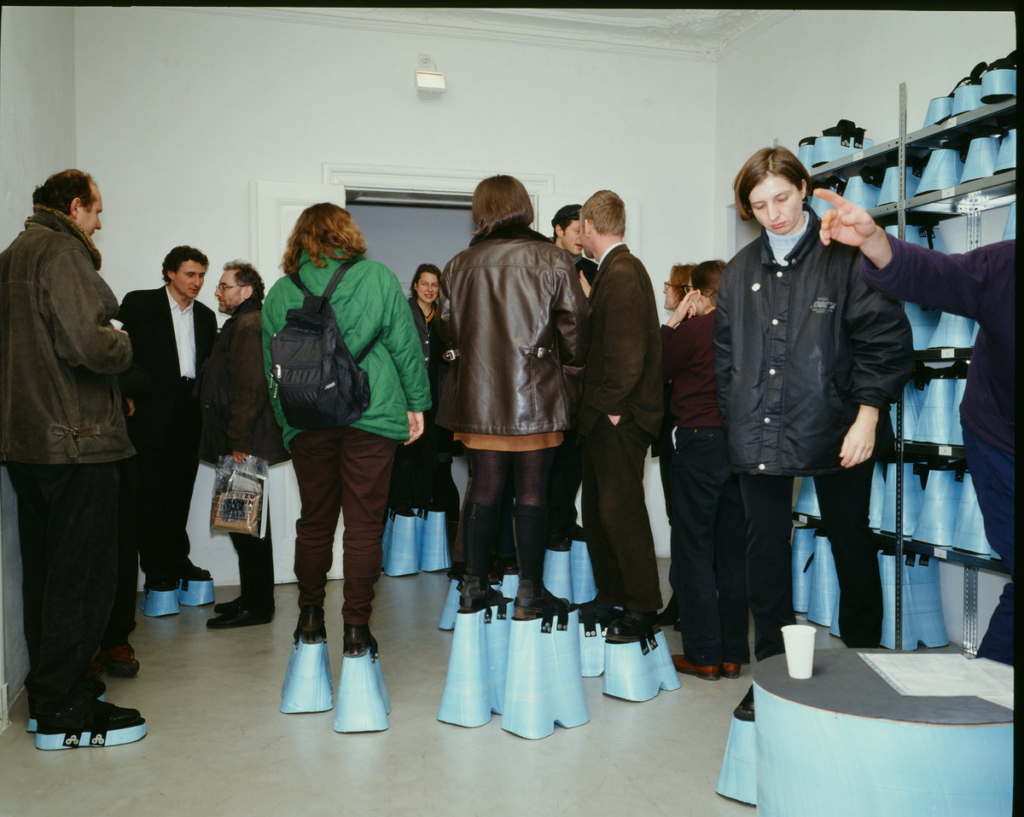
An artist forced everyone to be exactly 2 meters tall for one night.
In 1997, Berlin artist Hans Hemmert decided to stop talking about equality and started enforcing it with blue foam. He hosted a legendary party titled Level where every guest was forced to wear massive shoe-extenders, bringing the entire room to a uniform height of exactly 2 meters. By standardizing eye levels, Hemmert effectively erased the physical hierarchies that dominate our social interactions, turning a room full of people into a living, walking bar graph of human height. While the soles varied wildly in thickness to accommodate the guests, the view from the top was identical for everyone. This “relational aesthetics” experiment didn’t just eliminate awkward neck-craning; it exposed the total absurdity of our obsession with physical stature and “normalcy.”
Hemmert, a philosopher-turned-sculptor known for his surreal work with giant latex balloons, used this party to prove that true human connection only happens when we are forced out of our natural shells. The guests weren’t just attendees; they were the medium for a project that blurred the line between art and social engineering. While modern society claims to value diversity, Hemmert’s blue foam shoes revealed that we only feel truly “comfortable” when the playing field is artificially leveled. It was a whimsical yet biting critique of how we perceive authority and attractiveness based on how far someone’s head is from the floor. Today, as we hide behind digital avatars, Hemmert’s physical intervention remains a polarizing reminder that our bodies are just metrics—and sometimes, the only way to see eye to eye is to strap on some foam and embrace the absurdity.


Leave a Comment