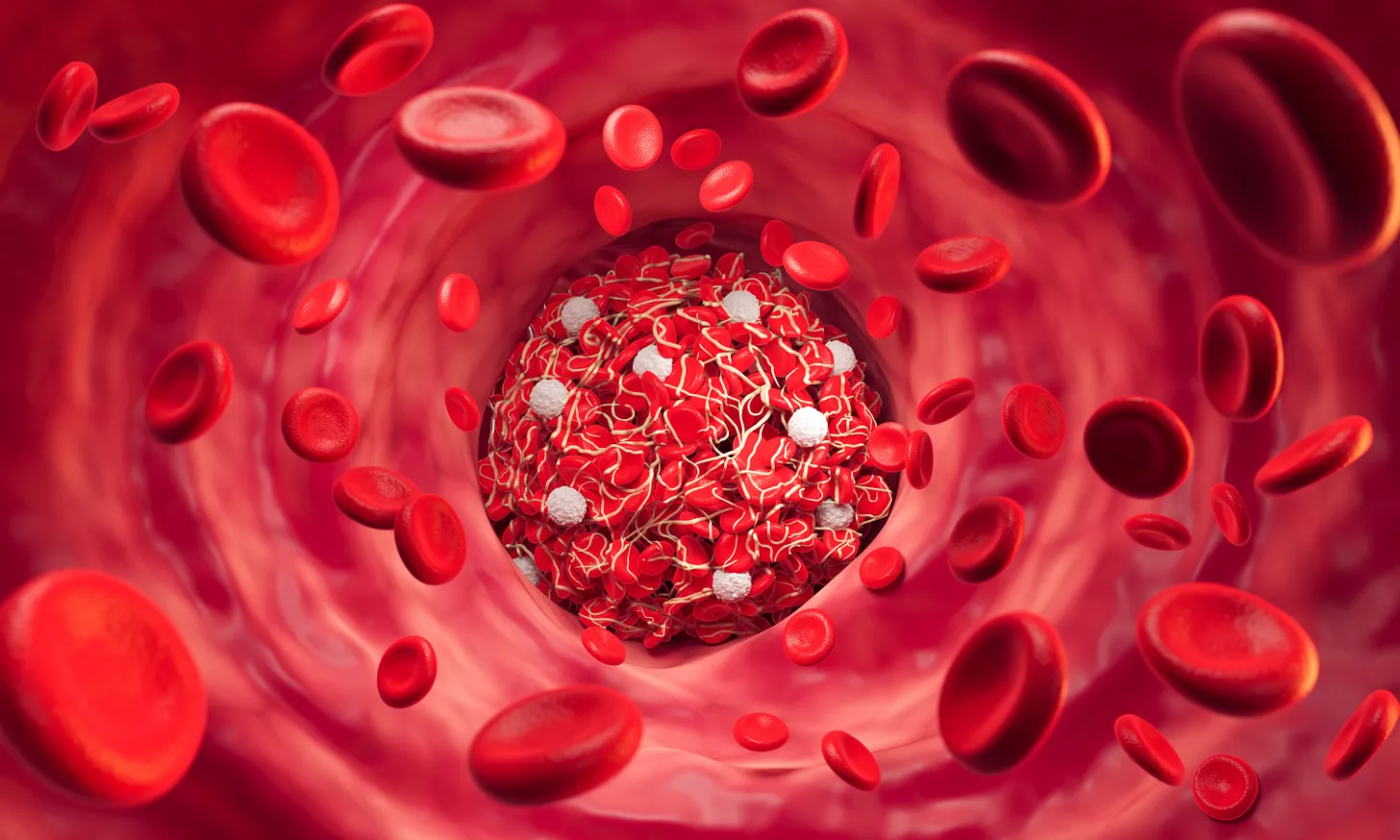

Menstrual blood has over 1,000 proteins, including 385 unique ones linked to healing and regeneration.
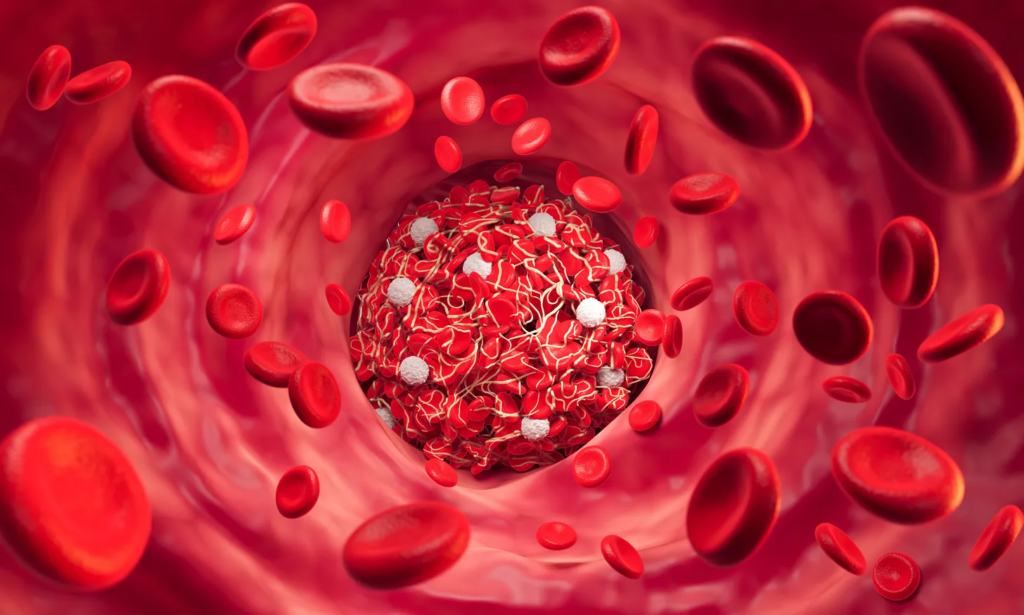
Menstrual blood, often called menstrual fluid, is a complex mixture of blood from the uterine lining, shed endometrial tissue, secretions, and immune cells. Unlike regular circulating blood, it reflects the dynamic processes of the endometrium, which builds up and sheds each cycle in preparation for potential pregnancy.
A key proteomic study analyzed this fluid using multiple advanced methods and identified a total of 1,061 proteins. Of these, 385 were unique to menstrual blood—they were not detected in peripheral venous blood or vaginal fluid proteomes examined for comparison.
These unique proteins arise primarily from the uterine lining’s specialized cells and extracellular components. Many participate in pathways tied to the menstrual cycle, such as tissue breakdown (via matrix metalloproteinases), inflammation control, cell death regulation, and remarkably, regeneration.
The endometrium regenerates rapidly each month after shedding, a feat supported by growth factors, cytokines, and remodeling enzymes present in the fluid. Some proteins link to cell proliferation, migration, wound healing-like processes, and even hints of local blood cell production in the tissue.
This composition explains why the uterine lining rebuilds so efficiently. Emerging research also highlights menstrual blood-derived stem cells and secreted factors that promote angiogenesis (new blood vessel formation), modulate immunity, reduce excessive inflammation, and accelerate repair in preclinical models, such as skin wounds.
These findings position menstrual blood as a noninvasive source for potential diagnostics (like endometriosis biomarkers) and regenerative therapies, transforming a once-overlooked biofluid into a promising tool for women’s health and beyond
Stress during pregnancy can affect a baby’s growth, brain development, and whether the baby is born male or female.

Stress during pregnancy can significantly influence a baby’s development and birth outcomes through physiological mechanisms, primarily involving elevated maternal stress hormones like cortisol that cross the placenta and affect the fetus. One key impact is on fetal growth.
Prenatal stress often restricts intrauterine growth, leading to lower birth weight, smaller head circumference, and sometimes preterm delivery.
Physically stressed mothers, for instance, show signs like higher blood pressure and altered caloric intake, resulting in infants born about 1.5 weeks earlier on average, with higher preterm rates compared to unstressed pregnancies.
Brain development is particularly vulnerable. Maternal stress disrupts normal fetal neurodevelopment by altering structures such as the hippocampus, prefrontal cortex, and amygdala, which govern memory, emotional regulation, and cognition.
Studies using fetal MRI reveal reduced hippocampal volume, changes in cortical folding and gyrification in frontal and temporal lobes, modified white matter connectivity (e.g., in frontolimbic pathways), and shifts in brain metabolism.
These changes can persist, increasing risks for later neurodevelopmental issues like anxiety, ADHD, or cognitive deficits, with effects sometimes varying by fetal sex—males often showing greater vulnerability in certain brain regions.
Regarding the baby’s sex, evidence indicates that high maternal stress—psychological (e.g., anxiety, depression) or physical—reduces the likelihood of male births. The typical male-to-female ratio at birth (around 105:100) shifts toward more females under stress, sometimes dramatically (e.g., ratios like 2:3 or 4:9 in stressed groups).
This occurs because male fetuses appear more fragile to adverse prenatal environments, leading to higher male-selective fetal loss rather than direct sex determination alteration. Social support may buffer this, increasing odds of male births.
Overall, while not every stressed pregnancy produces these outcomes, chronic or severe stress heightens risks, underscoring the importance of maternal well-being for optimal fetal health
Renewable energy crosses 50% of all energy production in Australia.
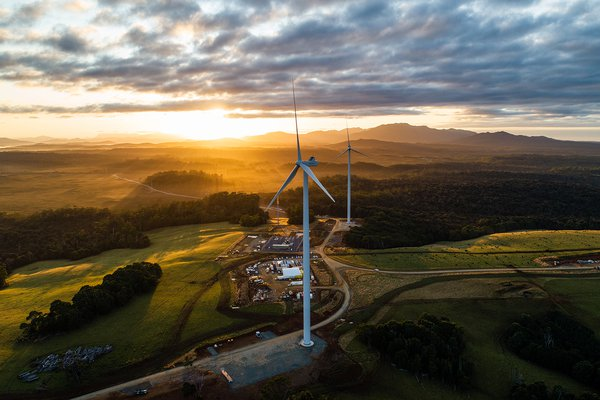
Australia has achieved a significant milestone in its energy transition, with renewable sources surpassing 50% of electricity production in the National Electricity Market (NEM) for the first time during the December quarter of 2025.
According to the Australian Energy Market Operator (AEMO), renewables—including solar, wind, hydro, and supported by growing battery storage—delivered 51% of overall supply in this period, up from 46% in the prior corresponding quarter.
This landmark occurred amid record power demand, driven by factors such as heatwaves, yet the grid remained resilient.
The surge stems largely from rapid expansion in rooftop and utility-scale solar, which hit unprecedented averages, alongside increasing wind contributions and battery discharge nearly tripling year-on-year.
Coal’s share fell to its lowest seasonal level ever, while gas reached lows not seen since 2000, pushing quarterly emissions to a record low.
In Western Australia’s separate South West Interconnected System, renewables averaged over 50% as well, exceeding 52% including storage.
This breakthrough aligns with Australia’s ambitious target of 82% renewable electricity by 2030 and demonstrates how scaling clean energy reduces reliance on fossil fuels.
The shift has also delivered tangible benefits, with wholesale electricity prices dropping sharply—nearly halving in some reports—due to lower fuel costs and abundant supply from variable renewables.
As deployment accelerates, experts view this as a turning point toward greater affordability, energy security, and emissions reduction in one of the world’s sunniest and windiest continents.
Nipah virus spreads in India, raising alarm over deadly outbreak with no vaccine.

The Nipah virus, a highly dangerous zoonotic pathogen first identified in 1999, has triggered concern in India following the confirmation of two cases in West Bengal’s North 24 Parganas district.
These infections, detected in late December 2025 among two 25-year-old healthcare workers at the same hospital, mark the latest sporadic emergence of the virus in the country. One patient, a male, is recovering, while the female remains in critical condition as of late January 2026.
Authorities have traced 196 contacts, all of whom tested negative and showed no symptoms, with no new cases reported as of January 27, indicating the outbreak appears contained and limited to a healthcare setting without evidence of wider community spread.
Nipah virus primarily spreads from fruit bats (Pteropus species), its natural reservoir, to humans through contaminated raw date palm sap, fruits, or direct contact with infected animals like pigs.
Human-to-human transmission occurs via close contact with bodily fluids of infected individuals, as seen in hospital settings here and in past outbreaks. Symptoms begin with fever, headache, and respiratory issues, often progressing rapidly to severe encephalitis, seizures, and coma.
The case fatality rate ranges from 40% to 75%, depending on outbreak and care quality, making it one of the deadliest known viruses. No approved vaccine or specific antiviral treatment exists yet, though supportive care improves outcomes, and research continues.
This incident, India’s seventh documented Nipah outbreak (third in West Bengal), has prompted heightened surveillance and airport screenings in nearby countries like Thailand, Malaysia, Singapore, and others amid travel concerns.
Indian health officials emphasize rapid contact tracing, isolation, and infection control to prevent escalation, underscoring the ongoing threat from bat reservoirs in South Asia.
Climate change could cause more than 500,000 malaria deaths in Africa by 2050.

A recent study published in Nature projects that climate change could lead to over 500,000 additional malaria deaths in Africa by 2050, alongside more than 100 million extra cases, even under moderate climate scenarios where current global pledges are met.
This alarming estimate, centered on the period from 2024 to 2050, stems from sophisticated modeling that combines 25 years of historical data on malaria patterns, control measures, socioeconomic factors, and climate variables.
Traditionally, discussions of climate and malaria focus on ecological shifts: warmer temperatures and altered rainfall patterns can expand mosquito breeding grounds, prolong transmission seasons, or push the disease into higher-altitude or southern regions while potentially reducing suitability in extremely hot areas like parts of the Sahel.
However, the research reveals that such gradual ecological changes contribute only modestly to the overall rise at a continental scale. Instead, the dominant driver—accounting for roughly 79% of additional cases and 93% of extra deaths—is the disruptive impact of extreme weather events intensified by climate change, such as floods and cyclones.
These disasters destroy homes, wash away insecticide-treated bed nets, damage health infrastructure, disrupt supply chains for antimalarial drugs and interventions, and hinder access to treatment, leaving vulnerable populations exposed during critical windows.
Most of the projected burden increase occurs through intensification in already endemic zones rather than widespread geographic expansion, with children bearing a disproportionate share of the fatalities.
This underscores the urgent need for malaria strategies that build resilience against climate shocks, including rapid post-disaster response systems and sustained control efforts, to prevent these preventable deaths and protect hard-won progress toward eradication.
US leads record global surge in gas-fired power driven by Al demands, with big costs for the climate.
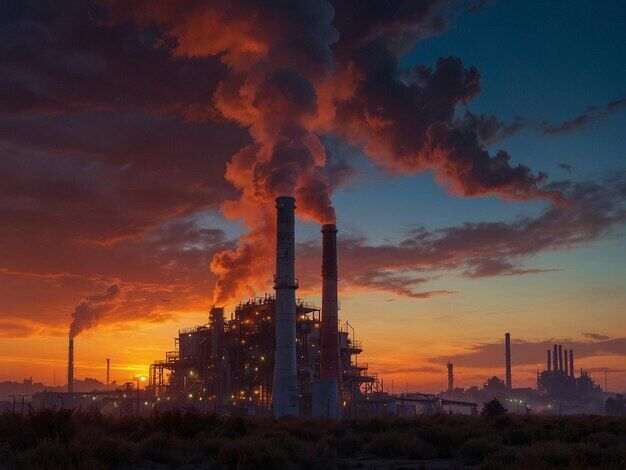
The United States is spearheading a dramatic worldwide increase in natural gas-fired power generation, fueled primarily by the explosive electricity requirements of artificial intelligence.
Massive data centers, essential for training and running advanced AI models, consume enormous amounts of power—far more than traditional computing—prompting a rush to build new gas plants for reliable, on-demand energy.
According to recent forecasts, planned gas-fired capacity in the US tripled in 2025 alone, with hundreds of gigawatts now in development globally, representing a near-50% expansion in capacity.
Texas leads this domestic boom, followed by states like Louisiana and Pennsylvania, while about a third of the new US gas projects are sited directly at data centers to meet their intense, constant needs.
This surge marks a reversal from prior trends toward cleaner energy, as AI-driven demand outpaces the deployment of renewables and other low-carbon sources in many regions.
Natural gas, though cleaner than coal, still releases significant carbon dioxide and methane—potent greenhouse gases—when burned and extracted.
Analysts warn that this expansion will drive a substantial rise in global emissions over the next five years, jeopardizing climate targets and undermining efforts to limit warming.
The International Energy Agency and others project data center electricity use doubling or more by 2030, with the US shouldering much of the growth.
While some tech firms pursue renewables or nuclear partnerships, the immediate reliance on gas plants risks locking in fossil fuel dependence, raising electricity costs for consumers and intensifying environmental harm amid accelerating climate change
Sperm remembers everything – what the father ate, drank, and felt.
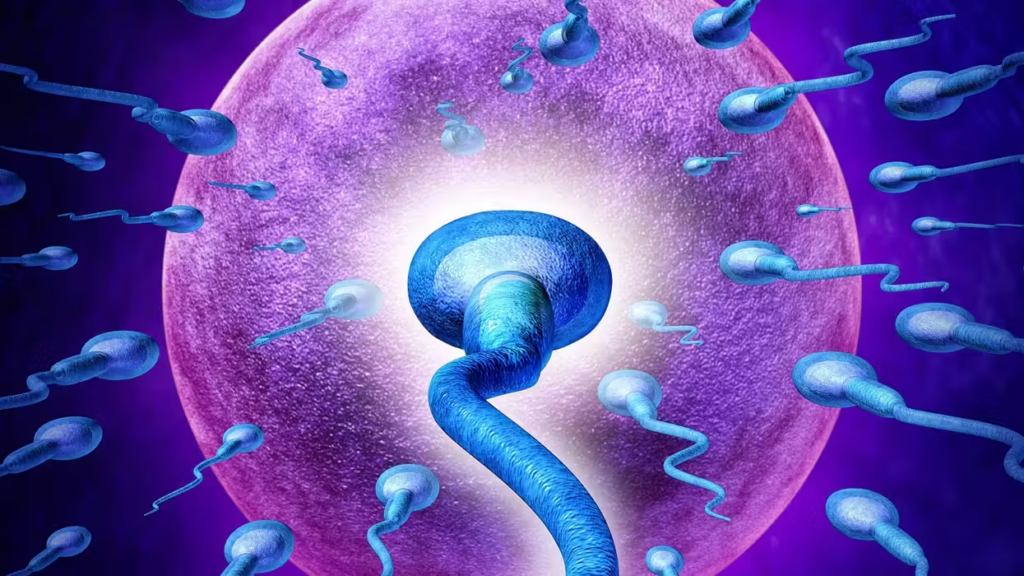
holds subtle biological signals shaped by a father’s lifestyle, environment, and emotional state.
These signals operate through epigenetics, where chemical modifications like DNA methylation, histone changes, and small non-coding RNAs (such as miRNAs, piRNAs, and tsRNAs) regulate gene expression without altering the genetic code itself.
Recent research, including studies from 2024 and 2025, shows that a father’s diet profoundly influences these marks. High-fat, high-sugar, or low-protein diets in male mice and emerging human data alter sperm RNA profiles—particularly mitochondrial tRNAs—and methylation patterns at metabolism-related genes.
Offspring often develop glucose intolerance, obesity predisposition, or insulin resistance, reflecting an adaptive response to anticipated nutritional scarcity or excess.
Environmental exposures, including endocrine-disrupting chemicals and pollutants, modify sperm epigenomes, transmitting risks for reproductive or developmental issues across generations, as seen in projects like PATER.
Emotional states matter too: chronic stress or childhood maltreatment in fathers correlates with distinct sperm methylation at brain-development loci (e.g., near CRTC1) and altered miRNA levels like hsa-mir-34c-5p.
Animal models demonstrate offspring with heightened anxiety, depressive-like behaviors, or dysregulated stress responses, while human correlational evidence links paternal early-life adversity to potential neurodevelopmental echoes.
Alcohol and smoking similarly induce sperm DNA hypermethylation or RNA dysregulation, affecting antioxidant pathways or imprinting regions tied to offspring health.
These paternal “signatures” survive partial embryonic reprogramming, guiding early gene expression in the zygote and influencing traits like metabolism, behavior, and disease vulnerability.
Though strongest in animal models, growing human evidence from 2025 reviews underscores that preconception lifestyle choices create a biological legacy beyond genes, highlighting opportunities for healthier futures through modifiable factors.
Jellyfish have no heart, but they don’t know it because they have no brain either.

Jellyfish represent one of the most ancient and elegantly minimal forms of animal life, having persisted on Earth for more than 650 million years with remarkably little physiological complexity.
Their bodies consist of over 95 percent water, giving them a translucent, almost ghostly appearance as they drift through the ocean. Unlike vertebrates and most other animals, jellyfish possess no heart to circulate blood, no brain to process information, and no centralized nervous system to coordinate behavior.
Instead, they rely on a diffuse nerve net—a loose mesh of interconnected neurons spread throughout their bell and tentacles. This decentralized network allows basic sensory detection and rapid, automatic responses to environmental cues.
When a tentacle brushes against prey or an object, specialized cells called cnidocytes fire stinging capsules called nematocysts, while nearby neurons trigger coordinated muscle contractions to move the bell or retract the affected limb.
Similarly, simple photoreceptors embedded in the nerve net can sense changes in light intensity, helping the animal orient itself or avoid shadows that might signal danger or opportunity. All of these actions occur through reflex arcs rather than deliberate decision-making.
There is no evidence of consciousness, memory formation, or learned behavior in the conventional sense. The nerve net simply propagates signals locally, enabling the jellyfish to feed, escape threats, and reproduce using instinctive patterns hardwired over hundreds of millions of years of evolution.
This extreme simplicity—minimal tissues, no specialized organs for thinking or pumping fluids—has proven extraordinarily successful, allowing jellyfish to thrive in every ocean basin from surface waters to the deep sea while requiring far fewer resources than more complex animals.
Are meat eaters really more likely to live to 100 than non-meat eaters?

A recent study in the American Journal of Clinical Nutrition, using data from the Chinese Longitudinal Healthy Longevity Survey, suggests that people avoiding meat might face lower odds of reaching 100 compared to meat eaters—but the story is far more nuanced than headlines imply.
Researchers examined over 5,200 adults aged 80+ from 1998 onward, identifying 1,459 centenarians and comparing them to those who died earlier. After adjustments for factors like age, sex, education, smoking, exercise, and health status, vegetarians showed 19% lower odds (OR 0.81) of becoming centenarians, with vegans at 29% lower (OR 0.71).
Pesco- and ovo-lacto-vegetarians showed no significant difference. The key caveat: this link appeared almost exclusively in underweight participants (BMI <18.5 kg/m²), a group prone to frailty, sarcopenia, and nutrient shortfalls in very old age.
Among them, vegetarians reached 100 at roughly 24% versus nearly 30% for meat eaters, with daily meat intake tied to better odds in this vulnerable subgroup. For those with normal or higher BMI, no meaningful association existed between vegetarianism and reduced centenarian likelihood.
The authors stress that extreme old age heightens risks of inadequate protein, vitamin B12, iron, and calories on poorly planned plant-only diets, especially if undernourished. Including fish, eggs, or dairy often erased the gap, implying strict veganism poses challenges mainly when nutrition isn’t optimized.
Broader evidence, from Blue Zones to Adventist studies, continues to favor mostly plant-based eating for longevity in healthier adults, with benefits from fiber, antioxidants, and lower chronic disease risks. This Chinese finding doesn’t overturn plant-forward advantages but highlights tailored needs for the frailest elderly: balance, adequate energy, and nutrient density matter more than blanket meat avoidance
Bees in Peru just became the first insects to ever get legal rights.
In a historic first, stingless bees native to the Peruvian Amazon have become the world’s first insects to receive legal rights.
These bees, unlike European honeybees, lack stings and have long been cultivated by Indigenous communities for their medicinal honey and vital role in pollinating over 80% of Amazonian plants, including key crops like coffee, chocolate, avocados, and blueberries.
The breakthrough began with Peru’s national Law 32235 in early 2025, which recognized stingless bees as native species of national interest and importance for biodiversity. Building on this, local governments took bolder steps.
In October 2025, the province of Satipo passed Municipal Ordinance No. 33-2025, declaring these bees rights-bearing entities within the Avireri Vraem Biosphere Reserve.
This was followed in December 2025 by a similar ordinance in Nauta, extending protections across broader Amazon regions.
The laws grant the bees fundamental rights to exist and flourish, maintain healthy populations, live in pollution-free habitats, experience stable ecological climates, regenerate natural cycles, and be shielded from threats like deforestation, pesticides, climate change, invasive species, and harmful human activities.
Crucially, humans—such as Indigenous groups, scientists, or advocates—can now file lawsuits or take legal action on the bees’ behalf if these rights are violated, allowing swift intervention to protect them and their ecosystems.
This milestone stems from years of work by researchers like Rosa Vásquez Espinoza, Indigenous knowledge holders, and organizations such as the Earth Law Center.
It aligns with the global “rights of nature” movement, which treats ecosystems and species as legal subjects rather than mere resources.
Supporters hope it inspires similar protections elsewhere, highlighting how recognizing even tiny pollinators can safeguard entire rainforests amid accelerating environmental crises.
Sea levels are rising worldwide, but in Greenland they are about to fall.
Sea levels are rising worldwide primarily due to global warming, which drives thermal expansion of ocean water and melts land-based ice sheets and glaciers, adding water to the seas.
Greenland’s massive ice sheet contributes significantly to this global rise—about one-fifth of recent increases—by losing roughly 200 billion tons of ice annually through melting and calving.
Paradoxically, along Greenland’s own coasts, relative sea levels are projected to fall substantially in the coming decades.
Recent research, including a 2026 study in Nature Communications, predicts drops of around 0.9 meters by 2100 under low-emissions scenarios and up to 2.5 meters under high-emissions ones, relative to recent baselines.
This local decline stems from glacial isostatic adjustment (GIA). The enormous weight of the Greenland Ice Sheet has long depressed the underlying Earth’s crust.
As the ice melts rapidly, that burden lightens, allowing the land to rebound upward—like a memory-foam mattress decompressing after pressure is removed. This uplift raises the ground relative to the ocean, effectively lowering sea levels along the coast.
A secondary effect involves gravity: the shrinking ice mass reduces its gravitational attraction on nearby seawater, causing the ocean surface to drop further in the region (accounting for up to 30% of the fall).
These processes—solid Earth rebound and gravitational changes—dominate near the ice sheet, overwhelming the global rise from added meltwater and thermal expansion.
While distant coastlines face worsening flooding, Greenland’s shores may see receding waters, exposing more land, altering fjords, and impacting ports, fishing, infrastructure, and indigenous communities in complex ways. This highlights how sea-level change is far from uniform globally.
China builds 35.6 tesla magnet 700,000 times stronger than Earth’s magnetic field.
Chinese researchers from the Chinese Academy of Sciences have achieved a major breakthrough by developing an all-superconducting user magnet that generates a steady central magnetic field of 35.6 tesla.
This remarkable feat, announced in late January 2026, sets a new world record for fully superconducting magnets accessible to researchers worldwide. Earth’s natural magnetic field measures approximately 0.00005 tesla (or 50 microtesla), so the new magnet produces a field roughly 700,000 times stronger—a staggering intensity that highlights the extreme conditions now attainable in a laboratory.
For comparison, typical hospital MRI scanners operate at 1.5 to 3 tesla, making this device about 12 to 24 times more powerful than those everyday medical systems. The magnet relies entirely on superconducting materials, which conduct electricity with zero resistance when cooled to ultra-low temperatures, enabling sustained high fields with far greater energy efficiency than hybrid or resistive alternatives.
Installed at the Synergetic Extreme Condition User Facility in Beijing, it features a usable bore of 35 millimeters, sufficient for hosting diverse experiments such as quantum oscillation studies, materials characterization, nuclear magnetic resonance, and investigations into novel states of matter under intense magnetic influence.
This advancement opens new frontiers in fields like condensed matter physics, high-temperature superconductivity research, life sciences under extreme conditions, and even supports progress toward nuclear fusion technologies.
By providing stable, ultra-strong fields without excessive power consumption, it offers global scientific teams a unique platform for probing fundamental properties of materials that could drive future innovations in electronics, energy, and quantum computing.
A potentially habitable new planet has been discovered 146 light-years away.

Astronomers have recently identified a promising exoplanet candidate named HD 137010 b, located approximately 146 light-years from Earth.
This rocky world, slightly larger than our planet by about 6 percent, orbits a star remarkably similar to the Sun, completing one full revolution in roughly 355 days—nearly identical to Earth’s year.
The discovery emerged from reanalyzing archival data collected by NASA’s now-retired Kepler Space Telescope during its K2 mission extension.
What makes HD 137010 b particularly intriguing is its position near the outer boundary of the star’s habitable zone, the region where temperatures could theoretically permit liquid water to exist on a planet’s surface, provided it has an appropriate atmosphere.
Scientists estimate a roughly 50 percent chance that the planet falls within the broader optimistic habitable zone, though it sits at the colder edge, potentially experiencing average surface temperatures as low as -70°C or even colder, resembling conditions on Mars or an icy world.
A thicker atmosphere rich in greenhouse gases like carbon dioxide might still allow pockets of liquid water or mitigate the chill, keeping the possibility of habitability alive under specific conditions.
The planet’s proximity—astronomically speaking—and its host star’s brightness make it an excellent target for future observations.
Telescopes such as the James Webb Space Telescope or the upcoming Nancy Grace Roman Space Telescope could probe its atmosphere for biosignatures or signs of water vapor.
While not confirmed as definitively habitable, this “cold Earth” candidate represents a valuable addition to the growing catalog of Earth-like worlds, offering fresh insights into the diversity of planetary environments capable of supporting life beyond our solar system.
People who drink bottled water on a daily basis ingest 90,000 more microplastic particles each year.
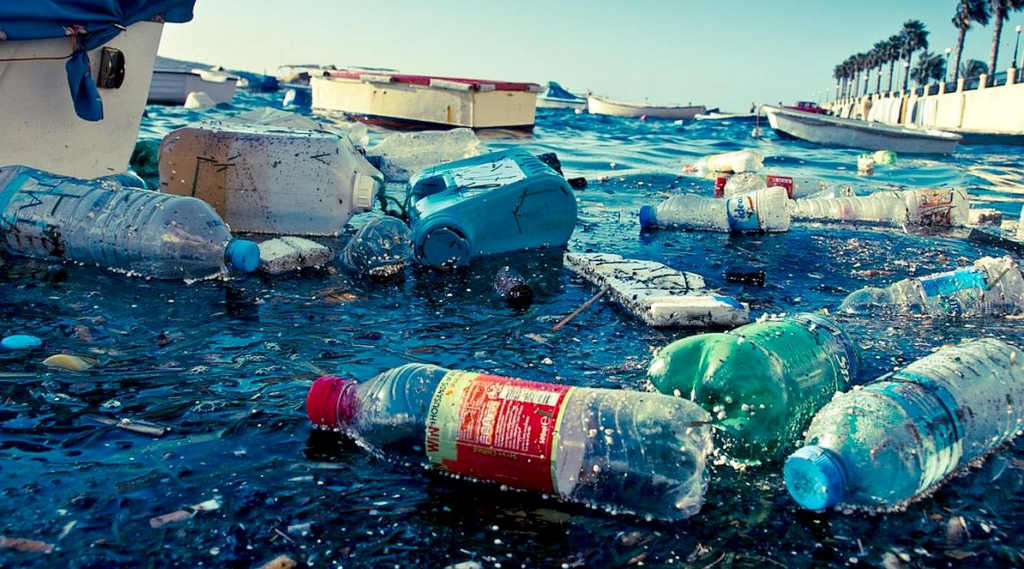
Daily consumption of bottled water exposes individuals to a substantially higher intake of microplastic particles compared to relying on tap water. Recent comprehensive reviews of scientific studies estimate that the average person ingests between 39,000 and 52,000 microplastic particles annually from various sources, but those who meet their daily hydration needs exclusively through single-use plastic bottled water can consume an additional 90,000 particles each year—bringing their total exposure well above 130,000 in some scenarios—while tap water drinkers typically ingest only around 4,000 such particles from their drinking water over the same period.
These tiny fragments, often smaller than 5 millimeters and including even smaller nanoplastics, primarily originate from the plastic bottles themselves, made predominantly of polyethylene terephthalate (PET), as well as from the bottle caps, manufacturing processes, transportation, and storage conditions. Friction, heat, sunlight exposure, and temperature fluctuations during production and handling cause the plastic to shed microscopic debris directly into the water.
Studies consistently show much higher concentrations in bottled water than in tap water, where treatment processes and infrastructure reduce particle levels significantly. Emerging research links ongoing ingestion of these particles to potential health concerns. Microplastics and associated chemicals may trigger inflammation, interfere with endocrine systems leading to hormonal disruptions, and cause cellular damage or oxidative stress as they interact with tissues.
Although many particles pass through the digestive system, smaller ones can be absorbed into organs, raising worries about long-term accumulation and chronic effects such as respiratory issues, reproductive problems, neurotoxicity, and increased cancer risk. While definitive human health impacts remain under investigation, the stark difference in exposure highlights the value of alternatives like filtered tap water or reusable non-plastic containers to minimize unnecessary microplastic intake in everyday life.
Brain-eating amoeba that can tolerate high temperatures and disinfectants like chlorine is spreading fast in drinking water globally: Study
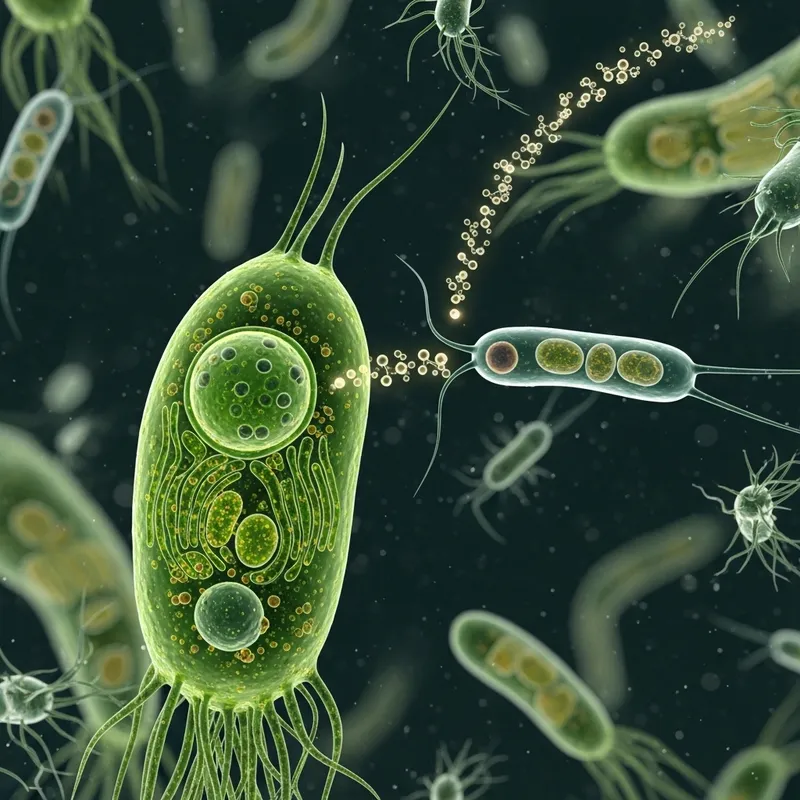
Brain-eating amoeba, Naegleria fowleri, is a free-living microbe naturally present in warm freshwater environments like lakes, rivers, hot springs, and soil. It has gained notoriety for causing primary amebic meningoencephalitis (PAM), a rare but nearly always fatal brain infection that occurs when contaminated water enters the nose—typically during swimming, diving, or nasal rinsing—allowing the amoeba to travel along the olfactory nerve to the brain, where it destroys tissue rapidly.
Recent scientific warnings highlight its increasing presence and resilience in drinking water systems worldwide. Unlike most pathogens eliminated by standard chlorination, N. fowleri tolerates high temperatures (thriving up to 46°C) and survives moderate chlorine levels, especially in biofilms within aging pipes, poorly maintained distribution networks, or systems with low disinfectant residuals.
It can even colonize treated tap water under certain conditions, such as insufficient residual chlorine or elevated water temperatures from climate change. A 2025-2026 perspective from researchers emphasizes that climate warming expands the geographic range of heat-tolerant amoebae into previously cooler regions, while deteriorating infrastructure and inadequate monitoring allow persistence in municipal supplies once assumed safe.
These amoebae also act as “Trojan horses,” sheltering bacteria and viruses from disinfection, potentially aiding pathogen spread and antibiotic resistance. Although infections remain extremely rare—far outnumbered by other waterborne risks—the global uptick in detections, linked to warmer conditions and recent recreational outbreaks, has prompted urgent calls for enhanced surveillance, stricter water treatment protocols (like higher free chlorine in hotspots), and public precautions such as using boiled or distilled water for nasal irrigation and avoiding forceful nose entry in warm untreated sources. Proactive measures are essential to curb this emerging threat before cases escalate.
A snail can glide over the sharp edge of a knife or razor without harming itself.
A snail can glide over the sharp edge of a knife or razor without harming itself thanks to a remarkable combination of its biology and movement mechanics. The key lies in the thick layer of pedal mucus that the snail constantly secretes from glands beneath its muscular foot.
This mucus is a viscoelastic gel with unique properties: it is slippery yet adhesive, reducing friction dramatically while forming a protective cushion between the snail’s soft body and the blade. As the snail moves, it does not simply slide passively.
Instead, it generates rhythmic waves of muscular contraction along its broad, flat foot. These waves create localized points of attachment and lift, propelling the animal forward in a rippling motion.
When crossing a sharp edge, the snail’s modest weight is distributed across a relatively large contact area rather than concentrated on the razor-thin blade.
Much of the body remains supported on either side of the edge, so downward pressure directly on the cutting line stays minimal—often far below what would be needed to pierce the skin.
The mucus plays a crucial role here by acting as a buffer. It coats the edge, preventing direct metal-to-tissue contact, absorbs any minor pressure, and allows the foot to deform slightly without tearing.
Even if the blade is extremely sharp, the gel’s thickness and lubricating qualities ensure the snail glides smoothly rather than being sliced.
This adaptation helps snails traverse rough, jagged, or hazardous surfaces in nature, from thorny plants to broken glass, making the razor demonstration a striking illustration of their evolutionary ingenuity in low-friction, protective locomotion


Leave a Comment