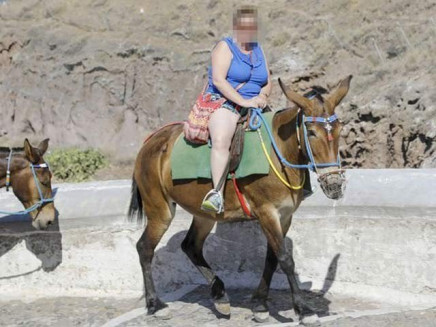

OVERWEIGHT TOURISTS BANNED FROM DONKEY RIDES IN GREECE TO SAFEGUARD ANIMALS
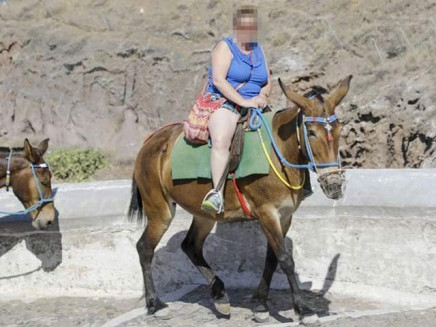
Greece has introduced firm restrictions on donkey rides used in tourist areas, banning overweight riders to protect animals from injury and exhaustion. The move follows years of criticism from veterinarians and animal-welfare advocates who warned that donkeys were being overworked especially on steep island routes popular with visitors.
The policy is most closely associated with Santorini, where donkeys have long been used to transport tourists up stone stairways carved into cliffs. While these animals are strong, experts stress that they are not built to carry excessive weight for prolonged periods, particularly in extreme heat.
Under the updated rules, riders must not exceed 20% of a donkey’s body weight, a guideline widely accepted in veterinary science for working equines. Tour operators and animal owners are now required to enforce the limit, provide adequate water and rest, and ensure animals are not worked beyond safe hours. Violations can lead to fines and the removal of operating licenses.
Authorities emphasized that the restriction is about weight, not appearance. The aim is to prevent spinal injuries, joint damage, open sores, and long-term health problems that can arise when animals are overloaded. Animal welfare groups have documented donkeys with visible wounds and signs of dehydration, fueling public pressure for reform.
The decision sparked mixed reactions online. Supporters praised Greece for prioritizing animal welfare over tourist convenience, calling it a necessary update to outdated practices. Critics accused the policy of being discriminatory. Officials countered that the rule applies universally and is based solely on veterinary safety standards.
Importantly, the ban does not limit access to historic areas. In Santorini and other locations, alternatives already exist, including cable cars, walking paths, and modern transport options. The policy simply removes the expectation that animals should bear unsafe physical burdens when other choices are available.
Veterinarians welcomed the change, noting that donkeys are often misunderstood as indestructible. In reality, they are sensitive animals with specific physical limits. Repeated overloading can shorten their lifespan and cause chronic pain conditions that may not be immediately visible to tourists.
The move reflects a broader shift in how countries balance tourism with ethical responsibility. As travelers become more conscious of animal welfare, governments are reassessing traditions that persist primarily for convenience or spectacle. Greece’s action aligns with international standards for working animals and signals that cultural heritage must evolve alongside compassion.
Animal-rights organizations say enforcement will be key. Clear signage, routine checks, and accountability for operators are essential to ensure the policy translates into real protection on the ground.
For the donkeys that have carried generations of visitors under the Mediterranean sun, the new rules represent something long overdue: relief, dignity, and care.
Source: Greek Ministry of Rural Development and Food animal-welfare guidelines; reporting from international media and animal-rights organizations on Greece’s enforcement
ANGELA WHITE REVEALS UNLIKELY CRUSH ON SIR DAVID ATTENBOROUGH IN CANDID, COLORFUL INTERVIEW
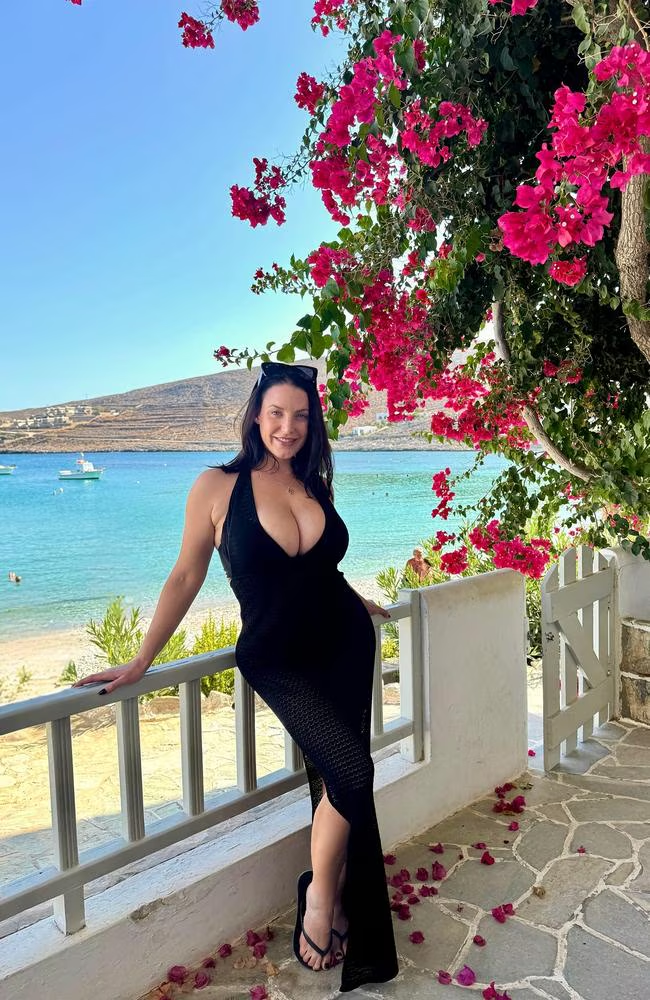
In a refreshingly honest and colorful interview, Angela White surprised audiences by sharing an unlikely crush: none other than legendary broadcaster and natural historian David Attenborough.
White spoke with warmth and humor, making it clear that the attraction isn’t about glamour or celebrity in the conventional sense. Instead, she described a deep admiration for Attenborough’s intelligence, curiosity, gentleness, and lifelong dedication to understanding and protecting the natural world. For her, the appeal lies in passion, wisdom, and a voice that has guided generations through the wonders of the planet.
“It’s the way he speaks,” she suggested, pointing to Attenborough’s calm authority and unmistakable tone. His storytelling, she said, carries a rare blend of kindness and conviction qualities that feel increasingly precious in a loud, fast-moving culture.
The confession quickly caught attention online, largely because of how unexpected it was. Fans found the moment charming rather than sensational, praising White for highlighting a type of attraction rarely celebrated in pop culture: reverence for intellect, integrity, and purpose.
Attenborough, now in his late 90s, has spent more than seven decades shaping how humanity understands the natural world. From early black-and-white broadcasts to sweeping modern series on climate change and biodiversity, his work has emphasized humility in the face of nature. That legacy, White implied, is exactly what makes him attractive.
The moment also sparked broader conversation about what we consider “crush-worthy.” In an era often dominated by youth, spectacle, and surface-level appeal, White’s comment landed as a gentle reminder that charisma can come from substance. Many viewers echoed the sentiment, joking that Attenborough might be one of the most universally admired men alive.
White framed the crush playfully, not romantically literal, more an expression of respect and affection than fantasy. It was a celebration of character, curiosity, and a life lived with meaning.
Interviews often rely on predictable soundbites. This one stood out because it felt human and sincere, less about shock value and more about admiration. In naming Attenborough, White tapped into a shared cultural fondness for a figure who represents patience, learning, and care for the planet.
Sometimes, the most attractive quality isn’t edge or excess.
Sometimes, it’s a quiet voice explaining why the world matters.
Source: Entertainment media interview featuring Angela White discussing personal interests and influences; public biographical records and documentary work of Sir David Attenborough referenced for context.
WE’RE NOT JUST CONTENT:ADULT CREATORS UNITE IN CRITIQUE OF PLATFORM EXPLOITATION & BURNOUT.
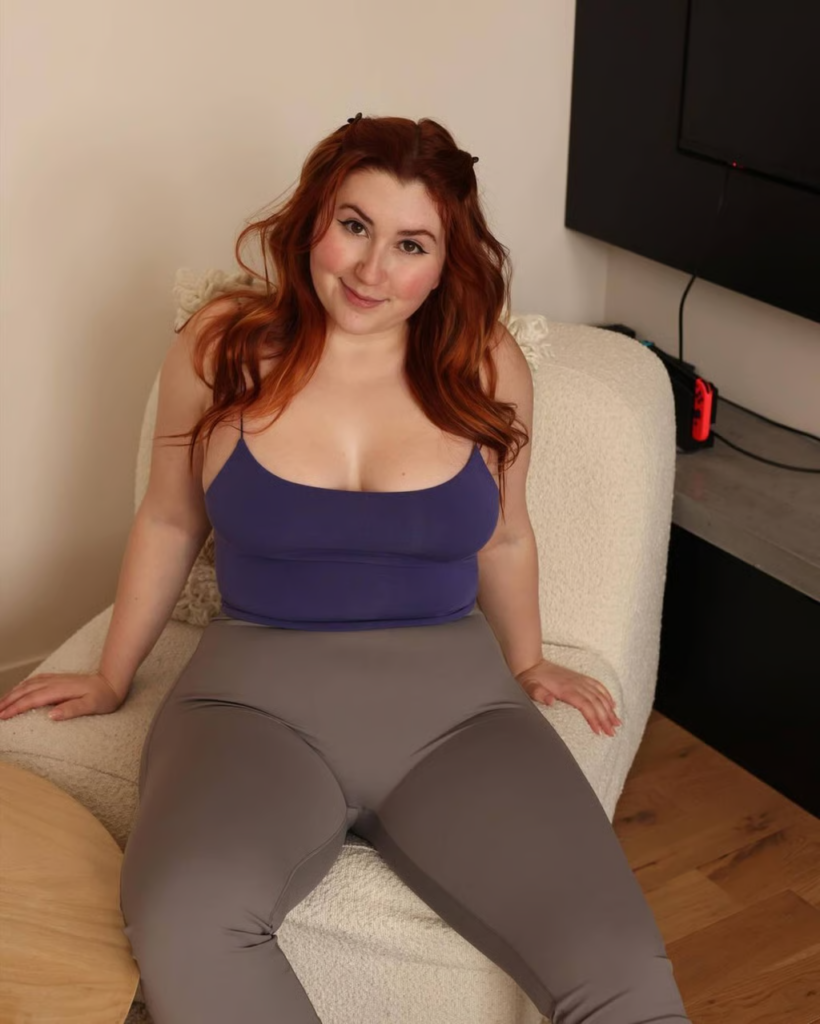
A growing chorus of adult creators is speaking out against what they describe as systemic exploitation, algorithmic pressure, and unsustainable burnout across major digital platforms. Their message is simple and increasingly unified: creators are workers, not disposable content.
Across subscription platforms, social networks, and clip sites, adult creators say they are facing shrinking payouts, opaque moderation, sudden account restrictions, and relentless demands to produce more for less. Many point to platforms like OnlyFans and TikTok as emblematic of a broader problem where creators shoulder risk and labor while platforms capture stability and scale.
Creators describe a treadmill effect. Algorithms reward constant posting, frequent engagement, and rapid trend adoption. Miss a day, and visibility drops. Take a break, and income can crater. For adult creators, the pressure is compounded by stigma, stricter moderation, payment processor policies, and the ever-present risk of deplatforming without clear explanation or recourse.
The result, many say, is burnout that feels inevitable rather than incidental.
Beyond exhaustion, creators raise concerns about consent and control. Sudden policy changes can retroactively demonetize lawful content. Account flags can freeze earnings overnight. Appeals processes, when they exist, are slow and opaque. Meanwhile, platforms continue to profit from creator-driven traffic and subscriptions.
What’s different now is coordination.
Creators are forming collectives, sharing best practices, organizing days of rest or posting slowdowns, and advocating for clearer contracts, transparent algorithms, and predictable enforcement. Some are exploring cooperatives, decentralized hosting, or diversified income streams to reduce dependence on a single platform’s rules.
They’re also reframing the conversation. Instead of asking for special treatment, creators are demanding basic labor standards: notice before policy changes, fair revenue splits, timely payouts, and meaningful appeals. They argue that adult creators, in particular, have long been used as early adopters driving platform growth only to be sidelined once brands arrive.
Critics of the movement argue that platforms provide access and infrastructure, and that creators choose to participate. Creators counter that choice is constrained when platforms function as gatekeepers and when alternatives are limited by payment processors and social stigma.
The debate touches a larger fault line in the creator economy. As digital labor expands, questions once reserved for traditional workplaces about power, transparency, and sustainability are becoming unavoidable. Adult creators are often at the sharpest edge of those tensions, navigating both cultural marginalization and technical vulnerability.
Importantly, this pushback isn’t anti-platform. It’s pro-accountability. Creators say they want to build healthier ecosystems where creativity isn’t punished by exhaustion, and where success doesn’t require constant self-exploitation.
“We’re not just content” isn’t a slogan, it’s a boundary.
And as more creators draw it together, platforms may have to decide whether the future of the creator economy is built on churn or on trust.
Source: Creator statements and organizing efforts shared across social media and industry forums; reporting and commentary on creator burnout, platform governance, and labor dynamics within the adult creator economy.
Once the girl-next-door on Boy Meets World, Maitland Ward left mainstream Hollywood for a provocative, critically acclaimed adult film career and hasn’t looked back.
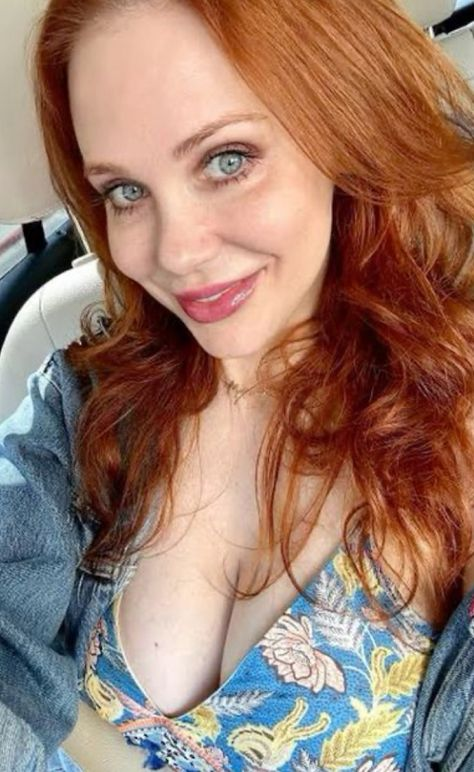
Once recognized as the wholesome, girl-next-door presence on a beloved family sitcom, Maitland Ward made a decision that stunned Hollywood: she walked away from mainstream acting and built a provocative, critically acclaimed career in adult film without apology, regret, or looking back.
Ward first became a household name in the late 1990s and early 2000s, most notably for her role on Boy Meets World. At the time, she fit neatly into the industry’s idea of acceptable femininity approachable, family-friendly, and safely marketable. But behind the scenes, Ward has said she felt boxed in by expectations and frustrated by the limited roles offered to women as they age.
Rather than chasing diminishing opportunities, she chose reinvention.
In the late 2010s, Ward entered the adult film industry, a move many assumed would end her credibility. Instead, it did the opposite. Her work quickly gained attention for its production quality, narrative experimentation, and creative control. Critics and peers alike noted that Ward approached adult film not as a detour, but as an artistic pivot.
What set her apart wasn’t shock value, it was intention.
Ward has spoken openly about the freedom she found in an industry that allowed her to own her image, choose collaborators, and shape her work without the constant policing of age, body, or desirability she experienced in Hollywood. She also challenged a long-standing stigma: that crossing into adult entertainment is a fall from grace rather than a valid career path.
Her success has been measurable. Ward has received industry awards, strong critical reviews, and a level of creative autonomy she says was never available to her in mainstream film and television. Financially, she has also been candid about earning more and more consistently than she did during her years in traditional acting.
The backlash was inevitable. Some former fans expressed disappointment; others framed her decision as scandal. Ward responded by reframing the narrative: this wasn’t rebellion, it was alignment. She has repeatedly emphasized that the move was hers alone, driven by curiosity, agency, and a refusal to be shamed for sexuality.
In interviews, Ward has become a vocal advocate for sex workers’ rights, creative legitimacy in adult media, and the idea that women should not be punished for changing direction especially when that direction challenges cultural comfort.
Her story resonates beyond celebrity gossip because it exposes an uncomfortable truth about entertainment hierarchies: society often celebrates reinvention only when it conforms to approved paths. Ward chose one that didn’t and thrived anyway.
Today, she stands as a rare example of a performer who left Hollywood’s approval economy and found success elsewhere, redefining what career evolution can look like.
She didn’t lose her way.
She chose a different one and owned it.
Source: Interviews and profiles featuring Maitland Ward discussing her transition from mainstream television to adult film; industry reviews and award coverage recognizing her work; commentary on career reinvention and stigma within entertainment media.
LENA THE PLUG’S FATEFUL COMMENT BEFORE HUSBAND ADAM22’S ALTERCATION WITH MAN SHE FILMED WITH.
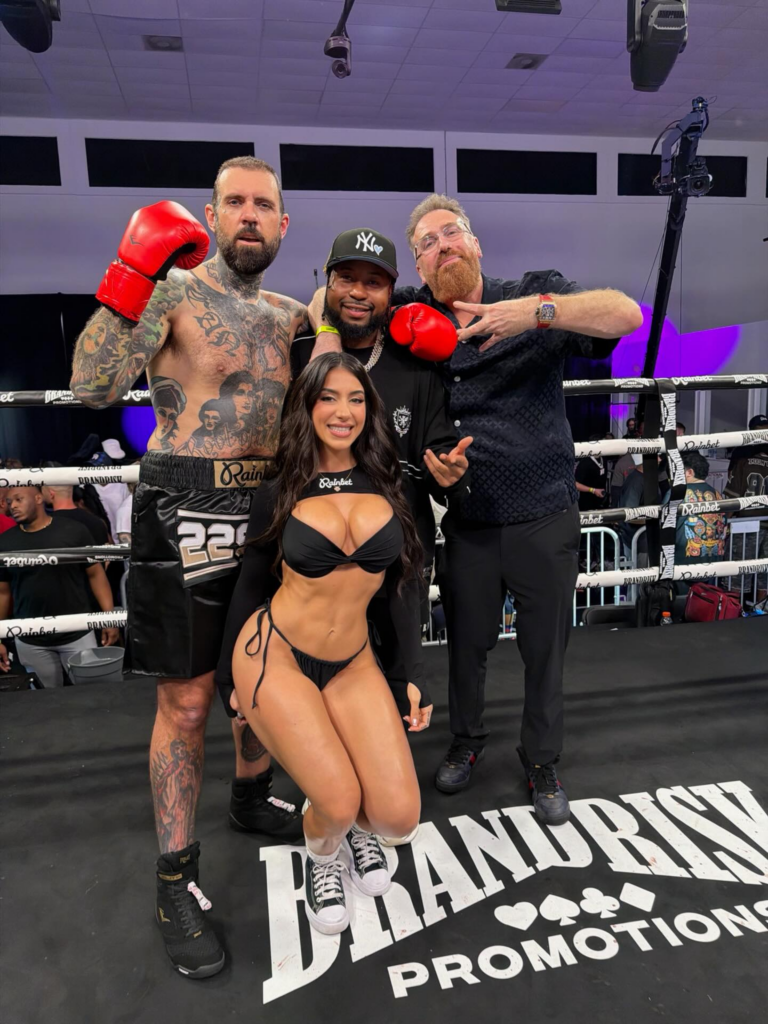
Online attention reignited this week after fans resurfaced a comment made by Lena The Plug shortly before an altercation involving her husband, Adam22, and a man Lena had previously filmed content with. The timing of the remark, innocuous on its own, has since been scrutinized amid speculation about tensions behind the scenes.
According to widely shared clips and posts, Lena had addressed boundaries, trust, and communication in relationships during a candid moment online. At the time, the comment passed largely unnoticed. After news broke of Adam22’s confrontation, however, fans revisited the clip, framing it as foreshadowing or evidence of unresolved tension. As is common in viral cycles, context collapsed and interpretations multiplied.
What’s known is limited and largely sourced from social media. Reports indicate Adam22 was involved in a heated exchange with a man Lena had collaborated with professionally. Accounts vary on what sparked the incident, and no verified details suggest criminal charges or injuries. Both Lena and Adam22 have historically kept much of their relationship dynamics public, which has fueled interest but neither has provided a comprehensive account of this specific altercation.
The internet response has been polarized. Some viewers argue the resurfaced comment highlights the complexity of navigating public relationships, especially when professional collaborations overlap with personal boundaries. Others caution against retrofitting meaning onto past remarks, noting that hindsight bias often turns everyday statements into “signs” once drama emerges.
Relationship experts often warn that public commentary can distort private realities. When couples share openly, audiences may feel entitled to conclusions that the facts don’t support. In this case, a single comment became a Rorschach test: supporters saw maturity and communication; critics saw tension and warning signs.
It’s also a reminder of how quickly narratives form online. A clip, detached from its original context, can be recast to fit a trending storyline. For creators whose lives intersect with their work, that risk is constant especially when platforms reward speculation with clicks.
Lena has previously emphasized agency and consent in her collaborations, while Adam22 has defended openness as central to their partnership. Whether the altercation reflects personal conflict, professional disagreement, or a misunderstanding remains unclear. What is clear is that the couple’s visibility amplifies every moment turning private frictions into public debates.
As of now, neither party has issued a detailed statement addressing the incident beyond acknowledging online chatter. Without verified information, responsible coverage means resisting certainty and recognizing limits. Viral attention doesn’t equal clarity.
In the end, the episode illustrates a familiar pattern in internet culture: a past comment meets a present controversy, and meaning is assigned at speed. Sometimes that meaning sticks. Sometimes it fades once fuller context arrives.
For now, the “fateful comment” remains just that a moment replayed through a louder lens than it was ever meant to carry.
Source: Viral social media clips and commentary discussing Lena The Plug’s prior remarks and subsequent online reports of an altercation involving Adam22; coverage and discussions across creator-news outlets and fan forums.
When Billie Eilish spoke about the harmful effects of early porn exposure, her message resonated with youth and gained support from a prominent voice within the industry.
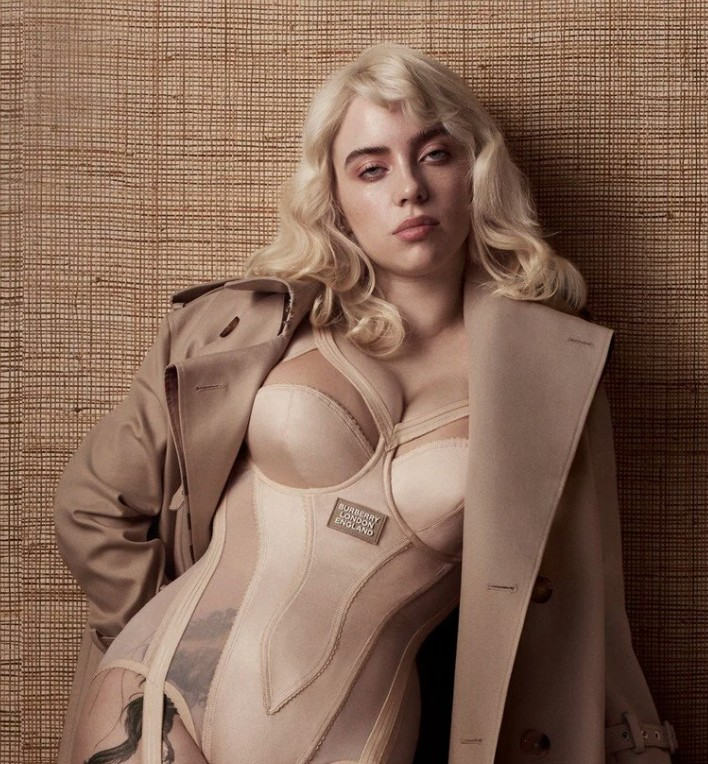
When Billie Eilish spoke candidly about the damaging impact of being exposed to pornography at a very young age, her words struck a nerve especially with young listeners who recognized their own experiences in her story. But what surprised many was what came next: support from within the adult industry itself.
Eilish has described how early exposure shaped her expectations, relationships, and sense of self in ways she later realized were unhealthy. Rather than framing her comments as moral judgment, she focused on how developing brains process sexual imagery without context, consent education, or emotional maturity. The result, she said, was confusion not empowerment.
Her remarks quickly circulated online, prompting intense discussion about age, access, and the long-term psychological effects of early exposure. While many expected pushback from adult-industry figures, one response stood out: a respected voice from inside the industry publicly agreed with her concerns.
Several adult performers and advocates echoed Eilish’s point, emphasizing that porn is made for adults and becomes harmful when consumed by children. They stressed that acknowledging harm doesn’t equal shaming sex work; it means recognizing responsibility gaps in how content is accessed and regulated.
The backing mattered because it complicated a polarized debate. Instead of “pro-” versus “anti-” porn camps, the conversation shifted toward harm reduction, age safeguards, and media literacy. Industry insiders pointed out that performers often advocate stricter age verification and better parental controls but those measures lag behind technology and demand.
Mental health experts say Eilish’s openness helped legitimize a topic many feel ashamed to discuss. Early exposure can influence body image, consent expectations, and emotional development effects that may not surface until years later. Hearing a globally recognized artist articulate that experience gave others permission to speak honestly.
What resonated most was Eilish’s tone. She didn’t demonize performers or audiences. She talked about impact. That nuance made room for unlikely allies, people who know the industry intimately and still agree that children deserve protection.
The moment also highlighted a broader cultural gap: while content has become more explicit and accessible, education and safeguards haven’t kept pace. Smartphones put adult material within reach long before many kids understand what they’re seeing. Eilish’s comments reframed the issue as a public health and developmental concern, not a culture-war slogan.
Support from industry voices reinforced that framing. It suggested shared ground: adults can choose freely; kids should be shielded. Consent requires context and children can’t consent to what they don’t understand.
In the days that followed, discussions expanded beyond celebrity soundbites to policy questions: age verification, platform accountability, parental tools, and honest sex education. Eilish’s experience became a catalyst, not a conclusion.
Sometimes change starts when someone names a quiet harm out loud.
Sometimes it grows when unexpected allies say, “She’s right.”
Source: Billie Eilish interviews discussing early exposure to pornography and its personal impact; public statements and commentary from adult-industry performers and advocates supporting age-appropriate access, harm-reduction approaches, and stronger safeguards for minors.
The adult entertainment industry is mourning the sudden loss of iconic early-2000s star Jesse Jane, who died at 43 from an apparent drug overdose currently under investigation.
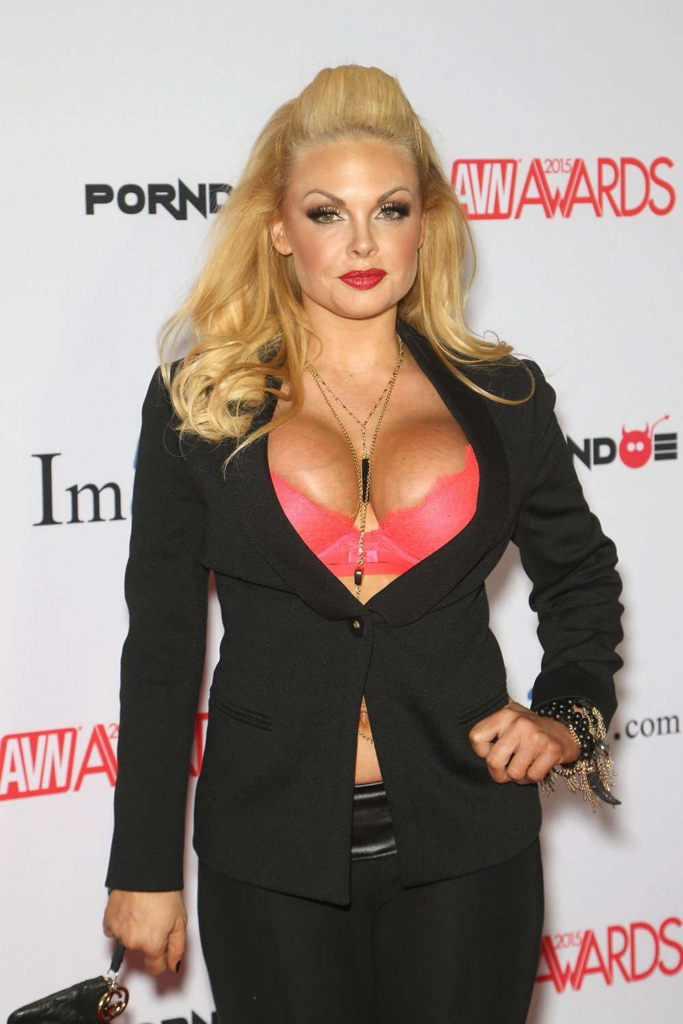
The adult entertainment industry is mourning the sudden loss of Jesse Jane, one of its most recognizable and influential stars of the early 2000s. She was 43 years old, and authorities are investigating her death as an apparent drug overdose, according to initial reports.
Jesse Jane rose to prominence at a time when adult film was undergoing a major cultural shift moving from niche distribution into mainstream awareness through DVDs, cable television, and the early internet era. With her platinum-blonde look, confident on-screen presence, and crossover appeal, she quickly became a household name within the industry and beyond it.
For many fans, Jesse Jane wasn’t just a performer, she was the face of an era.
Her popularity extended well beyond adult films. She made appearances in music videos, television shows, and mainstream pop culture conversations, helping blur the line between adult entertainment and broader celebrity culture at a time when that crossover was far less common than it is today.
Colleagues describe her as charismatic, professional, and fiercely driven. Behind the scenes, she was known for her work ethic and her ability to command attention in an industry that was and remains highly competitive. Her success helped pave the way for performers to negotiate better contracts and gain greater visibility during a period when studios held most of the power.
Yet like many public figures, her life was not without struggle.
Friends and industry peers have spoken over the years about the intense pressures faced by performers, including fame at a young age, financial instability, and the emotional toll of living under constant scrutiny. Jesse Jane herself was candid at times about the challenges of navigating life after peak fame, something many entertainers, adult and mainstream alike, quietly endure.
News of her death has prompted an outpouring of tributes from fellow performers, fans, and industry veterans. Many have shared memories of her kindness, humor, and impact, emphasizing that she was more than an on-screen persona. For them, the loss is deeply personal.
The investigation into her death is ongoing, and authorities have urged the public to avoid speculation while details are confirmed. What is clear, however, is that her passing has reignited conversations about mental health, substance use, and support systems within the entertainment industry especially for those who rise quickly and fall out of the spotlight just as fast.
Jesse Jane’s legacy is complicated, as legacies often are. She was iconic, influential, and unforgettable and also human, vulnerable, and imperfect.
As the industry reflects on her life, many are calling for compassion rather than sensationalism. A reminder that behind every famous name is a person whose story extends far beyond headlines.
She helped define a generation of adult entertainment.
And now, she leaves behind a silence felt by many who grew up watching her rise.
Source: Law enforcement statements and media reports confirming the death of Jesse Jane at age 43; industry tributes and retrospective coverage of her career and influence during the early 2000s adult film era.
Former adult film star Lana Rhoades has joined the “anti-OnlyFans” platform Hidden, aiming to give creators fairer profits, better working conditions, and more control over their content.
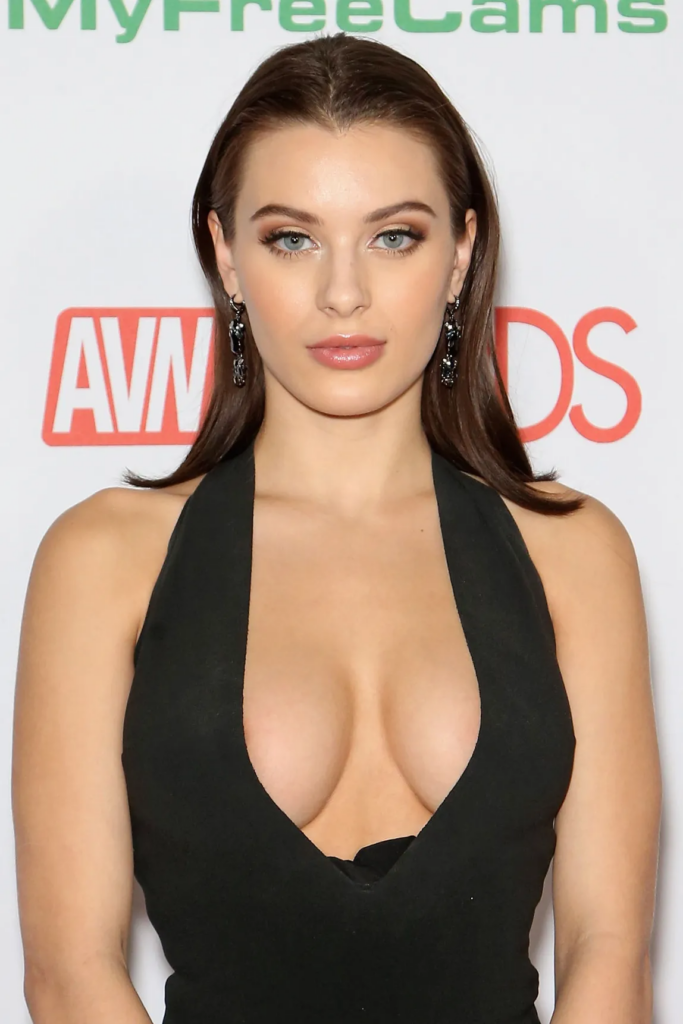
Former adult film star turned entrepreneur Lana Rhoades is once again reshaping the creator economy this time by challenging the very platforms that dominate it. With the launch of her new creator platform, widely described as “anti-OnlyFans,” Rhoades says her goal is to correct what she sees as systemic problems in an industry built on creator labor but controlled by corporate intermediaries.
Rhoades, who left adult film at the height of her popularity and later became one of the most successful creators on OnlyFans, has been outspoken about the downsides of platform dependence. While subscription sites have empowered many creators financially, she argues they also expose users to sudden policy shifts, unclear moderation, payout instability, and a lack of real ownership over content and audiences.
Her new platform promises a different model.
According to Rhoades, creators will receive higher revenue shares, clearer contracts, and tools that prioritize long-term security over short-term virality. One of the platform’s central selling points is true ownership allowing creators to control their content, data, and subscriber relationships without fear of abrupt demonetization or account freezes.
Safety is another pillar. Rhoades has emphasized stricter protections against content theft, impersonation, and harassment persistent issues that disproportionately affect adult and women creators. She says the platform is being designed with built-in safeguards rather than reactive enforcement, a direct response to what many creators describe as an “exploit first, fix later” approach elsewhere.
The move comes amid growing unrest in the creator economy. Adult creators, in particular, have raised alarms about burnout, declining payouts, and opaque algorithmic pressure. Many feel trapped by platforms that function as gatekeepers, especially when payment processors and social stigma limit alternatives. Rhoades’ project taps directly into that frustration.
Critics question whether a creator-first platform can truly compete with industry giants that benefit from scale, brand recognition, and entrenched user bases. Rhoades counters that trust not size will determine the next phase of the economy. “Creators are waking up,” she has said in interviews, arguing that sustainability will beat extraction over time.
Supporters see her transition as emblematic of a broader shift: performers leveraging their insight and audience to build infrastructure, not just content. Rhoades’ lived experience both the financial upside and the vulnerabilities gives her credibility with creators wary of promises that sound good on paper but fail in practice.
If successful, the platform could pressure incumbents to improve terms or risk losing talent. Even if it doesn’t replace existing giants, it may expand the ecosystem giving creators leverage they’ve long lacked.
Rhoades’ stance is clear: the future of digital labor should reward the people who create the value, not just the platforms that host it.
In an industry shaped by power imbalances, she’s betting that ownership, transparency, and safety can be more than buzzwords and that creators are ready to demand them.
Source: Interviews and public statements from Lana Rhoades outlining her creator-platform initiative; reporting and commentary on creator pay structures, safety concerns, and ownership issues within subscription content platforms, including OnlyFans.


Leave a Comment