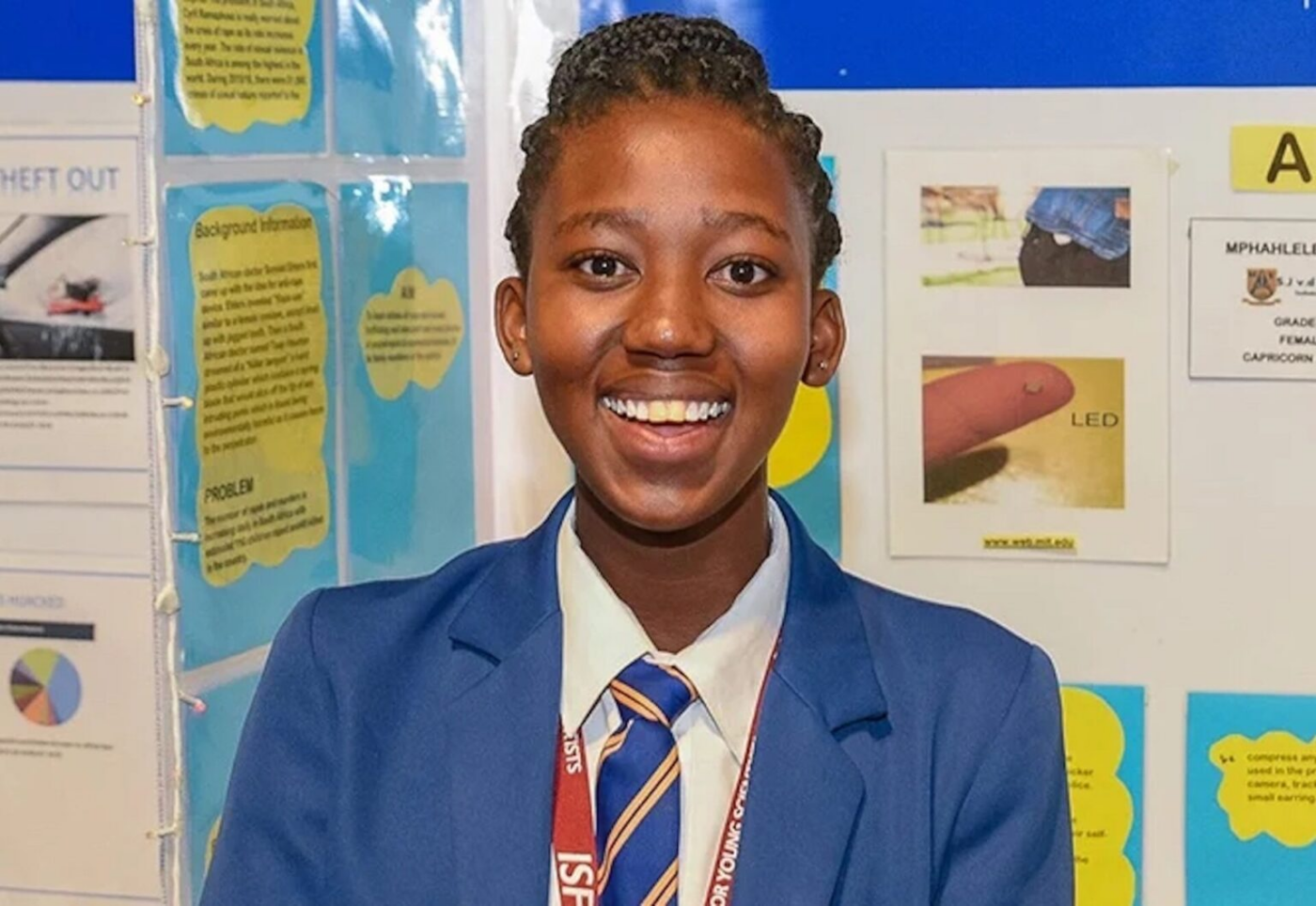

Jewelry That Calls for Help
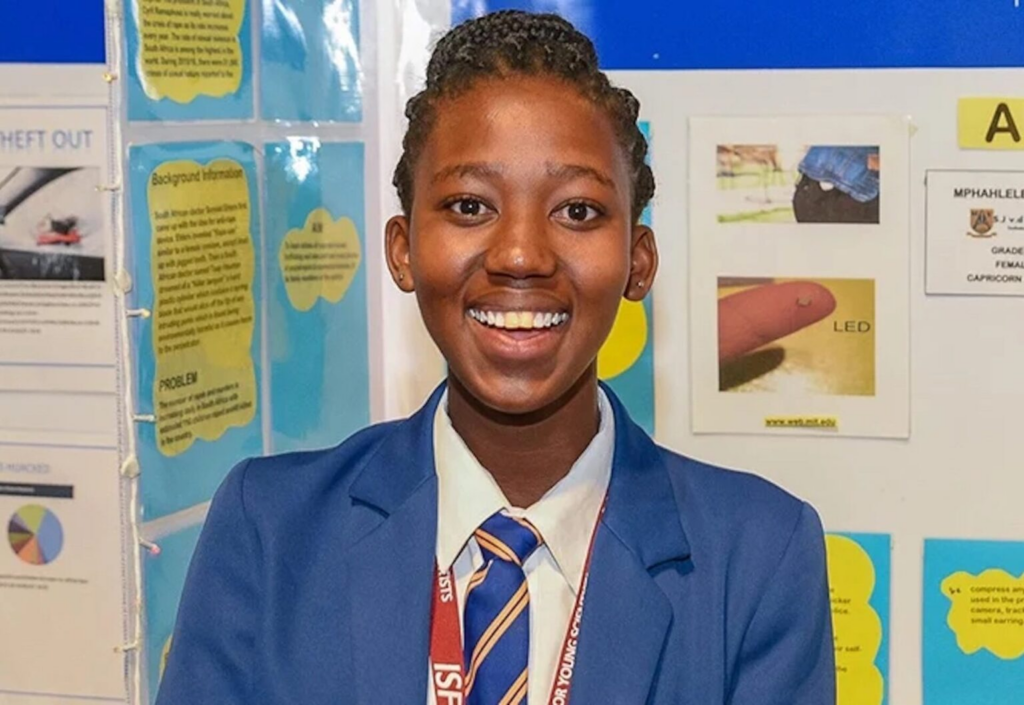
In response to the pervasive threat of gender-based violence, 16-year-old Bohlale Mphahlele from Limpopo, South Africa, has engineered a lifeline disguised as jewelry. Her invention, the “Alerting Earpiece,” is a discreet wearable that looks like a normal earring but contains a hidden emergency button. When activated, it captures a photograph of the assailant and instantly transmits an alert with live GPS coordinates to pre-selected contacts and emergency services. This ingenious blend of everyday fashion and life-saving technology earned her a bronze medal at the prestigious Eskom Expo for Young Scientists. However, Bohlale’s vision extends far beyond accolades; she aims to develop the prototype into an affordable, widely accessible safety tool for women and children globally. Her work is a powerful, multi-layered statement: it demonstrates that youth are potent innovators, that girls belong at the forefront of STEM, and that technology can be directly harnessed to protect human dignity and safety. In a single, elegant device, Bohlale Mphahlele has combined courage, creativity, and technical skill, offering not just a gadget, but a bold blueprint for how the next generation is actively engineering a safer world.
The Lonely 911 Call That Made a Friend
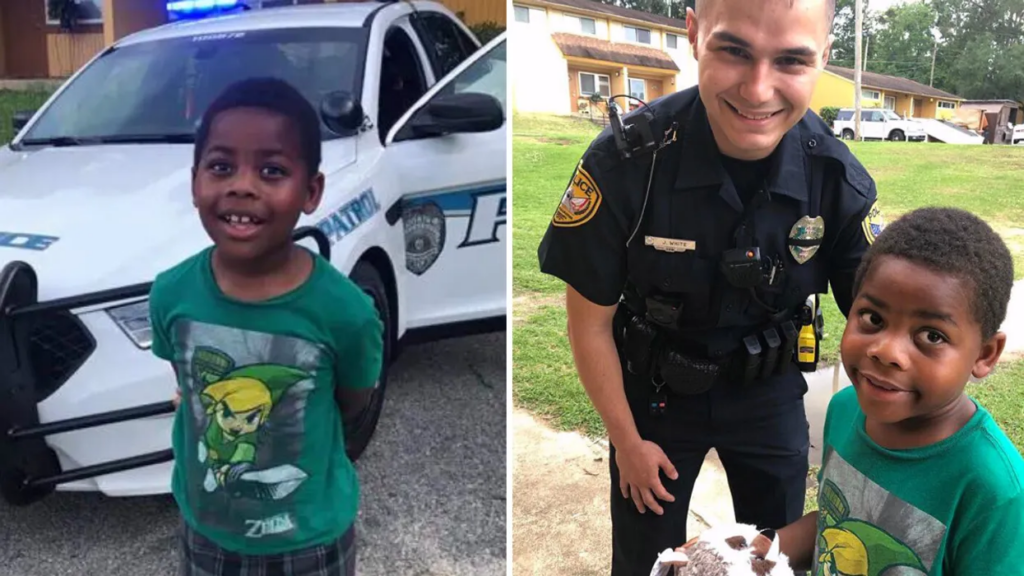
In Tallahassee, Florida, a 6-year-old boy, feeling lonely and sad, dialed 911 without his mother’s knowledge. When Tallahassee Police Officer Joe White arrived, expecting an emergency, he discovered the real issue: a child in need of a friend. Instead of reprimanding him, Officer White calmly explained the proper use of 911 for true emergencies, while also offering reassurance and friendship. The encounter transformed into a positive, educational moment. Officer White invited the boy to sit in his patrol car, giving him a glimpse into police work, and gifted him a stuffed animal as a keepsake of their meeting. The police department later shared the story, using it to gently remind the public about responsible 911 use while highlighting the compassion inherent in community policing. This heartwarming incident underscores how law enforcement can bridge gaps with empathy, turning a potential misunderstanding into an opportunity for connection, education, and comfort. It proves that beyond enforcing laws, officers have the profound capacity to heal small, unseen wounds—and that sometimes, the most important call to service is simply answering a child’s call for companionship.
The Last of Her World
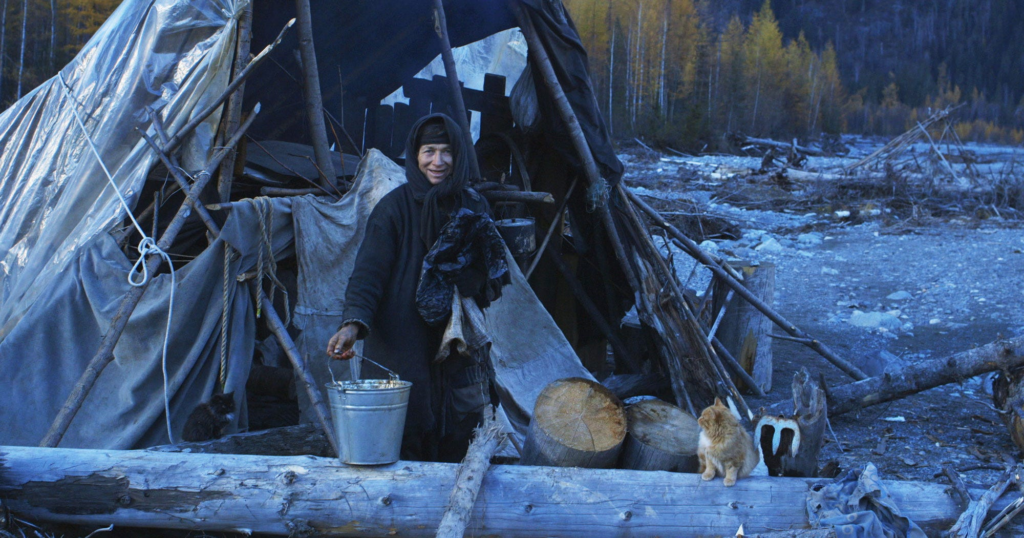
Deep in the remote Siberian taiga, Agafya Lykova continues to live a life untouched by the modern age. She is the last surviving member of the Lykov family, Old Believers who fled religious persecution in the 1930s and disappeared into the wilderness. For over 40 years, the family remained hidden, living in a simple wooden cabin, surviving by hunting, trapping, gardening, and prayer. Their existence was only discovered in 1978 by Soviet geologists who spotted their garden from the air. By then, the family lived much as their 18th-century ancestors had—without electricity, modern tools, or contact with the outside world beyond a single family Bible. Over the following decades, Agafya’s parents and siblings all passed away, leaving her alone in the vast forest. Now in her early eighties, she has chosen to remain, upholding the traditions and faith that defined her life. She lives in a newer, donated cabin with a basic emergency phone, keeps goats, tends a garden, and receives occasional assistance from visitors and regional authorities. Her existence stands as a profound testament to human resilience, spiritual devotion, and the enduring power of a chosen solitude—a living bridge to a way of life that has otherwise vanished from the Earth.
A Lesson That Saved a Life
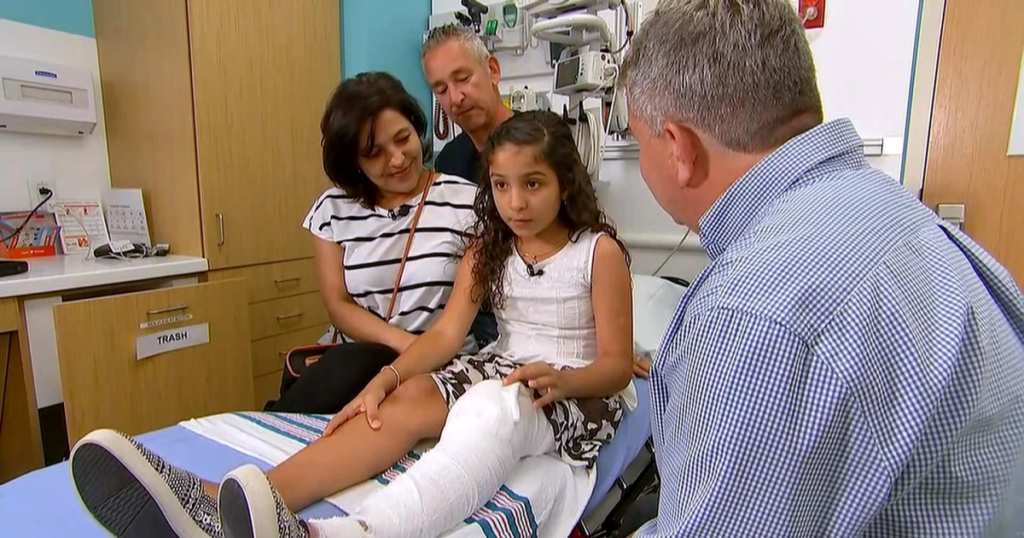
In 2017, 10-year-old Juliana Ossa was enjoying a day at Moss Park in Orlando, Florida, when a nearly nine-foot alligator latched onto her leg in Lake Mary Jane’s shallow water. After instinctively hitting the reptile without effect, she recalled a vital piece of information from a safety demonstration she had seen during a family visit to Gatorland: if you block an alligator’s nostrils, it must open its mouth to breathe. Despite the terror and pain, Juliana pushed her fingers into the gator’s nostrils, forcing it to release its grip. She pulled her leg free and was quickly rescued by family and lifeguards. After receiving hospital treatment for her wounds, she returned home to recover. Wildlife officials later captured and euthanized the alligator, following standard protocol after a human attack. Juliana’s astonishing presence of mind transformed a random, forgotten lesson into a lifesaving act. Her story underscores the profound value of wildlife safety education—especially for children in regions where humans and predators coexist—and serves as a powerful testament to how calm reasoning, even under extreme duress, can mean the difference between tragedy and survival.
The Disappearing Cryptoqueen
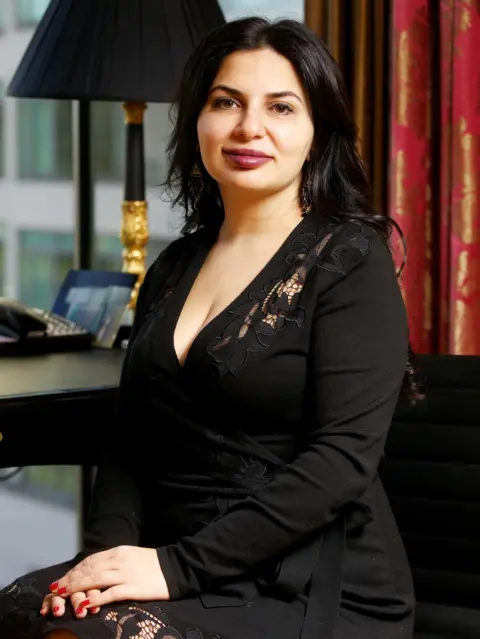
In 2014, Bulgarian-German businesswoman Dr. Ruja Ignatova launched OneCoin, proclaiming it would surpass Bitcoin and democratize digital currency. Through glamorous global rallies and a multi-level marketing network, she sold “education packages” that served as access to purchase OneCoin, promising security, regulation, and simplicity. By 2016, she was celebrated as the “Cryptoqueen,” drawing millions of investors worldwide. However, OneCoin operated without a genuine blockchain; its value was fabricated in a private database controlled by the company. The scheme amassed over $4 billion from hopeful investors across continents. In October 2017, Ignatova flew from Sofia to Athens and disappeared without a trace. While her associates have faced prosecution, she remains a fugitive, featured on the FBI’s Ten Most Wanted list with a substantial reward for information leading to her capture. OneCoin stands as one of history’s largest financial frauds—a stark warning about the allure of charismatic leadership, opaque technology, and the peril of investing in promises rather than substance. It illustrates how easily trust can be monetized and how devastating the fallout can be when that trust is engineered by deception, leaving billions in losses and a trail of global heartbreak in the wake of a vanished queen.
More Than a Calendar, a Vision of Strength
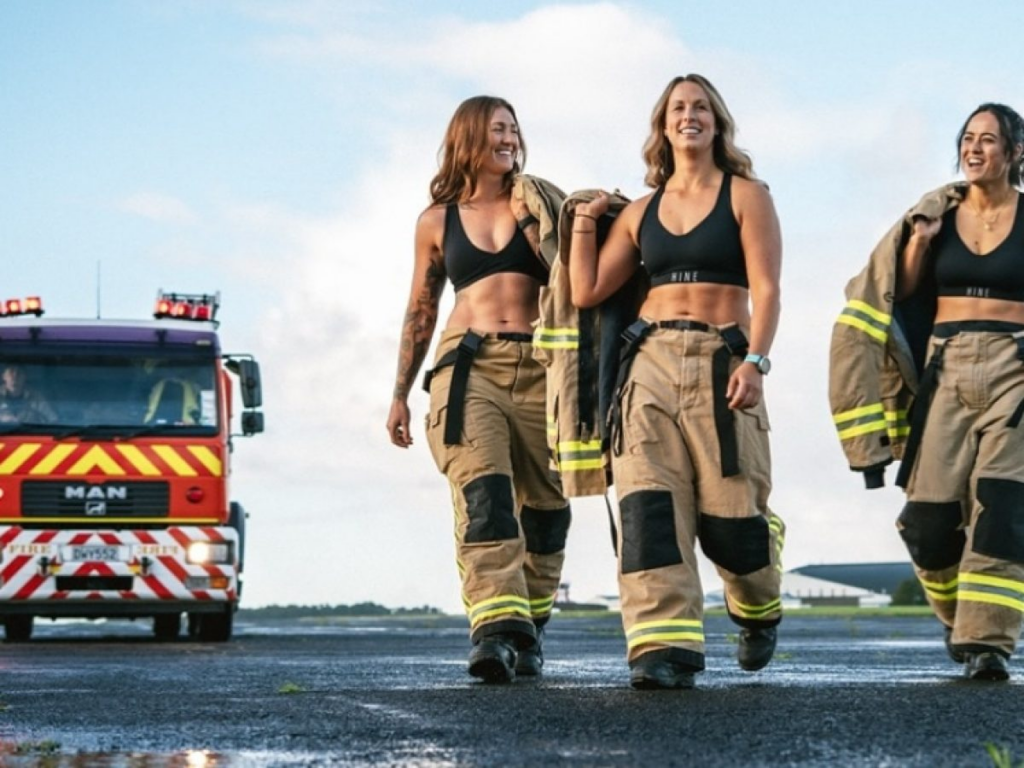
In New Zealand, where women make up a small fraction of the firefighting force, 13 career firefighters from nine different stations launched a groundbreaking initiative: the Wāhine Toa Firefighter Calendar, the country’s first all-women firefighter calendar. Their aim was twofold: to raise funds for breast cancer research through the charity Breast Cancer Cure, and to visibly challenge the male-dominated image of their profession. What began as a modest goal—to sell 5,000 calendars and raise around $60,000—exploded into a viral sensation. Short social media teasers garnered millions of views, and the initial print run sold out in just 26 hours. Ultimately, the project raised nearly $180,000, directly funding new breast cancer research in Aotearoa. Organized with intentionality, participation was always optional, and imagery centered on authentic strength and professionalism rather than stereotypes. For co-organizer Samara Pepperell, whose mother is a breast cancer survivor, the cause was deeply personal. The calendar’s impact extends beyond fundraising; it reshapes public perception, proving that strength, service, and leadership look like the women who step into the flame every day, and that changing the image on the wall can inspire a new generation to step onto the front line.
A Skirt for Change
During a summer heatwave in June 2017, students at Isca Academy in Exeter, England, faced an uncomfortable and seemingly rigid uniform policy: shorts were not permitted, despite sweltering temperatures. After their polite request for a change was denied, a group of about 30 boys devised a clever, peaceful protest. Noting that skirts were allowed for girls, they arrived at school wearing the school’s approved tartan skirts over their usual shirts and ties. The demonstration was calm, respectful, and visually effective—a single photo of the boys in skirts quickly went viral, highlighting the absurdity of the rule. The widespread attention prompted the school to reconsider, and by the following summer, shorts were officially added to the uniform options. This protest stands as a sharp example of creative, non-disruptive student activism. It demonstrated how a simple, logical act of compliance—wearing an approved garment—could effectively challenge an outdated policy, using wit and visibility to advocate for comfort, equality, and common sense. The boys’ skirt protest became more than a local news story; it became a lesson in how to question rules with intelligence, humor, and impactful quiet resolve.
Just Motherhood” Was Stage 4 Cancer
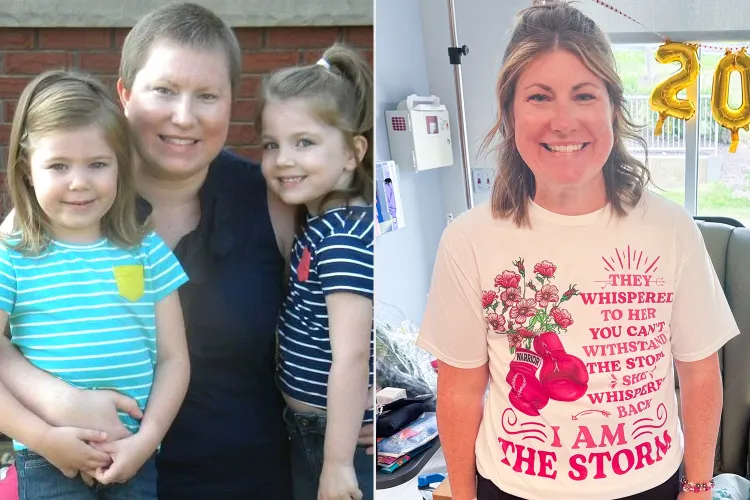
At 26, with three children under three, Kate Crawford experienced debilitating exhaustion, headaches, and severe back pain. Repeatedly, doctors dismissed her symptoms as the inevitable toll of “just motherhood.” It wasn’t until she performed a self-exam and discovered a lump that she was diagnosed at age 28 with stage 4 metastatic breast cancer—and given less than two years to live. Crawford, a former firefighter and EMT from Pennsylvania, has since defied that prognosis. In August 2025, she received her 200th cancer treatment, marking 13 years of courageous survival. Her journey has been punctuated by profound loss, including the death of her first daughter at three days old and a later miscarriage, before welcoming her twin daughters and a son born prematurely with cerebral palsy. Crawford’s story is a powerful indictment of the systemic tendency to minimize women’s health complaints, especially those of young mothers. It highlights the critical need for clinicians to look beyond easy assumptions and listen deeply to patients. Her ongoing fight—balancing aggressive treatment with making memories for her children—transforms personal tragedy into a public call for awareness, research funding, and the urgent reminder that a mother’s pain deserves investigation, not dismissal.
A Mother’s Love, a Feeding Tube, and SMA
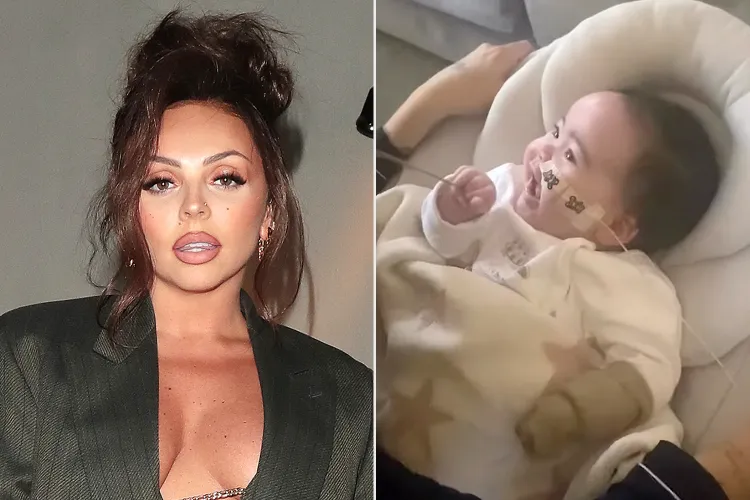
Former Little Mix star Jesy Nelson has opened up about the profound medical journey she and her fiancé, Zion Foster, are on with their 8-month-old twin daughters, Ocean Jade and Story Monroe. The twins have been diagnosed with spinal muscular atrophy (SMA) Type 1, a rare genetic neuromuscular disease that causes progressive muscle weakness and is typically diagnosed within the first six months of life. In a recent Instagram Story, Nelson shared a tender moment playing with one of her daughters, who can be seen with a feeding tube—a common support needed for infants with SMA who struggle with swallowing and nutrition. Despite the immense challenges, the clip captured the baby’s joyful laughter, a testament to the love and normalcy the family is fighting to preserve. Nelson’s decision to share this intimate reality has brought visibility to a devastating condition while highlighting the dual reality of parenting a critically ill child: the medical routines, the tubes, and the fears, all coexisting with moments of pure, unbreakable connection. Her openness offers support to other families facing similar diagnoses and underscores the urgent need for awareness, research, and access to life-changing treatments for SMA. In the face of a daunting prognosis, Nelson’s video whispers a powerful truth: even in the hardest chapters, love still laughs.
A Graduate in His Arms, Then and Now
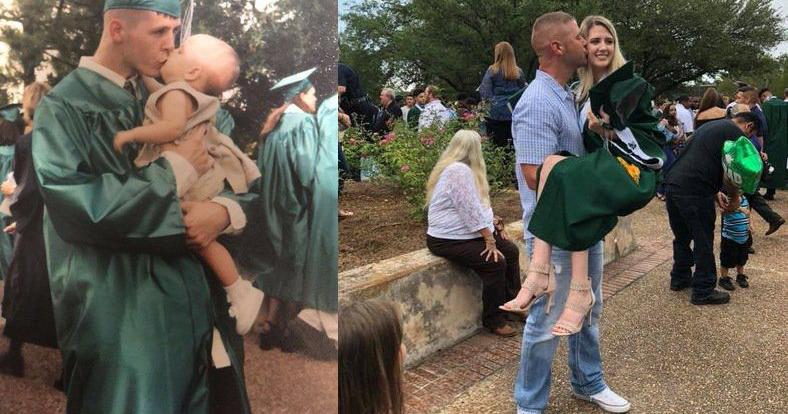
In May 2000, 19-year-old Dennis Roach walked across the football field at Huntsville High School in Texas for his graduation, cradling his infant daughter, Tori, in one arm and holding his diploma in the other. The tender photo captured a double milestone: his entry into adulthood and his embrace of fatherhood. Eighteen years later, in May 2018, history came full circle. Tori, now 19, donned the same green cap and gown to graduate from the same high school. While preparing for her graduation party, the family rediscovered the old photo, and Tori’s aunt suggested they recreate it. Without hesitation, Dennis—now 37—scooped his grown daughter into his arms, just as he had when she was a baby, and kissed her cheek. Tori posted the powerful side-by-side images online with the caption “18 years later,” and the photos quickly went viral. In an interview with PEOPLE, Tori shared that the experience deepened her bond with her father. The images tell a story far beyond aging and achievement; they speak of a love that held firm through time, a promise kept across two decades, and the beautiful truth that some embraces only grow stronger, even when the child in them grows up. It’s a reminder that the most meaningful traditions are often the ones we don’t plan—they’re the ones we live, and then live again.
A Theme Park’s Robot Patrol
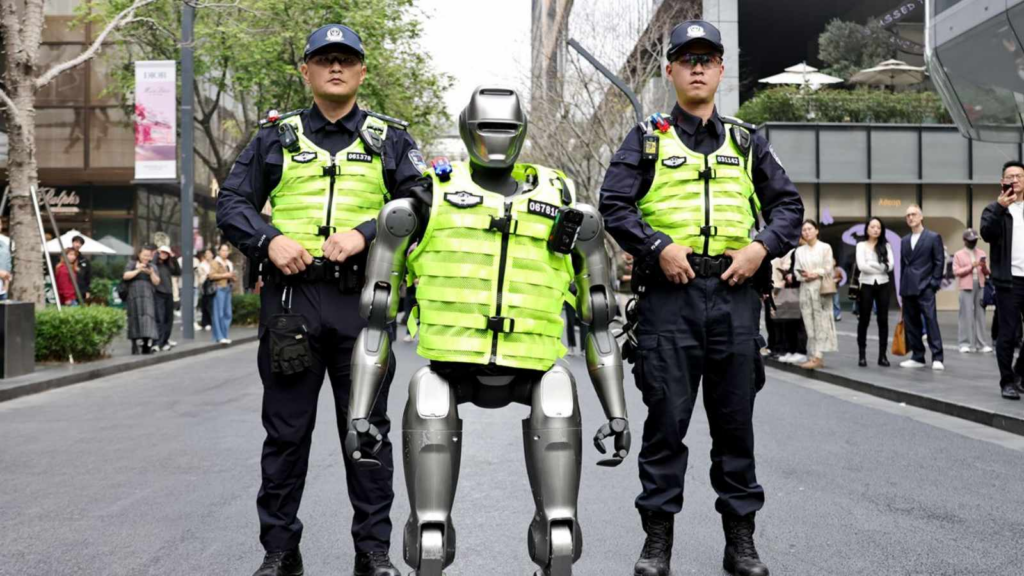
In late December 2025, visitors at Window of the World theme park in Shenzhen, China, witnessed a surreal scene: a silver-white humanoid robot walking alongside armed police officers on routine patrol. The robot, weaving casually among tourists, was captured in videos that quickly spread across Chinese social media and later X (formerly Twitter), where reactions ranged from amused “Terminator cop” jokes to genuine unease about the future of surveillance and automated policing. Tech outlet Interesting Engineering later identified the machine as likely the PM01 model from Shenzhen EngineAI Robotics Technology’s T800 humanoid series. Standing approximately 5’8″ and weighing 75 kg, it is designed to kick, jump, pivot, and walk at speeds up to 11 km/h for several hours on a single charge. Authorities clarified the appearance was a controlled demonstration, not an operational deployment. Nevertheless, the sight of a humanoid robot moving fluidly in a crowded public space served as a striking, real-world preview of a near-future where autonomous machines could become part of everyday security—and public life. The moment raises immediate questions about the role of humanoids in law enforcement, public acceptance, ethics, and the blurred line between technology demonstration and normalized integration. For those present, it wasn’t just a demo—it was a glimpse of a world where the future of policing may walk on two legs.
His Heart Was Still Beating
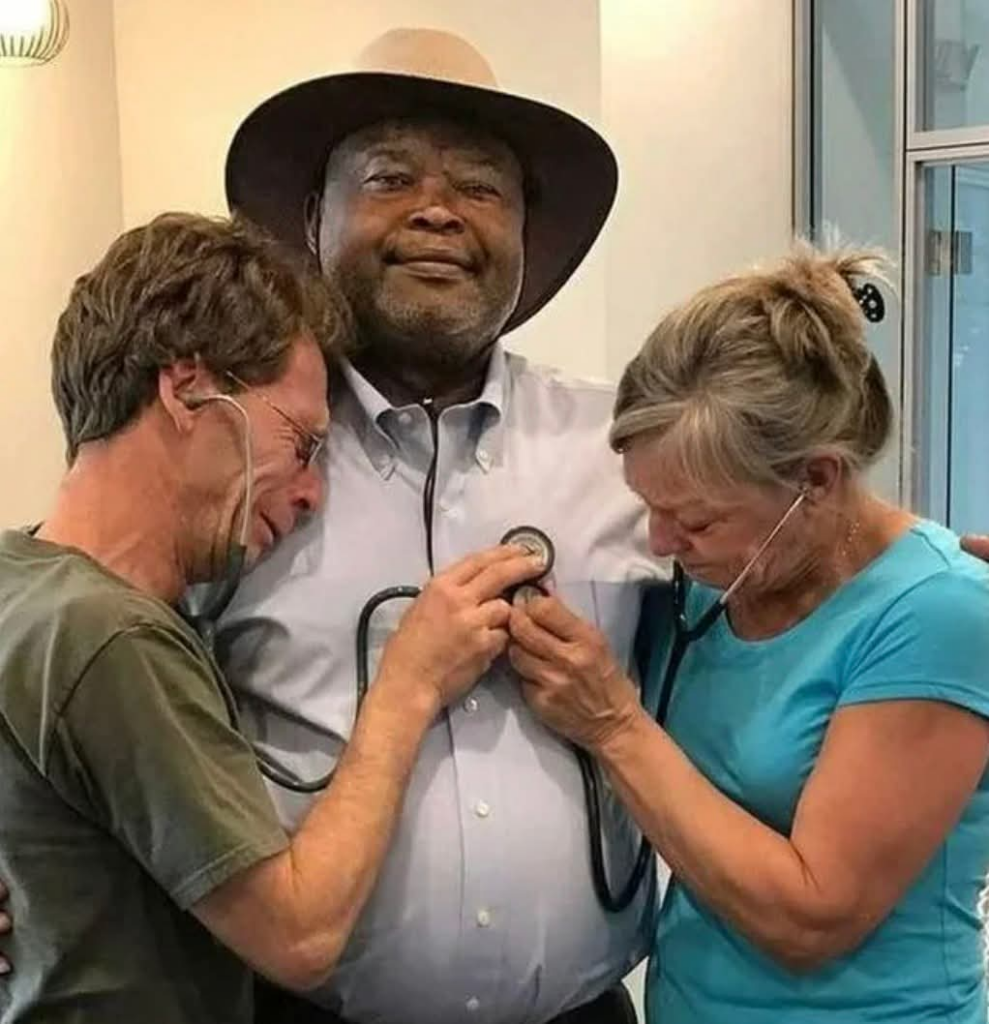
On Good Friday, 2014, Michael and Barbara Shetterly of Essex, Maryland, lost their 23-year-old son, Matthew, to a sudden overdose. In the raw shock of their grief, they were asked a question that felt both impossible and urgent: Would they donate his organs? Through the numbness, they said yes. Just two days later, on Easter Sunday, Matthew’s heart was transplanted into Erv Basdon, a man in Virginia given a second chance at life as the Shetterlys planned their son’s funeral. For nearly two years, the family couldn’t bring themselves to meet the recipient; the loss was still too acute. But when they finally gathered at the Living Legacy Foundation in Baltimore, they were handed a stethoscope. With trembling hands, they placed it on Erv’s chest and listened. There, strong and steady, was Matthew’s heart—still beating. In that moment, the boundary between life and death, loss and legacy, blurred into something profound. The Shetterlys’ story captures the dual reality of organ donation: a family’s unimaginable sorrow and the miraculous gift that grows from it. It reminds us that even in our deepest pain, we can choose to let life continue in another, and that sometimes, the most powerful way to remember a loved one is to listen for them, still here, in the rhythm of a stranger’s second chance.
Small Steps at Shepherd Center
Sixteen-year-old Dilynn Turner, a junior from Good Hope, Alabama, has begun her arduous journey of recovery at the renowned Shepherd Center in Atlanta, following a severe traumatic brain injury. Her first full day of therapy, while challenging, marked a series of meaningful milestones. Though participation was limited due to fatigue from a difficult night, therapists focused on assessing her current abilities and tolerance. In a significant step, Dilynn was fitted for a wheelchair, enabling her to be moved from her bed to the therapy gym. Another poignant moment came after 28 days in hospital gowns: she was dressed in real clothes—a small but profound return to normalcy. Her mother, Jessica, shared an update asking for prayers for better rest, increased active participation, and protection from setbacks. Dilynn’s story has drawn a community of support, with many following her progress and rallying behind her fight. Her journey underscores the slow, grueling nature of brain injury rehabilitation, where progress is measured not in leaps, but in the courage to endure a single day, the strength to sit in a wheelchair, and the dignity found in wearing your own clothes again. It is a testament to family love, medical expertise, and the power of collective hope as one teenager takes her first, fragile steps back toward life.
A Face That Speaks, a Silence That Shatters
In 2014, Marzieh Ebrahimi was the victim of an acid attack in Isfahan, Iran—a brutal act intended to erase her visibility and silence her. The attack left permanent scars, but it also forged an unbreakable resolve. While the violence carried a message of enforced disappearance and shame, Marzieh chose the opposite path: radical visibility. She refused to hide her face or her story. Instead, she stepped into the public eye, giving interviews, appearing in media, and speaking openly about her experience. In doing so, she transformed her scars from marks of victimhood into symbols of resistance, challenging the stigma that isolates survivors and the impunity that protects perpetrators. Her advocacy sheds light on the gendered nature of such violence and the systemic failures that often follow. Marzieh’s courage has turned personal trauma into a powerful force for awareness and change, giving voice to countless others who suffer in silence. Her journey underscores a profound truth: in the face of violence meant to obliterate identity, the most revolutionary act can be to simply be seen, to speak, and to refuse to let fear dictate the terms of your existence. Some scars tell a story of pain; Marzieh’s tell a story of survival that speaks, accuses, and inspires.
The Fall That Ended a Life, Saved Others

In March 2009, actress Natasha Richardson took a light fall during a beginner ski lesson at Mont-Tremblant in Quebec. She stood up, laughed, and insisted she was fine, showing no visible injury. This was the deceptive “lucid interval” of an epidural hematoma—a silent brain bleed that can mask its severity until it’s too late. Hours later, she complained of a headache; within a day, she was brain-dead. Her husband, Liam Neeson, raced to her side and, honoring her wishes as an organ donor, authorized the removal of life support so that others might live. Richardson was 45; they had been married 15 years and had two young sons. Her organs went on to save multiple lives. In the aftermath, Neeson retreated from public life, dedicating himself to raising their children. He has spoken of grief as a relentless wave, a loss that never fully recedes. He never remarried and is said to still wear his wedding ring. Natasha’s story is a heartbreaking lesson in the fragility of life—how a gentle stumble can cascade into tragedy—and in the profound courage it takes to turn sudden loss into a legacy of life for others. It reminds us that heroism isn’t only found on screen; sometimes, it’s in the quiet, daily choice to keep living after the person who anchored your world is gone.
A Life Reclaimed from Sepsis
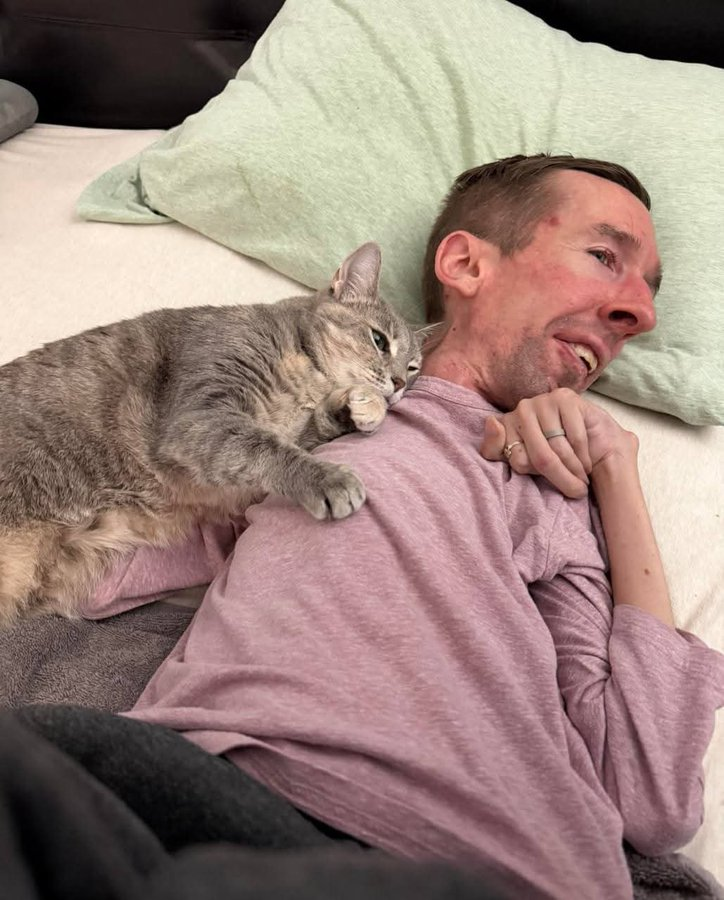
In 2013, Alex Lewis, then in his early thirties, went to bed with what he thought was the flu. Overnight, a group A streptococcal infection ignited fulminant sepsis, sending his body into catastrophic failure. Doctors told his family to expect the worst. Alex survived, but to save his life, surgeons amputated both his arms, both legs, and part of his face. When he awoke from a coma, the transformation was irrevocable. Instead of resisting it, he chose to claim his new reality. Recovery was grueling—a slow, painful recalibration of body and spirit. Yet, Alex rebuilt. He proposed to his partner Lucy from his hospital bed; they married in 2016 and had another child. He learned to use advanced bionic prosthetics, regained the ability to drive, cook, travel, and play sports. He also speaks candidly about the mental health struggles that followed his trauma. Together with Lucy, he founded the Alex Lewis Trust to support others facing life-altering injuries. Reflecting on his journey, Alex has said the year that nearly killed him became the most meaningful of his life—not because it was easy, but because it stripped away everything nonessential, revealing what truly matters: love, purpose, and the fierce, quiet will to move forward. His story is not one of miraculous cure, but of profound human resilience—proof that even when the body is nearly destroyed, the spirit can rebuild a life of dignity, joy, and impact.


Leave a Comment