
The current biodiversity crisis, driven primarily by human activities, represents the sixth mass extinction in Earth’s history and differs markedly from the previous five in its cause: a single species—Homo sapiens—is responsible.
Habitat destruction, overexploitation, climate change, pollution, and invasive species are accelerating species loss at rates hundreds of times above natural background levels.
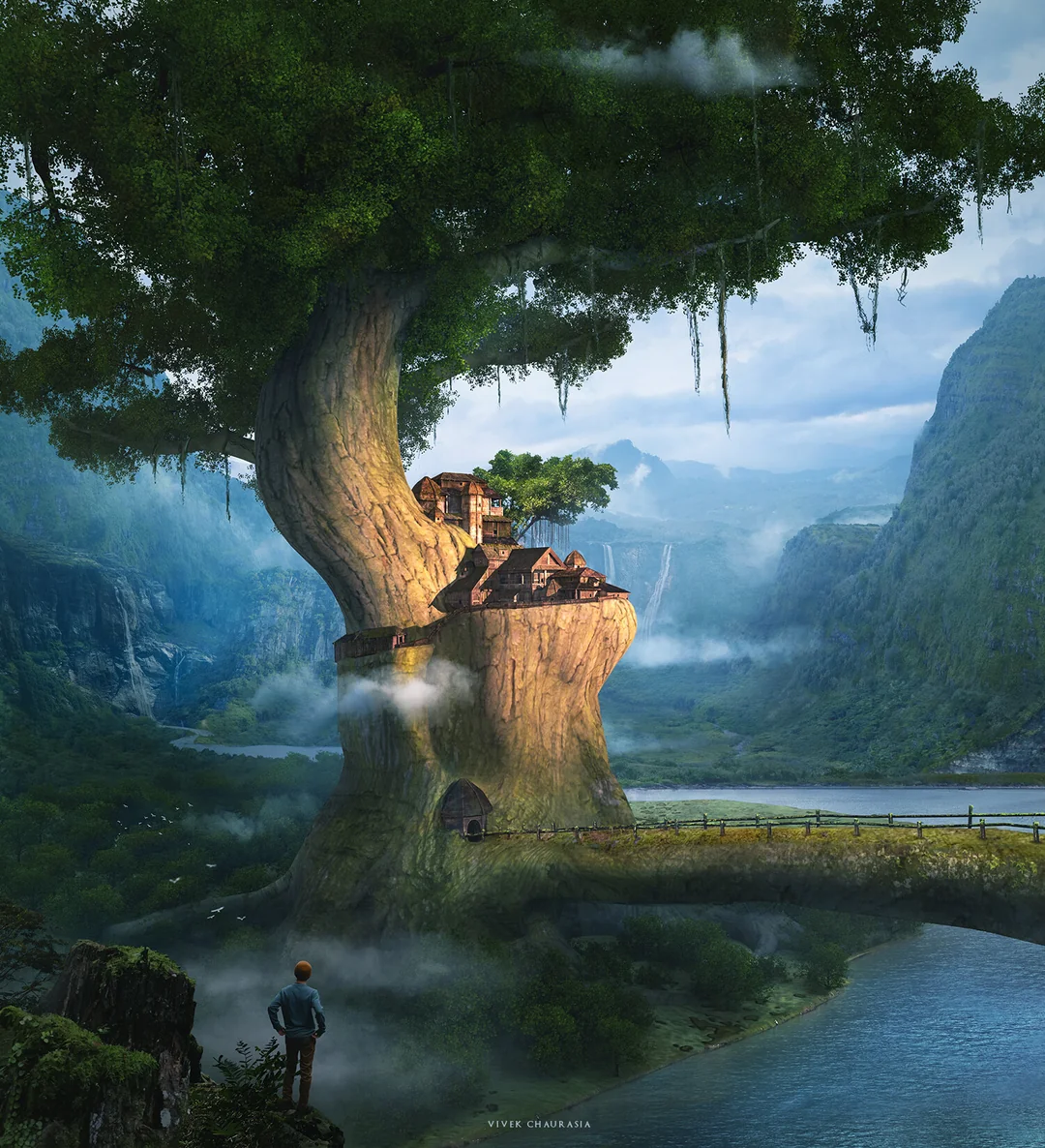
Beyond the disappearance of individual species, the crisis is pruning entire branches from the tree of life.
A key study by researchers from Stanford University and the National Autonomous University of Mexico examined over 5,400 genera of land-dwelling vertebrates (encompassing roughly 34,600 species) and found that 73 genera have vanished since 1500 CE.
This constitutes a “mutilation of the tree of life,” as entire genera—groups of closely related species sharing unique evolutionary histories and ecological roles—are being eliminated. When only species (like twigs) go extinct, ecosystems can often recover relatively quickly as surviving close relatives adapt and fill vacated niches.
However, the loss of whole genera (branches) creates large gaps in the phylogenetic structure of life. These voids represent irreplaceable evolutionary innovations and functional diversity that evolution typically requires tens of millions of years to regenerate through new speciation.
The current genus extinction rate is approximately 35 times higher than the background rate over the past million years; what has occurred in just five centuries would have taken nature about 18,000 years without human influence.
This rapid elimination threatens ecosystem stability, resilience, and the biosphere’s capacity to support human civilization, fundamentally altering the trajectory of global evolution




Leave a Comment