

Viola Davis redefines Hollywood by centering truth, vulnerability, and representation in performances

Viola Davis brings emotional honesty to every role she accepts.
Her work challenges long-standing industry limitations.
Viola Davis has reshaped expectations within American film and television through performances grounded in emotional truth. Her acting is marked by restraint, intensity, and a willingness to sit with discomfort. From Doubt and The Help to Fences and How to Get Away with Murder, Davis consistently delivers characters defined by inner conflict rather than surface expression.
What distinguishes Davis is her insistence on authenticity. She often speaks about the importance of telling stories that reflect real human experiences, particularly those historically underrepresented in mainstream media. Her performances avoid simplification, allowing characters to exist with contradictions, flaws, and depth. This approach has expanded how audiences understand strength on screen.
Davis’s background in theater plays a significant role in her discipline. Trained at Juilliard, she approaches roles with technical precision and emotional awareness. Directors and co-actors frequently highlight her preparation and ability to elevate ensemble performances through presence rather than dominance.
Beyond acting, Davis has contributed to industry conversations about equity and opportunity. Her public statements tend to focus on access, craft, and storytelling responsibility rather than personal acclaim. She emphasizes that talent alone is not enough without platforms that allow it to be seen.
Viola Davis’s impact goes beyond awards. She represents a shift toward performances that prioritize truth over comfort. Her career demonstrates how authenticity can function as both artistic strength and cultural influence within American entertainment.
Brad Pitt balances mainstream stardom with thoughtful character work and film production influence

Brad Pitt evolved from leading-man image to serious creative contributor.
His career reflects adaptation rather than repetition.
Brad Pitt’s career in American cinema reflects a gradual shift from visual icon to respected character actor and producer. Early recognition came through roles that emphasized charm and physical presence, but Pitt deliberately moved beyond that narrow framing. Films such as Se7en, Fight Club, and 12 Monkeys marked a transition toward psychologically complex and unconventional characters.
Rather than relying on a fixed screen persona, Pitt consistently adjusted his approach to acting. He explored supporting roles and ensemble casts, allowing performance quality to take precedence over screen dominance. This flexibility enabled him to remain relevant as both tastes and industry expectations changed.
As a producer, Pitt’s influence expanded further. Through Plan B Entertainment, he supported films that combined artistic ambition with cultural relevance, including 12 Years a Slave, Moonlight, and The Big Short. These projects demonstrate a commitment to storytelling that addresses historical context, social structures, and human resilience.
Pitt’s acting style is often understated, relying on timing and restraint rather than overt emotional display. Directors frequently use him as a grounding presence within complex narratives. This subtlety contrasts with the larger-than-life roles that initially defined his fame.
Brad Pitt’s career illustrates evolution through choice. By shifting focus from image to contribution, he built longevity in an industry that often resists change. His continued relevance stems from adaptability, creative curiosity, and willingness to support stories beyond his own performance.
Al Pacino shaped modern acting through intensity, vulnerability, and uncompromising emotional realism
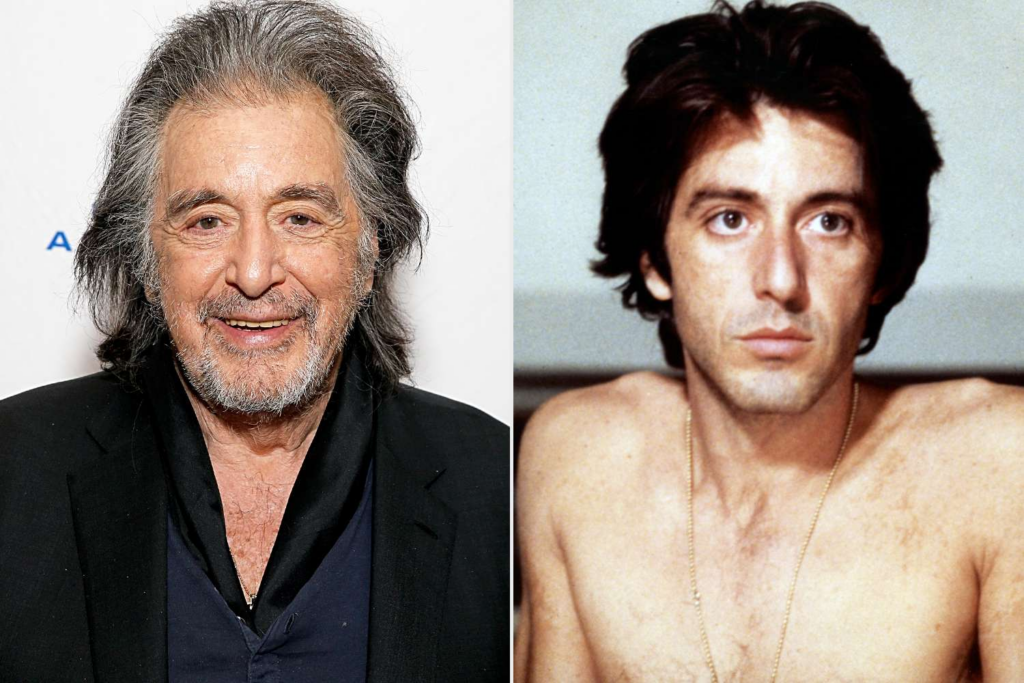
Al Pacino’s performances transformed how power and fragility coexist on screen.
His work redefined dramatic acting in American cinema.
Al Pacino is regarded as one of the most influential actors in the history of American film, largely because of his commitment to emotional truth. Emerging in the early 1970s, Pacino brought a raw intensity that contrasted sharply with the restrained acting styles common at the time. His performances in The Godfather, Serpico, and Dog Day Afternoon introduced characters driven by internal conflict rather than simple heroism.
Pacino’s acting is defined by immersion. He approaches roles with psychological depth, allowing silence, tension, and unpredictability to shape performances. This method creates characters who feel volatile yet deeply human. His portrayal of Michael Corleone, in particular, remains a landmark example of how subtle emotional shifts can convey power, guilt, and moral erosion.
Unlike actors who rely on physical transformation, Pacino’s work centers on voice, posture, and emotional rhythm. His theatrical background influenced his precision, while his film work refined that energy for the camera. Over time, he adapted his intensity to different genres, from crime dramas to legal thrillers and character-driven stories.
Pacino has also maintained a strong connection to theater, returning to the stage throughout his career. This commitment reflects his belief that acting is a lifelong discipline rather than a fixed achievement. He rarely engages in celebrity culture, allowing his performances to define his public identity.
Al Pacino’s legacy lies in his influence. Generations of actors cite his work as foundational, not because of fame, but because of fearless emotional honesty and dedication to the craft.
Morgan Freeman’s voice and presence convey wisdom, authority, and calm across cinema history
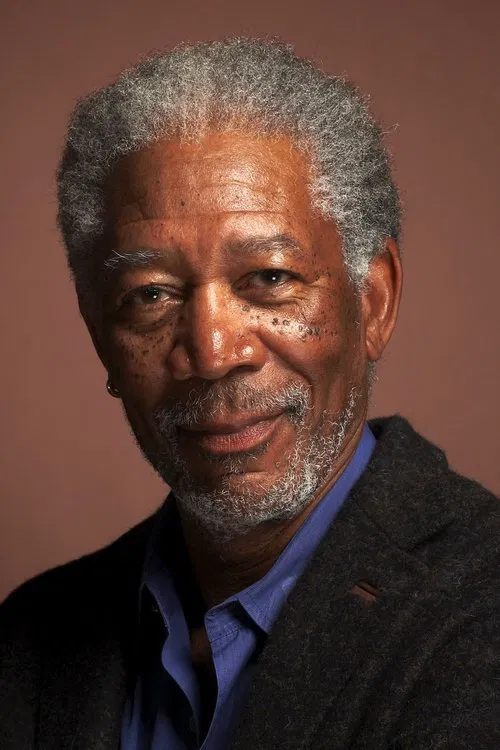
Morgan Freeman commands attention without raising his voice.
His influence comes from composure and credibility.
Morgan Freeman’s career stands as a study in patience, timing, and quiet authority. Unlike many actors who achieve early stardom, Freeman’s rise was gradual, shaped by years of theater work, television appearances, and supporting film roles. This long foundation helped define the measured confidence that later became his signature on screen.
Freeman is widely recognized for roles that project moral clarity and emotional steadiness. Films such as Driving Miss Daisy, The Shawshank Redemption, Million Dollar Baby, and Invictus rely heavily on his ability to communicate depth through restraint. Rather than dominating scenes with volume or movement, he anchors them through tone, posture, and controlled delivery. His performances often feel reflective, inviting audiences to listen rather than react.
One of Freeman’s most distinctive traits is his voice, which has become synonymous with narration and authority in American cinema. However, this association did not happen by accident. It emerged from years of disciplined performance, vocal control, and an understanding of pacing. His narration work complements his acting, reinforcing trust rather than overshadowing storytelling.
Freeman’s on-screen presence is matched by a low-profile personal life. He avoids celebrity spectacle and rarely engages in self-promotion, allowing his body of work to speak for itself. Directors and co-actors frequently describe him as professional, thoughtful, and deeply respectful of collaborative storytelling.
Morgan Freeman’s legacy is rooted in reliability. He represents a form of stardom built not on intensity or transformation, but on consistency and credibility. His career shows that lasting influence often comes from calm authority rather than dramatic display.
Paul Newman turned Hollywood success into one of the largest charity food initiatives
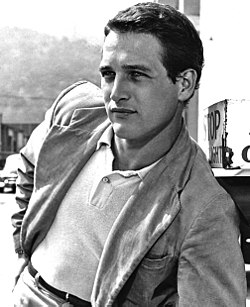
Paul Newman proved generosity could outlast fame.
His work fed millions without seeking attention.
Paul Newman was not only an acclaimed American actor but also one of the most impactful philanthropists in entertainment history. While celebrated for his performances in films such as Cool Hand Luke and The Hustler, Newman chose to use his success to support others in a way that was practical, sustainable, and long-lasting.
In 1982, Newman co-founded Newman’s Own, a food company created with a simple idea: donate all profits to charity. What began with salad dressing grew into a global brand producing pasta sauces, snacks, and beverages. Unlike typical celebrity endorsements, Newman refused to take personal profit. Every dollar earned after costs was directed toward charitable causes.
Over the decades, Newman’s Own has donated hundreds of millions of dollars to education, healthcare, disaster relief, and children’s programs around the world. One of its most meaningful initiatives was the creation of the Hole in the Wall Gang Camps, which provide free summer camp experiences for children with serious illnesses. These camps offer medical support alongside joy, normalcy, and community.
Newman was intentionally private about his giving. He avoided publicity and rarely spoke publicly about his philanthropy, believing that charity should focus on results rather than recognition. His approach emphasized dignity and long-term impact rather than one-time gestures.
Paul Newman’s legacy stands apart because it combined creativity with responsibility. He demonstrated that fame can be used as a tool for good when paired with discipline and sincerity. Long after his films, his charitable model continues to feed, heal, and support millions, proving that true greatness is measured by what one gives back to others.
Audrey Hepburn devoted her final years to saving children through global humanitarian missions
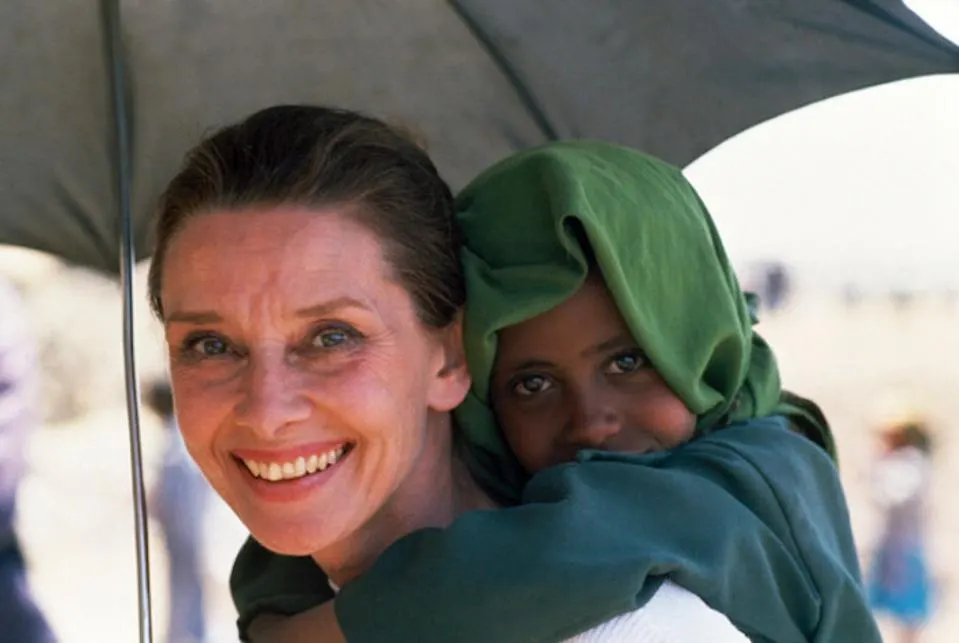
Audrey Hepburn chose service over spotlight.
Her compassion became her greatest role.
Audrey Hepburn is remembered as one of Hollywood’s most elegant actors, but her most meaningful work came later in life through humanitarian service. After stepping away from acting, Hepburn dedicated herself almost entirely to helping children affected by war, poverty, and famine.
In 1988, she became a UNICEF Goodwill Ambassador, using her global recognition to draw attention to the needs of vulnerable children. Hepburn traveled extensively to some of the world’s most impoverished regions, including Ethiopia, Sudan, Bangladesh, and Vietnam. These missions were not symbolic visits; she worked closely with aid workers, observed conditions firsthand, and spoke directly with families struggling to survive.
Hepburn’s own childhood experiences during World War II deeply influenced her empathy. Having suffered hunger and hardship herself, she understood the realities faced by displaced and malnourished children. This personal connection fueled her commitment and authenticity, earning deep respect from humanitarian organizations.
She used her voice to advocate for clean water, food security, vaccination programs, and education. Even while facing serious illness in her later years, Hepburn continued traveling and speaking on behalf of UNICEF, refusing to let her health slow her mission.
Audrey Hepburn received numerous humanitarian awards, including the Presidential Medal of Freedom, recognizing her dedication to global child welfare. However, she rarely spoke about honors, focusing instead on the people she served.
Her legacy proves that true greatness lies in compassion and action. Audrey Hepburn transformed fame into a force for good, showing that kindness, when paired with commitment, can change countless lives.
George Clooney co-founded organization documenting human rights abuses and global war crimes

George Clooney used influence to demand justice.
His work protects truth and accountability.
George Clooney has built a reputation not only as a respected actor but also as a committed human rights advocate. Rather than limiting his involvement to fundraising or public statements, Clooney co-founded The Sentry and later supported the Clooney Foundation for Justice, organizations focused on investigating human rights abuses and holding perpetrators accountable through legal systems.
Alongside human rights lawyer Amal Clooney, he helped create initiatives that gather evidence of war crimes, corruption, and mass atrocities, particularly in regions affected by conflict. The foundation works with local activists, journalists, and legal experts to ensure that documented abuses can be used in international courts and policy actions.
Clooney has been especially vocal about crises in Sudan and South Sudan, drawing global attention to genocide, displacement, and political violence. His advocacy includes lobbying governments, testifying before legislative bodies, and funding investigative work that goes beyond awareness campaigns.
What sets Clooney apart is his focus on accountability rather than charity alone. His efforts aim to change systems, protect journalists, and strengthen legal responses to injustice. This approach supports long-term impact rather than short-term relief.
He has also supported disaster relief, refugee assistance, and democratic initiatives worldwide, often donating proceeds from his own projects to humanitarian causes. Despite his visibility, Clooney frequently emphasizes collaboration and credits activists working on the ground.
George Clooney’s humanitarian work reflects a deliberate choice to engage deeply with global issues. By using his platform to amplify justice and legal reform, he has helped turn celebrity influence into meaningful action with lasting consequences.
Emma Watson advanced girls’ education and gender equality through global United Nations initiatives

Round
Emma Watson turned advocacy into action.
Education and equality became her mission.
Emma Watson is widely known for her acting career, but she has also committed herself to advancing gender equality and education on a global scale. Her advocacy is rooted in structured work with international organizations rather than short-term campaigns or symbolic gestures.
In 2014, Watson was appointed as a UN Women Goodwill Ambassador, where she played a key role in launching the HeForShe campaign. The initiative focuses on engaging men and boys as partners in the fight for gender equality, emphasizing shared responsibility rather than division. Her speech at the United Nations helped bring global attention to the movement and sparked participation across governments, universities, and corporations.
Beyond public advocacy, Watson has supported access to education for girls, particularly in underserved communities. She has donated to scholarship funds and partnered with organizations promoting educational opportunities for young women worldwide. Her activism also extends to ethical fashion, where she has supported sustainable brands and transparent labor practices.
Watson’s approach emphasizes education, dialogue, and policy-level engagement. She frequently collaborates with researchers, activists, and institutions to ensure her advocacy is informed and impactful. Rather than positioning herself as a central figure, she highlights collective progress and long-term solutions.
What distinguishes Watson’s work is consistency and credibility. She continues to study social issues academically while remaining involved in global initiatives. Her commitment reflects a belief that influence should be paired with responsibility and learning.
Emma Watson’s humanitarian efforts demonstrate how cultural influence can be transformed into measurable social progress. By focusing on education, equality, and ethical systems, she has contributed to meaningful change beyond the entertainment industry.



Leave a Comment