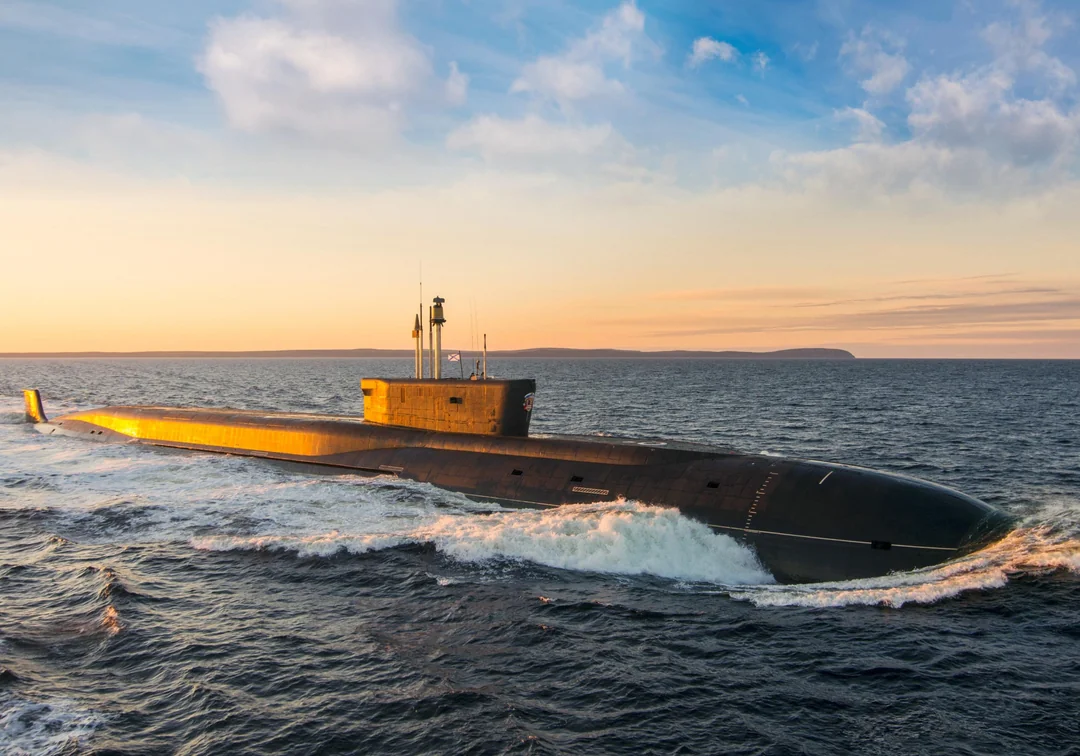

A single nuclear submarine, such as those powered by highly enriched uranium (HEU) in their reactors, can indeed operate for decades on a remarkably small amount of fuel.
Modern naval reactors, particularly in U.S. and allied submarines, use fuel enriched to around 93% uranium-235. The core of a Virginia-class or similar submarine typically contains about 3 to 5 kilograms of this fissile uranium-235 isotope at the start of its life.
This tiny quantity generates immense energy through controlled nuclear fission. When a uranium-235 nucleus splits, it releases roughly 200 million electron volts of energy—millions of times more than a chemical reaction like burning coal or diesel.
Over the reactor’s operational life, only a fraction of the uranium atoms actually fission, yet the process sustains continuous power output at tens to hundreds of megawatts thermal. Because the reactor produces heat to drive steam turbines for propulsion and electricity, the submarine requires no frequent refueling.
Unlike diesel-electric vessels that consume hundreds of tons of fuel annually, a nuclear submarine can remain submerged indefinitely, limited only by food supplies and crew endurance. The reactor core is designed to last the vessel’s entire service life—typically 30 to 33 years—without refueling.
After decades of high-intensity missions, the spent fuel still contains significant unused uranium, but the initial 4 kg (or similar small mass) of enriched material provides all the energy needed. This extraordinary energy density is why nuclear propulsion revolutionized submarine warfare, granting stealth, range, and endurance unmatched by conventional fuels.
The claim underscores the efficiency of nuclear power: just a few kilograms of uranium replace thousands of tons of fossil fuel, enabling silent, long-endurance underwater operations critical for strategic deterrence.




Leave a Comment