
A Legacy Written in Courage
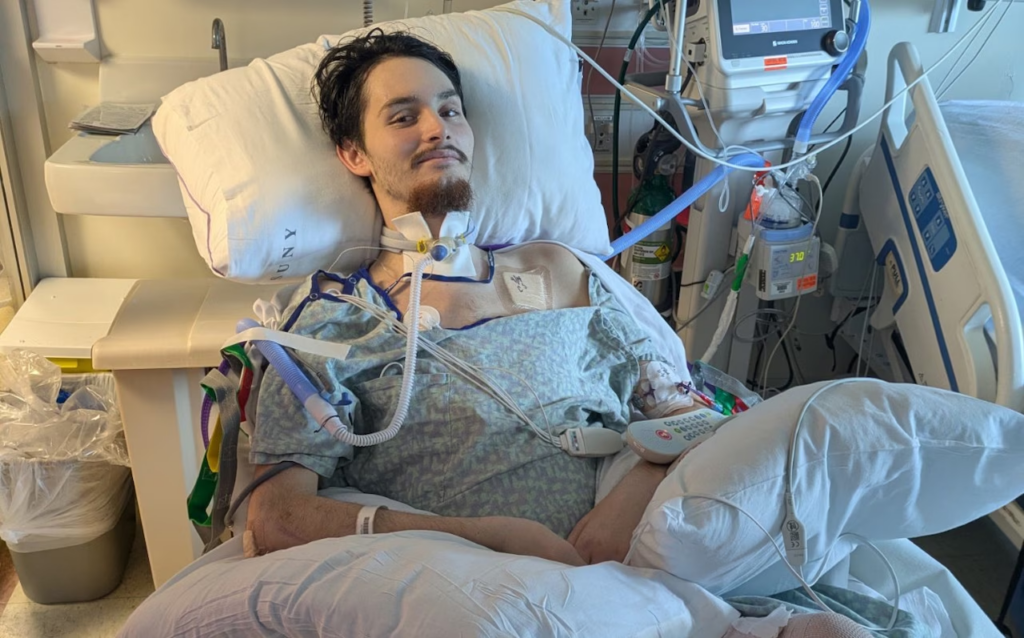
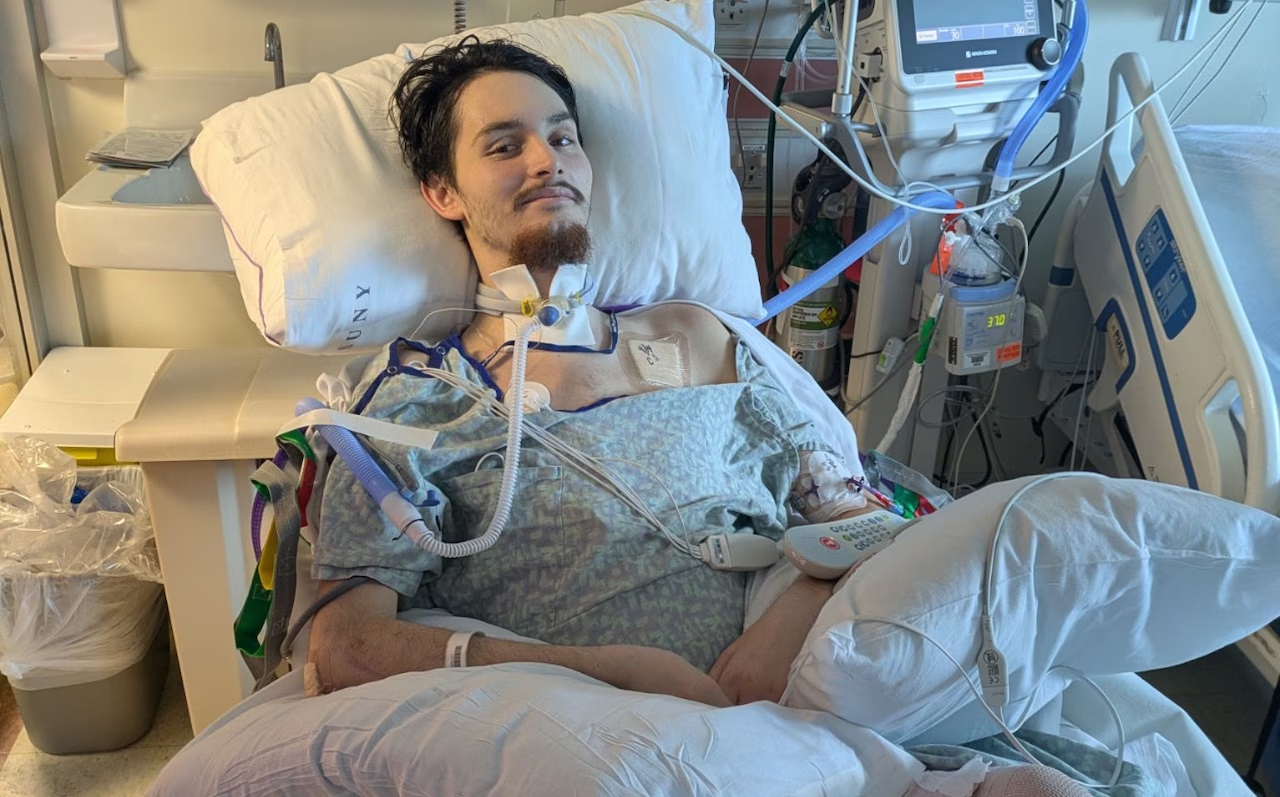
The tragic story of Daniel Waterman is a harrowing testament to survival, the quest for truth, and a family’s enduring love. Following a catastrophic single-car crash in Florida in February 2025, the 22-year-old endured months in a coma with severe injuries. His awakening in May marked the beginning of a different kind of fight. Unable to speak, he used a whiteboard to communicate a chilling narrative to investigators: that the crash was an intentional act by his girlfriend, Leigha Mumby, during a heated argument about her pregnancy and a text message. His written words—alleging she accelerated and steered toward a tree—became his testimony.
Daniel’s subsequent eight-month battle for life, including rehabilitation and his expressed dream of meeting his newborn daughter, ended with his death from pneumonia in October 2025. His passing transformed the legal landscape, prompting prosecutors to upgrade the charges against Mumby to vehicular homicide. As that criminal case proceeds, with Mumby pleading not guilty, a parallel family court battle unfolds. Daniel’s parents are now seeking custody of their granddaughter, driven by a mission to ensure the child knows her father’s story. They are fighting not only for guardianship but to preserve the legacy of a young man whose final months were defined by an extraordinary will to live and return to his family. This case poignantly illustrates how a single, violent moment can ripple outward, creating intertwined struggles for justice, memory, and the future of an innocent child.
A Community’s Search for Trey

The Clarksville, Tennessee community is united in concern and action as the search continues for 17-year-old Trellis “Trey” Lavant Brown. Last seen on November 21, 2025, near Otis Smith Drive, Trey’s disappearance has prompted a widespread alert from both local police and the National Center for Missing & Exploited Children. Described as 5’11” and 135 pounds with black dreadlocks and brown eyes, he was last seen wearing distinctive clothing: a hoodie, red pants, and black-and-red Jordan shoes. In the critical hours and days following a missing persons report, public vigilance is paramount. Every shared social media post, every scanned memory of a familiar face in a crowd, and every tip called in can provide the crucial piece of information that changes everything. The family’s public appeal for prayers and support underscores the anguish of the unknown and the power of collective hope. Law enforcement agencies utilize dedicated hotlines to streamline tips, urging anyone with even the smallest detail to come forward. As the investigation proceeds, this case is a solemn reminder of the vulnerability of young people and the essential role communities play in bringing them home safely. The shared goal is singular: to see Trey Brown reunited with his loved ones.
The Man Who Forgot to Die

When Stamatis Moraitis was diagnosed with terminal lung cancer in his mid-60s while living in the United States, he made a pivotal decision. Rejecting aggressive treatment, he returned to his native Greek island of Ikaria to live out his presumed final months in peace. Initially confined to bed, he gradually re-engaged with the slow, purposeful rhythm of island life. He began gardening, breathing the clean air, drinking local wine, attending church, and reconnecting deeply with old friends. As his strength returned, he planted vineyards and olive trees as a legacy for his family.
Unbeknownst to him, Ikaria was a “Blue Zone,” a region where people routinely live exceptionally long, healthy lives. The island’s secret was not a mystery but a lifestyle: a plant-based diet, constant natural movement, strong social bonds, minimal stress, and a profound sense of purpose. Immersed in this environment, Stamatis did not die in months. He lived cancer-free for roughly three more decades, passing away around 2013 at nearly 100 years old. His story is a powerful testament to environment over prognosis. Scientists estimate only about a quarter of longevity is dictated by genetics; the remainder is lifestyle. While we may not live on Ikaria, we can cultivate its principles—nourishing food, daily activity, deep community, and reduced stress—to build our own foundation for a longer, healthier life. Stamatis’s legacy is a reminder that sometimes, healing is found not in a hospital, but in how we choose to live.
A Three-and-a-Half-Year Gift of Love
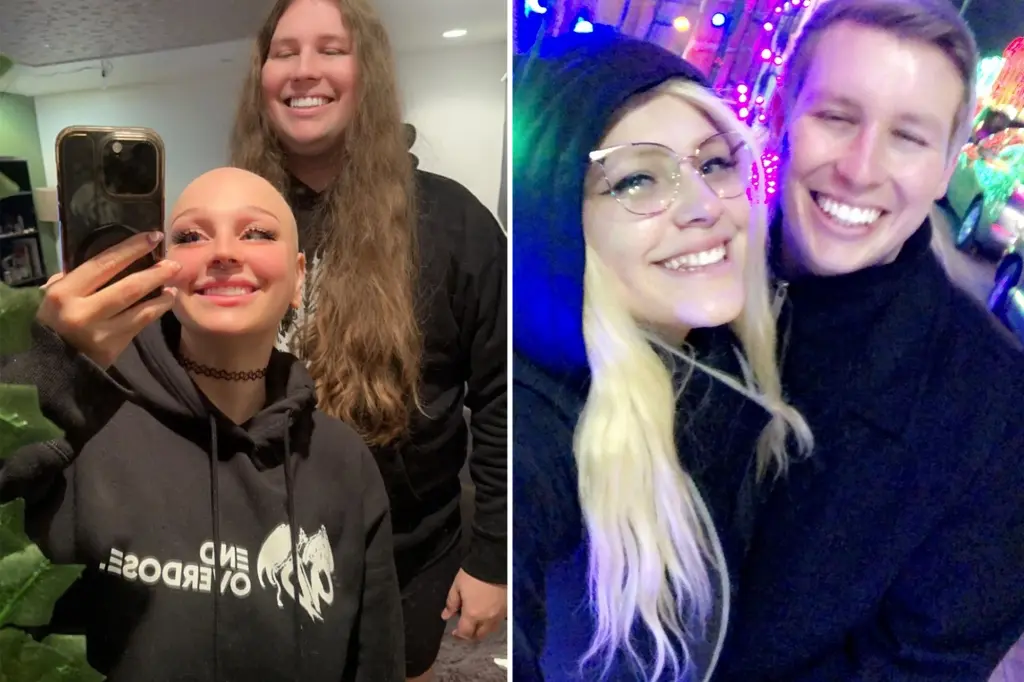
Cody Ennis of Waterford, Michigan, transformed a simple promise into a profound, years-long act of devotion. His girlfriend, Hannah, has alopecia, an autoimmune condition that causes hair loss. After shaving her remaining hair and adapting to wearing wigs, she mentioned in a lighthearted moment that her ideal wig length would be 30 inches. Cody quietly accepted this as a mission. Beginning in May 2020, he stopped cutting his hair, dedicating himself to the meticulous care required to grow and maintain it. He studied tutorials, consulted a cosmetologist in his family, used quality products, and even slept in a satin bonnet to protect the strands from breakage.
For nearly four years, his hair grew as a living, daily testament to his commitment. When it finally reached the desired length, a family barber carefully cut it, and the hair was shipped to a wigmaker in Florida to be crafted into a custom, lace-front wig. The result was a gift that transcended material value. Upon receiving it, an emotional Hannah described it as her “most treasured thing”—a deeply personal piece born from patience and love. This story illustrates how love can manifest not in grand, fleeting gestures, but in quiet, persistent sacrifice. Cody’s dedication gave Hannah more than a wig; it provided a profound sense of being seen, valued, and cherished, woven strand by strand over time. It stands as a powerful reminder that the most meaningful gifts are often those that grow with us.
A Diploma Without Basic Skills

Aleysha Ortiz, a 19-year-old from Hartford, Connecticut, filed a lawsuit against her former school district alleging profound systemic failure. Despite graduating with a high school diploma, she states she remains functionally illiterate, unable to read or write at a basic level. An immigrant from Puerto Rico who also navigated ADHD and a speech disorder, Ortiz contends she repeatedly signaled her academic struggles for years, pleading for the specialized reading support mandated by her circumstances. Instead of receiving help, her lawsuit alleges she was actively thwarted by the very system designed to protect her. She accuses a special education case manager of yelling at her, publicly humiliating her, and instructing other teachers not to provide assistance.
The legal action transcends a simple academic complaint, centering on the severe emotional and psychological harm inflicted—the shame, anxiety, and trauma of being deliberately left behind. By seeking $3 million in damages, Ortiz aims to hold the Hartford Board of Education accountable for alleged negligence and intentional infliction of emotional distress. Now enrolled in college and relying on assistive technology like speech-to-text, she is painstakingly building the foundational skills her education failed to provide. Her case highlights a critical question about educational equity: whether schools are fulfilling their duty to educate all students or, at times, merely processing them through the system, awarding hollow credentials that mask unmet needs and lasting damage.
Gymnastics on a Bionic Leg

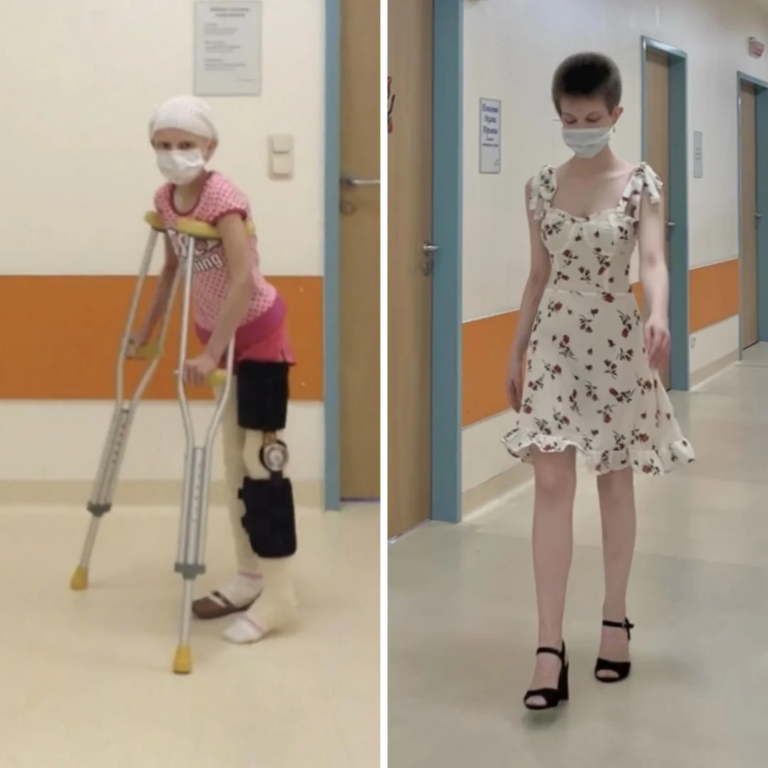
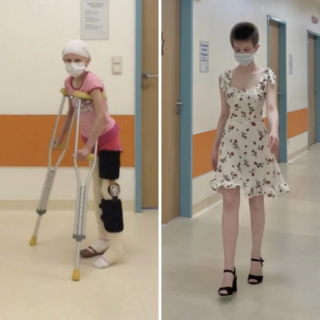
At age seven, Sasha Paskal’s life was shattered by a Russian missile strike during a family holiday near Odesa. Buried under rubble, she survived 15 days in a coma only to wake to the amputation of her left leg. For most, this would signify an end to childhood dreams of athleticism. For Sasha, it marked the beginning of a breathtaking journey of resilience. After initial treatment in Ukraine, she underwent intensive rehabilitation in Austria, mastering a bionic prosthetic in just two months. Defying all expectations, she didn’t just learn to walk—she chose to return to the demanding sport she had loved since age four: rhythmic gymnastics.
Her training was a testament to her spirit. During air raids, she practiced in bomb shelters, determined to train alongside her peers and not feel “different.” Her dedication forged a path from tragedy to triumph. At just nine years old, competing in the regular group at the prestigious Rizatdinova Cup 2025 in Ukraine, Sasha won a bronze medal. Her achievement, celebrated by Olympic medalist Anna Rizatdinova as the true symbol of the competition, transcends sport. Sasha Paskal’s story is not one of overcoming limitations, but of redefining them. With grace and a bionic leg, she has become a powerful emblem of unbroken spirit, proving that the human will can craft beauty and victory from the deepest trauma.
Boston Mourns a Loyal K-9
The Boston Police Department and the wider community are mourning the loss of a devoted public servant, K-9 Titan. As a valued member of the force, Titan’s service extended far beyond typical duty; he was a dedicated partner to his handler and a familiar, reassuring presence throughout the neighborhoods he helped protect. The bond between a police K-9 and its handler is one of profound trust and partnership, forged through rigorous training and shared experience in high-stakes situations. Titan’s passing represents not just the loss of a highly trained asset, but the loss of a loyal companion and a brave soul who worked tirelessly to ensure the safety of others.
These animals are more than just tools of the trade; they are officers in their own right, offering unique capabilities in detection, tracking, and protection, while also serving as vital bridges for community engagement and comfort. The department’s request for thoughts and prayers underscores the deep personal and professional grief felt by his handler and fellow officers. K-9 Titan’s legacy is one of unwavering courage, service, and the silent, steadfast loyalty that defines these remarkable animals. He will be deeply missed, and his contributions to the city of Boston will be remembered with gratitude and respect.
A Final, Public Collapse
In July 2011, on a stage in Belgrade, Amy Winehouse did not give a concert. She experienced a public collapse in real time. The crowd’s growing impatience and boos met a performer who was visibly shattered—hugging herself for comfort, disoriented, forgetting lyrics, her legendary voice faltering. This was not an artist being unprofessional; it was a profoundly vulnerable human being breaking under a weight the world had helped place upon her. The bright lights and roaring crowd, elements of her success, became the harsh backdrop to her disintegration. Fame, it turned out, offered no protection; it only amplified the isolation.
This performance would be her last. Weeks later, she was gone, her death at 27 cementing this moment as a tragic prelude. The image from that night transcends music criticism. It is a stark portrait of the unbearable pressure of celebrity, the cruelty of public scrutiny, and the devastating cost of untreated addiction and mental health struggles when met with spectacle instead of support. It reminds us that some cries for help are silent, even when they happen before thousands. Her final performance stands as a poignant, painful lesson about the human behind the icon, and the collective responsibility to see the person struggling within the performer.
Leave a Comment