

A starving grandmother stole eggs to survive; the cop bought her a feast.
In a 2026 digital landscape dominated by cynicism, the story of Helen Johnson and Officer William Stacy stands as a polarizing reminder that mercy is more powerful than the law. In Tarrant, Alabama, Johnson—a 47-year-old grandmother—was caught shoplifting five eggs from a Dollar General to feed her family, who hadn’t eaten in two days. When the eggs broke in her pocket and the police arrived, she expected handcuffs; instead, Officer Stacy, moved by her desperation and his own childhood memories of hunger, bought her a dozen eggs and extracted a simple promise to never steal again. This single act of compassion ignited a global “Us vs. Them” debate about the role of policing, ultimately triggering a tidal wave of donations that filled Johnson’s home with food for the first time in decades.
This viral moment, captured by a bystander, has become a radical case study in community healing. While skeptics often dismiss “feel-good” stories as temporary fixes for systemic poverty, the Tarrant Police Department leaned into the support, establishing a dedicated fund to manage the influx of clothing and cash from across the United States. For Johnson, the impact was life-altering—moving from the brink of starvation to a position of security, all because one man chose to see a human being instead of a criminal. This narrative challenges the “capitalistic” focus on punishment and property, proving that one act of empathy can disrupt a cycle of suffering more effectively than a jail cell. In a world that tells you to look away, Officer Stacy’s refusal to judge is a polarizing call to action for us all.
Dr. Shi Ming: Saving lives by day, crushing skulls by night.

The dual life of Shi Ming is a polarizing slap in the face to anyone who claims they “don’t have enough time” to chase their dreams. By day, the 31-year-old operates as a licensed Traditional Chinese Medicine (TCM) doctor and acupuncturist in Kunming; by night, she transforms into “The Doctor,” a high-stakes strawweight fighter in the UFC. For years, Shi kept her brutal career a radical secret from her traditional parents, who believed she was merely practicing martial arts for health. That “Us vs. Them” charade ended in November 2024 when she landed a viral, $50,000-bonus head kick that sent her opponent into a coma-like state on a global broadcast. Her secret was out, but her market value skyrocketed as the “part-time” fighter who outperforms full-time athletes.
The capitalistic irony of her career is that she uses her medical expertise to fix the very injuries she sustains in the cage, often treating herself with acupuncture after a fight. Despite a recent decision loss to Bruna Brasil in August 2025, Shi remains a top-tier asset for the UFC’s expansion into Asia, embodying a new brand of “calculated violence” that balances the Hippocratic Oath with a roundhouse kick. She admits she has to “brainwash” herself to overcome her instinct to heal during a match, a psychological battle that makes her one of the most intriguing figures in modern sports. You can either stay comfortable in your 9-to-5, or you can be like Dr. Shi: the woman who proves you can heal the world and conquer it at the same time.
A persistent Doberman wouldn’t leave a stranger alone—and found a life-saving kidney.

In a 2026 world that often feels too busy to care, Lucy Humphrey’s story is a polarizing reminder that “fate” might just have four legs and a cold nose. After fighting Lupus for 20 years and reaching end-stage renal failure, Lucy was told she had only five years left to live. A random trip to a Welsh beach changed everything when her Doberman, Indie, refused to stop bothering a stranger named Katie James. This “Us vs. Fate” moment forced a conversation that revealed Katie had just joined the organ donor register and was willing to help anyone in need. Surgeons later confirmed the match was a one-in-22-million miracle, leading to a successful transplant that has given Lucy a future she thought was gone forever.
This heartwarming incident has sparked a radical debate about the “sixth sense” of animals and the power of spontaneous kindness. While the medical system often feels like an endless waiting list of “no,” Katie James’s immediate decision to give a piece of herself to a stranger she met at a barbecue is a capitalistic nightmare but a human triumph. Now dubbed the “Kidney Gang,” Lucy, Katie, and Cenydd continue to travel together in their campervans, proving that a single act of generosity can bridge the gap between strangers. You can call it a coincidence or you can call it a miracle, but one thing is certain: without that “disobedient” dog, Lucy wouldn’t be here to tell her story.
Mike Rowe turned a $10 domain name into an all-expenses-paid tech windfall.

The legendary “MikeRoweSoft” saga remains a polarizing lesson in how a clever individual can disrupt a trillion-dollar giant using nothing but a pun. In 2004, Canadian student Mike Rowe registered a domain for his web design business that sounded identical to the tech titan, triggering an “Us vs. Them” legal standoff that captivated the internet. Microsoft’s aggressive legal team initially tried to bully the teen with a $10 settlement offer, but the move backfired spectacularly, creating a PR nightmare that painted the company as a corporate villain. This case forced a radical shift in how Big Tech handles trademark disputes, proving that sometimes the “little guy” has more leverage than a fleet of high-priced lawyers.
Rather than crushing the teen in court, Microsoft pivoted to a capitalistic “win-win” settlement to save their public image. Rowe successfully negotiated his way from a $10 refund to an Xbox, a suite of professional software, and a luxury trip to their headquarters—all in exchange for the domain name. This story is a cornerstone of internet culture, highlighting the absolute importance of trademark law while demonstrating that negotiation is often cheaper than litigation. While some purists argue Microsoft shouldn’t have given an inch, the reality is that Mike Rowe’s clever branding created a newsworthy legacy that still inspires modern “domain squatters” and entrepreneurs alike. In the end, Mike didn’t just sell a website; he sold a story that defined the power of the individual in the digital age.
A missing parrot refused to talk to police until he saw a vet.
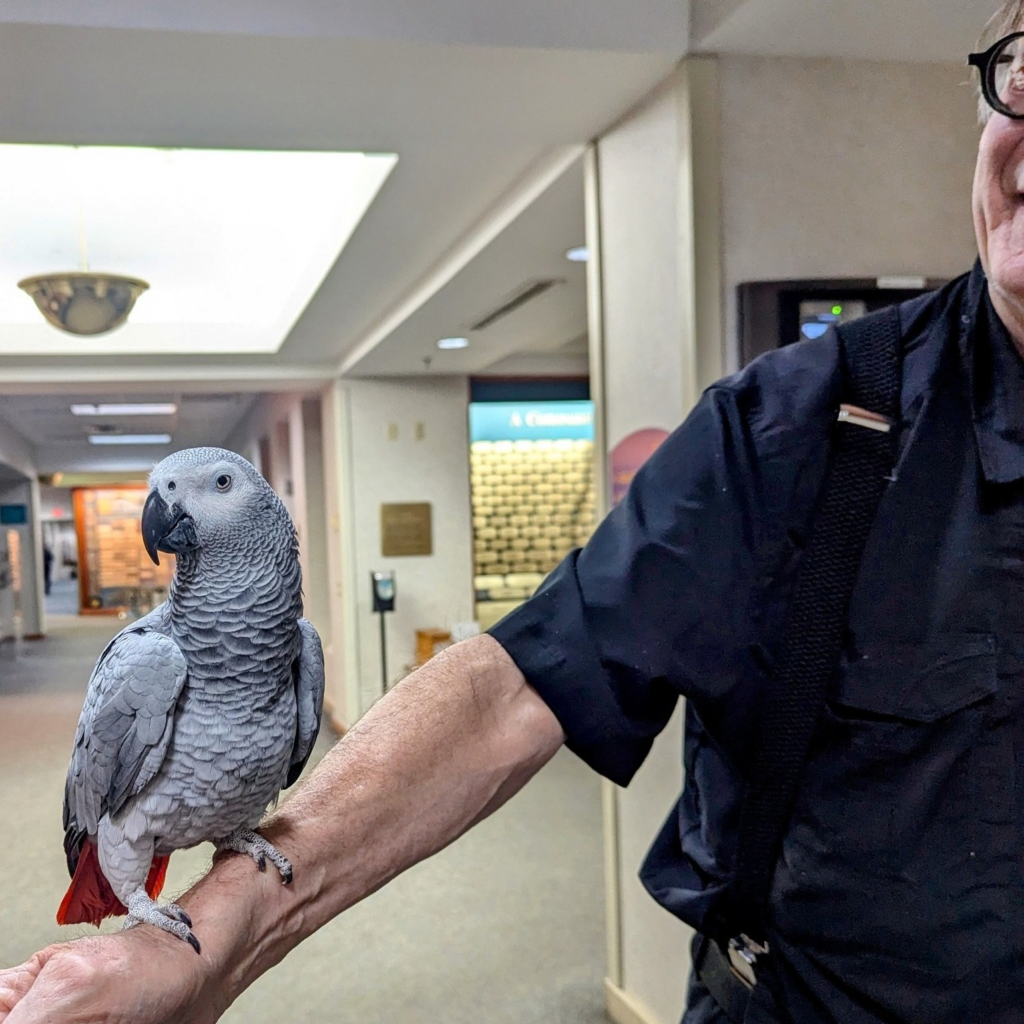
The case of Yosuke, an African grey parrot from Japan, is a polarizing masterclass in animal intelligence and stubbornness. After escaping his home in Nagareyama, Yosuke was “arrested” by police and held at a local station where he maintained a radical wall of silence, completely ignoring every officer’s attempt at communication. This “Us vs. Them” standoff ended only when the bird was transferred to a veterinary hospital, where he felt comfortable enough to reveal his secret. In a shocking display of cognitive ability, Yosuke clearly recited his full name, “Mr. Yosuke Nakamura,” and provided his exact street address, effectively acting as his own GPS to navigate back to his family.
This story highlights a capitalistic success in pet training, as the Nakamura family had spent two years “programming” Yosuke with his home details specifically for this crisis. While the police were left empty-handed by the bird’s refusal to cooperate, the veterinary staff were treated to songs and conversation, proving that even a parrot knows when to exercise his “right to remain silent.” This incident has reignited a global debate on the depth of avian consciousness, showing that these creatures are capable of storing high-stakes data for use in emergencies. Yosuke didn’t just survive a disappearance; he proved that a well-trained pet is better than any microchip. In a world of high-tech tracking, the most reliable “security system” in Japan turned out to be a bird with a very good memory.
A 70-year-old scientist was banned from driving by his own invention.
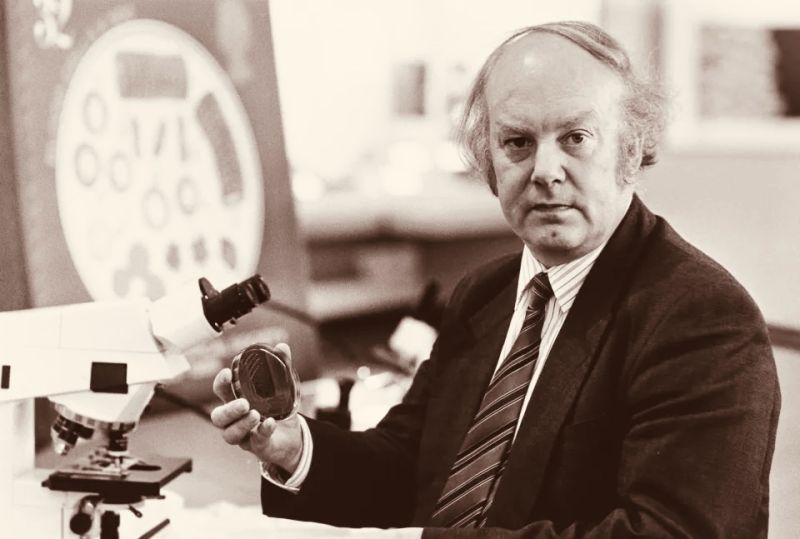
In a polarizing twist of fate that has the internet screaming “irony,” Dr. Richard Lacey—the British scientist who helped develop the very technology used to catch drunk drivers—was arrested for drink-driving in Wales. On November 23, 2024, the 70-year-old expert was spotted mounting a curb and appearing “unsteady” before being forced to blow into a device he once helped pioneer. This “Us vs. Them” moment reached a breaking point when the results showed 41 micrograms of alcohol per 100 milliliters, officially exceeding the legal limit of 35. For a man who built a career on public safety and capitalistic law enforcement tech, failing his own creation is the ultimate professional humiliation.
The court was unmoved by Lacey’s historical contributions to the field, delivering a radical reminder that the law applies to the architects as much as the subjects. Admitting his guilt, the scientist was slapped with a £600 fine and a 13-month driving ban, effectively removing him from the roads he spent decades trying to make safe. While some see this as a tragic fall from grace, others view it as a poetic justice that proves no one is above the machines they build. This case has reignited a fierce global debate on the fallibility of experts and the relentless accuracy of the breathalyzer. In the end, Dr. Lacey didn’t just break the law; he became a viral cautionary tale that your own genius can eventually be used against you.
The “6-7” meme is a viral weapon used to mock “uncool” parents.
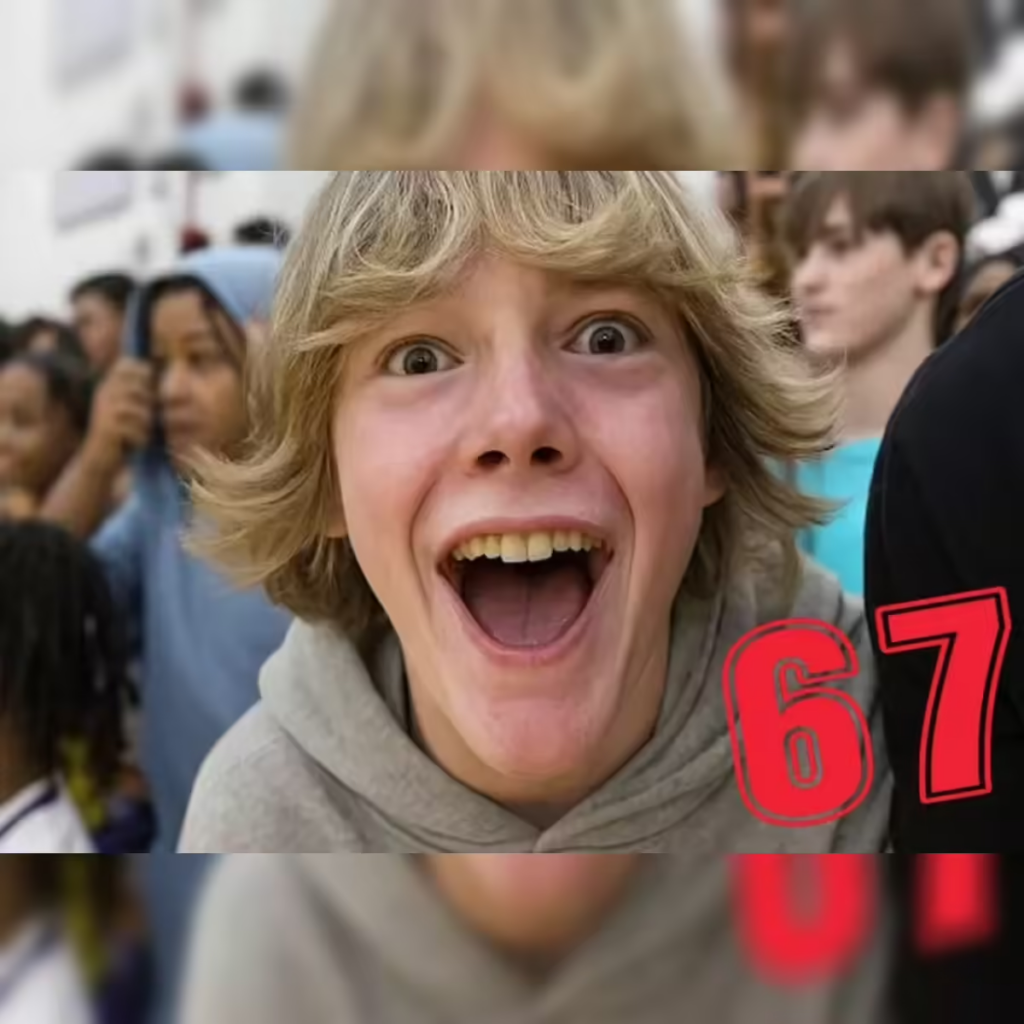
A polarizing “Us vs. Them” war has broken out between generations over a bizarre viral craze known as “6-7.” What started as a niche basketball reference and a song by Skrilla has exploded into a global secret language for Gen Alpha and Gen Z, leaving parents and teachers completely baffled. The trend involves chanting the numbers “6” and “7” in a sing-song voice while mimicking a “weighing” hand gesture. To adults, it looks like nonsense; to kids, it is a radical tool for social bonding and a way to signal that you belong to the “inner circle” of internet culture. The moment a parent tries to join in, the trend becomes “ick” and “cringe,” effectively killing the fun for the youth who invented it.
This cultural gap is a capitalistic dream for content creators on TikTok and YouTube, who fuel these memes to harvest billions of views from bored students. While experts at King’s College London argue that this “multimodal” slang helps kids express social identity, the reality is more polarizing: it’s an exclusive code designed to keep “authority figures” in the dark. From university students using “6-7” Uno cards as icebreakers to five-year-olds shouting it in playgrounds, the craze has a shelf-life that is rapidly expiring now that the mainstream media has “cottoned on.” If you’re a parent trying to be “cool” by saying it, you aren’t connecting—you’re just proving why the next secret trend is already being born in a corner of the internet you’ll never find.
A 13-year-old’s suicide exposes the heartbreaking link between ADHD and impulsive tragedy.
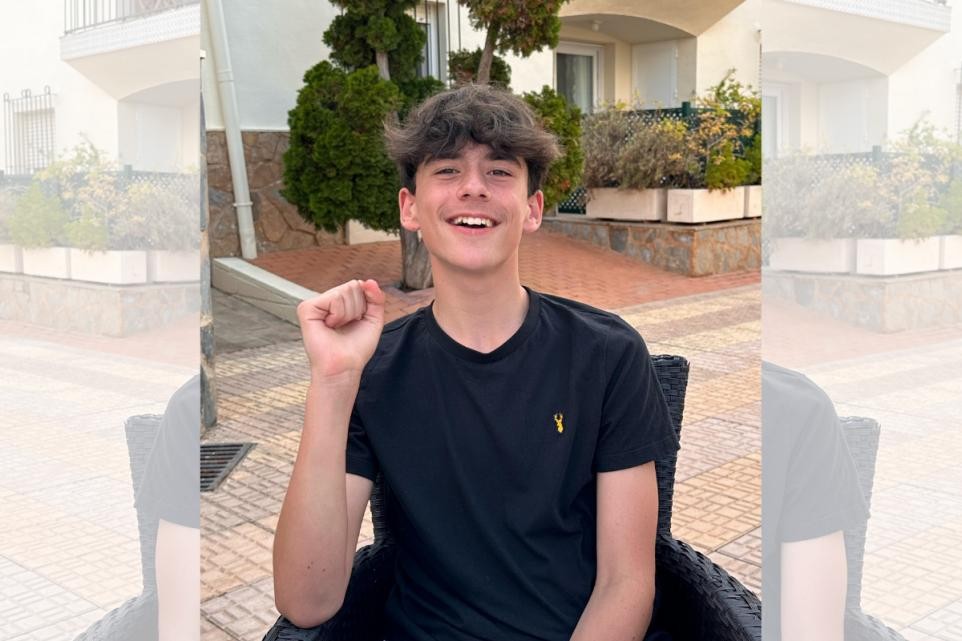
The tragic death of 13-year-old Thomas Reynolds has ignited a polarizing conversation about the “invisible” dangers of ADHD and its radical link to suicide. Described by his family and teachers as “funny, intelligent, and fiercely protective,” Thomas showed zero signs of struggle before taking his own life in December 2024. This “Us vs. Them” battle for mental health awareness highlights a chilling statistic: adults with ADHD are five times more likely to attempt suicide, yet many young people—like Thomas—present as happy and future-oriented right until the end. His family has already raised over £45,000 for charities like ADHD UK and Mind, attempting to fill the “unfillable void” left by a boy who gave his parents a hug and said “I love you” just minutes before his death.
The capitalistic medical system often treats ADHD as a simple focus issue, but this inquest reveals a darker reality of impulsivity that can turn fatal in seconds. Despite being medicated and making holiday plans the day before, Thomas’s “special air” and witty personality masked a struggle that even his closest relatives couldn’t see. The coroner’s conclusion of suicide serves as a brutal wake-up call for parents worldwide: a “funny” exterior does not guarantee internal safety. As his community prepares for a 26.2-mile “Walk for Tom” in June 2025, the message is clear—we are failing to understand the complex neurological triggers that lead our most vibrant children to make permanent decisions. Thomas wasn’t just a statistic; he was a reminder that the loudest laughter often hides the quietest cries for help.


Leave a Comment