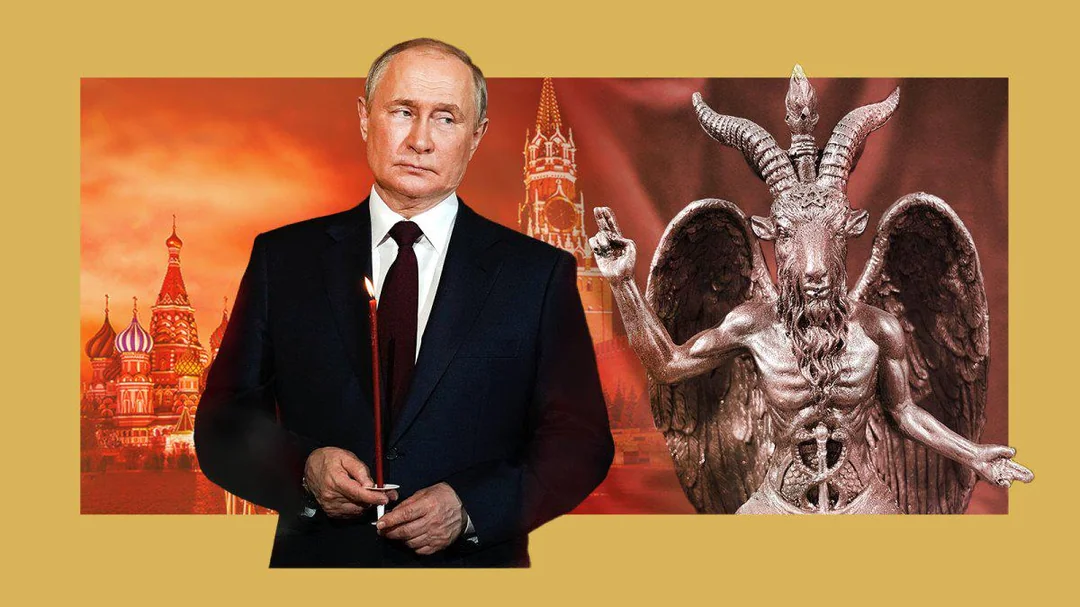

PUTIN ANNOUNCES OFFICIAL BAN ON ALL SATANIC TEMPLES IN RUSSIA
Russia’s Supreme Court Prohibits Alleged “Satanist Movement”
Russia’s Supreme Court has issued a ruling banning what officials describe as the “International Movement of Satanists,” designating it as an extremist organization.
Legal analysts point out that no clearly identifiable group operating under this name appears to exist, indicating that the decision may serve as a sweeping legal tool rather than a response to a specific organization.
The ruling effectively criminalizes any practices, imagery, or behaviors authorities interpret as “Satanic,” making them illegal across the country and exposing individuals to potentially harsh prison sentences. Observers widely interpret the move as part of the Kremlin’s ongoing effort to reinforce state-defined “traditional values” and expand ideological control through broad and flexible legal definitions.
JUST IN: PRESIDENT ZELENSKY SAYS UKRAINE TO JOIN THE EUROPEAN UNION IN 2027
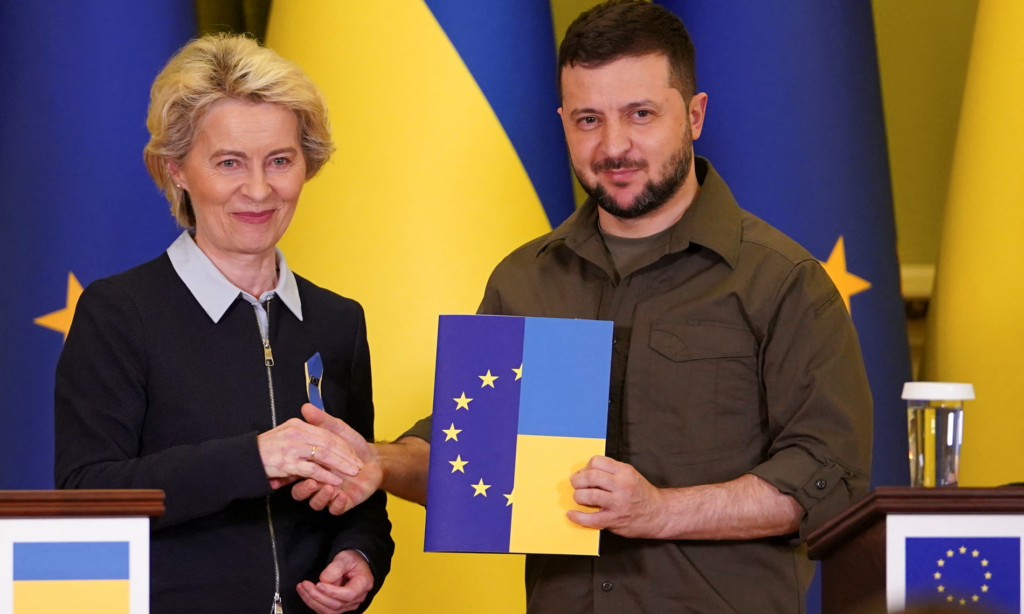
President Volodymyr Zelensky has formally announced that Ukraine is on track to achieve full membership in the European Union by 2027, setting a definitive timeline for the country’s long-sought integration into the Western political and economic framework. The declaration represents a major milestone following years of armed conflict, reform efforts, and complex accession negotiations.
Appearing alongside European Commission President Ursula von der Leyen, Zelensky described the 2027 target as a confirmed diplomatic breakthrough, signaling that Ukraine has entered the final stages of the EU accession process. The announcement underscores confidence from both Kyiv and Brussels that the remaining institutional, legal, and economic requirements are nearing completion.
The statement comes at a pivotal moment in global geopolitics, standing in sharp contrast to recent strains and fragmentation within broader trans-Atlantic relations. By committing to a concrete accession date, Ukraine and the European Union are effectively formalizing a long-term political, economic, and strategic partnership.
Observers note that this move significantly reshapes Europe’s geopolitical landscape, firmly anchoring Ukraine within the EU and rejecting external efforts to position the country as a neutral or intermediary “buffer zone.” The announcement signals a decisive shift toward deeper European unity and a lasting realignment of power and influence across the continent.
WANT TO WEAR A BURQA? IT’S EASY, JUST GO BACK TO YOUR COUNTRY OF ORIGIN.
SAYS ANDRÉ VENTURA
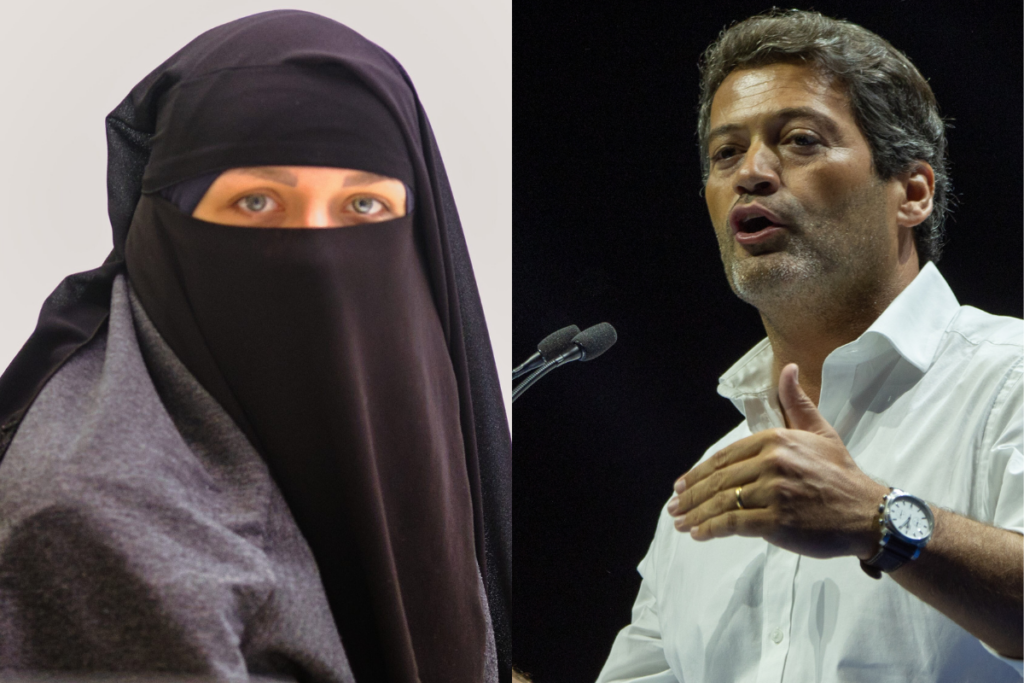
André Ventura has sparked controversy in Portugal after stating that people who wish to wear a burqa should “return to their country of origin.”
His remarks reflect his opposition to the burqa being worn in Portugal.
Unlike broader discussions about clothing or public dress, this stance directly confronts issues of religious freedom and cultural expression. For many Muslim women, the burqa represents faith, identity, and personal choice.
Human rights organizations have warned that such rhetoric risks encouraging discrimination and deepening social divisions. Public reaction has been sharply divided, with strong criticism from some quarters and vocal support from others.
As the debate unfolds, many view this episode as part of a larger conflict over religion, immigration, and national identity. Questions around personal attire may increasingly become central to political discourse.
ITALY BANS GAY AND LESBIAN COUPLES FROM BECOMING PARENTS
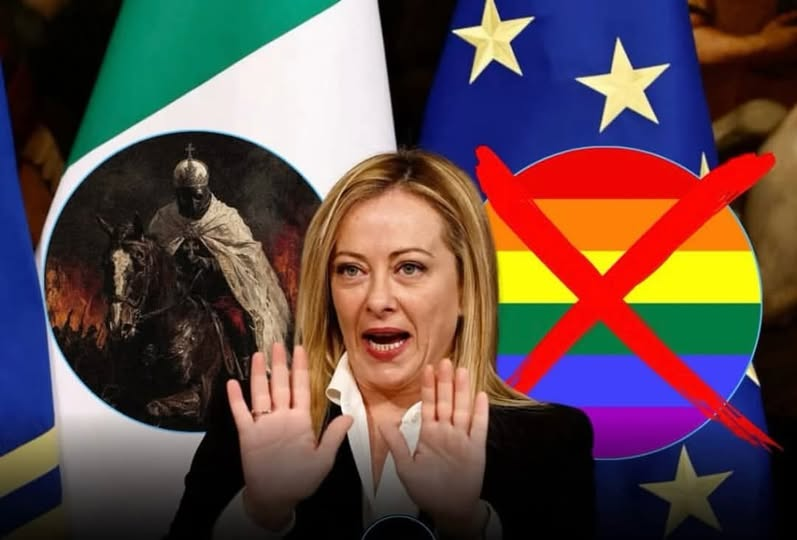
Italy has introduced measures that restrict same-sex couples from being legally recognized as parents under revised family and surrogacy regulations.
Under these rules, gay and lesbian couples may be barred from registering as joint legal parents in specific situations, particularly when children are born through surrogacy arrangements carried out abroad. In practical terms, even if a child is lawfully born and recognized in another country, Italian authorities may acknowledge only one parent upon registration in Italy. Unlike earlier approaches that varied by region, these restrictions are now being applied at a national level.
The policy carries significant implications for family rights, legal certainty, and the well-being of children. Legal scholars caution that some children could be left with just one legally recognized parent, potentially affecting inheritance rights, custody, healthcare decisions, and overall legal protection.
Initial responses indicate rising concern among human rights organizations, advocacy groups, and families directly impacted by the change. Critics argue the rules may create legal insecurity for children, while supporters frame the move as a defense of traditional family structures.
As legal challenges and public demonstrations are anticipated, many observers view this development as a pivotal moment in Europe’s ongoing debate over family law, parental recognition, and equality. The issue of equal parenting rights is likely to face intensified scrutiny in the months ahead
TRUMP BLOCKS FANS OF 15 COUNTRIES FROM ENTERING US FOR THE WORLD CUP 2026.
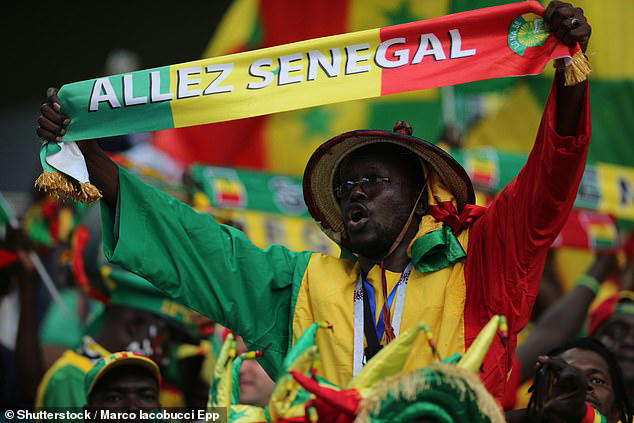
The 2026 World Cup is facing a major new obstacle after Donald Trump ordered a suspension of visa processing for supporters from 15 participating countries. Of the 75 nations set to compete in the tournament, fans from these countries are now uncertain whether they will be able to travel, despite the event being jointly hosted by the United States, Mexico, and Canada. Brazil, one of the strongest contenders and a nation known for its massive traveling fan base, is among those affected.
The move has raised alarm among tournament organizers and supporters, as international fan attendance is central to the World Cup’s atmosphere and economic impact. With matches scheduled across North America this summer, the visa freeze could disrupt travel plans, reduce crowd sizes, and complicate coordination between the host nations. The decision also intensifies existing logistical and political challenges, prompting broader concerns about accessibility, international relations, and the United States’ commitment to staging a truly global sporting event.
IF OBAMA COULD RUN AGAIN IN 2028, WOULD YOU STILL VOTE FOR HIM?
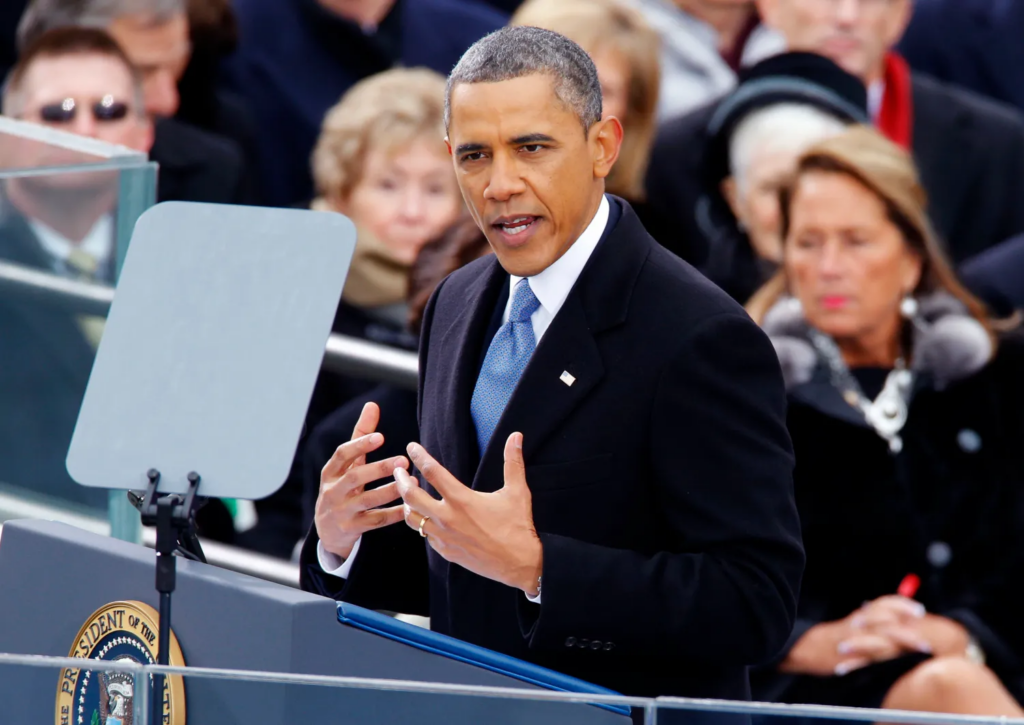
Leadership doesn’t stop when a presidency ends.”
Long after leaving the Oval Office, Barack Obama continues to be a significant presence on the global stage. As the 44th President of the United States and a recipient of the Nobel Peace Prize, he remains an influential voice in discussions about leadership, democracy, and international cooperation, well beyond the limits of elected office.
Obama is widely recognized for his measured, thoughtful leadership style and his strong emphasis on diplomacy. Supporters often highlight defining moments from his presidency and the broader vision he championed—one rooted in dialogue, inclusivity, and shared responsibility—which resonated with people across generations and cultures. His ability to convey complex ideas with clarity, calm, and optimism reshaped how many viewed political leadership worldwide.
At the same time, critics continue to scrutinize and debate the long-term impact of policies implemented during his administration. Even so, there is widespread acknowledgment that Obama influenced the tone of global political conversation, raising expectations around civic participation, public discourse, and international engagement.
Since leaving office, his relevance has only evolved rather than faded. Through bestselling memoirs, prominent speeches, philanthropic efforts, and advocacy on issues such as democratic governance, climate action, and youth empowerment, Obama remains deeply involved in public life. Without holding formal authority, he now serves as a moral and intellectual touchstone—someone whose perspective continues to shape public trust and political norms.
His enduring influence invites a broader reflection on leadership in the modern era: how much of a leader’s legacy is defined by the power they once held, and how much by the principles, credibility, and engagement they maintain afterward. Obama’s post-presidency illustrates that influence can persist long after official authority ends, continuing to shape public dialogue well beyond a single term in office
PRESIDENT TRUMP OFFICIALLY ELIMINATES 61 VACCINE RECOMMENDATIONS FOR CHILDREN.
The U.S. Department of Health and Human Services has unveiled a sweeping revision to the nation’s childhood vaccination guidelines, dramatically reducing the number of vaccines it universally recommends. Under the new framework, the schedule drops from roughly 72 doses over childhood to just 11 core immunizations. Officials say the decision followed an extensive comparison of vaccination policies across 20 other developed countries, concluding that the previous U.S. schedule was far more expansive than international norms.
Health Secretary Robert F. Kennedy Jr. characterized the change as an effort to simplify public health guidance and rebuild trust among families who have grown skeptical of federal recommendations. He stated that the government will now formally endorse only those vaccines it considers absolutely essential. Vaccines removed from the federal schedule will still be accessible through private healthcare providers and covered by insurance, but without federal endorsement they may no longer be tied to school enrollment or other public requirements.
The announcement has sparked immediate backlash from public health officials, pediatricians, and epidemiologists, many of whom warn that the move risks unraveling decades of progress in controlling infectious diseases. Critics emphasize that vaccination strategies are designed around widespread participation, and that weakening official recommendations could reduce coverage levels enough to allow preventable illnesses to resurge.
Opponents argue that framing the issue as a matter of personal choice overlooks the population-wide benefits of immunization, particularly the role of herd immunity in protecting vulnerable individuals. They caution that shifting responsibility away from coordinated public policy toward individual parental decision-making could leave communities exposed to outbreaks that had long been kept in check.
Overall, the policy represents one of the sharpest breaks in recent history between federal health guidance and the prevailing medical consensus, fundamentally altering how childhood disease prevention is approached in the United States.
ITALY SAYS ISRAEL HAS VIOLATED INTERNATIONAL HUMANITARIAN LAW, IT MUST BE ISOLATED GLOBALLY.
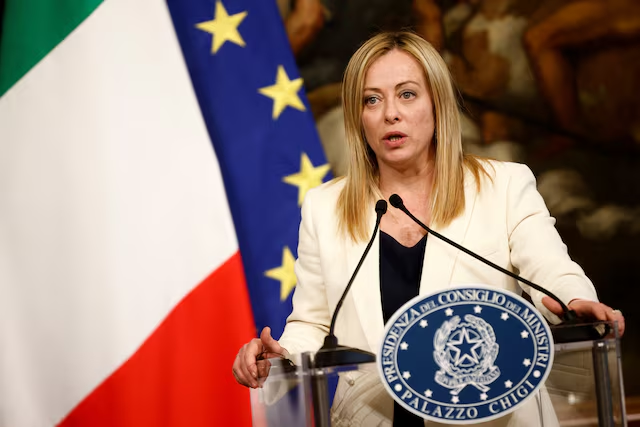
REAKING: Italy has formally accused Israel of violating International Humanitarian Law, calling for its global isolation in what represents a significant escalation in diplomatic rhetoric. The statement marks a sharp shift in Europe’s posture, intensifying political pressure within the European Union and amplifying calls for international legal scrutiny. It also reignites debate over accountability mechanisms, potential sanctions, and the need for a coordinated global response, as international focus on Israel’s actions in Gaza continues to deepen and widen.
JUST IN: CHINA WARNS THE UNITED STATES AGAINST MILITARY INTERVENTION IN IRAN
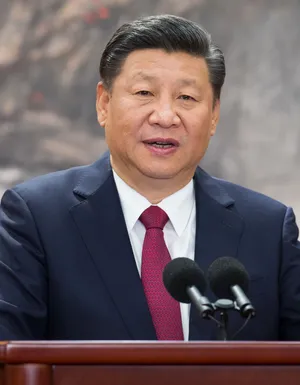
China has delivered a firm warning to the United States, urging it to refrain from any direct military action against Iran. The statement, attributed to President Xi Jinping, elevates the escalating Middle East tensions to a global level and signals Beijing’s willingness to support its strategic partner in Tehran in the face of potential U.S. aggression.
This warning comes amid reports of U.S. naval strike groups moving toward the Persian Gulf and renewed threats from President Trump to use force to compel Iran into a new nuclear agreement. As a major importer of Iranian oil and a signatory to a long-term, 25-year cooperation pact with Tehran, China views any U.S. attack on Iran as a serious threat to its energy security and broader geopolitical interests.
By drawing this clear red line, Beijing is directly pushing back against Washington’s “maximum pressure” strategy, transforming what might have remained a regional crisis into a confrontation with implications for relations between major global powers
INSANE: RUSSIA HAS BUILT A PLASMA ENGINE TO REACH MARS IN 30 DAYS INSTEAD OF 300 DAYS!
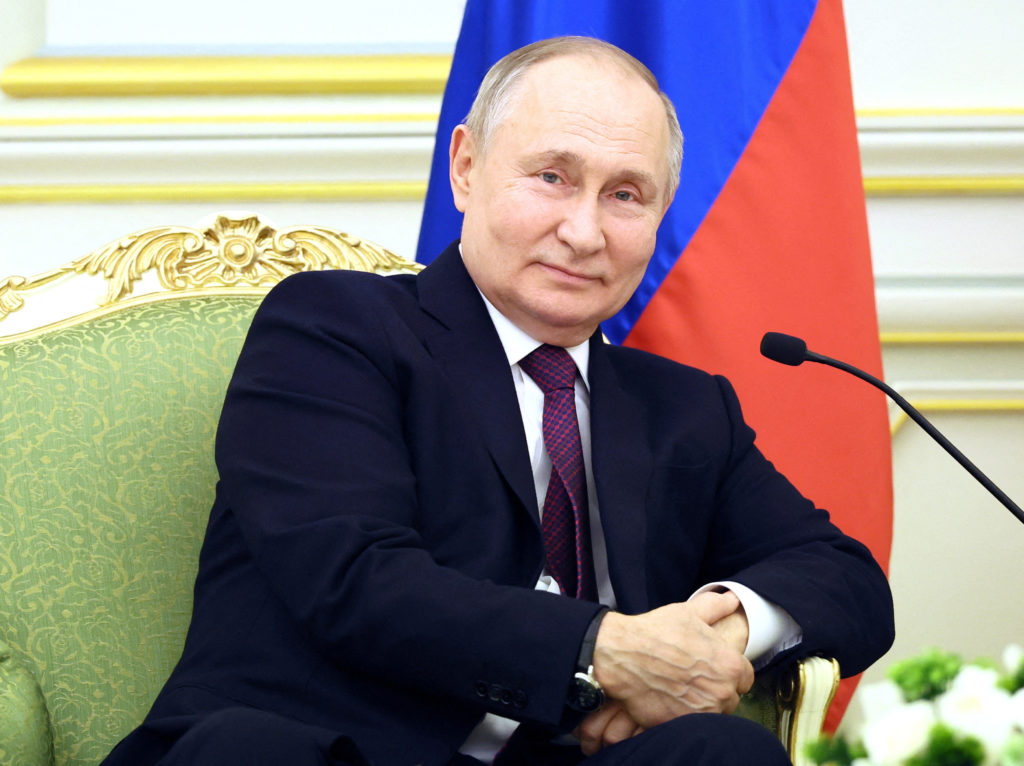
Mars in months? That’s old math.
Russia’s state nuclear agency, Rosatom, has unveiled a plasma rocket engine prototype that could cut the journey to Mars from roughly 300 days to just 30–60. Built by scientists at the Troitsk Institute, the engine doesn’t rely on explosive fuel—it uses magnetic plasma accelerators to hurl charged hydrogen ions at speeds up to 100 km/s, dwarfing the limits of chemical rockets.
Right now, the prototype is being tested inside a massive vacuum chamber. It runs in a pulse-periodic mode, drawing about 300 kilowatts of power. The thrust is modest—around 6 newtons—but that’s the trick. Instead of brute force, it accelerates continuously over long periods, stacking speed until interplanetary distances collapse.
Rosatom says a flight-ready version could arrive by 2030. If it works, missions get shorter, radiation exposure drops, and the balance of deep-space leadership could shift fast.
Mars hasn’t moved any closer.
But the way we reach it might have just changed.
**DONALD TRUMP IS WORSE THAN ANY HORROR STORY I’VE WRITTEN.

Renowned horror writer Stephen King has publicly criticized Donald Trump in a post on X, delivering a sharp and provocative message. The bestselling author wrote, “Donald Trump is worse than any horror story I’ve written,” a remark that quickly drew widespread attention and ignited intense discussion across social media platforms.
King, who is well known for expressing his political views openly, has once again entered the public debate, adding his voice to the ongoing discussion surrounding Trump and the broader political climate. His statement prompted strong reactions from both supporters and critics, further fueling online conversation.
END U.S. AID TO ISRAEL THOMAS MASSIE SAYS: “ALL AMERICAN MILITARY SUPPORT TO ISRAEL SHOULD STOP.” DO YOU AGREE?
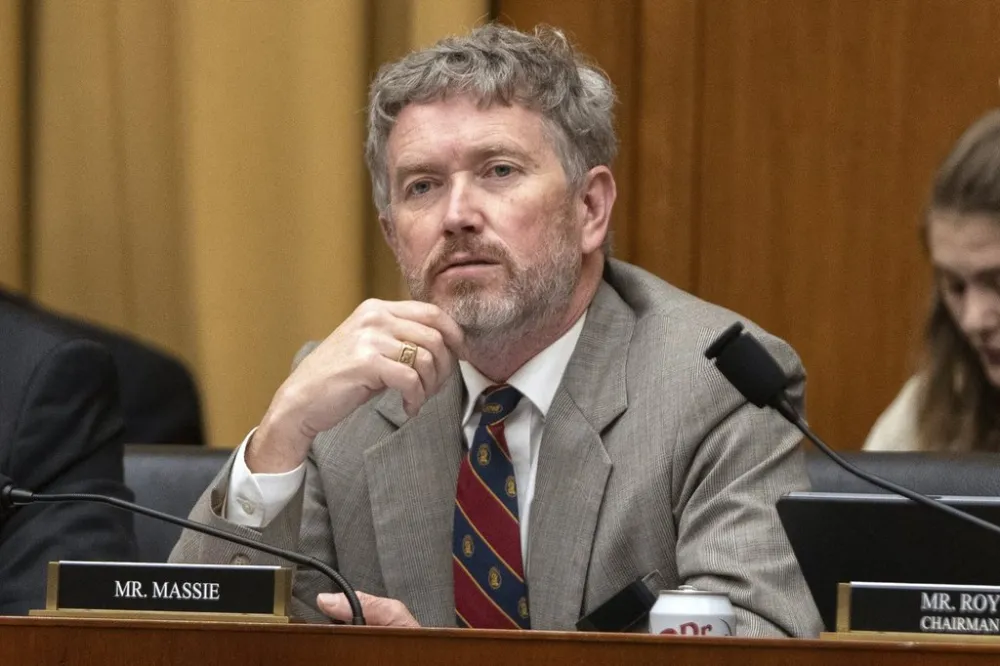
Republican Representative Thomas Massie has called for a complete halt to U.S. military assistance to Israel, adding momentum to an ongoing debate in Washington about foreign policy priorities, taxpayer-funded aid, and the United States’ role in Middle East security. A long-time critic of foreign military spending, Massie has maintained that American involvement should not extend to financing or backing conflicts overseas. His comments come as Congress increases scrutiny of U.S. military commitments abroad and as divisions among lawmakers grow over whether continued support for Israel should be sustained.
“THE KILLING OF ALEX PRETTI IS A HEARTBREAKING TRAGEDY. IT SHOULD ALSO BE A WAKE-UP CALL TO EVERY AMERICAN, REGARDLESS OF PARTY, THAT MANY OF OUR CORE VALUES AS A NATION ARE INCREASINGLY UNDER ASSAULT”
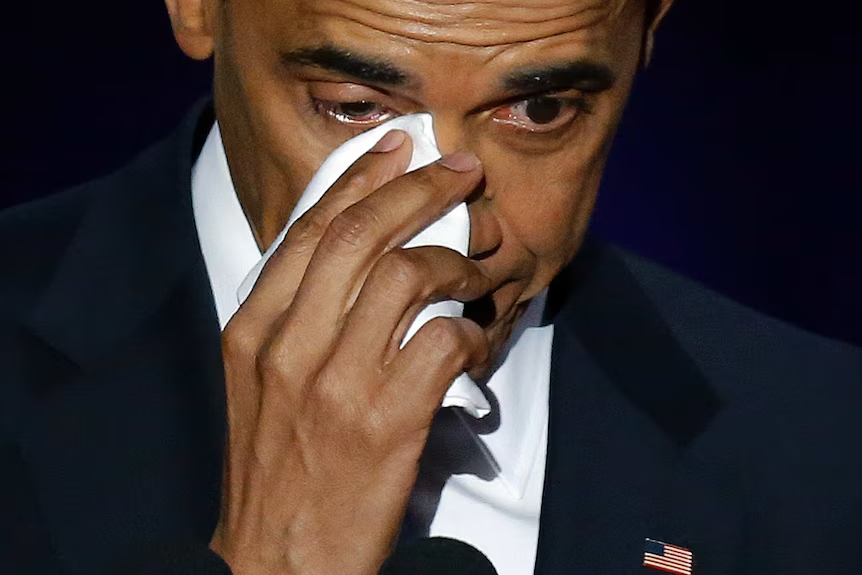
Former President Barack Obama described the killing of Alex Pretti as a “heartbreaking tragedy” and a “wake-up call” about the state of America’s core values.
But let’s ask ourselves — what are our core values truly meant to represent?
Are they:
• Attacking and intimidating law enforcement while they carry out federal duties?
• Defending illegal immigration at all costs, even as communities face disorder?
• Blaming officers while excusing violent actions in the streets?
Or are our core values still about law, order, accountability, and equal justice — even when upholding them is difficult?
“ITALY BECOMES THE FIRST COUNTRY TO BAN SYNTHETIC FOODS, EFFECTIVELY BLOCKING LAB-GROWN MEAT INNOVATIONS INCLUDING THOSE BACKED BY BILL GATES”
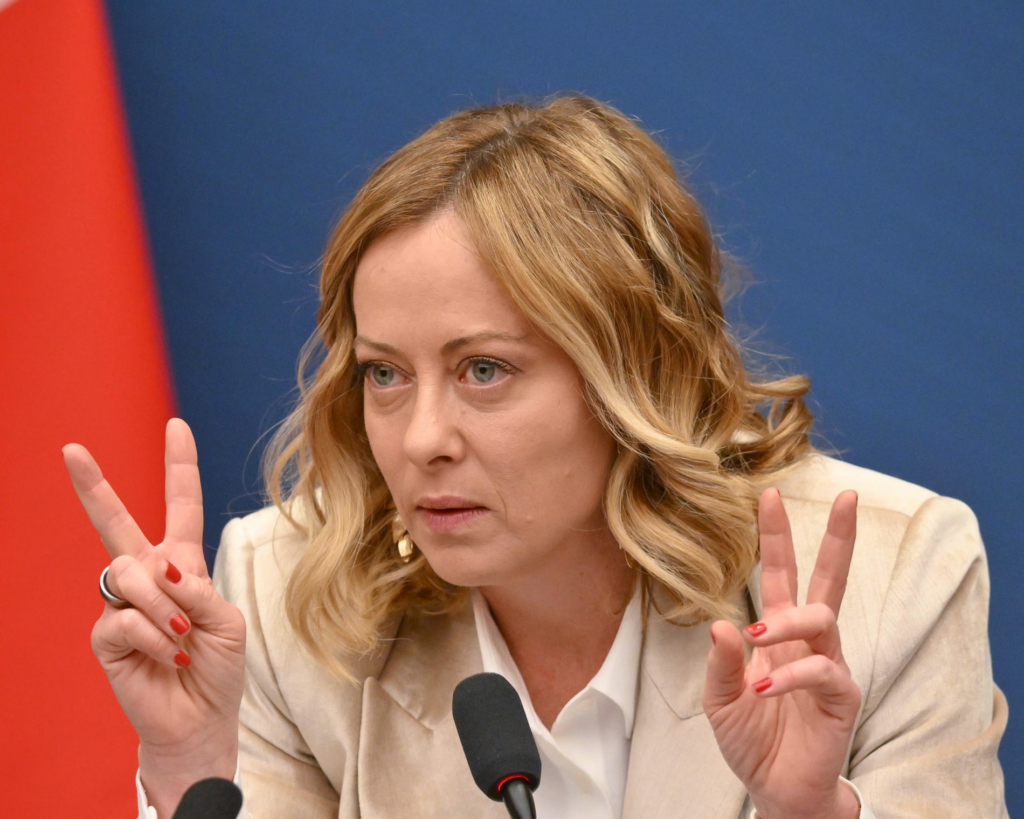
Italy has taken an unprecedented step by officially passing a law that bans the production, sale, and marketing of lab-grown meat, making it the first country in the world to enact a nationwide prohibition on cultivated animal products. The legislation, championed by the current government and strongly supported by agricultural unions, outlaws so-called “synthetic foods” produced from animal cells without traditional livestock farming, with penalties reaching up to €60,000 for violations.
Italian officials argue the measure is essential to preserving the country’s culinary identity and protecting the globally recognized “Made in Italy” food brand. The government maintains that allowing lab-grown meat could undermine local farmers, traditional supply chains, and rural economies, while opening the door for large multinational technology firms to dominate the food sector. Citing the “precautionary principle,” lawmakers insist that there is still insufficient scientific evidence about the long-term health effects of consuming lab-cultured animal cells.
The decision puts Italy sharply at odds with developments elsewhere. In countries such as the United States and Singapore, regulators have already approved the commercial sale of cultivated chicken, positioning the technology as a way to reduce environmental damage, limit animal slaughter, and lower the carbon footprint of meat production.
Critics of Italy’s ban—including environmental groups, scientists, and high-profile investors like Bill Gates, who has poured significant funding into the sector—argue that the law prioritizes tradition over innovation. They contend that lab-grown meat has the potential to dramatically cut greenhouse gas emissions, reduce land and water use, and help address the growing global demand for protein. The debate now highlights a widening divide between nations seeking to protect food heritage and those betting on technology to reshape the future of agriculture.
BREAKING: SAUDI ARABIA REFUSES ISRAELI PEOPLE TO BUY LAND IN THE COUNTRY
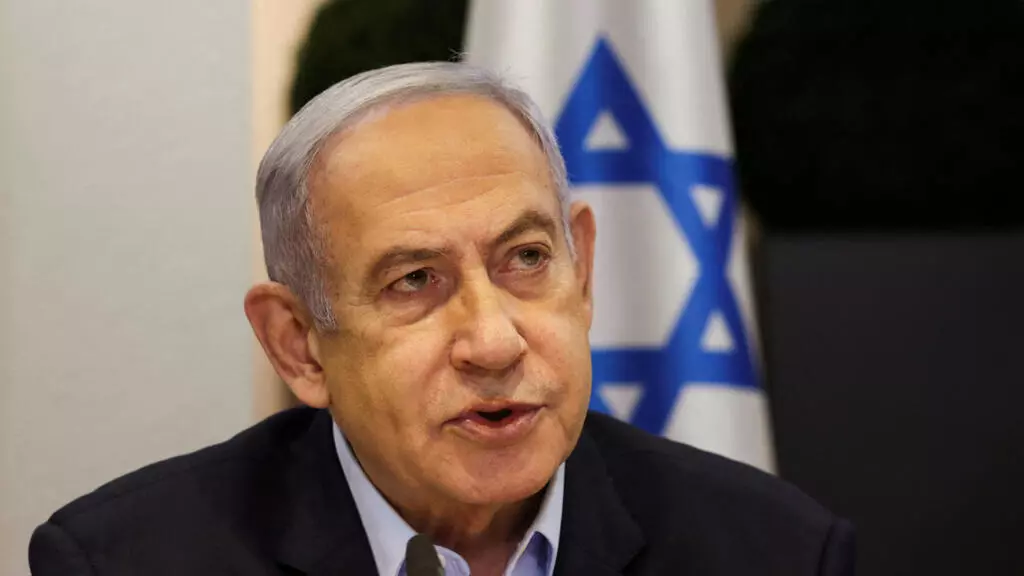
Saudi Arabia has reportedly issued a formal directive barring Israeli citizens from buying land or property anywhere in the Kingdom, a move that effectively halts any near-term prospects of economic integration between the two countries. The decision, underscored by a widely shared TechTimes graphic featuring Crown Prince Mohammed bin Salman and Israeli Prime Minister Benjamin Netanyahu, highlights the growing diplomatic stalemate amid escalating regional tensions.
The ban is widely seen as a firm response to recent proposals and rhetoric suggesting the displacement of Palestinians or the idea that Saudi territory could play a role in a future Palestinian state—notions Riyadh has categorically rejected. While the Kingdom has been gradually opening its real estate market to foreign investors under its Vision 2030 economic diversification strategy, this explicit exclusion sends a clear political signal.
By drawing this line on land ownership, Saudi Arabia is reinforcing its long-standing position that normalization with Israel cannot move forward without a credible and concrete path toward a Palestinian state. The move makes clear that, for Riyadh, economic cooperation and diplomatic ties will not precede a political resolution to the conflict.
FRANCE, UK, AND CANADA ARE MOVING TOWARD CLOSER RELATIONS WITH CHINA FOLLOWING U.S. TARIFFS ON EU
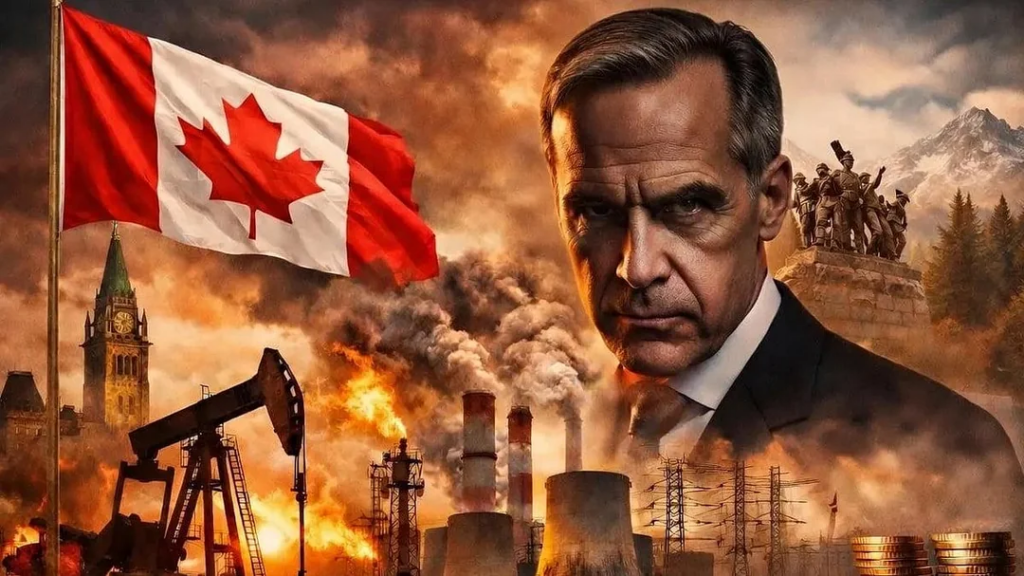
In a startling geopolitical twist, longtime U.S. allies—France, the United Kingdom, and Canada—are now deepening economic ties with China, driven not by choice but by necessity. The catalyst? Washington’s aggressive protectionist trade policies, which have slammed steep tariffs on European and Canadian goods, fracturing the transatlantic alliance and leaving these nations scrambling for stability.
Leading the charge, Canada under Prime Minister Mark Carney has struck a bold “strategic partnership” with Beijing, agreeing to import Chinese electric vehicles and expand energy exports—a dramatic reversal from past diplomatic tensions. European leaders are following suit: at the World Economic Forum in Davos, French President Emmanuel Macron warned that the “post-war Western alliance is over,” urging Europe to chart a path of strategic autonomy. Meanwhile, the U.K., threatened by U.S. tariffs tied to the Greenland dispute, is reportedly reviving high-level trade talks with China to shield its economy from isolation.
Economists point out the irony: America’s “America First” policies are accelerating the very outcome they sought to prevent—a multipolar world where U.S. allies are economically intertwined with its main strategic rival. For many Western nations, avoiding domestic recession now outweighs the old imperative of a united front against Beijing.
In this high-stakes chess game of global trade, one question looms: if the U.S. locks them out, are its allies justified in turning to China?



Leave a Comment