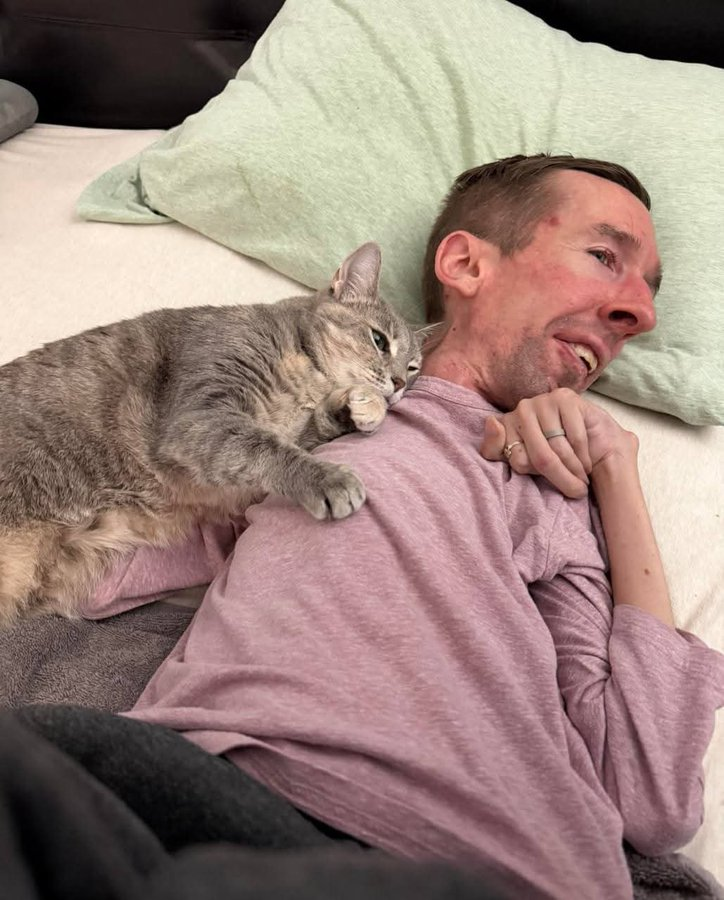

THIS MAN LIVING WITH A DISABILITY LIVED QUIETLY WITH HIS STRUGGLES, UNTIL THIS CAT BROUGHT HIS LIGHT BACK
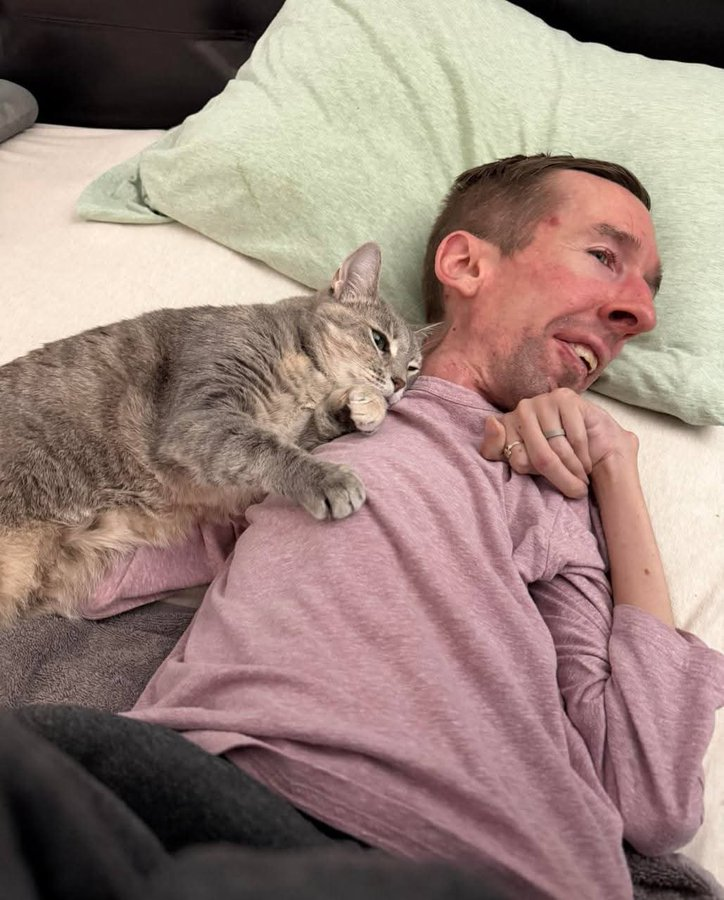
For years, this man lived quietly with challenges most people never fully see. Living with a disability shaped his daily life, not only physically but emotionally. He learned how to present himself to the world with polite smiles and reassuring words, often saying he was “fine” even when joy felt distant. Those close to him sensed the weight he carried, but they rarely saw it lift.
Everything changed just last week when a small cat entered his life.
Almost immediately, his family noticed something remarkable. The smiles were different—no longer practiced or polite, but genuine and effortless. He began laughing more, talking to the cat throughout the day, and looking forward to simple routines again. His days, once quiet and heavy, were suddenly filled with warmth and purpose.
For his loved ones, the transformation was deeply moving. For the first time in years, they saw him smiling freely, relaxed, and truly enjoying life. The change didn’t come from therapy sessions, big events, or dramatic breakthroughs. It came from companionship—soft paws, curious eyes, and a presence that asked for nothing except care and affection.
The bond between them is simple, yet incredibly powerful. The cat offers consistency, comfort, and unconditional acceptance. In return, he offers love, attention, and a sense of safety. Together, they created a space where happiness could quietly return.
This story is a gentle reminder that healing does not always arrive loudly or all at once. Sometimes it comes in small, unexpected forms. A tiny cat, simply by being there, brought light back into one man’s life and showed everyone around him that even the smallest companions can restore hope, joy, and genuine happiness.
10-year-old Ben cleans neglected graves, teaching respect, remembrance, and kindness to his community.
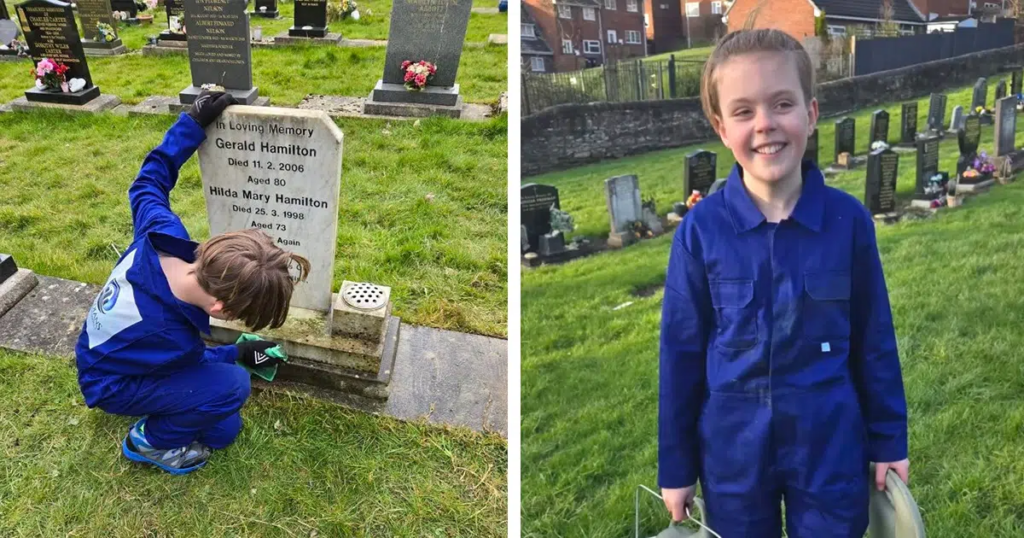
Ben, a 10-year-old boy from Ilkeston, Derbyshire, was cleaning his grandmother’s headstone when he noticed something that stayed with him: many of the surrounding graves were dirty, faded, and seemingly forgotten. He realized that some families might not have the time, money, or physical ability to maintain them properly. Rather than ignore the problem, Ben decided to take action.
With the support of his family, he launched a small initiative called Guardians of the Headstones. The project focuses on gently cleaning and re-lettering neglected gravestones. Instead of charging a fixed fee, Ben allows families to donate whatever they can manage, making his service accessible to everyone while encouraging generosity and community spirit.
To ensure the stones were treated safely, Ben’s mother researched proper stone-friendly cleaning products, preventing damage to the memorials. His sister helped him share the project online, and soon Ben’s quiet dedication gained attention. One post went viral, generating thousands of reactions and messages, and his work was featured by ITV News, the BBC, and BBC Radio Derby.
Despite being a typical 10-year-old who enjoys video games, Ben says this is one of the few activities that truly pulls him away from screens. He enjoys seeing the “before and after” transformation of the headstones and knowing his work makes a difference for families who might otherwise be unable to maintain them.
On top of that, Ben donates 10% of what he receives to Stevie Stones, a UK charity that supports families struggling to afford a child’s memorial or headstone. Through his dedication, Ben is quietly teaching adults and children alike that respect, remembrance, and small acts of care can create a meaningful impact on a community.
Betty Lou Oliver survived a 75-story elevator fall during the 1945 Empire State crash.
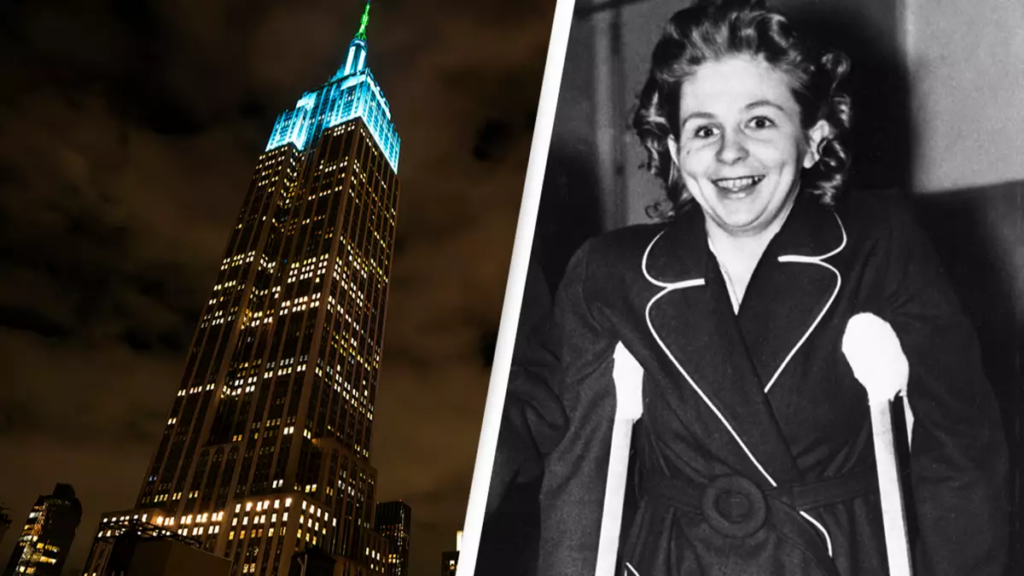
On July 28, 1945, a B-25 military plane accidentally crashed into the Empire State Building in New York City, marking one of the most shocking accidents in the skyscraper’s history. Heavy fog that morning contributed to poor visibility, causing the pilot to lose his bearings while flying over Manhattan. The plane struck the building between the 78th and 80th floors, causing significant structural damage, fires, and chaos. Several crew members aboard the plane, along with people inside the building, tragically lost their lives, and many others were injured.
Amid the devastation, one story stands out for its extraordinary survival. Betty Lou Oliver, an elevator operator, was working inside the building at the time. When debris from the crash severed her elevator’s cables, she was violently jolted and sustained severe injuries, including burns and trauma from flying debris. Rescuers quickly moved her into another elevator to transport her to the building’s lower floors for medical attention.
However, the second elevator’s cables had also been damaged. As it descended, it plummeted approximately 75 stories into the basement. Miraculously, Betty Lou Oliver survived the fall, suffering serious injuries such as broken bones and internal trauma but ultimately living through the seemingly fatal incident. Experts attribute her survival to a combination of luck and physical factors, including air pressure slowing the elevator’s descent and structural elements at the shaft base absorbing some of the impact.
Her story remains one of the most incredible survival tales in history. Betty Lou Oliver holds the Guinness World Record for the longest elevator fall ever survived. Her experience is a testament to human resilience, the unexpected ways survival can occur, and the tragic yet extraordinary events surrounding the Empire State Building crash of 1945.
Air traffic controller Anthonius Agung sacrificed himself, saving 147 passengers during Indonesia’s tsunami.
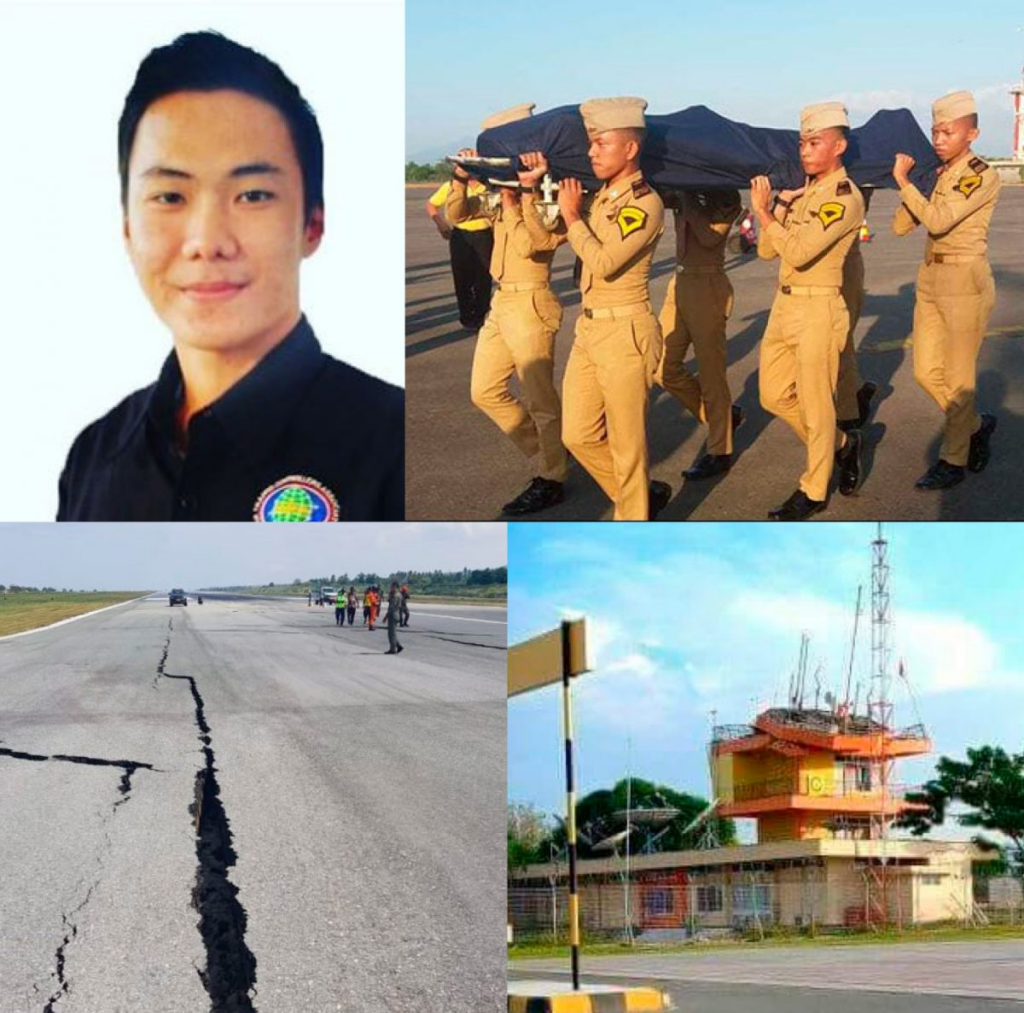
On September 28, 2018, a 7.5-magnitude earthquake struck Sulawesi, Indonesia, triggering a deadly tsunami that claimed thousands of lives. At Mutiara Sis Al Jufri Airport in Palu, the ground cracked, buildings were damaged, and panic spread rapidly as the waves approached the coast.
Inside the control tower, 21-year-old air traffic controller Anthonius Gunawan Agung was on duty. As the tower shook violently, most staff evacuated, fearing for their lives. Agung, however, stayed. Below, Batik Air Flight 6321, carrying 147 passengers and crew, was preparing for takeoff. The pilot sensed the danger and requested immediate clearance.
Agung could have fled. He could have survived. But he chose to remain at his post, calmly issuing his final transmission:
“Batik 6321, clear for takeoff.”
Moments after the plane lifted safely into the sky, the control tower collapsed. Trapped in the wreckage, Agung attempted to escape by jumping from the fourth floor, suffering severe injuries. Despite the effort, he did not survive the journey to the hospital. The plane, however, escaped the disaster.
From the air, the pilot watched in horror as the runway crumbled and the tsunami surged through the airport. Later, he described Agung as his “guardian angel,” crediting him with saving every life on board.
Though more than 4,000 people perished that day, Agung’s courage ensured 148 lives returned to their families. He never met the passengers he saved, and they never heard his voice, but their survival stands as a lasting testament to his selflessness. Agung’s story reminds the world that true courage is often quiet, unseen, and unwavering—even in the face of certain danger.
Novak Djokovic Meets Young Cancer Survivor, Shows Kindness Off Court During Australian Open
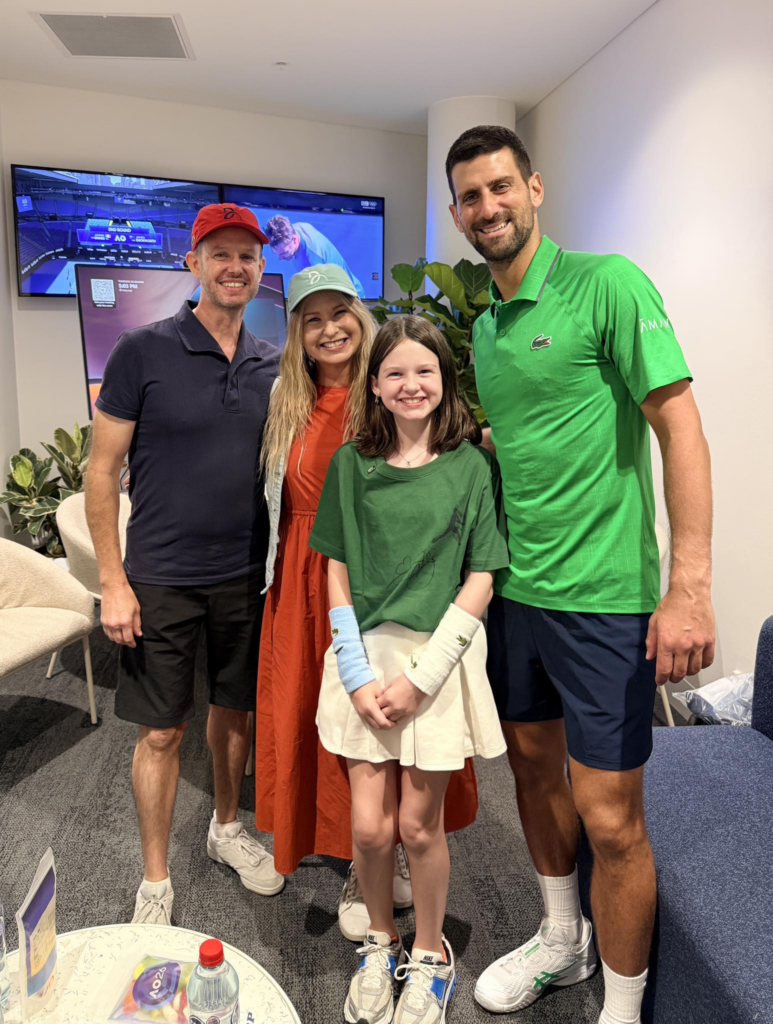
Novak Djokovic may not have captured his 25th Grand Slam, but he scored something even more meaningful: the admiration and hearts of those around him. Amid the intensity of the Australian Open, Djokovic took time to meet Imogen, a young cancer survivor, demonstrating the deep humanity that sets him apart not just as an athlete, but as a person.
The encounter lasted around 15 minutes, a brief window in Novak’s busy tournament schedule, yet it left an unforgettable impact. During this time, they spoke about tennis, life, and the many challenges and triumphs that define both. For Imogen and her family, it was more than meeting a sports icon; it was a moment of genuine connection, encouragement, and shared joy. Novak didn’t just pose for a photo or exchange quick pleasantries, he engaged fully, listening, laughing, and making her feel seen and valued.
His generosity didn’t stop there. Novak invited Imogen and her family back for multiple matches, offering them a front-row experience of one of tennis’s greatest stages. To him, winning isn’t solely about trophies or records; it’s also about the opportunity to inspire, uplift, and bring happiness to those facing life’s toughest battles.
In a sport often defined by records, statistics, and intense competition, Djokovic’s actions remind us of the profound impact kindness can have. While fans celebrate his skill on the court, moments like this show his true legacy: a champion not only in tennis, but in character. The Australian Open wasn’t just a tournament, it was a stage for one of Novak’s greatest victories: winning hearts with compassion, humility, and genuine humanity.
Hulk Hogan, Wrestling Icon and Pop Culture Legend, Dies Peacefully at Age 71

Hulk Hogan, one of the most iconic figures in professional wrestling history, has passed away at the age of 71. Known for his charisma, energy, and larger-than-life persona, Hogan was more than just an athlete; he was a cultural phenomenon whose influence extended far beyond the wrestling ring. From his unmistakable “Hulkamania” era in the 1980s to his starring roles in movies and television, Hogan captured the imaginations of millions worldwide.
Born Terry Bollea, Hogan’s rise to fame was meteoric. His signature red and yellow attire, his booming voice, and his trademark catchphrases became instantly recognizable. Generations of fans remember the excitement of his matches, his legendary rivalries, and the moments when he would rip his shirt in the middle of the ring, signaling an unforgettable showdown. Hogan was also a mentor to younger wrestlers, helping shape the next generation of talent with his experience, dedication, and passion for the sport.
Off the mat, Hogan’s influence reached pop culture and entertainment. He appeared in movies, commercials, and television shows, becoming a household name well beyond wrestling circles. Fans admired not only his physical strength but also his resilience, work ethic, and ability to connect with people of all ages.
The wrestling world and fans everywhere are mourning the loss of a true legend. Hogan’s legacy is immortalized not only through his championship titles but also through the inspiration and joy he brought to countless fans. His presence, his energy, and his impact will never be forgotten.
Rest in peace, Hulk Hogan. Thank you for the memories, the thrills, and the larger-than-life moments that defined a generation. Your legend lives on.
Pavlo “Ping,” Azov Fighter, Survives Brutal Russian Captivity, Symbol of Ukrainian Strength
Pavlo “Ping,” a fighter of the Azov Regiment, survived two and a half years in Russian captivity, a period that can only be described as hell on earth. When commanded to surrender, Pavlo initially could not believe it. To those who had lost all humanity, captivity was meant to break men physically, mentally, and morally.
He survived the horrific Olenivka explosion, the relentless rocket attacks, and the screams of fellow prisoners. In the early days, captives faced constant psychological pressure: they were made to feel forgotten, deprived of movement for days, given minimal opportunities for hygiene, and offered only a single walk outdoors in a year. Cells had no windows, winters were bitter, and guards showed total disregard for human life.
Pavlo endured beatings, starvation, and torture. Azov fighters were hated above all, yet this hatred reaffirmed his conviction—his path was righteous. When asked about his origin, he boldly affirmed, “Odessa is a Ukrainian city,” drawing more punishment but never compromising the truth. He was forced to confess to fabricated crimes, including a made-up massacre in Mariupol, and sentenced to life imprisonment.
In captivity, his simplest dreams were meals and family. After returning home, it took time to accept that the nightmare had ended. Yet, the feeling of imprisonment lingers. Pavlo “Ping” remains a symbol of courage, truth, and resilience, embodying Ukraine’s unwavering spirit.
We cannot forget those still held captive. Each prisoner is a part of Ukraine’s pain, and every voice matters in demanding their return. Memory, unity, and advocacy are our weapons. Pavlo’s story reminds the world of the strength and endurance of those fighting for freedom.
In a Heartfelt Act, BBC Wildlife Team Breaks Decades of No-Interference Rules to Save Penguin Chicks
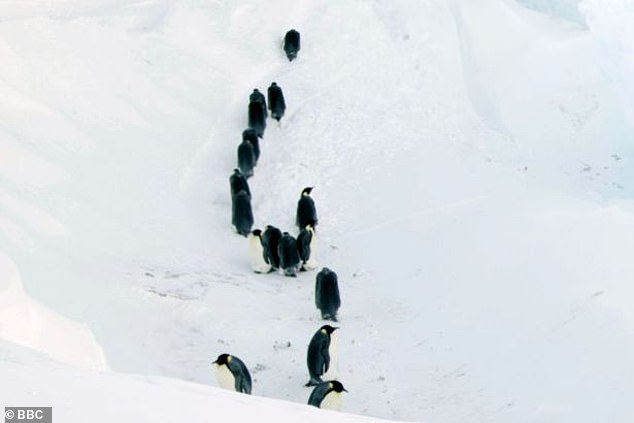
In 2018, while filming the BBC series Dynasties in Antarctica, the crew encountered a heartbreaking situation: dozens of newly hatched emperor penguin chicks were trapped in a deep icy ravine. After a severe storm, the chicks were unable to climb the steep walls of their frozen trap. Left alone, they faced almost certain death from exposure or starvation.
For wildlife filmmakers, interfering in natural processes is almost sacred. The golden rule is clear: observe, but never intervene, no matter how emotionally wrenching the scene. Yet, in this exceptional moment, the team made a difficult decision, one that prioritized empathy over protocol.
Using snow shovels and ice blocks, the filmmakers created a makeshift ramp, allowing the chicks to climb out on their own. They ensured there was no direct handling, respecting the animals while still giving them a chance to survive. One by one, the vulnerable chicks made their way back to the colony, rejoining their parents and continuing the struggle for life.
The BBC later recognized the intervention as extraordinary, a rare exception justified by circumstance and conscience. The act sparked international discussion about the ethics of wildlife filmmaking: when should humans step in, and when should nature take its course? For many, the answer was clear, compassion sometimes outweighs rigid rules.
This moment remains unforgettable. In one of the harshest and most unforgiving environments on Earth, the BBC crew demonstrated that empathy can shape outcomes. Their careful, thoughtful intervention not only saved lives but also reminded the world that even in extreme conditions, humanity has the power to make a difference.



Leave a Comment