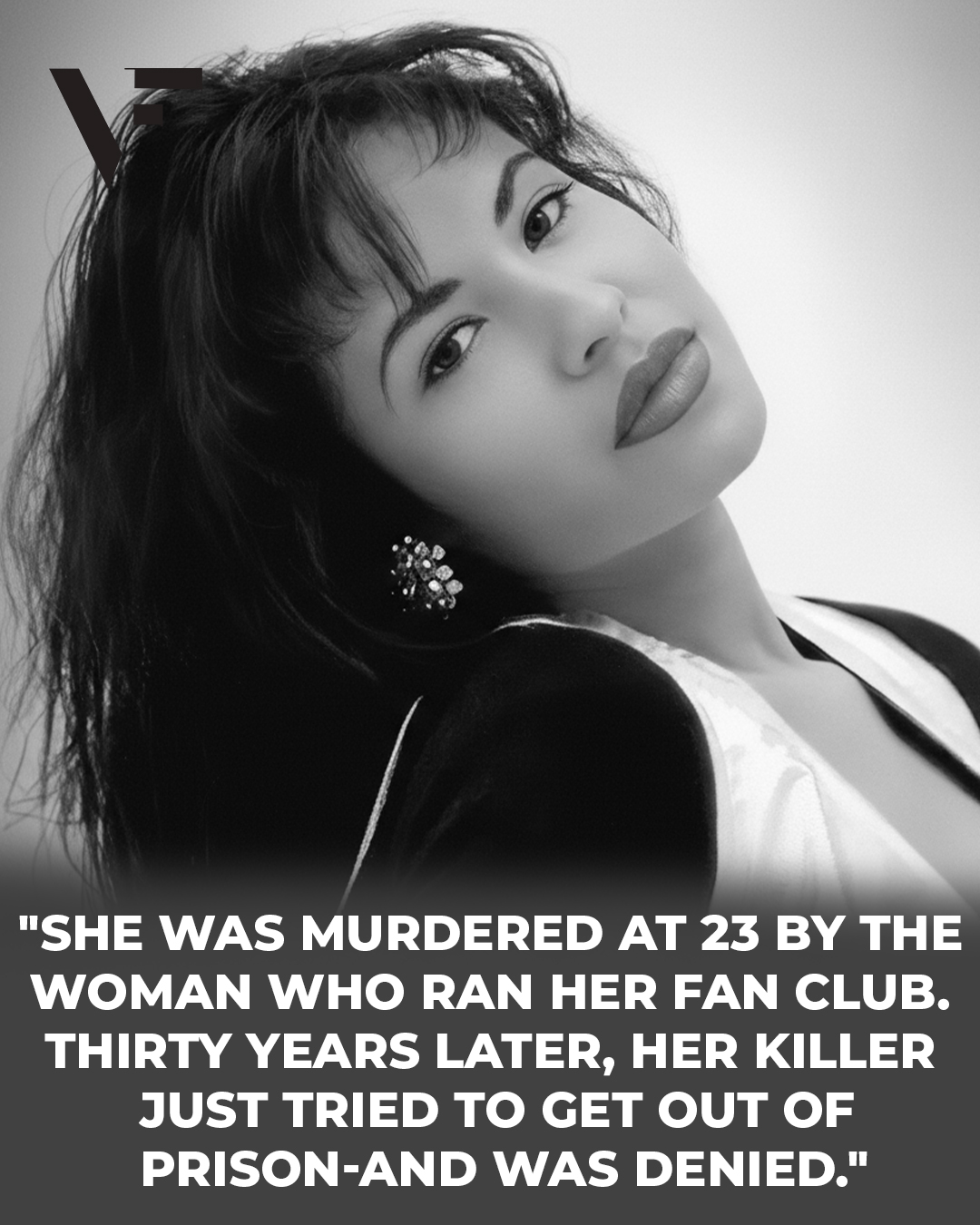

On March 31, 1995, in Corpus Christi, Texas, 23-year-old Selena Quintanilla-Pérez walked into a motel room to confront a trusted friend about missing money. Minutes later, she was shot in the back. Bleeding, she ran through the lobby and named her attacker before collapsing. Selena had just won a Grammy and was preparing to release her first English-language album. Her killer, Yolanda Saldívar, was sentenced to life in prison. Thirty years later, a bid for parole was denied. Selena’s death shook the music world, but her voice and influence continue to echo far beyond that motel room.
desc ;
On the morning of March 31, 1995, Selena Quintanilla-Pérez arrived at a Days Inn motel in Corpus Christi. She intended to retrieve financial records from Yolanda Saldívar, who had managed her fan club and boutiques. Questions had emerged about missing funds. The meeting was meant to settle the matter.
Inside room 158, Saldívar shot Selena in the back with a .38 caliber revolver. Wounded, Selena fled the room and crossed the parking lot toward the motel lobby. She collapsed near the front desk and identified her attacker before losing consciousness. She was transported to a nearby hospital and pronounced dead at 1:05 p.m. from blood loss.
Outside, Saldívar remained in her pickup truck for hours, threatening suicide before surrendering to police. She was charged with first degree murder. The trial, relocated to Houston because of intense media attention, focused on whether the shooting had been intentional or accidental. Prosecutors argued that Saldívar shot Selena after being confronted about embezzlement. The defense claimed the weapon discharged unintentionally. On October 23, 1995, a jury found Saldívar guilty. She received a life sentence with eligibility for parole after thirty years.
Selena’s death reverberated far beyond Texas. Born in 1971, she had grown up performing with her family’s band, Selena y Los Dinos, under the guidance of her father, Abraham Quintanilla Jr.. She became one of the most prominent figures in Tejano music, a genre rooted in Mexican American communities of South Texas.
In 1994, she won a Grammy Award for Best Mexican American Album, marking a milestone for the genre. At the time of her death, she was recording Dreaming of You, her first English language crossover project. The album was released posthumously and debuted at number one on the Billboard 200 chart. It expanded her audience nationwide and internationally.
For many Mexican Americans, Selena represented visibility in an industry that rarely centered bilingual or bicultural artists. Her music blended Spanish and English, regional styles and contemporary pop. Her public image combined glamour with accessibility, strengthening her connection to fans.
After her death, memorials formed across Texas and beyond. Vigils drew thousands. Her image became part of public art, and her recordings continued to sell in large numbers. In 1997, a biographical film titled Selena introduced her story to new audiences, further solidifying her cultural legacy.
In 2025, as Saldívar reached parole eligibility, attention returned to the case. The parole board denied release, citing the severity of the crime. The decision underscored that the legal consequences of the 1995 shooting remain ongoing.
Selena was twenty three when she died. Her career was ascending, and her influence on Latin music and representation was still developing. The motel room in Corpus Christi marked the abrupt end of that trajectory. Yet her recordings, performances, and cultural significance endured. Her life and death continue to shape conversations about fandom, trust, and the vulnerabilities that can accompany sudden fame.


Leave a Comment