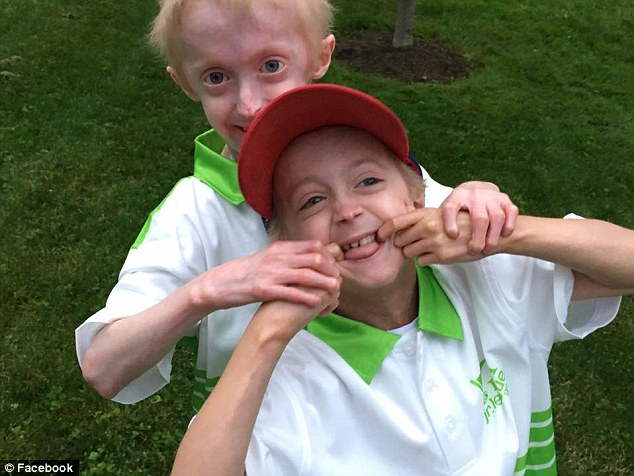

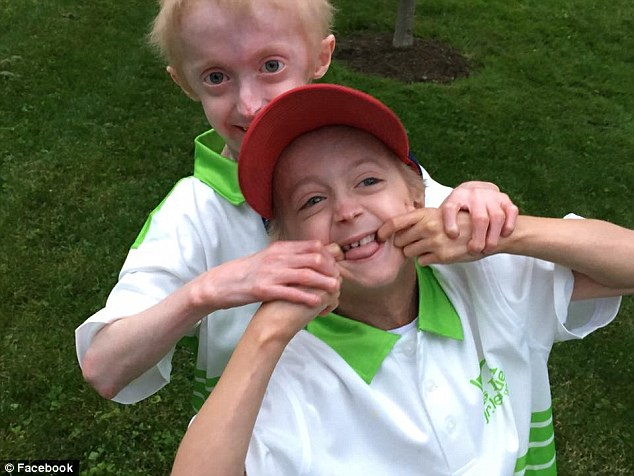
Nathan and Bennett Falcone are two young brothers living in the U.S. who face a rare and devastating genetic disorder: progeria, a condition that causes children to age at an accelerated rate. Both boys have a particularly rare form called mandibular dysostosis type B, which affects their lower jaws, fingers, and skin. Despite the serious physical challenges, including joint stiffness and other age-related symptoms typically seen in older adults, Nathan and Bennett approach life with remarkable energy, humor, and resilience, showing that courage and spirit can outshine the physical toll of the disease.
Their mother, Phyllis Falcone, has dedicated herself to raising awareness and advocating for research into progeria. She has spoken openly about the heartbreak of knowing children with this condition often die prematurely from heart attacks or strokes, illnesses linked to accelerated aging. Yet she remains committed to finding a cure, ensuring that Nathan and Bennett, and children like them, can live longer, healthier lives. Progeria is extremely rare, and children diagnosed with it typically have a life expectancy of just 13 to 20 years, experiencing age-related conditions such as arthritis, heart disease, and cognitive decline well before their peers. Nathan, however, continues to defy expectations, remaining healthy and active beyond the typical prognosis, offering hope to other families affected by this disorder.
Another young child, Zoey Penny, born in 2010 in New Jersey, is considered the youngest known person diagnosed with progeria. At first, she appeared to develop normally, but by five months old, her parents noticed she wasn’t gaining weight. By the age of three, Zoey’s physical appearance and mobility began to change dramatically, resembling an elderly child with stiff limbs and frail skin. Alongside these visible signs, she faced serious health complications, including blood clots, joint pain, and early-onset arthritis, illnesses most children her age never encounter.
Despite these challenges, Zoey remains spirited, joyful, and full of life. Her parents describe her as sweet, energetic, and resilient, her smile shining brightly even as her body bears the effects of accelerated aging. Families like the Falcones and the Pennys continue to fight not only for their children’s lives but also for awareness and research, determined that one day children with progeria will have hope for a full, healthy life. Their stories are a reminder of courage, love, and the urgent need to support medical research for rare and life-threatening conditions.
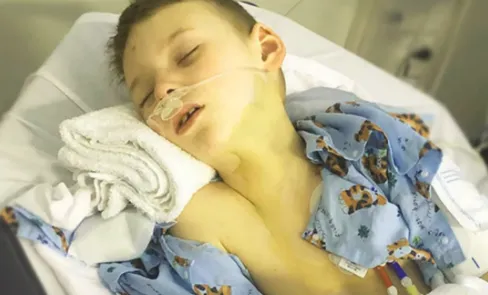
Tymek’s life began like that of any other child filled with laughter, curiosity, and promise. But as he grew, his parents began to notice worrying symptoms that could not be ignored. After numerous tests and consultations with specialists, Tymek was diagnosed with a rare and devastating condition that causes his body to absorb toxins, which attack his brain and vital organs. On top of this, an autoimmune disease is slowly destroying his nervous system, adding another layer of complexity and urgency to his fragile health.
Living with this condition is a daily battle. Tymek suffers severe seizures, ongoing pain, and a vulnerability to organ and nerve damage. Without treatment, the damage is not only relentless but often irreversible, making each day a race against time. For Tymek and his family, the stakes could not be higher.
After exhaustive research and consultations, his parents learned about immunoglobulin infusions, a potentially lifesaving therapy. This treatment works by introducing healthy antibodies into the body to replace those that are missing, strengthening the immune system and helping to combat both the toxins and autoimmune damage wreaking havoc on Tymek’s body. For children with conditions like Tymek’s, this therapy can be a game-changer, offering hope for a longer, healthier life and the chance to experience milestones that most children take for granted.
However, the treatment comes with a significant financial burden. Although the therapy is now available in Poland, the cost of each infusion is staggering. Tymek’s family faces the heartbreaking reality that even if the therapy could save his life, they may not be able to afford it long-term. Each infusion is essential, and missing even a single treatment could have devastating consequences.
Despite these obstacles, Tymek’s parents remain unwavering in their determination to secure the care their son desperately needs. They have reached out to charitable organizations, friends, and even strangers for support, determined that no obstacle, financial or otherwise, will stand in the way of their son’s chance to fight this disease.
Through it all, Tymek himself continues to inspire. Despite the physical toll of both the illness and the therapy, his spirit remains unbroken. Every infusion brings a small victory, a little more strength, and a renewed sense of hope. His courage and resilience shine through, reminding those around him that even in the face of a rare and devastating condition, the human spirit can persevere. Tymek’s story is a testament to the power of hope, the relentless dedication of his family, and the difference that lifesaving treatments can make for children battling rare diseases.
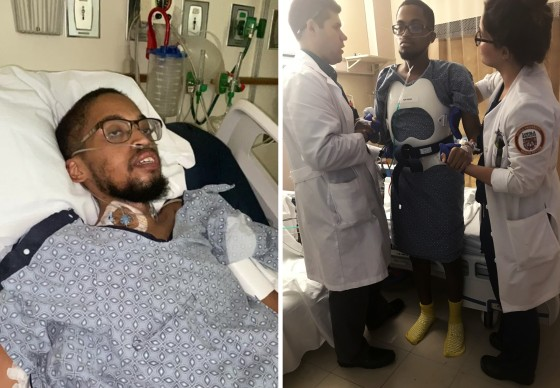
Devin Buckley, a vibrant and healthy 18-year-old, began experiencing alarming symptoms that disrupted his life. He felt dizzy whenever he stepped into the bathroom, rapidly lost weight, and endured severe fatigue and digestive issues. Despite seeking medical help, doctors at the University of Arizona in Tucson were unable to pinpoint the cause. As his condition worsened, Devin became frustrated by the uncertainty and fear of what might be happening to his body.
A turning point came during a visit home to Chicago over spring break, where further testing finally revealed a shocking diagnosis: Valley Fever. Initially, his doctors suspected cancer, making the diagnosis even more frightening. Devin recalls the moment vividly: “I was stunned to learn that I was battling such a serious illness. At first, the doctors thought I had cancer, and it was such a serious thought that it scared me.”
Valley Fever is a rare fungal infection caused by inhaling spores of the Coccidioides fungus, which thrives in arid, dusty regions. The spores can be released into the air through construction, wind, or even human activity. Once inhaled, they can cause infection ranging from mild flu-like symptoms to severe, life-threatening illness. Though historically concentrated in areas like Arizona and California, research suggests climate change is enabling the fungus to spread northward, potentially reaching as far as the Canadian border by the end of the century.
Despite being increasingly prevalent, Valley Fever remains under-recognized. In 2019, about 20,000 cases were reported in the U.S., though experts believe the actual number is much higher, as many cases are misdiagnosed or go undetected. Its symptoms are often mistaken for common respiratory infections, including fatigue, cough, fever, shortness of breath, and muscle aches, which makes early detection challenging.
For a small percentage of patients 5 to 10% the disease can become severe, leading to chronic lung damage, ongoing respiratory issues, and the need for long-term medical care. Devin’s case was serious enough that he required extensive monitoring and treatment. The path to recovery from Valley Fever is often long and difficult, involving months or even years of antifungal medication. Treatment can also carry harsh side effects such as hair loss, cracked lips, and dry skin.
Devin’s journey highlights the hidden dangers of Valley Fever and the urgent need for awareness about this expanding fungal threat. For patients and families facing the disease, timely diagnosis and consistent care can make all the difference. Devin’s story serves as both a cautionary tale and an inspiration, demonstrating the resilience required to face a little-known but potentially serious illness, and reminding the public that even rare diseases can have widespread impacts.
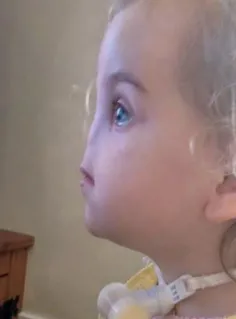
Tessa’s story began in 2013 with an extraordinarily rare condition that left her without a nose, a difference shared by only a handful of people worldwide. From the moment she entered the world, it was clear that Tessa possessed a remarkable spirit, one that would guide her through a life full of challenges and triumphs. Her birth brought many uncertainties, and no one could predict the path she would take. Yet Tessa faced each day with courage, resilience, and a boundless curiosity about the world around her.
Despite her physical difference, Tessa quickly showed that she was no stranger to strength. She breathes, laughs, speaks, and plays with the same energy and enthusiasm as any other child her age. Her condition has never limited her; instead, it has highlighted her determination and spirit. Tessa’s family has been instrumental in nurturing this mindset, choosing from the very beginning to raise her openly and confidently. They decided not to hide her difference or rush any changes, allowing her to grow at her own pace. This unwavering support created a foundation where Tessa could thrive without fear or shame.
As she grew, Tessa learned to view her uniqueness not as a burden but as a defining and beautiful part of who she is. Her family emphasized confidence, honesty, and openness, teaching her to embrace her individuality and to be proud of her difference. This approach allowed Tessa to experience life fully, exploring the world with curiosity and joy. She laughed freely, approached new experiences fearlessly, and engaged with the world on her own terms, demonstrating that beauty and strength come from living authentically.
Tessa’s journey has had an impact far beyond her own life. Through her courage and resilience, she has inspired her family and others to see beyond physical appearances and to value people for who they truly are. Her story encourages compassion, understanding, and a celebration of individuality. Tessa exemplifies that confidence and openness can change perspectives, challenging societal notions of beauty and normalcy.
One of the most important lessons Tessa and her family have shared is the power of openness. By embracing her difference rather than hiding it, Tessa has gained self-confidence and, in turn, taught those around her to see people for their true worth, beautiful, unique, and valuable. Her life is a testament to the strength of the human spirit and the importance of celebrating individuality, showing that living unapologetically and authentically is the truest form of beauty.
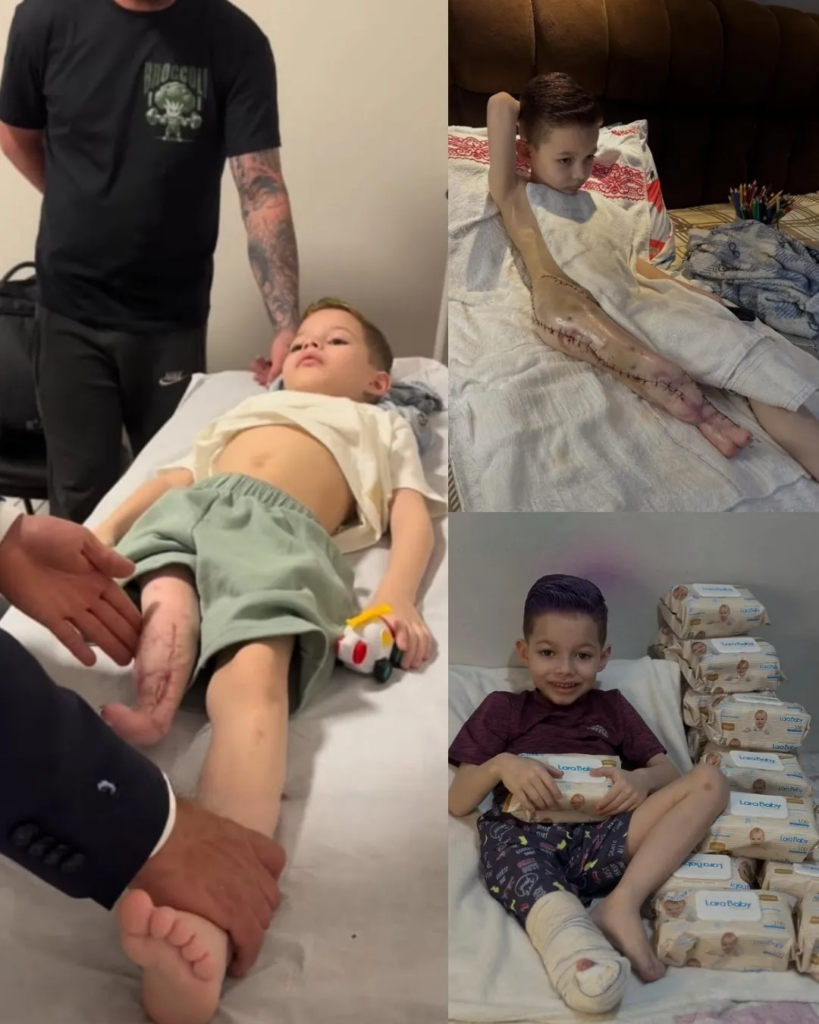
Mateus’ journey began with a rare condition affecting his legs. Born with one leg shorter than the other, he was diagnosed with a condition so uncommon that it affects only one in a million children. From the beginning, Mateus refused to see himself as broken. Instead, he viewed his life as a process of rebuilding, tackling every challenge with determination and optimism.
Growing up with a noticeable difference, Mateus faced obstacles that tested both his physical and mental strength. Yet, he approached these challenges as opportunities for growth. He refused to let his condition define him or limit his potential, focusing instead on what he could achieve with patience and perseverance.
Early on, Mateus and his family decided to pursue treatment. After consulting with medical professionals, they opted for bone-lengthening surgery, a procedure that gradually corrects the difference in leg length. The surgery is complex and often painful, but Mateus embraced it as a chance to reclaim control over his life.
The first surgery marked a turning point. The process required slowly turning a screw over time to elongate the bone, a procedure demanding patience, precision, and resilience. Each turn became a small victory, a tangible sign of progress, and a reminder of Mateus’ determination. As his leg gradually lengthened, he began to see it not merely as a limb but as a symbol of strength. He affectionately called it “the strong one,” recognizing the courage it represented and the journey he had endured.
Through perseverance and countless hours of recovery, Mateus gained over 10 centimeters in leg length after two surgeries. Every small milestone reinforced his belief in himself and the power of persistence. While the road to full recovery remained long, he faced each challenge with unwavering courage and optimism.
For Mateus, the ultimate dream was to run freely. Running symbolized more than mobility; it represented freedom, triumph over adversity, and the ability to define his life on his own terms. Every step he took was both a physical and emotional victory, a testament to the strength he had cultivated through years of hard work and determination.
Rehabilitation was a slow, demanding process, requiring both physical endurance and mental fortitude. Yet Mateus never wavered. He learned not only to walk again but to embrace life with renewed purpose, refusing to be defined by limitations. His story is a powerful reminder of the strength of the human spirit, the value of perseverance, and the incredible impact of courage in the face of adversity. Mateus’ journey stands as a testament to the resilience of the human body and soul, inspiring others to face their challenges head-on with hope and determination.
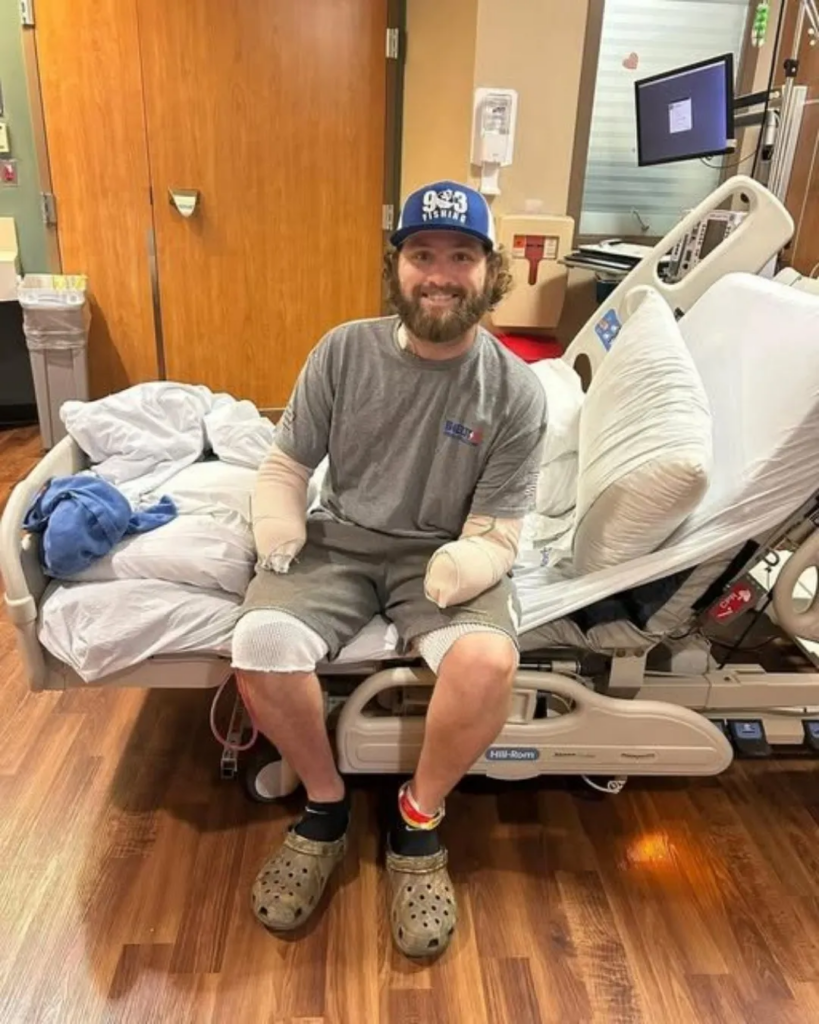
Dakota Hutson’s life was once defined by strength, routine, and family. As a lineman, he climbed poles, worked with his hands, and provided for his loved ones with pride and dedication. Every day followed a rhythm he knew well, until one fateful moment changed everything.
The accident was sudden and devastating; a 7,000-volt electrical surge tore through Dakota’s body in an instant. The force was catastrophic, leaving him with life-threatening burns, ruptured arteries, and extensive tissue damage. Doctors fought relentlessly for more than a month to stabilize him, battling infection and shock as his family prayed for survival.
While the physical trauma was immense, the emotional toll weighed just as heavily. Dakota’s deepest fear wasn’t the pain or rehabilitation, it was the thought of never holding his five sons again. That fear became the invisible wound he carried alongside his visible injuries.
Ultimately, the medical reality was unthinkable: to save his life, he lost most of both arms. For most people, such a loss would be overwhelming. Yet even in this darkest moment, Dakota’s spirit refused to break.
The fitting of prosthetic arms marked a turning point not just medically, but symbolically. Learning to use them was difficult, yet every small success became a reminder that strength is not just physical. Each milestone, whether holding a spoon or hugging his children, represented resilience, determination, and a refusal to let adversity define him.
The accident also reshaped Dakota’s priorities. No longer missing days at work, he now spent evenings at home, cherishing meals, laughter, and moments with his family. The tragedy brought him closer to the people he loved most, revealing the true measure of life: connection, presence, and love.
His wife and five sons became not just his support system but his reason to push forward. Holding them literally with prosthetics and figuratively in his heart became a daily affirmation of life’s value. Through therapy, recovery, and adaptation, Dakota discovered a remarkable capacity for humor. He even joked about everyday adventures, like shooting a snake on a trip, using laughter as a tool to endure pain and inspire those around him.
Dakota Hutson’s journey is a story of courage, resilience, and love. It is a testament to the human spirit’s ability to adapt, to find strength beyond the physical, and to embrace life despite unimaginable hardship. His story reminds us that adversity may change our bodies, but it cannot diminish our hearts, our love, or the joy we find in family, laughter, and the everyday moments that make life meaningful.
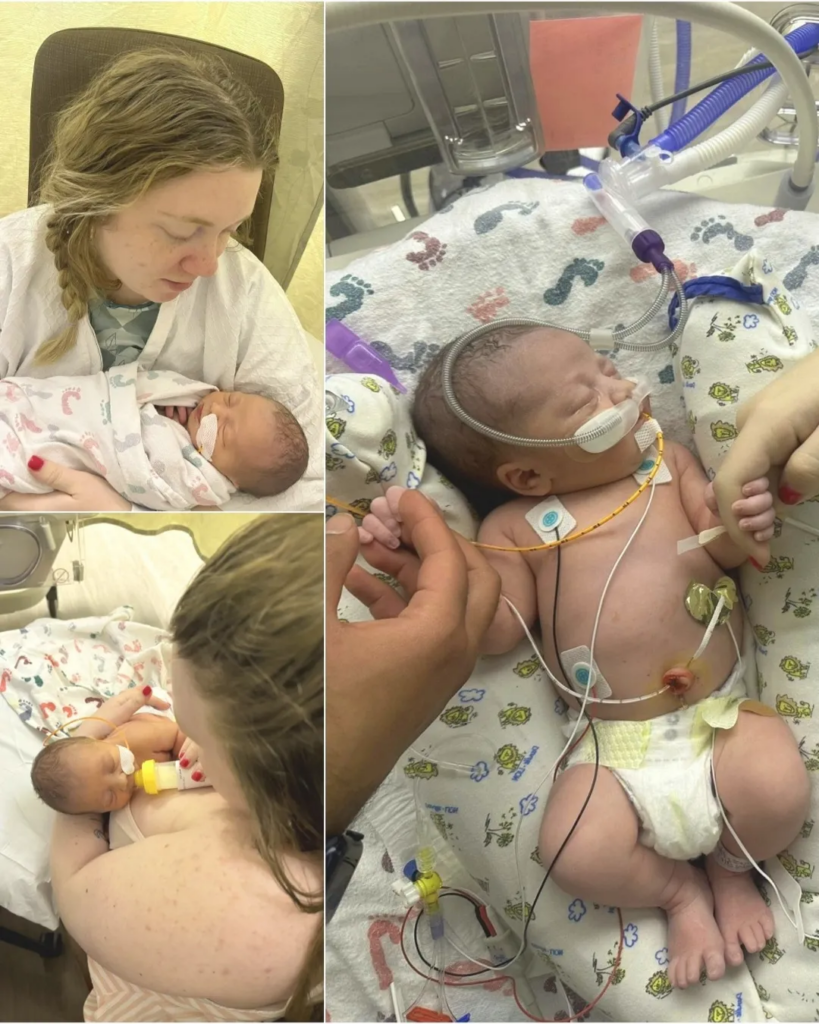
Mallory’s journey began with fragility and uncertainty. Born at just 36 weeks, weighing only six pounds, she faced the challenges common to many premature infants: difficulties with breathing, feeding, and regulating her tiny body. From the moment she entered the world, however, there was a spark in her that refused to be dimmed. Her early days were filled with medical interventions, constant monitoring, and the delicate fight for survival, yet her spirit shone through every challenge.
The first few days in the NICU were intense. Mallory’s parents watched anxiously as machines beeped and alarms signaled her fragile condition. Her body struggled to regulate temperature and her feeding tube was a constant reminder of how delicate she was. Each day was a rollercoaster of emotions: hope mingled with fear, joy with anxiety. For Mallory’s family, every breath she took was a victory, and every milestone, no matter how small, was celebrated like a triumph.
As weeks passed, Mallory’s progress became evident. She began breathing more steadily, her feeding improved, and she started gaining weight. Each tiny step forward was monumental not just for Mallory, but for her parents who had endured the tension and heartbreak of watching their daughter fight for life. The medical team became a source of hope and strength, cheering on every improvement and providing guidance and reassurance through the challenges.
By the time she reached three months old, Mallory had grown stronger and more vibrant. The early struggles were gradually replaced with laughter, coos, and the simple joys of infant life. Every smile, every grasp of her parents’ hands, every little sound she made became a moment of celebration. These milestones symbolized more than growth; they represented the resilience of a tiny warrior and the unwavering love of a family that refused to give up.
For Mallory’s mother, the journey was a lesson in patience, love, and determination. Hours were spent by her daughter’s side, talking to her, comforting her, and praying for the day they could finally bring her home. The NICU taught her the profound meaning of resilience, as she witnessed the strength of a child determined to survive.
Throughout this journey, the support of the NICU staff proved invaluable. Doctors, nurses, and specialists became extended family, offering both medical care and emotional guidance. Their tireless dedication and encouragement helped Mallory’s parents navigate the uncertainty, making the darkest moments a little brighter. Their presence reminded the family that even in the most difficult circumstances, love, hope, and support can carry a family through.
Mallory’s story is one of courage, perseverance, and the power of support. It is a testament to the resilience of the tiniest fighters and the families who never give up, proving that even the smallest lives can have the biggest impact.
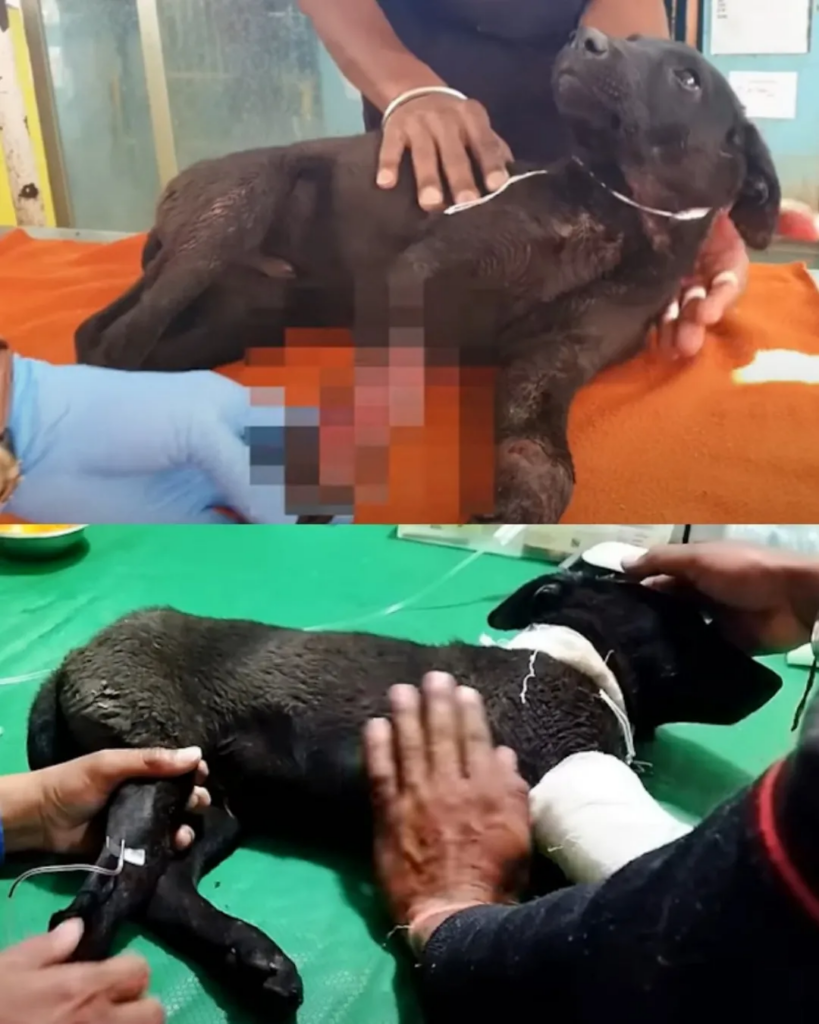
Joey’s journey began with tragedy, but it quickly became a story of resilience and hope. When the team at Animal Aid first encountered Joey, it was clear that this puppy had endured unimaginable pain. Injured and vulnerable, he was in urgent need of expert care. Without hesitation, the Animal Aid team took him in, determined to do everything possible to give Joey a second chance at life.
Upon arrival at the clinic, the veterinary team conducted a thorough examination. The assessment revealed a devastating truth: Joey’s front leg was irreparably damaged. Every possible treatment was considered, but ultimately, amputation was the only way to relieve his suffering and give him a chance to thrive. The decision weighed heavily on the team, but their focus remained on Joey’s well-being.
The surgery was performed promptly, and when Joey awoke, there was a visible spark of life in his eyes a hint of the courage and determination that would define his recovery. However, the challenges were far from over. His remaining front leg was in poor condition and unable to bear weight, threatening his mobility and complicating the road ahead. Despite the overwhelming odds, Joey’s spirit remained unbroken, inspiring everyone around him.
After careful deliberation, the veterinary team opted for a second, complex surgery. The procedure carried risks, but it was a critical step in ensuring Joey could regain function and live a better life. Against the odds, Joey emerged from the surgery stable, with his fighting spirit fully intact. His determination and resilience were evident in every movement, even as he began adjusting to life with only his two back legs.
Adapting to his new circumstances, Joey learned to move with surprising agility and speed. He embraced life fully, proving that physical limitations could not dampen his energy or joy. The once-injured puppy became a source of inspiration at the shelter, brightening the days of staff and visitors alike. His playful antics, wagging tail, and infectious enthusiasm reminded everyone that courage and hope can overcome even the most daunting challenges.
Joey’s story is a testament to the power of compassion, expert care, and the indomitable spirit of a little puppy who refused to give up. From the brink of despair to a life filled with joy, Joey continues to thrive, showing that resilience and love can triumph over adversity. His journey inspires hope not only for animals in need but for anyone facing seemingly insurmountable obstacles, proving that determination and care can create miracles.
Leave a Comment