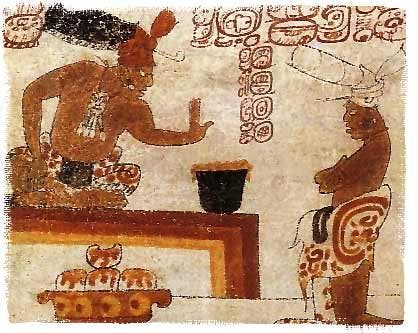

1:In ancient civilizations, cacao beans were widely used as a form of currency
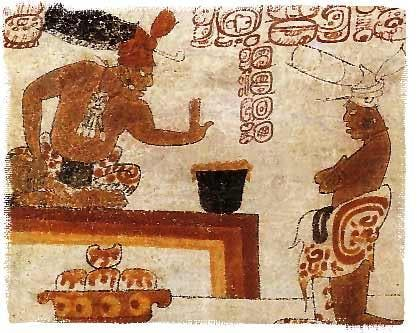
Long before chocolate became a sweet treat, cacao beans were one of the most valuable commodities in the ancient world. In several Mesoamerican civilizations, cacao functioned not only as food and ritual offering, but as a widely accepted form of currency—used in everyday transactions, long-distance trade, and even taxation.
Civilizations such as the Maya and later the Aztecs cultivated cacao trees in tropical regions where the climate allowed them to thrive. Because cacao could not be grown everywhere, the beans were scarce in many areas, instantly giving them value. Their portability, durability when dried, and relative uniformity made them ideal for use as money.
Historical records and archaeological evidence show that cacao beans were used to buy common goods and services. A small number of beans could purchase food items like tomatoes or chilies, while larger amounts were used to acquire clothing, tools, or even pay laborers. In Aztec society, cacao beans were so standardized that prices for goods were often listed in exact bean quantities.
Beyond commerce, cacao held deep cultural and spiritual significance. It was closely associated with the elite, religious ceremonies, and the gods themselves. Cacao-based drinks were consumed during rituals, royal gatherings, and important social events. Because of this symbolic importance, using cacao as currency also reinforced its perceived worth.
The value of cacao was tightly controlled. In some societies, common people could use cacao beans for trade, but consuming cacao drinks was reserved for nobility, warriors, and priests. This dual role both sacred and practical made cacao unlike any modern form of money.
Cacao beans were also used to pay tribute and taxes. Conquered regions were often required to send vast quantities of cacao beans to ruling powers, particularly during the height of the Aztec Empire. Records indicate that millions of beans were collected annually as tribute, stored in royal warehouses, and redistributed as payment or ceremonial offerings.
The system was not without challenges. Counterfeit cacao beans existed, with fraudsters reportedly hollowing out shells and filling them with dirt or wax. This suggests just how valuable cacao had become—valuable enough to inspire crime. Authorities responded by inspecting beans and regulating trade more closely.
The arrival of European colonizers in the 16th century eventually disrupted cacao’s role as currency. The Spanish introduced metal coins and new economic systems, gradually replacing cacao beans as money. However, cacao’s importance did not disappear, it was transformed. Europeans developed a taste for cacao drinks, sweetened them with sugar, and spread chocolate across the world.
Today, chocolate is a global industry worth billions, but its origins as money are often forgotten. The fact that cacao once functioned as currency highlights how economic systems are shaped by environment, culture, and belief. What we now see as a luxury dessert was once a foundation of trade, power, and survival.
Cacao beans remind us that money is not defined by material alone, but by shared trust and value. In ancient Mesoamerica, chocolate wasn’t just enjoyed, it was worth its weight in wealth.
Source:Smithsonian National Museum of Asian Art – Mesoamerican cacao history
2:Two cases confirmed. Fatality rate of 40% to 75%. India confirms Nipah virus cases in West Bengal, triggering heightened health alerts across Asia.
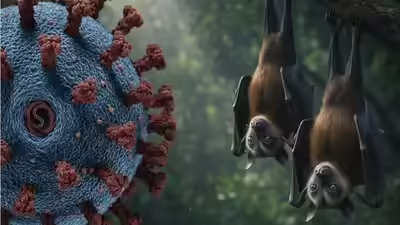
India has confirmed two cases of the Nipah virus in West Bengal, triggering heightened health surveillance and renewed concern across Asia. Known for its extreme lethality and lack of a definitive cure, the Nipah virus has one of the highest fatality rates among infectious diseases, ranging from 40% to as high as 75% in past outbreaks.
The confirmation has prompted Indian health authorities to activate emergency response protocols, including contact tracing, isolation measures, and public advisories. Hospitals in affected regions have been placed on alert, and surveillance has been expanded to detect potential additional cases early. Neighboring countries and regional health agencies are also monitoring the situation closely due to the virus’s history of cross-border concern.
Nipah virus is a zoonotic disease, meaning it spreads from animals to humans. Fruit bats—particularly those of the Pteropus genus—are the natural reservoir. Human infections can occur through direct contact with infected bats, consumption of contaminated food such as raw date palm sap, or via close contact with infected individuals. Human-to-human transmission, especially in healthcare and household settings, has been documented in previous outbreaks.
Once infected, patients may initially experience flu-like symptoms including fever, headache, muscle pain, and vomiting. In severe cases, the virus rapidly progresses to acute respiratory distress and encephalitis (inflammation of the brain), often leading to coma or death within days. Survivors may suffer long-term neurological complications.
What makes Nipah particularly alarming is the absence of a specific antiviral treatment or widely available vaccine. Medical care is largely supportive, focusing on managing symptoms and preventing complications. This reality places enormous pressure on early detection, rapid isolation, and strict infection control as the primary defenses against outbreaks.
India has dealt with Nipah outbreaks before, most notably in the southern state of Kerala, where swift public health interventions helped contain the virus. Lessons from those responses—such as aggressive contact tracing, transparent public communication, and strict hospital protocols—are now being applied in West Bengal.
The confirmation of cases has also reignited regional anxiety because Nipah outbreaks have historically occurred in South and Southeast Asia, including Bangladesh and Malaysia. The virus’s ability to spread within communities and its high fatality rate make even a small number of cases a serious public health concern.
Global health experts have long classified Nipah virus as a priority pathogen due to its epidemic potential. The World Health Organization has repeatedly emphasized the need for research into vaccines, treatments, and improved surveillance, warning that future outbreaks could be more difficult to control if detection is delayed.
Authorities have urged the public to remain calm but vigilant, emphasizing that early reporting of symptoms, avoidance of exposure to bats or contaminated food, and adherence to health guidelines are crucial. Public awareness campaigns are being reinforced to reduce misinformation and panic while encouraging cooperation with health officials.
While only two cases have been confirmed so far, the response reflects the seriousness with which Nipah virus is treated worldwide. History has shown that swift action can prevent wider spread—but delays can be devastating. As monitoring continues, the situation in West Bengal serves as a stark reminder of how quickly high-risk pathogens can re-emerge.
Source:World Health Organization (WHO) – Nipah virus fact sheets and outbreak history
3:This rare caterpillar hides by wearing the remains of its prey as armor
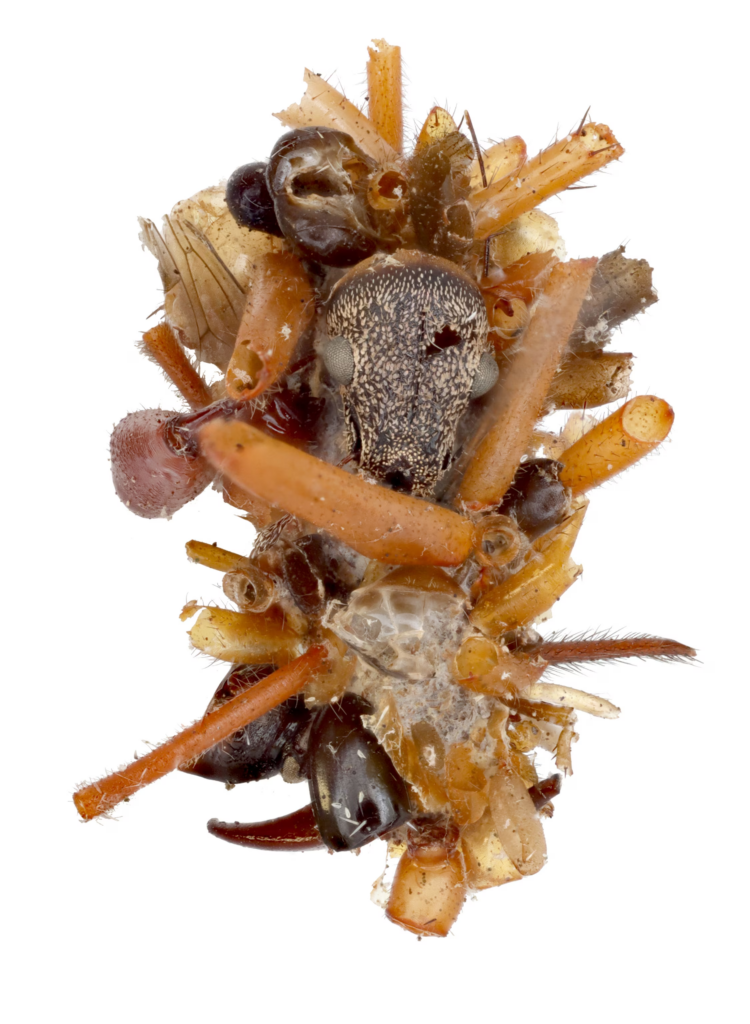
At first glance, it looks like a nightmare stitched together from insect parts. But this bizarre creature is not a work of imagination, it’s a real insect larva with one of the most extreme survival strategies found in nature. Often nicknamed the “trash bug,” this rare caterpillar-like larva hides from predators by wearing the remains of its prey as armor.
Scientifically known as a debris-carrying lacewing larva, this insect belongs to a group of predators that hunt small, soft-bodied insects such as aphids, ants, mites, and flies. Using sharp, hollow jaws, the larva pierces its prey and sucks out the body fluids. Instead of discarding what’s left, it does something extraordinary: it keeps the remains.
The larva has specialized hook-like hairs along its back, designed specifically to collect and hold debris. After feeding, it deliberately lifts the empty exoskeleton legs, wings, heads, and all and places it onto its body. Over time, these pieces accumulate into a dense, grotesque cloak made entirely of dead insects.
This armor is not random. The larva actively selects, positions, and maintains its disguise as it moves through leaves and branches. If parts fall off, it replaces them. As the larva grows, it adds more material, constantly updating its camouflage. The behavior is instinctive, precise, and highly effective.
The disguise serves multiple purposes. First, it provides camouflage. To predators like birds or larger insects, the larva appears to be nothing more than a clump of debris or leftovers from previous meals. Second, it offers chemical protection. Many of the insects it consumes release unpleasant odors or defensive chemicals, which can deter predators when worn on the larva’s body. Third, the physical bulk of the debris makes the larva harder to grab or swallow.
What makes this adaptation especially fascinating is the contrast between life stages. Once fully grown, the larva pupates and eventually transforms into an adult lacewing an elegant, delicate insect with translucent wings, often pale green in color. The transformation is so dramatic that it seems almost impossible that the two forms belong to the same species.
This strategy highlights how evolution doesn’t always favor beauty or simplicity sometimes it favors whatever works. In environments filled with predators, invisibility can be more valuable than speed or strength. By turning its victims into a shield, the larva effectively becomes invisible in plain sight.
Scientists consider this one of the clearest examples of active camouflage in insects. Unlike animals that simply blend into their surroundings, this larva builds its disguise from the ecosystem itself using death as protection for life.
It’s unsettling, ingenious, and incredibly effective. In the natural world, survival often belongs to those willing to become something unrecognizable and this rare caterpillar takes that principle to its most extreme conclusion.
Source:Entomological Society of America – Lacewing larva behavior
4:During sleep, you lose about 1 liter of water through exhaled moisture and sweat.

Sleep is often thought of as a time when the body shuts down and conserves energy, but in reality, many vital processes continue nonstop including water loss. During a typical night’s sleep, the human body loses roughly one liter of water, primarily through exhaled moisture and insensible sweating. This happens quietly and unnoticed, yet it plays a significant role in daily hydration balance.
One major contributor is respiration. Every breath you exhale carries water vapor from your lungs. Over the course of six to eight hours of sleep, that moisture adds up. The warmer and drier the surrounding air such as in air-conditioned or heated rooms the more water your body releases with each breath. This is why people often wake up with a dry mouth or throat.
Another contributor is insensible perspiration. Even when you’re not visibly sweating, your skin continuously loses small amounts of moisture. During sleep, especially under blankets or in warm environments, this water loss increases slightly. Unlike exercise-induced sweat, this process happens without triggering the body’s cooling mechanisms, making it easy to underestimate.
Your body continues regulating temperature, repairing tissues, processing waste, and maintaining organ function during sleep all of which require water. These processes don’t pause just because you’re unconscious. In fact, the brain remains highly active during sleep cycles, and hydration is essential for maintaining blood volume and nutrient transport throughout the night.
This overnight water loss is one reason many people wake up mildly dehydrated. Symptoms can include grogginess, headaches, dry lips, or darker urine in the morning. While these signs are usually mild, they highlight how important it is to replenish fluids after waking.
The amount of water lost during sleep can vary based on several factors. Room temperature, humidity, bedding materials, body size, metabolic rate, and even illness (such as fever) can increase fluid loss. Alcohol consumption before bed can also worsen dehydration, as alcohol suppresses antidiuretic hormone and promotes fluid loss.
Despite this, most people don’t need to drink water during the night unless they wake up thirsty. The body is efficient at managing short-term fluid balance. What matters more is ensuring adequate hydration before bed and replenishing fluids in the morning. A glass of water after waking can quickly restore balance and support alertness.
This nightly loss also explains why hydration recommendations emphasize total daily intake rather than just daytime consumption. Water balance is continuous, not limited to waking hours. Sleep is simply another phase where the body quietly expends resources to maintain itself.
Understanding overnight water loss reframes sleep as an active physiological state rather than passive rest. Even in stillness, the body is working and using water to do it.
Source:National Sleep Foundation – Sleep physiology and hydration
5:A single teaspoon of soil hosts more living organisms than the total human population on Earth.

Beneath the surface of the ground lies one of the most densely populated ecosystems on the planet. A single teaspoon of healthy soil can contain billions of living organisms often exceeding the total human population of Earth. This microscopic world includes bacteria, fungi, protozoa, nematodes, algae, arthropods, and countless other life forms working together in an intricate web of activity.
Soil is not just dirt. It is a living system. The vast majority of organisms within it are invisible to the naked eye, yet they perform essential functions that make life on Earth possible. Bacteria and fungi dominate in sheer numbers. Bacteria alone can number in the billions per teaspoon, forming the backbone of soil ecosystems. Fungi extend vast underground networks that transport nutrients, communicate chemical signals between plants, and stabilize soil structure.
These organisms are constantly at work decomposing organic matter such as fallen leaves, dead plants, and animal remains. Through this process, nutrients like nitrogen, phosphorus, and carbon are recycled back into forms that plants can absorb. Without soil microbes, nutrients would remain locked in waste material, and ecosystems would quickly collapse.
Protozoa and nematodes play a crucial regulatory role. They feed on bacteria and fungi, keeping populations balanced while releasing nutrients in plant-available forms. Larger soil organisms such as mites, springtails, ants, and earthworms create tunnels that improve aeration and water infiltration. Their movement physically reshapes the soil, enhancing its fertility and resilience.
This hidden biodiversity also acts as a natural defense system. Many soil organisms suppress plant diseases by outcompeting or consuming harmful pathogens. Others form symbiotic relationships with plant roots, boosting growth and resistance to stress. Mycorrhizal fungi, for example, attach to plant roots and dramatically increase their ability to absorb water and nutrients in exchange for sugars.
The staggering number of organisms in a teaspoon of soil highlights how life on Earth depends on systems we rarely notice. Human civilization relies on soil health for agriculture, clean water filtration, carbon storage, and climate regulation. Yet soil biodiversity is under threat worldwide due to pollution, deforestation, monoculture farming, overuse of chemicals, and land degradation.
When soil is damaged, it loses not only nutrients but also life. Degraded soil holds less water, supports fewer crops, and releases stored carbon into the atmosphere contributing to climate change. Protecting soil biodiversity is therefore not just an environmental concern; it is a matter of global food security and planetary stability.
The idea that more living beings exist in a spoonful of soil than there are people on Earth challenges how we think about life and scale. It reminds us that dominance is not measured by size or visibility, and that the most powerful systems sustaining life often operate silently beneath our feet.
Every step we take rests on a thriving, unseen civilization, one that has existed for hundreds of millions of years and continues to quietly support all terrestrial life.
Source:USDA Natural Resources Conservation Service – Soil biology and biodiversity
6:When you sneeze, droplets leave your mouth traveling as fast as 100 miles per hour.
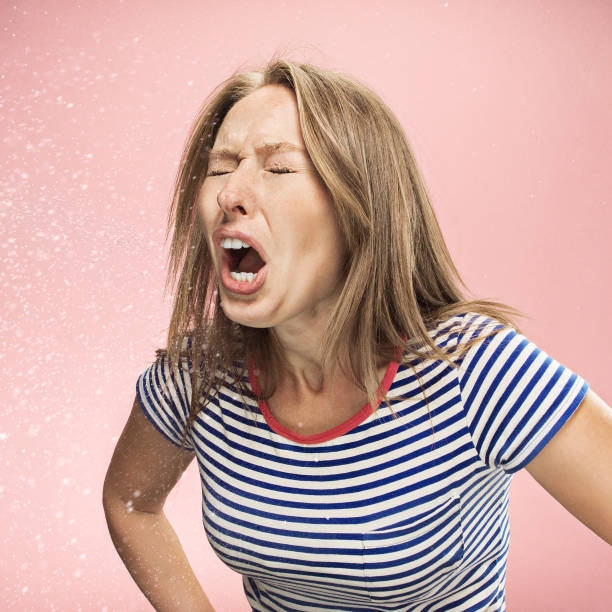
A sneeze may feel like a brief, harmless reflex, but scientifically, it is one of the most forceful actions the human body can produce. When you sneeze, tiny droplets of saliva and mucus can be expelled from your mouth and nose at speeds reaching up to 100 miles per hour, turning a simple bodily reaction into a powerful biological event.
Sneezing is a protective reflex designed to clear irritants such as dust, pollen, bacteria, or viruses from the nasal passages. When sensory nerves in the nose are stimulated, they send signals to the brainstem, which coordinates a rapid and complex response involving the lungs, diaphragm, chest muscles, throat, and facial muscles. The result is a sudden, explosive release of air.
That burst of air carries thousands of microscopic droplets. High-speed imaging studies have shown that these droplets vary in size, from larger visible particles that fall quickly to microscopic aerosols that can linger in the air for minutes. The fastest droplets, propelled by the intense pressure generated in the lungs, can reach speeds comparable to a strong windstorm.
The velocity of a sneeze explains why it is such an efficient method for spreading respiratory illnesses. At 100 miles per hour, droplets can travel several feet almost instantly, bypassing personal space before anyone has time to react. This is why sneezing without covering the mouth and nose is particularly risky in crowded or enclosed environments.
Not all sneezes are identical. The speed and distance of expelled droplets can vary depending on lung capacity, nasal structure, force of the sneeze, and whether the mouth is open or closed. However, even a relatively mild sneeze can generate significant airflow and particle spread.
This scientific understanding has shaped public health guidance. Covering sneezes with a tissue, elbow, or mask dramatically reduces the distance droplets can travel and limits how many particles become airborne. Masks are especially effective because they slow down airflow, trapping droplets before they can disperse at high velocity.
Interestingly, sneezes are faster than coughs, which typically expel air at around 50 miles per hour. Blinking is another rapid human reflex, but even it cannot match the speed or physical force of a sneeze. In terms of sheer airflow, sneezing ranks among the most explosive actions the body performs.
Modern research into sneeze dynamics gained increased attention during global respiratory disease outbreaks, when scientists used laser imaging and computational models to track droplet behavior. These studies reinforced the idea that infection control depends not only on distance, but also on ventilation, masking, and awareness of aerosol transmission.
Despite its power, sneezing is a sign that the body’s defenses are functioning as intended. It’s a reminder that even ordinary biological processes can carry extraordinary physical force and that something as simple as covering your mouth can make a measurable difference.
In a fraction of a second, a sneeze combines biology, physics, and public health traveling faster than most people ever imagine.
Source:Centers for Disease Control and Prevention (CDC) – Respiratory droplet transmission
7:The lowest temperature ever officially measured on Earth was-89.2°C, recorded at Vostok Station in Antarctica
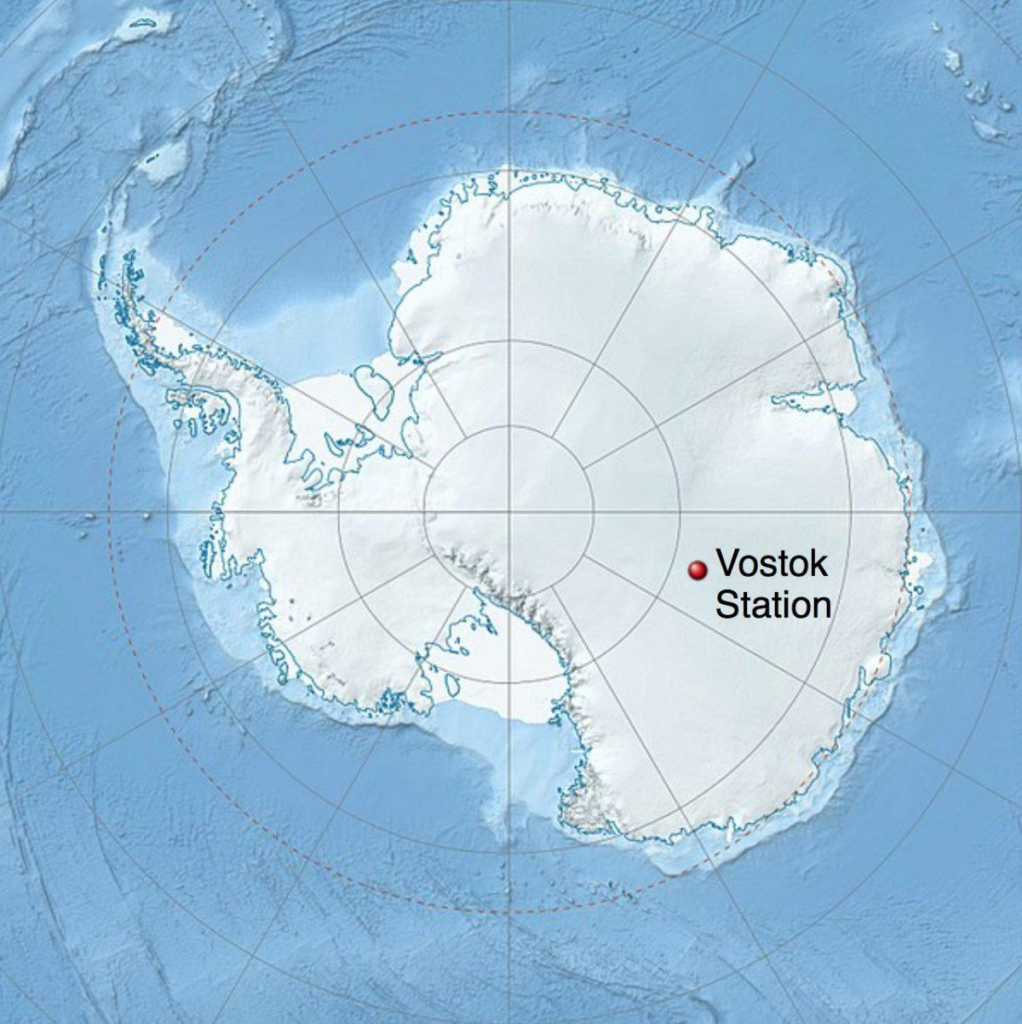
The coldest temperature ever officially measured on Earth was –89.2°C (–128.6°F), recorded on July 21, 1983, at Vostok Station in Antarctica. This record remains unmatched and stands as one of the most extreme environmental conditions ever documented on the planet.
Vostok Station is located deep within the Antarctic interior, more than 1,300 kilometers (800 miles) from the South Pole and far from the moderating influence of the ocean. Sitting at an elevation of over 3,400 meters (11,300 feet) above sea level, the station lies on the East Antarctic Ice Sheet, where thin, dry air and perpetual ice create ideal conditions for extreme cold.
Several factors combined to produce this historic temperature. Antarctica experiences months of complete darkness during winter, eliminating solar heating entirely. The ice-covered surface reflects nearly all incoming radiation, preventing heat absorption. High elevation further lowers temperatures, and calm atmospheric conditions allow cold air to settle rather than mix with warmer layers above.
At –89.2°C, exposed human skin can develop frostbite in seconds. Metal becomes brittle, fuel thickens, and even well-engineered machinery struggles to function. Breathing such cold air can damage lung tissue without protection. Survival in these conditions requires specialized gear, insulated structures, and strict safety protocols.
The temperature was recorded using calibrated ground-based thermometers, making it the coldest officially verified surface air temperature on Earth. While satellite data has since suggested that temperatures in Antarctica may have dipped even lower, possibly below –93°C—those readings measure surface skin temperature rather than air temperature and are therefore not considered official records.
Life at Vostok Station is among the harshest endured by humans. Researchers stationed there face isolation, months without sunlight, and temperatures that routinely fall below –60°C in winter. The station is also famous for its proximity to Lake Vostok, a massive subglacial lake buried beneath nearly 4 kilometers of ice, which has remained sealed off from the atmosphere for millions of years.
The record temperature highlights the extremes Earth is capable of, even as global average temperatures rise. It serves as a reminder that climate change does not eliminate cold extremes, but shifts overall patterns and increases volatility. Antarctica, despite its frigid reputation, is also one of the regions most sensitive to climate change, with warming trends affecting ice stability and global sea levels.
From a scientific perspective, the –89.2°C record helps researchers understand atmospheric physics, heat transfer, and the limits of human and mechanical endurance. It also provides valuable data for comparing Earth’s climate with other planets, such as Mars, where similarly extreme cold is common.
More than four decades later, the record still stands an enduring symbol of Earth’s most unforgiving environment. In the heart of Antarctica, at Vostok Station, nature reached a temperature so cold it defies everyday human experience, reminding us how vast and varied our planet truly is.
Source:World Meteorological Organization (WMO) – Official global temperature records
8:The liver is the only human organ that can fully regenerate from as little as 25% of its original tissue.
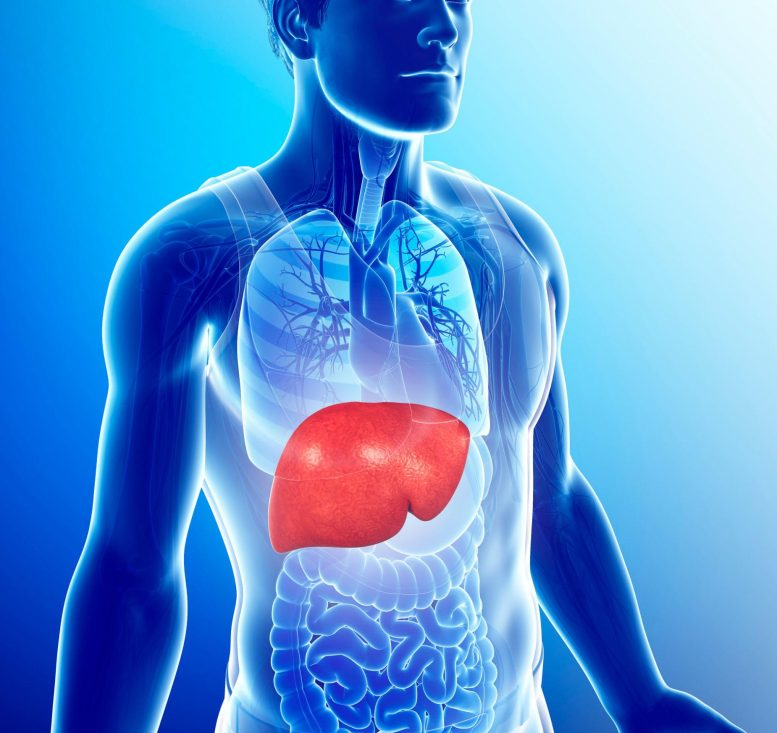
Among all human organs, the liver holds a remarkable distinction: it is the only one capable of fully regenerating after significant tissue loss. Even when as little as 25% of the liver remains, it can grow back to its original size and restore normal function. This extraordinary ability has fascinated scientists and physicians for centuries and continues to shape modern medicine.
Liver regeneration does not mean the liver grows back as a perfect replica of the missing section, like a lizard regrowing a tail. Instead, the remaining liver tissue rapidly multiplies its cells, increasing in mass until the organ reaches the size needed to meet the body’s metabolic demands. Once that balance is achieved, growth stops. The result is a fully functional liver, even if its shape differs slightly from before.
This regenerative power is possible because liver cells called hepatocytes retain a rare ability to re-enter the cell cycle and divide when needed. In most adult organs, cells are highly specialized and divide very slowly, if at all. The liver, however, remains biologically prepared for injury. When damage occurs, a complex cascade of growth factors, cytokines, and hormones signals hepatocytes to begin rapid division.
Regeneration begins within hours of injury or surgical removal and progresses quickly. In healthy individuals, liver mass can be restored within weeks. This capability is so reliable that it allows for living-donor liver transplants, where surgeons remove a portion of a donor’s liver and transplant it into a recipient. Both the donor’s remaining liver and the recipient’s transplanted portion regenerate to near-normal size over time.
Evolutionarily, this ability likely developed because the liver is essential for survival. It performs hundreds of vital functions, including detoxifying harmful substances, producing bile for digestion, regulating blood sugar, storing vitamins and minerals, and synthesizing proteins necessary for blood clotting. Because the liver is constantly exposed to toxins from food, alcohol, and the environment, its ability to recover from injury offers a major survival advantage.
However, liver regeneration is not limitless. Chronic damage such as long-term alcohol abuse, viral hepatitis, or fatty liver disease can overwhelm the liver’s repair mechanisms. When injury is continuous, normal tissue may be replaced by scar tissue, leading to cirrhosis. Once extensive scarring occurs, the liver’s regenerative capacity is severely impaired or lost altogether.
The liver’s regenerative properties have made it a central focus of medical research. Scientists are studying how liver regeneration works at the molecular level in hopes of applying similar mechanisms to other organs, such as the heart or kidneys, which lack strong regenerative abilities. Understanding these processes could revolutionize treatments for organ failure and injury.
This unique trait also highlights the importance of liver health. While the liver can recover from significant damage, it is not indestructible. Supporting liver function through balanced nutrition, limited alcohol consumption, vaccination against hepatitis viruses, and regular medical care helps preserve its remarkable capacity to heal.
The liver’s ability to regenerate from just a quarter of its original tissue stands as one of the most powerful examples of resilience in the human body, a reminder that some of our most vital systems are also our most adaptable.
Source:National Institute of Diabetes and Digestive and Kidney Diseases (NIDDK) – Liver regeneration research
1:Doomsday Clock ticks closer than ever to the brink of human extinction. as Al, climate change, and nuclear threats grow.

The Doomsday Clock, humanity’s most enduring symbol of existential risk, has moved closer than ever to the brink of human extinction. Maintained by the Bulletin of the Atomic Scientists, the clock reflects expert assessment of how near the world is to a man-made catastrophe. Today, it stands at its most perilous setting in history, signaling that global threats are intensifying rather than receding.
First introduced in 1947, the Doomsday Clock was created by scientists who worked on the Manhattan Project and later became deeply concerned about the dangers of nuclear weapons. Midnight represents global catastrophe. As the clock’s hands inch forward or backward, they reflect changes in global risk from nuclear war to emerging technologies and environmental collapse.
While nuclear weapons remain a central concern, the current warning is broader and more complex than ever before. Experts cite a dangerous convergence of risks: escalating nuclear tensions, accelerating climate change, and the rapid advancement of artificial intelligence without sufficient global governance.
Nuclear threats have returned to the forefront of global anxiety. Geopolitical instability, armed conflicts involving nuclear-armed states, and the erosion of arms control agreements have increased the risk of miscalculation or escalation. Even a limited nuclear exchange could have catastrophic humanitarian and environmental consequences, disrupting global food systems and threatening millions of lives.
Climate change is another major driver pushing the clock forward. Rising global temperatures, extreme weather events, sea-level rise, and ecosystem collapse are no longer future scenarios they are unfolding now. Scientists warn that insufficient action to reduce greenhouse gas emissions increases the likelihood of irreversible damage, amplifying social instability, migration crises, and conflict.
Adding to these long-standing dangers is the rapid rise of artificial intelligence. While AI holds enormous potential benefits, experts warn that unchecked development especially in military, surveillance, and misinformation applications could destabilize societies. The integration of AI into weapons systems, decision-making processes, and cyber warfare raises new ethical and safety concerns that global institutions are struggling to keep pace with.
What makes the current moment uniquely dangerous is not just the severity of individual threats, but how they interact. Climate-driven resource scarcity can fuel conflict. AI can accelerate misinformation and destabilize democracies. Nuclear tensions can escalate faster in a world shaped by rapid technological decision-making. Together, these forces compound risk in unpredictable ways.
The Bulletin emphasizes that the Doomsday Clock is not a prediction of inevitable doom, but a warning and a call to action. The clock can be turned back. Past improvements came from arms reduction treaties, scientific cooperation, and coordinated global responses. The same principle applies today: survival depends on collaboration, transparency, and leadership grounded in science.
Ultimately, the clock’s message is stark but clear. Humanity possesses unprecedented power to shape its future for better or worse. Whether the next movement of the hands brings us closer to midnight or further away depends on choices made now, at every level from governments to global institutions.
The Doomsday Clock is ticking. The question is whether the world will listen.
Source:Bulletin of the Atomic Scientists – Doomsday Clock statements and risk assessments
2:If the human eye were a camera, it would be about 576 megapixels.

Comparing the human eye to a camera is tempting, but the comparison reveals just how extraordinary human vision really is. If the eye worked like a digital camera sensor, scientists estimate its effective resolution would be around 576 megapixels far beyond the capabilities of most modern cameras.
This number doesn’t come from a literal pixel count, because the eye doesn’t function like a flat sensor. Instead, it reflects how much visual information the eye can capture and process under ideal conditions. The retina, located at the back of the eye, is packed with approximately 120 million rod cells and 6 million cone cells, which act as the eye’s light-detecting elements.
Rods are extremely sensitive to light and enable night vision and motion detection, while cones handle color and fine detail. The highest concentration of cones is found in a tiny central region of the retina called the fovea. This area is responsible for sharp, detailed vision similar to the center focus of a high-end camera lens.
Unlike a camera sensor that captures everything at the same resolution, the human eye has variable resolution. The fovea provides extremely high detail in a narrow field of view, while peripheral vision sacrifices sharpness for motion sensitivity and spatial awareness. This design allows humans to detect movement quickly while still perceiving fine detail where it matters most.
Another reason the eye outperforms cameras is the brain. Vision is not just about capturing light it’s about interpretation. The brain constantly stitches together information from rapid eye movements called saccades, creating a seamless, high-resolution perception of the world. In effect, your brain acts like a powerful image processor, enhancing clarity, correcting color, adjusting exposure, and filling in gaps automatically.
Cameras, by contrast, capture a single static frame at a fixed resolution. Even the most advanced cameras cannot dynamically refocus attention, adapt to lighting in real time as efficiently, or combine multiple micro-movements into a coherent visual experience the way the human visual system does.
Lighting conditions also highlight the eye’s advantage. Human vision can adapt to an enormous range of brightness from starlight to bright sunlight far beyond what most cameras can handle without assistance like HDR processing. This adaptability contributes to the high “effective resolution” often cited in megapixel comparisons.
It’s important to note that the 576-megapixel estimate is theoretical and depends on factors such as lighting, contrast, and motion. Still, it provides a useful way to appreciate the sheer complexity and power of human vision. Even as camera technology advances rapidly, it continues to chase capabilities the human eye has refined through millions of years of evolution.
In short, your eyes aren’t just biological cameras, they’re part of a sophisticated visual system that combines optics, motion, and neural processing into one of the most advanced perception tools on Earth.
Source:National Institutes of Health (NIH) – Human visual system research
3:Overgrown pet nails can cause joint pain and mobility issues.
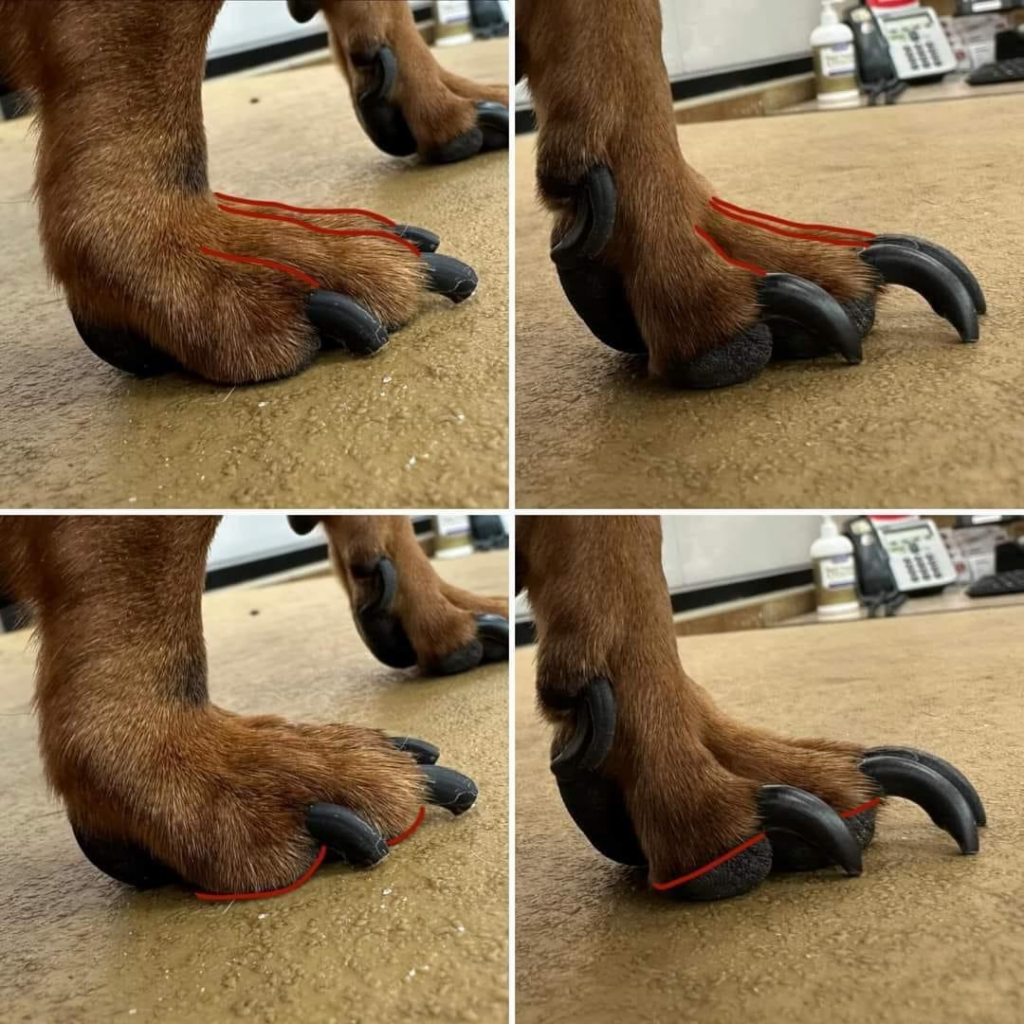
Overgrown nails in pets are more than an aesthetic concern; they can significantly impact comfort, movement, and long-term joint health. Dogs and cats rely on proper paw mechanics to walk, run, jump, and balance. When nails grow too long, they interfere with natural gait, forcing pets to adjust how they place their feet on the ground. Over time, these small adjustments can lead to pain, inflammation, and reduced mobility.
In dogs, long nails often push the toes upward or sideways with each step, shifting weight away from the pads and onto joints that aren’t meant to absorb that kind of stress. This altered posture can strain the toes, wrists, elbows, shoulders, hips, and even the spine. For senior dogs or breeds predisposed to arthritis, the added stress can accelerate joint degeneration and worsen existing pain.
Cats face similar risks, especially indoor cats whose nails don’t naturally wear down. Overgrown nails can curl inward, sometimes growing into the paw pad, causing infections and intense pain. Even before that extreme, long nails can make jumping, climbing, and landing uncomfortable, leading cats to become less active, an early sign of mobility issues that’s often mistaken for aging or laziness.
One of the most common consequences of long nails is subtle lameness. Pets may slip more often on smooth floors, hesitate before jumping, or show stiffness after resting. These signs are easy to miss, but they indicate compensatory movement patterns that place abnormal stress on joints and muscles.
Nail length also affects traction. Short, properly maintained nails allow the paw pads to make full contact with the ground, providing stability and shock absorption. Long nails reduce that contact, increasing the risk of falls and injuries particularly in older pets or those with neurological or orthopedic conditions.
Regular nail trimming is a simple but critical part of preventive care. How often nails need trimming varies by pet, activity level, and surface exposure, but many dogs require trimming every 3–4 weeks, and cats every 2–4 weeks. A good rule of thumb: when a dog stands, the nails should not touch the ground; if you hear clicking on hard floors, they’re too long.
For pets anxious about nail trims, gradual desensitization, positive reinforcement, or professional grooming can make a big difference. In some cases, veterinarians recommend nail grinding instead of clipping to reduce pressure and avoid cutting the quick.
Importantly, addressing nail length can immediately improve comfort. Many owners report noticeable improvements in posture, confidence, and activity levels after consistent nail maintenance. For pets with arthritis, keeping nails short can reduce pain and help mobility treatments work more effectively.
Overgrown nails are an easily overlooked source of chronic discomfort. By keeping nails properly trimmed, pet owners can protect joints, prevent injury, and support lifelong mobility one small cut at a time.
Source:American Veterinary Medical Association (AVMA) – Pet nail care and mobility
4:This is the Harpy Eagle, considered one of the biggest eagles on the planet.
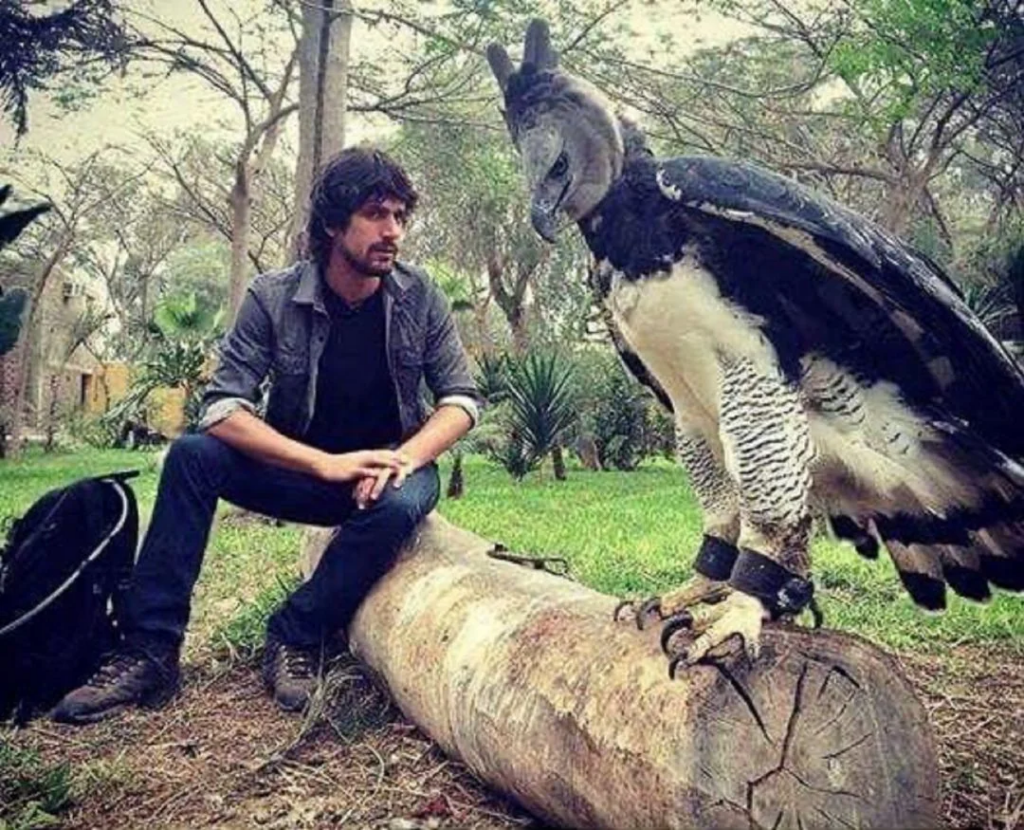
The Harpy Eagle is widely regarded as one of the largest and most powerful eagles on the planet, earning its fearsome reputation through sheer size, strength, and hunting ability. Native to the rainforests of Central and South America, this majestic raptor dominates the forest canopy like few other birds of prey can.
While it is not the longest eagle by wingspan, the Harpy Eagle is the heaviest and most powerful of all eagles. Adult females larger than males can weigh up to 20 pounds (9 kg), rivaling the size of a small child. Their wingspan typically reaches around 6.5 feet (2 meters), which is shorter than open-country eagles but perfectly adapted for maneuvering through dense rainforest trees.
One of the Harpy Eagle’s most striking features is its talons. Each claw can grow as large as a grizzly bear’s claws up to 5 inches long making them the largest talons of any eagle species. These talons allow the Harpy Eagle to hunt prey far heavier than itself, including sloths, monkeys, iguanas, and large birds. With a crushing grip strength, it can snatch prey directly from tree branches mid-canopy.
The eagle’s appearance is equally dramatic. Its crown of feathers can be raised into a crest when threatened or alert, giving it an almost mythical look fitting, since its name comes from the harpies of Greek mythology, winged creatures feared for their power. Its piercing gray eyes and massive hooked beak further reinforce its apex predator status.
Unlike many eagles that soar over open landscapes, Harpy Eagles rely on ambush hunting. They perch silently for long periods, using exceptional eyesight to detect movement below. When the moment is right, they launch with explosive force, striking prey before it can react. This hunting style requires immense strength and precision rather than speed alone.
Despite its dominance, the Harpy Eagle faces serious threats. Deforestation has dramatically reduced its habitat, fragmenting the vast rainforests it depends on for hunting and nesting. Harpy Eagles build enormous nests sometimes over 5 feet wide high in emergent trees, which are often the first to be logged. As a result, the species is listed as Near Threatened in parts of its range.
Culturally, the Harpy Eagle holds great significance. It is the national bird of Panama and a symbol of power and protection in many Indigenous cultures across the Amazon. Conservation programs now focus on habitat protection, education, and monitoring breeding pairs to prevent further decline.
The Harpy Eagle represents a rare balance of beauty and brute force. It is not just one of the biggest eagles on Earth, it is a living reminder of what intact wilderness can produce when ecosystems are allowed to thrive.
Seeing one in the wild is considered a once-in-a-lifetime experience, a glimpse of an ancient predator that still rules the rainforest skies.
Source:National Geographic – Harpy Eagle species profile
5:Birds leap and dive into rivers to catch insects and small fish.
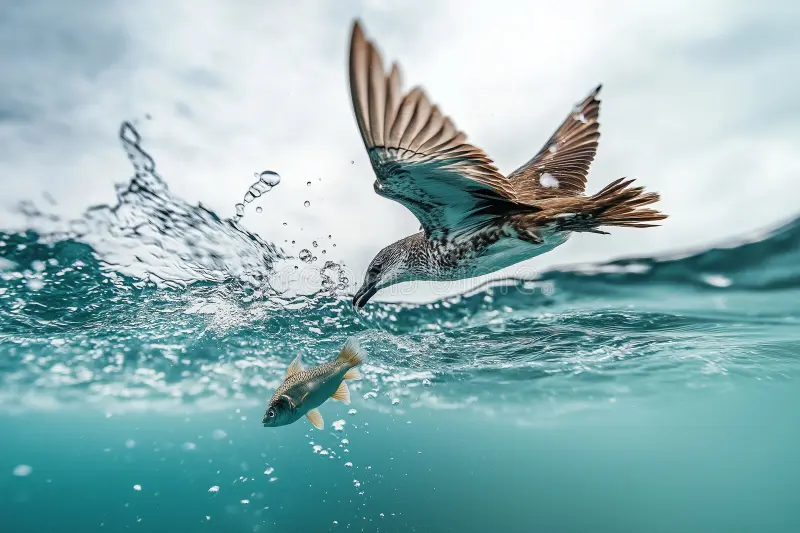
Along rivers, streams, and lakes, one of nature’s most elegant hunting displays unfolds every day: birds leaping and diving into the water to catch insects and small fish. This behavior combines speed, timing, and extraordinary coordination, allowing birds to exploit food sources that exist both above and below the water’s surface.
Many bird species rely on rivers as rich feeding grounds. Insects often hover just above the water or emerge from it during their life cycles, while small fish gather near the surface to feed. Birds take advantage of this overlap, striking at precisely the right moment when prey is most vulnerable.
Some birds, such as swallows and martins, skim the surface of rivers while in flight, snapping up flying insects without ever fully entering the water. Their wide mouths and agile flight allow them to feed continuously while airborne. Others, like wagtails and dippers, leap from rocks or banks, diving briefly beneath the surface to grab aquatic insects clinging to stones.
More dramatic hunters plunge headfirst into rivers. These birds perch above the water, carefully watching for movement. Once prey is spotted, they dive at high speed, folding their wings at the last moment to reduce resistance. Their beaks strike the water first, minimizing splash and allowing for precise capture.
Catching fish underwater presents unique challenges. Water bends light, making prey appear closer to the surface than it really is. Birds that hunt this way instinctively compensate for refraction, adjusting their angle of attack so their strike lands exactly where the fish truly is. This skill is learned and refined through repeated practice.
Physical adaptations make these dives possible. Many river-hunting birds have sharp, pointed beaks for gripping slippery prey and strong neck muscles to absorb impact with the water. Some species have specialized eye structures that allow them to see clearly both in air and underwater. Others have feathers that repel water, preventing them from becoming waterlogged during repeated dives.
This feeding strategy is highly efficient but also risky. Diving birds must avoid rocks, strong currents, and predators, all while timing their strikes perfectly. A missed dive costs energy, and repeated failures can mean the difference between survival and starvation, especially during breeding seasons when energy demands are high.
The presence of birds diving for insects and fish is often a sign of a healthy river ecosystem. Clean water supports abundant insect life and fish populations, which in turn sustain bird species. When pollution or habitat destruction reduces these food sources, diving and fishing birds are often among the first to disappear.
For observers, these moments offer a glimpse into the precision of natural design. A bird’s dive may last only a second, but it represents thousands of years of evolutionary refinement muscles, senses, and instincts working together seamlessly.
Whether skimming the surface or plunging straight into the current, birds that hunt rivers showcase nature’s balance of grace and efficiency. Their leaps and dives are reminders that even in fast-moving water, life has learned to move faster.
6:Writing a to-do list before bed helps your mind relax and fall asleep faster.

Falling asleep isn’t always about physical tiredness often, it’s the mind that refuses to slow down. Racing thoughts, unfinished tasks, and worries about tomorrow can keep the brain in a heightened state of alertness long after the lights go out. Research shows that one surprisingly effective way to quiet this mental noise is writing a to-do list before bed.
The reason lies in how the brain handles unfinished business. Psychologists refer to this as the “Zeigarnik effect,” where the mind keeps revisiting incomplete tasks to ensure they aren’t forgotten. When you mentally rehearse everything you need to do the next day, your brain treats those thoughts as urgent making true relaxation difficult.
Writing a to-do list externalizes those concerns. By putting tasks on paper, you signal to your brain that the information is stored safely and doesn’t need constant monitoring. This creates a sense of closure, allowing cognitive load to decrease and making it easier to transition into sleep.
Studies have found that people who write specific, concrete to-do lists before bed fall asleep faster than those who write vague thoughts or don’t write at all. The key is clarity. Listing actionable tasks rather than journaling worries helps organize thoughts and reduce anxiety. The more detailed the list, the greater the calming effect, because it leaves less room for uncertainty.
This practice also improves sleep quality by reducing nighttime awakenings. When the mind isn’t preoccupied with remembering responsibilities, it’s less likely to re-engage during the night. Instead of waking up thinking, “Don’t forget to do that tomorrow,” the brain can remain in a restful state.
Importantly, the to-do list should be written before getting into bed. This keeps the bed associated with rest rather than planning or problem-solving. Ideally, the list should be brief and take no more than five minutes to write. Overthinking the list can counteract its benefits.
There’s also a psychological benefit to perceived control. Writing tasks down gives a sense of preparedness and structure, which lowers stress hormones like cortisol. When the nervous system feels safe and organized, it naturally shifts toward relaxation and sleep readiness.
This technique is especially helpful for people with busy schedules, anxiety, or insomnia driven by cognitive arousal. Unlike screens, supplements, or medications, it’s low-cost, low-effort, and free of side effects. Over time, it can become a calming ritual that signals to the body that the day is complete.
However, balance matters. Writing excessively long lists late at night may create pressure instead of relief. The goal isn’t productivity, it’s mental release. A short, realistic list works best.
In a world where constant stimulation keeps the brain on edge, something as simple as pen and paper can restore calm. Writing tomorrow’s tasks down doesn’t just organize your day it gives your mind permission to rest.
Source:Journal of Experimental Psychology – Research on bedtime to-do lists and sleep onset
7:NICKI MINAJ SPARKED BACKLASH AFTER SAYING “IF YOU’RE BORN A BOY, BE A BOY,” IGNITING INTENSE DEBATE ACROSS SOCIAL MEDIA.

Nicki Minaj has sparked widespread backlash after making a comment that many interpreted as dismissive toward transgender and gender-nonconforming people. The rapper’s statement “If you’re born a boy, be a boy” quickly circulated across social media platforms, triggering intense debate, criticism, and calls for accountability from fans and advocacy groups alike.
The remark surfaced amid an online discussion and was rapidly amplified by screenshots, clips, and reposts, placing Minaj at the center of a cultural flashpoint. Critics argue that the statement reinforces rigid gender norms and invalidates the lived experiences of transgender individuals. Many pointed out that such language, especially from a global celebrity with millions of followers, can contribute to stigma and harm marginalized communities.
Social media reaction was swift and polarized. On one side, users expressed disappointment, accusing Minaj of using her platform irresponsibly and urging her to educate herself on gender identity. LGBTQ+ advocates emphasized that gender identity is not determined solely by sex assigned at birth and stressed the real-world consequences of rhetoric that denies this reality, including increased discrimination and mental health risks.
Others came to Minaj’s defense, framing her comment as an expression of personal belief or free speech. Some supporters argued that criticism was being taken out of context, while others maintained that disagreement with contemporary views on gender should not automatically be labeled as hateful. This divide fueled trending hashtags, lengthy comment threads, and viral videos dissecting her words.
Minaj’s history of controversy added fuel to the conversation. Over the years, she has often positioned herself as outspoken and unfiltered, traits that have earned both admiration and criticism. While that approach has been central to her public persona, critics say it also increases the responsibility to consider how statements resonate beyond intent.
The debate also reflects a broader cultural tension playing out across entertainment, politics, and online spaces. As conversations around gender identity become more visible, public figures are increasingly scrutinized for how they engage with these topics. For many, Minaj’s comment symbolized resistance to evolving understandings of gender, while for others it represented frustration with what they see as enforced ideological conformity.
At the time of the backlash, Minaj had not issued a formal apology or clarification addressing the criticism directly, allowing the discussion to continue unfolding largely through public reaction. Media outlets and commentators weighed in, framing the incident as another example of how celebrity commentary can rapidly escalate into global discourse in the social media age.
The incident underscores how a single sentence can ignite far-reaching debate when spoken by someone with immense influence. It also highlights the ongoing challenge for celebrities navigating complex social issues in a digital environment where nuance is often lost and reactions are immediate.
As the conversation continues, the moment serves as a reminder of the power—and risk—of public speech. Whether viewed as controversial opinion or harmful rhetoric, Nicki Minaj’s comment has undeniably reopened discussions about gender, responsibility, and the role of celebrity voices in shaping public understanding.
Source:Social media coverage and public reaction analysis
8:FAST AND FURIOUS ACTOR LUCAS BLACK CHOSE GOD, HIS WIFE, AND KIDS OVER HOLLYWOOD FAME AND NONSTOP CAREER PRESSURE.

Lucas Black, best known for his roles in the Fast & Furious franchise and the television series NCIS: New Orleans, made a decision that set him apart from many in Hollywood: he chose God, his wife, and his children over nonstop career pressure and fame.
Black rose to prominence at a young age, earning critical acclaim for performances in films like Sling Blade and Friday Night Lights. His role as Sean Boswell in The Fast and the Furious: Tokyo Drift introduced him to a global audience and cemented his place in one of the most successful action franchises of all time. With that success came increasing demands, long shooting schedules, and the expectation to remain constantly available for the industry.
However, as his career grew, so did his desire for a different kind of life. Black has spoken openly about the toll Hollywood can take not just professionally, but spiritually and emotionally. Rather than chasing every opportunity, he began reassessing his priorities, guided by his Christian faith and commitment to his family.
In 2019, Black made the notable decision to step away from NCIS: New Orleans, a role that provided stability and visibility. At the time, he explained that the demanding schedule kept him away from home for much of the year. For Black, success no longer meant screen time or box office numbers; it meant being present for his wife and children.
He has consistently emphasized that faith plays a central role in his life decisions. Black has described his relationship with God as the foundation for how he chooses work, handles pressure, and defines purpose. In an industry known for relentless pace and constant reinvention, his willingness to slow down stood out.
While stepping back from Hollywood often carries the assumption of fading relevance, Black’s approach has been intentional rather than reactive. He continues to work selectively, choosing projects that align with his values and allow him to maintain balance. His return to the Fast & Furious franchise in later installments demonstrated that stepping away did not close doors; it simply reframed his relationship with fame.
Fans have responded positively to his openness, often praising his decision as refreshing in a culture that prioritizes visibility over well-being. In interviews, Black has acknowledged that walking away from opportunities was not always easy, but he has never expressed regret. Instead, he frames the choice as one of clarity.
His story resonates beyond entertainment. It reflects a broader conversation about burnout, personal values, and redefining success on one’s own terms. In choosing faith and family first, Black challenged the idea that fulfillment must come from constant achievement or public recognition.
Lucas Black’s path serves as a reminder that stepping back is not the same as giving up. Sometimes, it’s an act of intention that prioritizes what matters most when the cameras stop rolling.
Source:Interviews with Lucas Black on faith, family, and career choices




Leave a Comment