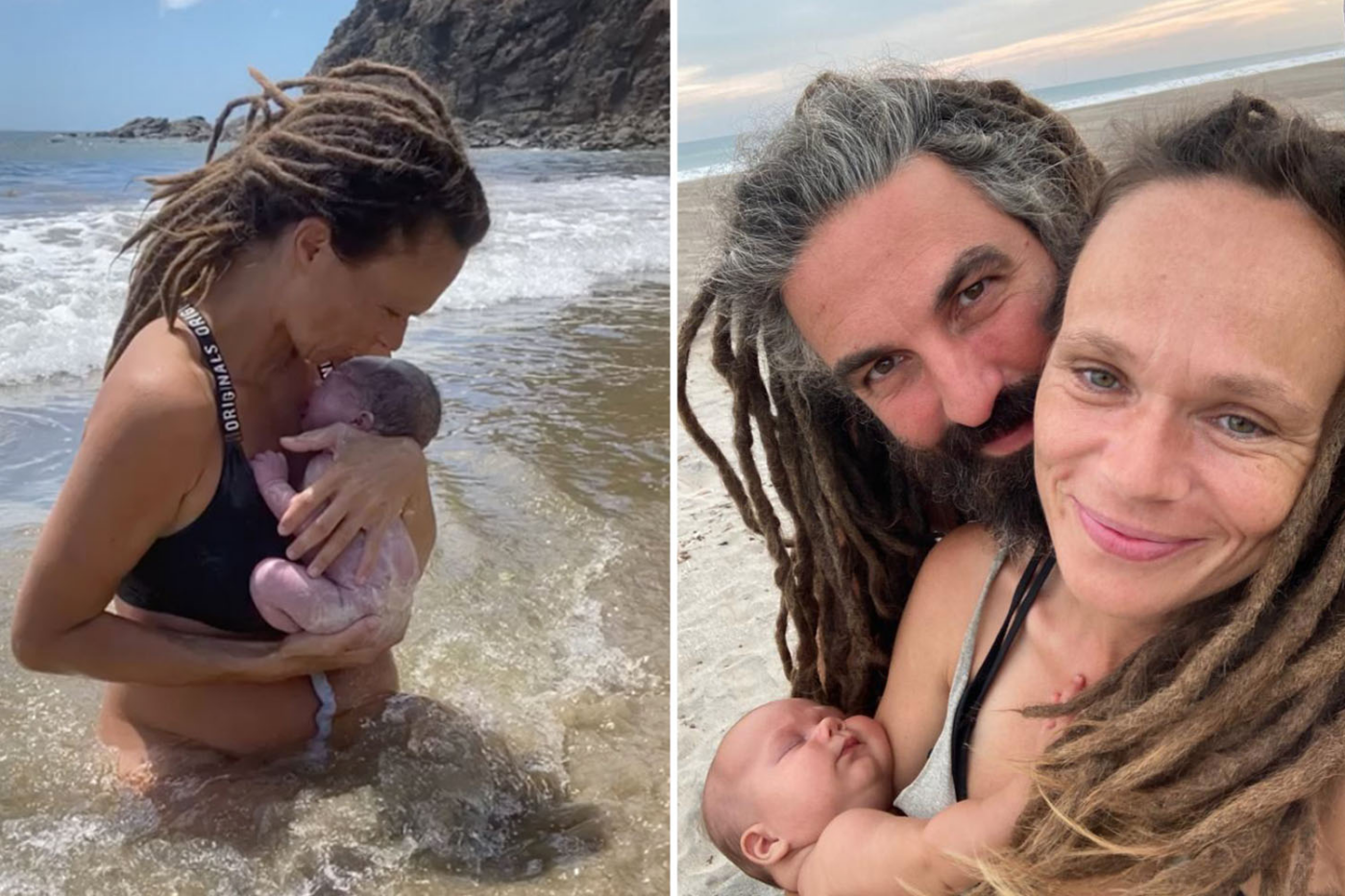

This Woman Gave Birth To Her Baby On A Pacific Beach With No Hospital Or Doctors.
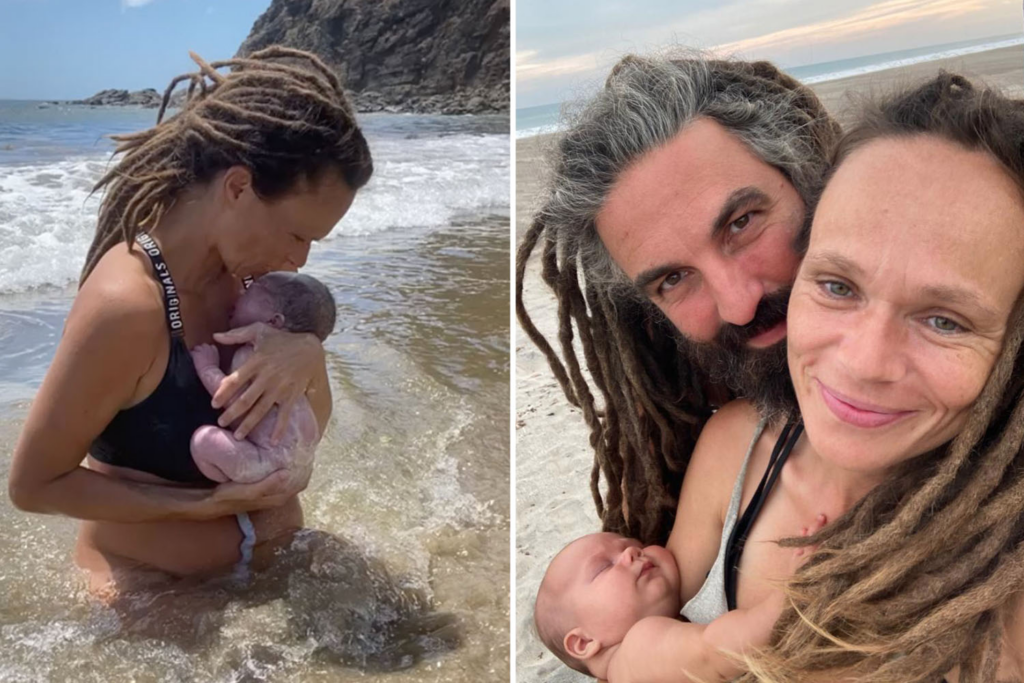
In a remarkable and widely discussed event, Josy Peukert gave birth to a healthy baby boy while standing in the Pacific Ocean waves at Playa Majagual, Nicaragua. Choosing a free birth over a traditional hospital delivery, Peukert sought an empowering and natural experience after a prior traumatic birth in a medical setting.
Video footage of the delivery quickly went viral online, showing Peukert supported by the natural rhythm of the tide as she welcomed her son without any medical assistance. The moment was described by Peukert as deeply empowering, reflecting her commitment to reclaiming control over her birthing experience.
“This birth was about trust in my body, trust in the process, and trust in the ocean,” Peukert said. She credited the calm environment, flowing water, and natural surroundings with helping her manage the intense labor and focus on the baby’s safe arrival.
The unassisted ocean birth has drawn praise from the free-birth community, who see it as an inspiring example of natural labor outside the hospital. Advocates of free or water births often emphasize bodily autonomy, emotional comfort, and the reduced intervention rates compared with conventional hospital deliveries.
However, medical professionals have raised concerns about potential dangers associated with delivering a baby in the ocean. Experts highlight risks such as exposure to harmful bacteria, unpredictable currents, and the lack of immediate emergency care in case of complications for either mother or child.
Dr. Ana Ramirez, a maternal health specialist, said, “While some births may go smoothly outside hospitals, there is a real risk of infection or injury. Unassisted deliveries in open water are extremely risky, and anyone considering this should have a safety plan and medical support nearby.”
Despite the debate, Peukert’s ocean birth was successful, with both mother and child in good health. She describes the birth as a culmination of her vision for a natural, mindful, and fully autonomous birthing experience, and she hopes her story can open conversations about women’s choices in childbirth.
The viral attention also sparked a broader discussion about the balance between personal empowerment and safety during childbirth. While some celebrate Peukert’s decision as brave and inspirational, others urge caution, reminding the public that birth complications can develop quickly and unpredictably.
For Peukert, the ocean delivery represents not only a personal triumph but also a testament to the potential for alternative birthing methods to provide meaningful, transformative experiences. Her story is now inspiring conversations worldwide about natural birth, personal choice, and the ways in which mothers can reclaim agency over their birthing journey.
Ohio Teen, 16, Tragically Dies from Flu After Symptoms Worsen in Hours Family Shocked as Healthy Teenager Succumbs to Deadly Virus

A 16-year-old Ohio teen, Ryleigh Spurlock, died from the flu in late December, leaving her family and community in shock. Ryleigh initially visited the doctor on December 23 with what seemed like ordinary flu symptoms. However, her condition deteriorated at an alarming pace. Within 24 hours, her temperature had skyrocketed from 98.5°F to 105°F, and she developed severe complications including double pneumonia and sepsis.
Despite emergency medical care, Ryleigh’s body could not recover. By the time she arrived at the hospital, she had no pulse for nearly 50 minutes and was declared brain dead. “It doesn’t make any sense,” her stepmother, Brittney, said. The teenager had been previously healthy and had not received her flu shot, a factor her family fears may have contributed to the rapid progression of her illness.
Ryleigh’s sister, Kyleigh, described the terrifying moments as her sibling struggled with severe coughing and choking on her own blood. Doctors warned that Ryleigh’s condition could worsen before improving, but the speed at which the virus overwhelmed her was unprecedented. Her family is now grieving the loss of a vibrant teen who had her whole life ahead of her.
Medical experts say that Ryleigh’s tragic story is a reminder of how dangerous influenza can be, even for young, otherwise healthy individuals. Vaccination, early detection, and prompt medical care remain critical in preventing similar tragedies. Health authorities are urging parents to ensure children receive flu shots annually and to seek immediate care if symptoms escalate rapidly.
Ryleigh’s death has sparked conversations across Ohio about the importance of flu prevention and public awareness. Her family hopes that sharing her story will encourage others to take the flu seriously, especially as flu season continues. “We want people to understand how quickly this can happen,” Brittney said. “Ryleigh’s passing should serve as a wake-up call to protect our children.”
The teenager’s loss is a profound reminder that influenza is not just a minor illness. Even a short delay in treatment or the absence of vaccination can have devastating consequences. As her community mourns, health professionals are stressing vigilance, preventive measures, and recognizing the warning signs of severe flu complications.
Ryleigh’s life, though tragically cut short, is being honored by her family through increased awareness and advocacy. Her story underscores the fragility of health and the unpredictable severity of common viral infections, leaving a lasting impression on everyone who hears it.
Donald Trump Says Melania Hates the ‘Unpresidential’ Dancing He Does for Crowds: ‘They Don’t Like It, They’re Just Being Nice’

Donald Trump recently spoke candidly about his wife Melania’s strong disapproval of his on-stage dancing and unusual impersonations during public events. Speaking to a crowd of Republicans at the Kennedy Center on January 6, Trump revealed that Melania considers his movements, including a weightlifting impersonation of a transgender athlete, to be “terrible” and “unpresidential.”
Trump said that Melania often reminds him that his performances are inappropriate for someone who has served as president. Quoting her, he said, “It’s so unpresidential,” and added that she believes audiences are merely being polite when reacting positively to his antics. “She said, ‘They don’t like it, they’re just being nice to you,’” Trump told the audience. Yet, he noted that crowds frequently cheer, scream, and encourage him to continue, creating a humorous tension between public reception and his wife’s critique.
The former president went on to compare his performances to historical figures, recalling Melania’s question about whether Franklin D. Roosevelt danced publicly. Trump acknowledged FDR’s elegance but insisted the situation is different today, asserting that he has “been in lots of trouble before” and is unbothered by her criticism. He described the interactions as part of the playful back-and-forth between them, highlighting his irreverent approach to public appearances.
Trump’s dancing and impersonation routines have become recurring features in his speeches and political events. In October 2024, during a Pennsylvania town hall, he reportedly danced and swayed on stage for 39 minutes while music played, including two rounds of “Ave Maria” and a rendition of “Y.M.C.A.” by The Village People, one of his personal favorites. These performances have generated both amusement and criticism, contributing to his reputation for blending showmanship with politics.
In addition to these antics, Trump often references Melania in tangential and sometimes unexpected ways. During a December 2025 rally in North Carolina, he described her meticulous organization of personal belongings in detail, demonstrating his penchant for inserting personal anecdotes into speeches. These moments, while often humorous or eyebrow-raising, reinforce the former president’s style of blending personal life, political commentary, and public performance.
Observers note the juxtaposition between Melania’s private disapproval and the public’s enthusiastic response. While the first lady emphasizes decorum and presidential conduct, Trump thrives on audience interaction and spectacle. This dynamic highlights both the performative aspects of his appearances and the continued fascination with his personal life, including the perspectives of those closest to him.
Ultimately, Trump’s candid comments about Melania’s reactions offer a rare glimpse into his personal life and how it intersects with his public persona. The stories of his dancing, impersonations, and the resulting family dynamics underscore the theatrical nature of modern political events, as well as the ongoing public interest in both Trump’s behavior and the influence of his spouse.
Eight Missing Teenagers, Including Two Missing for Over a Year, Found Safe in Hawai.

Eight missing teenagers, including two who had been reported missing for more than a year, were safely located in Hawaii during a significant interagency recovery operation. The youth, all between 13 and 17 years old, were found across different locations on the island of Oʻahu as part of a coordinated effort called Operation Shine the Light.
This initiative, launched in 2020, focuses on identifying and recovering at-risk and endangered youth, especially those vulnerable to assault, kidnapping, exploitation, or human trafficking while missing. The operation emphasizes collaboration between state and federal agencies, including the Hawaii Department of the Attorney General, the Hawaii Department of Human Services (DHS), and the Federal Bureau of Investigation (FBI).
The recoveries took place on January 16 and 17, according to a joint press release, with all eight teens reunited with their legal guardians. Authorities stressed that investigations are ongoing and details remain confidential to protect the safety and privacy of the recovered youth.
Amanda Leonard, coordinator of the Missing Child Center-Hawaii and MAILE AMBER Alert Coordinator, described the operation as a demonstration of “proactive identification and recovery of endangered youth” and praised the power of unified action. Elladine Olevao, acting administrator for the DHS Social Services Division, emphasized the importance of shared expertise and commitment in protecting children from harm.
The timing of the operation coincided with National Human Trafficking Prevention Month, a presidentially designated period aimed at raising awareness and educating the public about human trafficking and exploitation. According to the National Center for Missing and Exploited Children (NCMEC), in 2025, one in seven missing children reported to the organization were likely victims of child sex trafficking, while 17% of children who ran away from foster care or state custody were considered at high risk for exploitation.
Operation Shine the Light represents a proactive approach to child safety, combining law enforcement resources, social services expertise, and community awareness. By working across multiple agencies, the operation ensures that endangered youth can be located quickly and safely, reducing the risk of long-term harm.
Authorities are urging the public to remain vigilant and report any sightings or information related to missing children, noting that public cooperation is crucial to the success of these operations. The case underscores the ongoing challenges in protecting minors from exploitation and the critical importance of interagency coordination in responding to child endangerment and trafficking threats.
This successful recovery of eight teenagers marks a significant achievement for Hawaii’s law enforcement and social services teams, providing reassurance to families and the broader community that efforts to protect vulnerable youth are being taken seriously. The operation demonstrates both the dangers facing missing children and the effectiveness of dedicated, coordinated intervention programs.
Woman Gets 36 Ultrasounds After Doctors Insist She’s Having a Miscarriage. 8 Months Later, Gives Birth to ‘Miracle’ Baby.
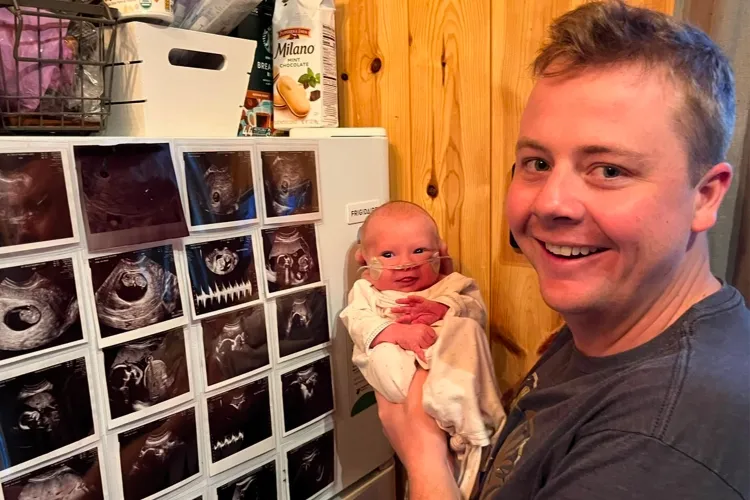
Allison Wilcox’s journey to motherhood was marked by fear, uncertainty, and repeated medical warnings that her pregnancy would not survive. When she discovered she was pregnant in January 2023, the joy was quickly overshadowed by heavy bleeding, starting just a day after her first positive test.
At only five weeks, an internal exam suggested a miscarriage. Devastated, Wilcox and her husband braced themselves for the loss of their first child. In the following weeks, repeated visits to different doctors painted a grim picture: her pregnancy was reportedly nonviable. Despite this, she clung to hope, believing her baby was still fighting.
Over the course of her pregnancy, Wilcox underwent 36 ultrasounds across multiple medical practices, all suggesting the same conclusion: miscarriage was inevitable. She was advised to consider surgical or medical options to end the pregnancy naturally. Yet, Wilcox’s determination never wavered.
A breakthrough came when a high-risk sonographer, affectionately called “Auntie Beth,” encouraged the couple to remain patient and reassured them that the baby was not lost. At eight and a half weeks, Wilcox heard the heartbeat for the first time, a milestone that marked the beginning of an emotional turning point.
Despite the early stabilization, challenges persisted. At 10 weeks, Wilcox experienced severe bleeding during a school lockdown, initially fearing she had lost the baby. Doctors later confirmed it was a massive subchorionic hemorrhage, and her baby remained alive.
Further complications arose, including a single umbilical artery and fused kidneys, requiring careful monitoring and long drives to multiple specialists. Wilcox recalls the constant anxiety, saying there wasn’t a day when she didn’t fear losing her daughter. Every appointment was a reminder of the fragility of her pregnancy.
Finally, at 39 weeks, due to concerns over placental function, Wilcox was induced. Against all predictions, she delivered a healthy daughter in September 2023. Her story of perseverance and faith has since been recognized as a true medical and personal miracle, inspiring families facing similar odds.
Wilcox’s experience highlights the emotional toll of uncertain pregnancies, the importance of medical advocacy, and the power of hope when confronting life-altering circumstances. Against repeated warnings and the heartbreak of potential loss, her courage brought new life into the world, a reminder that sometimes determination and belief can defy the odds.
9 year old Joshua asked the doctor to repair his stuffed wolf during his own surgery. He woke up to see his toy wearing a tiny mask and sporting its very own cast!
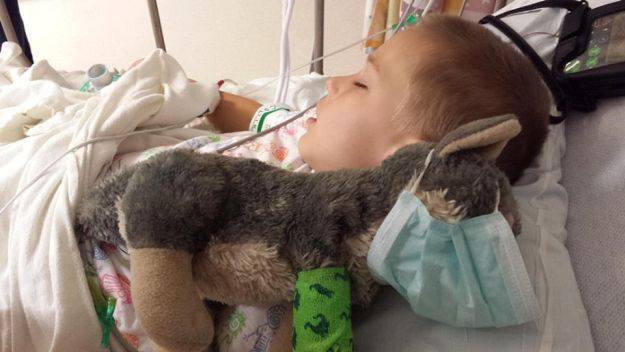
Nine-year-old Joshua recently experienced a heartwarming moment that went far beyond standard hospital care. Facing surgery, he brought along his favorite stuffed wolf to provide comfort during what was sure to be a stressful and frightening day. The toy had been a constant companion, offering him reassurance in times of worry.
While preparing for surgery, Joshua noticed a small tear on the wolf’s leg and, with childlike sincerity, asked the medical staff if they could “fix it too.” His parents gently explained that it might not be possible, but the hospital team quietly decided to make the boy’s wish a reality.
When Joshua awoke in the recovery room, he was greeted by a delightful surprise: his stuffed wolf was lying right beside him, wearing a tiny surgical mask, carefully stitched up, and sporting a bright green cast on its leg. The thoughtful act immediately lifted his spirits, turning a stressful hospital experience into one filled with joy and laughter.
The gesture resonated far beyond Joshua, highlighting how small acts of kindness can make a meaningful difference in pediatric care. By treating his stuffed wolf with the same careful attention they gave Joshua, the medical team not only honored the boy’s request but also demonstrated a deep understanding of the emotional needs of young patients.
Joshua’s reaction was priceless. His wide-eyed surprise and beaming smile illustrated just how important it is for children to feel safe and supported, even in medical settings. The wolf, now a symbol of bravery and compassion, also helped the boy process the anxiety of his surgery, making recovery feel less intimidating.
This story of empathy has since touched many hearts, with people praising the medical staff for taking the extra time to comfort a young patient in such a meaningful way. It serves as a reminder that care extends beyond the physical attending to emotional needs is just as vital, especially for children facing medical procedures.
In an age where hospitals can feel clinical and impersonal, Joshua’s experience shows that small, thoughtful gestures can leave a lasting impact. The kindness of the surgical team not only healed a stuffed animal but also nurtured courage, calm, and happiness in a young patient who needed it most.
This heartwarming story demonstrates that compassion and creativity in medicine can transform fear into comfort, proving that healing comes in more forms than one. Joshua’s wolf now stands as a reminder of the power of empathy and the extraordinary difference caring professionals can make in a child’s life.
“Man Survives Self-Inflicted Gunshot, OCD Symptoms Vanish After Rare Brain Injury”
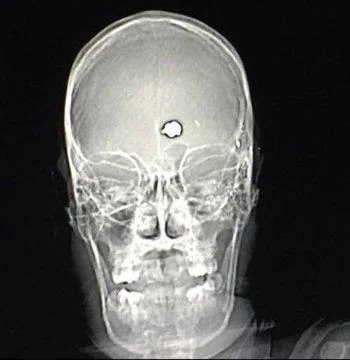
In an extraordinary and unprecedented case, a man with severe obsessive-compulsive disorder (OCD) survived a self-inflicted gunshot wound to the head, only to discover that many of his long-standing, debilitating symptoms had vanished. The case has captured the attention of medical researchers worldwide as one of the most unusual neurological outcomes in recent history.
The individual had suffered from OCD for years, struggling with intrusive thoughts and compulsive behaviors that severely impacted his daily life. Despite standard treatments such as therapy and medication, his condition remained highly disruptive. Following the gunshot injury, he faced an extensive medical recovery, with doctors initially fearing catastrophic brain damage or death.
However, as he regained consciousness and began the rehabilitation process, an unexpected development emerged: his obsessive thoughts and repetitive behaviors, once constant and uncontrollable, had significantly diminished. Medical imaging revealed that the trauma had affected specific brain regions linked to OCD, including areas of the orbitofrontal cortex and basal ganglia responsible for processing intrusive thoughts and compulsive actions.
Neurologists and psychiatrists are emphasizing that this outcome was entirely accidental. Traumatic brain injuries generally carry high risks, including permanent disability, memory loss, and cognitive impairments. Experts caution that this case should not be viewed as a “cure” for OCD. Instead, it offers a rare opportunity for scientific study, potentially improving understanding of the neural mechanisms underlying obsessive-compulsive behaviors.
“This is a milestone in understanding how specific brain circuits contribute to OCD,” said Dr. Karen Liu, a neurologist familiar with the case. “But it is crucial to stress that intentionally inducing brain injury is extremely dangerous and unethical. Modern treatment remains therapy, medication, and safe, controlled interventions.”
The patient’s unexpected recovery has sparked discussion among the medical community about the role of brain mapping in psychiatric disorders. Researchers hope that careful study of such cases can guide the development of safer, targeted interventions, such as deep brain stimulation or neuromodulation therapies, which aim to adjust brain activity without causing harm.
While the individual’s story is remarkable, it also serves as a cautionary tale. Suicide attempts carry a high risk of death or permanent disability, and mental health conditions should always be addressed through professional support. Treatment of OCD and other psychiatric disorders focuses on long-term safety, effectiveness, and quality of life.
This case underscores both the fragility and the resilience of the human brain. Though accidental, the outcome has provided scientists with invaluable insights into the neurological underpinnings of OCD. Researchers continue to study the patient’s recovery to better understand how specific brain regions influence behavior, while emphasizing that such accidents are dangerous and not replicable as treatment.
Ultimately, the story is a testament to human survival and a unique lens into the complex relationship between brain structure and behavior, highlighting the potential of neuroscience to unlock new knowledge while prioritizing ethical, safe approaches to treatment.
Leonardo Dicaprio Donates $1 Million To Defend African Elephants, Reaffirming His Support For Global Conservation.
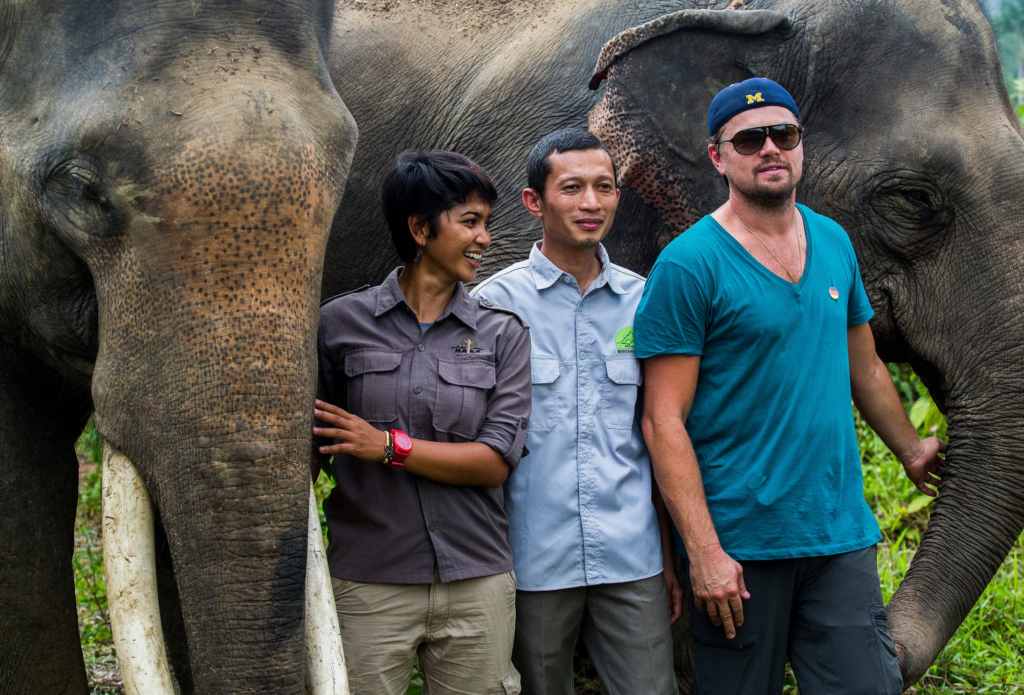
Leonardo DiCaprio has made a powerful statement in the fight to protect endangered elephants, donating $1 million to the Elephant Crisis Fund. The contribution comes at a critical time, as poaching, illegal ivory trade, and habitat loss continue to threaten elephant populations across Africa. Experts warn that without immediate action, these iconic creatures face a bleak future.
The donation is more than just charity. For decades, DiCaprio has championed environmental causes, leveraging his global influence to raise awareness about climate change, deforestation, and wildlife preservation. His support for the Elephant Crisis Fund underscores a long-standing commitment to protecting vulnerable species that cannot defend themselves.
According to conservationists, the fund allocates resources strategically to stop poaching, strengthen anti-trafficking operations, and preserve crucial habitats. DiCaprio’s contribution will enhance these efforts, providing financial backing for rangers, local communities, and wildlife protection programs. The goal is to ensure elephants thrive in the wild for generations to come.
In addition to financial support, DiCaprio’s visibility brings global attention to the plight of elephants. Awareness campaigns often inspire policy changes and public engagement, encouraging people worldwide to participate in conservation. “When influential figures act, it amplifies the message for wildlife protection,” says a representative from the Elephant Crisis Fund.
This donation also reflects the intersection of celebrity influence and environmental responsibility. By putting his resources behind conservation initiatives, DiCaprio demonstrates how personal success can be translated into meaningful global impact. Supporters hope his involvement encourages other high-profile figures and ordinary citizens to take action against poaching and habitat destruction.
The Elephant Crisis Fund has already achieved significant results, rescuing elephants from trafficking, combating illegal ivory markets, and fostering sustainable habitats. DiCaprio’s contribution ensures these programs continue and expand, directly benefiting elephant populations and the ecosystems that rely on them.
Conservation experts emphasize that the survival of elephants is critical for biodiversity. These majestic animals play a key role in shaping landscapes, dispersing seeds, and maintaining ecological balance. Protecting them is not only a moral imperative but also essential for environmental stability.
By donating $1 million, Leonardo DiCaprio has sent a clear message: protecting wildlife requires immediate action, resources, and global cooperation. His commitment highlights the urgent need to combat poaching and habitat destruction while inspiring others to take part in safeguarding the planet’s most vulnerable creatures.


Leave a Comment