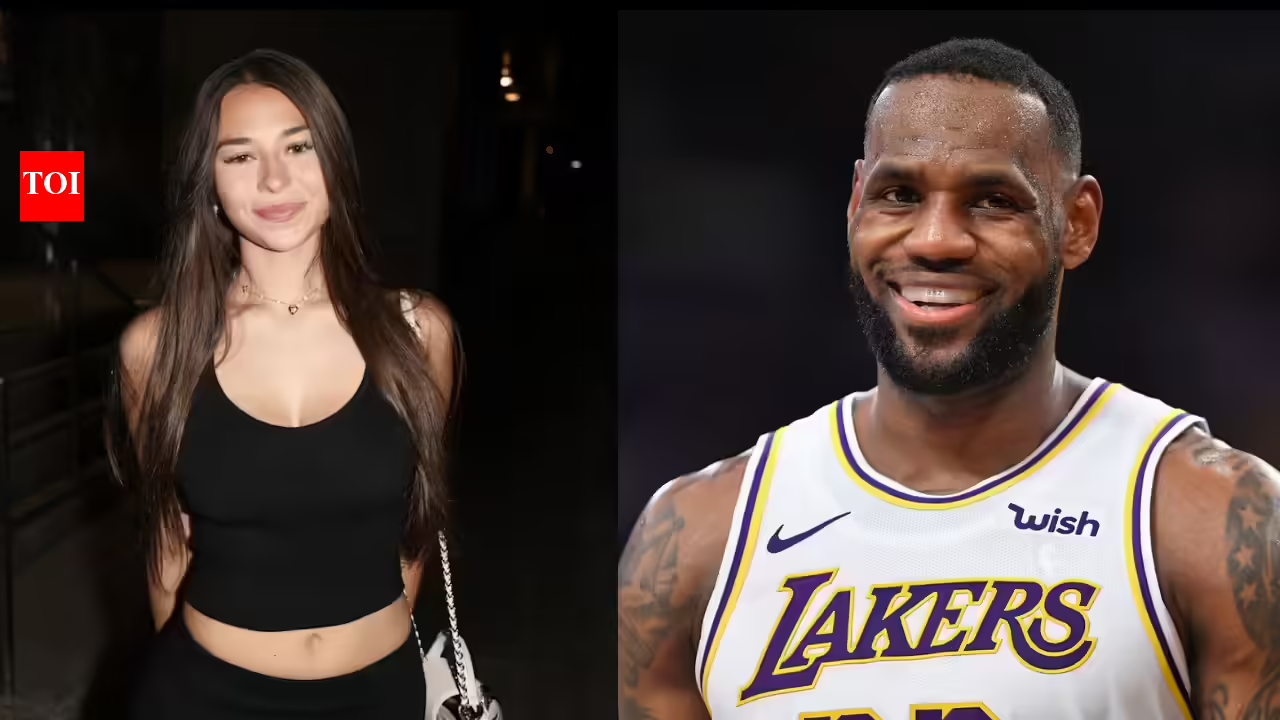

The Viral Claim on Earnings
In a bold statement that ignited widespread discussion, OnlyFans creator Sophie Rain claimed her earnings in the past year nearly matched the reported $44.5 million salary of NBA superstar LeBron James. The assertion, made in a viral social media post, prompted intense scrutiny, skepticism, and conversation about modern income streams, digital entrepreneurship, and the shifting landscape of celebrity and influence. While the specifics of Rain’s earnings are not publicly verified, her claim highlights the substantial financial potential within the creator economy, a sector where direct audience monetization through subscriptions and content can, in rare top-tier cases, generate staggering sums. Critics question the comparison, noting that James’ salary is just one portion of his overall wealth, which is bolstered by endorsements and investments, and that creator income can be volatile and lacks traditional benefits. Supporters argue the statement underscores a democratization of earning power, where individuals can build lucrative personal brands outside conventional industries. Ultimately, the viral moment is less about verifying one person’s income and more about what the debate reveals: our fascination with wealth, the redefinition of “work” in the digital age, and the ongoing cultural negotiation over the value and legitimacy of content creation as a profession. Whether fact or hyperbole, the claim has successfully spotlighted the economic power—and controversy—of the creator economy.
A Viral Star’s Pivot

Digital superstar Piper Rockelle, who built a massive following of over 30 million combined subscribers across platforms from a young age, is now at the center of intense speculation. After launching an OnlyFans account immediately upon turning 18 and claiming a staggering $3.4 million in first-day earnings—a figure met with widespread skepticism—she has recently posted a video sarcastically announcing her departure from the platform to pursue college. In the clip, she crosses her fingers while mockingly describing her content as “disgusting” and urging fans not to view it, a clear tongue-in-cheek performance that has left her audience deeply divided. The reaction highlights the complex pressures on young internet celebrities navigating adulthood in the public eye. Supporters express relief, hoping she’ll pursue a more traditional, “influential” path for her younger audience. Critics accuse her of cynical engagement bait, leveraging controversy for attention. This moment transcends a simple career rumor; it encapsulates the fraught transition from child star to adult creator, the intense scrutiny over monetization choices, and the ongoing cultural debate about autonomy, influence, and the ethics of platforms like OnlyFans for newly legal public figures. Whether a strategic tease or a genuine contemplation, the discussion surrounding Piper reflects broader anxieties about fame, authenticity, and the precarious line young influencers walk between personal agency and public expectation.
A Friendship Forged in Oz
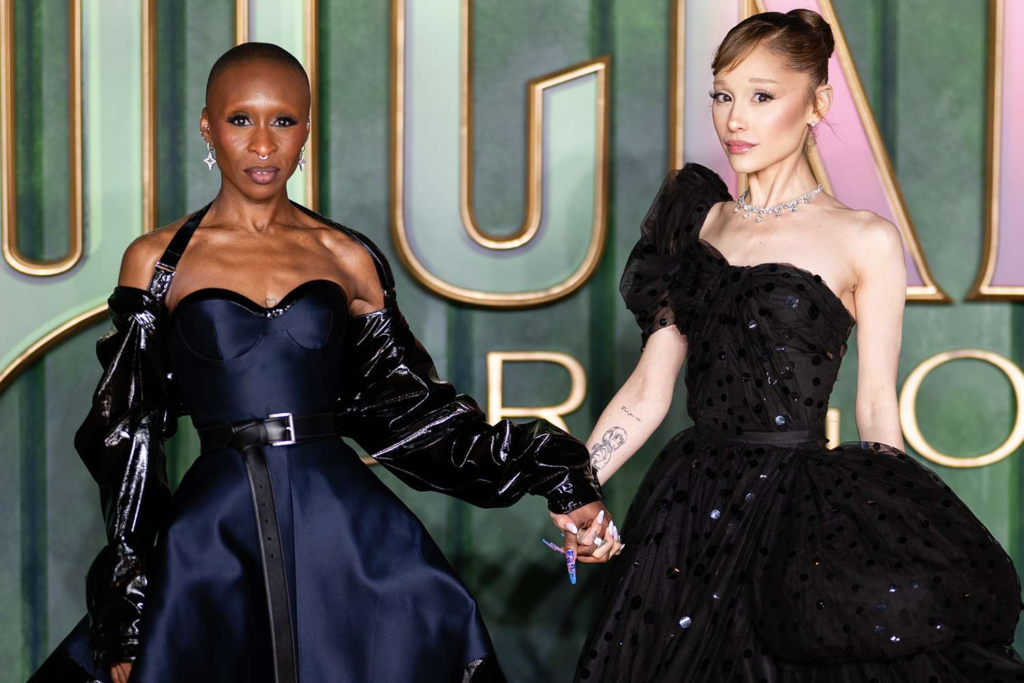
The highly anticipated film adaptation of Wicked has given audiences more than just a spectacle; it has unveiled a profound, genuine friendship between its stars, Cynthia Erivo and Ariana Grande. Their bond, described by both as sisterly, has been a cornerstone of the press tour, characterized by mutual support and visible affection. This connection moved beyond words when Erivo instinctively shielded Grande from an overzealous fan on a Singapore red carpet, an act she later explained was a simple, protective instinct for a friend’s safety. Both actors have openly discussed the depth of their relationship, with Erivo calling it a “long-lasting friendship” where they have learned from and “looked after each other” throughout the demanding production. Grande, on her part, revealed their deliberate effort to build a deep physical and emotional trust to fuel their on-screen chemistry as Glinda and Elphaba, noting she often channels support through touch—a fact highlighted in a viral moment where she was seen holding Erivo’s finger during an emotional interview. This off-screen dynamic, blending care, professionalism, and authentic sisterhood, not only enriches their performances but also offers a refreshing narrative of solidarity and respect in Hollywood, proving that sometimes the real magic happens not under the spotlight, but in the supportive spaces between takes.
Young Model’s Nose Surgery
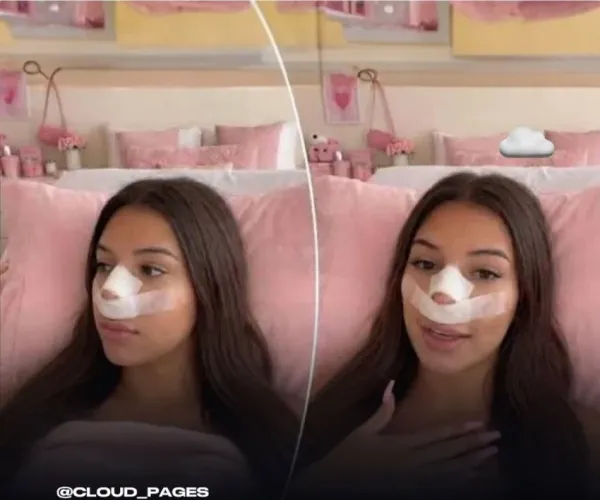
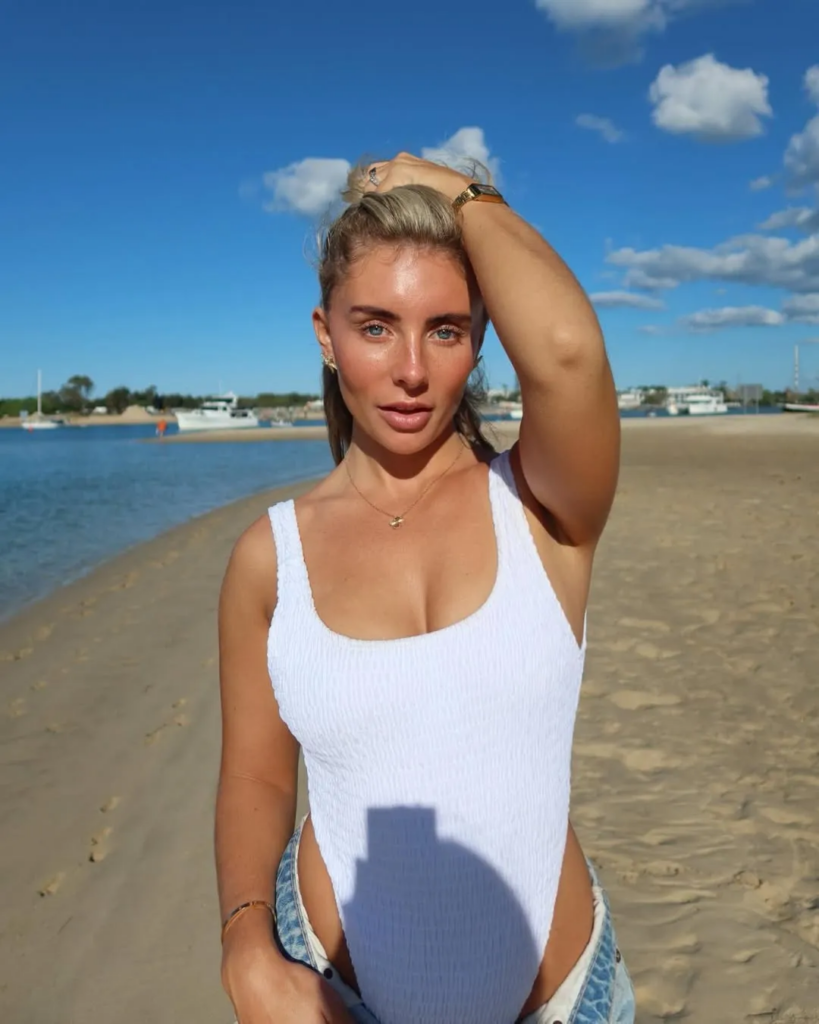
A 22-year-old online content creator recently became a topic of discussion after openly sharing her thoughts about undergoing a nose surgery and how it connects to her views on confidence, appearance, and future family life. The model, who is active on subscription-based social platforms, explained that her decision was deeply personal and rooted in her desire to feel more comfortable with her appearance rather than external pressure.
In a candid post, she spoke about how cosmetic procedures are often misunderstood and judged, especially when young women are involved. According to her, the surgery was not about rejecting her natural features but about embracing the version of herself that feels most authentic and confident. She emphasized that self-expression looks different for everyone and should be respected without assumptions or harsh opinions.
The model also touched on a lighthearted yet thought-provoking idea about future generations, noting how people often joke about inherited traits. While her comment sparked online conversation, she later clarified that her intention was humor mixed with honesty, not a scientific claim. She stressed that family traits are shaped by many factors, including love, upbringing, and shared experiences, not just physical features.
Supporters praised her transparency and confidence, saying it helps normalize conversations around cosmetic choices without shame. Others highlighted the importance of discussing such topics responsibly, especially given her influence on younger audiences. In response, the model encouraged people to focus on self-acceptance and informed decision-making rather than comparison.
Overall, the discussion reflects a broader cultural shift where individuals feel more comfortable speaking openly about personal choices. By sharing her experience, the young creator contributed to ongoing conversations about autonomy, body confidence, and respecting diverse paths to self-esteem in today’s digital age.
The Lean, Mean Revenue Machine
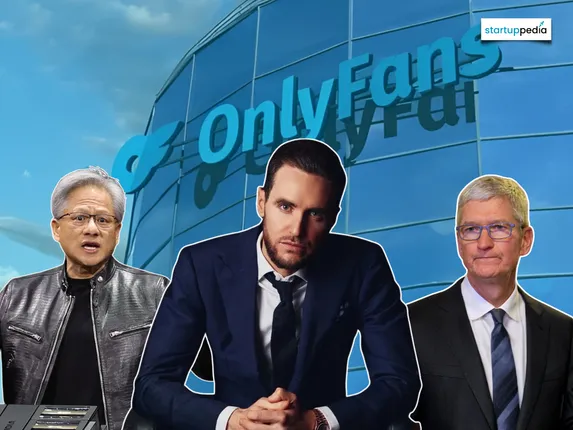
In a staggering display of digital economy efficiency, the subscription platform OnlyFans emerged in 2024 as the world’s most revenue-efficient company, generating a remarkable $37.6 million in revenue per employee. With a skeletal full-time staff of just 42 people, the UK-based company facilitated a massive $7.22 billion in transaction volume, resulting in $1.41 billion in net revenue and $520 million in net profit. This operational model—a minimal corporate structure managing a vast, decentralized network of content creators—dwarfs the efficiency of tech giants like Nvidia ($3.6 million per employee) and Apple ($2.4 million per employee). The platform’s success is fueled by its 4.6 million creators, who collectively earned $5.8 billion, while OnlyFans retained a 20% commission. With 377 million registered users and double-digit annual growth in both creator and fan accounts, the platform demonstrates the immense scale and profitability of the direct-to-consumer content industry. Founded in 2016 by Tim Stokely, the company’s financial success has significantly benefitted majority stakeholder Leonid Radvinsky, who received $701 million in dividends. This data underscores a paradigm shift: the most lucrative modern businesses may not manufacture hardware or software, but instead provide the minimal infrastructure for monetizing human connection and content, leveraging a platform model that achieves unprecedented financial density per employee.
Blurring Lines: Mother, Son & OnlyFans
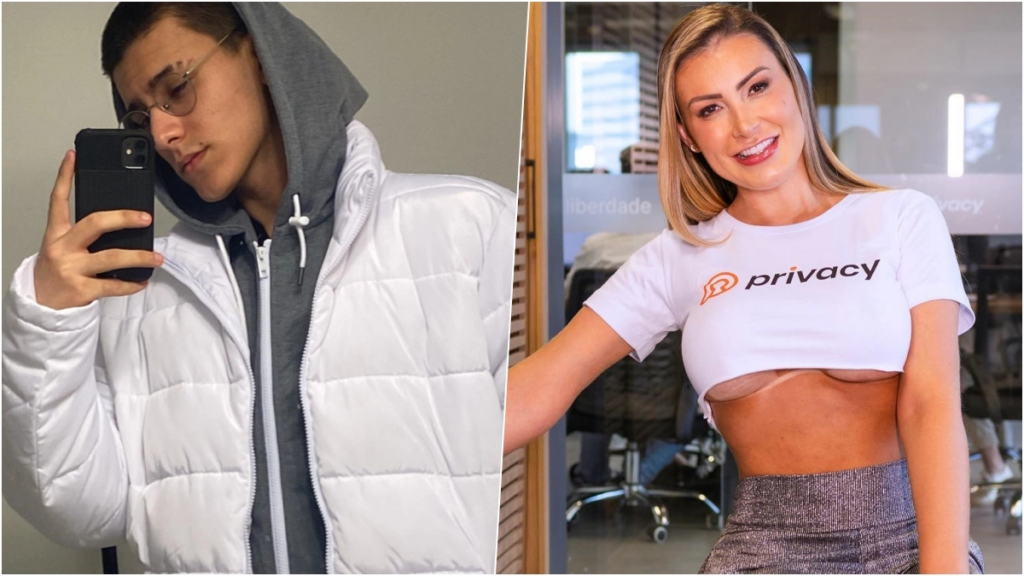
The case of Brazilian model Andressa Urach has erupted into an international ethical controversy after it was confirmed that her adult son, Arthur, participates in producing the content for her OnlyFans account. In separate interviews, both described their arrangement as a purely professional “work relationship,” with Arthur emphasizing his technical and creative role and the necessity of separating the personal from the professional. He stated, “For me it is very normal… This is a job.” This defense has failed to quell the uproar, instead igniting a fierce debate that transcends the platform itself. Critics argue the dynamic dangerously erodes fundamental familial and psychological boundaries, potentially normalizing a form of involvement that could be exploitative or damaging, regardless of consent. Supporters counter that as consenting adults operating a legal business, their family arrangements are a private matter. The controversy forces a stark confrontation between the libertarian ethos of creator autonomy and deeply held societal norms about family roles and the perceived limits of acceptable commercial collaboration. It highlights the complex, uncharted territory the digital adult industry is creating, where traditional frameworks for ethics, labor, and family dynamics are being stretched and redefined in real-time, often without clear legal or social guardrails. The intense reaction underscores a collective discomfort, probing where society draws the line between professional collaboration and a violation of intimate familial sanctity.
An Allowance of Millions, A Family Divide
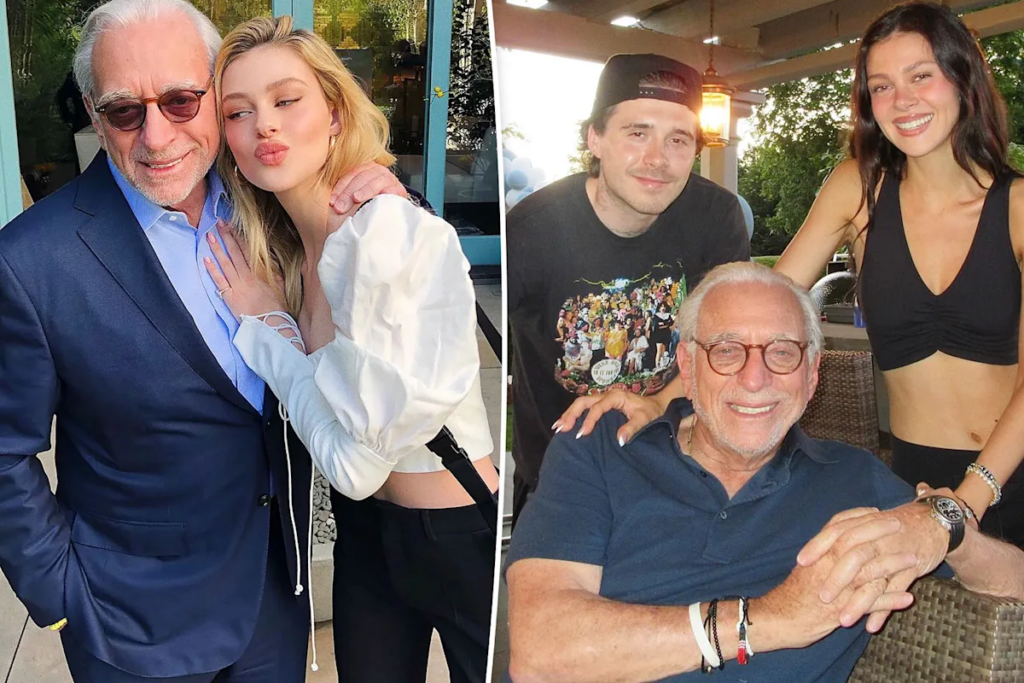
Actress Nicola Peltz has become a focal point in a public discourse on wealth and autonomy following a report that she receives a monthly allowance of nearly one million dollars from her billionaire father, Nelson Peltz. The revelation, mentioned in media commentary, arrives amidst reported tensions between the Peltz and Beckham families, highlighting a stark contrast in financial philosophy. While Nicola’s husband, Brooklyn Beckham, comes from a family that has publicly emphasized self-made hustle and financial independence, the Peltz model represents a different paradigm of extreme familial financial support. This disparity has ignited debate online, with discussions oscillating between critiques of privilege and defenses of familial support systems. The situation raises complex questions about the role of inherited wealth in adult life, the expectations within high-profile marriages, and the pressure such disparities can place on family unity. It also serves as a public case study in the clash between the self-made celebrity ethos and the realities of dynastic wealth, forcing observers to confront their own biases about money, merit, and what constitutes appropriate support between parents and their adult children. The story transcends gossip, becoming a lens through which society examines the invisible structures of class, privilege, and familial obligation that shape lives even at the highest echelons of fame and fortune.
The “S*xual Zoo” That Crossed a Line
OnlyFans has permanently banned British model Bonnie Blue for repeatedly violating its content policies, a decision triggered by her announcement of an extreme challenge dubbed a “sxual zoo.” The influencer planned a 24-hour live stream where she would remain nude and locked inside a glass structure, interacting directly with the public. This proposed event, which Blue promoted herself, was deemed a clear breach of the platform’s rules against publicly accessible sexual content and potentially dangerous or exploitative behavior. The ban cuts off her substantial estimated monthly income of approximately $768,000. Blue, 25, had previously gained viral notoriety for controversial claims about her sexual activity, cementing her status as a boundary-pushing, provocative figure. This case highlights the ongoing tension between creator autonomy and platform governance on adult-content sites. It underscores that even on a platform known for sexual expression, there are firm boundaries designed to maintain legal compliance, user safety, and brand integrity. The incident serves as a stark reminder that monetized shock value and public sxual performance can cross into territory that platforms themselves will not permit, regardless of the creator’s popularity or revenue potential. It also raises questions about the sustainability of fame built on escalating extremism and the real-world consequences when a digital livelihood is revoked for violating terms of service.

Leave a Comment