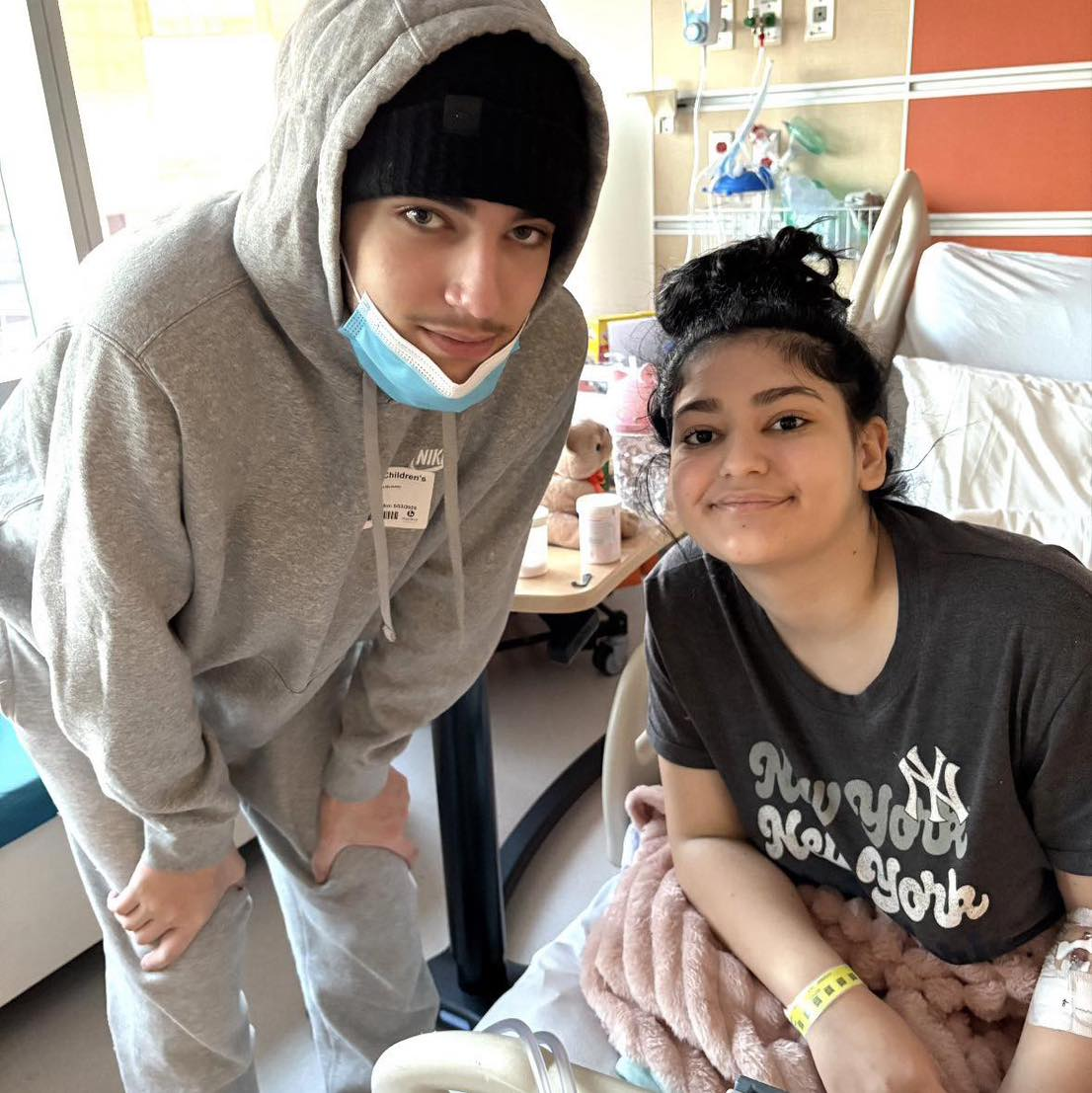

A Brother’s Second Chance to Save His Sister
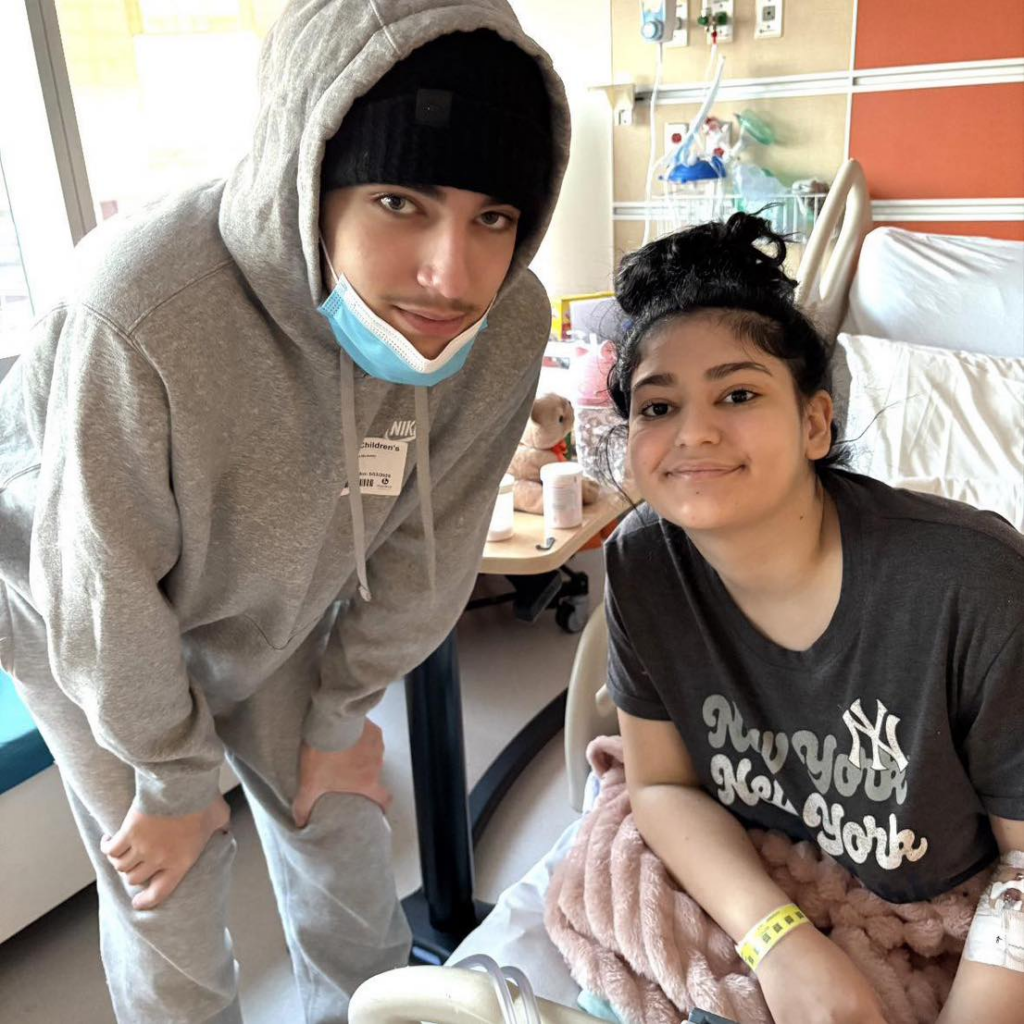
Tonight, 16-year-old Christopher will walk back into the hospital, not as a visitor, but as his sister’s lifeline—again. His sister, Nevaeh, 15, has been battling acute myeloid leukemia (AML). She endured chemotherapy, received a bone marrow transplant from Christopher, and briefly seemed to be recovering before the cancer returned. Now, her body is struggling profoundly post-transplant; her bone marrow is not producing blood cells, and she relies on frequent platelet transfusions to prevent bleeding.
In a courageous act of sibling devotion, Christopher is being admitted so doctors can perform a donor lymphocyte infusion (DLI). A central line will be placed in his neck to collect his T-cells, which will then be infused into Nevaeh. This immunotherapy aims to boost her immune system to fight remaining cancer cells and help her body rebuild its ability to function.
This is more than a medical procedure—it is a profound narrative of love, resilience, and sacrifice. Christopher represents the quiet, steadfast heroism found in families facing pediatric cancer. His willingness to endure another invasive procedure offers Nevaeh a renewed chance at life. Their story underscores the critical role of sibling donors, the emotional toll of relapse, and the incredible strength of young people facing unimaginable circumstances. As Christopher prepares to give part of himself once more, we are reminded that some of the greatest bravery happens not on battlefields, but in hospital rooms, between siblings holding onto hope.
40 Years Since Challenger’s Tragic Loss
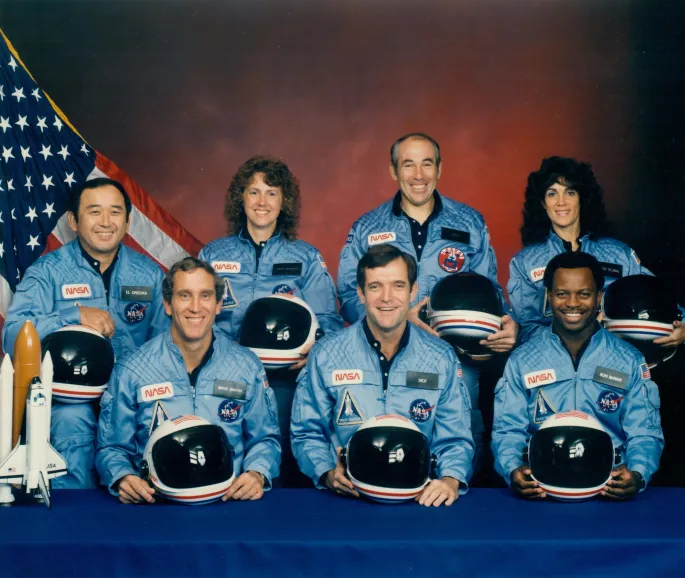
Forty years ago today, on January 28, 1986, the Space Shuttle Challenger (mission STS-51L) disintegrated over the Atlantic Ocean just 73 seconds after lifting off from Kennedy Space Center. The tragedy, witnessed live on television by millions—including countless schoolchildren—claimed the lives of all seven astronauts aboard: Francis R. “Dick” Scobee, Michael J. Smith, Ronald McNair, Ellison Onizuka, Judith Resnik, Gregory Jarvis, and Christa McAuliffe, who was set to become the first teacher in space.
The cause was traced to the failure of an O-ring seal in one of the solid rocket boosters, a flaw exacerbated by unusually cold launch conditions. Beyond the technical failure, subsequent investigations revealed critical lapses in NASA’s decision-making process, where engineers’ concerns about the O-rings were overridden.
The Challenger disaster remains a somber milestone in space exploration—a moment of collective grief and a hard-learned lesson in safety, accountability, and the profound risks of pushing human boundaries. Today, we honor the courage and legacy of the Challenger Seven, whose sacrifice continues to inspire a commitment to vigilance, transparency, and the unwavering pursuit of knowledge in their memory.
First Place, and a Lesson in Courage
In a moment of quiet triumph, Christian stepped onto the stage at the county 4-H speech contest, his nerves a tangible presence, and chose to trust his preparation over his fear. He delivered his beautifully crafted speech entirely from memory—a feat requiring discipline, focus, and immense personal courage. That trust in himself paid off spectacularly, earning him first place and a ticket to the sub-regional competition in January.
This victory is about more than a trophy. It’s a testament to the powerful alchemy of hard work and self-belief. The hours of practice in the mirror, the repetition, and the decision to stand tall despite inner doubt culminated in a milestone that celebrates both skill and character. For Christian, this is not an end point, but a launchpad. The journey to sub-regionals represents the next chapter in his growth, a chance to refine his voice and carry this confidence forward.
His success is a bright reminder for all of us: that preparation builds a foundation strong enough to stand on when the lights are brightest, and that believing in your own readiness can transform anxiety into accomplishment. Congratulations, Christian. January awaits your next great performance.
End of Watch for K-9 Atom
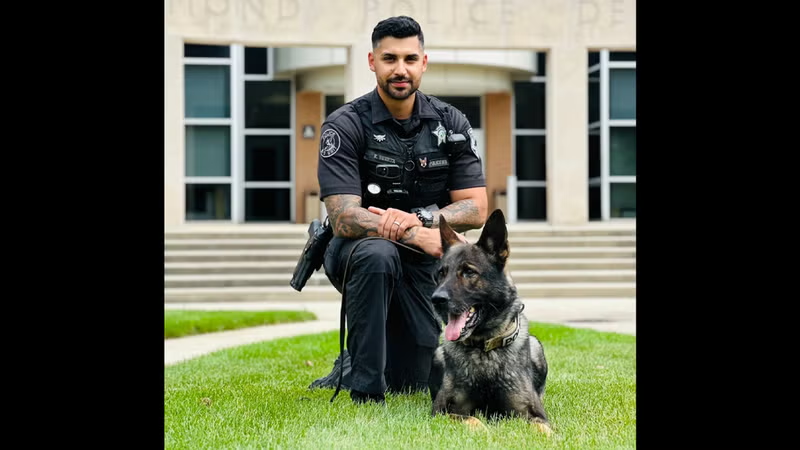
The Hammond Police Department has announced the End of Watch for K-9 Atom, a devoted and courageous partner who lost his battle with hemangiosarcoma, an aggressive cancer of the blood vessels. Atom, who began his service in February 2019 after arriving from Hungary at just two years old, was far more than a police dog; he was a protector, a partner to his handler, Corporal Edgar Huerta, and a beloved member of both the department and Huerta’s family.
Throughout his career, Atom served with unwavering dedication, his presence a reassurance to fellow officers and a deterrent to those who would do harm. His passing after a “short, but courageous” fight underscores the vulnerability these brave animals share with their human counterparts, even in the face of dangers unseen.
The department’s tribute reflects a profound truth: that K-9s like Atom are not just tools of the trade, but sentient partners who form bonds of trust and loyalty that transcend duty. As Hammond PD and Cpl. Huerta grieve, they honor a legacy of service that will not be forgotten. Rest easy, Atom. Your watch has ended, but your courage and companionship will forever be remembered.
The Garbage Man and the Golden Goodbye
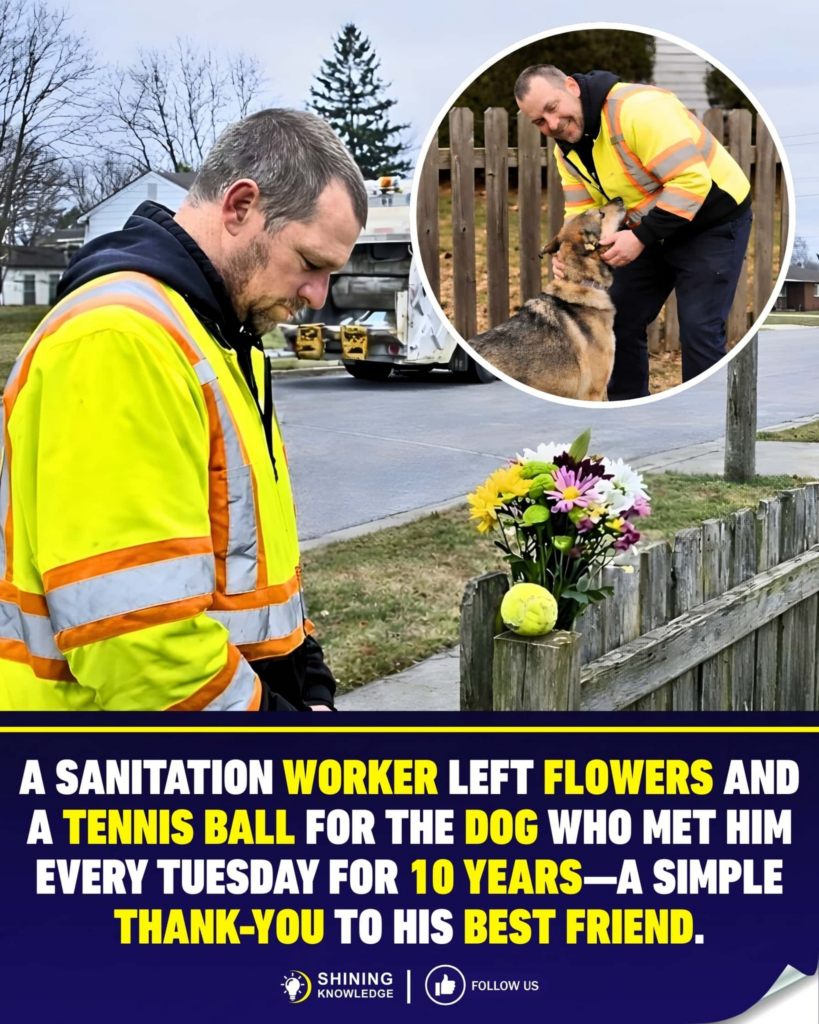
For ten years, a simple, silent bond played out every Tuesday morning between a Golden Retriever named Rusty and Dave, a sanitation worker. Rusty would rush to the fence at the sound of the garbage truck, tail wagging, to receive a treat and a moment of affection from Dave. It was a small ritual, unnoticed by most, but built on a decade of quiet consistency and mutual affection.
When Rusty passed away, Dave didn’t just drive past. The next Tuesday, he stopped at the fence once more. This time, he left a small bouquet of flowers and a new tennis ball—Rusty’s favorite toy—at the spot where the dog had always waited. In a final gesture of friendship, Dave rested his hand on the fence, right where Rusty’s nose used to press through the slats.
This story isn’t about grand gestures; it’s about the quiet faithfulness found in routine, the dignity of acknowledging a bond that required no words, and the tenderness of honoring a friend, even after they’re gone. In a world that often moves too fast, Rusty and Dave remind us that some of the most meaningful connections happen in the pauses between life’s chores—and that true kindness remembers, even when there’s no one left to greet you at the fence.
From Patient to Protector on the Same Floor
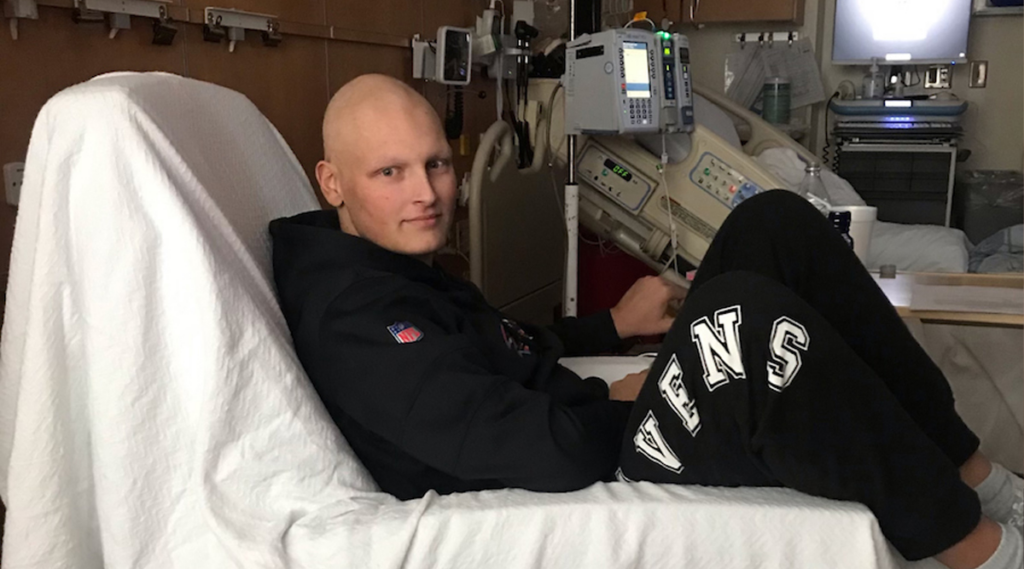
In May 2020, Dalton Cummins was a 19-year-old college freshman who thought he had a severe case of COVID-19. Instead, doctors at Riley Hospital for Children in Indianapolis diagnosed him with diffuse large B-cell lymphoma, an aggressive blood cancer. Four months into chemotherapy, he went into septic shock and spent 25 days in the ICU with only a 10% chance of survival. Just as he finished treatment, he was diagnosed with a second cancer—Hodgkin lymphoma—leading to another full year of chemo, a stem cell transplant, and radiation.
Now 24 and cancer-free, Dalton walks the halls of Riley Hospital not as a patient, but as a nurse on the very oncology unit—5W—where he was once treated. He offers a rare kind of empathy to his young patients and their families: the understanding of someone who has endured the same fear, pain, and uncertainty. His presence is a living testament to the possibility of survival and a future beyond diagnosis.
Dalton’s journey is a powerful story of resilience coming full circle. It illustrates that some of the deepest healing happens when survivors return not just to live, but to serve—transforming their own suffering into strength for others. In his scrubs, on the same floor where he once fought for his life, Dalton embodies hope in its most tangible form: a survivor now holding the hands of those just beginning their fight.
The World’s Oldest Dog Chose His Own Rescue
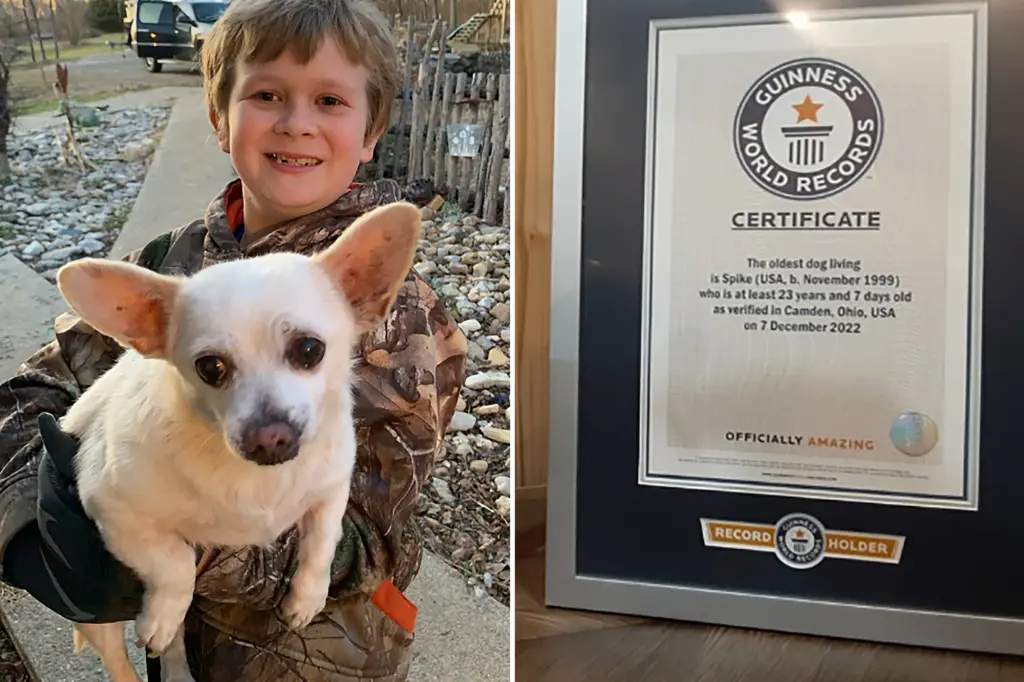
Spike, a tiny Chihuahua with a colossal story, has earned the title of world’s oldest living dog at 26 years old. His journey began in Camden, Ohio, where he was born in November 1999. By 2009, he was found in a grocery store parking lot in Preble County—shaved, underweight, and bearing chain marks on his neck. Store employees would toss him scraps to keep him alive, but it wasn’t until Rita Kimball opened her car door one day that his life truly changed. Without hesitation, Spike jumped in, choosing his own rescue.
Since then, this 9-inch-tall, 12.9-pound “grandpa dog” has lived like a small king on Rita’s farm. He wanders among cows and horses with quiet confidence, embodying a resilience that defies his fragile frame. Now, at 26, his days are slow and sweet: gentle walks, weekly baths, porch naps, and favorite treats like sausage, cheese, and crushed Doritos.
Spike’s story is more than a record; it’s a testament to the transformative power of love and a safe home. From a parking lot survivor to a global symbol of longevity, he reminds us that sometimes, the smallest beings carry the greatest strength—and that every dog, no matter how overlooked, deserves a chance to grow old in warmth and care.
A Faithful Rescue, and a Future
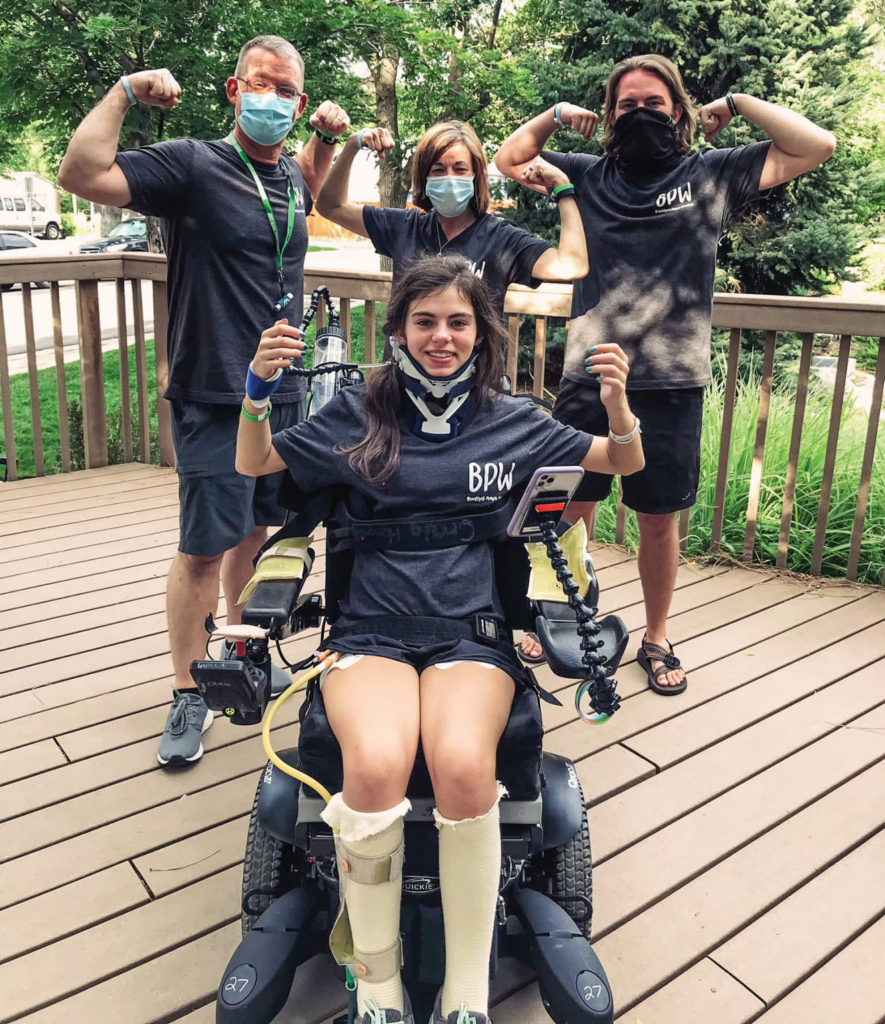
In 2020, Brooklyn Boyer’s life changed in an instant when she dove into a pool, struck her head on the bottom, and suffered a severe spinal cord injury. Unable to move underwater, her high school sweetheart, Alan Mann—who had just completed lifeguard training—acted immediately, stabilizing her until paramedics arrived. Doctors later said his quick response was critical to her survival, though they warned she might never walk again.
In the terrifying moments under the water, Brooklyn recalls a profound sense of peace: “The first thing I thought of was that I could feel God on the bottom of the pool with me. I’m going to be OK.” That faith has anchored her through a long, difficult recovery, one that has exceeded medical expectations. She has regained movement, continues therapy, and credits prayer and God’s presence with sustaining her.
In 2025, the story took another beautiful turn when Alan—the same young man who helped save her life—proposed to her. Their journey is more than a romance; it’s a testament to resilience, divine hope, and the power of presence—both human and spiritual. From the depths of a pool to a future filled with promise, their story embodies a belief in miracles, and the unwavering truth that even in our darkest moments, we are not alone.
A Medical Tragedy Compounded by Detention
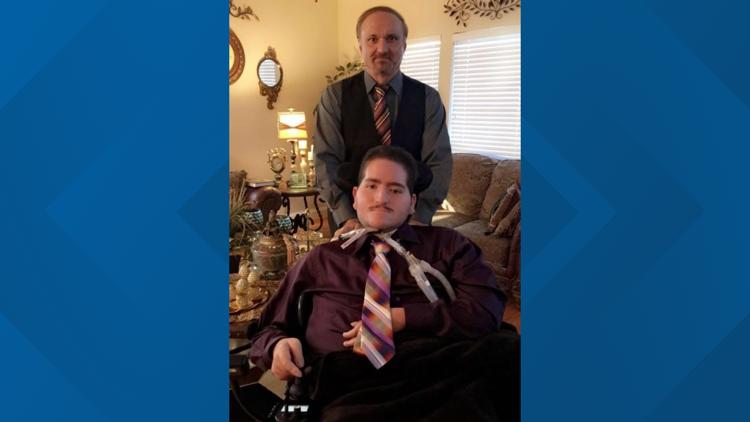
Wael Tarabishi, a 30-year-old U.S. citizen living with Pompe disease—a rare genetic disorder requiring constant care—died in a North Texas ICU on Friday, weeks after his father, Maher Tarabishi, was detained by U.S. Immigration and Customs Enforcement (ICE). Maher, who was his son’s primary caregiver, had been seeking asylum; his lawyer later discovered prior misconduct in his legal filing and moved to reopen his case.
After Maher’s detention, Wael was hospitalized twice, his condition worsening in the absence of the care and stability his father provided. He ultimately passed away without his father by his side. The family is now pleading with ICE to release Maher on humanitarian grounds so he can attend his son’s funeral and begin to grieve.
This tragedy highlights the devastating human consequences of immigration enforcement on mixed-status families, especially when detention separates caregivers from those who depend on them for survival. Wael’s death underscores the urgent need for compassionate release policies and greater consideration of medical and humanitarian circumstances in immigration cases—lest enforcement become not just a legal process, but a sentence of heartbreak.
The Largest Viking “Record” Ever Found
In an unusual but remarkably revealing archaeological find, researchers excavating the Viking settlement of Jórvík—now York, England—in 1972 discovered what has become famously known as the “Lloyds Bank coprolite.” This fossilized human feces, dating to around the 9th century, measures approximately 20 centimeters (8 inches) long and remains the largest intact specimen of its kind ever found.
Analysis of the coprolite provided a direct snapshot of Viking daily life. Its contents pointed to a diet heavy in meat and bread, with little to no evidence of fruits or vegetables. Perhaps more tellingly, the stool contained eggs from intestinal parasites, indicating the individual suffered from worms and likely experienced chronic constipation.
Beyond its startling dimensions, the coprolite serves as an intimate, albeit humble, biological record—a tangible connection to the lived experience of a Viking settler over a millennium ago. It stands as a rare and vivid reminder that archaeology isn’t only about treasures and tombs; sometimes, history is preserved in the most human of remains, telling stories of health, diet, and discomfort that written records often leave out.
Puppies Give a Newborn a Chance at Life

In a remarkable and poignant incident, an abandoned newborn baby was discovered alive after spending a night in a field, nestled among a litter of puppies. Without clothing or shelter, the infant was vulnerable to hypothermia—a critical danger for newborns who cannot regulate their own body temperature. The puppies and their mother provided essential warmth and protection throughout the cold night, likely playing a decisive role in the baby’s survival until she was found and rushed to a hospital for medical care.
Authorities are actively investigating the circumstances of the abandonment, treating the case with urgency given the extreme vulnerability of the child. While human negligence placed the infant in peril, the instinctual care of the animals offered an unexpected shield against the elements.
This rare event highlights both the fragility of newborn life and the powerful, instinctual capacity of animals to provide comfort and protection. It is a stark reminder of the community’s responsibility to protect the most vulnerable, and a touching testament to the unspoken bonds that can form across species in moments of dire need. As the baby recovers under medical supervision, the story stands as an extraordinary example of survival against the odds.
A Symptom Silently Screamed
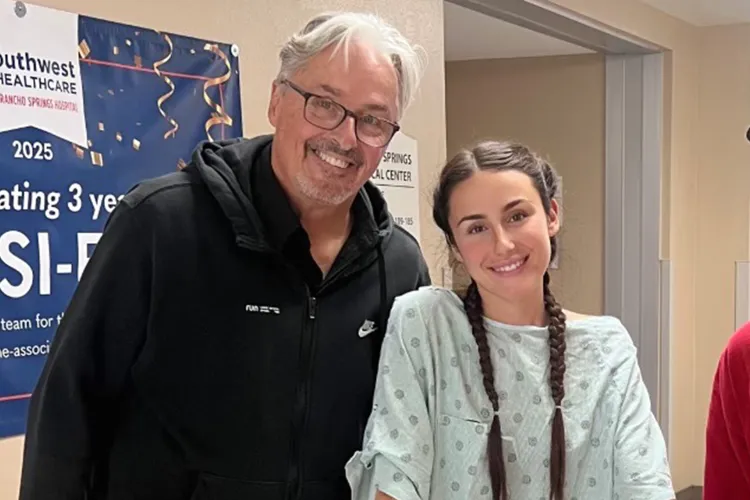
At just twenty-four years old, Meagan Meadows, a vibrant student teacher, noticed a trace of blood in her stool—a symptom so minor and intermittent she nearly dismissed it entirely. Operating under the common misconception that colon cancer only affects older adults, she attributed it to diet, stress, or hemorrhoids. Fortunately, urged by friends, she consulted a doctor. Initial tests were inconclusive, leading to a recommended colonoscopy she almost canceled out of embarrassment and a belief she was “fine.” The procedure revealed a devastating reality: a walnut-sized tumor in her colon, later diagnosed as stage three cancer that had spread to her lymph nodes. Meadows had experienced no pain, weight loss, or other classic warning signs; this barely noticeable blood was her body’s sole, silent alarm. Her story shatters the dangerous myth that colorectal cancer is exclusively an older person’s disease, highlighting a sharp rise in early-onset cases. Now undergoing aggressive treatment, she advocates with vulnerable courage, stressing that any change in bowel habits, however small or seemingly explainable, warrants medical attention. Meadows urges young people to overcome embarrassment, listen to their bodies, and insist on investigation, because early detection is critical. Her experience is a potent public health reminder: cancer does not always announce itself loudly, and the most subtle symptom can be the most important one to hear.
Reclaiming a Pink-Washed October

For many breast cancer survivors and thrivers, the pervasive pink of October—Breast Cancer Awareness Month—feels less like support and more like exploitation, a phenomenon known as “pinkwashing.” This term describes companies using pink ribbons and products for marketing, often without meaningful donations or transparency about where proceeds actually go. For those directly impacted, this commercialization can be deeply triggering, overshadowing the month’s original intent of education, research funding, and genuine support. In response, advocacy groups like The Breasties have launched the “Reclaim October” initiative. Founded by survivors, this grassroots movement demands corporate accountability and public education, urging consumers to “Think Before You Pink.” Their goal is to refocus the narrative from performative awareness to tangible action: directing funds to research and organizations that directly support patients and survivors. The campaign highlights that while awareness has saved lives, the community’s needs have evolved beyond simple visibility. True support requires transparency, sustained funding for metastatic research, and attention to the ongoing physical, emotional, and financial burdens survivors face long after treatment ends. This shift represents a maturation of the movement, from blanket awareness to nuanced advocacy, ensuring the month centers the lived experiences of those it purports to honor, transforming a potentially triggering season into one of authentic empowerment and change.
A Life-Altering Wake-Up Call
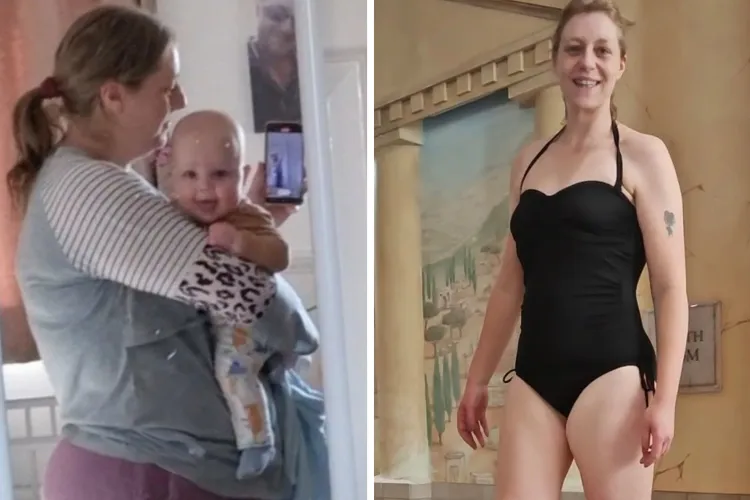
Lucy Castle, a 41-year-old mother of three, saw her weight climb past 220 pounds while subsisting on a diet centered around her favorite food: cheese. From snacking on bread and cheese to covering meals in grated cheese, her convenient diet led to declining health, including dizziness and a severe hit to her self-esteem. The pivotal “wake-up call” came with a diagnosis of type 2 diabetes, a condition often linked to diet and excess weight. Recognizing that “cheese was wrecking my life,” Lucy made a drastic change. She completely eliminated cheese and processed snacks, replacing them with structured meal replacements, soups, and shakes. This strict dietary shift, coupled with the motivation of weekly weigh-ins, resulted in a loss of nearly 60 pounds in just four months. Her health transformed alongside her physique; she managed her diabetes and regained energy to keep up with her children. Now, she enjoys home-cooked meals like chicken stir-fry and has a renewed confidence, happily shopping for clothes that make her feel amazing. Lucy’s journey underscores a powerful message: confronting a health crisis with decisive action can reverse dangerous trends. Her story highlights that identifying and removing a single detrimental dietary habit, however beloved, can catalyze profound physical and mental transformation, turning a moment of medical alarm into a foundation for lasting wellness.
A Final, Hard-Won Peace

Charity Pierce, who shared her arduous weight-loss journey on TLC’s My 600-Lb. Life, has died at age 50. Her daughter, Charly Jo, announced the news, stating her mother was surrounded by loved ones and is “finally at peace,” reunited with departed family members. While an official cause of death was not released, reports indicated Pierce had been in hospice care for approximately two months for ongoing medical conditions, including lymphedema and fluid in her lungs. Her television story was one of dramatic struggle and temporary triumph; starting at nearly 800 pounds, she regained independence after bariatric surgery and multiple skin removal procedures, losing close to 300 pounds. In a follow-up episode, she powerfully reflected on her transformation, vowing not to return to a life confined to a single room. Pierce’s passing underscores the severe, long-term health complexities associated with extreme obesity, even after significant weight loss. Her journey highlighted both the profound possibility of change and the relentless physical toll of the condition. Her legacy is a poignant reminder of the human fight behind the statistics—a battle for mobility, dignity, and life itself. In death, as her daughter expressed, she finds a rest that eluded her in life, leaving behind a narrative of resilience amid immense personal and physical challenges.
A Victory for Visibility
Non-binary superstar Jonathan Van Ness has secured a landmark victory at the Creative Arts Emmy Awards, a win celebrated as a triumph for LGBTQ+ visibility in mainstream media. Best known for their transformative role on Netflix’s Queer Eye, Van Ness has long been a beacon of fearless authenticity, using their platform to advocate for queer and non-binary communities. This award recognizes not only their exceptional talent as a television personality but also their profound impact as a cultural trailblazer. The win sparked an outpouring of support online, with fans and peers hailing Van Ness as an inspiring icon whose presence challenges rigid norms in Hollywood. From commanding the red carpet with unapologetic self-expression to delivering heartfelt advocacy on global stages, Van Ness consistently champions the principles of inclusivity, equality, and the fundamental power of being seen. In an industry still grappling with authentic representation, their success sends a powerful message: diverse voices belong and can lead. This Emmy, therefore, transcends personal achievement; it symbolizes a step forward in the ongoing journey toward a more inclusive entertainment landscape. It affirms that visibility is a catalyst for change, offering hope and affirmation to countless individuals who see their own identities reflected in Van Ness’s radiant, groundbreaking journey.


Leave a Comment