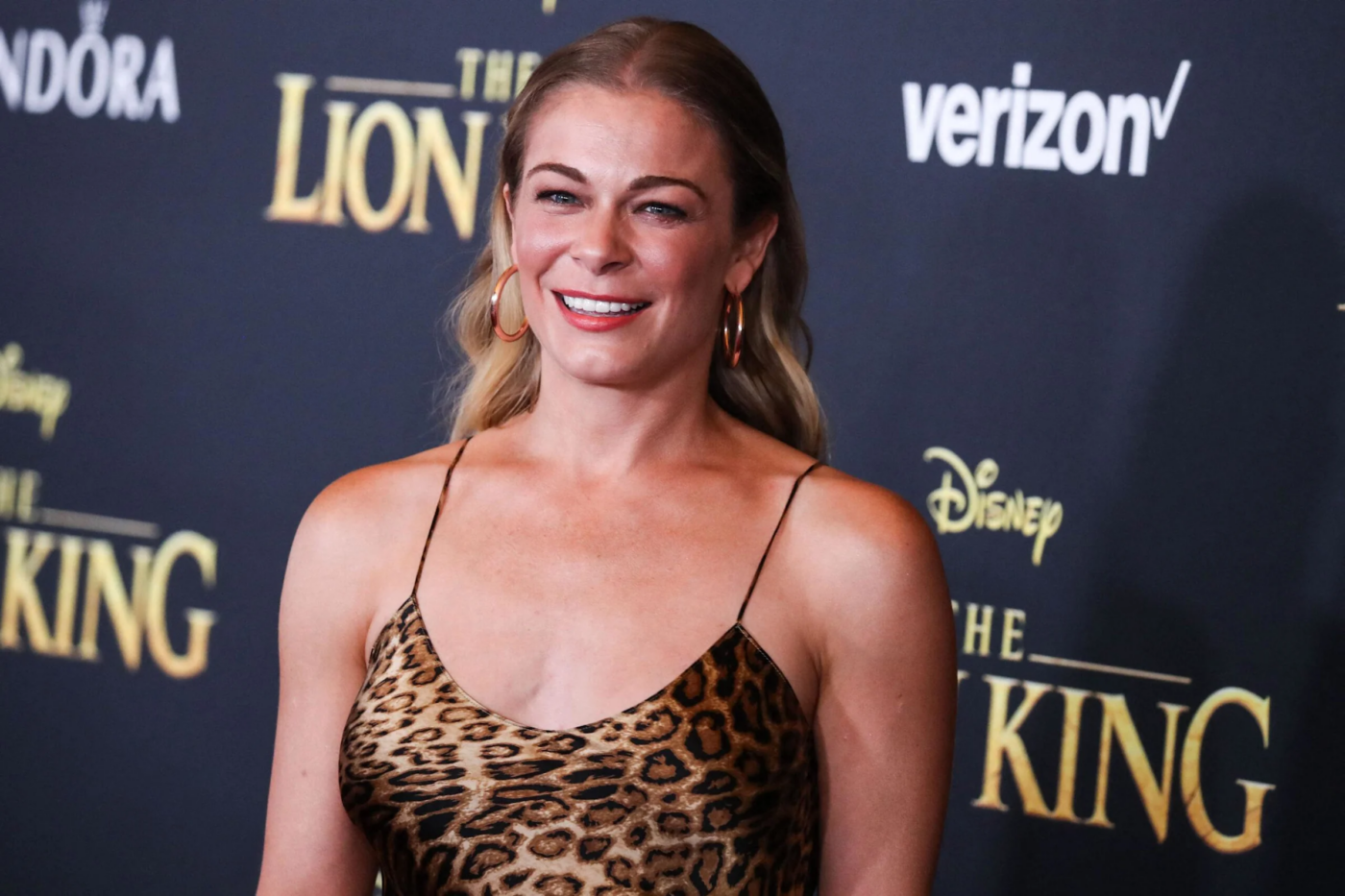

A $10,000 Cleanse for “Longevity”
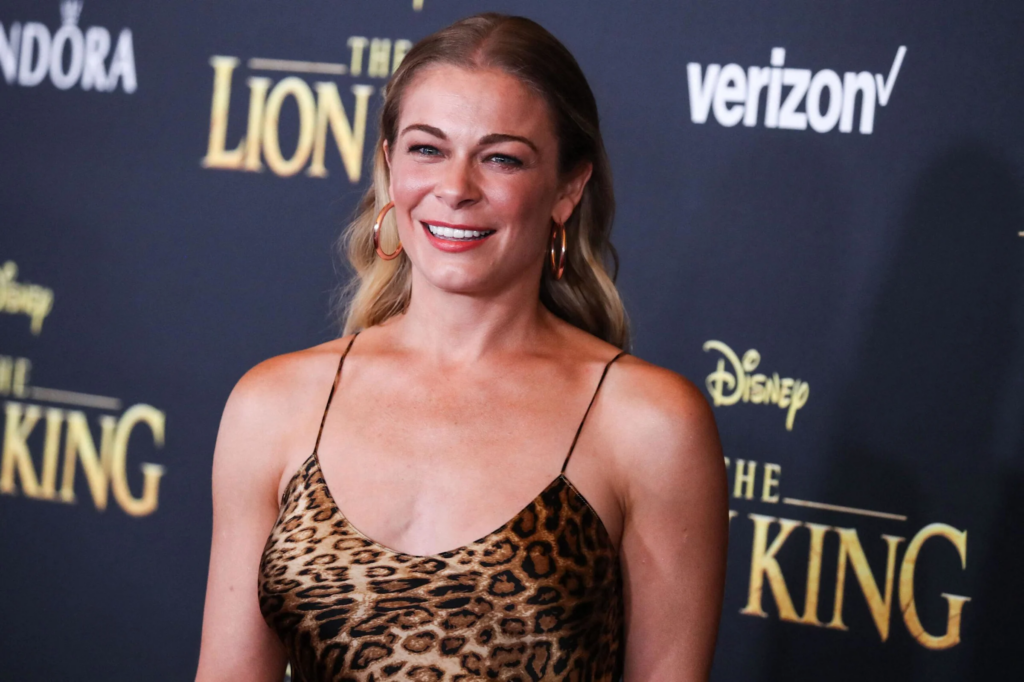
Singer LeAnn Rimes has opened up about undergoing a high-end, alternative wellness treatment known as Therapeutic Plasma Exchange (TPE) at Next Health in Nashville. Described by the clinic as a “longevity treatment,” the procedure is said to remove micro-toxins—such as mold and microplastics—from the blood and promote stem cell repair. With sessions reportedly costing around $10,000, Rimes’ transparency highlights her commitment to exploring and sharing cutting-edge, albeit costly, wellness therapies with her followers. While TPE is a legitimate medical procedure used for specific autoimmune and neurological conditions, its application for general “detox” and anti-aging remains controversial and is not widely endorsed by mainstream medicine. Rimes’ post continues her pattern of candidness about personal health, reflecting a growing trend among celebrities to advocate for personalized, often expensive, wellness regimens. It sparks conversation about the intersection of celebrity influence, alternative medicine, and the science—or lack thereof—behind high-priced “longevity” interventions aimed not at treating illness, but at optimizing health beyond conventional standards.
2. When “Not Giving Money Away” Means Not Paying Bills

Sami Sheen, the 20-year-old daughter of actress Denise Richards, has drawn public attention and criticism after reports surfaced that she avoids paying her bills because she “doesn’t like giving her money away.” The comment, whether made in jest or earnest, has sparked debate about financial responsibility, privilege, and the realities young adults face when navigating independence—especially under the glare of celebrity association. While some dismiss the remark as immature or out of touch, others see it as a symptom of broader challenges in financial literacy and entitlement that can affect any young person, regardless of background. The situation also underscores how the personal lives of celebrity-family members become public fodder, magnifying personal choices into cultural talking points. Whether a passing controversy or a teachable moment, Sheen’s reported stance invites reflection on the value of financial accountability, the transition to self-sufficiency, and how public figures—and their families—are held to different standards of scrutiny in the age of social media.
3. A Life Cut Short at 28

The adult entertainment community is in mourning following the reported death of Brazilian star Vitoria Beatriz at the age of 28. While specific details surrounding her passing remain unconfirmed, the news has triggered a wave of shock and sorrow among fans, colleagues, and industry peers. Tributes have highlighted her presence, professionalism, and the personal connections she fostered within a often-misunderstood field. Her sudden death brings a sobering focus to the vulnerabilities and pressures faced by performers, including mental health, public scrutiny, and the physical and emotional demands of their work. As condolences continue to pour in, Beatriz’s passing serves as a poignant reminder of the human stories behind public personas, and underscores the need for greater support, respect, and dignity for those in all corners of the entertainment industry. In grief, the community not only remembers a colleague lost too soon, but also reflects on the collective responsibility to foster safer, more compassionate environments for all who work within them.
4. From Nursing to OnlyFans: A Nine-Stone Reinvention

Former Big Brother star Chanelle Hayes has undergone a dramatic physical and professional transformation, losing nine stone (approximately 126 pounds) and leaving her career as a nurse to become a content creator on OnlyFans. Her journey, which she has shared openly, reflects a profound commitment to health, fitness, and personal reinvention. Hayes credits her weight loss to disciplined lifestyle changes and has spoken about the boost in confidence it has brought. The career shift to OnlyFans represents a conscious choice to take control of her income, public image, and creative expression. While some have questioned the move, many supporters celebrate it as an empowering example of self-determination and body positivity. Hayes’ story underscores a modern narrative of reinvention, where individuals leverage digital platforms to redefine their careers and identities on their own terms. It also highlights the complex intersections of health, autonomy, and public perception in an era where personal branding can become both a livelihood and a statement of empowerment.
5. The Cost of a Record

In October 2023, model and OnlyFans creator Lily Phillips made headlines—and sparked intense controversy—after she filmed herself having sex with 101 men in a single day to sell as content. While the stunt initially generated viral attention and commercial gain, a recent documentary has shown Phillips in tears, expressing visible regret and emotional turmoil over the experience. The documentary also revealed the logistical and emotional process behind selecting participants, highlighting the dehumanizing aspects of treating intimacy as a mass-produced commodity. Public reaction has been sharply divided, with many viewers calling for greater regulation or even a ban on platforms like OnlyFans, citing concerns about exploitation, mental health, and the ethical limits of content creation. Phillips’ story has become a flashpoint in the ongoing debate about the intersection of adult entertainment, personal agency, and psychological well-being in the digital age. It raises difficult questions about where creative entrepreneurship ends and self-harm begins, and who bears responsibility when the pursuit of viral notoriety collides with human vulnerability. Her tears serve as a poignant, if controversial, reminder that behind sensational headlines are real people navigating the complex costs of commodifying their own bodies.
6. Father and Son Collaboration Sparks Controversy
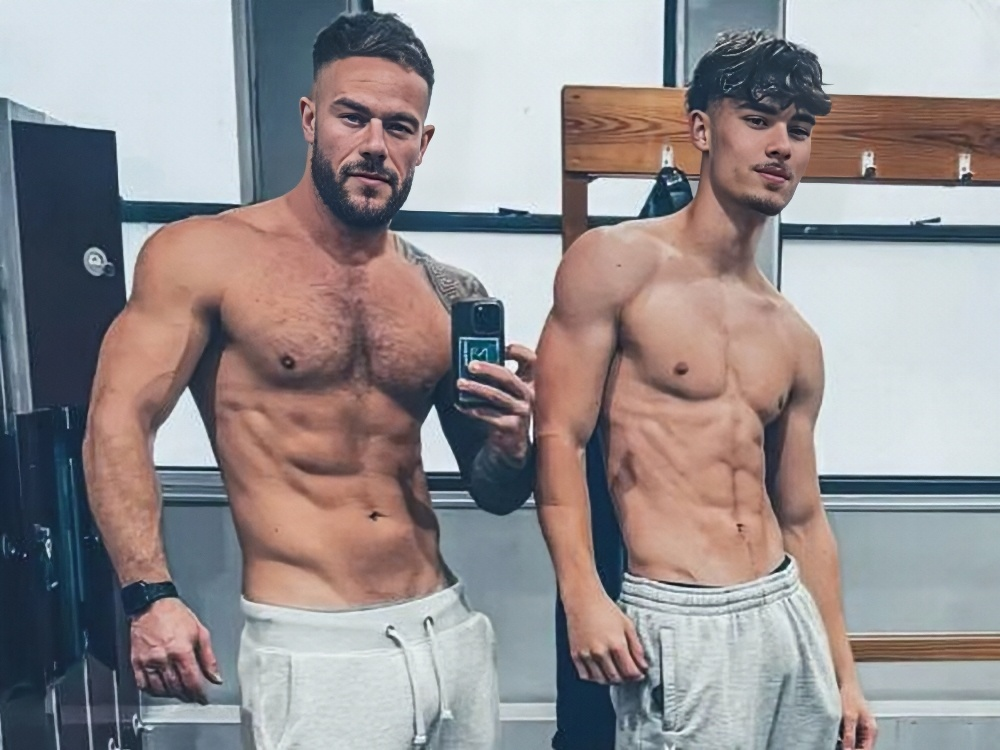
OnlyFans creator Dean Byrne, 41, has ignited a firestorm of debate after announcing a professional collaboration with his 18-year-old son on the adult content platform. While Byrne asserts the partnership is consensual, professional, and bound by clear agreements, critics argue that the dynamic blurs fundamental familial and ethical lines, raising concerns about coercion, exploitation, and psychological impact—even if legal. Supporters counter that both adults are entitled to make autonomous career choices, and that public judgment oversteps into private family matters. The controversy taps into broader societal discomfort with the normalization of family involvement in adult entertainment and challenges where the boundaries of acceptable content creation lie. It also highlights the tensions between personal liberty, parental influence, and the court of public opinion in the digital age. As discussions continue, Byrne’s case underscores how the intersection of family, adulthood, and sex work can become a flashpoint for deeper cultural debates about morality, autonomy, and the ever-evolving definition of “appropriate” in the creator economy.
7. When Housing Hinges on Hinge
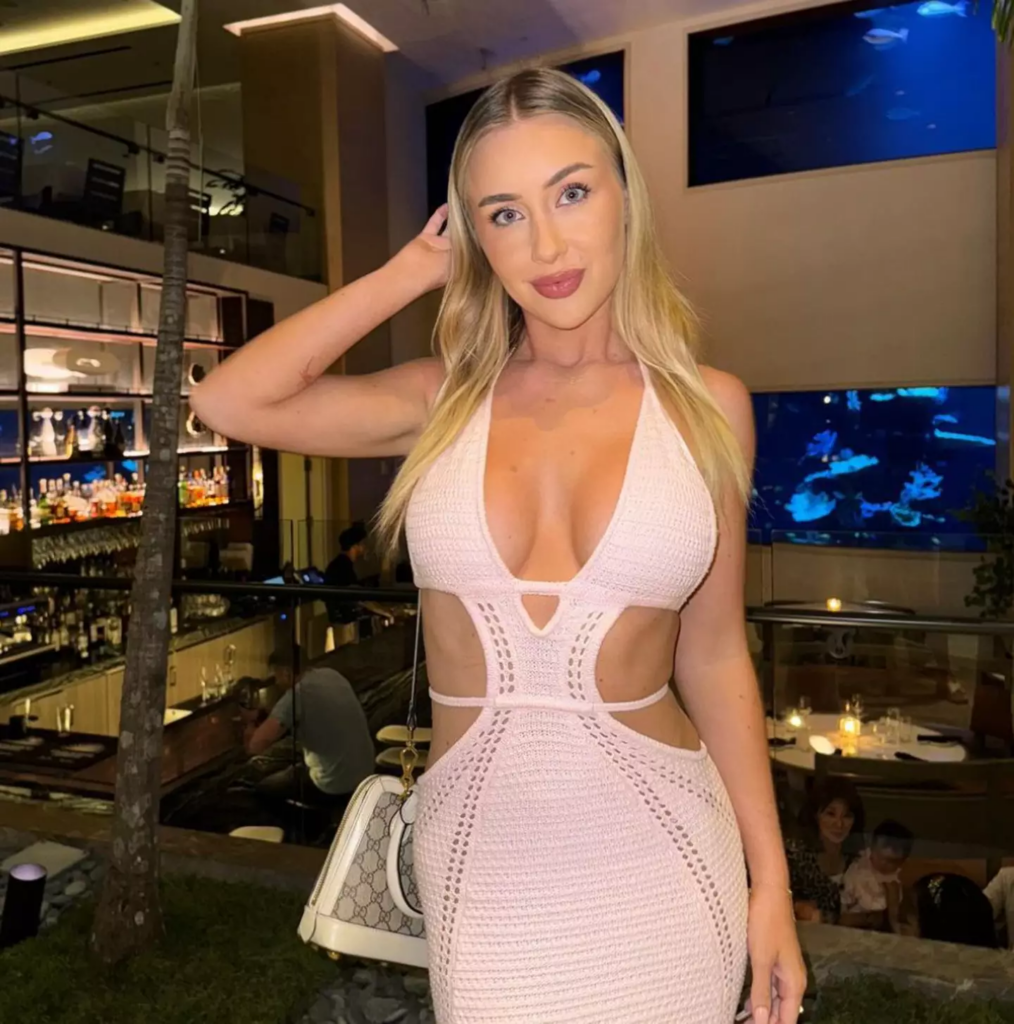
In a stark reflection of Australia’s severe rental crisis, influencer Emily Webb revealed she temporarily stayed with men she met on the dating app Hinge while struggling to secure affordable housing. Sharing her story on TikTok and Instagram, Webb framed her decision as a survival strategy amid a desperate market, highlighting the intense pressure on young renters. The admission quickly went viral, splitting public opinion. Some viewers expressed empathy, seeing her actions as an indictment of a broken housing system that forces vulnerable people into precarious living situations. Others voiced alarm about safety, boundaries, and the ethical implications of leveraging personal relationships for shelter. Beyond personal judgment, Webb’s experience has amplified a larger, uncomfortable conversation: when housing becomes inaccessible, traditional notions of stability and safety fracture, pushing individuals toward improvised—and often risky—solutions. Her story underscores how economic pressures can blur lines between personal and practical survival, and serves as a provocative case study in how the housing crisis is reshaping not just where people live, but how they live, and whom they rely on in times of need.
8. A 50% “Sin Tax” on OnlyFans Creators?
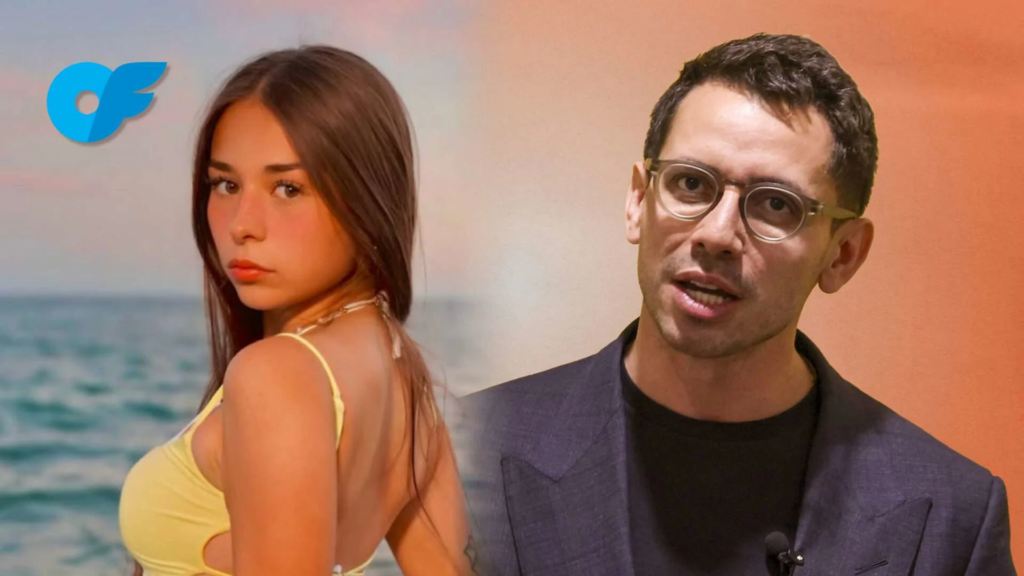
Florida governor candidate James Fishback, a conservative influencer and CEO, has proposed an unprecedented state-level 50% tax on earnings from OnlyFans creators in Florida. Branding the platform “online degeneracy,” Fishback stated the goal is to disincentivize women from working on the site, claiming he won’t “let young, smart, and capable women be exploited.” He proposes using the revenue to fund public education, crisis pregnancy centers, and a “mental health czar” for men. However, the plan faces significant legal hurdles: Florida’s constitution prohibits state income taxes, and “sin taxes” traditionally apply to products, not earned income from labor. The proposal has drawn swift backlash from creators, including popular figure Sophie Rain, who has publicly challenged its constitutionality and intent. Fishback, running in a crowded Republican primary, is positioning himself as a culture-war candidate, with additional pledges to halt H-1B visas, cancel AI data centers, and abolish property taxes. While likely more a provocative campaign pledge than a viable policy, the proposal highlights how sex work and digital content creation have become political flashpoints, raising questions about government overreach, gender politics, and the economic autonomy of creators in the digital age.




Leave a Comment