
Jewelry That Calls for Help
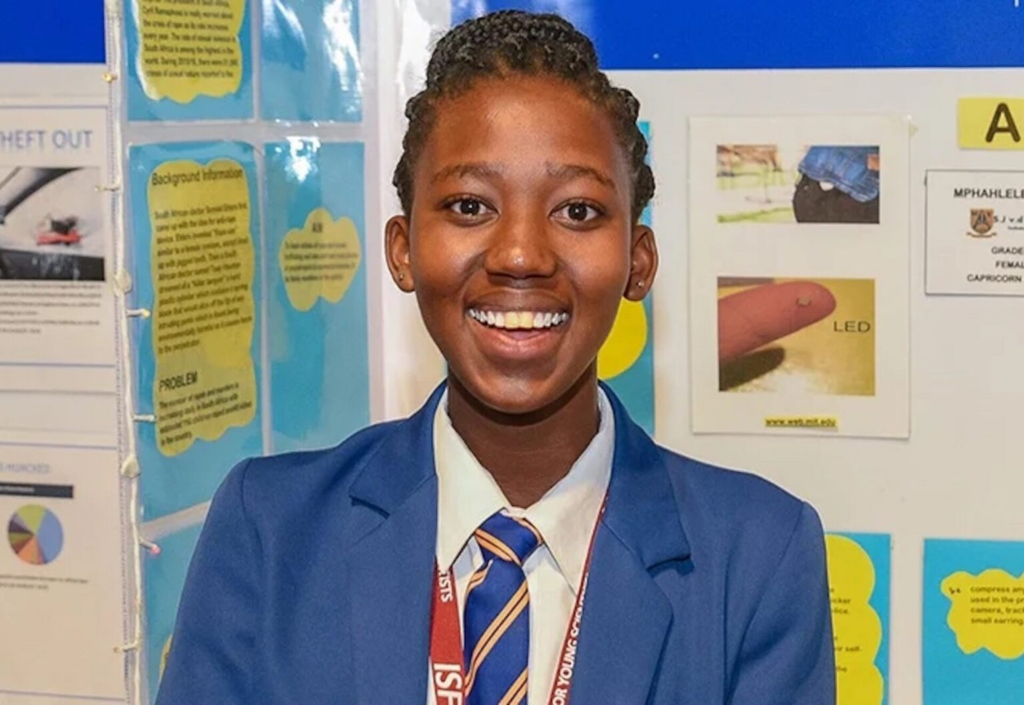
In response to the pervasive threat of gender-based violence, 16-year-old Bohlale Mphahlele from Limpopo, South Africa, has engineered a lifeline disguised as jewelry. Her invention, the “Alerting Earpiece,” is a discreet wearable that looks like a normal earring but contains a hidden emergency button. When activated, it captures a photograph of the assailant and instantly transmits an alert with live GPS coordinates to pre-selected contacts and emergency services. This ingenious blend of everyday fashion and life-saving technology earned her a bronze medal at the prestigious Eskom Expo for Young Scientists. However, Bohlale’s vision extends far beyond accolades; she aims to develop the prototype into an affordable, widely accessible safety tool for women and children globally. Her work is a powerful, multi-layered statement: it demonstrates that youth are potent innovators, that girls belong at the forefront of STEM, and that technology can be directly harnessed to protect human dignity and safety. In a single, elegant device, Bohlale Mphahlele has combined courage, creativity, and technical skill, offering not just a gadget, but a bold blueprint for how the next generation is actively engineering a safer world.
2. The Lonely 911 Call That Made a Friend
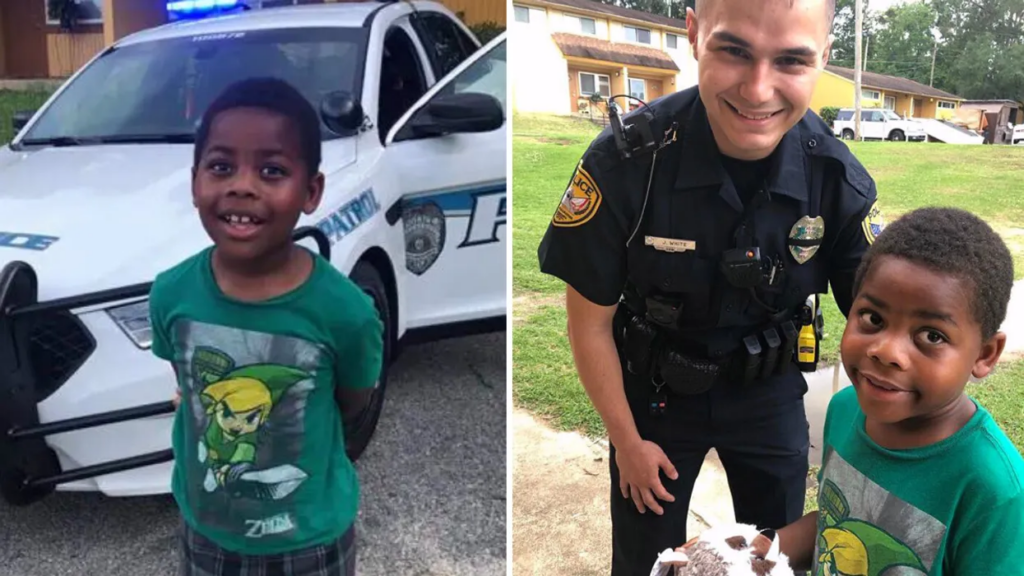
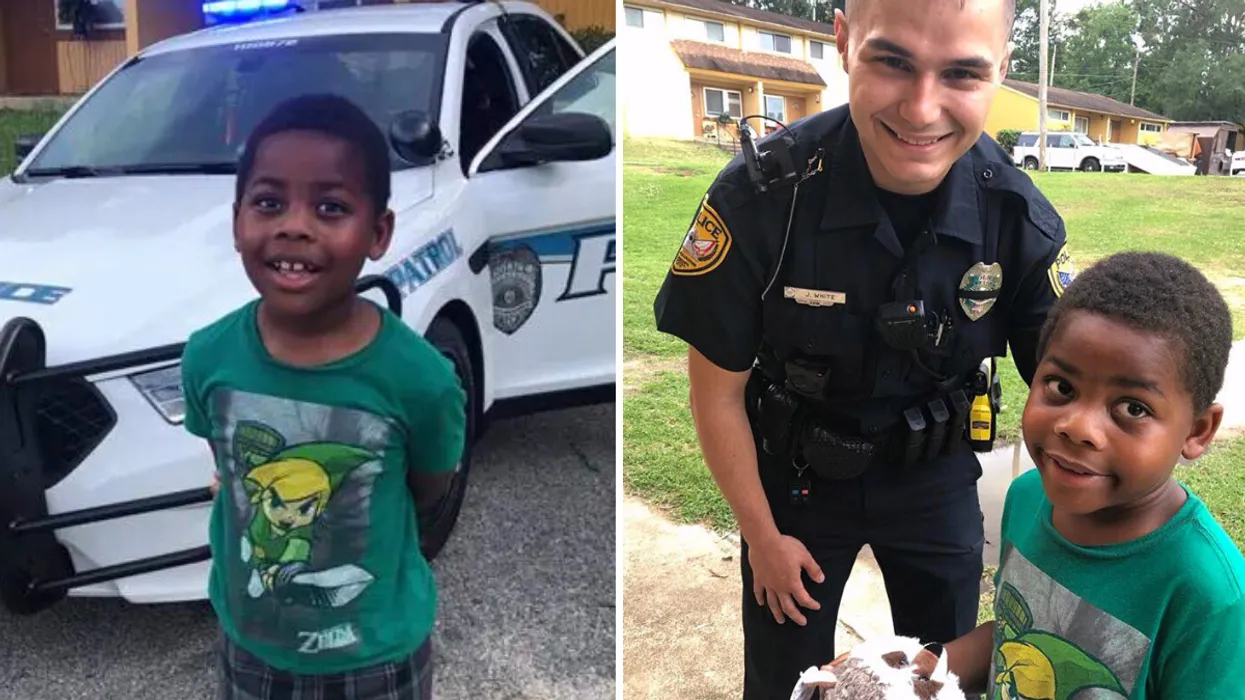
In Tallahassee, Florida, a 6-year-old boy, feeling lonely and sad, dialed 911 without his mother’s knowledge. When Tallahassee Police Officer Joe White arrived, expecting an emergency, he discovered the real issue: a child in need of a friend. Instead of reprimanding him, Officer White calmly explained the proper use of 911 for true emergencies, while also offering reassurance and friendship. The encounter transformed into a positive, educational moment. Officer White invited the boy to sit in his patrol car, giving him a glimpse into police work, and gifted him a stuffed animal as a keepsake of their meeting. The police department later shared the story, using it to gently remind the public about responsible 911 use while highlighting the compassion inherent in community policing. This heartwarming incident underscores how law enforcement can bridge gaps with empathy, turning a potential misunderstanding into an opportunity for connection, education, and comfort. It proves that beyond enforcing laws, officers have the profound capacity to heal small, unseen wounds—and that sometimes, the most important call to service is simply answering a child’s call for companionship.
3. The Last of Her World
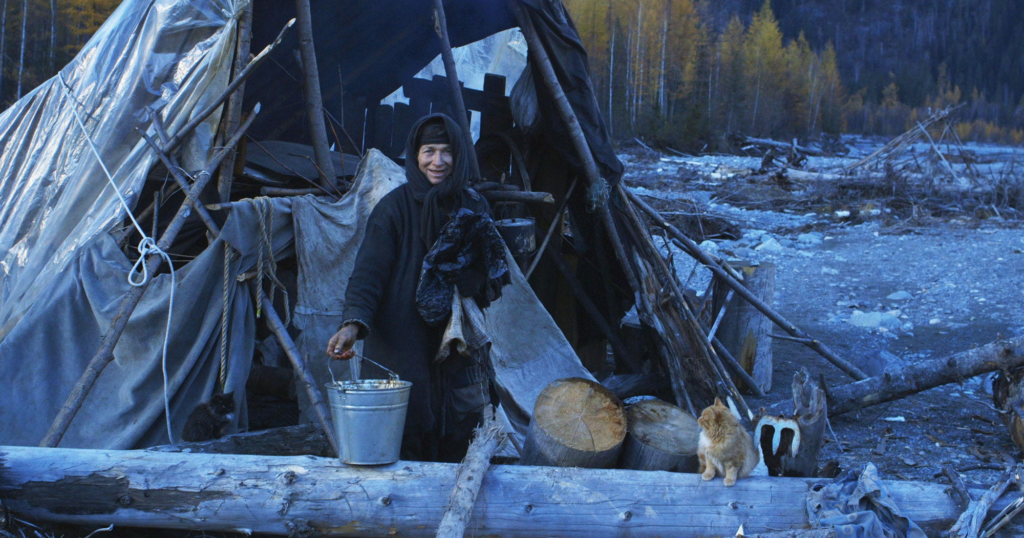
Deep in the remote Siberian taiga, Agafya Lykova continues to live a life untouched by the modern age. She is the last surviving member of the Lykov family, Old Believers who fled religious persecution in the 1930s and disappeared into the wilderness. For over 40 years, the family remained hidden, living in a simple wooden cabin, surviving by hunting, trapping, gardening, and prayer. Their existence was only discovered in 1978 by Soviet geologists who spotted their garden from the air. By then, the family lived much as their 18th-century ancestors had—without electricity, modern tools, or contact with the outside world beyond a single family Bible. Over the following decades, Agafya’s parents and siblings all passed away, leaving her alone in the vast forest. Now in her early eighties, she has chosen to remain, upholding the traditions and faith that defined her life. She lives in a newer, donated cabin with a basic emergency phone, keeps goats, tends a garden, and receives occasional assistance from visitors and regional authorities. Her existence stands as a profound testament to human resilience, spiritual devotion, and the enduring power of a chosen solitude—a living bridge to a way of life that has otherwise vanished from the Earth.
4. A Lesson That Saved a Life
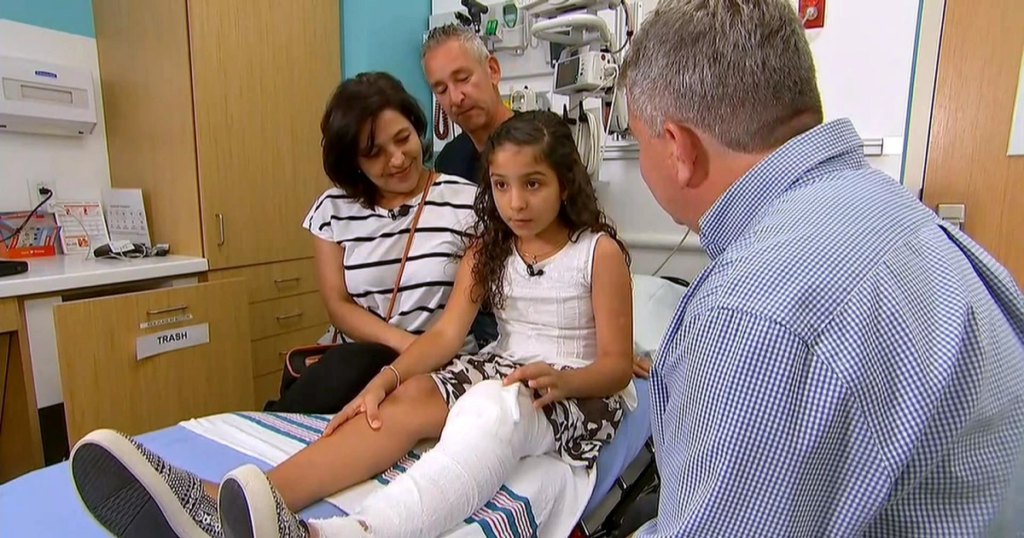
In 2017, 10-year-old Juliana Ossa was enjoying a day at Moss Park in Orlando, Florida, when a nearly nine-foot alligator latched onto her leg in Lake Mary Jane’s shallow water. After instinctively hitting the reptile without effect, she recalled a vital piece of information from a safety demonstration she had seen during a family visit to Gatorland: if you block an alligator’s nostrils, it must open its mouth to breathe. Despite the terror and pain, Juliana pushed her fingers into the gator’s nostrils, forcing it to release its grip. She pulled her leg free and was quickly rescued by family and lifeguards. After receiving hospital treatment for her wounds, she returned home to recover. Wildlife officials later captured and euthanized the alligator, following standard protocol after a human attack. Juliana’s astonishing presence of mind transformed a random, forgotten lesson into a lifesaving act. Her story underscores the profound value of wildlife safety education—especially for children in regions where humans and predators coexist—and serves as a powerful testament to how calm reasoning, even under extreme duress, can mean the difference between tragedy and survival.
5. The Disappearing Cryptoqueen

In 2014, Bulgarian-German businesswoman Dr. Ruja Ignatova launched OneCoin, proclaiming it would surpass Bitcoin and democratize digital currency. Through glamorous global rallies and a multi-level marketing network, she sold “education packages” that served as access to purchase OneCoin, promising security, regulation, and simplicity. By 2016, she was celebrated as the “Cryptoqueen,” drawing millions of investors worldwide. However, OneCoin operated without a genuine blockchain; its value was fabricated in a private database controlled by the company. The scheme amassed over $4 billion from hopeful investors across continents. In October 2017, Ignatova flew from Sofia to Athens and disappeared without a trace. While her associates have faced prosecution, she remains a fugitive, featured on the FBI’s Ten Most Wanted list with a substantial reward for information leading to her capture. OneCoin stands as one of history’s largest financial frauds—a stark warning about the allure of charismatic leadership, opaque technology, and the peril of investing in promises rather than substance. It illustrates how easily trust can be monetized and how devastating the fallout can be when that trust is engineered by deception, leaving billions in losses and a trail of global heartbreak in the wake of a vanished queen.
6. More Than a Calendar, a Vision of Strength
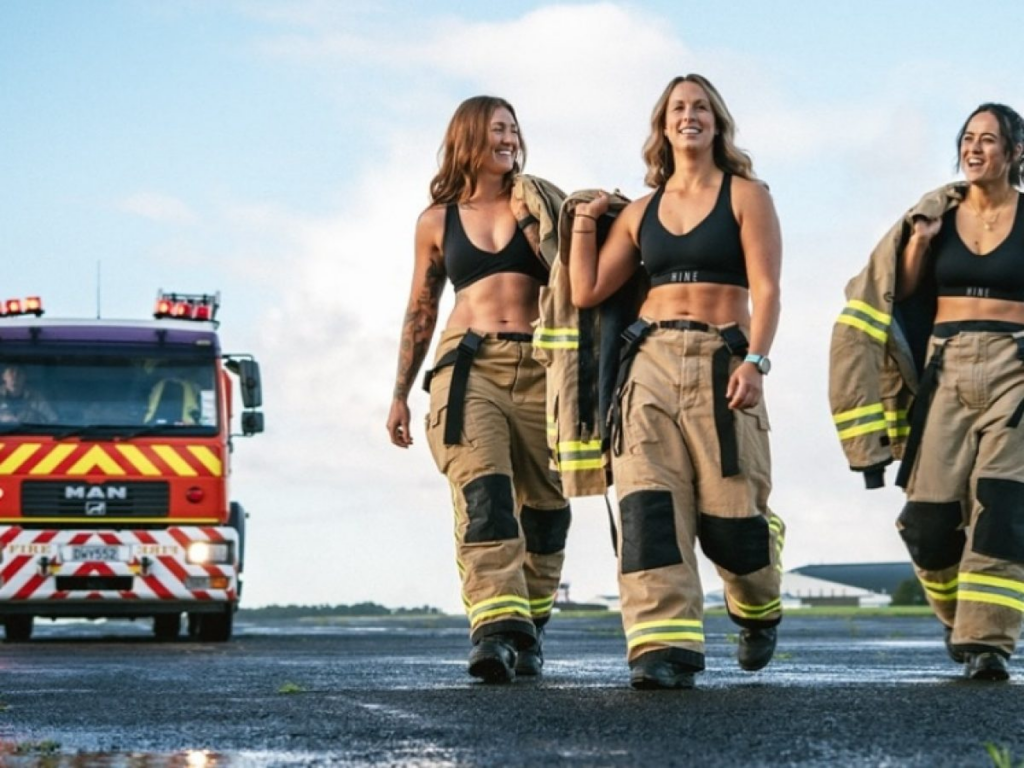
In New Zealand, where women make up a small fraction of the firefighting force, 13 career firefighters from nine different stations launched a groundbreaking initiative: the Wāhine Toa Firefighter Calendar, the country’s first all-women firefighter calendar. Their aim was twofold: to raise funds for breast cancer research through the charity Breast Cancer Cure, and to visibly challenge the male-dominated image of their profession. What began as a modest goal—to sell 5,000 calendars and raise around $60,000—exploded into a viral sensation. Short social media teasers garnered millions of views, and the initial print run sold out in just 26 hours. Ultimately, the project raised nearly $180,000, directly funding new breast cancer research in Aotearoa. Organized with intentionality, participation was always optional, and imagery centered on authentic strength and professionalism rather than stereotypes. For co-organizer Samara Pepperell, whose mother is a breast cancer survivor, the cause was deeply personal. The calendar’s impact extends beyond fundraising; it reshapes public perception, proving that strength, service, and leadership look like the women who step into the flame every day, and that changing the image on the wall can inspire a new generation to step onto the front line.
7. A Skirt for Change
During a summer heatwave in June 2017, students at Isca Academy in Exeter, England, faced an uncomfortable and seemingly rigid uniform policy: shorts were not permitted, despite sweltering temperatures. After their polite request for a change was denied, a group of about 30 boys devised a clever, peaceful protest. Noting that skirts were allowed for girls, they arrived at school wearing the school’s approved tartan skirts over their usual shirts and ties. The demonstration was calm, respectful, and visually effective—a single photo of the boys in skirts quickly went viral, highlighting the absurdity of the rule. The widespread attention prompted the school to reconsider, and by the following summer, shorts were officially added to the uniform options. This protest stands as a sharp example of creative, non-disruptive student activism. It demonstrated how a simple, logical act of compliance—wearing an approved garment—could effectively challenge an outdated policy, using wit and visibility to advocate for comfort, equality, and common sense. The boys’ skirt protest became more than a local news story; it became a lesson in how to question rules with intelligence, humor, and impactful quiet resolve.
8. Just Motherhood” Was Stage 4 Cancer
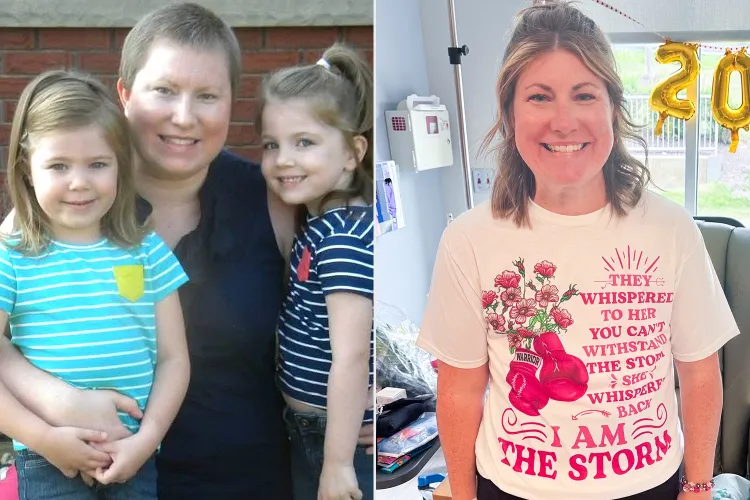
At 26, with three children under three, Kate Crawford experienced debilitating exhaustion, headaches, and severe back pain. Repeatedly, doctors dismissed her symptoms as the inevitable toll of “just motherhood.” It wasn’t until she performed a self-exam and discovered a lump that she was diagnosed at age 28 with stage 4 metastatic breast cancer—and given less than two years to live. Crawford, a former firefighter and EMT from Pennsylvania, has since defied that prognosis. In August 2025, she received her 200th cancer treatment, marking 13 years of courageous survival. Her journey has been punctuated by profound loss, including the death of her first daughter at three days old and a later miscarriage, before welcoming her twin daughters and a son born prematurely with cerebral palsy. Crawford’s story is a powerful indictment of the systemic tendency to minimize women’s health complaints, especially those of young mothers. It highlights the critical need for clinicians to look beyond easy assumptions and listen deeply to patients. Her ongoing fight—balancing aggressive treatment with making memories for her children—transforms personal tragedy into a public call for awareness, research funding, and the urgent reminder that a mother’s pain deserves investigation, not dismissal.


Leave a Comment