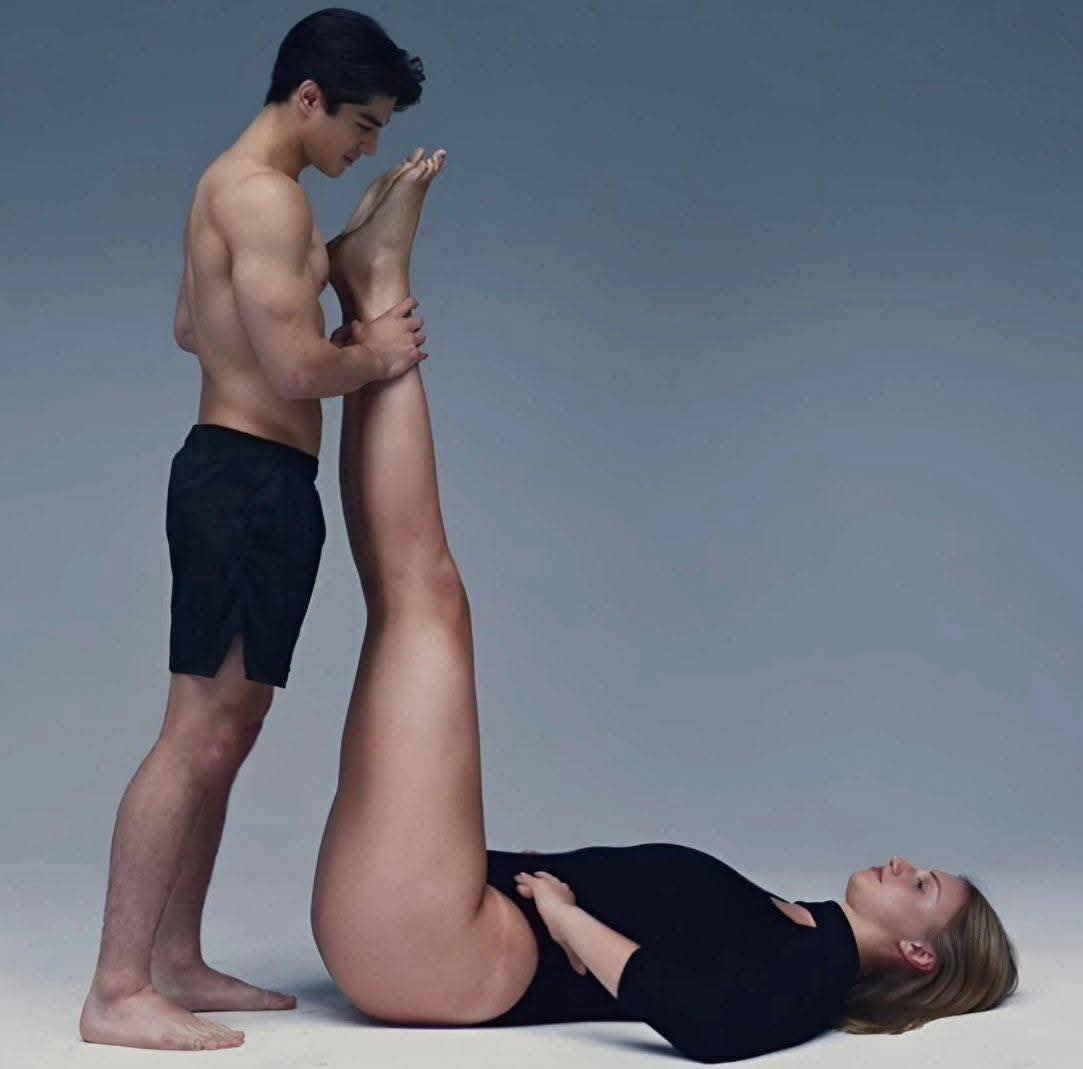

A Towering Phenomenon in Motion
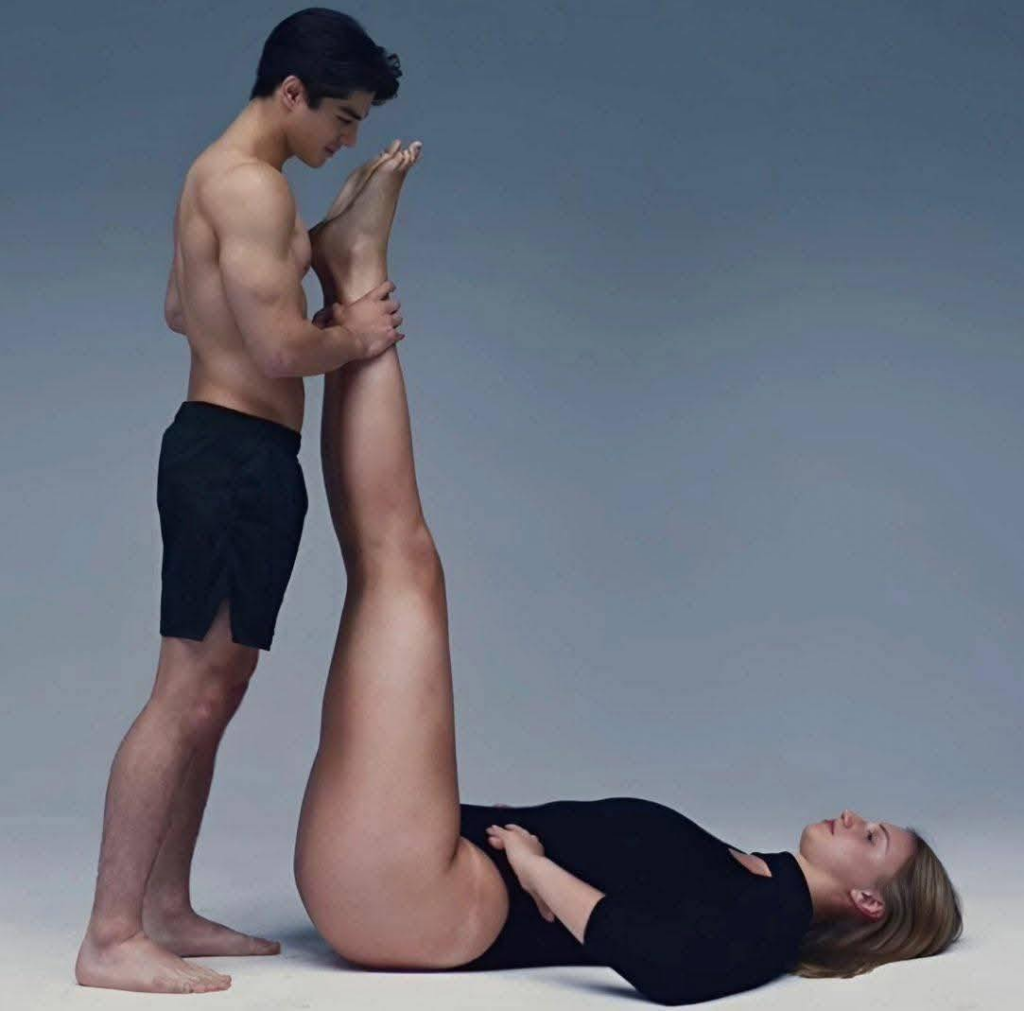
In the world of elite sports, certain physical attributes create an immediate advantage, but true dominance is forged in how an athlete weaponizes that gift. Canadian volleyball star Anna Smrek embodies this principle. At a staggering 2.07 meters (6 feet 9 inches) tall, she is a commanding presence impossible to overlook on the court. Yet, what sets her apart is not her height alone, but the rare and potent fusion of that size with explosive power, strategic intelligence, and fluid mobility. Smrek represents a new archetype in volleyball: the ultra-tall player who moves with the grace and speed of a much smaller athlete, making her not just a physical specimen but a complete and evolving phenomenon in the sport.
Smrek’s athletic pedigree is foundational. She is the daughter of Mike Smrek, a former NBA center who won two championships with the Los Angeles Lakers in the 1980s. From her father, she inherited not only her formidable height but also an innate understanding of professional sports culture, competitive mindset, and the work ethic required to excel at the highest level. This genetic and environmental backdrop provided a unique launchpad, but Anna has carved her own distinct path in a different arena, translating the verticality and court sense of basketball into volleyball’s dynamic, net-centric warfare.
Her collegiate career at the University of Wisconsin was a period of rapid transformation and historic achievement. Initially adapting to the pace of top-tier NCAA volleyball, Smrek made a crucial mid-career shift, refining her role to maximize her impact. This adaptability proved pivotal. As a middle blocker and opposite hitter for the Wisconsin Badgers, she became a central pillar of one of the nation’s most formidable programs. Her crowning achievement came in 2021 when she helped lead the Badgers to the NCAA National Championship. Throughout her tenure, she shattered school records, particularly in hitting percentage and blocks, showcasing an efficiency that complemented her obvious power. Her ability to terminate points with authority while simultaneously serving as an imposing defensive wall at the net made her the linchpin of the Badgers’ success.
2. The Man Without a Pulse

The human heart is more than an organ; it is a universal symbol of life, its steady beat synonymous with vitality. For Andrew Jones, a bodybuilder and fitness enthusiast, that symbol took on a starkly literal and public dimension. In 2012, a severe case of viral cardiomyopathy irreparably damaged his heart, setting him on a medical odyssey that would challenge the very definitions of life and living. When his condition deteriorated and a donor heart was not immediately available, doctors implanted a Left Ventricular Assist Device (LVAD)—a portable artificial pump that took over the function of his heart’s main chamber. This device, powered by external batteries he carried in a small backpack, allowed him to survive, but it rendered his pulse imperceptible. For years, Andrew Jones became known as “the bodybuilder with a backpack heart,” a walking testament to biomedical engineering and human resilience, living a full, conscious life without a traditional heartbeat.
The core of Andrew’s story lies in this Mechanical Metamorphosis. The LVAD is a continuous-flow pump. Unlike the natural heart, which beats in pulsatile waves, the device provides a constant, non-pulsatile stream of blood. This meant Andrew had no pulse. If someone placed their fingers on his wrist or neck, they would feel nothing—a clinical sign typically associated with death. Yet, Andrew was very much alive. This profound disconnect between a classic vital sign and his conscious reality was both a medical marvel and a daily existential reality. The backpack, containing the device’s controllers and battery packs, was his literal lifeline. It was a constant, heavy reminder of his fragility, but also of the technology sustaining him. He had to manage the equipment 24/7, ensuring the batteries were always charged and the driveline site where the cable entered his body remained sterile to prevent infection.
Despite this, Andrew refused to let the device define him as an invalid. His background as a bodybuilder fueled a fierce determination to maintain his strength and physique. He adapted his training routines, working closely with his medical team to establish safe parameters for physical activity. He lifted weights, engaged in cardio, and continued to present a powerful, muscular appearance that defied the internal machinery keeping him alive. This visual paradox—the image of a powerful athlete reliant on a backpack of batteries—became a powerful symbol. It challenged public perceptions of disability and illness, proving that a person connected to advanced life-support could still pursue strength, discipline, and an active lifestyle.
3. Teen Continues Brain Injury Recovery

Dilynn Turner, the 16-year-old from Good Hope, Alabama, who suffered a traumatic brain injury in a January 2nd car accident, continues her arduous fight in Huntsville Hospital. A significant recent step in her medical journey was the insertion of a permanent shunt, a device designed to drain excess cerebrospinal fluid from her brain to her abdomen, where it can be safely absorbed. This procedure aims to reduce dangerous swelling and create optimal conditions for healing. According to an update from her mother, Jessica, the neurosurgical team reports that Dilynn’s head is looking better, with swelling reduced since the shunt was placed.
Clinically, Dilynn has progressed to the point of being ready for transfer out of the Surgical Trauma Intensive Care Unit (STICU). The medical team, prioritizing a cautious and stable transition, plans to move her later this week to a room near the nurses’ station to ensure she continues receiving close observation. The family’s specific prayer requests underscore the delicate path ahead: for the shunt to function without complication, for continued neurological progress, for a safe move from the ICU with no setbacks, and for the continued excellence of her medical team. The Turner and extended family, including parents Jessica and David, father Derek and stepmother Ashley, and her seven siblings, remain steadfast at her side. After over three weeks of an unimaginable challenge, they continue to express profound gratitude for the community’s outpouring of support, finding strength in the comments and prayers sent their way during this critical time.
4. A Life With Twin Brothers

Fah, a 24-year-old woman from Thailand, has ignited international discussion after publicly sharing details of her committed relationship with identical twin brothers, Sing and Suea. The trio, who connected six months ago, explain their dynamic as a natural and comfortable evolution, now sharing a home, daily responsibilities, and most of their time together as a cohesive unit. A key to their harmony, according to Fah, is the complete absence of jealousy between the brothers, who are described as supportive and calm partners working in agricultural machinery. Their domestic life, including sleeping arrangements with Fah in the middle, challenges conventional romantic and family structures, presenting a model built on mutual agreement and everyday practicality rather than societal tradition.
Fah addresses the viral attention with resilience, focusing on supportive feedback while dismissing negativity. Her forward-looking statements further fuel the conversation; she plans a DNA test for any future child, who she hopes will call both men “dad,” actively redefining paternity and family roles. This story transcends mere tabloid curiosity, touching on deeper themes of love’s configurations, consent, and the creation of chosen family outside legal and social norms. The global reaction underscores a cultural fascination with relationships that defy easy categorization, prompting debates about the boundaries and possibilities of modern love. Ultimately, their narrative is a testament to defining personal happiness on one’s own terms, presenting a quiet, domestic counterpoint to mainstream expectations of romance and commitment.
5. Probation Debate Highlights Systemic Trade-offs
Conversely, defenders highlighted the cascading devastations of even brief incarceration: job loss, severed family bonds, housing instability, and enduring stigma. For the individual, avoiding this acute rupture of his life was an unequivocal win worth celebrating. The debate ultimately transcended the single case, serving as a public dissection of the criminal justice system’s common trade-offs. It underscored how probation, often perceived leniently by outsiders, functions as a long-term mechanism of control that can meticulously shape and constrain a person’s existence for years. The viral moment thus became a lens examining how punishment is quantified and experienced, questioning whether the system merely exchanges a concrete, short-term penalty for a more diffuse, long-term one, and who gets to decide what constitutes a “better” outcome in the complex calculus of justice and personal survival.
6. E-Waste Powers Home for Eight Years
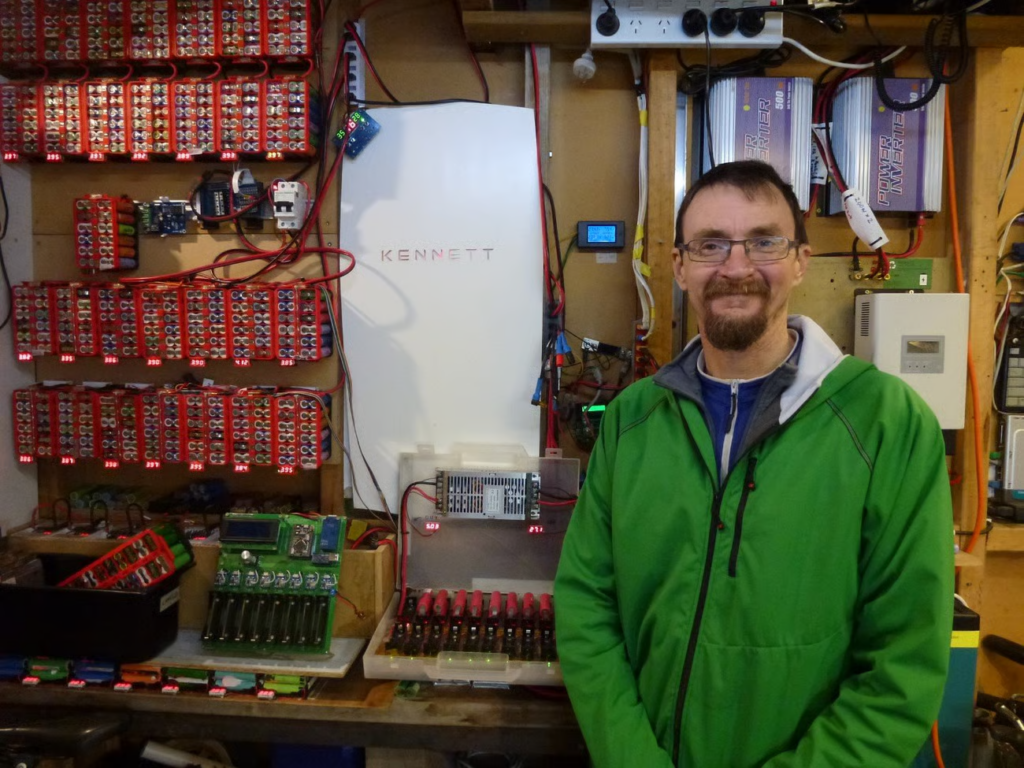
In 2016, a determined DIY enthusiast known as Glubux embarked on an ambitious project to solve home energy storage not with new technology, but with discarded e-waste. He began systematically collecting thrown-away laptop battery packs, meticulously opening each one to test and salvage individual cells that retained sufficient capacity. This painstaking process of harvesting, testing, and sorting evolved into constructing custom battery blocks, which he gradually expanded as his supply grew. The system eventually integrated over one thousand recycled lithium-ion cells, all connected to a substantial solar array comprising twenty-four 440-watt panels. Remarkably, eight years into operation, the homemade power bank continues to reliably supply his entire household without a single cell replacement, a testament to both the inherent longevity of many discarded batteries and his careful battery management system.
To mitigate the inherent risks of repurposed lithium-ion batteries, Glubux housed the entire storage system and inverters in a separate, fire-resistant shed, a critical safety precaution. This setup now powers all home lighting, appliances, and even high-draw devices like a washing machine, demonstrating a successful, sustainable closed-loop energy model. The project stands as a powerful case study in circular electronics, challenging the perception of laptop batteries as single-use trash. It highlights the vast potential energy lying dormant in global e-waste streams, waiting to be harnessed through patience, technical skill, and a commitment to reuse. Glubux’s achievement proves that with meticulous effort, discarded consumer electronics can be transformed into a resilient, long-term power infrastructure, offering an inspiring blueprint for sustainable, off-grid living and responsible resource stewardship.
7. A Stranger’s Face Unlocked iPhone
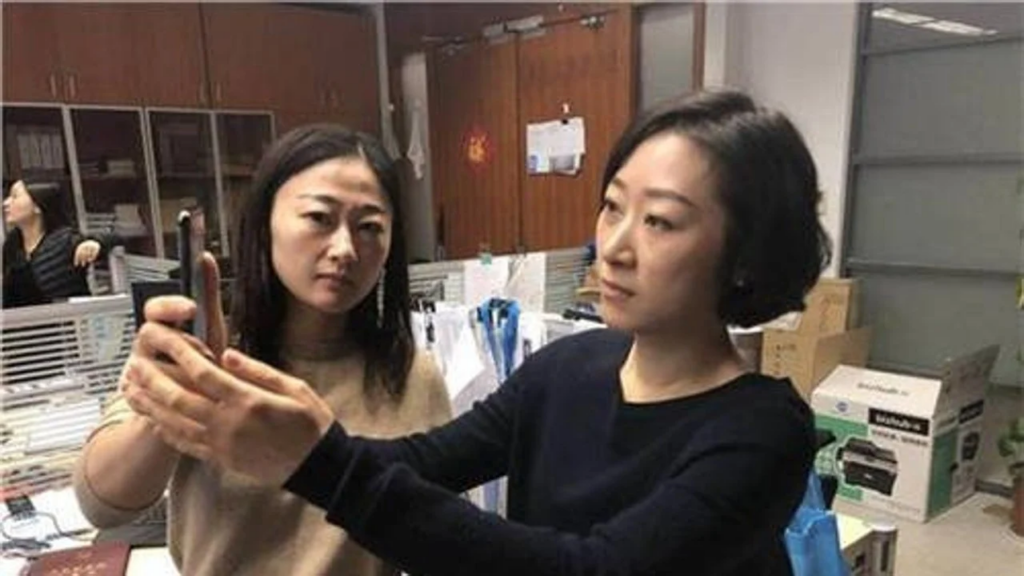
In 2017, shortly after the iPhone X’s release, a user named Yan from Nanjing, China, encountered a baffling and concerning security flaw: her coworker, to whom she was not related, could consistently unlock her phone using Face ID. The feature, marketed as having a mere one-in-a-million chance of falsely authenticating a stranger, failed repeatedly in this specific case. After initial disbelief, Yan reported the issue to Apple, who replaced her device. Remarkably, the problem persisted with the new unit; the same coworker could still unlock it, indicating the issue was not a hardware defect in a single phone but a fundamental facial recognition error between these two individuals. Yan successfully demonstrated the flaw in an Apple Store, leading to a highly unusual full refund for both phones.
The incident highlighted a critical vulnerability in biometric security systems when confronted with unrelated individuals who share sufficiently similar facial geometry—a scenario apparently not adequately captured in the system’s initial probability models. While Apple subsequently released software updates to improve Face ID’s discriminatory algorithms, Yan’s case remains a prominent, real-world example of advanced technology failing in unexpected ways. It served as a public reminder that biometrics, while convenient, are probabilistic, not absolute. The event sparked discussions on the ethics and reliability of facial recognition as a sole authentication method, emphasizing that no security system is infallible and that user vigilance remains essential, even in an era of supposedly seamless and intelligent personal technology.
8. 72-Year-Old Wins Bodybuilding Championship
Lin Sui-tzu, a seventy-two-year-old woman from Taipei, has redefined late-life potential by winning first place in the over-70 bikini category at the prestigious 2025 President’s Cup Bodybuilding and Fitness Championships. Her journey began just three years prior at age sixty-nine, when she decided to personally embody the health advice she had spent decades teaching others about heart health and diabetes management. With no prior experience, she committed to a disciplined regimen, starting with weight training in her local gym. She maintained a rigorous schedule of weekday morning resistance training, gradually building significant muscle tone and strength. This physical transformation was paired with meticulous nutrition, yoga, and dancing, creating a holistic approach to wellness supported by her husband, a cardiologist.
Lin’s story transcends a personal fitness achievement; it challenges deep-seated cultural narratives about aging, capability, and self-reinvention. Her victory on a competitive bodybuilding stage symbolizes that profound transformation is not confined to youth but is accessible through consistency and courage at any age. She serves as a powerful public emblem of active, determined aging, demonstrating that strength, aesthetics, and confidence can flourish in later decades. Her path from health educator to champion illustrates that the principles she taught—discipline, patience, and self-care—are universally applicable and profoundly effective. Lin Sui-tzu’s legacy is a visible, inspiring rebuttal to age-based limitations, proving that a fresh start is always possible and that the final chapters of life can be among the most vibrant and powerful.

Leave a Comment