
A Dress and a Decades-Long Love
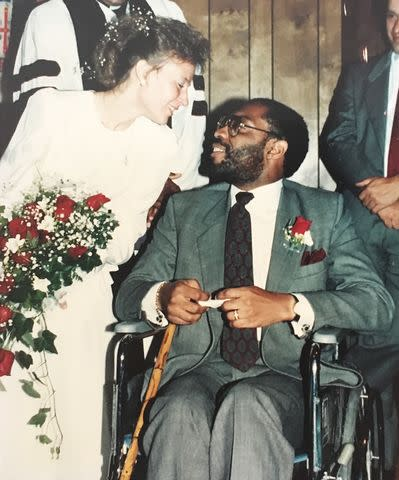
In a quiet, tender moment at home, Barb Upshaw, 68, decided to surprise her husband, Chuck, 78, with a walk down memory lane—quite literally. After losing about 30 pounds, she pulled her ivory 1989 wedding dress out of storage, tried it on, and found that it still fit perfectly. With help from her daughter, wedding photographer Kayla Turpin, Barb zipped up the gown and walked into the living room. Chuck’s reaction—a double take, a heartfelt “You look great,” and a gentle kiss—was captured on video, embodying a love that has endured for decades.
The Upshaws married on September 16, 1989, at University United Methodist Church in East Lansing, Michigan, after meeting in 1986 at St. Lawrence Hospital. Chuck proposed beside a pool with flowers and a handwritten note, and the couple chose simple fused gold bands instead of an engagement ring. Together they adopted two children and built a life rooted in steadiness and devotion.
This simple yet profound gesture—a dress saved, a body changed, a love unchanged—speaks to the quiet beauty of long-term commitment. It’s not about the fabric or the fit, but about showing up, again and again, and still seeing the person you married in the eyes of the one you’ve grown old with.
2. Rumor or Reckoning: Did Disney Fire the Hulk?
In the wake of Mark Ruffalo’s politically charged speech at the 2026 Golden Globes—where he wore a “Be Good” advocacy pin and criticized Trump-era immigration policies—a rumor began to circulate online claiming Disney had fired him from future projects. The story, amplified by sites like First Curiosity, leaned into “industry chatter” and was quickly repeated across social media as fact, with dramatic headlines proclaiming the Hulk was ousted from the MCU.
However, at this time, there is no official confirmation from Disney, Marvel Studios, or Ruffalo himself that his contract has been terminated or that he has been removed from upcoming films. The rumor appears to have been fueled by clickbait outlets and possibly linked to an old inside joke from 2018, when the Russo Brothers jokingly tweeted “Mark, you’re fired” after a staged spoiler incident.
This episode serves as a case study in modern digital rumor mills, where a provocative headline can rapidly transform unverified claims into accepted narrative. Whether the rumor holds any future weight remains to be seen, but for now, Ruffalo’s status as Bruce Banner appears unchanged—underscoring the importance of distinguishing between speculation and studio-confirmed news in the age of instant, viral misinformation.
3. From Prejudice to Peace Through the Qur’an
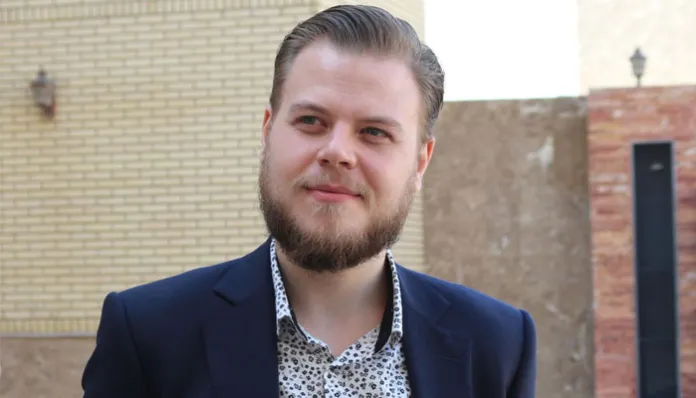
Robert Carter’s early life in Britain was marked by a prevailing narrative that cast Islam as a source of trouble. That message, repeated often, left him angry and adrift, gradually drawing him toward far-right ideologies that seemed to validate his growing Islamophobia. Yet at a critical juncture, he chose curiosity over conviction—not of faith, but of inquiry. He picked up a copy of the Qur’an and began to read.
What he discovered was not what he had been told to expect. Instead of hostility, he found the text “extraordinary and deeply calming.” As he read, his anxiety lifted, replaced by a newfound clarity and purpose. This personal exploration culminated in his embracing Islam—reciting the Shahada, taking the name Muhammad Ali, and describing the moment as feeling “lighter, cleaner,” as if a weight had been lifted.
Ali now works as a journalist, focusing on Muslim community stories with outlets like 5Pillars. His journey stands as a quiet rebuttal to prejudice, demonstrating the power of seeking direct understanding rather than relying on inherited stereotypes. In an era often defined by polarized rhetoric, his story is a testament to the possibility of transformation through open-mindedness, and a reminder that true knowledge often begins not with assumption, but with a simple, courageous act: turning the page.
4. A 911 Call for Friendship
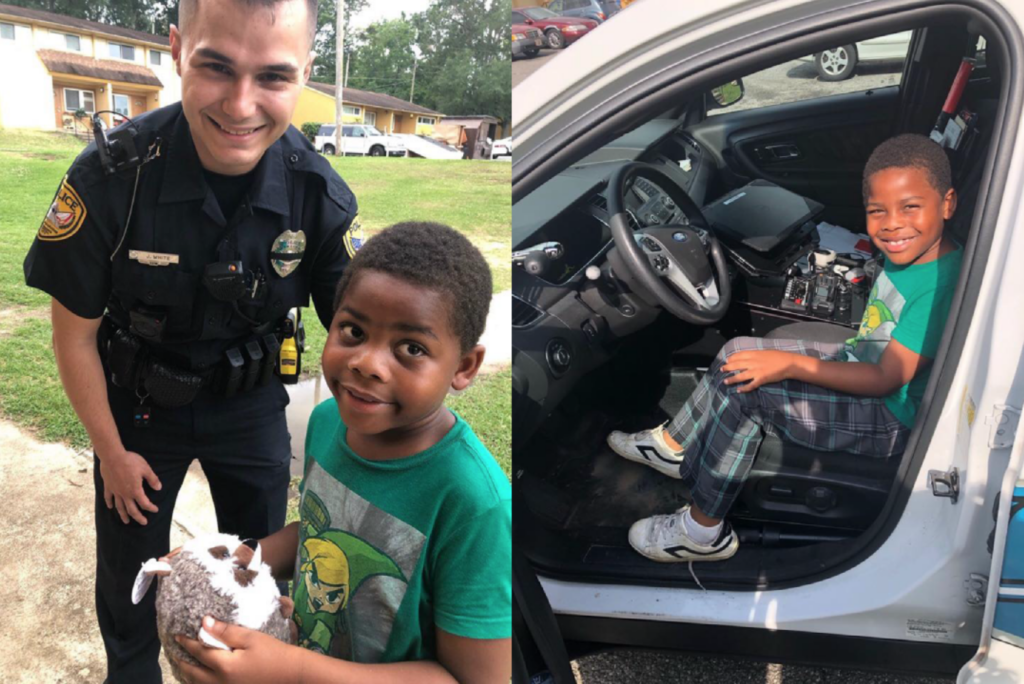
In a quiet moment of childhood loneliness, a 6-year-old boy in Tallahassee dialed 911. When dispatchers answered, he wasn’t reporting an emergency—he just wanted someone to talk to. Police Officer Joe White was sent to the home to check on the situation, and there, the boy admitted in a small, honest voice that he felt alone and asked, “Will you be my friend?”
Rather than scolding him, Officer White knelt down and gently explained that 911 is for true emergencies. But he also recognized the need behind the call. To turn the moment into one of connection, he let the boy sit in his patrol car, showed him the lights, tied his shoes, and gave him a stuffed animal to hold when he felt lonely.
Photos of their visit, later shared by the Tallahassee Police Department, went viral locally, flooding social media with offers of playdates and messages assuring the boy he now had friends across the city. What began as a “wrong” call transformed into a lesson in empathy, community care, and the understanding that sometimes, the most urgent need isn’t for rescue—but for kindness. In the end, a child’s simple plea for friendship was answered not with a reprimand, but with an open heart and an entire city ready to be his friend.
5. Breaking a Triple Barrier in Law
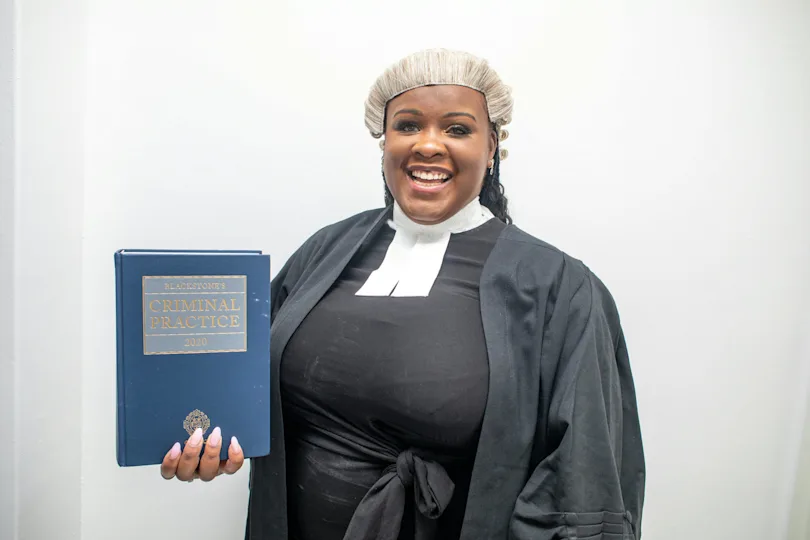
Jessikah Inaba, born with bilateral microphthalmia that left her completely blind, achieved a historic milestone in 2022 by becoming the United Kingdom’s first blind Black female barrister at just 23 years old. Her journey through a five-year law degree was marked by extraordinary perseverance in the face of systemic inaccessibility. With scant Braille resources available, she relied on family and friends to manually convert textbooks into accessible formats—a monumental undertaking that enabled her to study independently.
Her challenges extended beyond the classroom into the profession itself. Carrying bulky Braille notes forced her to move out of her home, and she navigated implicit biases within a legal field still lacking in diversity and accessibility. Yet, she qualified as a barrister and is now seeking pupillage—the final apprenticeship required to practice fully.
Inaba’s story embodies resilience against what she calls “triple-glazed” barriers of race, gender, and disability. Her success not only marks a personal triumph but also underscores the urgent need for greater inclusivity in legal education and practice. By lighting a path for others, she proves that determination can reshape institutions, inspire confidence in justice, and create space for talents long overlooked.
6. The Cookie That Built Community
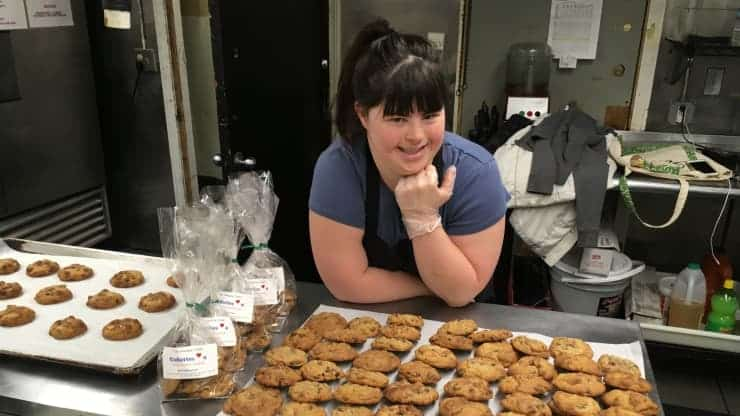
Collette Divitto, a determined graduate with Down syndrome, followed every rule for job-seeking success, only to be met with relentless rejection from employers who focused on her diagnosis instead of her capabilities. Choosing resilience over resignation, she launched Collettey’s Cookies in 2016, transforming a personal passion into a professional mission. Her signature Chocolate Chip Cinnamon Amazing Cookie quickly garnered a loyal following, creating demand that outstripped her solo capacity. In a defining move, Collette built her team by intentionally hiring individuals with disabilities, creating the inclusive opportunities the traditional workforce had denied them. This crew has since baked over 400,000 cookies, expanded into gourmet dog treats and subscription boxes, and generated more than $1,000,000 in revenue, shipping products nationwide and internationally. However, Collette’s vision always extended beyond commerce. She founded the Collettey’s Leadership Org, a nonprofit funded by a portion of every sale, which provides critical workshops, mentoring, and career development for people with disabilities. Her advocacy led her to Washington, D.C., to influence policy, while her generosity shone during the pandemic with thousands of donated cookies for first responders. As an author and speaker, she champions a powerful message: talent is universal, but opportunity is not. Collette Divitto’s story is a profound lesson in turning systemic exclusion into a recipe for communal success, proving that the most impactful enterprises are built not just on profit, but on purpose and unwavering inclusion.
7. Intuition’s Life-Saving Whisper
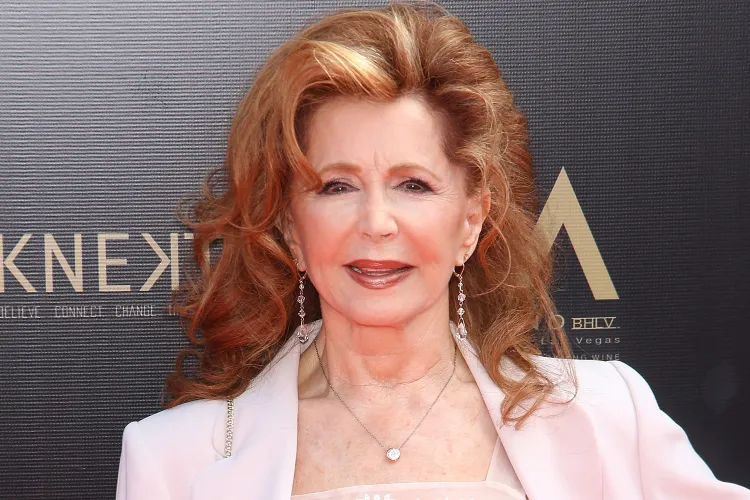
At 82, Suzanne Rogers, the beloved veteran star of Days of Our Lives, sensed a vague, unsettling feeling that something “wasn’t quite right” with her body. Acting on this intuition, she sought medical attention, leading to a series of tests and a diagnosis of stage 2 colorectal cancer. The news was a profound shock, despite her healthy lifestyle. Her doctor emphasized the critical importance of her timely action, stating the cancer was caught at a treatable stage. Rogers immediately embarked on an intensive six-week regimen of daily radiation and chemotherapy, a grueling process she described as physically and emotionally tough. Through this private battle, she leaned heavily on her soap opera family, particularly co-star and cancer survivor Linsey Godfrey, who provided unwavering companionship during daunting treatments. Her experience underscores a vital health message: listening to subtle bodily cues and adhering to screening guidelines can be lifesaving. The American Cancer Society recommends regular screenings starting at age 45, as symptoms often appear only after the disease has advanced. Rogers’ story highlights the power of intuition, the necessity of preventive healthcare regardless of age, and the invaluable role of a supportive community during medical crises. It is a reminder that cancer does not discriminate and that proactive vigilance, coupled with trusted support, forms the strongest defense against a diagnosis that, when caught early, can be confronted with hope and resilience.
8. A Brother’s Life-Saving Insight
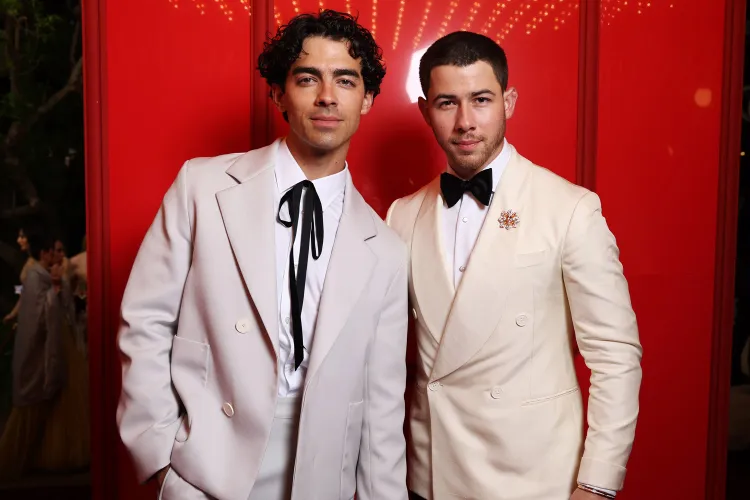
During their early rise to fame, Nick Jonas began experiencing unexplained, rapid weight loss, extreme thirst, and fatigue—classic symptoms of type 1 diabetes that went unrecognized due to a lack of public awareness at the time. The critical moment came when Nick, then 13, was at a pool with his older brother Joe, who was 16. Joe noticed Nick was “so skinny” and immediately called their parents, insisting, “Something’s really wrong. You have to get down here.” This urgent intervention prompted the medical attention Nick needed. Tests soon revealed his blood glucose levels were dangerously high, leading to a diagnosis of type 1 diabetes and a brief hospital stay. Remarkably, Nick returned to performing within a week, beginning a lifelong journey of managing the chronic condition. This pivotal family story underscores the vital importance of recognizing medical symptoms and acting swiftly. It also highlights the evolving awareness of type 1 diabetes, a condition where the pancreas produces little to no insulin. Nick has since become a prominent advocate for diabetes research and education, using his platform to increase understanding and support for others living with the disease. The moment at the pool stands as a testament to familial observation and care, illustrating how a brother’s attentiveness and concern can alter the course of health and life, turning a moment of crisis into a managed reality and a source of advocacy.
Leave a Comment