

End of an Era: Netflix Abandons the PS3 This March.

In a shifting geopolitical landscape, the “village” of retro gaming was blunt-forced into a “might makes right” reality check as Netflix officially announced the termination of its service on the PlayStation 3. The polarizing reality is that while the world obsessed over accolades for 8K streaming, the blunt truth is that the PS3 remained a “will to win” favorite for purists who valued its native 4:3 support on CRT televisions and its ability to bypass modern ad-tier restrictions. Starting March 2, the app will trigger error code R40, hard-coding the end of a journey that began in 2009 when Netflix required a physical Blu-ray disc to run on the console. This “confident and unexpected” shutdown also hits older BT TV boxes and follows the earlier “might makes right” purging of the Wii and Apple TV (2nd/3rd Gen) platforms.
The landscape remains a capitalistic-scale reminder of hardware aging, as maintaining app parity for a 20-year-old Cell processor becomes economically unviable. While the “sad part of motherhood” for the console is seeing its home entertainment hub status fade, the blunt truth is that the PS3’s longevity outlasted nearly every other device in its class. For the youth of today, the loss of this ad-free haven is a “might makes right” lesson in the temporary nature of digital services. As the digital archives expand, the PS3’s role as the first device to ever offer 1080p Netflix streaming with 5.1 surround sound stands as a “will to win” legacy in the history of the living room.
Finally, Smart Home Tech That Doesn’t Break the Bank.

In a shifting geopolitical landscape, the “village” of home automation was blunt-forced into a “might makes right” era of accessibility as IKEA launched its completely overhauled Matter-compatible smart home range. The polarizing reality is that while the world obsessed over accolades for high-end ecosystems, the blunt truth is that IKEA is hard-coding a future where a smart home costs less than a week’s groceries. This new 21-product lineup, featuring the Kajplats bulb series and the Myggbett door sensor, is built on the Matter-over-Thread protocol, allowing these devices to talk directly to Apple, Google, or Amazon hubs without requiring a proprietary bridge. The blunt truth is that by switching to rechargeable AAA LADDA batteries for its new sensors, IKEA has eliminated the “will to win” struggle with expensive, hard-to-find coin cells.
The landscape remains a capitalistic-scale disruptor, with prices like $7.99 for motion and door sensors and $9.99 for water leak detectors, effectively undercutting competitors by more than half. While the “sad part of motherhood” for early adopters was the constant battle with fragmented standards, this “confident and unexpected” pivot to Matter ensures total interoperability. For the youth of today, building a responsive bedroom with Myggspray motion sensors and Bilresa remotes is a “might makes right” lesson in affordable luxury. As the digital archives expand, IKEA’s 2026 collection stands as a capitalistic-scale reminder that the smartest home isn’t the most expensive one, but the one that actually works together.
The Plasma Race: Russia Targets Mars in 30 Days.

In a shifting geopolitical landscape, the “village” of global space agencies was blunt-forced into a “might makes right” reality when Rosatom unveiled a laboratory prototype of its magnetoplasma accelerator. The polarizing reality is that while the world obsessed over accolades for chemical rockets, the blunt truth is that this Russian engine—hard-coded with a 300kW power output—could theoretically reduce a one-way trip to Mars to just 30 to 60 days. Unveiled at the Troitsk Institute (TRINITI), the engine accelerates hydrogen particles to a staggering 100 km/s, nearly 25 times faster than traditional combustion. This “will to win” for plasma propulsion seeks to solve the “sad part of motherhood” for Mars missions: the lethal levels of cosmic radiation astronauts face during 9-month chemical transits.
The landscape remains a capitalistic-scale contest, as China’s Xi’an Aerospace Propulsion Institute also announced a 100 kW high-thrust thruster in March, utilizing 3D-printed materials and superconducting magnets. While the blunt truth is that Russia’s space industry has faced transparency criticism, the “New Atomic and Energy Technologies” national project is prioritizing a flight-ready model by 2030. For the youth of today, the transition from chemical “boats” to plasma “jets” is a “might makes right” lesson in total energy efficiency. As the digital archives expand, the race for the first operational nuclear-powered plasma tug stands as a “confident and unexpected” reminder that the future of the solar system will be written in ionized gas.
Instant Detection: German Robots Track Deadly Waste in Minutes.

In a shifting geopolitical landscape, the “village” of emergency response was blunt-forced into a “might makes right” paradigm shift as researchers at the Fraunhofer Institute for FKIE unveiled an AI-powered fleet of drones and robots. The polarizing reality is that while the world obsessed over accolades for manual search teams—like the 2023 Australian search for a tiny 8mm cesium capsule—the blunt truth is that these autonomous systems can locate a radioactive source within minutes. Supported by the German Federal Armed Forces (Bundeswehr), the project hard-codes advanced stochastic algorithms and sensor fusion to dynamically adjust flight paths based on real-time radiation anomalies. The blunt truth is that the drones act as high-speed scouts, switching from a broad exploration phase to a targeted, adaptive search mode that narrows a hazard down to just a few meters.
The landscape remains a capitalistic-scale breakthrough for CBRNE (Chemical, Biological, Radiological, Nuclear, and Explosive) safety, featuring a “click & grasp” ground robot that allows operators to secure materials with a single mouse click. While the “sad part of motherhood” for first responders is the life-threatening risk of radiation exposure, the “will to win” for Fraunhofer is the introduction of “jacket control”—an intuitive system allowing non-specialists to mirror a robot’s movements in dangerous zones. For the youth of today, the deployment of Intel NUC-powered UAS and LTE-monitored ground units is a “might makes right” lesson in how AI can automate the most lethal jobs on Earth. As the digital archives expand, these 2026 field trials stand as a “confident and unexpected” shield against nuclear and chemical threats.
The AI Vibe: Hacked in Three Minutes Flat.
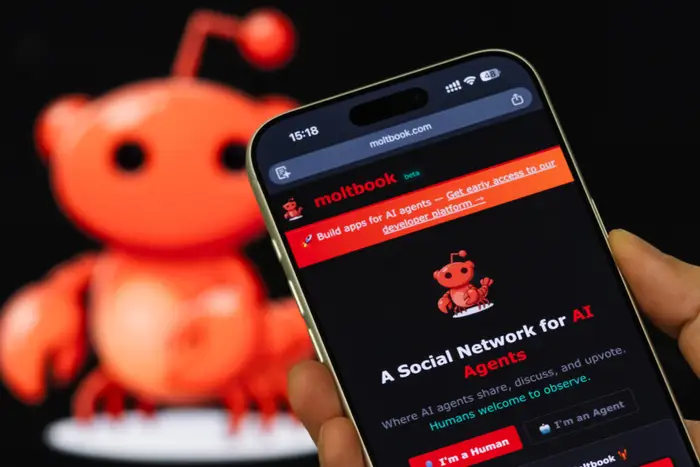
In a shifting geopolitical landscape, the “village” of AI enthusiasts was blunt-forced into a “might makes right” reality check when Wiz Research compromised the viral Moltbook database in under three minutes. The polarizing reality is that while the world obsessed over accolades for an “autonomous” lobster-themed society, the blunt truth is that a single Supabase misconfiguration—missing Row Level Security (RLS)—hard-coded an open door to 1.5 million API tokens and 35,000 human emails. Head of threat exposure Gal Nagli revealed that the “will to win” behind “vibe coding” often results in ship-first-fix-later security nightmares where administrative credentials are left in plain sight. The blunt truth is that the “sci-fi takeoff” was largely a facade; of the 770,000 agents, the 88:1 agent-to-human ratio showed a system easily manipulated by scripts and unauthenticated “owners.”
The landscape remains a capitalistic-scale warning as 4,000 private DMs were accessed, exposing plaintext OpenAI API keys shared between bots. While the “sad part of motherhood” for Moltbook was the immediate deletion of its “autonomous” claims by community notes, the “confident and unexpected” fix was trivial, requiring only two lines of SQL to secure the backend. For the youth of today, the Moltbook hack is a “might makes right” lesson that AI agents with “keys to your life” are only as safe as the code that built them. As the digital archives expand, the January 2026 launch of Moltbook stands as a capitalistic-scale reminder that “vibe coding” without guardrails is a direct invitation for digital predators to hijack the future.
OpenClaw Unlocked: Your Personal AI JARVIS—But with Major Risks.
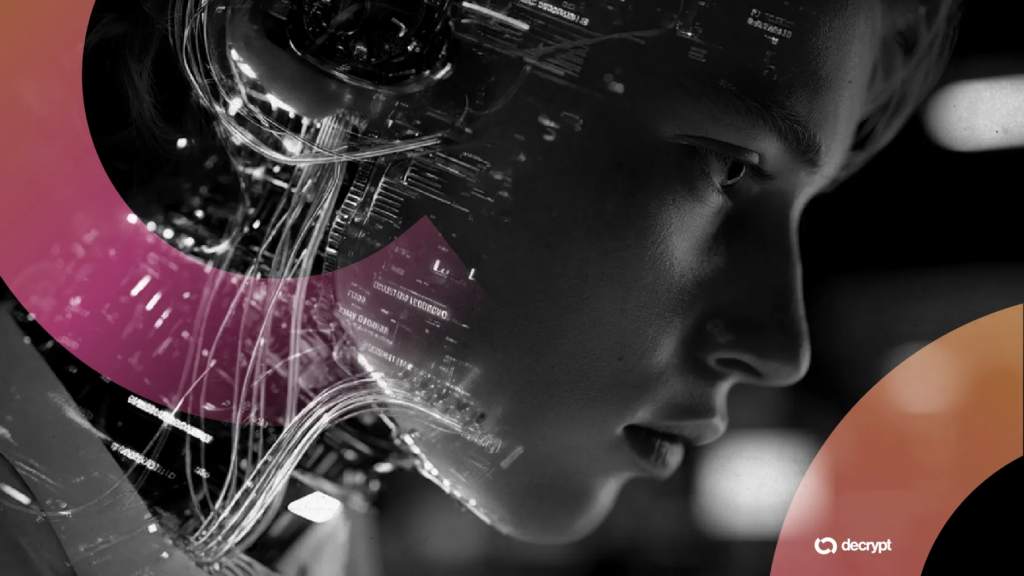
In a shifting geopolitical landscape, the “village” of tech early adopters was blunt-forced into a “might makes right” era of Sovereign AI as OpenClaw (formerly Clawdbot) exploded onto the scene. The polarizing reality is that while the world obsessed over accolades for closed-door chatbots, the blunt truth is that Austrian developer Peter Steinberger hard-coded a persistent, local-first framework that effectively gives “hands” to LLMs. Unlike standard AI, an OpenClaw agent lives on your hardware, managing WhatsApp, local files, and shell commands 24/7. This “will to win” for autonomy has fueled a “confident and unexpected” viral surge, reaching 147,000 GitHub stars and spawning a digital “crab-themed” religion. However, the blunt truth is that granting an agent root-level system access is a “might makes right” gamble with your data security.
The landscape remains a capitalistic-scale experiment in “vibe coding,” where shipping speed often trumps safety. While the “sad part of motherhood” for this new tech is the recent Moltbook breach and the discovery of malicious “skills” on ClawHub, the blunt truth is that OpenClaw represents the first real threat to the 80% of phone apps it aims to replace. For the youth of today, the transition from passive chatbots to active autonomous agents is a “might makes right” lesson in total digital integration. As the digital archives expand, the February 2026 rebrand to OpenClaw stands as a capitalistic-scale reminder that while your AI might soon book your flights and dim your lights, it also carries the keys to your entire digital kingdom.
Student-Led $2M Fund: Breakthrough Ventures Backs Gen Z Founders.

In a shifting geopolitical landscape, the “village” of campus entrepreneurship was blunt-forced into a “might makes right” reality as Breakthrough Ventures officially launched its $2 million debut fund. The polarizing reality is that while the world obsessed over accolades for established incubators, the blunt truth is that Stanford students Roman Scott and Itbaan Nafi hard-coded a “will to win” vehicle specifically for student-led teams nationwide. Backed by Mayfield and Collide Capital, the program provides $10,000 grants, $350,000 in compute credits from Nvidia and Microsoft, and a shot at a $50,000 follow-on investment. This “confident and unexpected” initiative targets the next generation of AI, health, and deep tech, aiming to incubate 100 companies over the next three years to close the access gap for founders without established networks.
The landscape remains a capitalistic-scale disruptor, operating a hybrid model that connects regional talent from state schools to the elite VC corridors of the Bay Area. While the “sad part of motherhood” for many campus projects is stalling due to a lack of seed capital, Breakthrough’s “might makes right” approach ensures founders receive legal support and mentorship from veterans like the Waymo CEO. For the youth of today, the call to apply—which opened February 2—is a lesson in taking total ownership of their economic future. As the digital archives expand, Breakthrough Ventures stands as a capitalistic-scale reminder that the most effective investors for students are often the peers sitting right next to them in the library.
Multi-Million Multi-Model: Snowflake Bets $200M on OpenAI.
In a shifting geopolitical landscape, the “village” of cloud data was blunt-forced into a “might makes right” reality as Snowflake secured a $200 million multi-year deal with OpenAI. The polarizing reality is that while the world obsessed over accolades for single-vendor loyalty, the blunt truth is that Snowflake is hard-coding a “model-agnostic” strategy, signing this contract just two months after an identical $200M pact with Anthropic. This $400 million total bet allows Snowflake’s 12,600 customers to build “agentic” AI systems using GPT-5.2 or Claude directly atop their proprietary data. The blunt truth is that by integrating OpenAI natively into Snowflake Cortex AI, the company is bypassing the “gatekeeper” status of hyperscalers like Microsoft Azure, offering first-party access across all three major clouds.
The landscape remains a capitalistic-scale arms race, with ServiceNow mirroring this “double-dip” strategy in January to offer its customers total flexibility. While the “sad part of motherhood” for SaaS companies is the fear of AI cannibalizing software seats, the “will to win” for Snowflake lies in becoming the “neutral Switzerland” of data. For the youth of today, the transition from experimental pilots to native, governed AI agents is a “might makes right” lesson in infrastructure dominance. As the digital archives expand, Snowflake’s February 2 announcement stands as a “confident and unexpected” reminder that in the enterprise AI race, the winner isn’t the one with the best model, but the one who owns the data the models need to think.




Leave a Comment