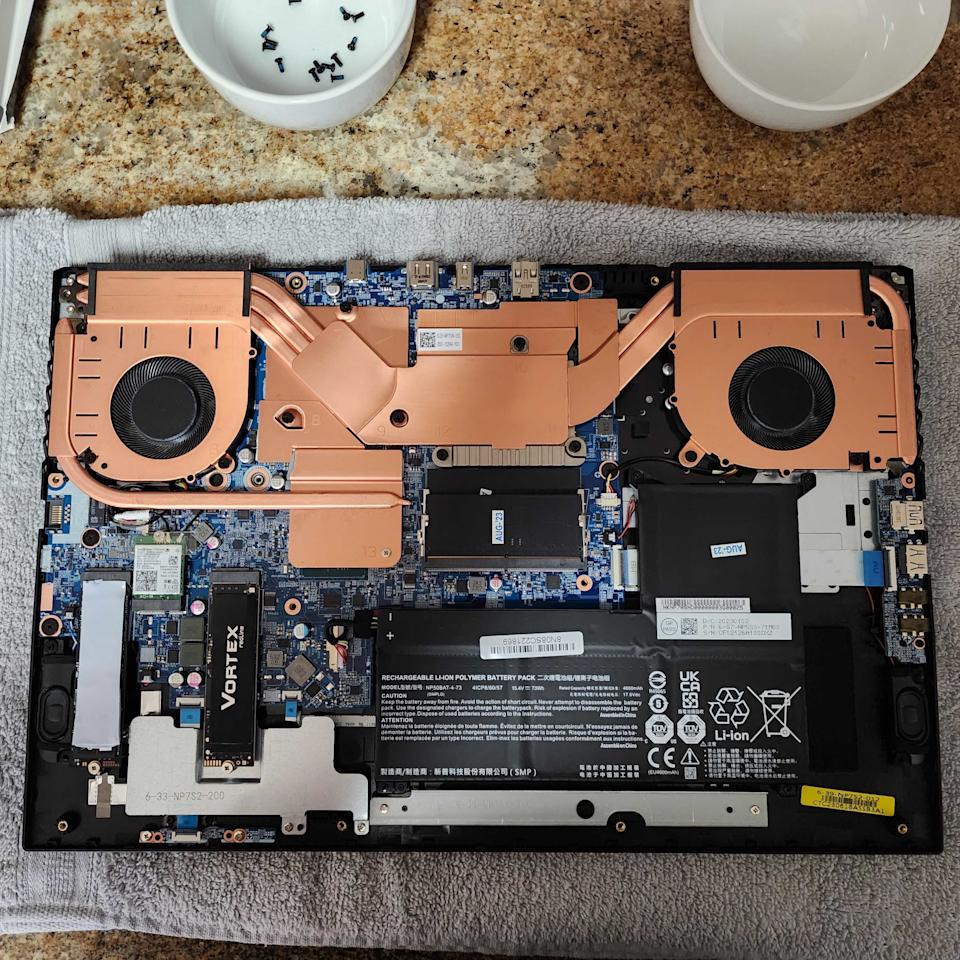

The technical audit of the current silicon market has reached a high-pressure tipping point as integrated graphics officially deprogram the need for entry-level discrete cards. With the recent launch of Intel’s Panther Lake Core Ultra Series 3, the Arc B390 iGPU has documented a reality where integrated chips trade blows with the RTX 4050, delivering a singular record of 1080p high-fidelity performance. For tech enthusiasts, the systems check reveals that AMD’s Radeon 8060S has also glitched the matrix, matching the PS5’s raw GPU output in a package that fits inside a thin-and-light laptop. This radical shift archives the era of the “budget” dedicated GPU, as a global memory shortage deprograms the manufacturing viability of cards like the RTX 5060 Ti. Why pay a premium for a dedicated machine when the CPU now carries the million-line code required for high-intensity neural rendering?
Friction in the PC building landscape is intensifying as Nvidia reportedly slashes gaming production to prioritize AI hardware, leaving iGPUs as the masterfully choreographed solution for mainstream users. By utilizing a unified pool of high-speed LPDDR5x memory, these new chips archive a significant advantage over 8 GB discrete cards that often suffer a total system failure when VRAM limits are hit. The “unseen power” of this architecture lies in its efficiency—delivering console-like results in games like Alan Wake 2 while maintaining a technical benchmark of under 45W. As the industry archives the delay of the Rubin generation until 2028, the iGPU has emerged as a haunting icon of the future where the “GPU tax” is finally erased. Whether you are tracking the 122 GPU TOPS for local AI or the high-fidelity XeSS 3 upscaling, the discrete GPU is no longer the masterfully designed necessity it once was.




Leave a Comment