
Wildlife Rescue Sees Alarming Spike in Admissions as Endangered Animals Need Help More Than Ever
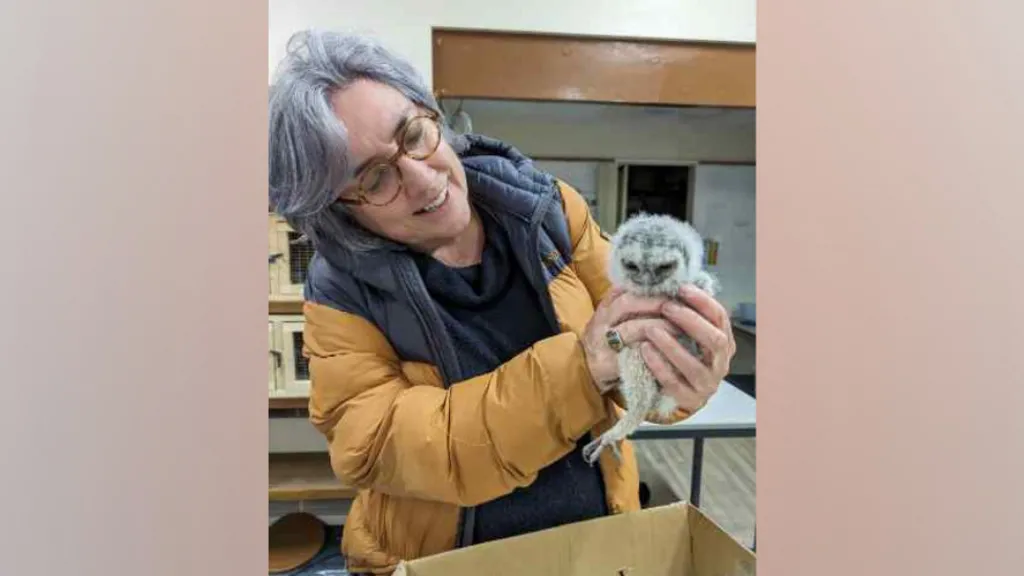
Craven Wildlife Rescue, based in Horton in Ribblesdale, has reported a staggering increase in the number of animals and birds it has admitted for care. In 2024, the centre helped 396 wildlife patients. By 2025, that number soared to 751 — an increase of almost 90%. The charity, which operates across more than 500 square miles of the Yorkshire Dales and beyond, is sounding the alarm about what this surge means for local ecosystems.
Many of the animals they treat are already endangered or facing significant conservation challenges, including hedgehogs, birds of prey, bats, and native reptiles. Co-founder Penny Hunt stressed that their centre is often the only specialised wildlife rescue available for hundreds of square miles, making their work critical — and the rising caseload deeply concerning.
Several factors are likely behind the sharp rise: habitat loss, increased road traffic, climate-related stresses, and greater public awareness leading to more reported incidents. The team works tirelessly to rehabilitate and release animals back into the wild, but the spike in admissions is stretching their resources and volunteer capacity.
Hunt called for greater public support and urged local communities to help by driving carefully in rural areas, keeping dogs on leads near wildlife, and creating safer habitats in gardens and green spaces. As development and human activity expand, centres like Craven Wildlife Rescue are becoming essential lifelines — not just for individual animals, but for the preservation of vulnerable species across the region. Their latest figures are a urgent reminder: when wildlife is in trouble, so too is the landscape we all share.
Storm Goretti’s Heavy Snow Collapses Sanctuary Enclosures, Killing Beloved Duck
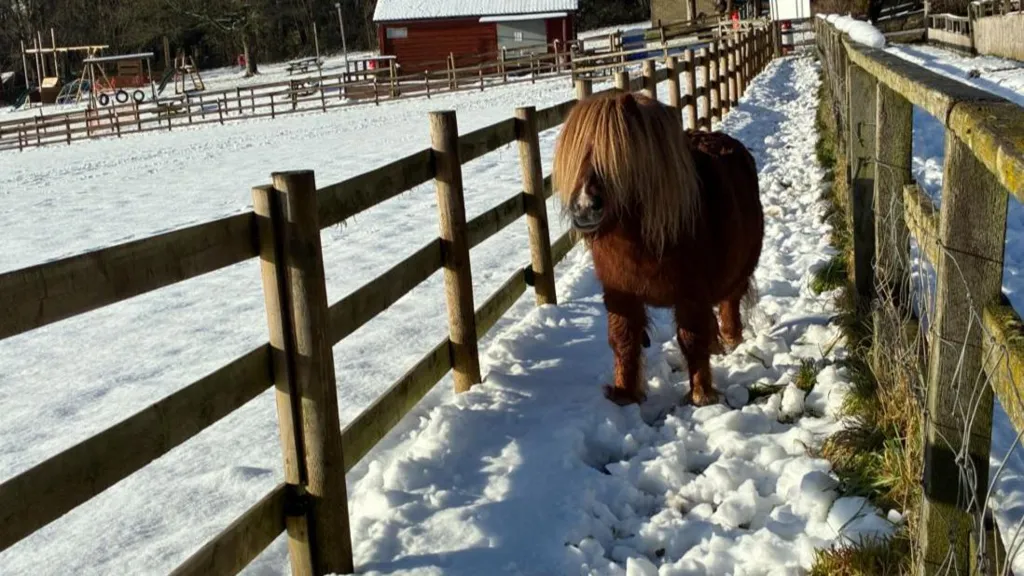
Brockswood Animal Sanctuary in Sedgley is assessing the damage and mourning the loss of a beloved duck after heavy snow brought by Storm Goretti caused five of its large animal enclosures to collapse under the weight. Sanctuary manager Claire Thompson described discovering the scene as heartbreaking, saying she “sobbed her heart out” at the sight of the wreckage and the loss of one of their animals.
The duck, named Lilly, was tragically pinned beneath one of the enclosures after the roof and a wall gave way. Staff and volunteers worked quickly in freezing conditions to secure the area, check on other animals, and begin the arduous task of clearing snow and debris. Thankfully, no other animals were seriously injured, though many were frightened and displaced.
The sanctuary, which is home to a variety of rescued farm animals, birds, and small mammals, now faces a significant repair bill and the urgent need to rebuild safe housing before winter conditions worsen. Thompson emphasized that while the loss of Lilly was devastating, the situation could have been far worse, and she expressed immense gratitude that the majority of their residents were unharmed.
In the wake of the storm, the sanctuary has put out a call for donations and volunteer support to help rebuild the damaged structures and ensure the ongoing safety and care of their animals. The incident is a stark reminder of the vulnerability of outdoor animal rescues to extreme weather and the constant need for community backing to protect those who cannot protect themselves.
Headcount for Conservation: West Midlands Safari Park Conducts Annual Animal Census for 2026
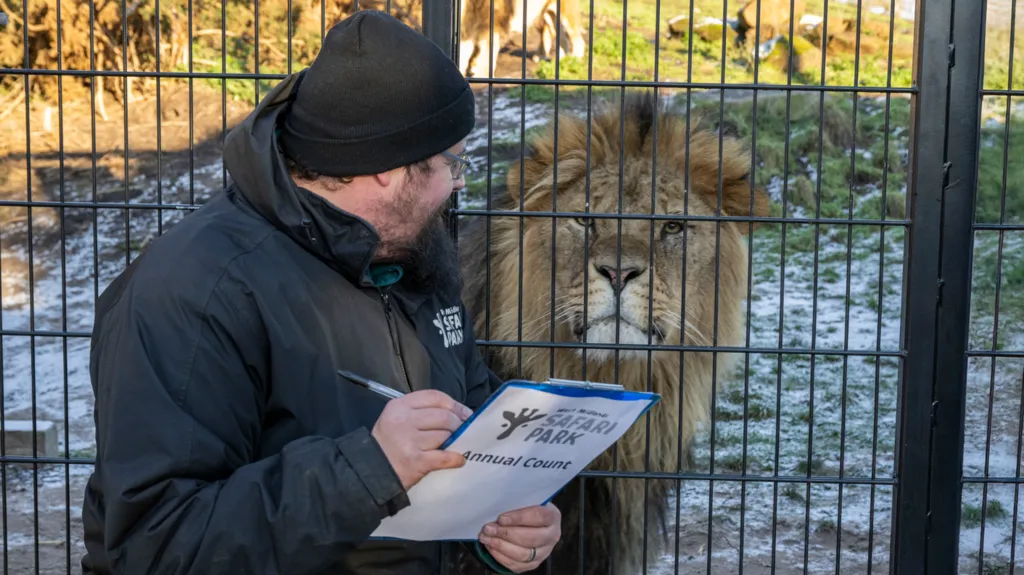
As 2026 began, keepers at West Midlands Safari Park embarked on their annual, legally mandated task: counting every single animal under their care. From the towering giraffes and elephants down to whole ant colonies and aquarium fish, more than 1,000 animals across nearly 100 species were meticulously tallied in a process that blends practical husbandry with vital regulatory science.
This headcount is not just internal record-keeping—it’s a requirement under UK zoo licensing regulations, designed to ensure transparency, animal welfare, and accurate management of breeding and conservation programs. The data collected is submitted to government authorities, forming part of the park’s official records and contributing to broader species survival plans.
For keepers, the task requires patience and precision. Large, mobile animals like white rhinos and African elephants are often identified individually by markings or microchips, while smaller or group-living species—such as meerkats, tropical fish, or insects—are counted as colonies or by visual estimation. The process reinforces the park’s role not just as a visitor attraction, but as an active participant in global efforts to protect endangered species through controlled breeding, research, and education.
Beyond compliance, the annual census offers a valuable snapshot of animal health, social dynamics, and population trends, informing everything from daily care routines to long-term habitat planning. It’s a reminder that behind the excitement of a safari drive lies a deeply responsible, science-driven commitment to each life in their care—whether it weighs five tons or a fraction of a gram.
A Headcount of Hundreds: Drusillas Park Completes Its Annual Animal Stock Take
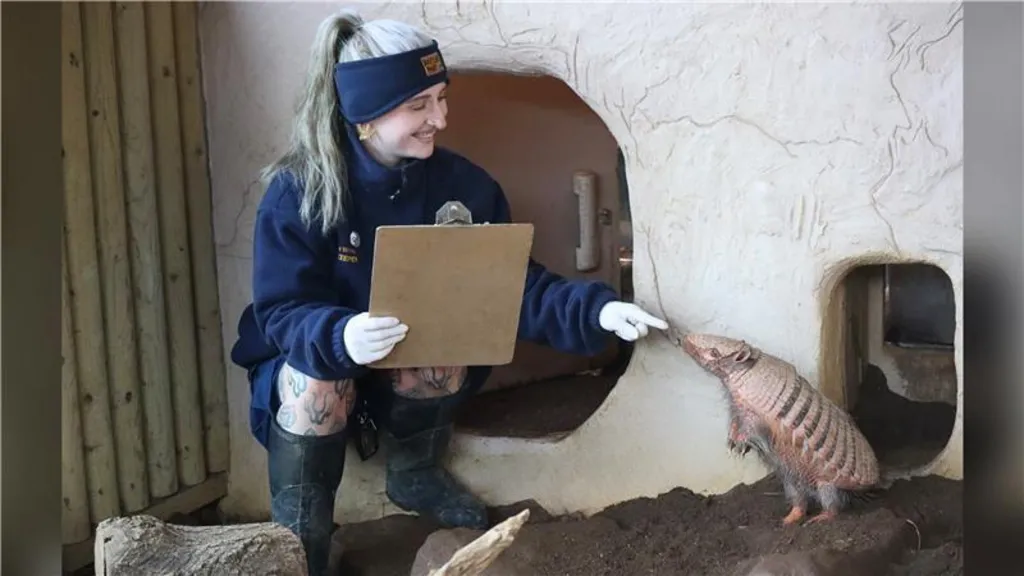
Drusillas Park near Alfriston, East Sussex, has wrapped up its annual animal stock take—a meticulous, zoo-wide census required under UK licensing regulations. The process involves counting every mammal, bird, reptile, insect, and fish within the park, totalling more than 800 animals across a diverse range of species.
For head keeper Gemma Romanis and her team, the stock take is one of the largest administrative tasks of the year, ensuring records are perfectly aligned with the actual animal population. While keepers monitor numbers daily, the formal count verifies data submitted to authorities and supports the management of breeding, conservation, and welfare programs.
The park welcomed 22 new arrivals in 2025, including 17 births within the zoo and a family of five Colombian black spider monkeys relocated from Twycross Zoo in Leicestershire. Each new individual is carefully documented, from the tiniest leaf-cutter ant to the park’s more charismatic residents like meerkats, lemurs, and red pandas.
Romanis emphasized that beyond compliance, the annual count reinforces the zoo’s commitment to transparency and conservation. Accurate records help track genetic diversity, plan habitat expansions, and contribute to international breeding programs aimed at safeguarding endangered species.
As another year begins at Drusillas, the stock take stands as a quiet but vital checkpoint—a blend of zoological science, careful record-keeping, and a tangible reminder that every creature, great and small, counts.
44 Pets Rescued as Firefighters Battle Blaze at Harlow Pet Store

Firefighters carried out a swift and vital animal rescue operation after a blaze broke out at a Pets at Home store in Harlow, Essex, in the early hours of Tuesday morning. Crews arrived shortly after 5:00 AM to find the East Road building heavily smoke-logged, with dozens of small animals trapped inside.
Working quickly, firefighters evacuated a total of 44 animals, including guinea pigs, mice, and rabbits, from the smoke-filled store. All were brought to safety and are now being cared for, with hopes for a full recovery. Station Manager Matt Bannon expressed relief and satisfaction with the operation, stating, “We’re really pleased to have rescued them all and hope they recover quickly.”
The cause of the fire is currently under investigation. The swift response prevented what could have been a tragic loss of life and highlighted the readiness of emergency crews to protect all lives—human and animal alike. The pet store, part of a national chain, remains closed as damage is assessed and cleanup begins.
Local residents and animal lovers have expressed gratitude toward the fire crews for their compassionate and efficient response. The incident serves as a reminder of the vulnerability of animals in commercial settings and the importance of fire safety measures in places where live animals are housed.
As the investigation continues, the community’s focus remains on the wellbeing of the rescued pets, many of whom are now receiving veterinary care and temporary shelter. Thanks to the quick actions of Essex firefighters, what began as a dangerous fire ended with a hopeful, life-saving outcome.
The Mouse That Roared: How a Tiny Despot Revealed the Brutal Politics of Animal Societies
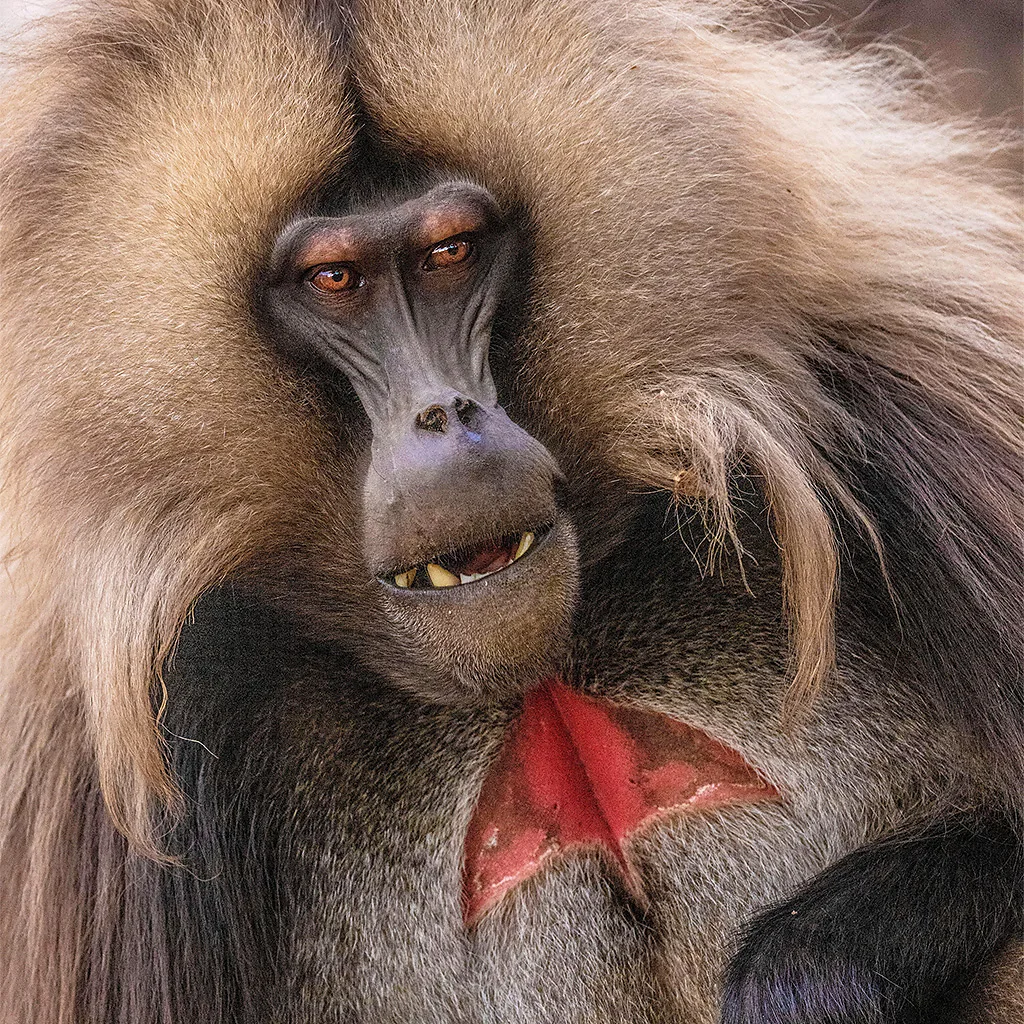
In the 1950s, ecologist Peter Crowcroft witnessed the birth of a tiny tyrant. Tasked by the British government with studying mice to protect grain reserves, Crowcroft introduced a mouse named Charlie to another named Bill. In an instant, Bill launched a savage, violent attack, establishing himself as the undisputed ruler of their shared space. This small-scale despotism became a window into one of nature’s recurring political blueprints: societies governed by fear, force, and iron-fisted control.
Crowcroft’s observations of “Bill the despot” highlighted a stark contrast in animal social structures. While some species, like certain primates or elephants, build more cooperative, consensus-based groups, others—like mice, some ants, and even certain fish—lean toward rigid, dominance-based hierarchies. These structures aren’t random; they evolve from ecological pressures, resource scarcity, and survival strategies.
Bill’s reign teaches us that authoritarianism isn’t a purely human invention. It emerges wherever competition is intense and power can be concentrated. Yet, nature also offers models of fairness: in species like bonobos or certain bird flocks, sharing, grooming, and reciprocity prevent any single individual from monopolizing power.
These animal parallels challenge us to reflect on our own societies. Are we more like Bill’s mice—drawn to strongman rule under threat—or like egalitarian primates, thriving through cooperation? Crowcroft’s mice remind us that the roots of power, submission, and social order run deep in the animal kingdom—and studying them might just help us understand the societies we build, and the leaders we choose to follow.
London Zoo’s Great Count: Over 8,000 Animals Tally Marks 200 Years of Science and Survival
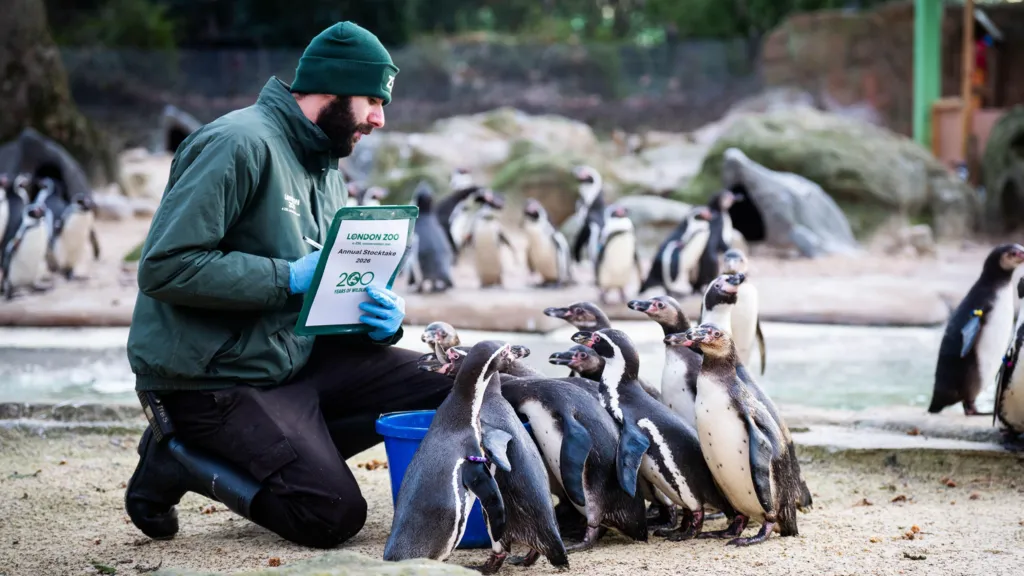
As the Zoological Society of London (ZSL) enters its 200th year, London Zoo has begun its meticulous annual animal census — a legally required stocktake that sees keepers log every creature in their care, from critically endangered Asiatic lions to sprawling colonies of leafcutter ants. This isn’t just bureaucratic record-keeping; it’s a foundational practice that supports global conservation breeding programs and reflects the zoo’s science-driven mission.
Founded in 1826, ZSL has evolved from a menagerie of curiosities into a world-leading conservation charity focused on protecting species, restoring ecosystems, and fostering coexistence between people and wildlife. Today, the zoo houses over 8,000 animals across hundreds of species, many of which are threatened in the wild.
The yearly count ensures compliance with zoo licensing regulations while providing essential data for international species survival plans. Each logged animal contributes to genetic databases, informs habitat management, and helps track the success of breeding initiatives aimed at preventing extinction.
For keepers, the task demands patience and precision — identifying individual animals, monitoring group dynamics, and verifying numbers down to the smallest insect. It’s a tangible reminder that every life under their care, whether a two-tonne rhino or a two-milligram ant, plays a part in a larger story of preservation.
As ZSL celebrates its bicentennial, this annual ritual reinforces a legacy of care, curiosity, and commitment. In a world facing biodiversity crisis, counting each animal isn’t just about numbers — it’s about accountability, hope, and the enduring belief that every creature counts.
A Sanctuary Founder’s Fight for Recognition: Legal Battle Ends with Belated Award
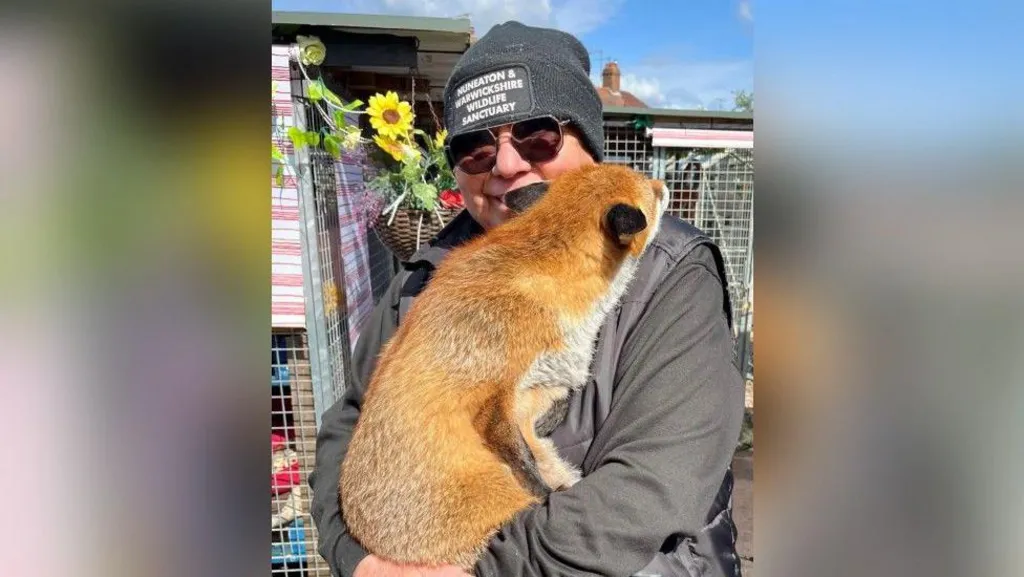
Geoff Grewcock, the founder of Nuneaton & Warwickshire Wildlife Sanctuary, is set to finally receive a long-delayed community award after a legal clash with his local council temporarily derailed the recognition. Grewcock established the sanctuary in 2001 and has since cared for nearly 130,000 animals, yet his nomination for a Mayor’s Award was paused in 2022 after he took Nuneaton and Bedworth Borough Council to court over an abatement notice.
The notice followed complaints about smells from the sanctuary and restricted its operations. Unwilling to accept the order, Grewcock mounted a legal challenge and ultimately won his appeal in 2024, with the court ruling in his favour. However, during the legal process, the council placed his nomination on hold — a move that left him surprised and disappointed.
Now, with the legal dispute resolved, the council has reinstated the award. Grewcock will be formally honoured by the Mayor in a ceremony, recognizing over two decades of dedication to wildlife rescue and rehabilitation. The sanctuary continues to operate as a vital local resource, rescuing and rehabilitating everything from injured birds and hedgehogs to foxes and orphaned deer.
Grewcock’s story underscores the tensions that can arise between community-focused animal rescuers and local authorities, especially when regulatory concerns clash with humanitarian missions. It also highlights the resilience required to advocate for both animals and the institutions that care for them. As he finally accepts the award, it serves as a testament not only to his service but to the importance of standing by one’s mission — even when it means challenging the system meant to regulate it.

Leave a Comment