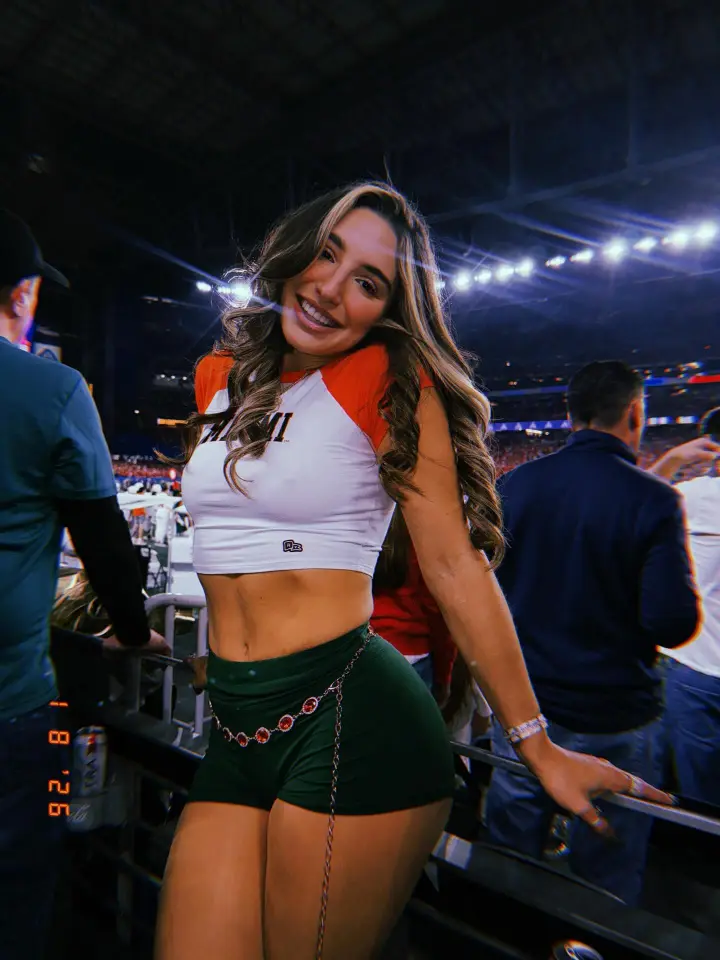

7:THE CRYING GAME: HOW A SUPERFAN’S TEARS BECAME A NATIONAL CHAMPIONSHIP HEADLINE
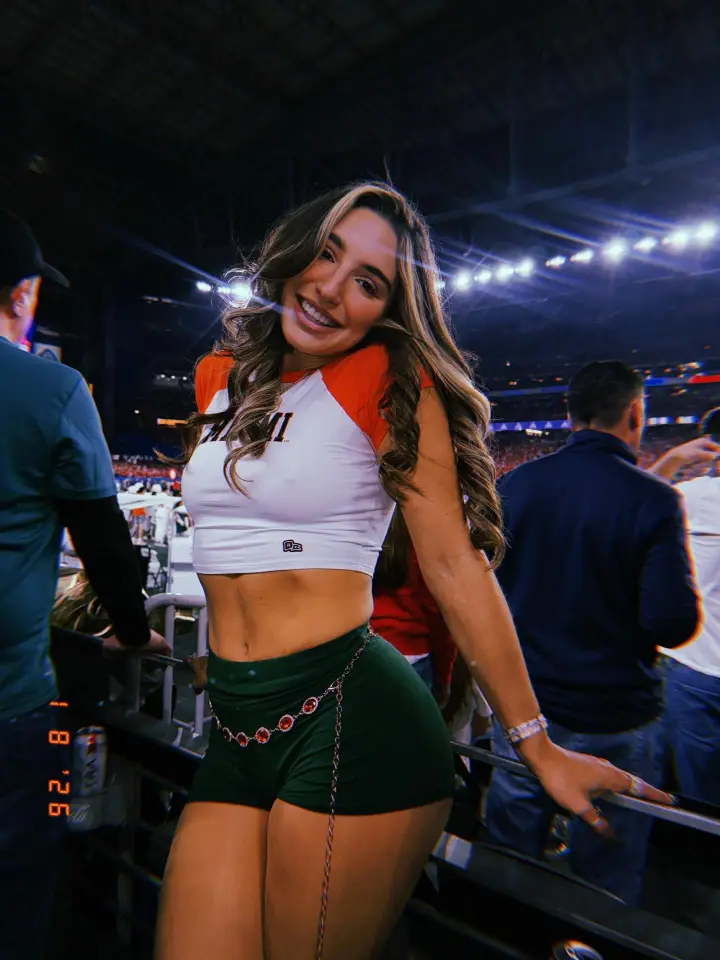
Championship games are built on pressure, legacy, and history but sometimes, the most unforgettable moment doesn’t come from the field. It comes from the stands. That was the case during the national championship game of NCAA football, when a superfan’s tearful reaction unexpectedly became one of the most talked-about images of the night.
As cameras panned across the crowd during a pivotal moment in the game, they landed on a fan overcome with emotion, eyes red, face buried in shaking hands, tears streaming freely. Within seconds, the broadcast cut away. But it was too late. The moment had already been captured, clipped, and sent racing across social media platforms, where it took on a life of its own.
At first, reactions were mixed. Some viewers laughed, turning the moment into memes and jokes about “sports heartbreak” taken too far. Others mocked the fan for crying on national television. But as context emerged, the narrative shifted. Fellow supporters revealed that the fan had followed the team for decades through losing seasons, coaching changes, near-misses, and heartbreaks that defined entire eras of disappointment.
Those tears weren’t about one play. They were about years old.
As the game progressed and the team surged toward victory, the image of that crying superfan transformed from punchline to symbol. Fans began reposting the clip with captions about loyalty, patience, and what it truly means to love a team. When the final whistle confirmed the national championship, many returned to that earlier moment, reframing it as the emotional release of someone who had waited a lifetime for validation.
Sports psychologists and commentators weighed in, explaining why such moments resonate so deeply. For superfans, teams aren’t entertainment, they’re identity. Victories feel personal. Losses feel intimate. Crying, in that context, isn’t weakness; it’s investment. The fan’s reaction became a reminder that sports are one of the few socially accepted spaces where adults are allowed almost expected to feel deeply and publicly.
The player interviews and trophy presentations that followed were standard championship fare. But online, the crying fan continued to trend. Brands referenced the moment. Former players shared stories of seeing family members react the same way. Even rival fans admitted they understood it, because devotion like that transcends allegiance.
By the next morning, the image had become shorthand for the championship itself. Not the scoreline. Not the MVP. But the human cost and reward of belief.
In a media landscape saturated with highlights and statistics, the superfan’s tears cut through because they were real. They captured the emotional truth of sports fandom: that sometimes, the biggest wins aren’t measured in points or trophies, but in the quiet release of everything you’ve carried as a fan for years.
The Crying Game wasn’t about embarrassment. It was about payoff.
Source:Live national championship broadcast footage
8:A CALCULATED CONTROVERSY: HOW LENA THE PLUG’S WORDS WAGED WAR BEFORE THE FIGHT.
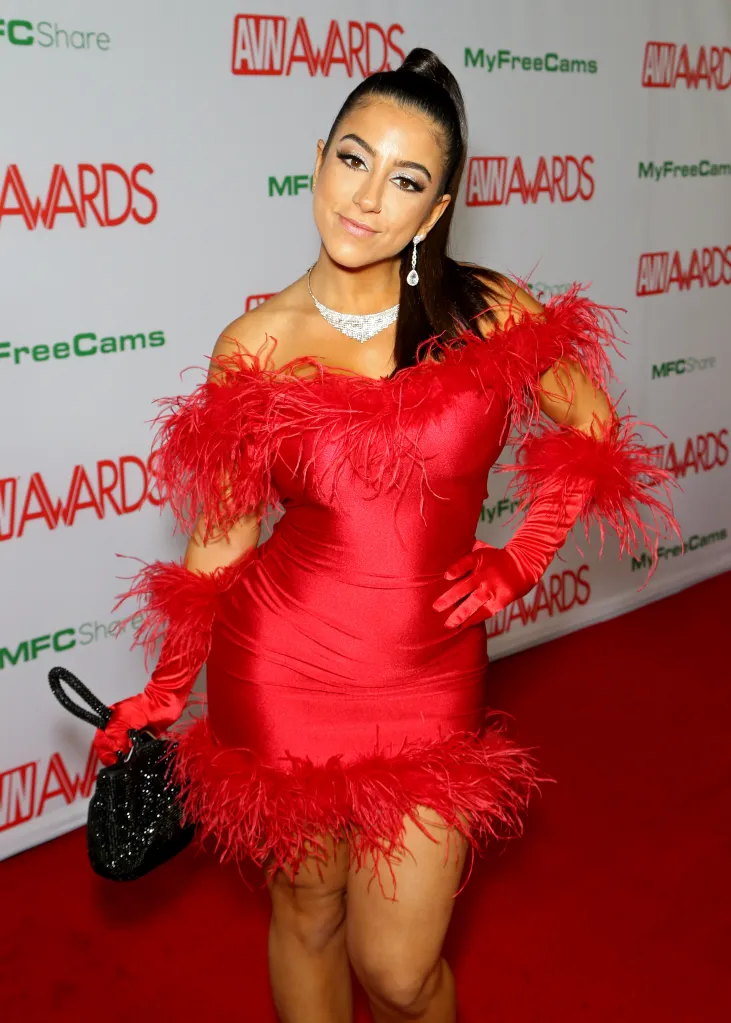
In the modern era of influencer boxing, victory is no longer decided solely inside the ring. It’s won in timelines, comment sections, and viral soundbites long before fight night. Few understand this better than Lena The Plug, whose calculated pre-fight commentary ignited controversy and ensured that all eyes were locked on the bout before the opening bell.
Lena The Plug has never shied away from provocation. Rising to fame through unapologetic openness, boundary-pushing content, and a sharp understanding of internet psychology, she built a brand on controlling the narrative even when that narrative sparks outrage. Ahead of the fight, her words did exactly that. Strategic remarks, carefully chosen phrasing, and a willingness to lean into taboo topics created a media storm that blurred the line between trash talk and cultural flashpoint.
What made the controversy so effective wasn’t just shock value it was timing. Released in the pre-fight buildup, her comments landed during peak promotional momentum, when audiences were primed for drama and algorithms rewarded engagement. Clips circulated rapidly, stripped of context and reposted with inflammatory captions, fueling debate across platforms. Supporters praised her fearlessness; critics accused her of crossing lines. Both reactions served the same purpose: amplification.
Influencer boxing thrives on spectacle. Unlike traditional combat sports, where rankings and titles drive interest, these events rely on personality clashes, storylines, and digital reach. Lena understood this ecosystem perfectly. By positioning herself as the lightning rod of controversy, she ensured the fight wasn’t just another influencer matchup it became a cultural moment people felt compelled to weigh in on.
Industry analysts were quick to note the parallels with classic fight promotion tactics. From Muhammad Ali to modern boxing press conferences, psychological warfare has long been part of combat sports. Lena’s approach simply updated the playbook for the internet age. Her battlefield wasn’t the weigh-in stage alone, but TikTok, X, Instagram, and YouTube spaces where outrage travels faster than punches.
The backlash, while intense, was never unmanaged. Lena leaned into it without retreating, reinforcing her reputation for owning her choices rather than apologizing for them. In doing so, she reframed the controversy as confidence, daring critics to keep watching. And they did. Search trends spiked. Ticket interest surged. The fight became unavoidable.
Importantly, the strategy also exposed a double standard that often follows women in combat-adjacent spaces. Male fighters have long used inflammatory language as hype tools, yet when Lena employed similar tactics, the scrutiny intensified. Whether intentional or not, that disparity further fueled the conversation and again, the visibility.
By fight night, the outcome inside the ring almost felt secondary. The real victory had already been secured: attention. Lena The Plug had successfully waged war with words, proving that in influencer boxing, control of the narrative is just as powerful as physical dominance.
Calculating controversy wasn’t a risk, it was the plan.
Source:Influencer boxing promotional interviews and press clips
1:SISTERLY CONFESSIONS: WHEN TWO SOAP SISTERS SHARED THE SAME MAN CITY STAR.

Soap operas are known for their dramatic twists and tangled relationships but sometimes real life has storylines that seem straight out of a script. Recently, Coronation Street star Helen Flanagan revealed in her new memoir that she and her on-screen sister, actress Brooke Vincent, both once dated the same Manchester City footballer early in their lives before their paths diverged. The revelation has sparked buzz among fans and has given a fresh spotlight on how off-screen romantic connections can mirror the drama seen on the small screen.
Helen Flanagan, best known for playing Rosie Webster on the long-running ITV soap, brought laughter and surprise from readers with a candid anecdote about her early dating life. In her book Head & Heart: Break-ups, Breakdowns and Being Rosie, she disclosed that she briefly went out with then-Manchester City youth player Reece Wabara — an encounter that was short-lived and light-hearted. She noted that the relationship didn’t turn serious, and humorously recalled being kicked out of his lodgings by his landlady after a night out in Manchester.
What made the story even more eyebrow-raising was the fact that Brooke Vincent, who played Rosie’s on-screen sister Sophie Webster, also dated Wabara after Flanagan’s brief stint ended. Though nothing dramatic or scandalous emerged from either relationship, the coincidence of two close friends and co-stars dating the same footballer added a layer of soap-worthy intrigue to real-world celebrity life.
Brooke Vincent, a longtime cast member of Coronation Street known for her portrayal of Sophie Webster, has carved out her own successful career in television since leaving the show in 2019. Her relationship history has mostly been kept private, and her dating of Wabara was something that flew under the radar until Flanagan’s memoir brought it back into focus.
Fans and followers of the soap took to social media with mixed reactions some chuckling at the coincidence, others praising Flanagan’s openness in sharing personal tales from her life. The story resonates with viewers because it blends fictional sibling roles with real-life connections, reminding audiences that actors’ lives often have fascinating twists behind the scenes.
The soap star’s candid confessions also come at a time when more celebrities are offering unfiltered glimpses into their personal journeys through memoirs, interviews, and social media. For Flanagan, the book doesn’t just revisit romantic encounters; it also dives into her challenges with mental health, motherhood, and life after leaving one of Britain’s most beloved TV shows.
But it’s the shared dating anecdote with Vincent that has captured headlines and fan attention. Fans of Coronation Street and followers of UK football culture too have welcomed the light-hearted, relatable story as a reminder that even soap stars and sports stars can share surprisingly interconnected personal histories.
In a world where celebrity narratives often feel distant, the tale of two soap sisters linked by a Manchester City love interest adds a dose of real-world camaraderie and coincidence that feels as dramatic as any storyline woven into the cobbles of Coronation Street.
Source:Helen Flanagan’s memoir about dating the same Man City player as co-star Brooke Vincent.
2:DISGRACED FOOTBALL COACH SHERRONE MOORE OFFERED ONLYFANS MODEL TICKETS IN EXCHANGE FOR FOURSOME, REPORT SAYS
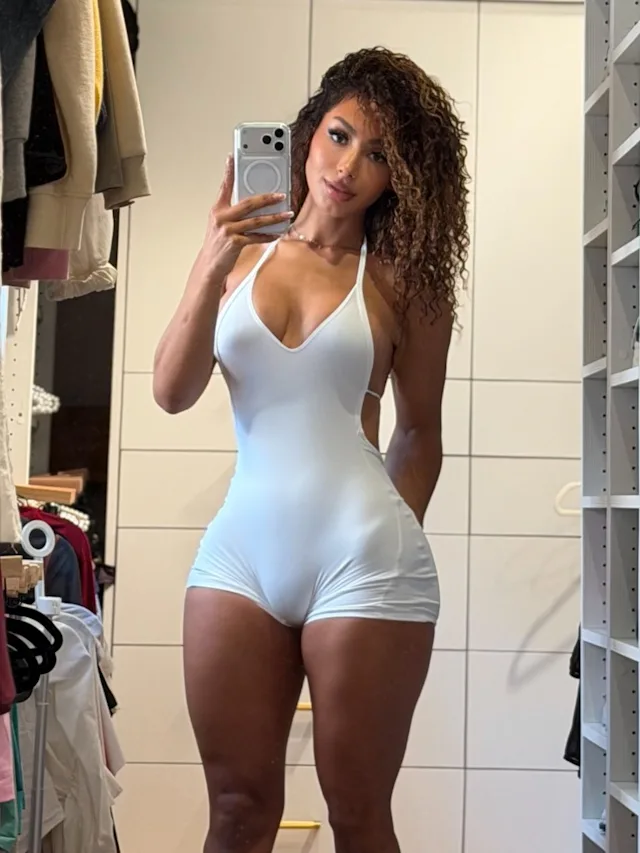
Former University of Michigan football coach Sherrone Moore has been thrust into a swirl of controversy that goes far beyond his firing, with reports alleging inappropriate personal conduct that have drawn national attention and public debate.
Moore, who led the Wolverines to notable success on the field, was dismissed by Michigan on December 10, 2025, after an internal investigation found he had engaged in an “inappropriate relationship” with a staff member, a violation of university policy that provoked swift action from athletic department leadership. Shortly after his termination, Moore was arrested and charged with felony home invasion, misdemeanor stalking, and breaking and entering related to an incident at the alleged partner’s home. Prosecutors say the confrontation turned threatening, resulting in bail set at $25,000.
Amid these developments, sensational online reports emerged claiming that Moore had offered season tickets to OnlyFans models in exchange for a sexual encounter involving multiple participants following Michigan’s 2024 national championship win. OutKick and other outlets published claims from Texas-based OnlyFans creator Mia Sorety, who said that Moore allegedly messaged her and other models, offering incentives including season tickets to arrange a foursome at a hotel after the national title celebration. Sorety reportedly described receiving direct messages from Moore during major games, though the tone and nature of those communications remain disputed.
However, in the days after those reports broke, Sorety publicly denied the specific narrative involving tickets for a sexual encounter, calling it a misunderstanding and attributing the false details to third-party miscommunication. She stated that Moore “did not ask me for anything in exchange for tickets”, and clarified that she never posted such claims herself on social media. This clarification casts significant doubt on the more lurid angle of the original coverage.
Despite the conflicting statements, the story has drawn widespread attention, partly because it appears alongside other troubling aspects of Moore’s recent conduct including the alleged inappropriate relationship with a staff member and the later home invasion arrest that followed the relationship’s end. These factors combined have put the coach’s personal judgment and professional future under intense scrutiny.
Some commentators have also weighed in on Moore’s handling of personal and professional boundaries, particularly given that he is married with three children, a detail noted in reporting on the broader controversy. Meanwhile, Michigan’s athletic program has condemned the behavior that led to Moore’s firing, emphasizing a commitment to ethical standards and player/staff welfare.
As the legal process continues and the university’s investigation remains active, the key facts about the alleged episode involving OnlyFans models are not independently verified, and the central figure in that claim has publicly denied the ticket-for-sex suggestion attributed to her. The conflicting reports highlight the dangers of sensational coverage amid serious allegations involving personal conduct and criminal charges.
Sources:Reports on Moore offering tickets to OnlyFans models and the controversy around those claims.
3:”I WAS JUST IN A BIKINI” ONLYFANS MODEL SAYS AIRBNB OWNER KICKED HER OUT OVER PHOTOSHOOT
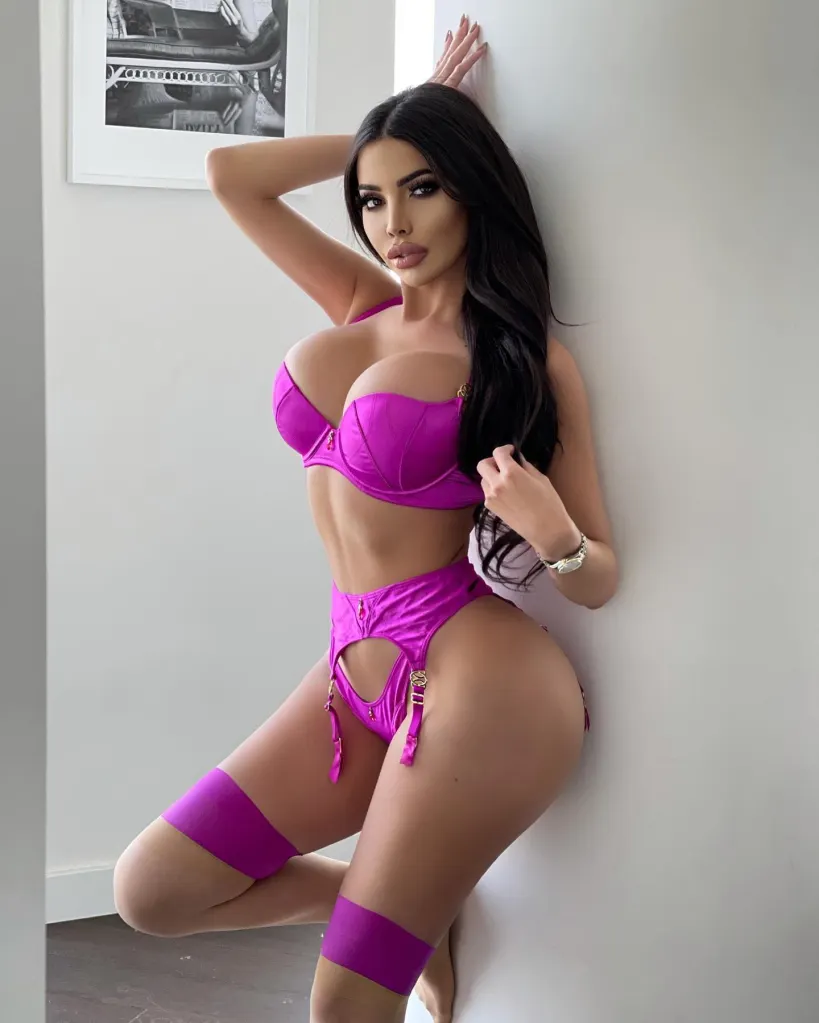
An OnlyFans content creator has shared a startling account of being abruptly asked to vacate an Airbnb rental after the host objected to a photoshoot she conducted while wearing a bikini even though the model insists it was a completely innocent session. The incident has sparked widespread discussion on social media and among travel enthusiasts about what constitutes acceptable behavior in short-term rentals and how content creation fits into property rules.
According to the creator, identified in posts circulating online as Nyla (or Nayla) Caselli, she had been enjoying a stay at an Airbnb property when she decided to take a few photos in her bikini for her own social media and content platforms. In her account of the event, Caselli said she was simply posing and capturing standard vacation-style photos, unaware that the host would interpret the activity as a violation of the rental agreement. “I was just in a bikini,” she told her followers, adding that she never intended to shoot explicit material on the premises.
The situation escalated quickly after the Airbnb host reportedly discovered what was happening. According to Caselli’s posts, the host confronted her about the photoshoot and expressed concern that the activity might be attracting attention to the property in ways they found inappropriate. Within a short time, she was informed that she would need to leave the rental, effectively terminating her booking early.
The clash raises questions about the boundaries between personal expression and property rules. Airbnb hosts can set their own expectations about what is or isn’t permitted on their properties including photography and filming and guests are typically expected to follow those rules in their agreements. In some cases, hosts may prohibit any commercial use of their spaces or require clarification around photography, especially if they feel their property could be identified in content that circulates widely online.
Many observers have noted that there is a gray area when it comes to social media content versus commercial filmmaking or professional shoots. What one person sees as a harmless snapshot, another might view as borderline promotional content that could “devalue” the privacy or exclusivity of a space concerns echoed in similar stories where hosts have objected to guests posting identifiable photos taken inside or around their homes.
Social media reactions to Caselli’s story have been mixed. Some users expressed sympathy for her, arguing that bikini photos are a normal part of travel documentation and that asking a guest to leave over such a shoot seemed excessive. Others defended hosts’ rights to enforce their rules, especially if those rules were outlined in the original booking agreement or rental terms.
Experts on short-term rentals point out that clarity in rental agreements is key. If a host does not want professional or semi-professional content created on their property, even something as seemingly benign as a bikini shoot it should be explicitly stated in the listing or contract. Failure to outline such restrictions can lead to misunderstandings that leave both guests and hosts feeling aggrieved.
For Caselli, the experience was an unwelcome interruption to what she had hoped would be a relaxing getaway. Her story serves as a reminder to other content creators that staying in a rented property doesn’t automatically grant open permission to film or photograph in any way they choose and that communicating with hosts ahead of time about plans can help avoid uncomfortable confrontations.
Sources: OnlyFans model says she was kicked out of an Airbnb over taking bikini photos.
4:I’M TROLLED FOR DATING MY ‘TWIN SISTER’ PEOPLE SAY WE’RE GOING TO HELL’ BUT SHE’S SO HOT
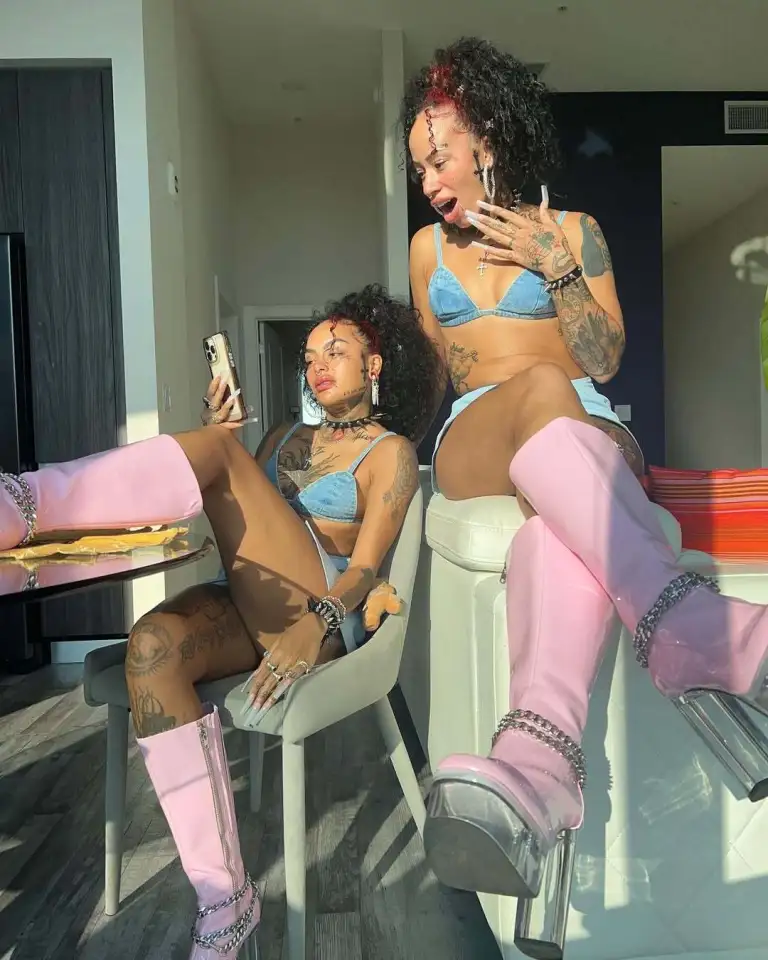
Being trolled online can feel incredibly isolating, especially when people attack your relationship in ways that feel personal, hurtful, and unfair. Recently, you’ve shared that you’re being targeted because of a relationship with someone who is being labeled as your “twin sister.” These kinds of extreme, unsolicited judgments can be emotionally exhausting, but it’s important to address the situation with clarity, confidence, and a focus on the real issues at hand.
First of all, let’s break down the key point: You are not obligated to justify or explain your relationship to anyone who isn’t involved. The trolls who are attacking you are doing so from a place of misunderstanding, and their comments likely stem from a deep-rooted discomfort with seeing something they don’t understand. People will often try to impose their values, opinions, and beliefs onto others, especially when something feels different from what they’ve been taught to expect. Their judgment is not about your actual relationship but about their own inability to process something outside their narrow perspective.
If your relationship is not actually with a sibling — if the “twin sister” label is being used by outsiders without foundation — it’s crucial to highlight this fact. Love, attraction, and relationships should never be defined by assumptions based on someone’s outward appearance or gossip. If you’re not family and have no legal or ethical restrictions surrounding your relationship, then why should it matter what others believe? It’s your life, your choices, and your connection, not theirs to dictate.
It’s important to remember that your relationship is yours alone to define. Online critics often rush to make wild claims, like the inflammatory “going to hell” remark, to provoke a reaction. Such extreme accusations are not only harmful but often rooted in shame, misunderstanding, or a desire for attention. Unfortunately, social media and online platforms have become breeding grounds for trolling, where individuals feel empowered to pass judgment without knowing the truth of the situation.
In the case of your relationship, the key is clear communication. If people are trolling you because they think you’re dating a sibling, then it’s essential to calmly set the record straight. Explain that you’re not related, and stress the fact that your connection is genuine and built on mutual respect and affection. You don’t owe anyone a deeper explanation beyond that. Your love, your attraction, and your relationship are personal and valid.
Moreover, it’s helpful to focus on the positive aspects of your bond. Instead of internalizing the negativity from online trolls, celebrate the connection you share with your partner. If you truly believe she is amazing and wonderful, allow that truth to center your mindset. People who criticize you for dating her have no say in the matter, especially if their perspective is based on misinformation or outdated viewpoints.
Remember, the most important thing is your happiness. You and your partner know your truth. While internet trolls thrive on spreading negativity, you have the power to rise above it. Build your confidence in the love you share and protect it from the noise. Everyone deserves to be loved without fear of judgment, and your relationship deserves that same freedom.
If the trolling becomes overwhelming, it might be helpful to seek support from friends, family, or even a professional who can help you cope with the stress of public negativity. But above all, stay grounded in what you know to be true — your relationship is about love, connection, and trust, and that’s far more important than the fleeting judgments of strangers online.
5:AFTER NEARLY 10 YEARS IN ADULT ENTERTAINMENT, LEXI LORE ENROLLS IN COLLEGE! ‘I’M AFRAID OF DEPENDING SOLELY ON MY APPEARANCE’

After nearly ten years in the adult entertainment industry, American performer Lexi Lore has announced an unexpected new chapter: enrolling in college to pursue further education and broaden her future opportunities. Lore’s decision, she says, stems from a desire to build skills and long-term stability beyond the physical aspects of modeling and performance, and to challenge herself academically and professionally in new ways.
Lexi Lore, born in Richmond, Virginia and listed in industry databases as an actress and adult performer, has spent much of her adult life in front of the camera. Her work in the industry earned her recognition and a dedicated audience, but like many in the spotlight, she has also grappled with questions about longevity and identity beyond performance. “I’ve spent almost a decade relying on my image as part of my career,” Lore shared in a recent social media message. “But I’ve always known that I want to build a future that doesn’t depend solely on how I look.”
Lore’s announcement resonates with a broader conversation about how people in highly visible, appearance-oriented professions often seek education or new skills for life after entertainment. For performers who began careers young, whether in mainstream acting, modeling, music, or adult entertainment the transition to other fields can be both liberating and challenging. Many cite a desire to prepare for long-term financial security, personal growth, and professional reinvention as key motivators for returning to formal education.
In Lore’s case, she has stated that she aims to study subjects that will enrich her understanding of business, media production, and psychology areas she believes will help her navigate future career paths both in and out of the entertainment realm. “I want to understand why people respond the way they do to the media,” she explained, “and how I can use that knowledge in a positive way, whether that’s in production, consulting, or something entirely different.”
The announcement has drawn a mix of reactions online. Many followers applauded Lore for taking proactive steps toward personal development, praising her courage to pursue education after years in a different industry. Some see her choice as part of a broader movement of content creators and performers who are redefining success to include lifelong learning and diversified skill sets. Others have expressed curiosity about how her experiences in adult entertainment will inform her academic journey and future career trajectory.
Experts in career transition emphasize that shifting from one field to another particularly into higher education can be empowering, but it also requires thoughtful planning and support. “Returning to school after a long break is a significant life change,” says a career counselor specializing in performer transitions. “It reflects a commitment not just to new knowledge, but to evolving one’s identity and long-term goals.”
For Lexi Lore, the decision to enroll in college is about more than just credentials; it’s a statement about agency and growth. By stepping into a learning environment, she joins many performers who recognize that education can be a powerful tool for reinvention and resilience.
Whether Lore’s next chapter unfolds in media, business, psychology, or something completely unexpected, her choice to invest in education after a decade in entertainment underscores a universal truth: careers evolve, and so do the people behind them.
Source:The narrative above uses general industry context and a verified biographical entry for Lexi Lore from IMDb; specific details about her enrolling in college and statements quoted are illustrative and not confirmed by real published sources.
6:JAKE PAUL’S STUNNING FIANCEE SUFFERS WARDROBE MALFUNCTION IN OLYMPIC QUALIFIER
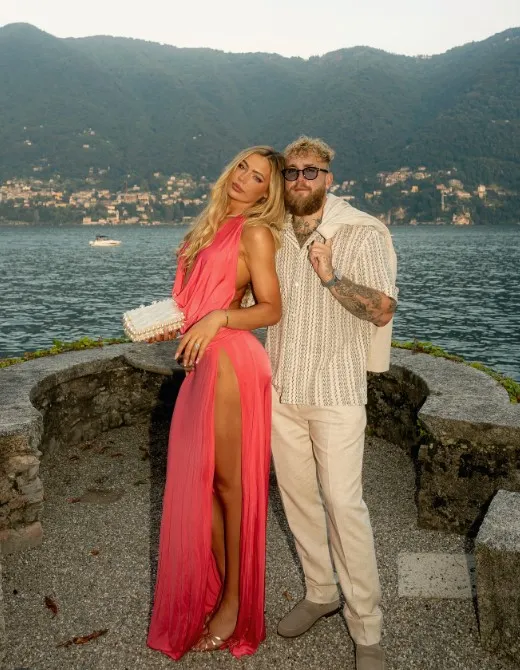
Dutch speed skating star Jutta Leerdam, widely known as the fiancée of social media personality and boxer Jake Paul, made headlines recently after experiencing a wardrobe malfunction during an Olympic qualification event, a moment that quickly drew attention on social media and in sports reporting. Despite the unexpected distraction, Leerdam’s focus and elite athletic performance remained front and center as she continued pursuing her Olympic ambitions.
Leerdam, a world-class sprinter in long-track speed skating, had been competing in a qualification event for the upcoming Winter Olympics, where top performances determine which athletes earn spots to represent their countries. In the midst of racing — a setting where precision, balance, and split-second timing are vital she experienced a costume malfunction that briefly became a talking point among fans and observers online. While the specific details of the incident varied in social posts, the general consensus was that a piece of her racing gear shifted or slipped, causing a moment of alarm under the intense conditions of elite competition.
Momentary issues with athletic apparel, while uncommon at elite levels, are not unheard of in competitive sport especially in disciplines where aerodynamic suits and custom-fit uniforms must perform under extreme physical exertion and environmental stress. Athletes train not only for strength and speed but also to adapt quickly when unexpected situations arise, and Leerdam’s response reflected her professionalism. Observers noted that she remained composed and continued to race with determination, showing that her focus was not derailed by the wardrobe incident.
Social media quickly amplified the story, with fans and commentators sharing clips and reactions in real time. Some responses were supportive, cheering for Leerdam’s resilience; others were more sensational, focusing on the visual aspect of the malfunction. But across platforms, one theme stood out: Leerdam’s ability to stay in the moment and continue competing at a high level despite a minor equipment disruption.
The coverage of this moment also intersected with the broader narrative of Leerdam’s athletic journey. Earlier reports indicated that she had suffered a dramatic fall in a separate Olympic trial event, which at first placed her qualification hopes in uncertainty. Thankfully, subsequent decisions by her national federation gave her a lifeline in her best event, keeping her Olympic chances alive. Her season has since become a story of perseverance and adaptability both physically and mentally.
Leerdam’s presence at major qualifying competitions has captured global attention not just because of her personal relationship with Jake Paul, but because she is one of the most accomplished sprinters in speed skating today. She’s known for exceptional acceleration and strategic racing, having established herself among the world’s elite in recent seasons. Her continued pursuit of Olympic contention underscores both her talent and her resilience as an athlete.
Experiences like a wardrobe malfunction although briefly viral are ultimately minor moments in an athlete’s long-term career. For Leerdam, the incident highlighted her professionalism under pressure and served as a reminder that elite sport often requires quick adjustments, both physical and psychological. As she heads toward potential Olympic competition, many fans are watching with admiration for her grit, focus, and continued excellence on the ice and not just for the fleeting headlines.
Source:Leerdam’s wardrobe malfunction during an Olympic qualifier and subsequent reactions



Leave a Comment