
A Soul Unbroken by War
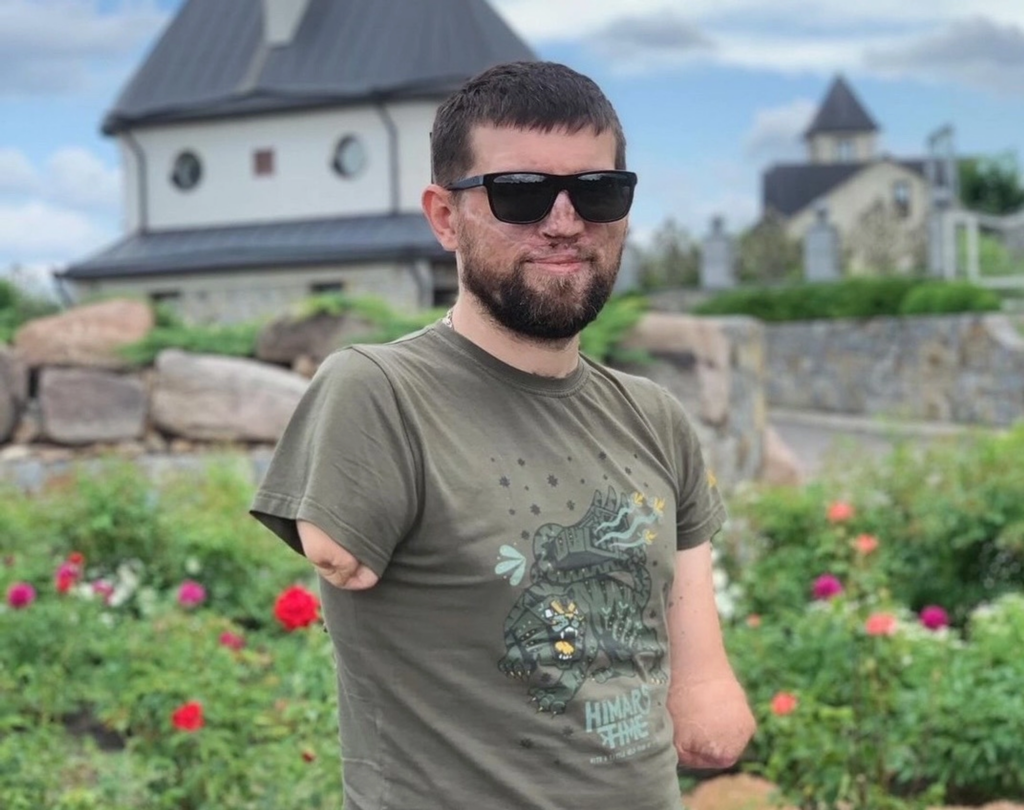
Ukrainian soldier Zakhar Biryukov embodies a will that refuses to be extinguished. In July 2022, an artillery strike nearly destroyed his body, taking both arms, his right leg, and the sight in one eye. Evacuated through a harrowing medical chain, his survival alone was a miracle forged through countless surgeries and a fierce battle against infections and complications in hospitals across Ukraine and Germany. Biryukov, who had volunteered in 2015 and returned to service in 2022, was not a bystander but an active defender when he was wounded. His recovery became a second, profound battle—not of healing, but of total reinvention. It meant starting from zero: learning to live without limbs, mastering prosthetic use, and painstakingly rebuilding every facet of his independence. Yet, Biryukov has chosen to move forward with staggering resilience. He continues rehabilitation, pursues education, creates art, and has even climbed Ukraine’s highest peak, Mount Hoverla. His story is a raw testament to the human spirit’s capacity to endure and redefine life after unimaginable loss. It is a narrative not of pity, but of profound strength—a reminder that while war can shatter a body, it cannot claim a soul that chooses, defiantly and daily, to keep going.
From a Grave of Despair to Life
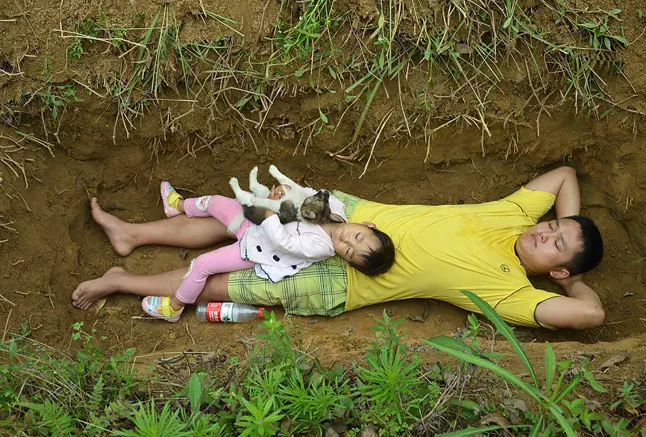
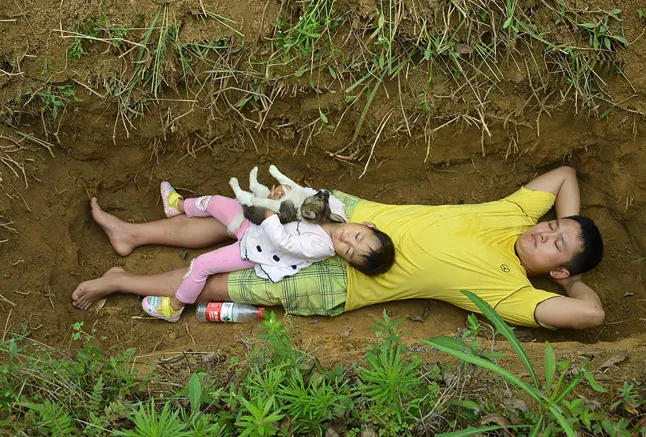
In 2017, Zhang Liyong, a farmer from China’s Sichuan province, performed an act of profound desperation that gripped a nation. Facing the imminent loss of his two-year-old daughter to severe thalassemia—a genetic disorder requiring costly, lifelong transfusions and a transplant—and having exhausted all savings, he dug a grave. He sat in it with his child, a stark confrontation with the death he believed was inevitable. Images of this raw, heartbreaking moment spread online, unleashing a tidal wave of public sympathy and donations from across China. The collective response funded the girl’s ongoing care, buying crucial time. Later, a miracle of modern medicine and family hope intervened: the birth of a younger sister provided compatible cord blood for a hematopoietic stem cell transplant. The procedure was successful. The little girl, once symbolically buried by her father’s despair, survived and recovered. The grave was filled in, replaced by a future. This story is a harrowing testament to parental love pushed to its limits, the transformative power of collective compassion, and the fragile, miraculous intersection of biological chance and human resilience that can, at times, rewrite a fate seemingly set in stone.
A Fatal, Tiger-Like Attack

A 59-year-old man, Frank Monte, was mauled to death by a pit bull on January 18 in a Staten Island home he did not reside in. Police responded to find Monte deceased with wounds consistent with dog bites. Neighbors described the dog, named Bean, as having a known “violent” and unpredictable nature, with one stating it charged “like a tiger.” Reports indicate the animal had a history of aggression, including previous biting incidents, and allegations surfaced of possible neglect or abuse by its owners. The tragedy has intensified the ongoing, complex debate surrounding pit bulls, responsible ownership, and breed-specific legislation. It underscores the catastrophic consequences that can arise when powerful dogs—regardless of breed—are not properly socialized, trained, or cared for. Beyond the immediate horror, the incident forces a painful examination of community safety, owner accountability, and the failure of systems to intervene before a known aggressive animal claims a life. The victim’s death is a stark reminder that the management of potentially dangerous pets is not merely a private matter but a profound public safety concern with lethal stakes.
The Tumor Mistaken for Fat
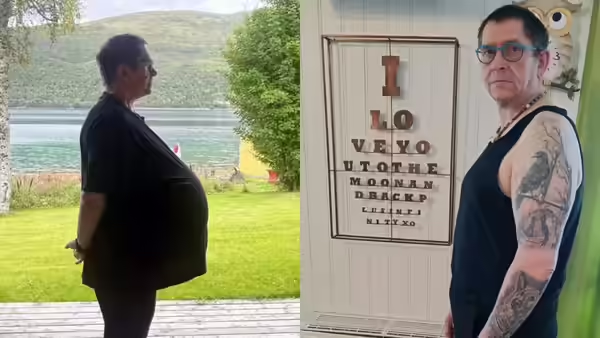
For twelve years, Thomas Kraut visited doctors seeking answers for his steadily expanding abdomen. Each time, he was told he was simply overweight, diagnosed with type 2 diabetes, and prescribed weight loss. Even treatments like Ozempic failed to halt the growth. The truth, hidden until 2023, was devastating: during preoperative scans for a planned gastric sleeve surgery, doctors discovered a massive 60-pound malignant tumor overtaking his abdomen. The growth, which had been silently causing internal damage for over a decade, required an exhaustive ten-hour surgery for removal, along with his right kidney and part of his small intestine. Miraculously, Thomas survived. His story is a harrowing case of medical oversight, where a doctor’s assumption about weight obscured a deadly reality. It underscores a critical lesson in healthcare: persistent symptoms that defy standard explanations demand deeper investigation. This experience highlights the dangers of diagnostic bias and the vital importance of listening—truly listening—to a patient’s own account of their body, as the difference between dismissal and discovery can ultimately be the difference between life and death.
The Marathon That Never Ended
At 18, Terry Fox lost his right leg to osteosarcoma, a form of bone cancer. Rather than retreat, he channeled his resilience into an audacious dream: to run across Canada on a prosthetic leg to raise money for cancer research. On April 12, 1980, he dipped his artificial limb in the Atlantic Ocean in St. John’s, Newfoundland, and began his “Marathon of Hope.” His goal was to run the equivalent of a marathon nearly every day—42 kilometers on a leg not built for running—with his best friend, Doug Alward, supporting him in a van. For 143 days, through harsh weather, physical agony, and mounting fatigue, Terry inspired a nation with his determination, stopping in towns to share his story. The run ended tragically near Thunder Bay on September 1, when doctors discovered the cancer had spread to his lungs. From his hospital bed, he urged Canadians to continue his mission. A nationwide telethon raised millions, and by February 1981, his dream of raising one dollar for every Canadian was surpassed, totaling $24.17 million. Terry Fox passed away on June 28, 1981, at age 22, but his legacy is immortal. Today, the Terry Fox Foundation has raised over $950 million worldwide, funding more than 1,300 cancer research projects. His run remains one of history’s most powerful testaments to the human spirit—a single step that became a global stride for hope, proving that one person’s courage can ignite a movement that outlasts a lifetime.
Redefining Success, Body and Mind
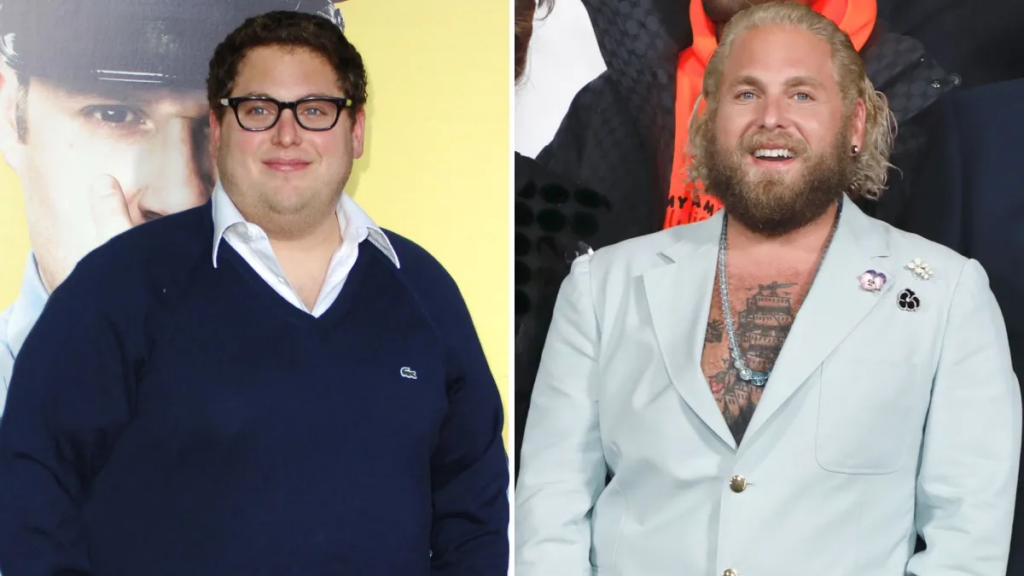
Jonah Hill’s evolution from 2015 to 2025 is far more than a physical transformation; it is a profound narrative of self-discovery, discipline, and holistic well-being. Having spoken candidly about his battles with body image, anxiety, and the intense scrutiny of Hollywood, Hill’s journey represents a deliberate pivot toward health as a form of self-respect, not external validation. This shift is characterized by consistent fitness routines, mindful nutrition, and—most importantly—an ongoing commitment to mental health. Rather than conforming to industry pressures, he has redefined his own standards of success, emphasizing balance, sustainability, and inner peace. His openness about therapy, self-doubt, and the non-linear nature of progress has resonated deeply, offering a relatable counter-narrative to celebrity culture. Hill’s story underscores that true transformation is internal as much as it is external, built on daily choices that honor both body and mind. In an era obsessed with quick fixes and aesthetics, his journey stands as a quiet testament to the power of patience, self-compassion, and the courage to grow on one’s own terms—reminding us all that the most meaningful change often happens far from the spotlight.
A Hero’s Last Firefight
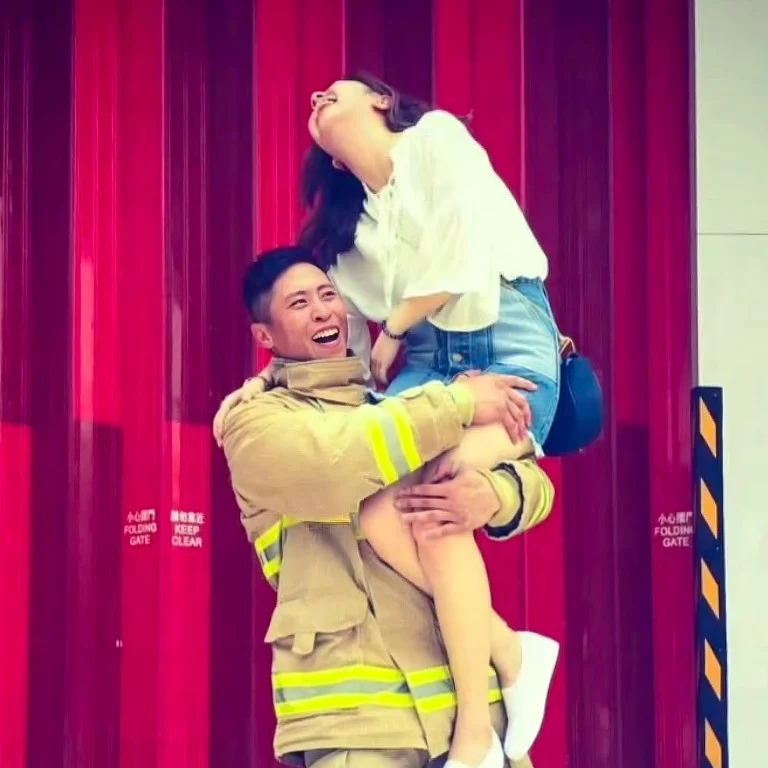
In a devastating act of ultimate sacrifice, Hong Kong firefighter Ho Wai-ho lost his life battling a massive apartment fire in Tai Po. According to reports, Ho heroically ensured residents could escape the blaze, prioritizing their safety until his final moments. The tragedy is compounded by heartbreaking personal timing—Ho was just weeks away from marrying his girlfriend of ten years. The couple had been immersed in joyful wedding preparations, eagerly anticipating their future together. Following the incident, his fiancée shared an emotional tribute online, calling him her “superhero” and honoring the bravery that defined his life and death. Her words resonated widely, amplifying the story’s emotional impact across social media. The Hong Kong community and the fire service have since held tributes, honoring Ho’s selflessness and the profound risks first responders face daily. His story is a somber, powerful testament to the duality of heroism: the courage to run toward danger and the deep personal love that makes such sacrifice so profound. Though his life was tragically cut short, Ho Wai-ho’s legacy endures—a reminder that the bravest hearts are often those that beat not just for duty, but for the cherished lives they vow to protect.
When Treatment’s Side Effects Break Bones
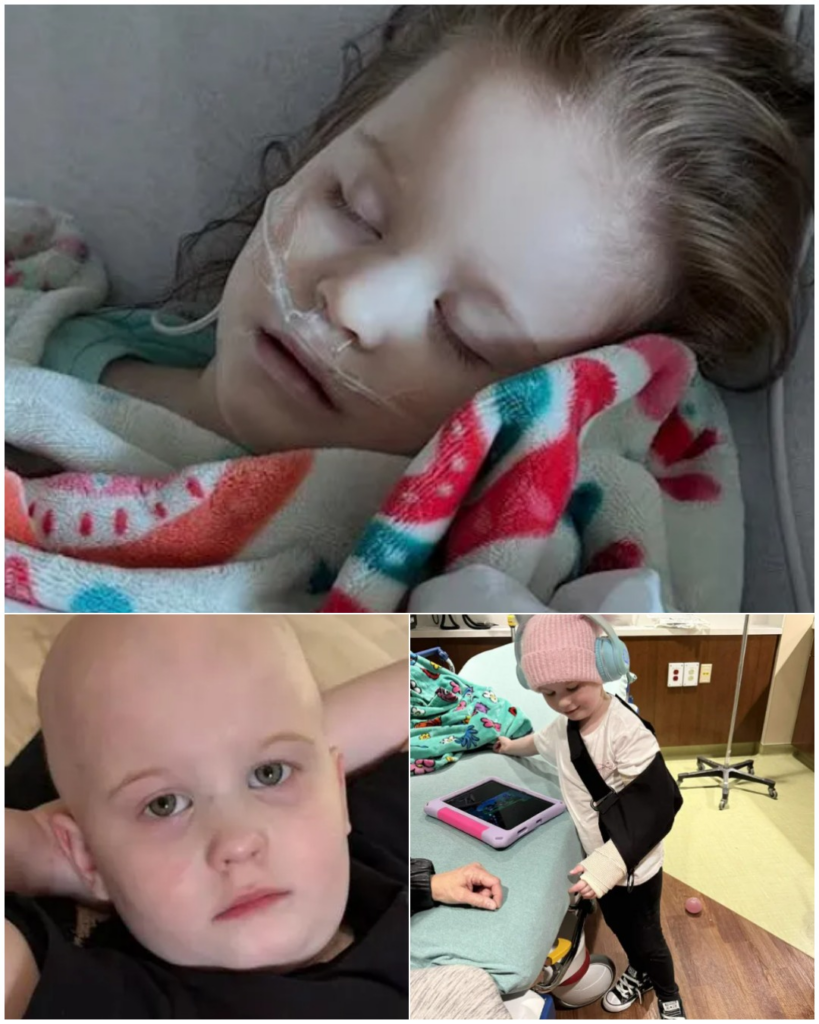
Laekyn, a young girl courageously fighting leukemia, now faces a painful secondary battle caused by the very treatment saving her life. The intensive chemotherapy and steroids essential to defeating cancer have silently weakened her bones, a known but devastating side effect. A simple, everyday moment—a small fall at home—resulted in a broken arm, transforming an ordinary childhood mishap into another traumatic hospital visit, more pain, and renewed fear. Already enduring relentless bone pain, potent medications, and a grueling cycle of medical appointments, Laekyn continues to strive for normalcy, trying to climb and explore like any child. Her body is weary, but her spirit remains resilient. As she confronts this new setback, her mother is publicly asking for prayers, strength, and hope for their family. Laekyn’s story illuminates the harsh, often hidden complexities of pediatric cancer treatment, where survival can come at a steep physical cost, and the fight extends far beyond the primary disease into the collateral damage of its cure. It’s a poignant reminder that behind the statistics of remission are children and families navigating a prolonged landscape of vulnerability, where even a laundry basket can become a source of fracture, both physical and emotional.


Leave a Comment